September 5, 2026 · 4 min read
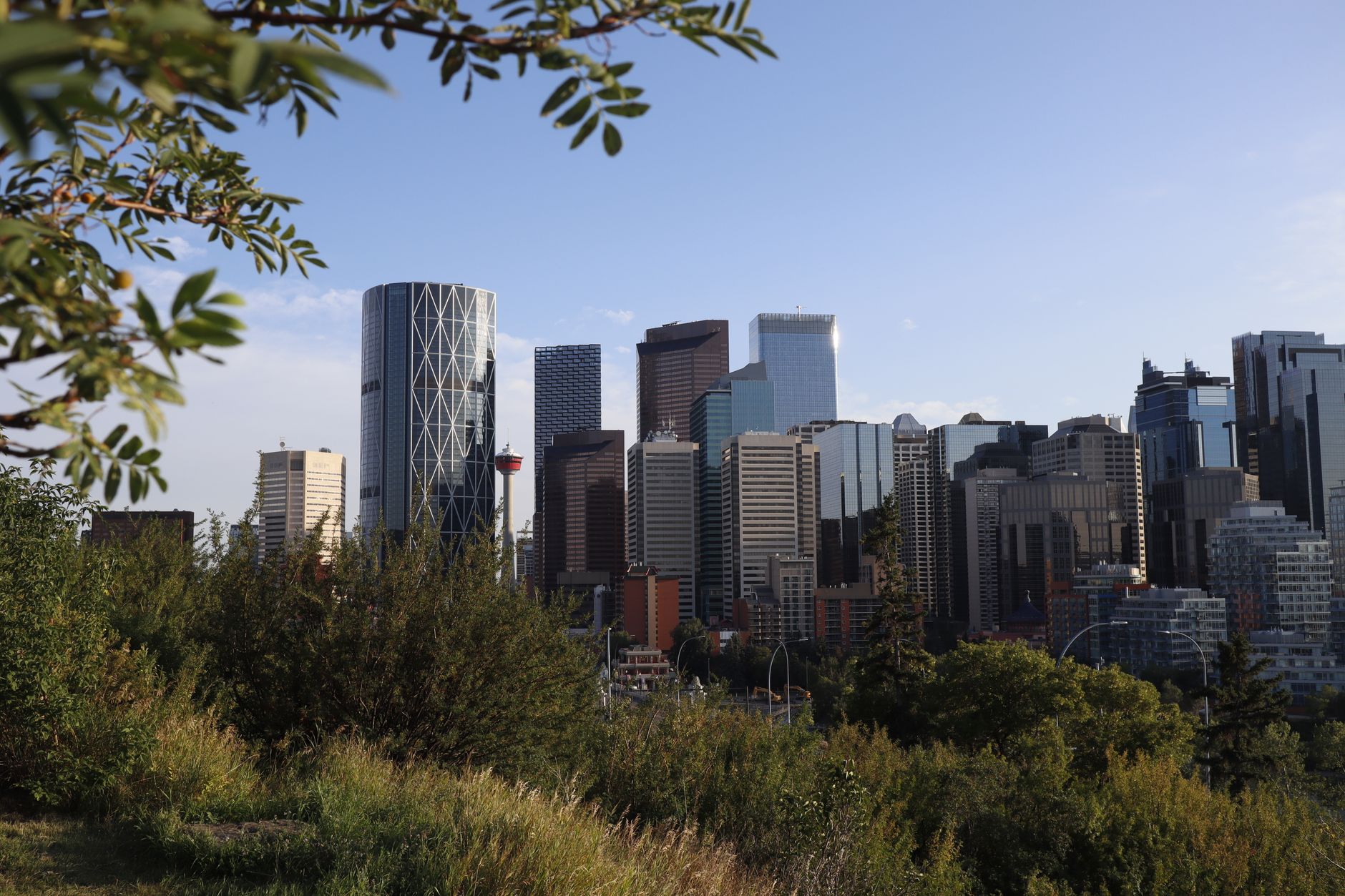
Deciding between two dynamic Canadian cities for your next adventure? Calgary and Montreal both offer unique charms for young travelers, but their vibes couldn't be more different. One boasts Rocky Mountain proximity and a frontier spirit, while the other pulses with European flair and centuries of history. It's not just about the iconic landmarks; it's about the lesser-known spots that truly reveal a city's soul.
To help you weigh your options, we've dug deep into the cultural fabric of both Calgary and Montreal, unearthing surprising stories and hidden gems far beyond the typical tourist trails. From secret historical meeting places to architectural marvels and fiercely debated culinary traditions, prepare to discover unexpected facets that might just sway your decision on which city truly wins the 'most fun' title.

1. Calgary's Urban Oasis: Inglewood Bird Sanctuary
Inglewood Bird Sanctuary & Nature Centre, Calgary, Canada
This tranquil sanctuary, home to over 270 bird species, was once a thriving industrial site.
Before it became a haven for wildlife, the land now known as the Inglewood Bird Sanctuary housed a bustling water purification plant and a quarry. Established in 1929, it stands as one of Canada's oldest federally recognized bird sanctuaries, a testament to nature reclaiming its space amidst an industrial city. The Bow River's flow here creates diverse habitats, making it a crucial migratory stopover.
2. Lougheed House: A Suffragette's Salon
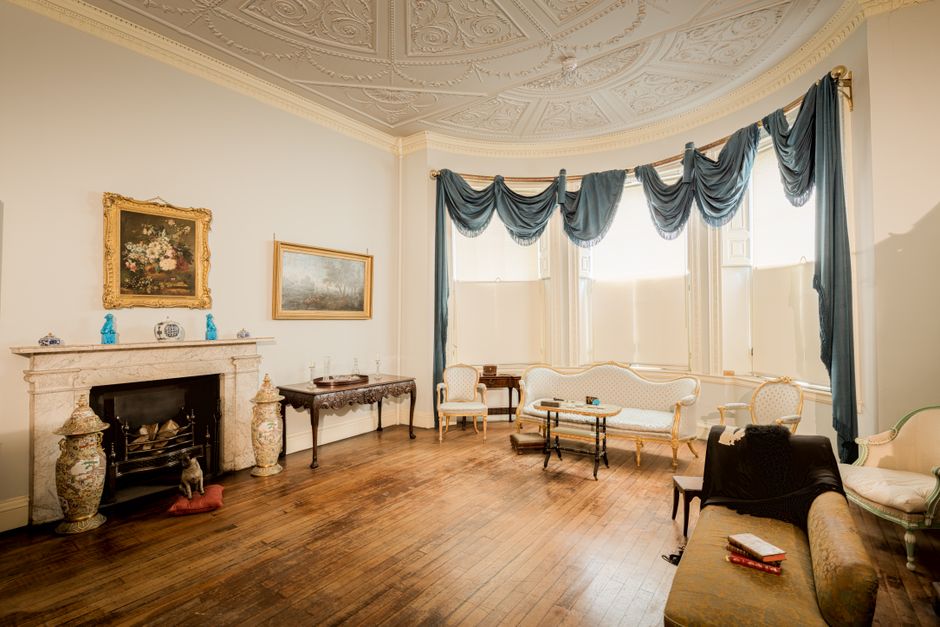
Lougheed House National Historic Site, Calgary, Canada
This opulent sandstone mansion was a secret hub for Alberta's suffragette movement and wartime efforts.
Built in 1891 for Senator James Lougheed and his wife Isabella, this grand Victorian house was more than just a symbol of early Calgary wealth. Isabella Lougheed, a prominent socialite, hosted meetings that discreetly advanced women's suffrage and later served as a Red Cross headquarters during both World Wars. Its elegant rooms witnessed pivotal moments in Alberta's social and political history, far beyond its gilded facade.
3. Studio Bell: The Sound of a Nation
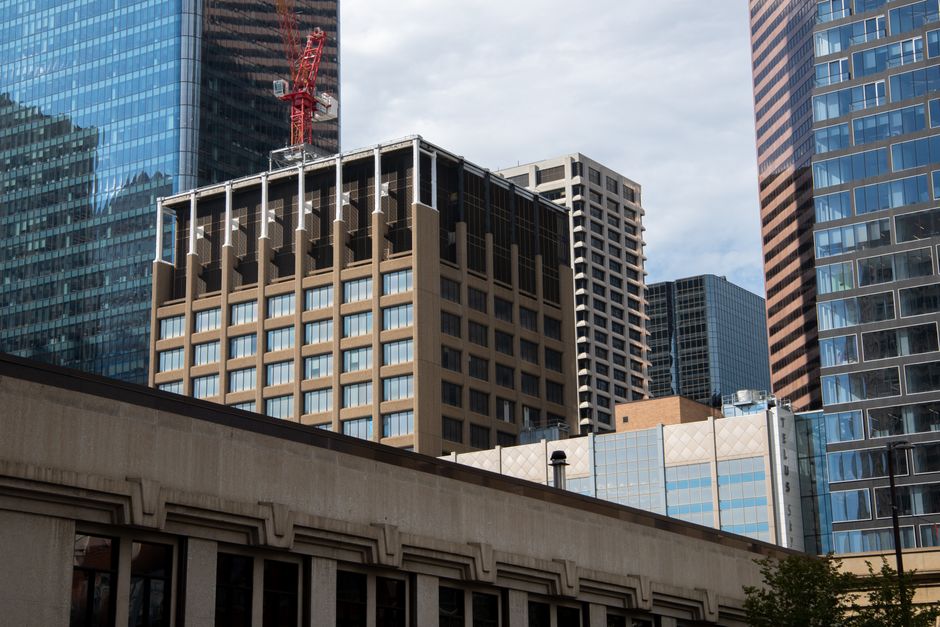
Studio Bell, National Music Centre, Calgary, Canada
This architectural marvel houses a collection of musical instruments so vast, it includes instruments played by legends and a recording studio from the Rolling Stones.
Studio Bell isn't just a museum; it's a living archive and performance space. Its striking, curvilinear design, inspired by musical instruments and landscapes, holds over 2,000 artifacts, including the legendary Mobile Studio used by the Rolling Stones and Led Zeppelin. You can explore Canada's musical story, from Indigenous traditions to modern pop, and even witness instrument restoration, experiencing music as both art and science.
4. Fish Creek's Hidden Ranch History
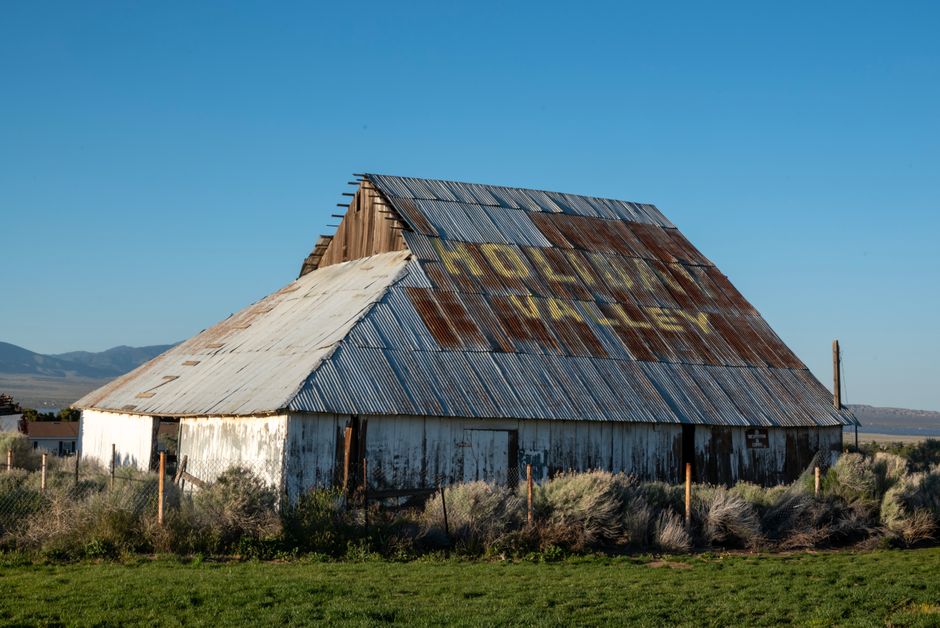
Bow Valley Ranch, Fish Creek Provincial Park, Calgary, Canada
Within one of North America's largest urban parks lies a historic ranch that once belonged to one of Calgary's founding figures.
Bow Valley Ranch, nestled within the vast expanse of Fish Creek Provincial Park, dates back to 1873 when it was established by William Roper Hull. This early pioneer played a significant role in Calgary's development, running a massive ranching operation. Today, the preserved buildings and grounds offer a glimpse into Alberta's ranching heritage, contrasting sharply with the city's modern skyline, reminding visitors of the land's deep agricultural roots.
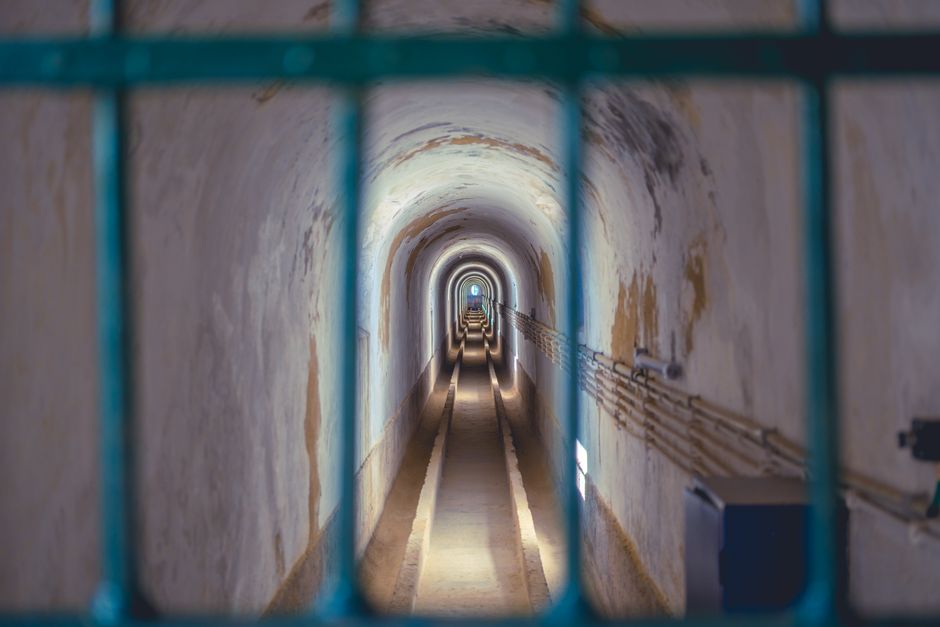
5. Pointe-à-Callière: Walk Through Time Underground
Pointe-à-Callière, Montréal Archaeology and History Complex, Montreal, Canada
Beneath the streets of Old Montreal, this museum lets you literally walk through archaeological ruins dating back to the city's very origins.
Pointe-à-Callière isn't just a building *about* history; it's built *on* history. Descend below ground to explore the foundations of Montreal's first permanent settlement, walking through original stone walls, ancient drainage systems, and even a portion of the old collector sewer. This multi-layered site unveils centuries of human activity, from Indigenous encampments to the French colonial era, offering a tangible connection to the city's birth.
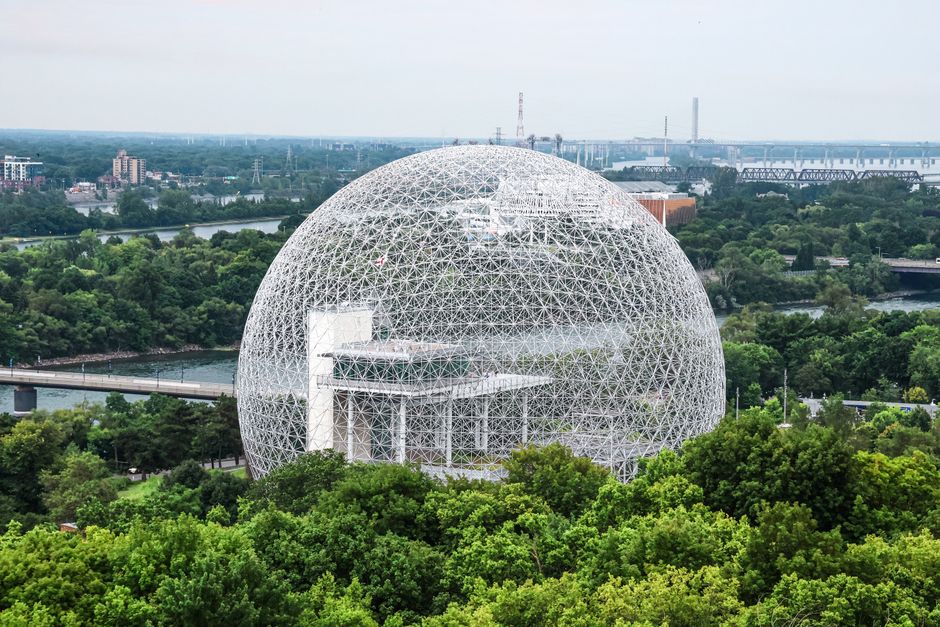
6. Habitat 67: A Vision of the Future, Built
Habitat 67, Montreal, Canada
This iconic residential complex, built for Expo 67, was a radical experiment in urban living designed to combine the benefits of suburban homes with city apartments.
Designed by architect Moshe Safdie for Montreal's 1967 World's Fair, Habitat 67 challenged conventional housing. Composed of 354 pre-fabricated concrete modules stacked in various configurations, it aimed to provide each resident with a garden, fresh air, and privacy, even in a high-density environment. It remains a functioning residential complex today, a testament to a daring architectural vision that continues to inspire discussion about sustainable urban design.
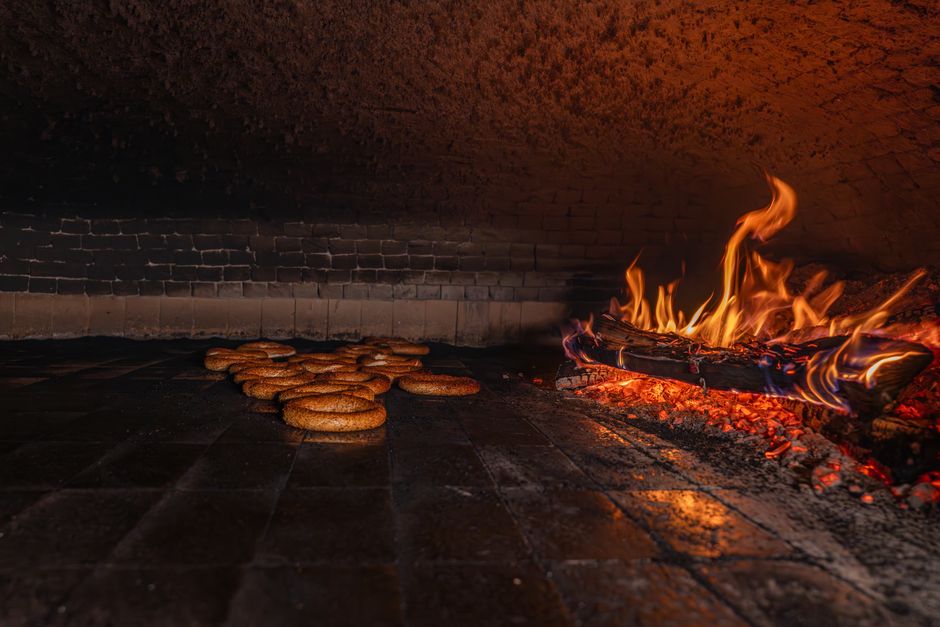
7. Montreal's Bagel Battle: Mile End's Wood-Fired Secrets
St-Viateur Bagel & Fairmount Bagel (Mile End), Montreal, Canada
The legendary rivalry between two unassuming bagel shops in Mile End has shaped Montreal's unique, hand-rolled, wood-fired bagel culture.
Forget New York; Montreal bagels are a distinct art form. In the heart of Mile End, St-Viateur Bagel and Fairmount Bagel have been baking side-by-side for decades, each claiming the superior recipe. Both use traditional wood-fired ovens, hand-roll their dough, and sweeten it with honey, resulting in a denser, chewier, slightly sweeter bagel. This friendly competition isn't just about food; it's a vibrant piece of Montreal's Jewish culinary heritage, perpetually open, serving fresh bagels 24/7.
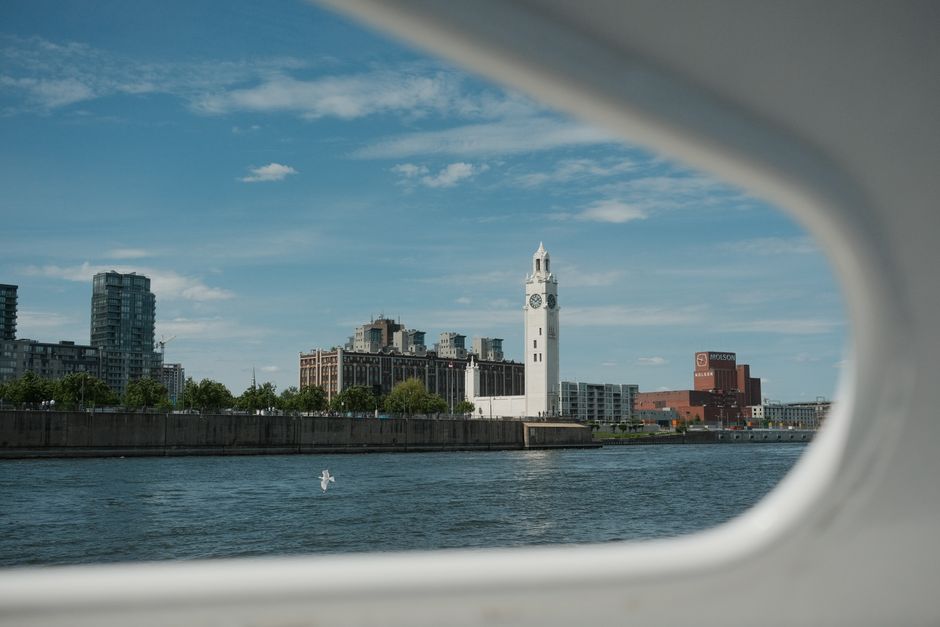
8. Lachine Canal: From Industrial Heartbeat to Urban Oasis
Lachine Canal National Historic Site, Montreal, Canada
This tranquil waterway, now a UNESCO-recognized park, was once the engine of Canada's industrial revolution, transforming Montreal into a major port.
Opened in 1825, the Lachine Canal bypassed the treacherous Lachine Rapids, allowing ships to navigate the St. Lawrence River. Its banks became a hub of industry, with factories and mills powered by its waters, cementing Montreal's economic dominance. After its commercial decline, the canal was revitalized into a linear park, now a beloved spot for cycling and strolling, where remnants of its industrial past stand alongside modern recreational spaces.
Frequently asked questions
What's the nightlife like for young people in Calgary?
Calgary offers a diverse nightlife scene, particularly in areas like 17th Avenue SW (the Red Mile), Stephen Avenue, and Inglewood. You'll find everything from lively pubs and sports bars to trendy cocktail lounges and live music venues, catering to a range of tastes.
Are there good outdoor activities for young people near Montreal?
Absolutely! Montreal is close to numerous outdoor activity spots. Parc Jean-Drapeau offers cycling and events, while a short drive can take you to Mont Saint-Hilaire for hiking, or to the Eastern Townships for skiing and beautiful lakes, perfect for day trips.
Which city, Calgary or Montreal, is generally more budget-friendly for young travelers?
Generally, Calgary tends to be slightly more budget-friendly for accommodation and certain everyday expenses compared to Montreal, especially outside the peak tourist season. However, Montreal offers many free cultural events and accessible public transit, which can help offset costs.
How can the AllTours.ai app enhance my visit to these cities?
AllTours.ai transforms your phone into an AI audio tour guide. Simply point your camera at any landscape or landmark—whether it's an architectural detail in Montreal or a distant peak near Calgary—and the app will instantly narrate its history, geology, and cultural significance in your preferred language, revealing stories you'd otherwise miss.
Photography via Pexels. AllTours.ai is an AI audio tour guide — point your camera at any landscape and hear its story.