June 21, 2026 · 4 min read
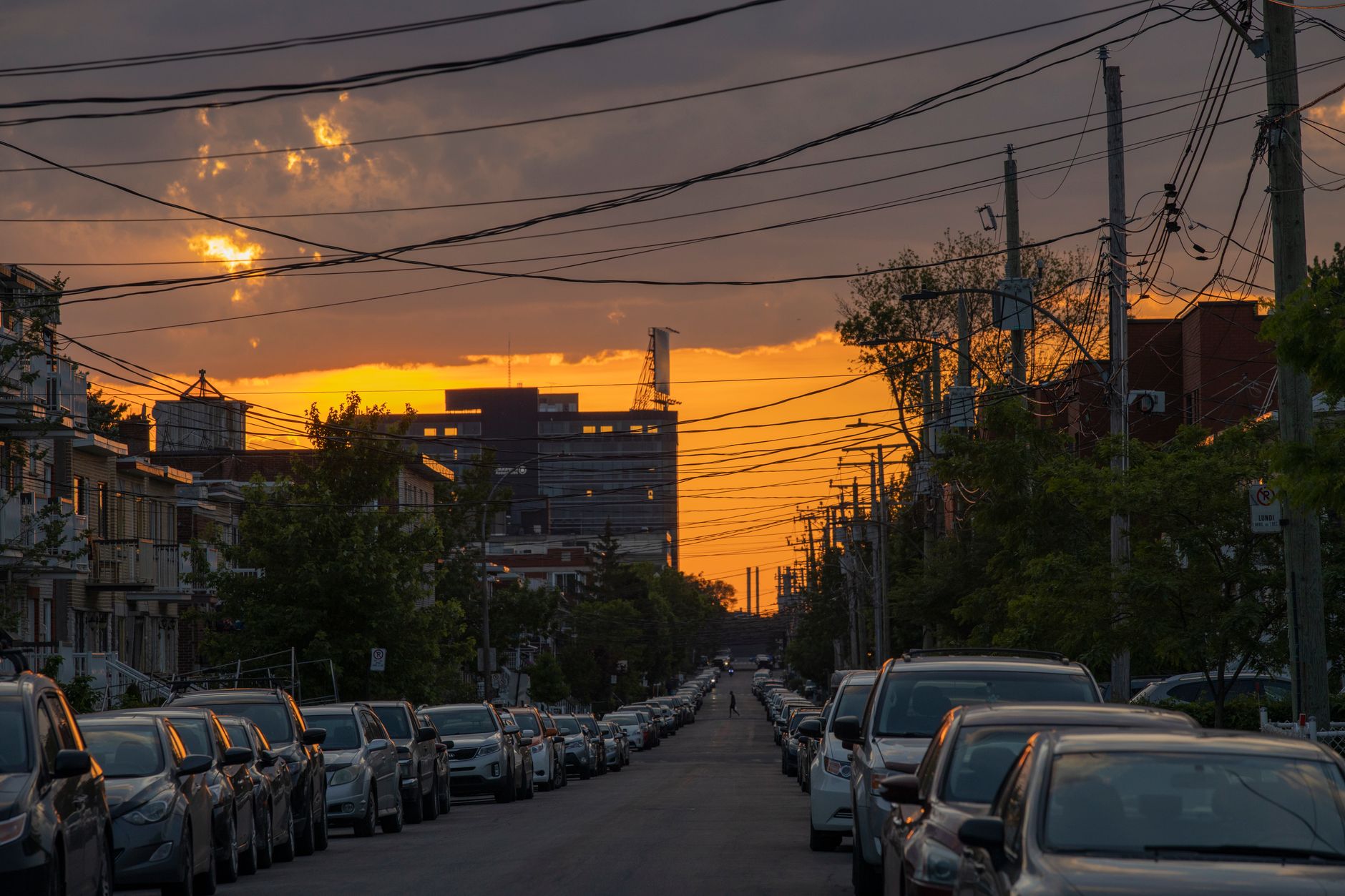
The question, "Can I comfortably live in Montreal with only basic French?" is a common one for prospective residents. The short answer is a resounding 'yes.' While French is the official language and a beautiful part of the city's identity, Montreal is a vibrant, multicultural metropolis with a significant English-speaking population and a remarkable openness to communication in whichever language you speak.
True comfort here often comes not from perfect fluency, but from embracing the city's unique blend of cultures and discovering its authentic spirit beyond the obvious tourist paths. These lesser-known spots offer a glimpse into the Montreal that locals cherish, where stories are told not just in words, but in stone, art, and community initiatives.
1. The Green Veins of Le Plateau
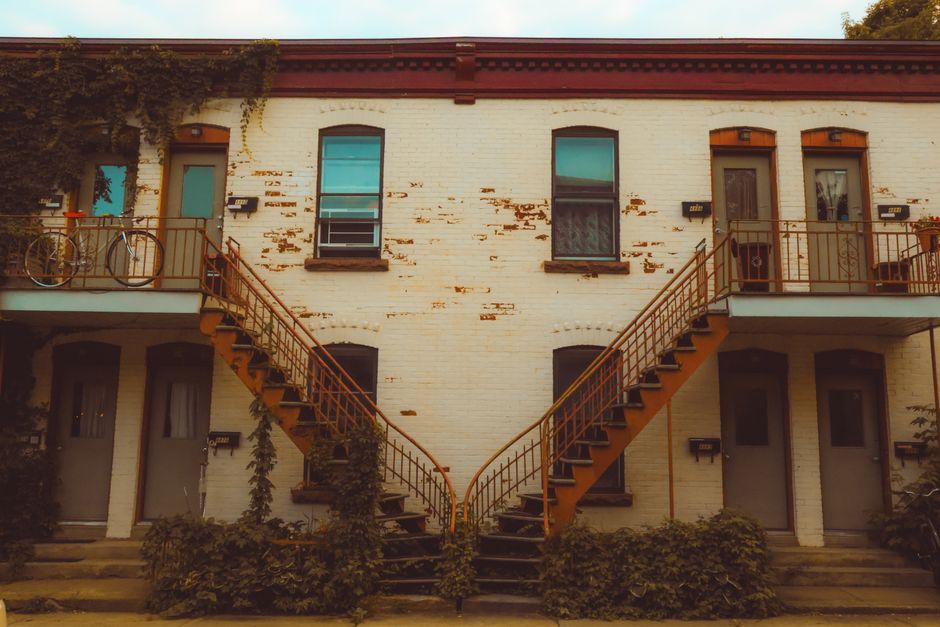
Le Plateau Mont-Royal, Montreal, Canada
Behind the vibrant facades of Le Plateau's iconic streets lie secret garden alleys, born from a unique community spirit.
Le Plateau Mont-Royal is famous for its external staircases and bustling boulevards, but its true charm often lies hidden. The 'ruelles vertes' (green alleys) are former service lanes, transformed by residents into lush, communal gardens and quiet pathways. These aren't just pretty shortcuts; they are testaments to grassroots urban transformation, creating miniature oases and fostering a unique social fabric that speaks to Montrealers' dedication to their shared spaces.
2. Lachine Canal's Industrial Ghosts
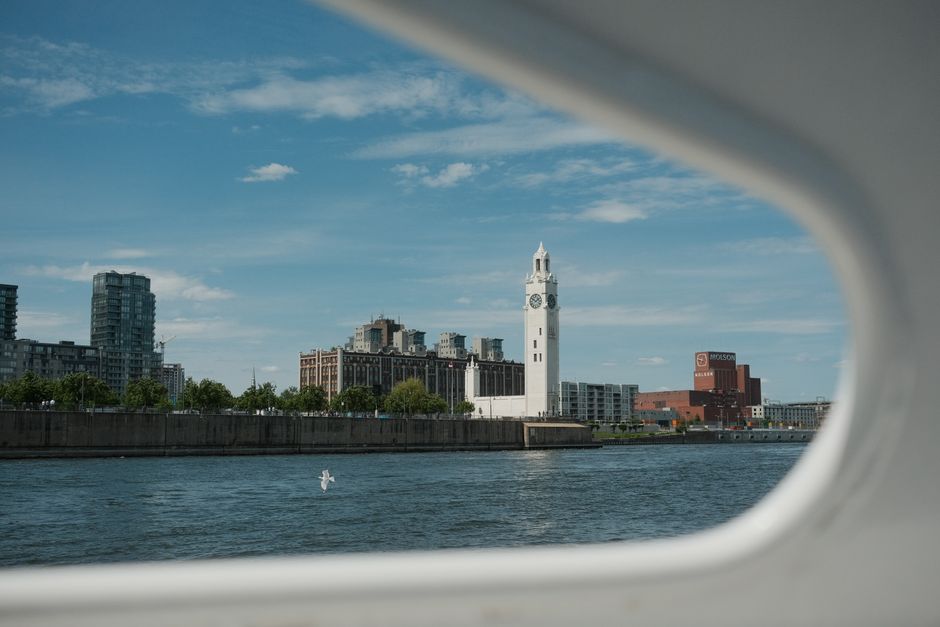
Lachine Canal National Historic Site, Montreal, Canada
Montreal's historic Lachine Canal was once the industrial heart of Canada, powered by a force now largely silent.
Today, the Lachine Canal is a tranquil path for cyclists and strollers, but it holds a dramatic past. This waterway was North America's first major industrial corridor, its banks lined with factories that harnessed the canal's waters for power, making Montreal a manufacturing powerhouse in the 19th century. The red-brick remnants of these mills and the impressive old lock mechanisms stand as silent giants, telling tales of innovation, immigrant labour, and the city's formative economic might.
3. Saint-Joseph's Oratory's Humble Beginnings
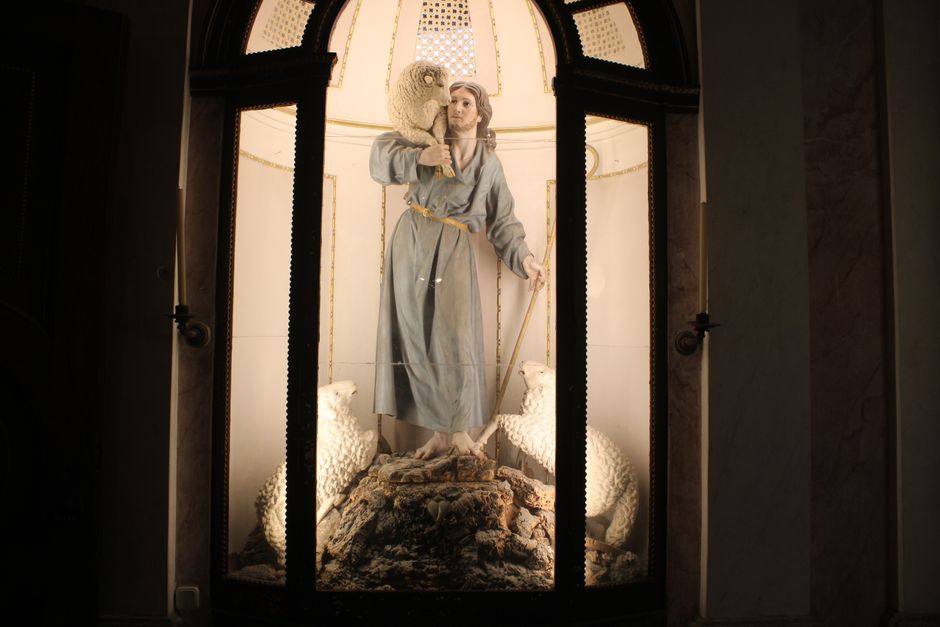
Saint-Joseph's Oratory of Mount Royal, Montreal, Canada
Beyond the grand basilica, a quieter, older sanctuary holds a surprising collection of crutches.
While Saint-Joseph's Oratory is a monumental landmark, many visitors only experience its vast upper basilica. Below, the original, more intimate Crypt Church built by Brother André offers a glimpse into the Oratory's humble beginnings. Even more moving is the votive chapel, where thousands of crutches, canes, and medical aids are left by pilgrims, believing in miraculous healings attributed to Brother André. It’s a powerful, often overlooked, testament to faith and human hope.
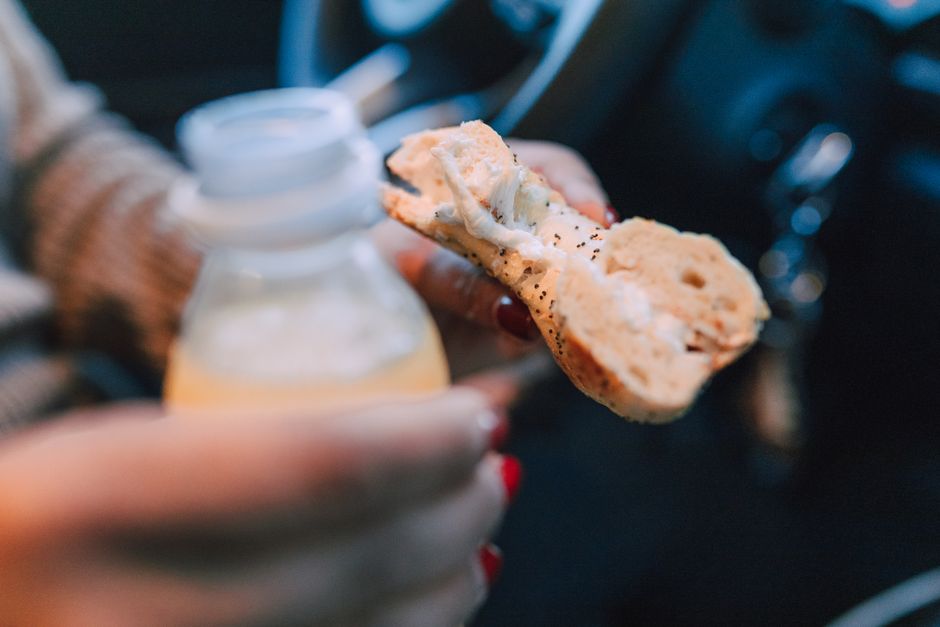
4. Mile End's Bagel Battleground
Mile End, Montreal, Canada
Two unassuming bagel shops in Mile End fuel one of Montreal's sweetest, most enduring culinary rivalries.
Montreal bagels are a global phenomenon, but the deep-seated, good-natured rivalry between St-Viateur Bagel and Fairmount Bagel is a local legend. Both institutions in the bohemian Mile End district claim to be the best, baking their distinctive, hand-rolled, wood-fired bagels 24/7. This isn't just about food; it's a cultural touchstone, defining a neighbourhood's identity and offering a glimpse into Montrealers' passionate, if delicious, loyalties.
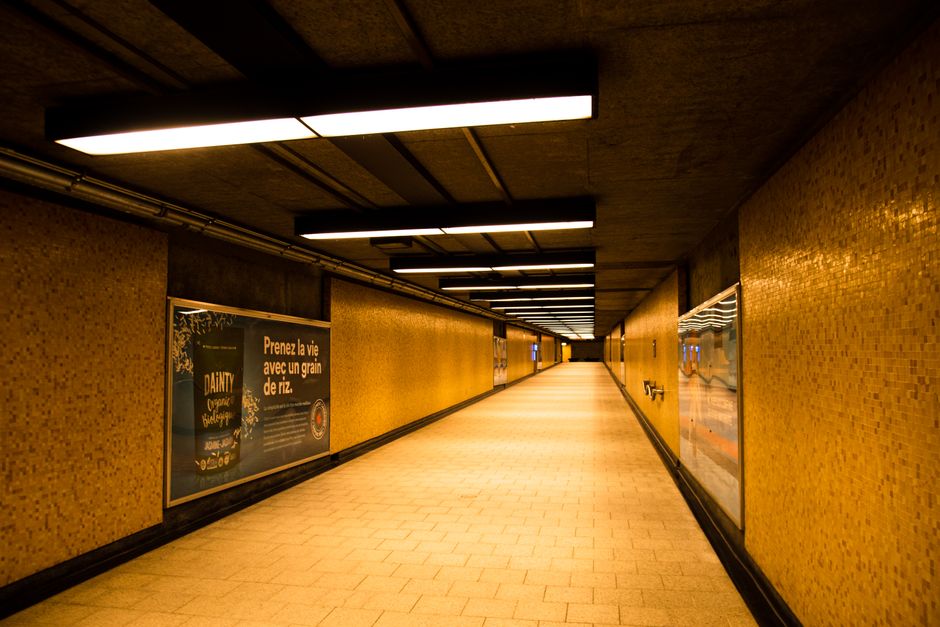
5. RESO's Artful Passages
Underground City (RESO), Montreal, Canada
Beyond the bustling metro stations, Montreal's underground city hides surprisingly quiet, artistic passages.
Montreal's vast "underground city" (RESO) is often associated with shopping malls and transit hubs. However, some sections connect lesser-known public buildings, feature unique public art installations, and offer quiet pathways that tourists rarely discover. These climate-controlled passages provide a unique perspective on urban planning, connecting disparate parts of the city in unexpected ways and revealing Montreal's commitment to integrating art into its subterranean infrastructure.
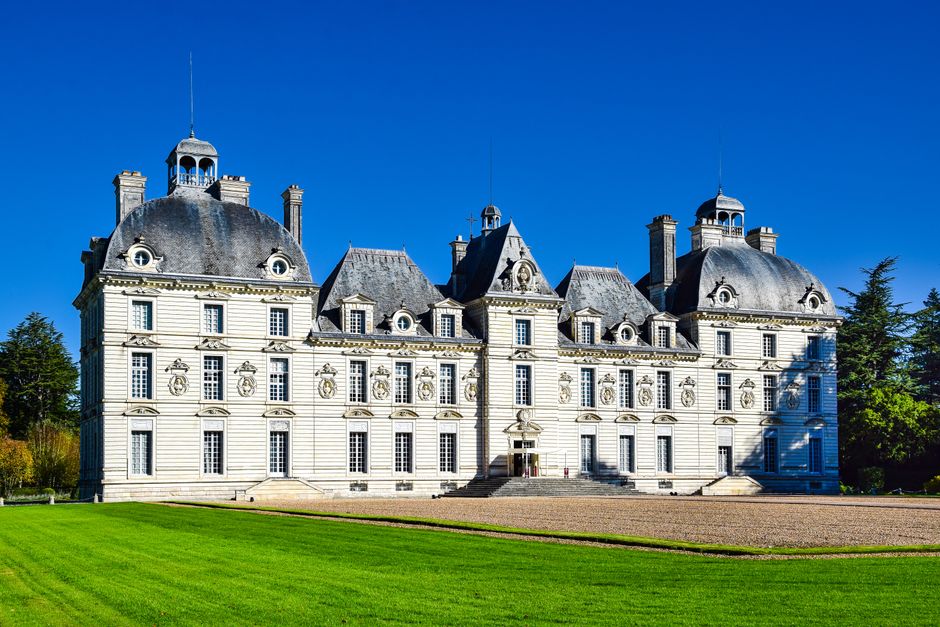
6. Château Dufresne's Divided Grandeur
Château Dufresne, Montreal, Canada
Two wealthy brothers built a grand mansion with separate wings, symbolizing early 20th-century Montreal's social divides.
Located near the Olympic Park, Château Dufresne is a magnificent Beaux-Arts mansion that tells a fascinating social story. Built in 1918 for two prominent French-Canadian brothers, Oscar and Marius Dufresne, they chose to live in two distinct, symmetrical wings, each with its own entrance and decor. This architectural choice offers a unique insight into family dynamics, social status, and the cultural nuances of Montreal's elite during the early 20th century.
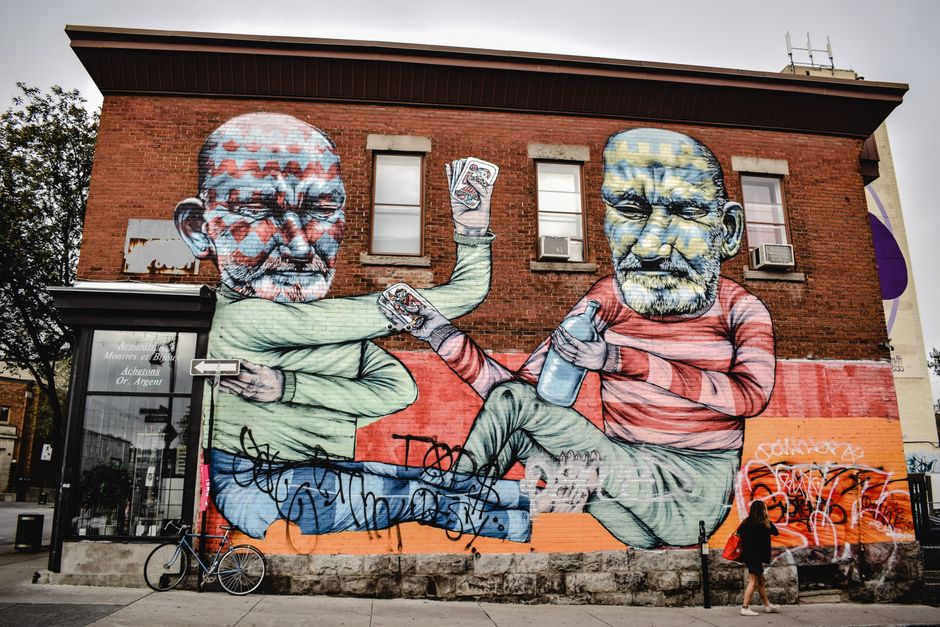
7. Saint-Laurent's Open-Air Gallery
Saint-Laurent Boulevard, Montreal, Canada
A once-gritty main artery now boasts an open-air gallery, transforming its walls into a yearly art spectacle.
While Saint-Laurent Boulevard, affectionately known as 'The Main,' is celebrated for its nightlife and diverse eateries, its transformation into a canvas for world-class street art is a more recent, and often surprising, development. The annual MURAL Festival has adorned its buildings with massive, intricate murals, turning the street into a permanent, evolving outdoor gallery. These aren't just decorations; they tell stories of urban renewal, artistic expression, and community identity.
Frequently asked questions
Is it hard to get by in Montreal with only English?
Not at all. While French is the official language, Montreal is a highly bilingual city, especially in tourist areas, downtown, and diverse neighborhoods. Many services, businesses, and public transport announcements are available in both French and English, making daily life manageable for English speakers.
What are some common French phrases I should learn for daily life in Montreal?
Learning a few basic phrases goes a long way. 'Bonjour' (hello), 'Merci' (thank you), 'S'il vous plaît' (please), 'Pardon' (excuse me/sorry), and 'Parlez-vous anglais?' (Do you speak English?) are excellent starting points. Montrealers generally appreciate the effort to speak French, even if you switch to English afterwards.
Will I feel isolated if my French isn't fluent in Montreal?
Feeling isolated is unlikely. Montreal boasts a large, welcoming Anglophone community and a highly diverse population where many people speak multiple languages. Joining social groups, taking language classes, or simply exploring the city's varied neighborhoods will help you connect with others, regardless of your French fluency.
How does the AllTours.ai app help me explore Montreal?
AllTours.ai enhances your exploration by bringing the hidden stories of Montreal to life. Simply point your phone camera at any landmark, building, or even a natural landscape, and the app will instantly narrate its history, geology, and cultural significance in your preferred language, offering a deeper, personalized understanding of the city.
Photography via Pexels. AllTours.ai is an AI audio tour guide — point your camera at any landscape and hear its story.