June 30, 2026 · 4 min read
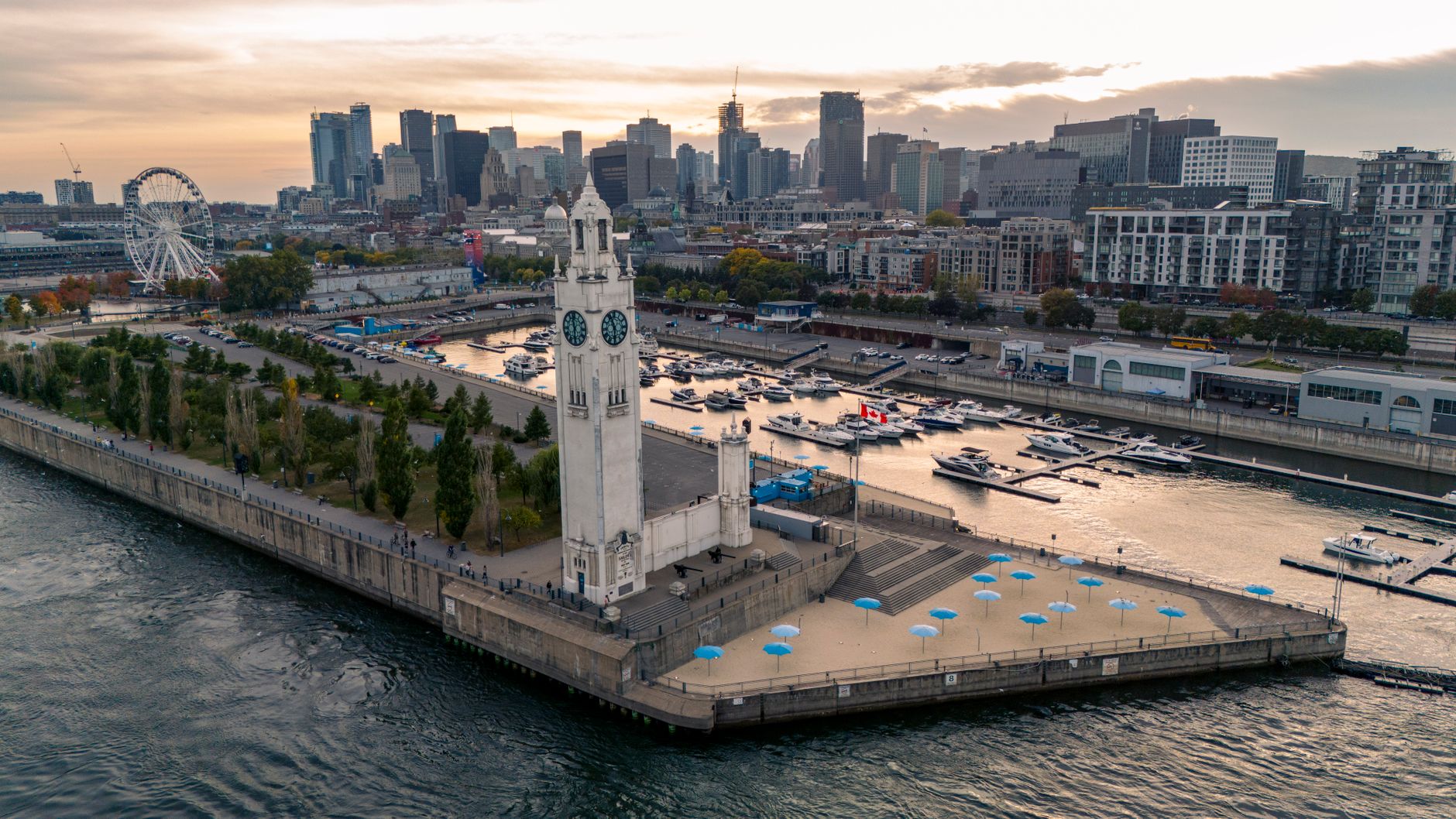
Traveling with family often brings one crucial question to the forefront: 'Can I know if Montreal is safe with kids?' The reassuring answer is a resounding yes. Montreal consistently ranks as one of North America's safest major cities, offering a vibrant, welcoming environment perfect for family exploration.
But beyond the well-trodden paths, Montreal holds a treasure trove of lesser-known spots, each with a specific, vivid story waiting to be discovered. These are the places where history whispers from unexpected corners, where geology shaped human endeavor, and where local culture thrives in surprising ways. Get ready to go beyond the usual and spark your family's curiosity.
1. The Reservoir That Became a Park
Parc La Fontaine, Montreal, Canada
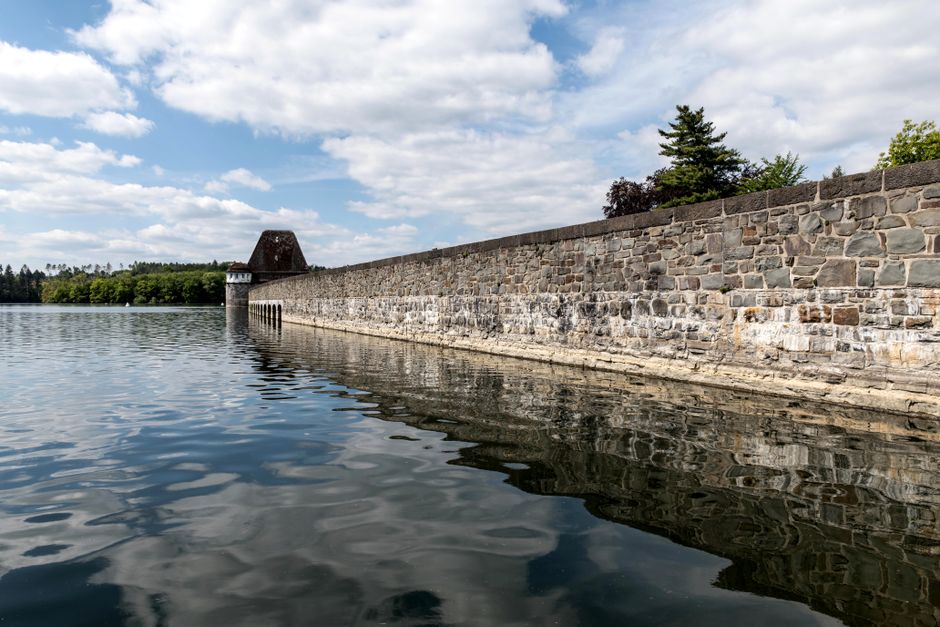
This beloved urban park was once a massive open-air reservoir, crucial to Montreal’s early public water supply.
Before it became a green oasis, Parc La Fontaine served a vital function for 19th-century Montrealers. The park's central pond is a remnant of the city's first large-scale water reservoir, built in the 1850s to combat cholera outbreaks by providing clean drinking water. While the reservoir was eventually covered and landscaped, its engineering legacy lies beneath the jogging paths and playgrounds, a testament to early urban planning and public health initiatives. Kids can imagine the massive waterworks hidden below as they play.
2. Where Industry Forged a Nation
Lachine Canal National Historic Site, Montreal, Canada
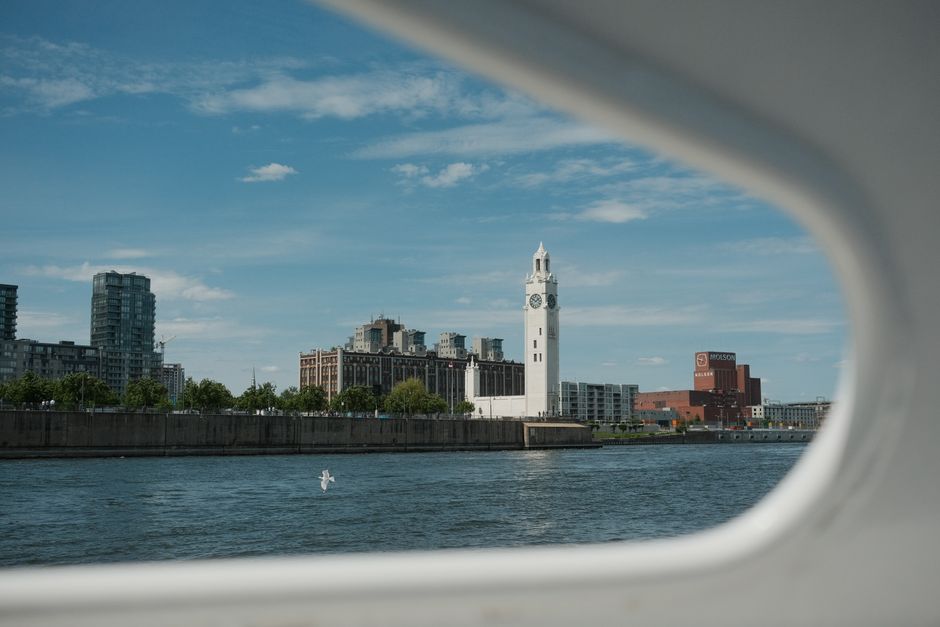
The tranquil Lachine Canal, now a cycling path, was once the roaring engine of Canada's industrial revolution.
This picturesque waterway, now popular for biking and kayaking, holds a gritty past. Completed in 1825, the Lachine Canal bypassed the treacherous Lachine Rapids, allowing ships to navigate between the Great Lakes and the Atlantic. Its banks became a hub for factories and mills, powered by its waters, transforming Montreal into a major industrial center. Kids can trace the remnants of old factories and imagine the bustling era when this canal shaped Canada's economic future.
3. A Bathhouse for Working-Class Stories
Écomusée du fier monde, Montreal, Canada
This museum celebrating Montreal’s working-class history is housed inside a stunning former public bathhouse, built to provide hygiene for the poor.
The Écomusée du fier monde isn't just about history; it *is* history. Located in the magnificent Bain Schubert, a public bathhouse constructed in 1910, the building itself tells a story of social progress. For decades, it provided essential bathing facilities to residents of the working-class Centre-Sud neighborhood who lacked indoor plumbing. Today, it preserves the memories of Montreal's labor movements and ordinary people, offering a unique glimpse into the city's social fabric.
4. Man-Made Islands for a World's Fair
Parc Jean-Drapeau, Montreal, Canada
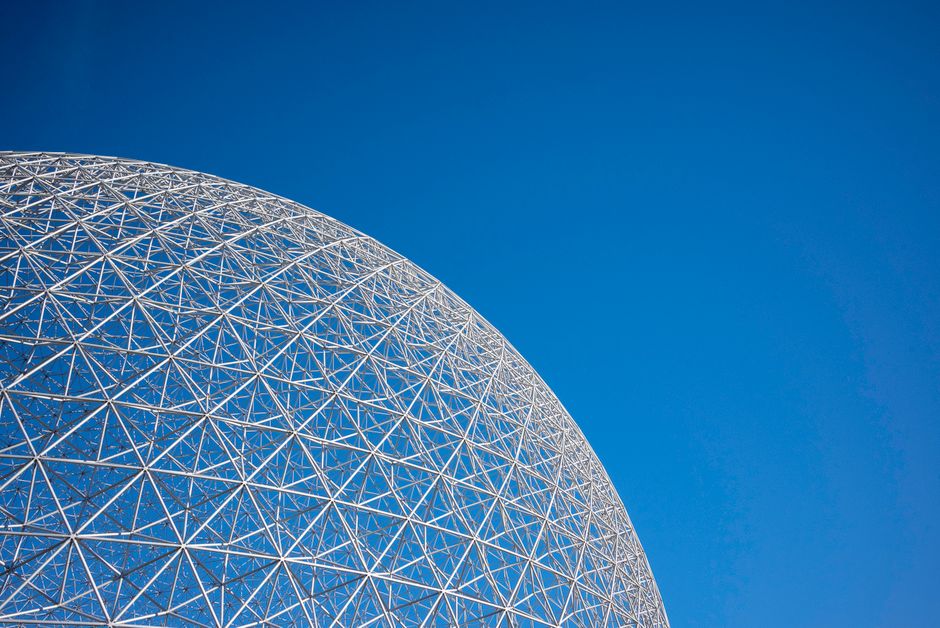
The very ground beneath Parc Jean-Drapeau, home to attractions like the Biosphere, was largely created from scratch using excavation waste for Expo 67.
When Montreal hosted Expo 67, it needed more land. Much of Île Sainte-Hélène and the entire Île Notre-Dame were artificially constructed using 15 million tons of rock and earth excavated during the construction of the city's metro system. This monumental feat of engineering transformed the St. Lawrence River into a futuristic landscape for the World's Fair. Kids can walk on land that didn't exist just decades ago, imagining the scale of the earth-moving project.
5. A Subterranean City's Hidden Tunnels
RESO (Underground City), Montreal, Canada
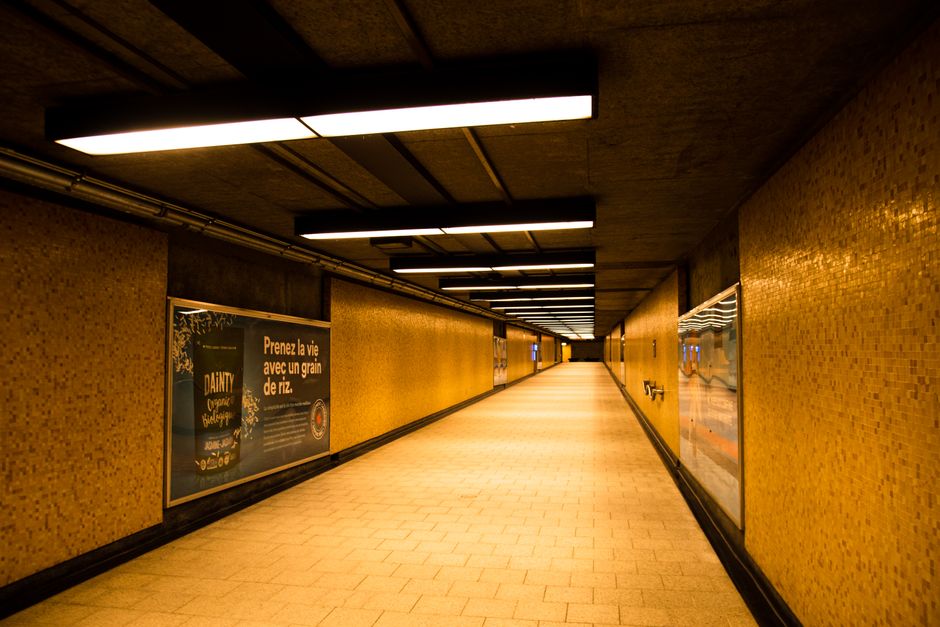
Montreal's famous "Underground City" isn't just a mall; it's a vast, interconnected network originally conceived to link key city points during harsh winters.
While many know RESO for its shopping, its true marvel lies in its scale and purpose. Stretching over 32 kilometers, this pedestrian network connects metro stations, universities, hotels, and even residential buildings. It began in the 1960s as a way for Montrealers to navigate the city comfortably during extreme winter weather. Kids can explore its different segments and imagine an entire hidden city existing beneath their feet, a testament to resilient urban planning.
6. Stepping Through a Millennium of History
Pointe-à-Callière, Montréal Archaeology and History Complex, Montreal, Canada
At Pointe-à-Callière, you don't just *see* history; you walk through actual archaeological remains spanning a thousand years of human occupation.
This museum stands on the precise spot where Montreal was founded in 1642. Below its modern structure, an archaeological crypt reveals layers of history: the foundations of Fort Ville-Marie, the city's first settlement; remnants of the Royal Insurance building; and even earlier Indigenous encampments. Visitors literally traverse glass walkways above preserved ruins, descending through time from the present day back to the 14th century. It offers an unparalleled, tangible journey through the city's deep past.
7. A Victorian Home, A Nation's Birthplace
Sir George-Étienne Cartier National Historic Site, Montreal, Canada
Step into the meticulously preserved Victorian homes of Sir George-Étienne Cartier, a key Father of Confederation, and glimpse the opulent life of Canada's founders.
This site comprises two elegant Victorian townhouses that belonged to Sir George-Étienne Cartier, a pivotal figure in Canadian history and one of the architects of Confederation. The homes are restored to their 1860s grandeur, offering a window into the daily life, social customs, and political dealings of Montreal's elite during a formative period for the nation. Kids can explore period rooms and imagine the weighty discussions that took place within these very walls, shaping the country they live in today.
Frequently asked questions
Is Montreal generally safe for families?
Montreal consistently ranks as one of North America's safest major cities. Its low crime rates, well-maintained public spaces, and family-friendly atmosphere make it an excellent choice for travelers with children. Like any urban area, it's wise to be aware of your surroundings, especially in crowded tourist spots.
Are there any specific areas of Montreal to avoid with kids?
Montreal's central areas, including Old Montreal, Plateau Mont-Royal, and downtown, are very safe and bustling with families. While some nightlife districts might be less suitable for young children late at night, there are no 'no-go' zones. Using common sense, especially after dark, is always recommended, but overall, the city is very welcoming.
What's the best way to get around Montreal safely with children?
Montreal boasts an excellent and safe public transit system, including the metro and buses, which are great for families. Taxis and ride-shares are also readily available. For exploring specific neighborhoods or the Lachine Canal, walking and biking on designated paths are popular and enjoyable options, allowing you to discover hidden gems safely.
How can the AllTours.ai app enhance our family trip to Montreal?
AllTours.ai brings Montreal's hidden stories to life. Simply point your phone camera at a landmark, park, or even a street, and the app uses AI to narrate its unique history, geology, and culture in your language. It’s like having a personal, knowledgeable guide reveal the surprising tales behind the places you see, making every step an educational adventure for the whole family.
Photography via Pexels. AllTours.ai is an AI audio tour guide — point your camera at any landscape and hear its story.