September 8, 2026 · 4 min read
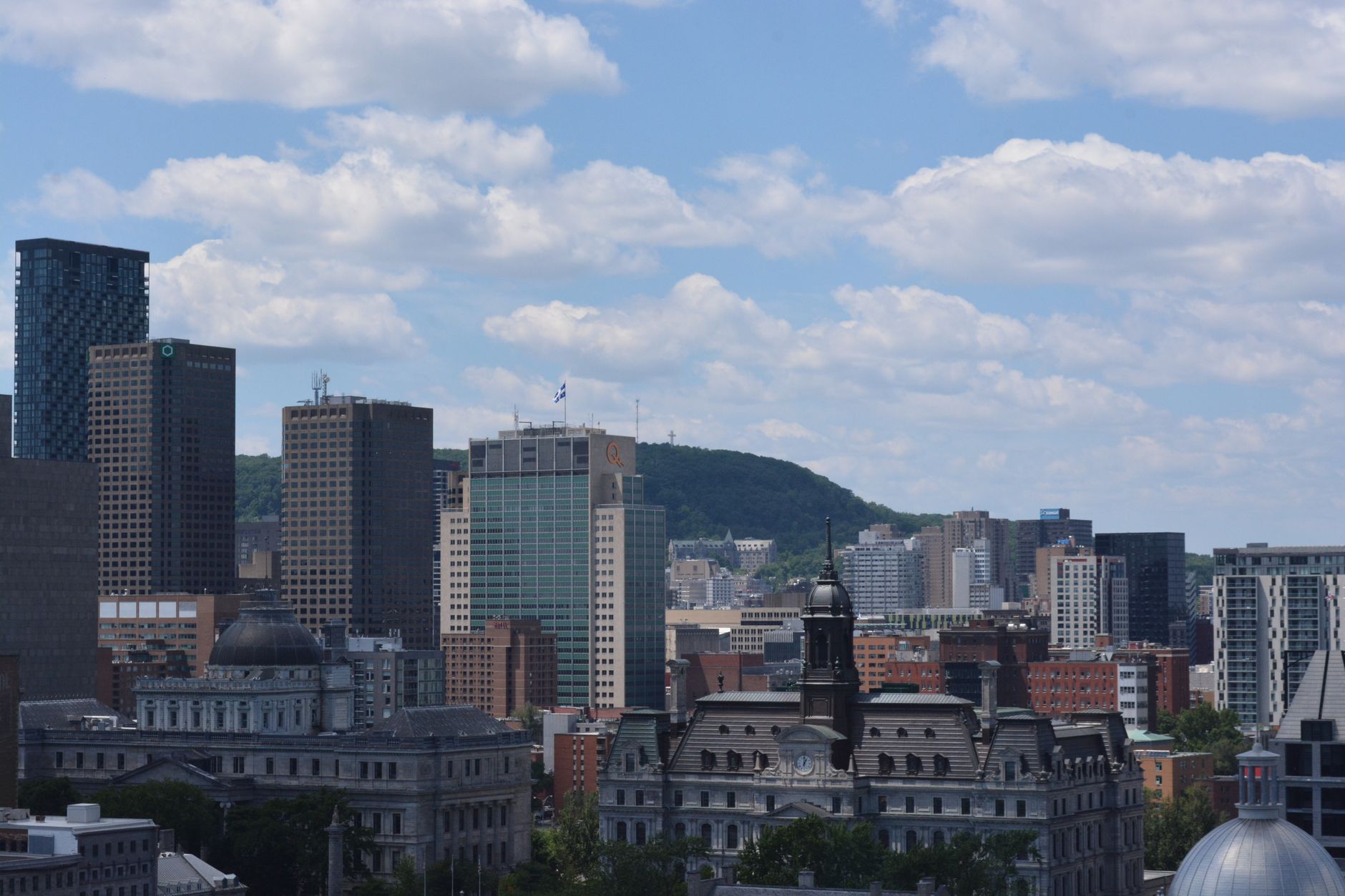
Montreal is a city of captivating contrasts, where historic charm meets modern vibrancy. Travelers often wonder about its unique character, sometimes even asking: Can people from outside Quebec buy property in Montreal? The straightforward answer is yes; there are no specific governmental prohibitions preventing Canadians from other provinces or even non-Canadians from purchasing property here, though federal restrictions for non-Canadians and specific tax implications may apply.
But beyond legalities, Montreal offers a wealth of stories hidden just beneath the surface, far from the usual tourist paths. If you're looking to truly understand the city's soul, venture into these lesser-known locales, each holding a surprising piece of history, geology, or culture waiting to be discovered.
1. The Buried Echoes of Industrial Might
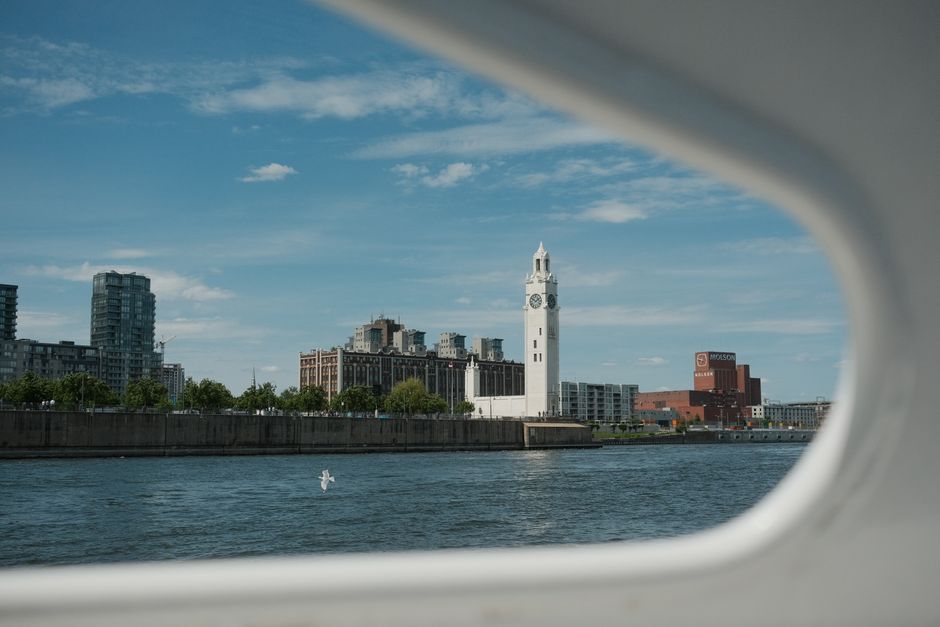
Lachine Canal National Historic Site, Canada
This serene waterway was once a tumultuous industrial artery, where forgotten factories and the harsh lives of immigrant laborers shaped Montreal's economic destiny.
The Lachine Canal, now a tranquil park, powered Montreal's transformation into an industrial powerhouse in the 19th century. Its banks were lined with factories, mills, and foundries, their foundations still visible or buried beneath the grass. Thousands of Irish, Scottish, and French-Canadian immigrants toiled here, their stories etched into the very stone of its locks and forgotten worker housing, making it a pivotal site in Canada's economic history.
2. A Victorian Cabinet of Curiosities
Redpath Museum, McGill University, Canada
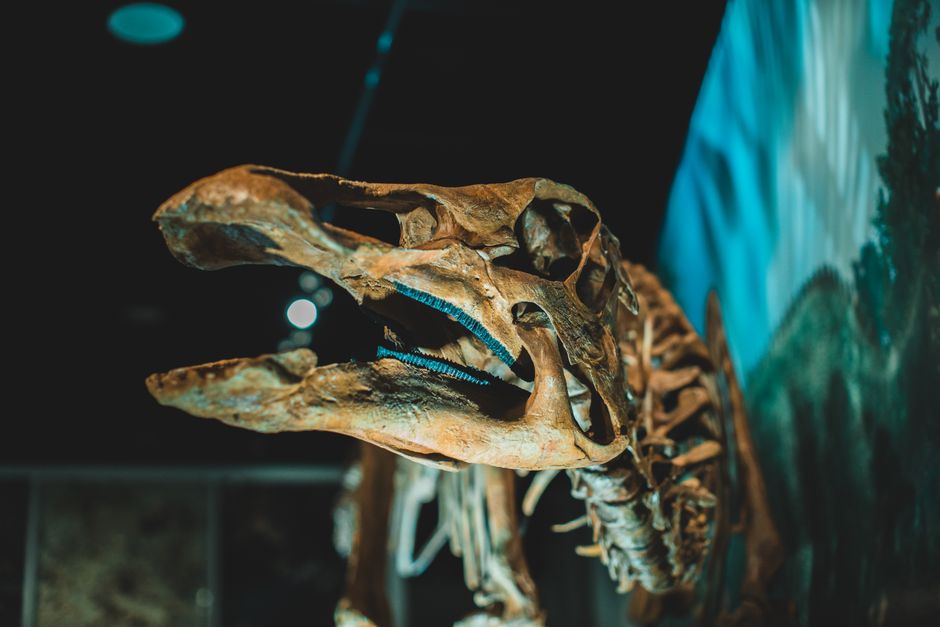
Tucked away on a university campus, Montreal's oldest purpose-built museum houses a surprising collection, including a dinosaur skeleton and an authentic ancient Egyptian mummy, often missed by casual visitors.
Built in 1882, the Redpath Museum is a stunning example of Victorian architecture and scientific curiosity. Beyond its imposing facade, it holds remarkable natural history collections. Among its treasures are a complete Gorgosaurus libratus skeleton, a 3,000-year-old Egyptian mummy, and vast mineral and fossil displays. It offers a glimpse into 19th-century scientific exploration and still serves as an active research institution.
3. The Square Where Art Met Early Electricity
Square Saint-Louis, Le Plateau-Mont-Royal, Canada
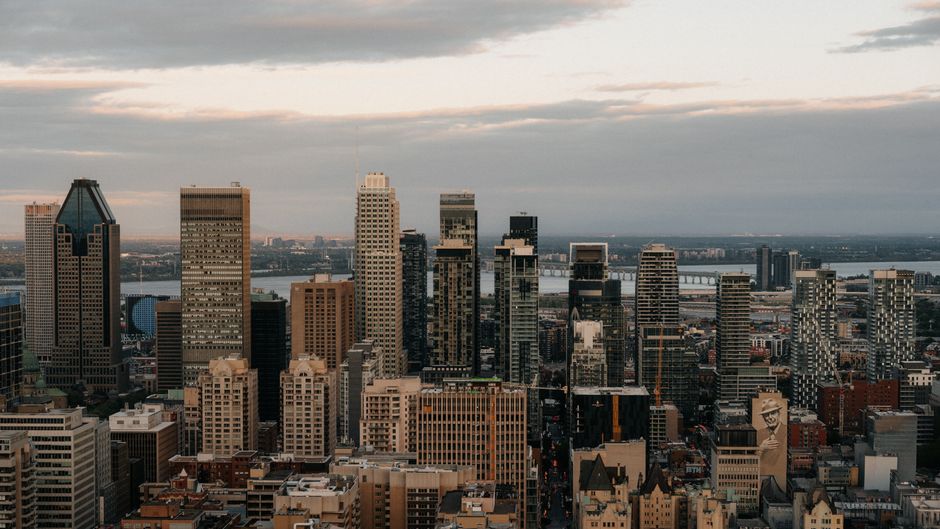
This picturesque Victorian square, with its iconic fountain, was once the heart of Montreal's artistic and intellectual bohemia, and the pioneering site for the city's first major electrical street lighting tests.
Square Saint-Louis, established in 1876, is a charming remnant of Montreal's Belle Époque. Its surrounding homes, many still retaining their original ornate details, were once residences for prominent artists, writers, and architects. More surprisingly, in the late 19th century, this very square was chosen as a trial ground for Montreal's initial foray into large-scale electrical street illumination, a cutting-edge marvel at the time that transformed urban life.
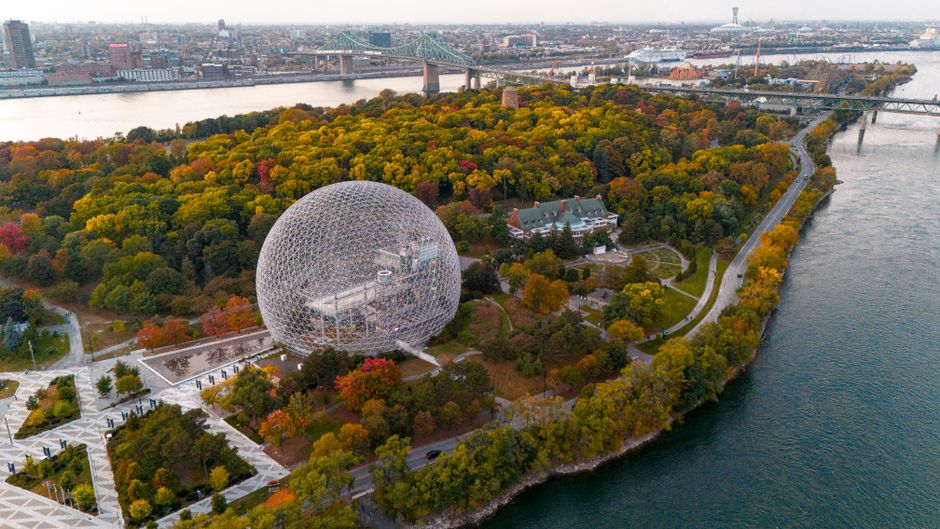
4. The Fire-Scarred Dome's Environmental Second Life
Biosphere, Parc Jean-Drapeau, Canada
This iconic geodesic dome, a vestige of Expo 67, miraculously survived a devastating fire, transforming from a futuristic American pavilion into a unique museum dedicated to environmental issues.
Designed by Buckminster Fuller for Expo 67, the Montreal Biosphere was originally the United States Pavilion, a marvel of architectural innovation. In 1976, a major fire destroyed its transparent acrylic skin, leaving only the intricate steel latticework. Instead of being demolished, the skeletal structure was repurposed, and in 1995, it reopened as an interactive museum focused on water and environmental science, a testament to resilience and adaptation.
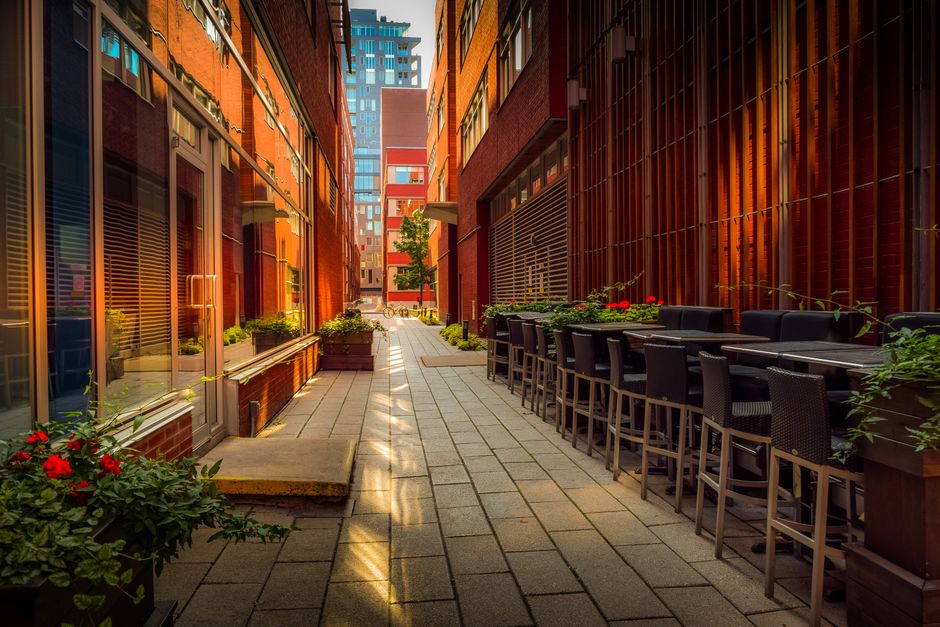
5. Montreal's Secret Green Network
Ruelles Vertes (Green Alleys), Le Plateau-Mont-Royal, Canada
Hidden behind the famous spiral staircases of the Plateau are "green alleys," once neglected service routes now transformed by residents into vibrant, shared urban oases, each with its own character.
The "ruelles vertes" are a unique feature of Montreal's urban fabric, particularly in neighborhoods like Le Plateau. These back alleys, traditionally utilitarian spaces for garages and waste collection, have been reimagined by community initiatives. Residents collaborate to plant gardens, install benches, and create murals, turning them into car-free, verdant pathways that offer a peaceful, communal contrast to the bustling streets and a fascinating insight into local life.
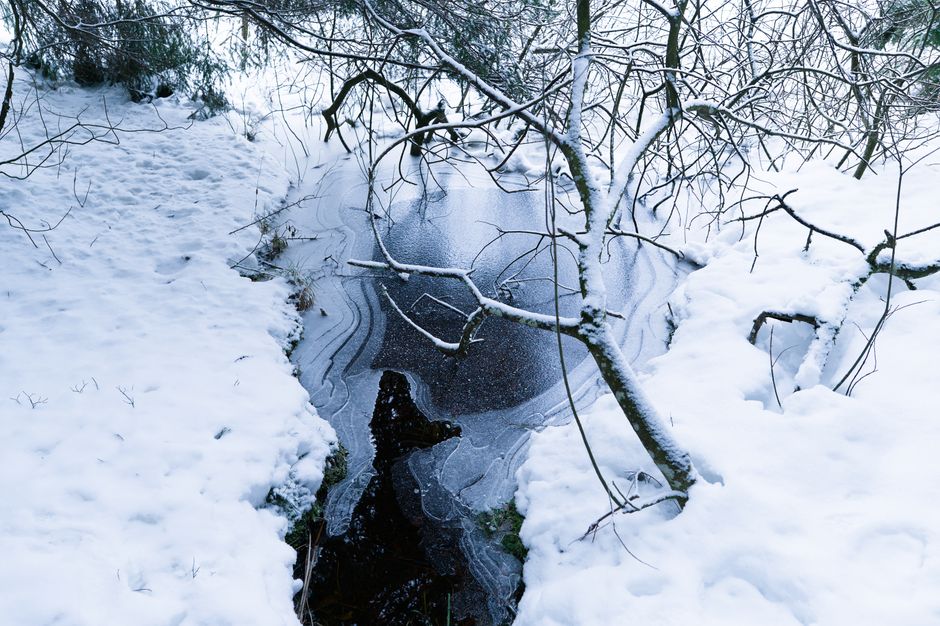
6. The Ghost River Beneath the Park
Parc La Fontaine, Le Plateau-Mont-Royal, Canada
The tranquil pond at Parc La Fontaine is fed by an ancient, now mostly buried, river that once flowed openly through the heart of the city, its history hidden beneath the urban landscape.
What appears as a simple park pond in Parc La Fontaine is actually a remnant of the historic Saint-Pierre River. This natural waterway, crucial to early Montreal's development, was gradually channeled, covered, and transformed into a sewer system over centuries. While largely invisible today, its presence still subtly influences the city's hydrology and even some architectural alignments, a true "ghost river" flowing silently beneath the modern metropolis.
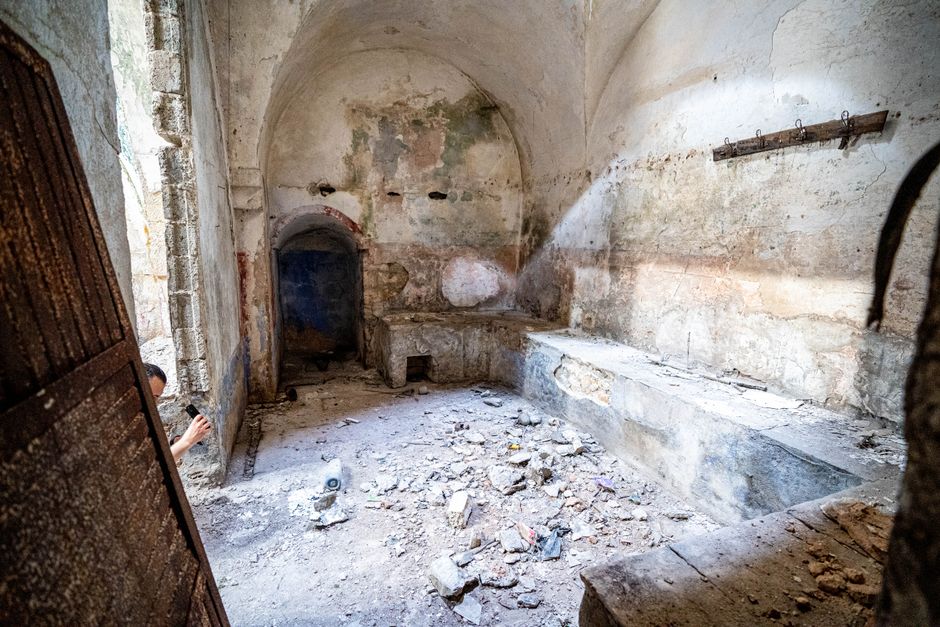
7. Layers of History in an Underground Crypt
Pointe-à-Callière Museum, Old Montreal, Canada
Beneath the modern museum building lies an extensive archaeological crypt that takes visitors through over 1,000 years of Montreal's history, from Indigenous encampments to the foundations of its very first French settlement.
The Pointe-à-Callière Museum stands on the precise birthplace of Montreal, and its true marvel is the underground archaeological crypt. Here, preserved foundations of multiple historical periods are visible, including an Indigenous longhouse, the first French fort (Fort Ville-Marie), and the city's inaugural customs house. Walking through this subterranean labyrinth is a unique journey through time, offering tangible proof of Montreal's deep and complex past.
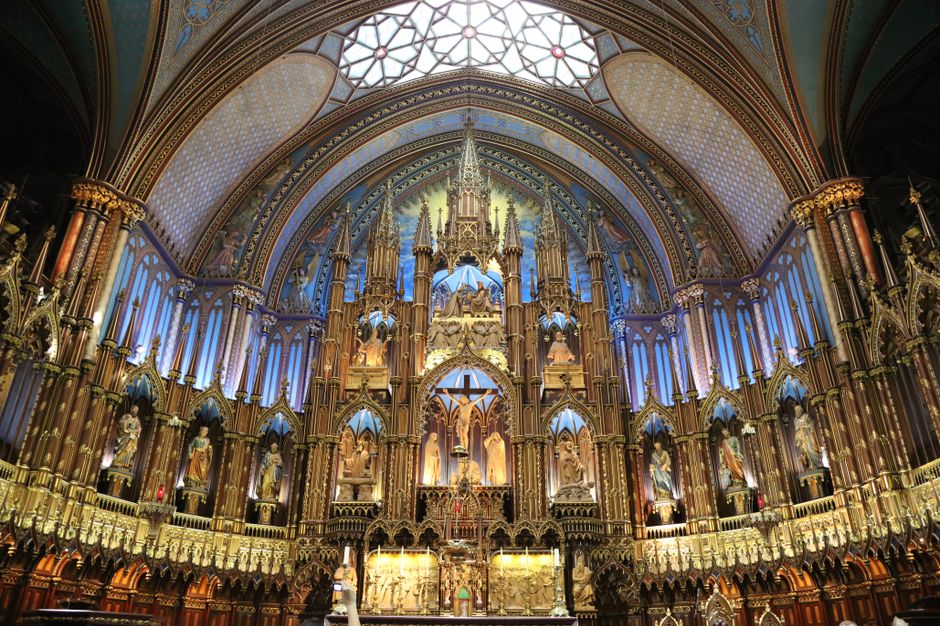
8. Sailors' Vows and a Rooftop View
Notre-Dame-de-Bon-Secours Chapel, Old Montreal, Canada
Montreal's oldest stone chapel, founded by a pioneering woman, offers a unique rooftop lookout with panoramic views of the port and houses a striking collection of votive ship models suspended from its ceiling.
The Notre-Dame-de-Bon-Secours Chapel, established by Saint Marguerite Bourgeoys in the 17th century, is known as the "Sailors' Church." Its distinctive rooftop observatory, once a beacon for ships, provides an unparalleled perspective of the Saint Lawrence River and the Old Port. Inside, a remarkable display of small wooden ship models hangs from the nave, placed there by grateful sailors as offerings for safe voyages, a poignant tradition reflecting the city's maritime heritage.
Frequently asked questions
Is there a ban on non-Quebecers buying property in Montreal?
No, there is no government prohibition against people from outside Quebec or even outside Canada buying property in Montreal. Canada has an Act that prohibits non-Canadians from purchasing residential property for two years, but there are exceptions. Quebecers and other Canadians face no specific restrictions.
Are there any extra taxes for non-residents buying property in Quebec?
Yes, non-residents (those who are not citizens or permanent residents of Canada) may be subject to a federal Underused Housing Tax and provincial taxes. It's crucial to consult with a local real estate professional and tax advisor to understand all implications.
What are some practical tips for visiting Montreal's hidden gems?
Venture beyond Old Montreal and downtown. Explore neighborhoods like Le Plateau, Villeray, or Verdun. Use public transport, wear comfortable shoes, and be open to spontaneous discoveries in parks and smaller museums.
How can AllTours.ai help me discover these places?
AllTours.ai transforms your phone into an AI-powered audio tour guide. Simply point your camera at any landmark, landscape, or even a specific building, and the app will instantly narrate its unique history, geology, and cultural significance in your preferred language, revealing stories often missed by guidebooks.
Photography via Pexels. AllTours.ai is an AI audio tour guide — point your camera at any landscape and hear its story.