September 10, 2026 · 4 min read
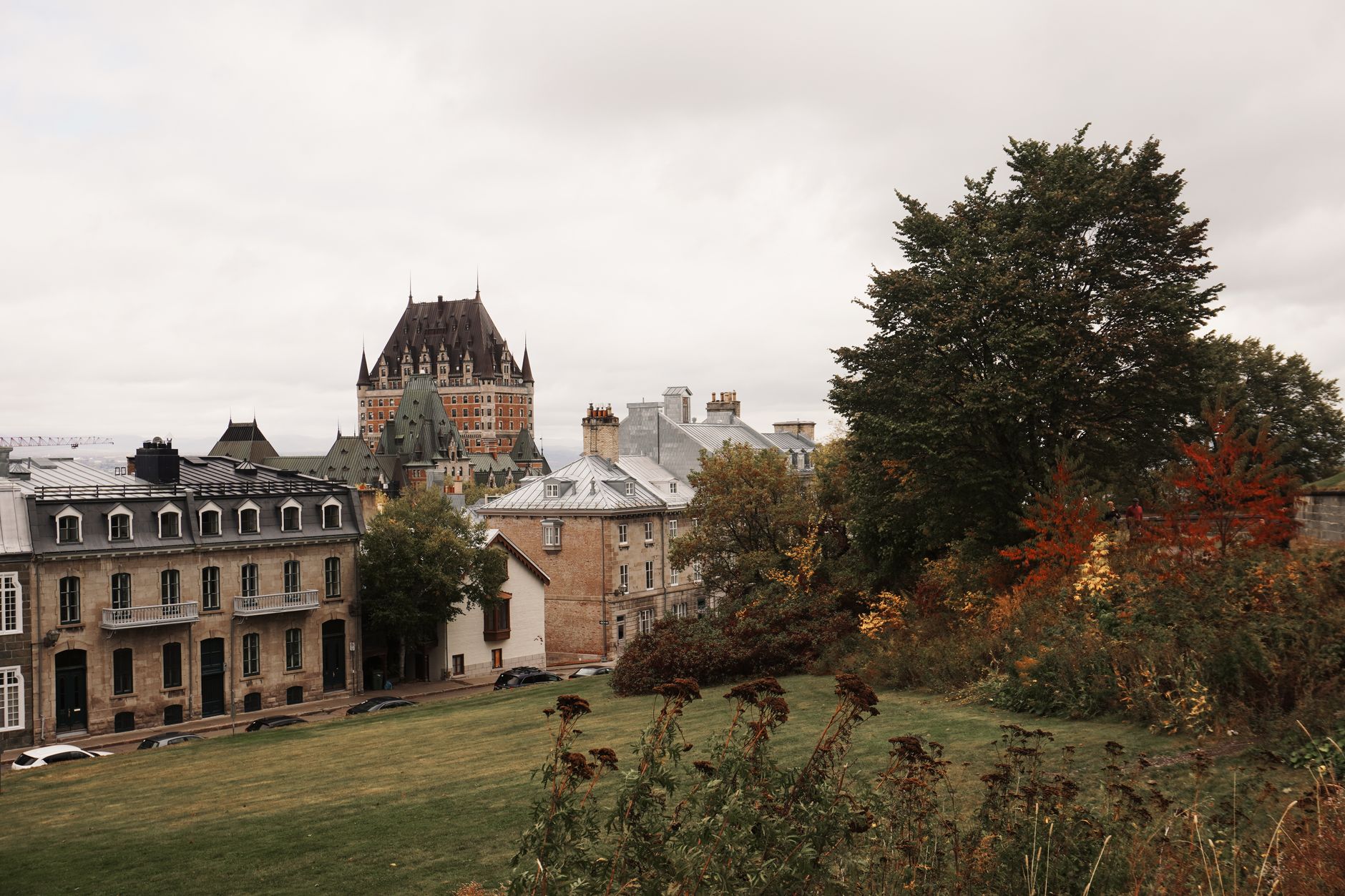
Quebec, a vibrant bastion of French culture in North America, presents a unique linguistic landscape. Travelers often wonder about its distinct vocabulary and pronunciations, particularly regarding numbers. Terms like 'septante,' 'huitante,' and 'nonante' are standard in some Francophone regions, but do they resonate in the streets of Montreal or the historic alleys of Quebec City?
Beyond linguistic nuances, Quebec is a place rich with stories waiting to be discovered. From forgotten industrial giants to sites of profound human resilience and living Indigenous cultures, its less-trodden paths offer deep insights into its character. Let's explore some of these extraordinary places, each with a unique narrative that shapes the province's enduring charm.
1. The Filles du Roi's Homestead
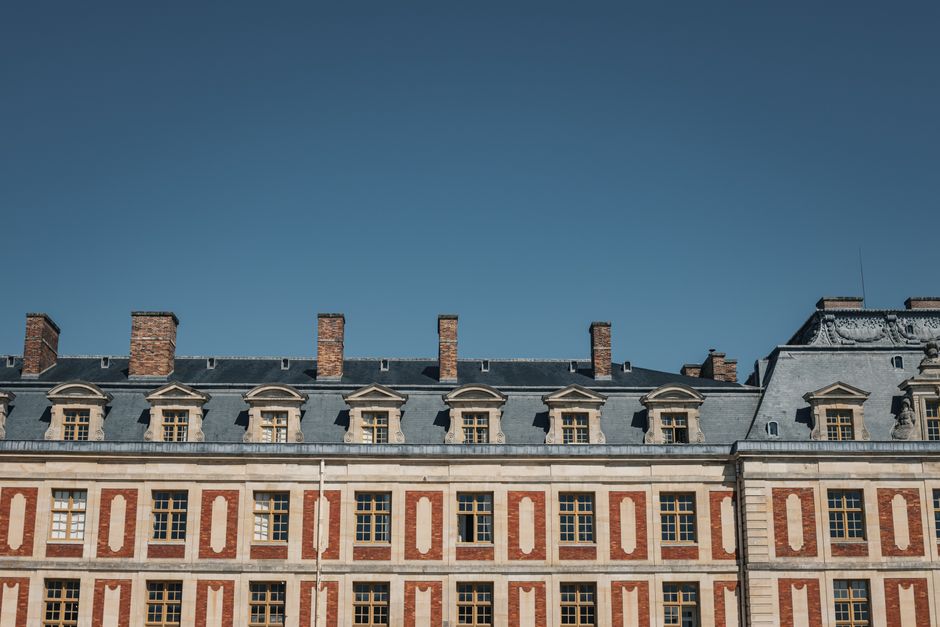
Maison Saint-Gabriel, Montreal, Canada
This historic farmhouse tells the poignant story of the 'Filles du Roi,' young women who shaped New France.
Maison Saint-Gabriel, one of Montreal's oldest surviving farmhouses, dates back to 1668. It was acquired by Marguerite Bourgeoys and the Sisters of the Congregation of Notre Dame to educate and house the 'Filles du Roi,' orphans sent from France to marry and populate the colony. Walking through its ancient rooms, one can almost hear the echoes of these courageous women who left everything behind to forge a new life in a distant land.
2. From Reservoir to Bourgeois Oasis
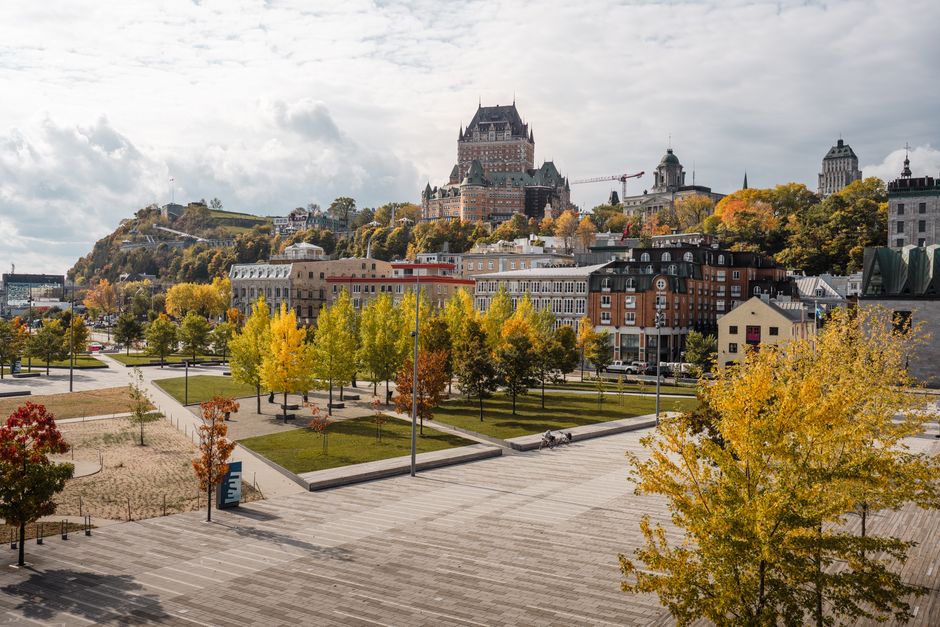
Saint-Louis Square, Montreal, Canada
Montreal's picturesque Saint-Louis Square was once a humble water reservoir before transforming into an elegant Victorian enclave.
Nestled in the Plateau Mont-Royal, Saint-Louis Square is famed for its colourful Victorian homes and central fountain. Yet, this charming public space began its life in the early 19th century as the city's main outdoor water reservoir. After being deemed obsolete, it was drained and reimagined into a residential square, becoming a prestigious address for Montreal's French-Canadian bourgeoisie, whose grand houses still define its unique character.
3. Montreal's Industrial Ghost
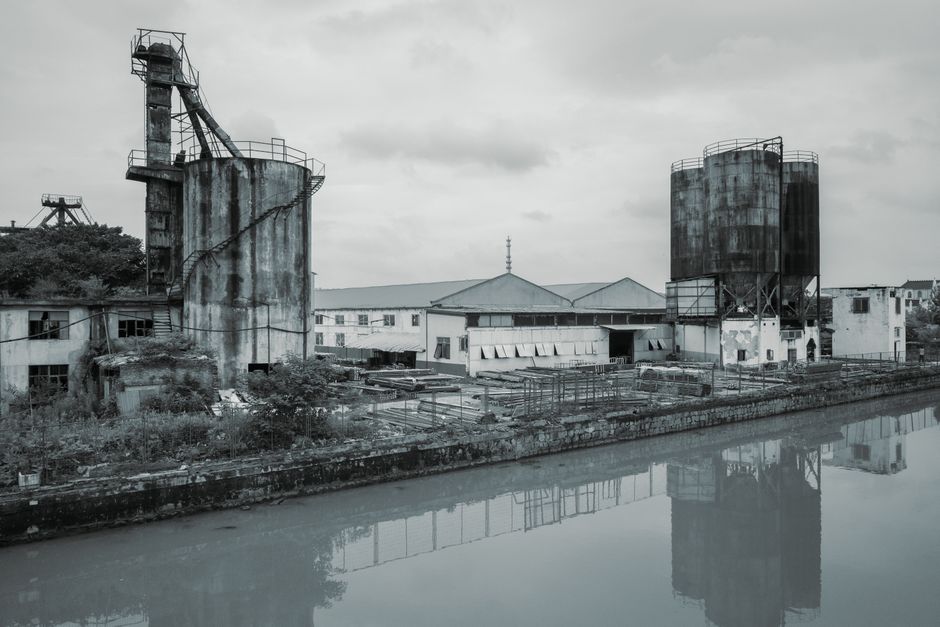
Silo No. 5, Montreal, Canada
A colossal, decaying concrete structure on the Montreal waterfront silently testifies to the city's past as a global grain hub.
Silo No. 5, a monumental grain elevator, dominates the western end of Montreal's Old Port, a relic from the city's industrial golden age. Built in stages between 1903 and 1958, it once handled vast quantities of grain destined for international markets, a symbol of Montreal's strategic position on the St. Lawrence Seaway. Now abandoned and slowly crumbling, its imposing silhouette is a haunting reminder of a bygone era, sparking endless debate about its future.
4. Pioneers of Compassion
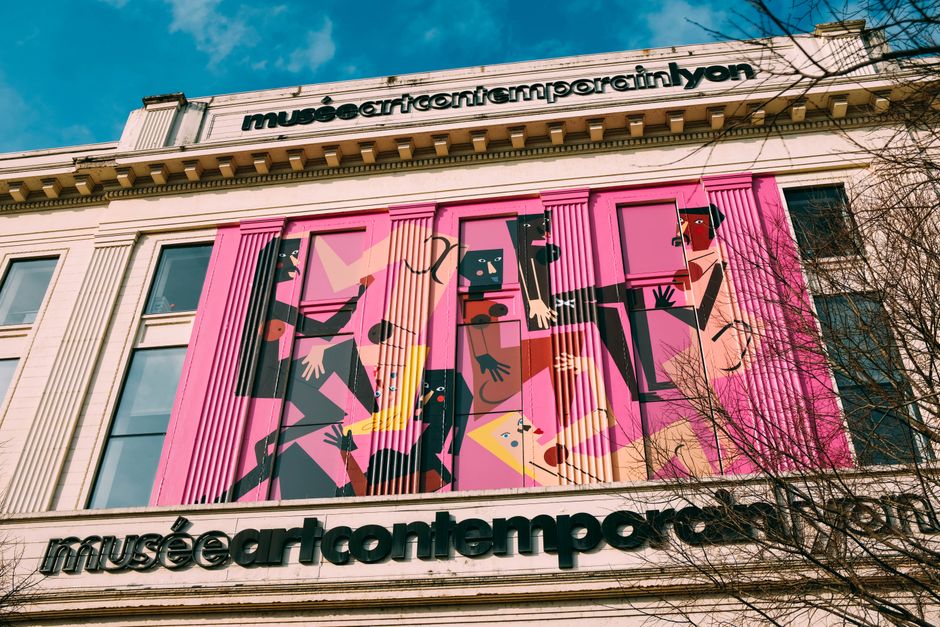
Musée des Hospitalières de l'Hôtel-Dieu de Montréal, Canada
Discover the incredible story of Quebec's first hospital and the tenacious women who founded it in the 17th century.
The Musée des Hospitalières de l'Hôtel-Dieu de Montréal chronicles the remarkable history of Canada's oldest hospital, established in 1642 by Jeanne Mance. This museum, housed in the former convent of the Religious Hospitallers of Saint Joseph, offers a window into early colonial healthcare. It showcases the resilience and dedication of the nuns who provided medical care and comfort to settlers and Indigenous populations alike, often under challenging conditions, shaping the very foundation of Montreal's community.
5. A Living Indigenous Nation
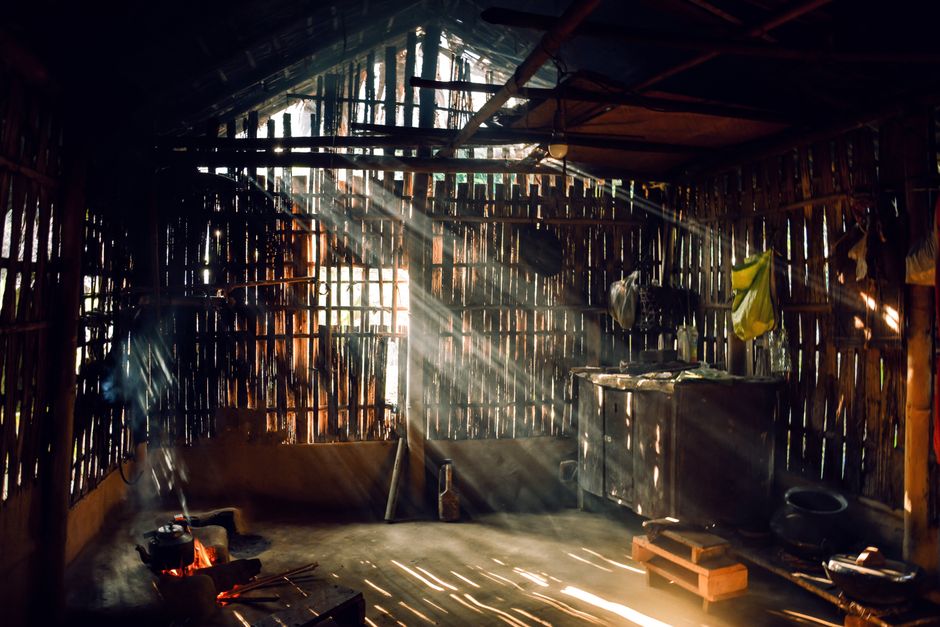
Wendake, Quebec, Canada
Just outside Quebec City, the Huron-Wendat Nation of Wendake maintains a vibrant culture, offering a rare glimpse into Indigenous heritage.
Wendake is the only Huron-Wendat community in Quebec, and it's a place where history is alive. Visitors can explore a traditional longhouse, learn about ancestral customs, and witness the enduring spirit of the Huron-Wendat people. The community actively preserves its language, traditions, and arts, providing a profound cultural experience that goes far beyond typical tourist attractions, highlighting their deep connection to the land and their ancestors.
6. The Island of Sorrows and Resilience
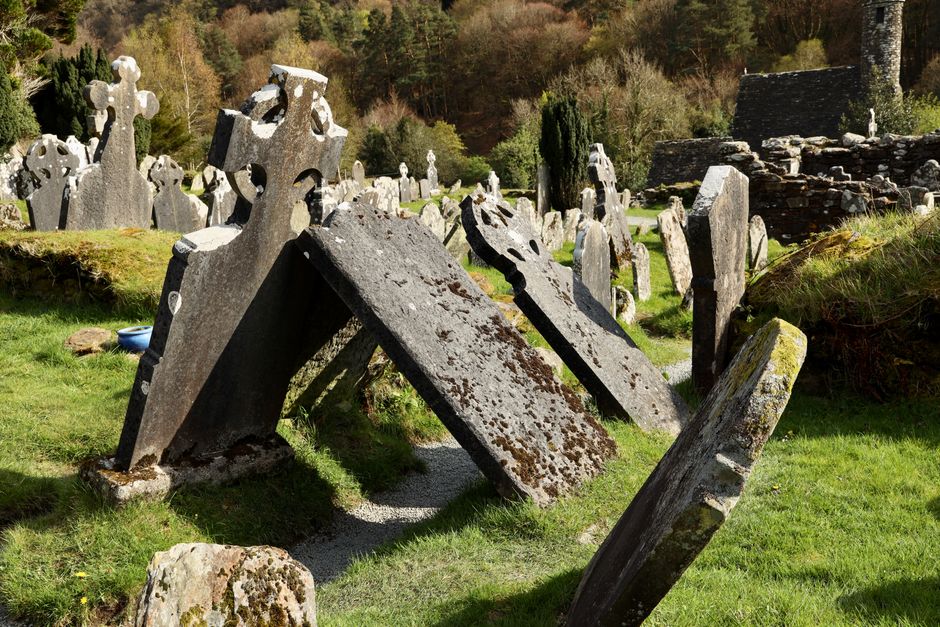
Grosse Île and the Irish Memorial National Historic Site, St. Lawrence River, Canada
This remote island in the St. Lawrence River served as a quarantine station, bearing witness to the tragic fate of Irish famine immigrants.
Grosse Île was the primary quarantine station for immigrants entering Canada via the St. Lawrence from 1832 to 1937. It became a site of immense suffering during the Great Irish Famine of 1847, when thousands of immigrants, sick with typhus, perished there. Today, it stands as a poignant memorial to these lost souls, particularly the Irish, with a moving Celtic cross and preserved medical facilities, offering a solemn reflection on Canada's immigration history and human resilience.
7. Quebec City's Winter Thrill Ride
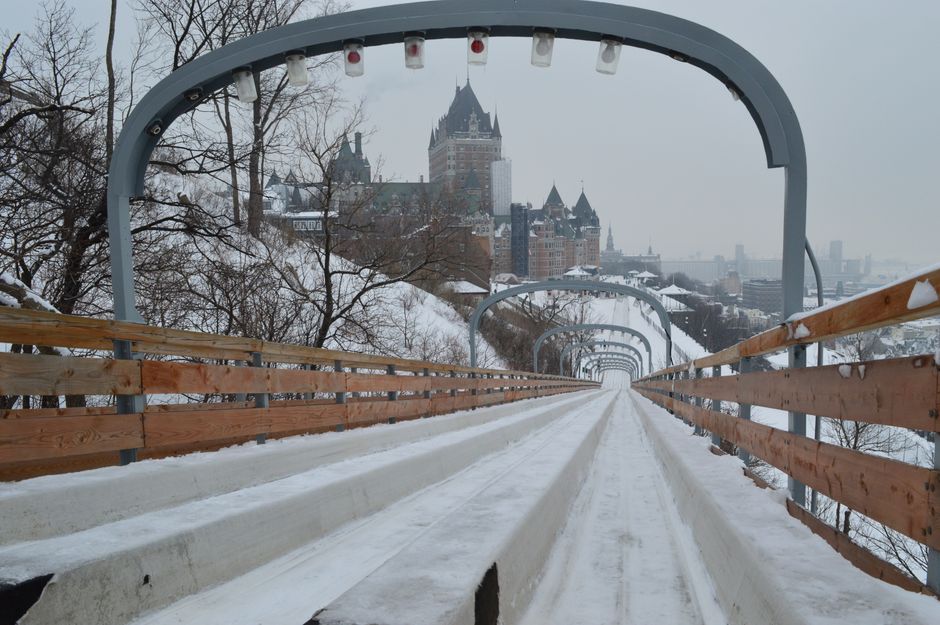
The Dufferin Terrace Toboggan Slide, Quebec City, Canada
Beneath the iconic Château Frontenac lies a historic wooden toboggan slide that has delighted visitors for over a century.
While Dufferin Terrace itself is a well-known promenade, few realize the long-standing tradition of its historic toboggan slide. Operating since 1884, it's one of the oldest winter attractions in Canada, offering a thrilling, high-speed descent down a specially constructed icy chute. This seasonal marvel isn't just a ride; it's a living piece of Quebec City's winter carnival history, offering stunning views of the frozen St. Lawrence as you zoom past the grand Château Frontenac.
Frequently asked questions
Can you use 'septante', 'huitante', and 'nonante' in Montreal and Quebec?
While understandable, these number terms ('septante' for 70, 'huitante' for 80, 'nonante' for 90) are not standard in Quebec French. Quebecers predominantly use 'soixante-dix,' 'quatre-vingts,' and 'quatre-vingt-dix.' You'll be understood, but using the local terms will help you blend in more naturally.
What's the best time to visit Quebec for fall foliage?
The best time to experience Quebec's breathtaking fall foliage is typically from late September to mid-October. The exact peak varies by region and year, but this window generally offers vibrant displays of red, orange, and gold, particularly in the Laurentians, Eastern Townships, and around Quebec City.
Is it easy to get around Montreal and Quebec City without speaking French?
Yes, in both Montreal and Quebec City, especially in tourist areas, you'll find that many people in the service industry speak English. However, learning a few basic French phrases like 'Bonjour' and 'Merci' is always appreciated and can enhance your travel experience and interactions with locals.
How can AllTours.ai help me explore places like these?
AllTours.ai transforms your phone into an AI audio tour guide. Simply point your camera at any landmark, landscape, or point of interest, and the app instantly narrates its history, geology, and cultural significance in your preferred language, offering a deeper understanding of your surroundings.
Photography via Pexels. AllTours.ai is an AI audio tour guide — point your camera at any landscape and hear its story.