September 6, 2026 · 4 min read
The suggestion of renaming iconic natural wonders, like the hypothetical 'Lake America' for Lake Ontario, often sparks lively debate. While Canadian Prime Minister Mark Carney never actually faced such a proposal during his tenure, the idea itself points to a deeper truth: the names we give to our places carry immense weight.
These names are not mere labels; they are anchors to history, geology, and culture. They whisper tales of ancient peoples, dramatic natural forces, and pivotal moments. Rather than debating hypothetical changes, perhaps the more enriching pursuit is to uncover the incredible, often forgotten, stories embedded within the names and landscapes we already cherish.
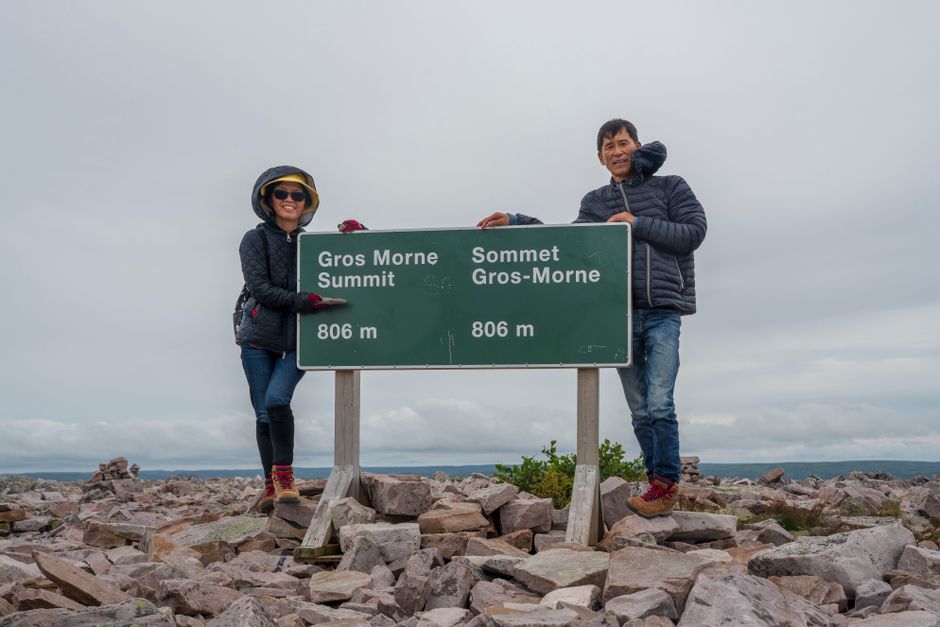
1. Walking on Earth's Mantle
Gros Morne National Park, Newfoundland and Labrador
This UNESCO World Heritage site is one of the few places on Earth where you can literally walk on the planet's exposed mantle.
Gros Morne isn't just a stunning coastal park; its Tablelands area is a geological marvel. Here, the process of plate tectonics pushed ancient ocean crust and the Earth's mantle to the surface. The rust-colored, barren landscape of peridotite is toxic to most plant life, creating a stark contrast to the surrounding greenery and offering a unique, raw glimpse into the planet's deep interior.
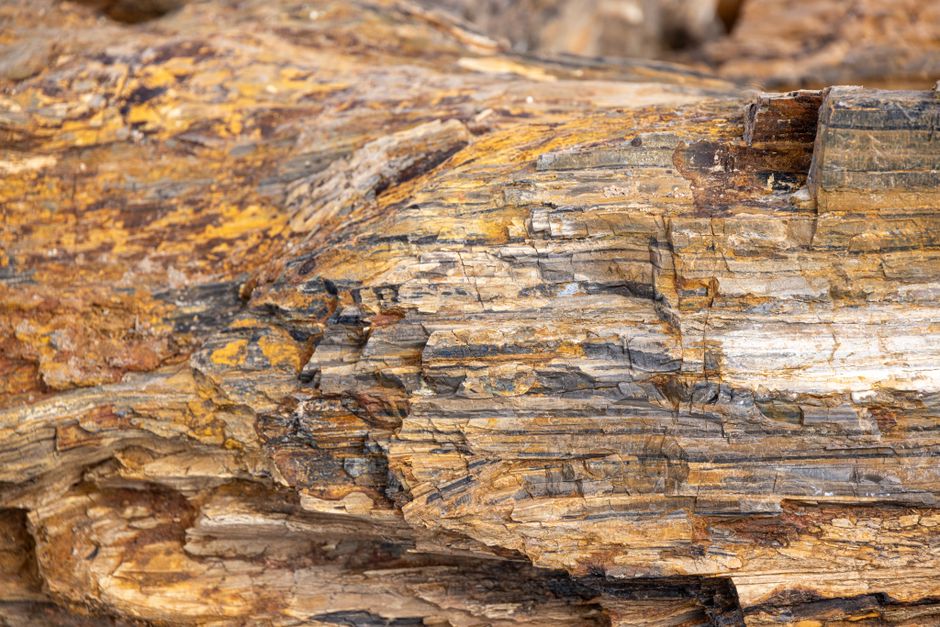
2. Ancient Arctic Forest
Fossil Forest, Axel Heiberg Island, Nunavut
High in the Canadian Arctic lies a petrified forest that grew 45 million years ago when the North Pole was a swampy jungle.
On Axel Heiberg Island, scientists uncovered an incredibly preserved Eocene-era forest, not petrified into stone, but mummified. These ancient redwood and cypress stumps and logs reveal a time when the Arctic was warm enough to support lush, temperate forests, offering a startling contrast to the frigid landscape of today and providing crucial data on prehistoric climate change.
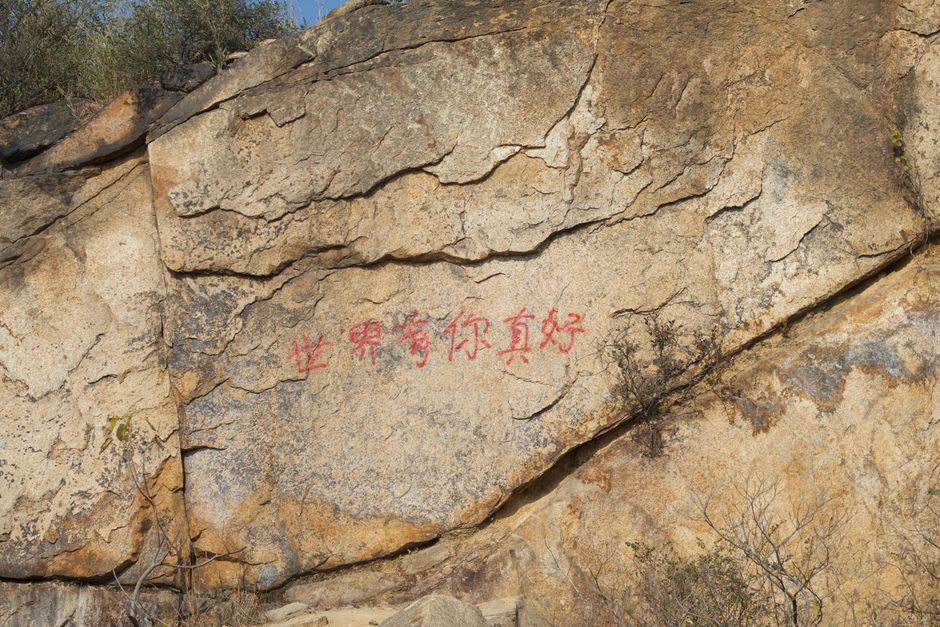
3. The Land of Living Hoodoos
Writing-on-Stone Provincial Park, Alberta
A sacred landscape of sandstone hoodoos and cliffs carved with thousands of Indigenous petroglyphs and pictographs, dating back thousands of years.
Writing-on-Stone is a spiritual heartland for the Blackfoot people, where the 'Standing People' (hoodoos) rise dramatically from the Milk River valley. The cliffs bear an immense gallery of rock art, depicting spiritual visions, historical events, and daily life of Indigenous peoples over millennia. It's a place where geology and human history intertwine, telling stories etched directly into the landscape.
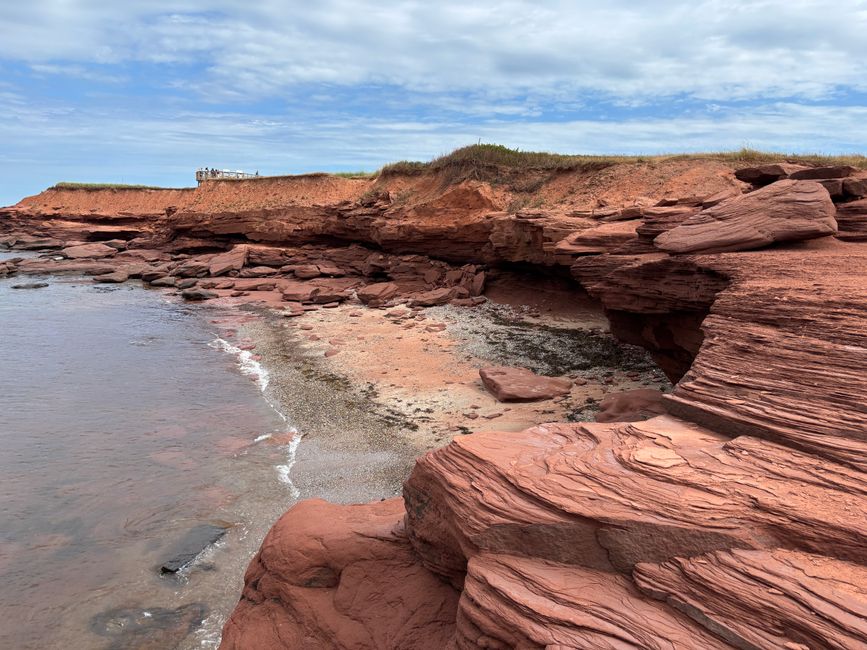
4. The Squeaking Sands of PEI
Singing Sands Beach (Basin Head), Prince Edward Island
Walk on this unique beach, and the sand beneath your feet will literally 'sing' or squeak with every step.
Basin Head Provincial Park is home to one of the world's few 'singing beaches.' The phenomenon is caused by the high silica content and specific, uniform rounded shape of the sand grains. When friction is applied, such as by walking, the grains rub together in a way that produces a distinct squeaking or 'singing' sound, turning a simple stroll into a surprising auditory experience.
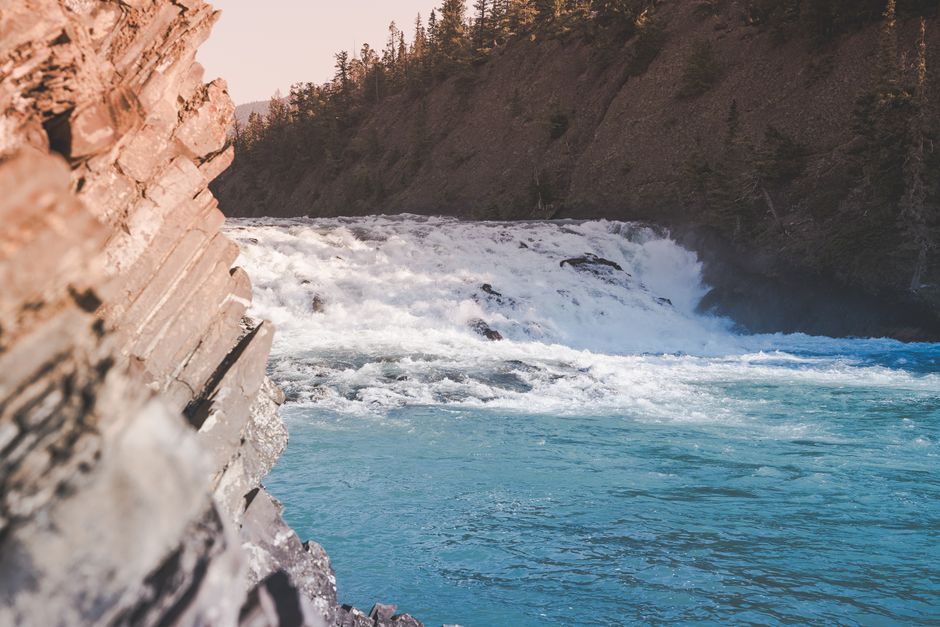
5. The Headless Valley's Roar
Nahanni National Park Reserve, Northwest Territories
A remote wilderness where a river plunges over a waterfall twice the height of Niagara and legends tell of lost gold and headless prospectors.
Nahanni is a UNESCO World Heritage site renowned for its wild Nahanni River, which carves through four immense canyons. Virginia Falls, a colossal waterfall, dominates the landscape. The park's mysterious past, including the 'Headless Valley' where prospectors vanished in the early 20th century, adds a layer of chilling intrigue to its breathtaking natural beauty.
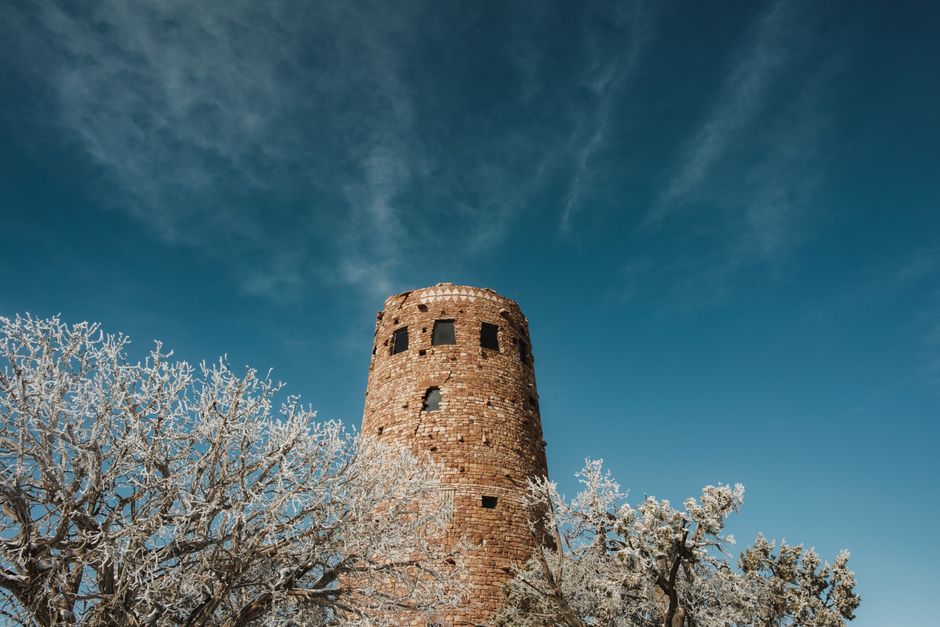
6. Growing Ice Hills of the Arctic
Pingo National Landmark, Northwest Territories
This Arctic landscape is dotted with over 1,350 ice-cored hills, some still growing and bursting, creating a surreal geological phenomenon.
Near Tuktoyaktuk, the Pingo National Landmark protects the highest concentration of pingos in the world. These dome-shaped hills form when water beneath the surface freezes and expands, pushing up the overlying soil. Some pingos are hundreds of years old and continue to grow, while others collapse dramatically, revealing their icy cores and constantly reshaping the tundra landscape.
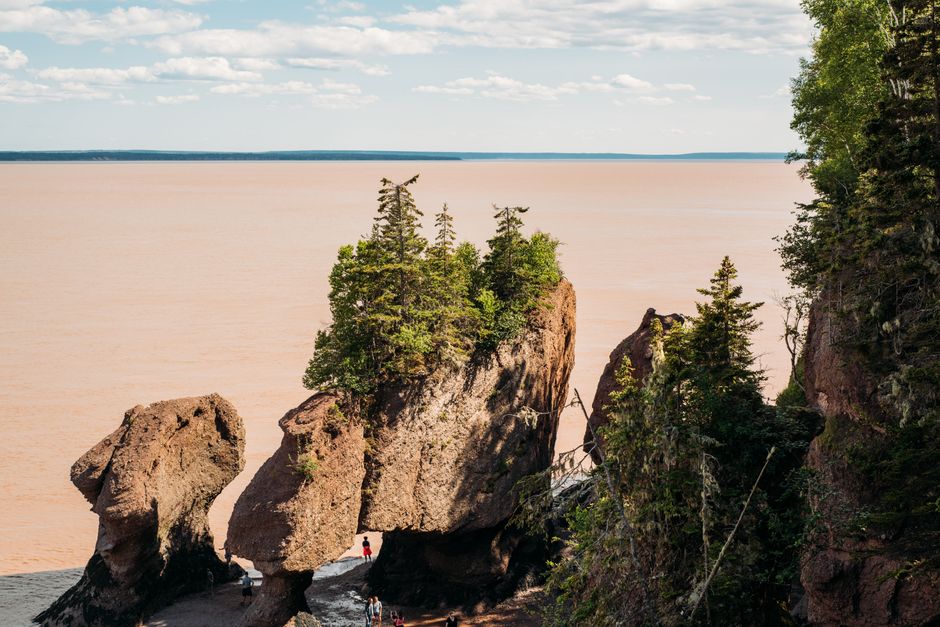
7. Ancient Forest in the Tides
Bay of Fundy (specific mudflats), Nova Scotia / New Brunswick
The world's highest tides not only sculpt dramatic rock formations but also reveal ancient submerged forests, offering a glimpse into a prehistoric landscape.
While the Bay of Fundy is famous for its colossal tides and iconic Hopewell Rocks, a lesser-known marvel lies in its mudflats. During exceptionally low tides, or after erosion, ancient tree stumps and peat beds can be seen, remnants of forests that grew thousands of years ago before the sea level rose. These ghostly trees offer a tangible connection to the region's deep geological past.
Frequently asked questions
What is a pingo?
A pingo is a mound of earth-covered ice found in the Arctic and subarctic regions. They form when water beneath the surface freezes and expands, pushing up the overlying soil into a dome shape. Some pingos can grow over many centuries, reaching impressive sizes.
Can you really walk on the Earth's mantle?
Yes, in specific locations like Gros Morne National Park's Tablelands, geological processes have pushed the Earth's mantle to the surface. This rare exposure allows visitors to literally walk on rock that originated deep within our planet, offering a unique geological experience.
What makes a beach 'sing'?
A 'singing' or 'squeaking' beach, like Basin Head in PEI, is a rare phenomenon caused by the unique properties of its sand. The grains are typically uniform in size, very fine, and composed of silica, allowing them to rub together in a way that creates a distinct sound under friction.
How can I discover these hidden stories myself?
The AllTours.ai app is designed to bring these exact kinds of stories to life. Simply point your phone camera at a landmark or landscape, and the app will instantly narrate its history, geology, and cultural significance in your language, turning every view into a rich narrative.
Photography via Pexels. AllTours.ai is an AI audio tour guide — point your camera at any landscape and hear its story.