July 25, 2026 · 4 min read
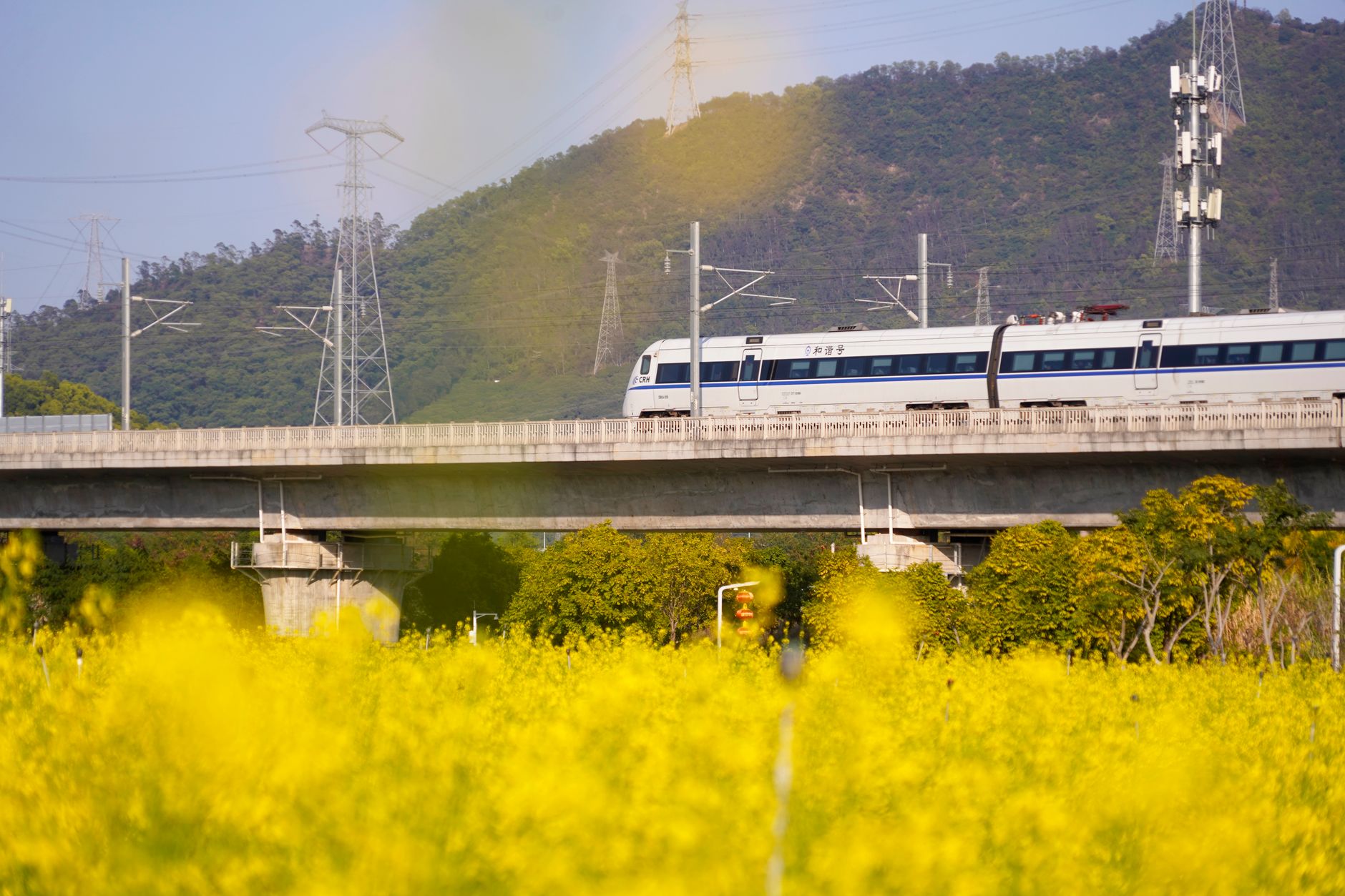
The Chongqing-Xiamen high-speed rail line cuts across China's heartland, a modern marvel spanning diverse landscapes. It's a journey often seen as merely a transit route between two major hubs. But beneath the blur of speed, a different China unfolds, rich with stories often overlooked.
Beyond the well-trodden paths, this route reveals a tapestry of history, geology, and culture in its smaller towns and forgotten corners. We've compiled a guide to some of the most surprising, genuinely lesser-known spots you might glimpse or explore just off the main line, each with a unique tale.
1. The Submerged River Gauge
Fuling District, Chongqing, China
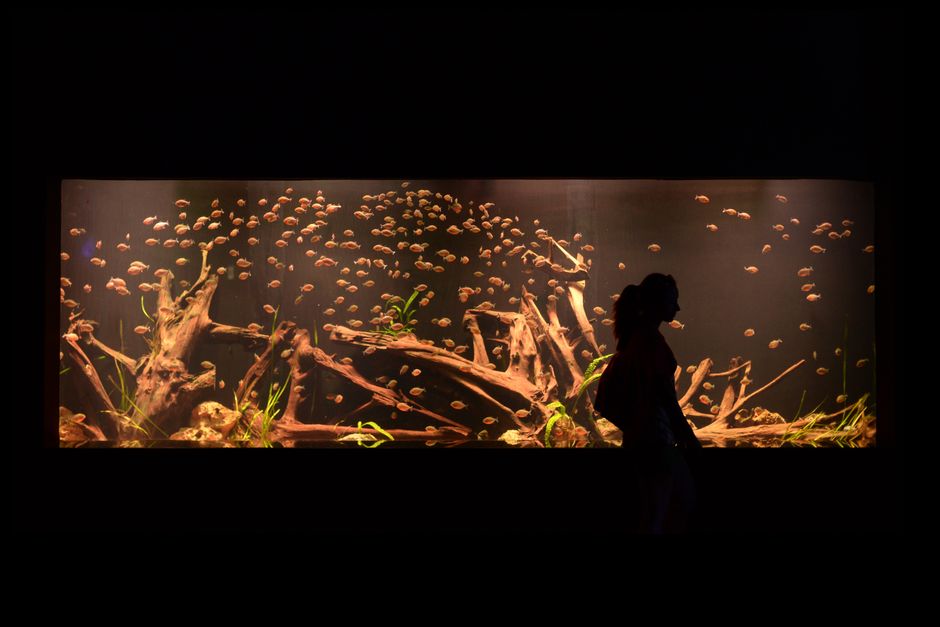
An ancient stone ridge, once vital for predicting Yangtze River levels, now lies preserved within a unique underwater museum.
Ancient rock carvings dating back over 1200 years on a natural stone ridge, Baiheliang, once served as a precise hydrological gauge for the Yangtze River. These 'stone fish' and inscriptions marked water levels, guiding river traffic and agriculture for centuries. With the construction of the Three Gorges Dam, this invaluable heritage was submerged. Today, it's preserved within an underwater museum, accessible via an escalator into the river itself, offering a surreal glimpse into ancient river science.
2. Wujiang's Stilt-House Echoes
Youyang Tujia and Miao Autonomous County, Chongqing, China
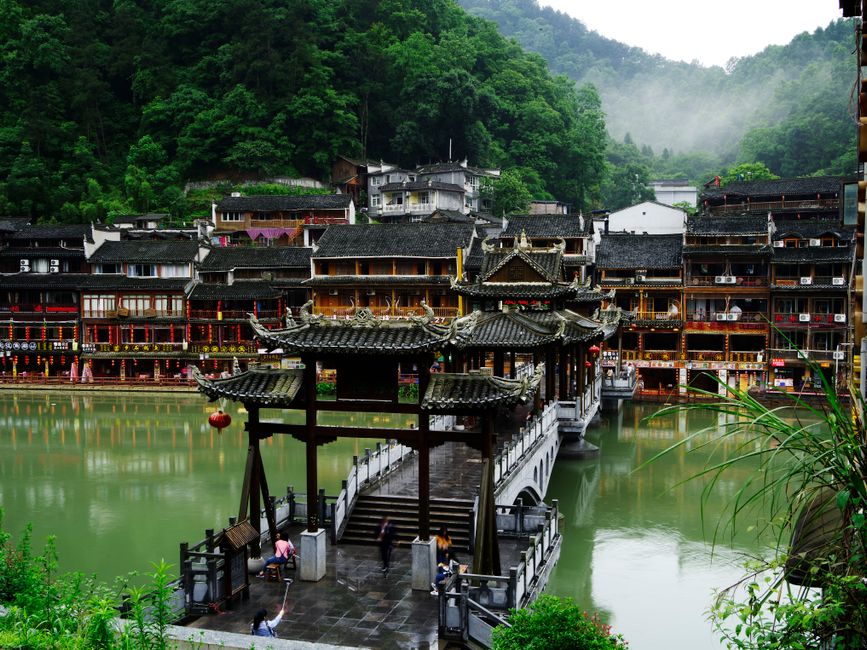
Tucked away in a deep river gorge, Gongtan is an ancient riverside town renowned for its preserved Ming and Qing dynasty architecture and unique stilt houses.
For centuries, Gongtan served as a vital trading post along the Wujiang River, connecting Sichuan with the outside world. Its cobbled streets, ancient temples, and distinctive 'Diaojiaolou' (stilt houses) clinging to the cliffs remain largely untouched by modern development. This living museum offers a rare glimpse into traditional riverine life and architecture, feeling like a step back into a forgotten era of merchants and boatmen.
3. The Real Peach Blossom Spring
Youyang Tujia and Miao Autonomous County, Chongqing, China
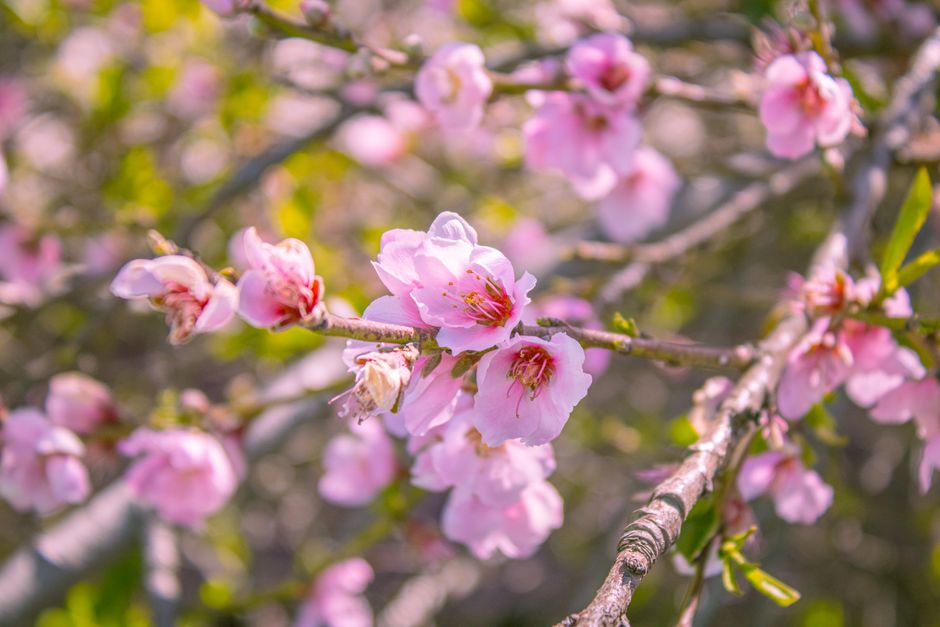
This mythical utopia from an ancient Chinese poem is believed to have a real-world counterpart in a hidden cave system near Youyang, discovered by accident.
The 'Peach Blossom Spring' is a legendary paradise described by poet Tao Yuanming, a place untouched by the outside world. In Youyang, a vast cave system and an ancient village within a natural sinkhole are widely believed to be the inspiration. Locals discovered this hidden realm by chance, entering through a narrow crack to find a fertile valley and a pristine river, mirroring the ancient tale of discovery.
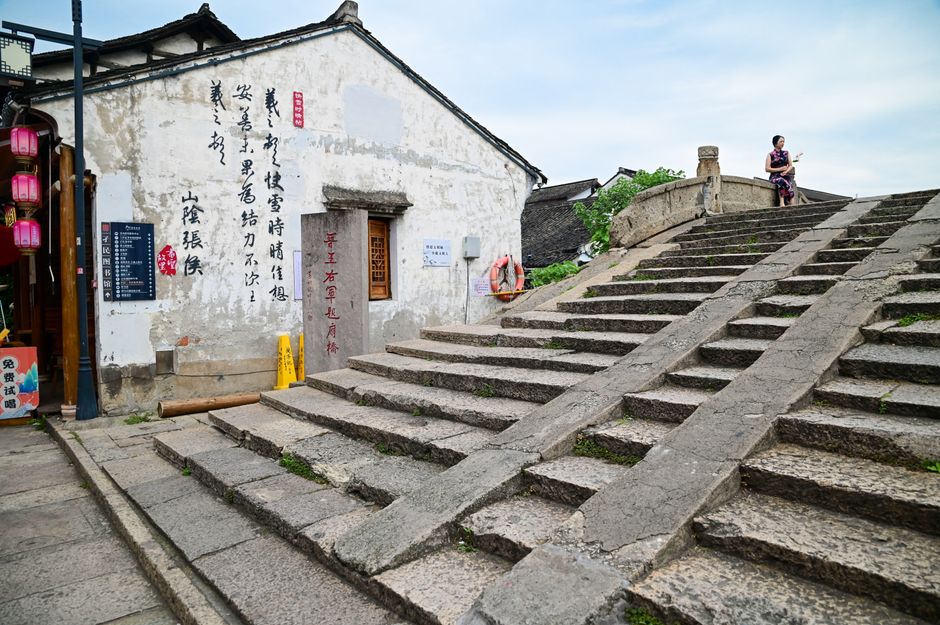
4. Hongjiang's Shadowy Trade Empire
Hongjiang City, Huaihua, Hunan, China
Once a bustling trade center for tung oil, lumber, and even opium, Hongjiang Ancient Town preserves the opulent guildhalls and merchants' residences from its shadowy, prosperous past.
Hongjiang, near Huaihua South, was a pivotal hub in China's internal trade network during the Ming and Qing dynasties. Its prosperity was built on commodities like tung oil and timber, but also, controversially, opium. The town boasts over 100 well-preserved ancient structures, including elaborate guildhalls, private banks, and merchant residences, each telling a story of wealth, intrigue, and the complex commercial history of Hunan.
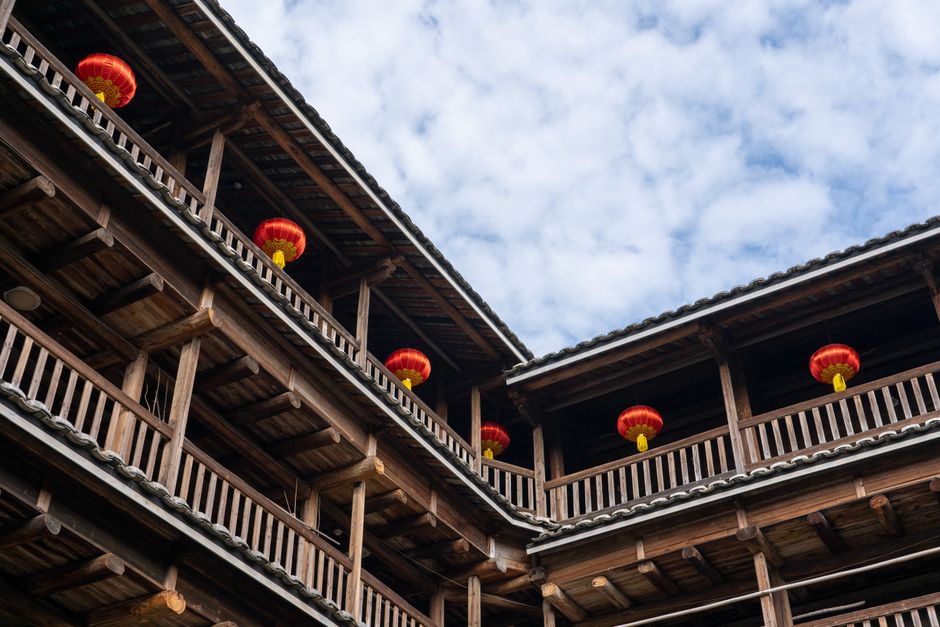
5. Jiangxi's Fortified Earth Castles
Ganxian District, Ganzhou, Jiangxi, China
Ganzhou is home to a unique type of Hakka earthen castle, distinct from Fujian's famous tulou, built with defensive moats and watchtowers.
While Fujian's tulou are well-known, Ganzhou in Jiangxi boasts its own impressive Hakka earthen castles, or Weiwu (围屋). These massive, fortified residential complexes, often square or rectangular, were built by Hakka migrants for defense against bandits and rival clans. Unlike the circular tulou, Ganzhou's Weiwu often feature elaborate moats, high walls, and watchtowers, creating self-sufficient villages designed for protection and community living in a turbulent past.
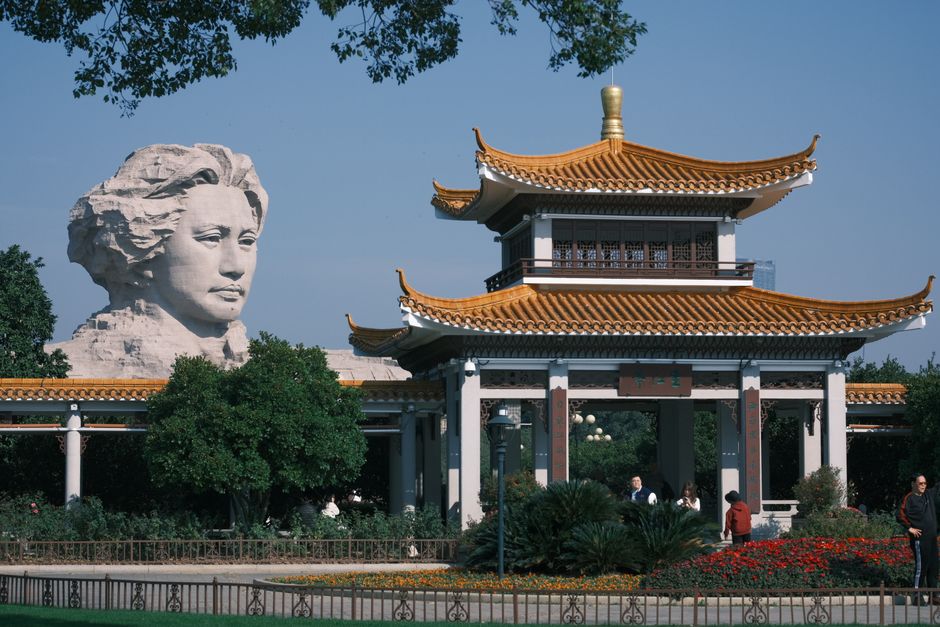
6. Fuzhou's Literary Legacy
Fuzhou, Jiangxi, China
Fuzhou, often overshadowed by larger cities, is the birthplace of China's 'Shakespeare,' Tang Xianzu, whose romantic plays captured the spirit of his era.
Tang Xianzu (1550-1616) was a prominent playwright of the Ming Dynasty, whose works are celebrated for their romanticism and poetic beauty. His most famous opera, 'The Peony Pavilion,' explores themes of love, dreams, and resurrection, leaving a lasting impact on Chinese literature and opera. While not a dramatic landscape, Fuzhou quietly preserves his legacy, offering a glimpse into the intellectual heart of imperial China.
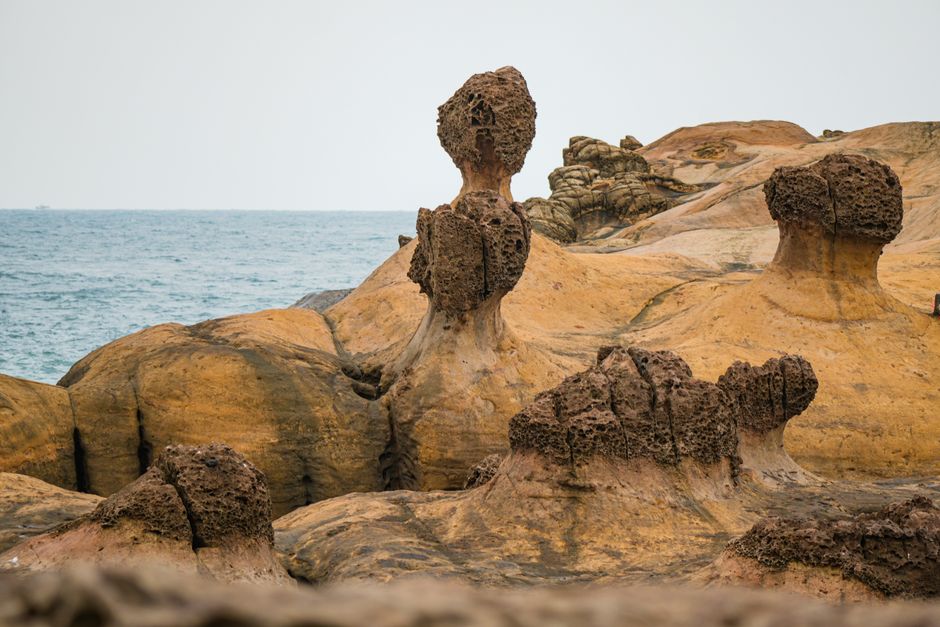
7. Coastal Volcanic Echoes
Zhangpu County, Zhangzhou, Fujian, China
Near Zhangzhou, a unique geological park preserves a coastal area dotted with ancient volcanoes and columnar basalt formations, including a 'stone forest' emerging from the sea.
Just off the coast near Zhangzhou lies a geological marvel: the Zhangpu Ancient Volcano National Geopark. This area showcases the remnants of ancient volcanic activity, featuring striking columnar basalt formations, volcanic vents, and a 'stone forest' that rises dramatically from the sea. It's a place where the earth's fiery past meets the ocean's calm, offering a vivid lesson in geological forces at play over millions of years, largely unknown to mainstream tourism.
Frequently asked questions
How long does the Chongqing-Xiamen high-speed rail journey take?
The full journey on the Chongqing-Xiamen high-speed rail line typically takes around 11-13 hours, depending on the specific train and number of stops. It's a long but scenic route connecting China's southwest with its southeastern coast.
What are the main cities connected by this high-speed rail line?
The line primarily connects Chongqing in the southwest with Xiamen in Fujian province on the southeast coast. Key intermediate stops include Huaihua, Changsha, Nanchang, and Ganzhou, traversing diverse landscapes and cultural regions.
Is it possible to see these lesser-known spots from the train?
While some landscapes are visible, many of these spots require a short detour or an overnight stay to fully explore. The high-speed rail gets you close, but experiencing their unique stories often means disembarking and spending a little time in the local area.
How can the AllTours.ai app enhance my journey along this route?
AllTours.ai acts as your personal AI audio guide. Simply point your phone camera at a landmark or landscape, and the app will narrate its history, geology, and culture in your preferred language. It's perfect for uncovering the hidden stories of places like those mentioned, right as you see them.
Photography via Pexels. AllTours.ai is an AI audio tour guide — point your camera at any landscape and hear its story.