July 25, 2026 · 4 min read
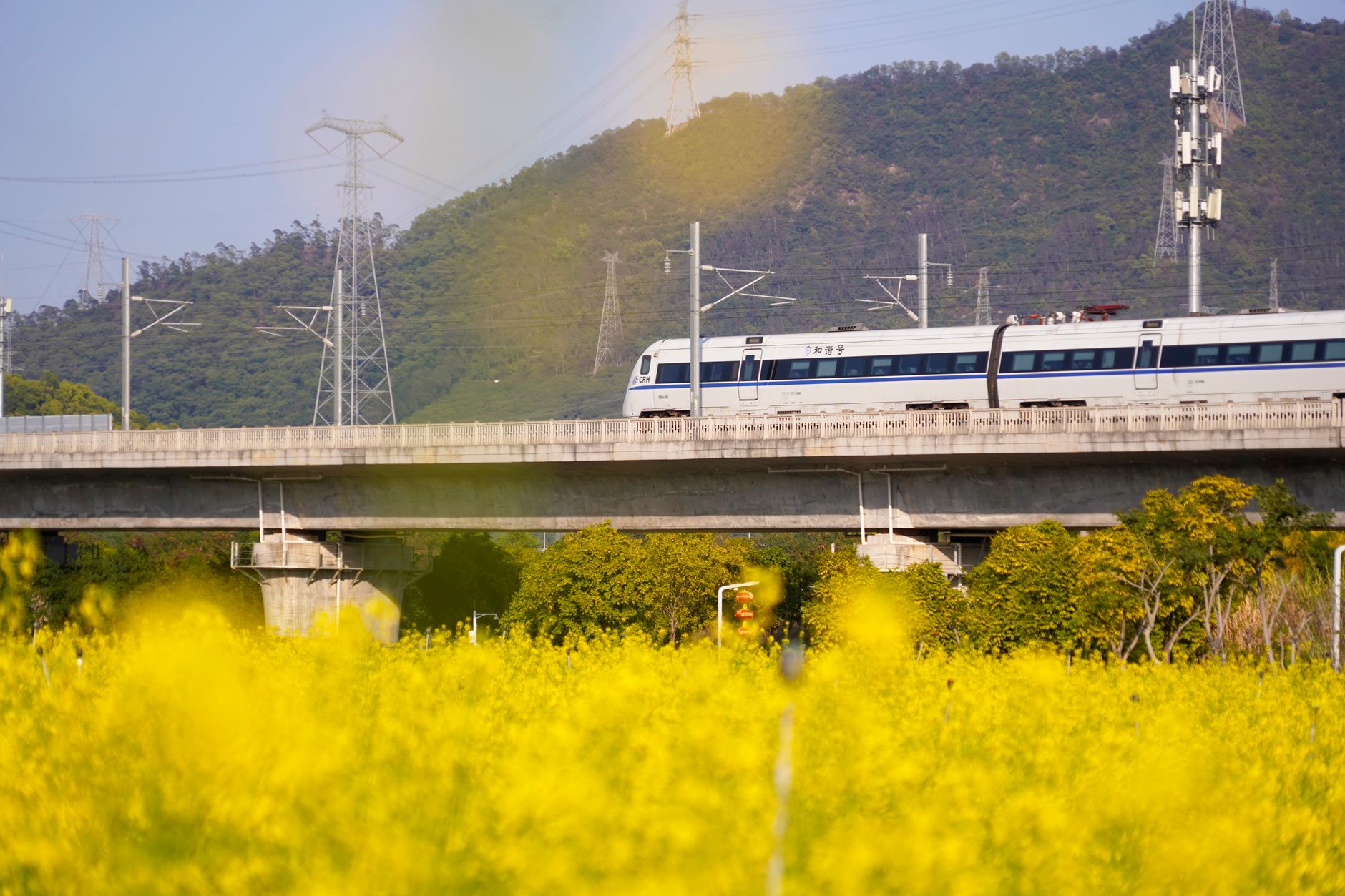
The Chongqing-Xiamen high-speed rail line carves a 1,800-kilometer path across China, linking the mountainous interior to the coastal east. It's a journey that traverses four distinct provinces—Chongqing, Hunan, Jiangxi, and Fujian—offering a panoramic view of the country's diverse landscapes and cultures. Most travelers focus on the major city stops, but the true magic often lies just beyond the well-trodden paths.
So, what was it like to ride this incredible line? Beyond the blur of the bullet train, there are countless moments to uncover. This guide highlights lesser-known marvels and their surprising stories, revealing the hidden history, geology, and culture that often go unnoticed from a high-speed window.
1. Where the Yangtze's Whisper Hides
Wushan County, Chongqing, China
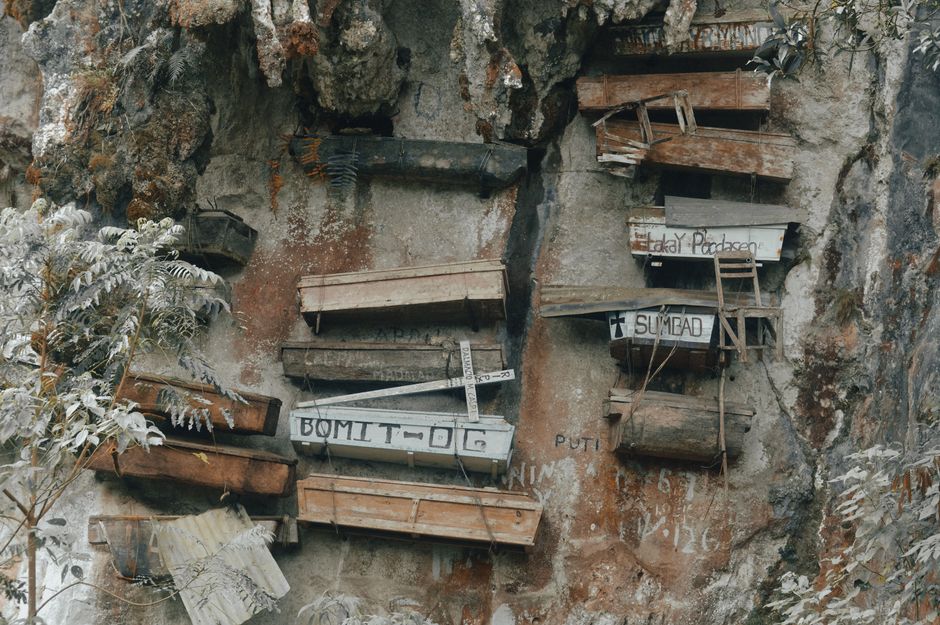
Discover ancient 'hanging coffins' clinging to sheer cliff faces, a burial practice shrouded in mystery.
The Small Three Gorges, carved by the Daning River, offer a more intimate experience than the grand Yangtze. Here, sheer limestone cliffs hide a poignant secret: hundreds of ancient "hanging coffins." These millennia-old wooden sarcophagi are wedged into crevices or suspended from beams high above the river, a testament to a lost civilization's unique reverence for their dead, their exact placement methods still debated.
2. A Ming Dynasty Time Capsule
Huitong County, Hunan, China
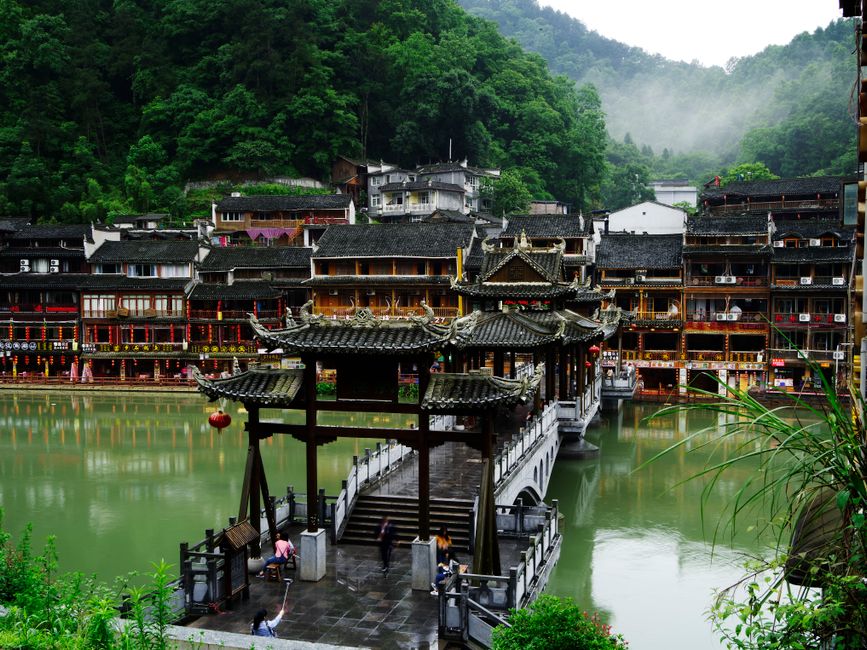
Wander through a perfectly preserved 600-year-old village where residents still live in Ming and Qing dynasty homes.
Gaoyi Ancient Village is a living museum, seemingly untouched by the centuries. Its narrow flagstone paths lead past over 100 well-preserved dwellings, ancestral halls, and temples, all built from timber and brick in the Ming and Qing dynasties. Unlike many tourist-centric "ancient towns," Gaoyi remains a functional community, offering an authentic glimpse into rural Chinese life that has continued largely unchanged for generations.
3. Taoist Secrets in the Cliffs
Yingtan, Jiangxi, China
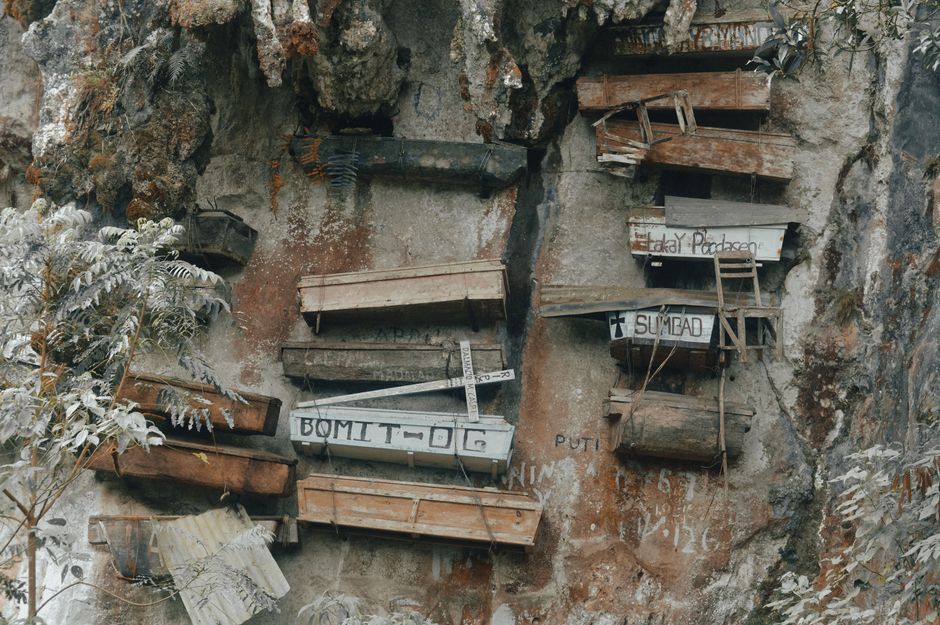
Witness millennia-old cliff burials on a sacred Taoist mountain, with coffins suspended from dizzying heights.
Longhu Mountain, a birthplace of Taoism, is famed not just for its stunning Danxia landforms but also for its mysterious "hanging coffin" burials. Along the Lu Xi River, hundreds of wooden coffins, some dating back over 2,600 years, are found in caves and crevices high up the sheer red cliffs. Archaeological theories range from rope-and-pulley systems to ancient scaffolding, all pointing to an enduring mystery of human ingenuity and spiritual belief.
4. The Floating Bridge of a Thousand Years
Ganzhou, Jiangxi, China
Cross a unique 800-year-old pontoon bridge made of wooden planks and boats, still in daily use today.
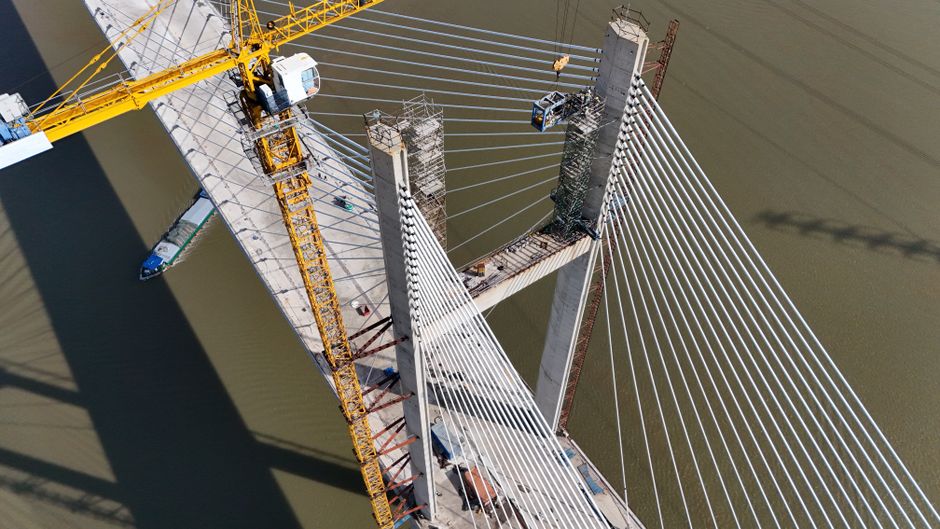
Ganzhou's Pontoon Bridge, or "Guangli Bridge," is an extraordinary feat of ancient engineering. First built in the Southern Song Dynasty, this 400-meter-long bridge is constructed from over 100 wooden boats lashed together, forming a floating walkway across the Zhangjiang River. Remarkably, it's still an active pedestrian thoroughfare, periodically unmoored to allow large river traffic to pass, connecting the city's past and present.
5. Peaks of Myth and Mist
Fuding, Fujian, China
Explore a 'sea of granite peaks' shrouded in fog, said to be the legendary dwelling of a goddess.
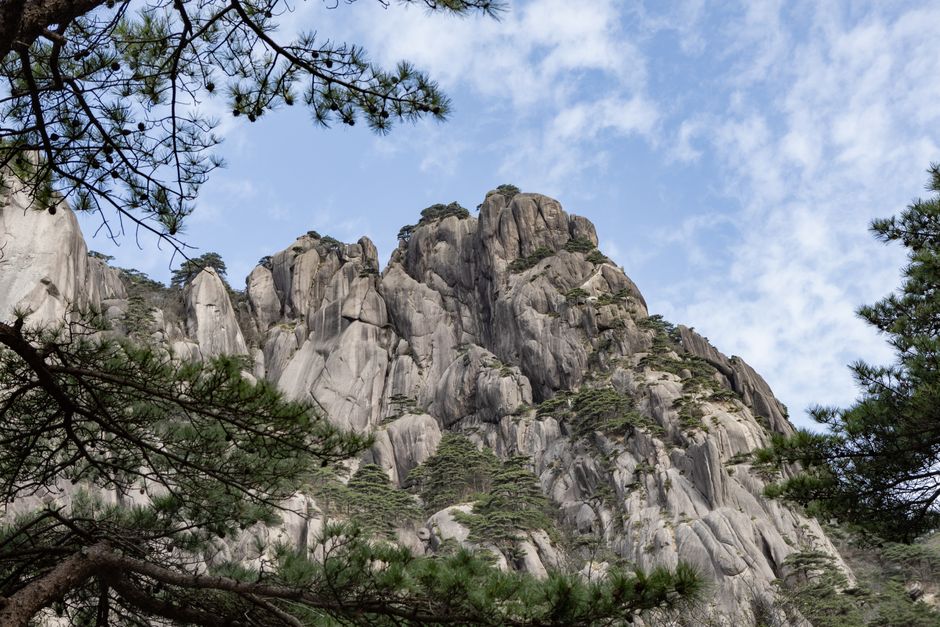
Taimu Mountain, often called "Sea of Granite Peaks," offers a dramatic landscape of towering rock formations, deep caves, and ancient temples. Local legend claims it was here that the Goddess Taimu cultivated tea and achieved immortality. The mountain's unique geological features, combined with its frequent mist and cloud cover, create an otherworldly atmosphere, making it a lesser-known but equally stunning alternative to more famous Chinese mountains.
6. Echoes of the Tea Horse Road
Anxi County, Fujian, China
Discover a preserved ancient tea plantation where Oolong cultivation began centuries ago, still using traditional methods.
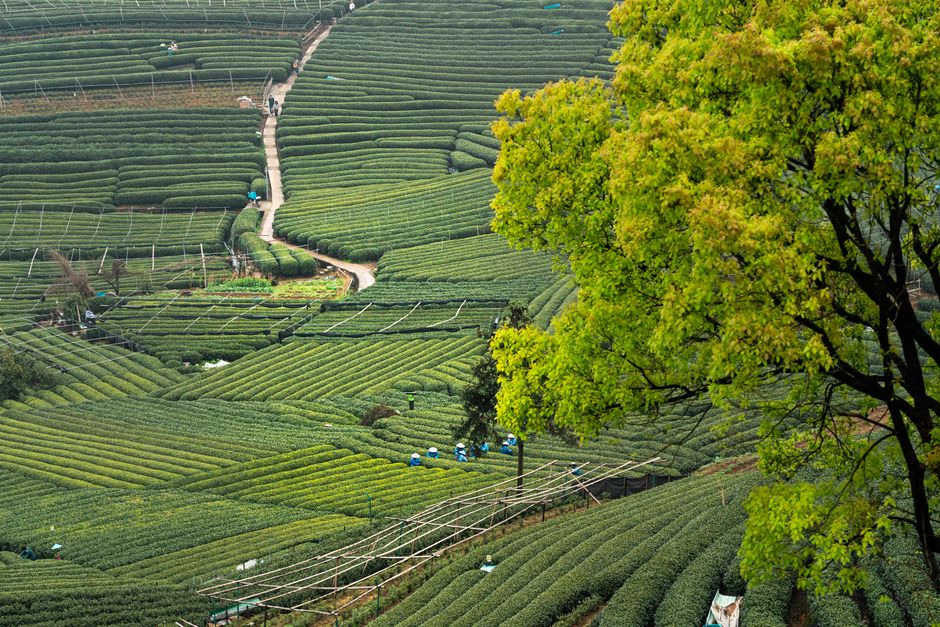
While Anxi is famous for Tieguanyin Oolong, the Chaxi Ancient Tea Plantation offers a glimpse into its origins. This area preserves ancestral tea gardens and traditional processing workshops, where techniques passed down through generations are still employed. Walking through these terraced fields, one can almost hear the echoes of the Tea Horse Road, imagining the arduous journeys undertaken by merchants to bring these precious leaves to the world.

7. The Miniature Grand Canyon
Yongan, Fujian, China
Witness a unique "earth forest" landscape formed by thousands of towering, erosion-sculpted sand pillars.
The Sanming Earth Forest, often dubbed a "miniature Grand Canyon," is a geological marvel. Over millions of years, wind and water have sculpted the local red soil and sandstone into an otherworldly landscape of pillars, towers, and ravines. These natural formations, varying in height and shape, create a surreal environment that feels like stepping onto another planet, a stark contrast to Fujian's lush mountains and coastlines.
Frequently asked questions
How long is the Chongqing-Xiamen high-speed rail line, and how long does the journey take?
The Chongqing-Xiamen high-speed rail line spans approximately 1,800 kilometers (about 1,120 miles), though the exact distance can vary slightly depending on the specific route taken. A full journey typically takes between 10 to 12 hours, including stops at major cities along the way.
What's the best time of year to ride this high-speed rail line for optimal views?
The best times to experience the Chongqing-Xiamen high-speed rail line are during spring (April to May) or autumn (September to October). These seasons offer mild temperatures, clearer skies, and vibrant natural scenery, enhancing the views from your train window. It's advisable to avoid national holidays when trains can be very crowded.
Are there dining options available on China's high-speed trains?
Yes, high-speed trains in China are well-equipped with dining facilities. Most trains feature a dining car offering hot meals, snacks, and beverages. Additionally, trolleys with food and drink often pass through the carriages, providing convenient options for passengers throughout their journey.
How can AllTours.ai enhance my high-speed rail journey experience?
AllTours.ai acts as your personal AI audio guide, transforming your high-speed rail journey into an interactive discovery. Simply point your phone camera at any landscape or landmark outside your train window, and the app will instantly narrate its history, geology, and culture in your preferred language, revealing fascinating stories you might otherwise miss as you speed by.
Self-guided audio tours
Walk these places stop by stop — free five-stop story tours you can take at your own pace:
Photography via Pexels. AllTours.ai is an AI audio tour guide — point your camera at any landscape and hear its story.