July 25, 2026 · 4 min read
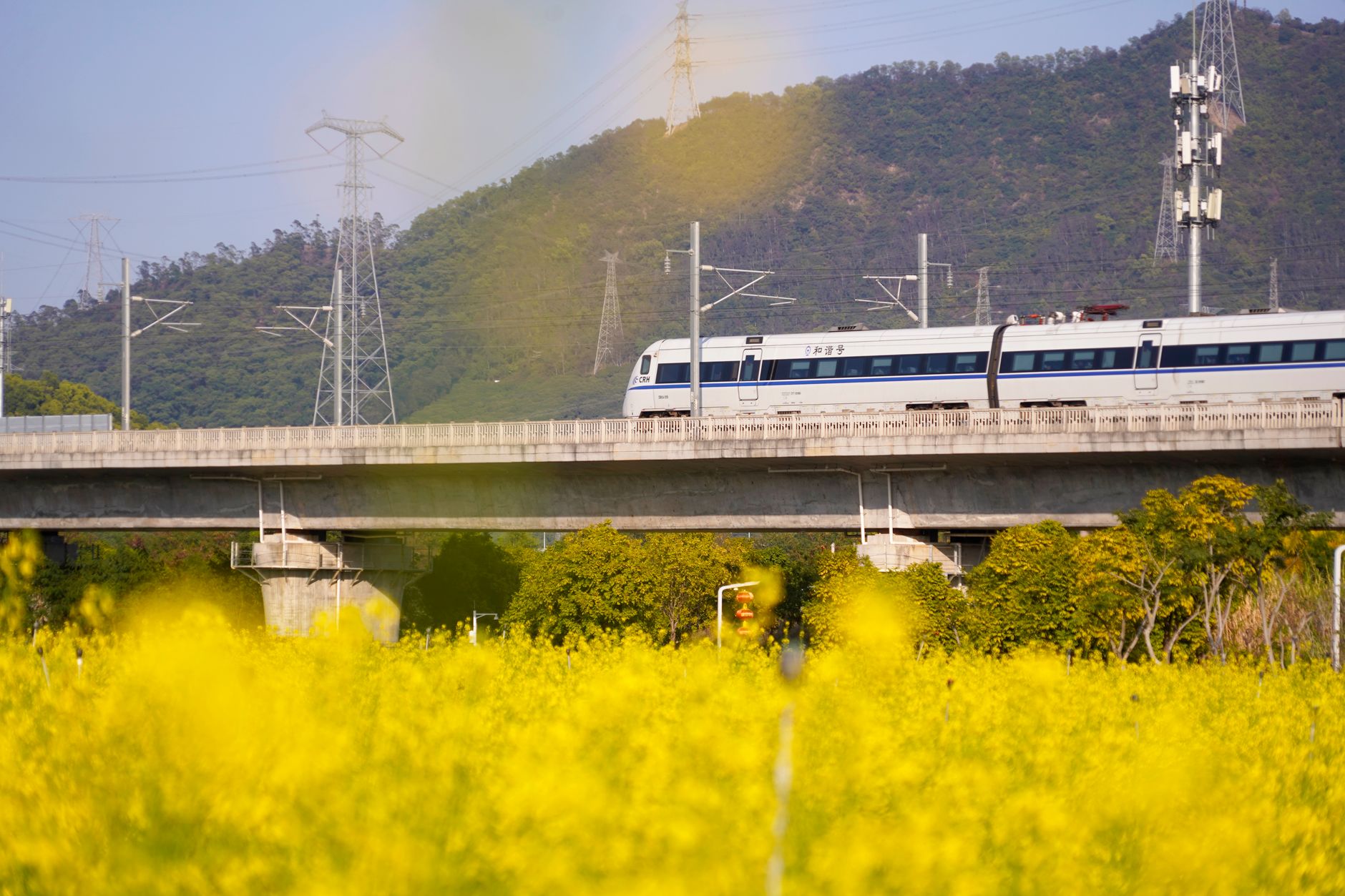
The Chongqing-Xiamen high-speed rail line carves a path through some of China's most diverse and captivating landscapes. While major cities like Changsha and Fuzhou are well-known stops, the true magic of this journey lies in the less-trodden paths and unexpected discoveries found in between.
Riding this route is an invitation to look beyond the usual tourist highlights. It’s a chance to glimpse ancient engineering marvels, understand unique cultural traditions, and uncover the vivid stories etched into the very fabric of China's lesser-known regions. Here’s a closer look at what you might encounter.
1. Gravity-Defying Stilt Houses of Shibaoping
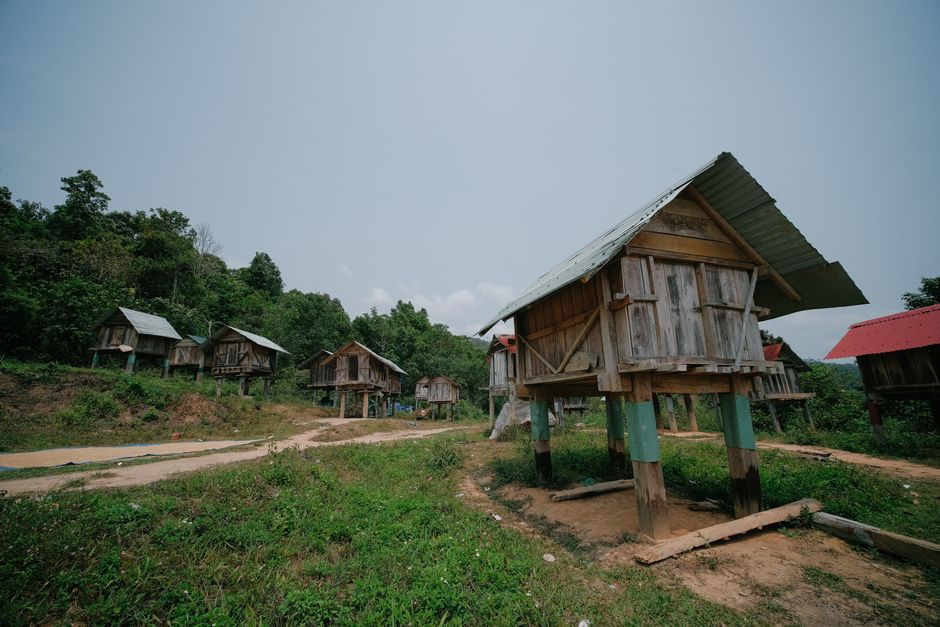
Shibaoping Village, Enshi, Hubei
Traditional Tujia stilt houses, built without a single nail, cling precariously to cliff faces, defying gravity and time.
These ingenious wooden structures, known as *diaojiaolou*, are a testament to Tujia engineering, designed to adapt to the mountainous terrain and protect against dampness. Walking through the village, you witness a living architectural heritage, where generations have found a unique harmony with their dramatic surroundings.
2. The Pagoda Saved by a Levee
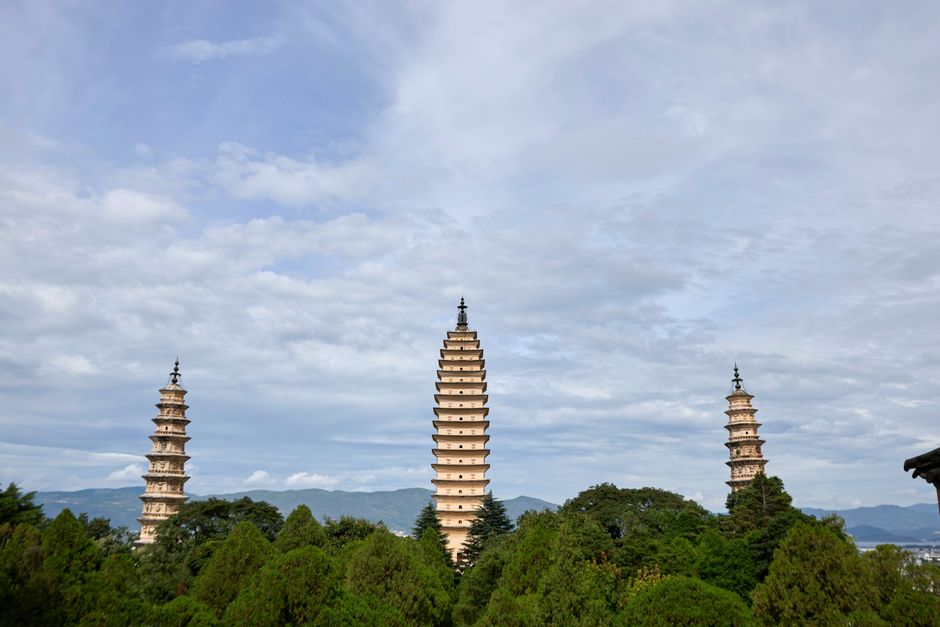
Shibaozhai Temple, Zhongxian, Chongqing
A towering, 12-story pagoda built into the side of a sheer cliff, once an island temple, now preserved within a massive protective levee.
This striking wooden structure, dating back to the Ming Dynasty, was originally accessible only by chain. With the Three Gorges Dam project, the surrounding area was submerged, but Shibaozhai was meticulously saved, encapsulated by an impressive earthen levee, making it a dramatic sight of cultural preservation against natural forces.

3. Remote Traditions of Dehang Miao Village
Dehang Miao Village, Jishou, Hunan
Tucked deep within a gorge, this remote Miao village maintains ancient traditions of shamanism and intricate silver craftsmanship, far from modern intrusions.
Dehang, meaning "beautiful valley" in the Miao language, is a place where time seems to slow. Here, you can witness villagers in traditional attire, hear the haunting melodies of lusheng pipes, and observe artisans meticulously crafting elaborate silver jewelry, a cornerstone of Miao culture passed down through generations.
4. Hongjiang's Imperial Trade Secrets
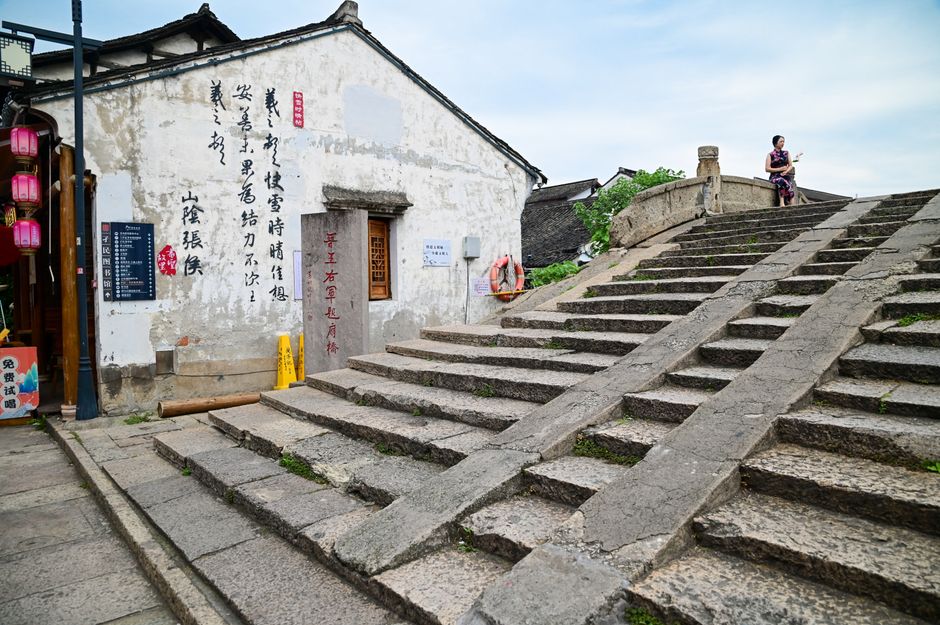
Hongjiang Ancient Commercial Town, Huaihua, Hunan
A remarkably preserved Ming and Qing dynasty merchant town, once a bustling opium and wood trade hub, whose cobblestone alleys conceal over 100 historical guild halls.
Step back into a forgotten era of commerce where merchants from across China converged. Hongjiang's intricate network of streets and grand courtyards whispers tales of fortunes made and lost. Its architecture, a blend of different regional styles, offers a rare glimpse into the complex social fabric of imperial Chinese trade.
5. The Enduring Song Dynasty Floating Bridge
Ganzhou Pontoon Bridge, Ganzhou, Jiangxi
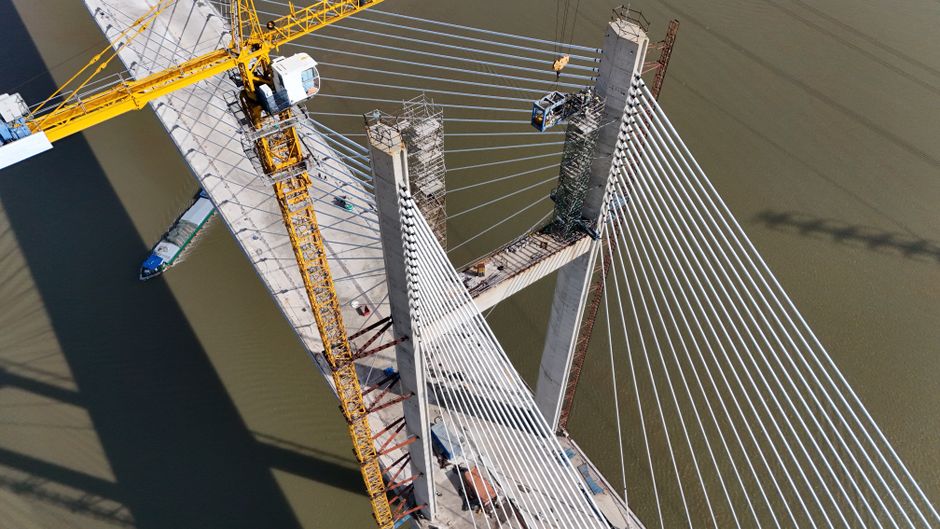
The Xiangyangu Bridge, a unique floating pontoon bridge from the Song Dynasty, still serves as a daily crossing, adapting its length to the Gong River's ever-changing water levels.
This remarkable feat of ancient engineering consists of over 100 wooden boats chained together, forming a pedestrian bridge that sways gently with the current. It's a living piece of history, where locals go about their daily lives on a structure that has connected the city for over 800 years, a testament to enduring ingenuity.
6. Secluded Hakka Earthen Fortresses
Chuxi Tulou Cluster, Yongding, Fujian
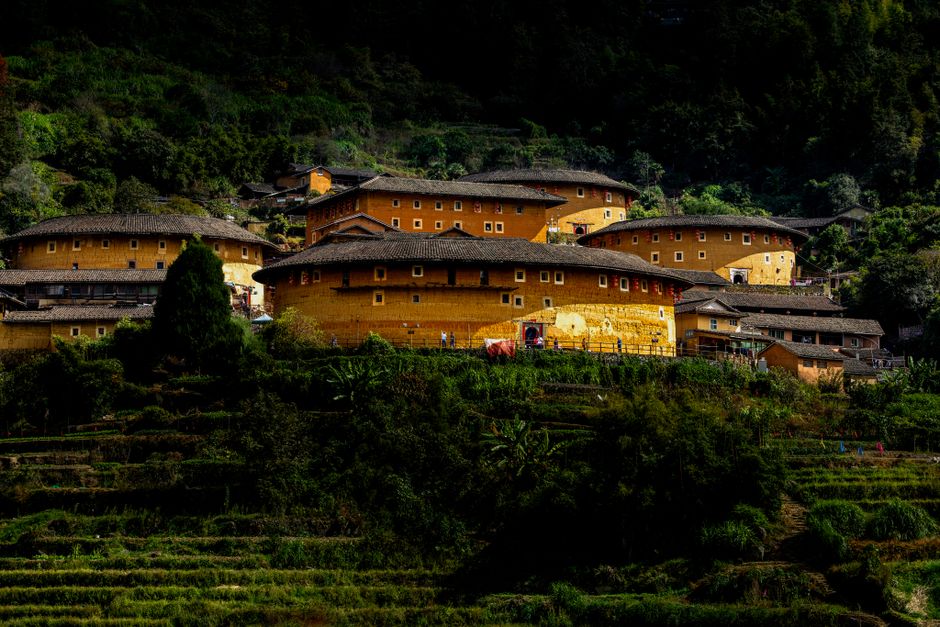
A secluded collection of colossal, circular and rectangular earthen fortresses, built by the Hakka people, their communal design reflecting ancient defense strategies and family bonds.
Unlike the more visited tulou sites, Chuxi offers a quieter, more authentic encounter with these architectural marvels. These multi-story, thick-walled structures once housed entire clans, providing protection against bandits and wild animals. Exploring their inner courtyards reveals a self-contained world of wells, kitchens, and ancestral halls.

7. The Home of Square Oolong Tea
Zhangping Shuixian Tea Gardens, Zhangping, Fujian
The origin point of Zhangping Shuixian, a distinctive oolong tea pressed into square cakes, a unique processing method perfected over centuries in these misty mountains.
High in the mountains of Zhangping, tea farmers cultivate the "Water Fairy" oolong. What sets it apart is its traditional pressing into neat, individual cakes, which helps preserve its delicate orchid-like aroma and smooth, rich flavor. Visiting these terraces offers a sensory journey through the heart of Fujian's lesser-known tea heritage.
Frequently asked questions
How long does it take to ride the Chongqing-Xiamen high-speed rail line?
The full journey from Chongqing to Xiamen by high-speed rail typically takes between 10 to 12 hours, depending on the specific train number and the number of stops it makes along the route.
What is the best time of year to travel this route?
Spring (April-May) and Autumn (September-October) are generally considered the best times to travel this high-speed rail line. These seasons offer pleasant temperatures for sightseeing and avoid the intense summer heat and potential winter chill and fog.
Are there food options available on the high-speed trains?
Yes, Chinese high-speed trains are well-equipped. You'll typically find a dining car offering hot meals, as well as trolleys that pass through carriages selling snacks, drinks, and instant noodles. Many travelers also bring their own food and beverages.
How can AllTours.ai enhance my journey along this route?
AllTours.ai turns your smartphone into a personal guide. Simply point your camera at any landmark, landscape, or interesting sight you see from your train window or during a stop, and the app will instantly narrate its history, geology, and culture in your preferred language, revealing stories you might otherwise miss.
Photography via Pexels. AllTours.ai is an AI audio tour guide — point your camera at any landscape and hear its story.