June 15, 2026 · 4 min read
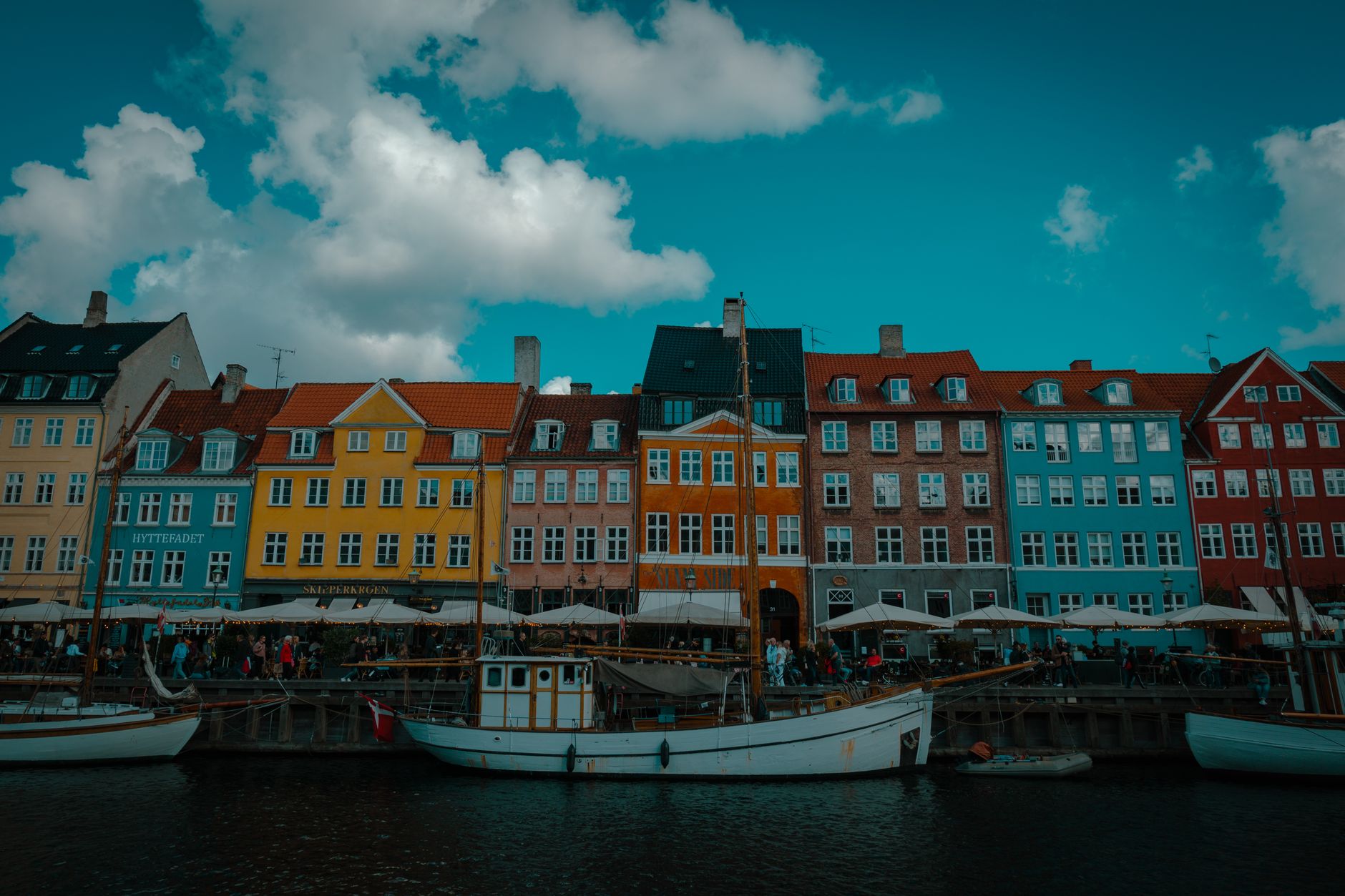
Copenhagen often conjures images of the colorful houses of Nyhavn, the Little Mermaid, and Tivoli Gardens. These iconic sights are undoubtedly charming, but to truly understand the city's pulse, you need to step beyond the well-trodden path. Copenhagen is a tapestry woven with centuries of fascinating history, unexpected architectural marvels, and communities that defy convention.
Beneath the surface, around tranquil cemeteries, and within unassuming facades, lie stories that paint a richer picture of the Danish capital. These are the places where history whispers from every brick, where art finds unusual homes, and where the spirit of innovation and quiet contemplation truly thrives. Prepare to discover the Copenhagen that locals cherish and curious travelers seek.
1. Cisternerne: A Subterranean Glass Cathedral
Frederiksberg, Denmark
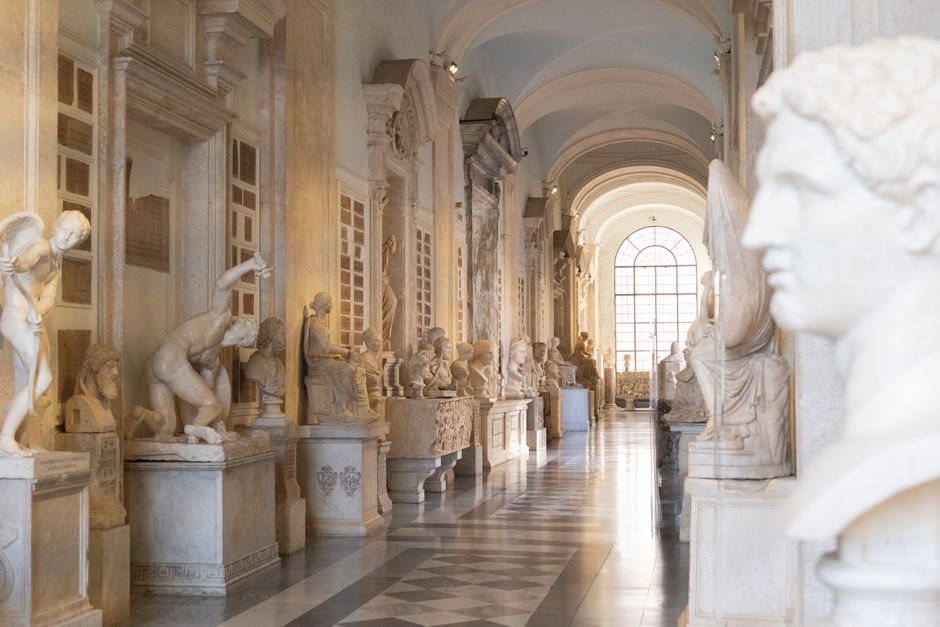
This vast, dark underground space once held Copenhagen's entire drinking water supply, now transformed into a unique museum for contemporary glass art.
Beneath Frederiksberg Hill lies Cisternerne, a former subterranean reservoir constructed in the mid-19th century to combat cholera outbreaks. After serving the city for decades, it was drained in 1933 and lay forgotten until its artistic revival. Today, the dripping stalactites and perpetually damp environment create an ethereal backdrop for site-specific glass installations, turning a utilitarian marvel into a hauntingly beautiful exhibition space.
2. Assistens Cemetery: A Resting Place of Giants
Nørrebro, Denmark
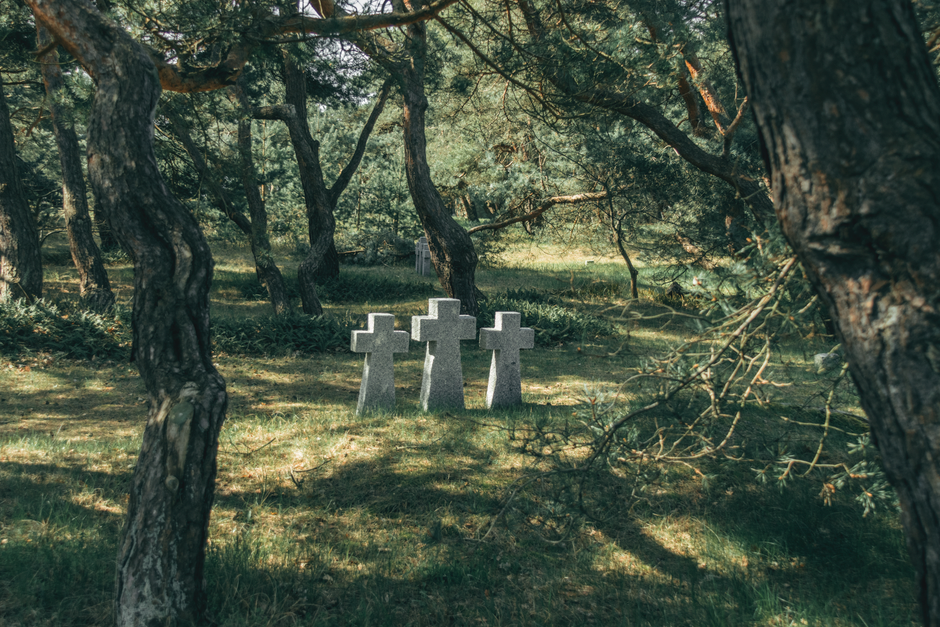
More than just a cemetery, this tranquil green space is the final resting place for some of Denmark's most celebrated figures, including philosopher Søren Kierkegaard and author H.C. Andersen.
In the vibrant Nørrebro district, Assistens Cemetery offers a peaceful escape and a journey through Danish cultural history. Established in 1760, it became the burial ground for a surprising number of national treasures. Locals often treat it as a park, strolling among the historic headstones and mature trees, reflecting on the lives of those who shaped Denmark's intellectual and artistic landscape.
3. Freetown Christiania: An Experiment in Autonomy
Christianshavn, Denmark
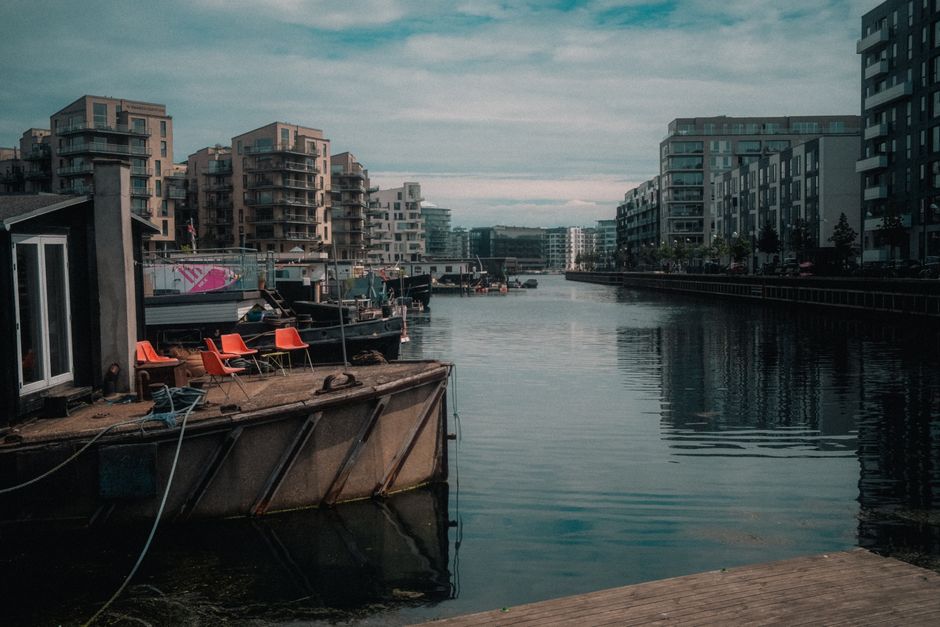
Founded in 1971 by squatters on former military barracks, Christiania is a self-governing 'freetown' within Copenhagen, operating under its own unique rules and a distinct social experiment.
Christiania emerged as a social experiment, a community embracing alternative lifestyles and self-governance, transforming disused army grounds into a vibrant, independent enclave. Its colorful houses, organic eateries, and unique atmosphere stand in stark contrast to the rest of Copenhagen. While controversial at times, it remains a fascinating example of communal living and a testament to the city's tolerance for unconventional ideas.
4. Rundetaarn (The Round Tower): An Equestrian Ascent
Copenhagen K, Denmark
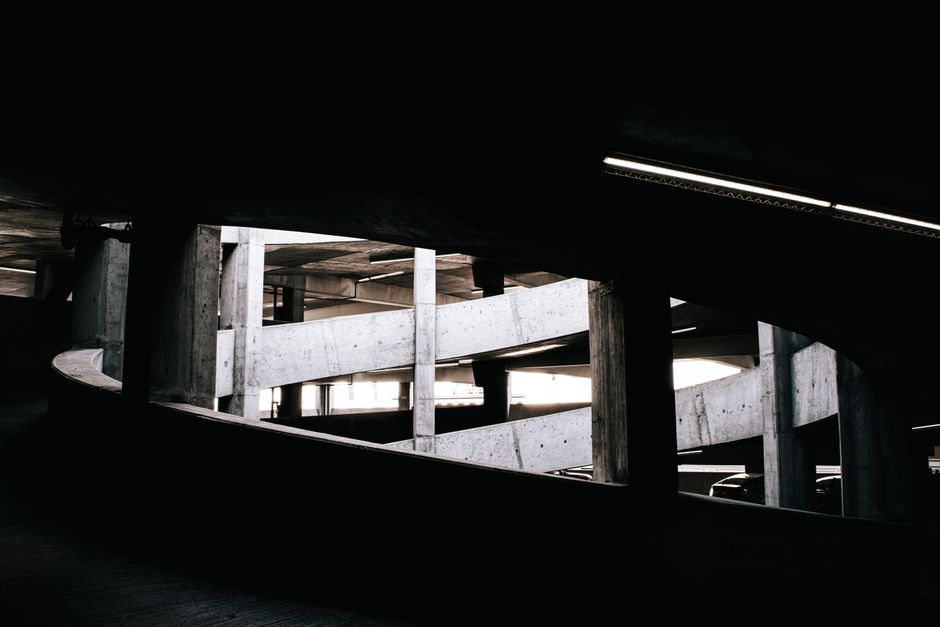
Instead of stairs, visitors ascend this 17th-century tower via a wide, spiraling equestrian ramp, originally designed for horse-drawn carriages to reach the top.
Built by Christian IV in the 1640s as an astronomical observatory, Rundetaarn offers panoramic views of Copenhagen. Its most distinctive feature is the unique helical ramp that spirals seven and a half times around the hollow core. Legend says Tsar Peter the Great once rode a horse to the top, followed by his Tsarina in a carriage. Today, it's a beloved landmark and a testament to ingenious engineering.
5. Kastellet: A Star-Shaped Fortress
Copenhagen K, Denmark
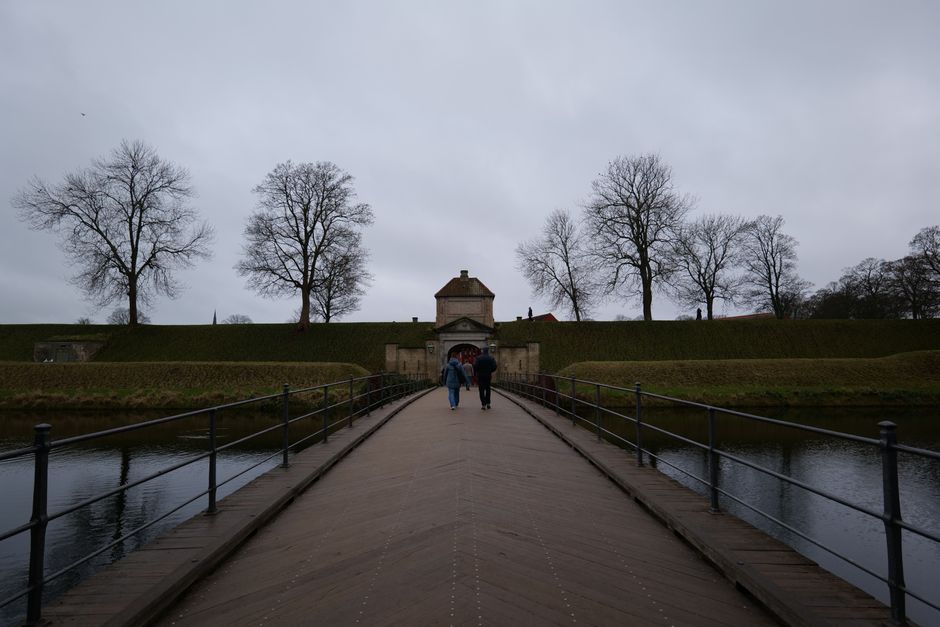
This perfectly preserved 17th-century star-shaped fortress, complete with ramparts and moats, is still a functional military area yet open to the public as a tranquil park.
Kastellet, or 'The Citadel,' is one of Northern Europe's best-preserved star fortresses, dating back to 1662. Its pentagonal shape, surrounded by moats, offers a unique perspective on military architecture. Beyond its historical significance, Kastellet serves as a serene green space for locals, perfect for walks or runs, offering stunning views and a glimpse into Denmark's strategic past, complete with windmills and charming red barracks.
6. Grundtvig's Church: Expressionist Brick Masterpiece
Bispebjerg, Denmark
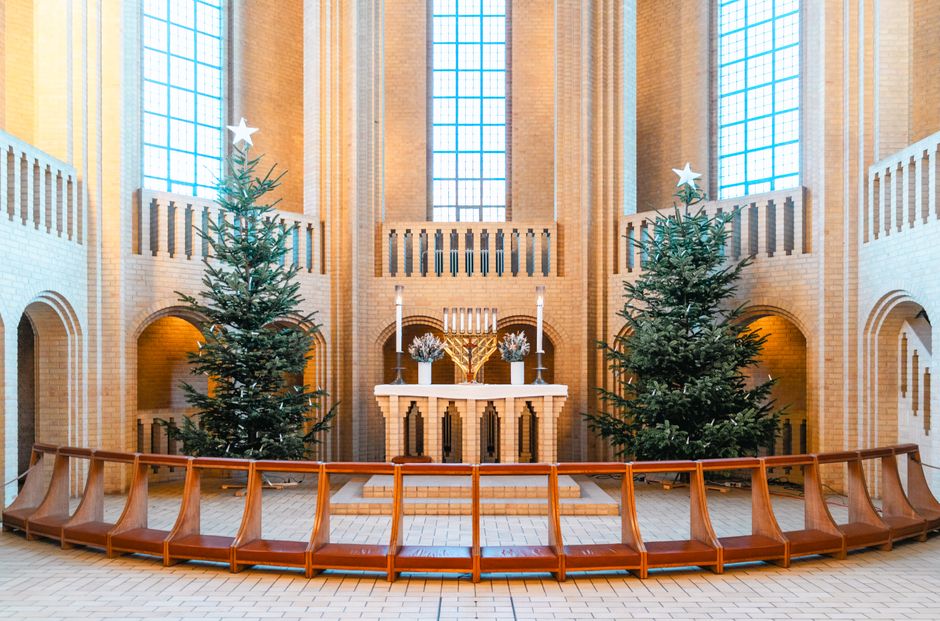
Unlike typical Gothic churches, this monumental expressionist church, consecrated in 1940, was built entirely from six million yellow bricks to resemble a giant pipe organ.
Standing proudly in the Bispebjerg district, Grundtvig's Church is an architectural marvel designed by P.V. Jensen-Klint. Its towering facade, with its distinct stepped gables, creates a powerful, almost sculptural presence. The interior is equally striking, with its minimalist yet grand scale, bathed in light and showcasing the sheer artistry of brickwork. It’s a testament to Danish design and a truly unique place of worship.
7. Medical Museion: A Journey Through Healing
Copenhagen K, Denmark
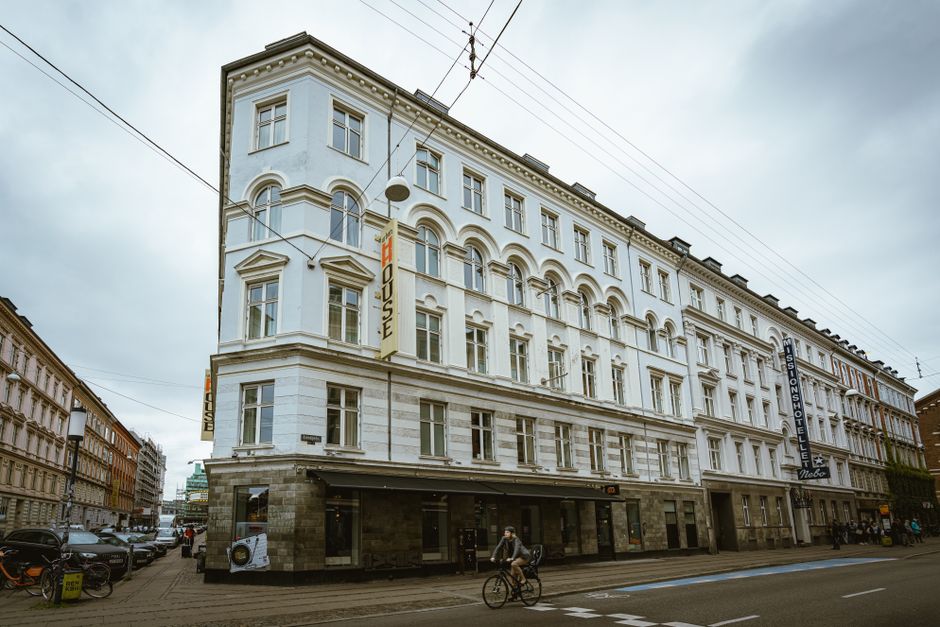
Housed in a grand 18th-century academy of surgery, this museum showcases centuries of medical history, from gruesome instruments to the evolving understanding of disease and the human body.
Medical Museion offers a fascinating, sometimes unnerving, journey through the history of medicine. Its collections, displayed in the original ornate rooms of the Royal Surgical Academy, include anatomical models, surgical tools, and pharmaceutical apparatus. It's a place where visitors can ponder the sometimes strange and often brutal methods of past healing, gaining a deeper appreciation for modern medical advancements and the journey of human health.

8. Davids Samling (The David Collection): A Global Art Treasure
Copenhagen K, Denmark
This often-overlooked museum holds one of Northern Europe's most significant private art collections, featuring exquisite Islamic art, all free to enter and offering a quiet escape.
The David Collection is a hidden gem for art lovers, housing an extraordinary array of art from Europe and the Islamic world, meticulously collected by attorney C.L. David. Its Islamic art collection is particularly renowned, spanning a period from the 7th to the 19th century and featuring stunning ceramics, textiles, and calligraphy. The intimate scale and serene atmosphere make it a perfect place for quiet contemplation, away from the city's bustle.
Frequently asked questions
What are some genuinely unique things to do in Copenhagen beyond the famous sights?
Beyond Nyhavn and Tivoli, consider exploring the underground glass art at Cisternerne, wandering through the historic Assistens Cemetery, or experiencing the alternative community of Freetown Christiania. For architectural enthusiasts, Grundtvig's Church offers a striking example of Expressionist design, and the David Collection holds an impressive array of Islamic art.
Is Christiania safe to visit, and what should I know before going?
Christiania is generally safe for visitors during the day. It's a unique community with its own rules; photography is often discouraged, especially around 'Pusher Street,' and it's best to be respectful of the residents' privacy and way of life. It offers a fascinating glimpse into an alternative lifestyle within Copenhagen.
How do I get to Cisternerne and the other lesser-known spots?
Cisternerne is located in Frederiksberg and is easily accessible by metro to Frederiksberg Station, followed by a short walk. Most other listed attractions like Assistens Cemetery (Nørrebro), Rundetaarn (city center), and Kastellet (near Little Mermaid) are well-connected by Copenhagen's efficient public transport system (metro, S-train, buses) or are within walking distance from central areas.
How can AllTours.ai help me discover these hidden gems?
AllTours.ai enhances your exploration by providing instant audio narratives. Simply point your phone camera at any landmark, landscape, or artwork you encounter—whether it's the ancient stones of Kastellet or a unique brick pattern at Grundtvig's Church—and the app will narrate its history, geology, and cultural significance in your preferred language, turning every discovery into a rich, personalized tour.
Photography via Pexels. AllTours.ai is an AI audio tour guide — point your camera at any landscape and hear its story.