September 11, 2026 · 4 min read
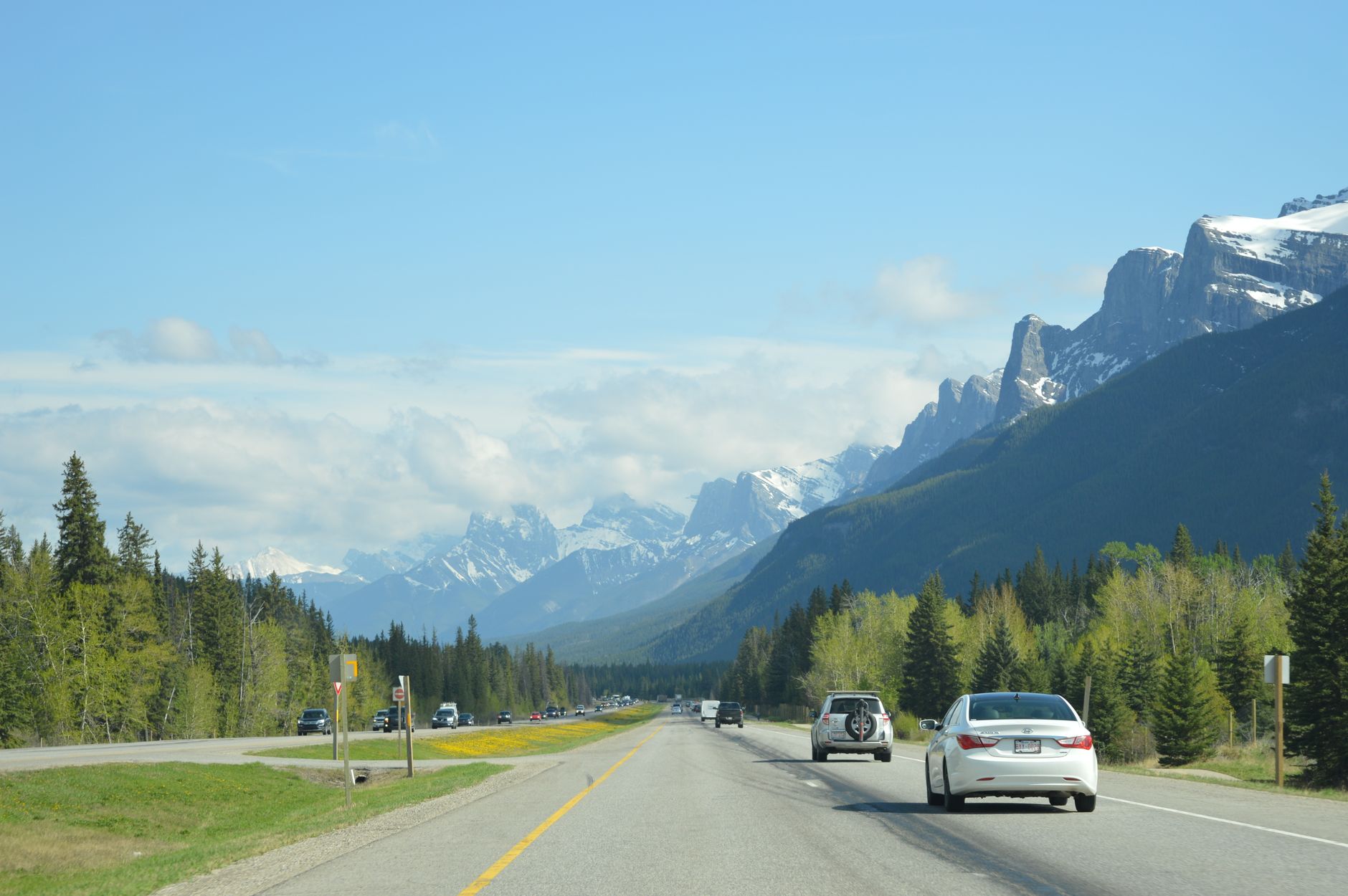
Arriving in a new country is a mix of excitement and logistics. If your spouse has a Confirmation of Permanent Residence (COPR) with Toronto listed as their destination city, but their flight lands in Montreal, it's a common question whether this poses a problem. The short answer is: generally, no. Canada's immigration system allows for flexibility in port of entry, provided all documentation is in order. Your spouse will complete their immigration process with an officer in Montreal, and then they are free to travel to their final destination in Toronto.
This journey across Ontario and Quebec is more than just a transit; it's an opportunity to discover parts of Canada often overlooked. Beyond the well-trodden paths of major cities, there are countless places rich with surprising history, unique geology, and vibrant culture. As you make your way towards Toronto, let curiosity be your guide to these lesser-known treasures.
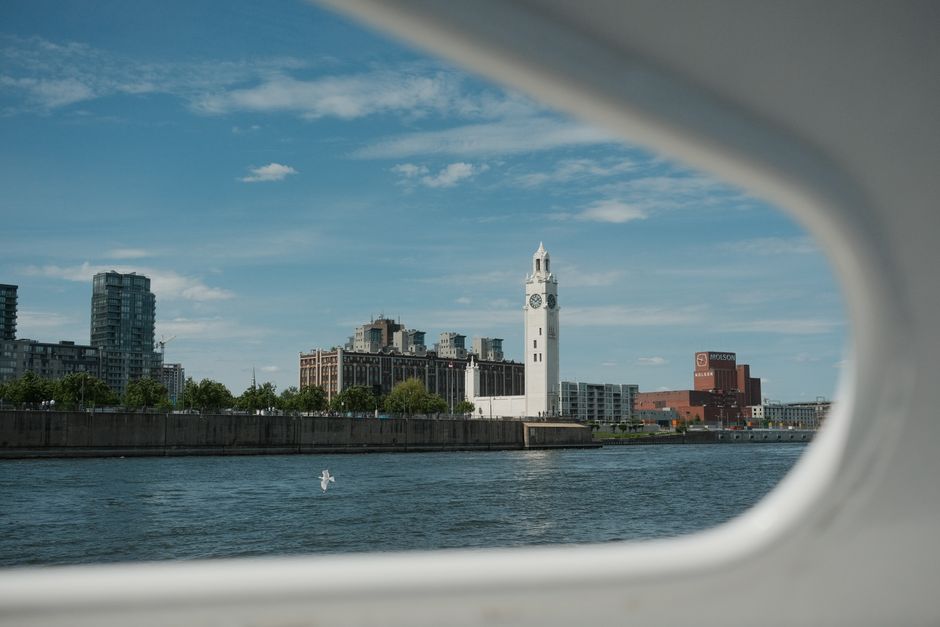
1. The Industrial Heartbeat of Old Montreal
Lachine Canal National Historic Site, Montreal, Quebec
This tranquil waterway was once the roaring engine that transformed Montreal into a North American industrial powerhouse.
Before the St. Lawrence Seaway, the Lachine Canal was a crucial bypass around the Lachine Rapids, allowing ships to navigate inland. Its construction in the early 19th century fueled an industrial boom along its banks, drawing immigrants and shaping the city's future. Today, walking or cycling its path, you can still see the remnants of factories and old locks, whispering tales of innovation and the lives built around Canada's earliest industrial ambitions.
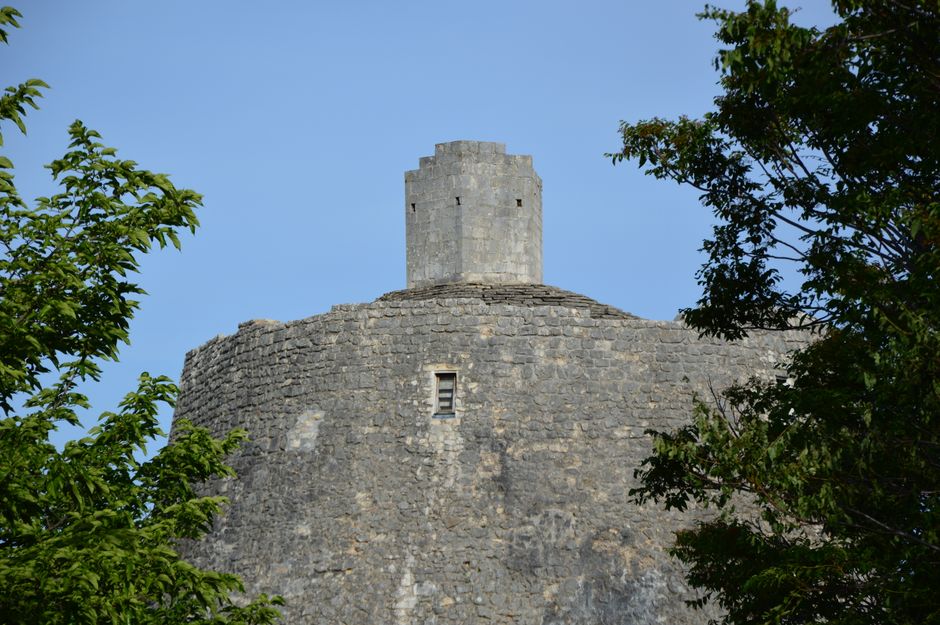
2. Kingston's Sentinel of the Bay
Murney Tower National Historic Site, Kingston, Ontario
This unassuming stone tower is one of Canada's best-preserved examples of a Martello Tower, built to defend against an invasion that never came.
Perched on the shores of Lake Ontario, Murney Tower is one of four Martello Towers built in Kingston during the 1840s, part of a larger British defensive strategy for the Rideau Canal and the naval dockyard. These circular forts were designed to withstand heavy bombardment, each capable of housing a garrison and powerful cannons. Though never tested in battle, Murney Tower stands as a remarkable testament to 19th-century military engineering and the strategic importance of Kingston as Canada's early capital.
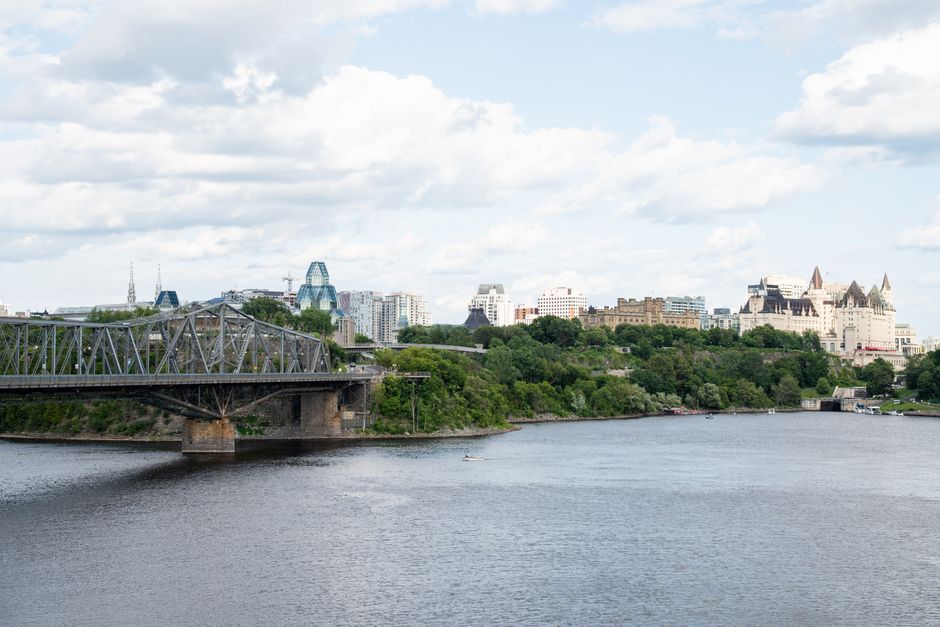
3. A Living Lock on a UNESCO Waterway
Chaffeys Lock, Rideau Canal, Ontario
Here, on the UNESCO-designated Rideau Canal, you can still watch lockmasters hand-crank the gates, a tradition largely unchanged since 1832.
Chaffeys Lock is more than just a stop along the historic Rideau Canal; it's a vibrant community where the past is present. Visitors can observe the manual operation of the lock system, a marvel of early 19th-century engineering, as boats are lifted and lowered between lakes. The surrounding area boasts a historic general store and a charming inn, offering a glimpse into the slow pace of life that has defined this unique Canadian waterway for nearly two centuries.
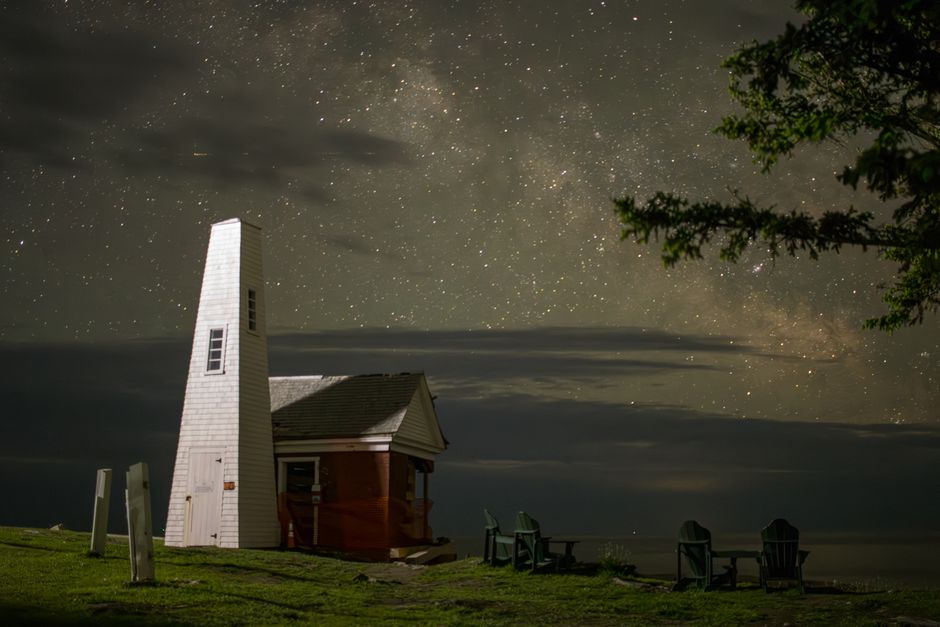
4. The Smuggler's Beacon of Prince Edward County
Point Traverse Lighthouse, Prince Edward County, Ontario
This isolated lighthouse on a remote spit of land not only guided sailors but also played a silent role in the rum-running operations of Prohibition.
At the furthest eastern tip of Prince Edward County, Point Traverse Lighthouse stands sentinel over a dramatic, windswept landscape. While its primary purpose was to warn ships of treacherous shoals, its secluded location made it an ideal spot for covert activities during the Prohibition era. Smugglers would use the desolate shores here to offload liquor from boats crossing Lake Ontario, adding a layer of illicit history to this already starkly beautiful and ecologically significant migratory bird haven.
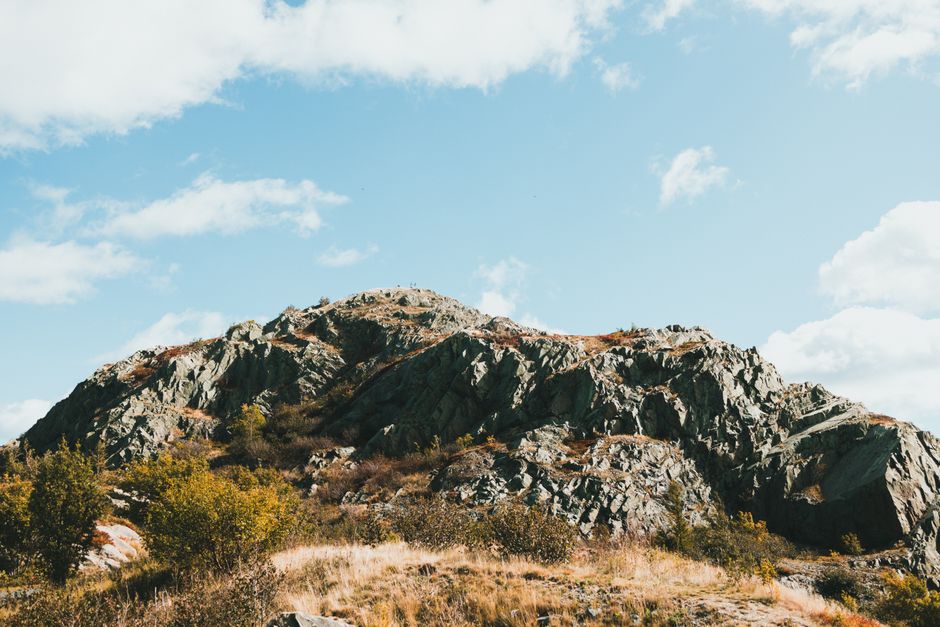
5. The Dragon's Back of the Arch
Rock Dunder, Morton, Ontario
Climbing to the summit of Rock Dunder offers panoramic views of a landscape shaped by ancient geological forces, part of a unique 'land bridge' for flora and fauna.
Within the UNESCO Frontenac Arch Biosphere Reserve, Rock Dunder rises dramatically from the surrounding lakes and forests. This striking granite ridge, often called the 'Dragon's Back,' is a visible remnant of the ancient Canadian Shield, where it dips down to meet the Adirondack Mountains. It acts as a crucial 'land bridge' for species migration, creating a unique biological crossroads. The challenging hike to its peak rewards visitors with breathtaking vistas that showcase millions of years of geological history.
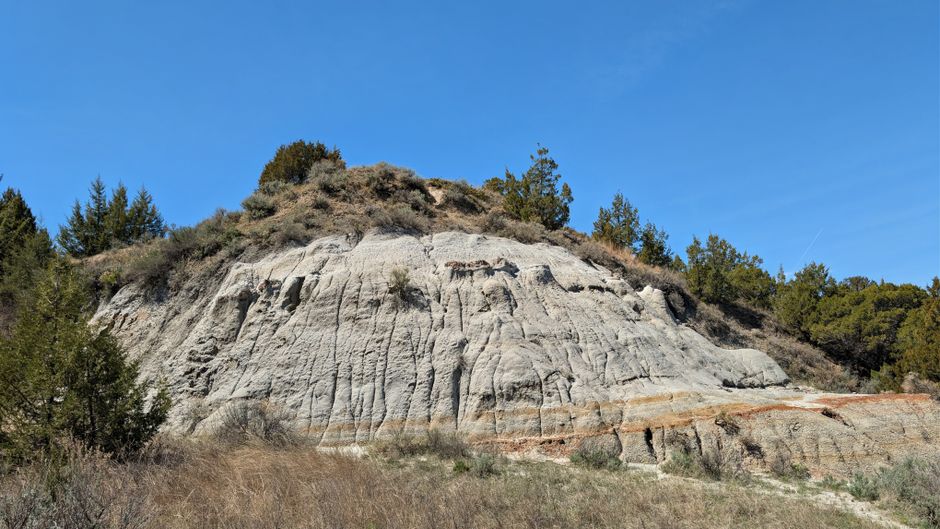
6. Ontario's Martian Badlands
Cheltenham Badlands, Caledon, Ontario
This otherworldly landscape of exposed red shale resembles Mars, revealing a geological secret hidden beneath Ontario's green veneer.
Tucked away in Caledon, the Cheltenham Badlands are a stark geological anomaly, a dramatic contrast to the lush forests surrounding them. The exposed red shale, a result of poor farming practices in the early 20th century that led to erosion, reveals an ancient seabed from the Ordovician period. The striking crimson hills and deep gullies are now a protected natural heritage site, offering a rare glimpse into the province's deep past and the powerful forces of erosion, making it a truly unique Ontario experience.
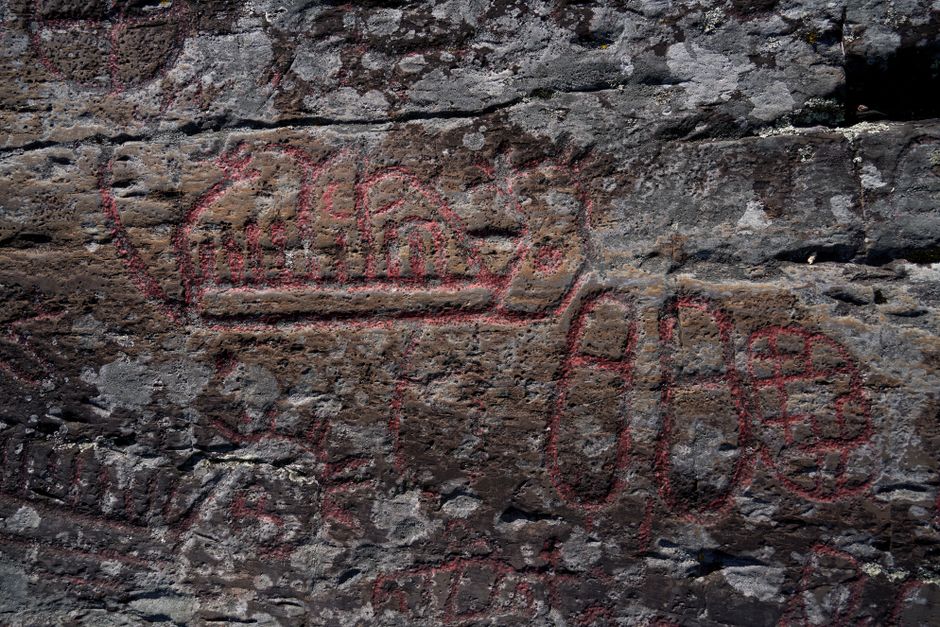
7. Whispers of Ancient Spirit Keepers
Petroglyphs Provincial Park, Woodview, Ontario
Here lies the largest known concentration of Indigenous rock carvings (petroglyphs) in Canada, dating back over 1,000 years, depicting powerful spiritual imagery.
Hidden deep within the Canadian Shield, Petroglyphs Provincial Park protects a sacred site for the Anishinaabe people. Thousands of carvings etched into a massive limestone outcrop depict turtles, snakes, birds, and human-like figures, believed to be messages from spirit guides. This site, known as 'Kinoomaagewapkong' or 'the teaching rocks,' offers an unparalleled window into the spiritual beliefs and artistic traditions of ancient Indigenous cultures, providing a profound connection to Canada's earliest inhabitants.
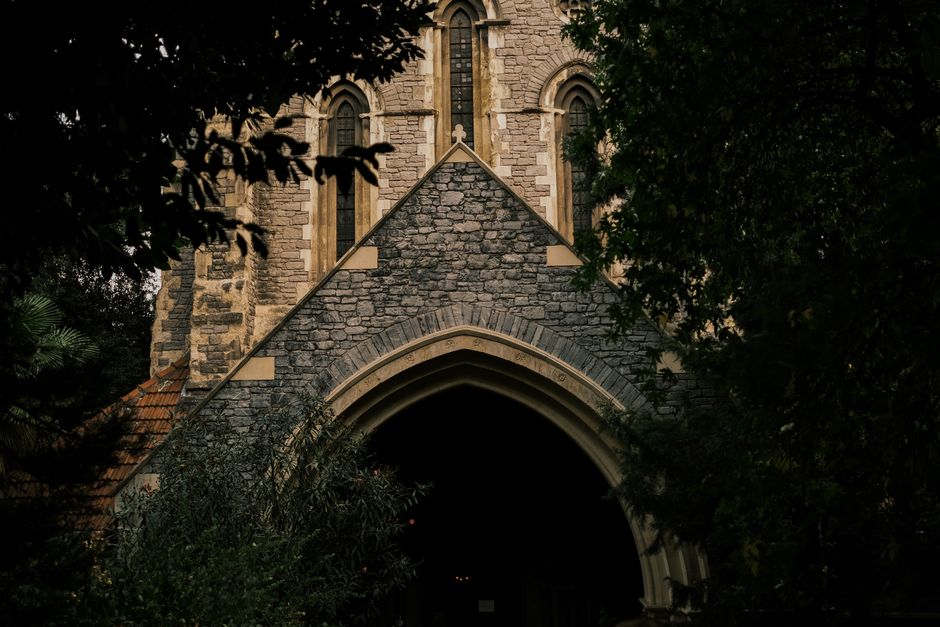
8. The Green Cathedral of Dundas Valley
Dundas Valley Conservation Area, Dundas, Ontario
Beyond its stunning waterfalls, this valley holds a unique geological formation known as a 'cathedral' of towering trees, shaped by glacial meltwaters.
While Dundas Valley is famous for its picturesque waterfalls and expansive trail system, its 'cathedral' is a less-explored wonder. This refers to a specific section of the valley where glacial meltwaters carved deep ravines, leaving behind towering, forested walls that create an awe-inspiring, church-like natural enclosure. The unique microclimate supports diverse flora, making it a biological hotbed. It's a testament to the powerful, sculpting hand of ancient ice sheets on the landscape near Lake Ontario.
Frequently asked questions
If my spouse has a COPR and the destination city is Toronto, but she is landing in Montreal, is there any problem?
No, generally there is no problem. Canadian immigration regulations allow permanent residents to land at any port of entry, regardless of the destination city listed on their Confirmation of Permanent Residence (COPR). Your spouse will complete their immigration processing with a Canada Border Services Agency (CBSA) officer in Montreal and then be free to travel to Toronto.
What documents should my spouse carry when landing in Canada with a COPR?
Your spouse should carry their valid passport or travel document, their Confirmation of Permanent Residence (COPR) document, and any other supporting documents they submitted with their application, such as marriage certificates or birth certificates. It's also wise to have proof of funds and a list of items they are importing.
What's the best way to travel from Montreal to Toronto after landing?
Several options are available. VIA Rail offers comfortable train service with scenic views. Greyhound and other bus services provide a more economical choice. Driving is also popular, taking approximately 5-6 hours along Highway 401. Each mode offers different advantages depending on budget, time, and preference for scenery.
How can AllTours.ai help me explore these unique Canadian places?
AllTours.ai transforms your smartphone into a personal AI audio tour guide. Simply point your phone's camera at any landscape, landmark, or specific historical site, and the app will instantly narrate its rich history, geology, and cultural significance in your preferred language. It's like having an expert local guide in your pocket, ready to reveal the hidden stories of Canada's most fascinating places.
Photography via Pexels. AllTours.ai is an AI audio tour guide — point your camera at any landscape and hear its story.