May 24, 2026 · 4 min read
Many travelers flock to iconic US national parks, but what about the quiet giants? The ones that hold epic stories of ancient seas, monumental engineering, or life forms older than civilization, yet remain largely off the beaten path?
For those seeking profound connections to nature and history without the crowds, America’s underrated national parks and monuments offer an unparalleled opportunity. These are places where geology whispers two-billion-year-old secrets and human history unfolds in unexpected ways.
1. Where Ancient Seas Became Mountains
Guadalupe Mountains National Park, USA
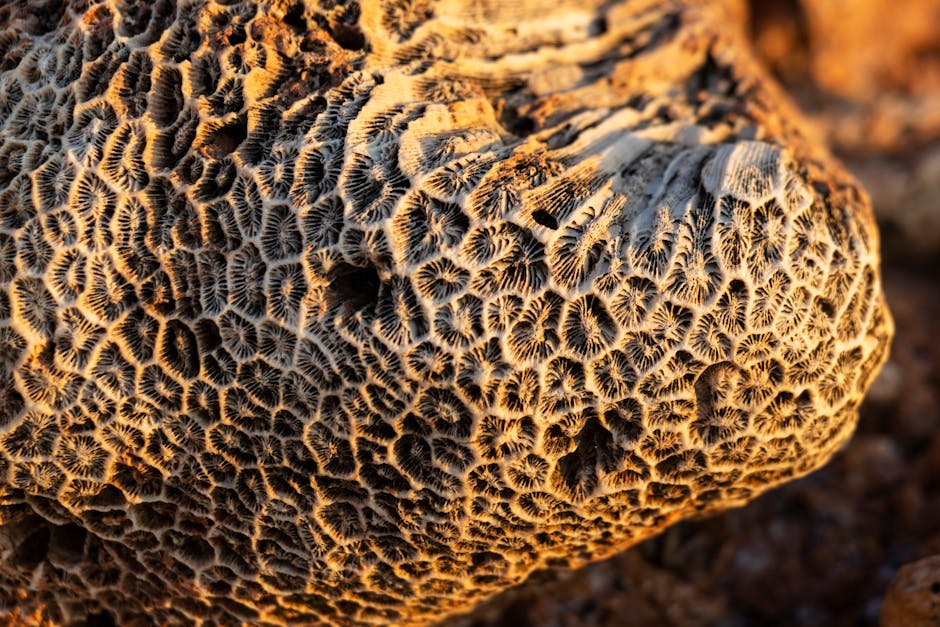
This remote Texas park preserves the fossilized remains of an ancient, massive reef system that once thrived in a Permian sea.
Millions of years ago, a vast ocean covered West Texas, teeming with marine life that built an enormous reef. Today, that reef stands as the Guadalupe Mountains, offering a unique window into Earth's deep past. Hikers can traverse what were once seafloor environments, encountering exposed fossils and dramatic desert landscapes sculpted by millennia of erosion. It’s a testament to the planet's ever-changing face, from ocean depths to desert peaks.
2. The East's Forest Giants
Congaree National Park, USA
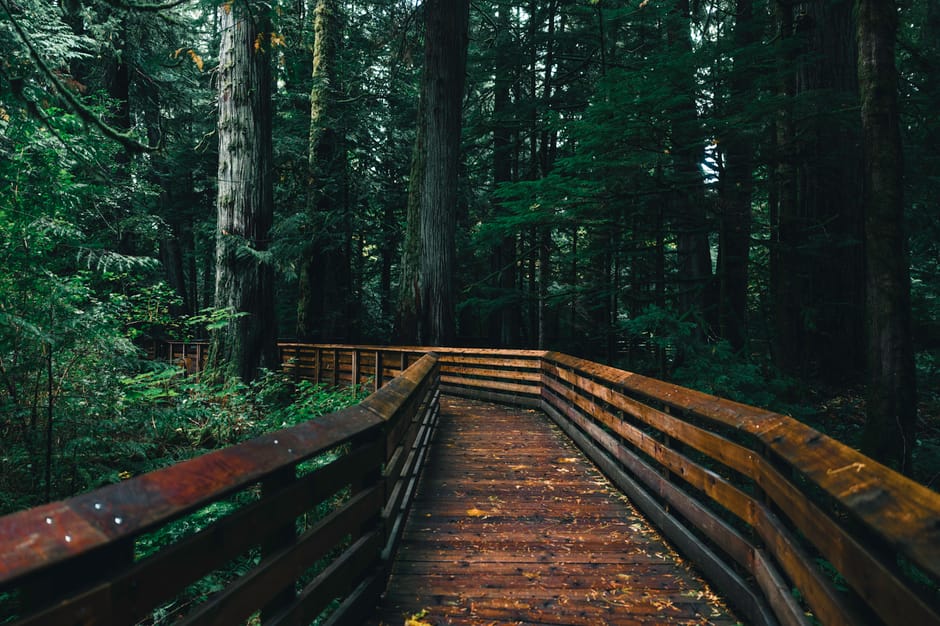
Home to the largest intact old-growth bottomland hardwood forest in the southeastern United States, this park boasts some of the tallest trees east of the Mississippi.
Step into a world where towering bald cypress and loblolly pines create a cathedral-like canopy, some reaching over 150 feet. Congaree's unique floodplain ecosystem is fed by the Congaree River, creating a rich habitat for diverse wildlife. During periodic floods, the forest floor transforms into a watery wonderland, accessible by canoe or kayak. It's a prime example of an ancient, dynamic ecosystem that has largely escaped logging, preserving a rare glimpse into primeval eastern forests.
3. Guardians of Time: Bristlecone Pines
Great Basin National Park, USA
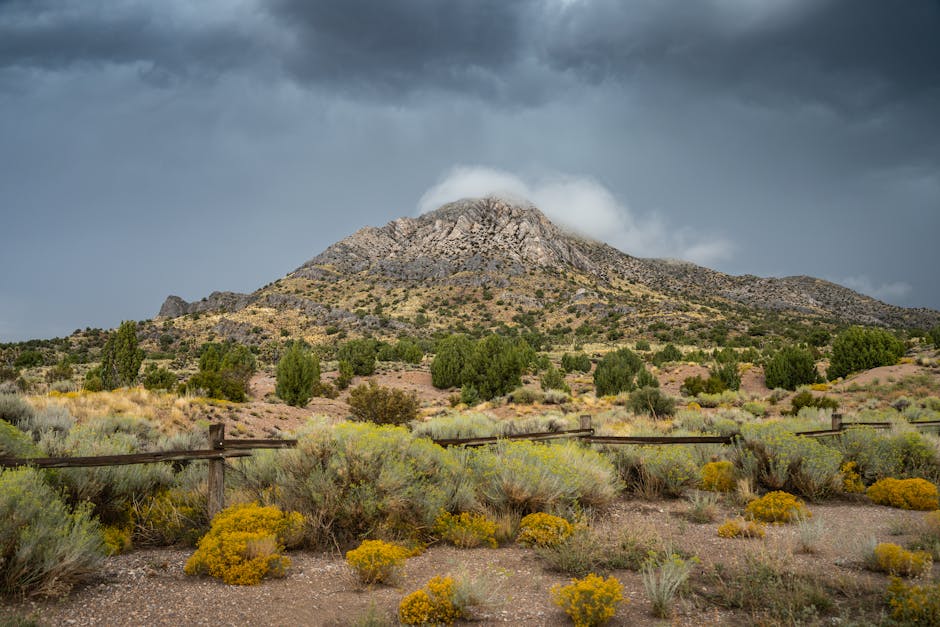
Within this high-desert park live some of the oldest non-clonal organisms on Earth: ancient bristlecone pine trees, silently witnessing millennia of history.
Tucked away in the stark, beautiful mountains of eastern Nevada, Great Basin protects groves of hardy bristlecone pines, many thousands of years old. These gnarled, resilient trees thrive in harsh, high-altitude conditions, their rings meticulously recording centuries of climate data. Beyond the ancient trees, the park also features Lehman Caves, a stunning marble cavern system, and some of the darkest night skies in the contiguous U.S., perfect for stargazing. It’s a place where time feels both immense and intimately present.
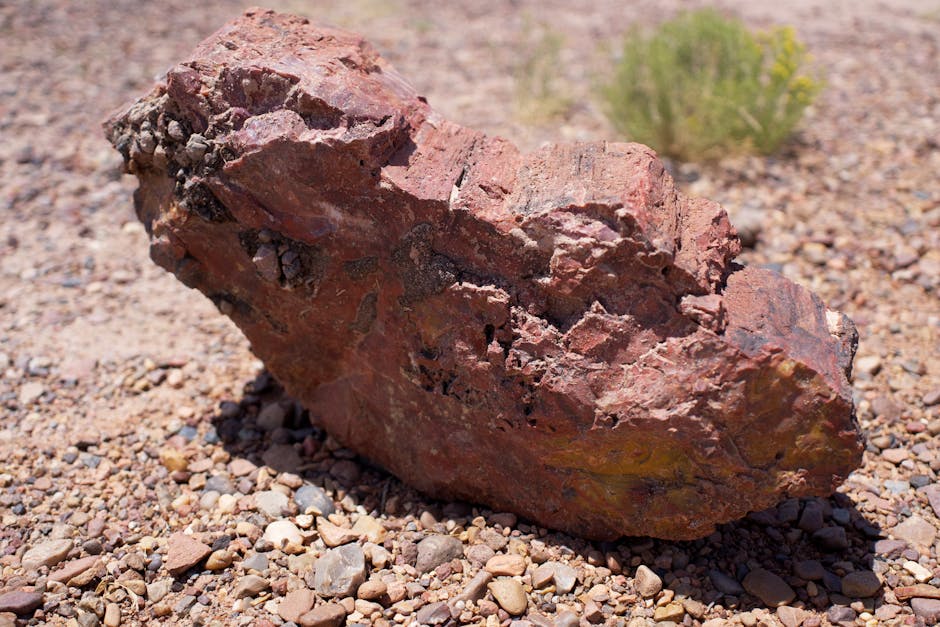
4. A Rainbow of Ancient Wood
Petrified Forest National Park, USA
This park isn't just about colorful fossilized trees; it preserves a rich paleontological record of the Triassic Period and ancient human settlements.
Millions of years ago, a dense forest stood here, eventually falling and being buried by volcanic ash and sediment. Over time, silica-rich water replaced the organic matter, turning wood into quartz, creating the vibrant petrified logs seen today. Beyond the stunning geology, the park also holds evidence of Ancestral Puebloan life, including petroglyphs and ruins. It’s a dynamic landscape of badlands and mesas, constantly eroding to reveal new secrets from a bygone era, offering a journey through deep time.
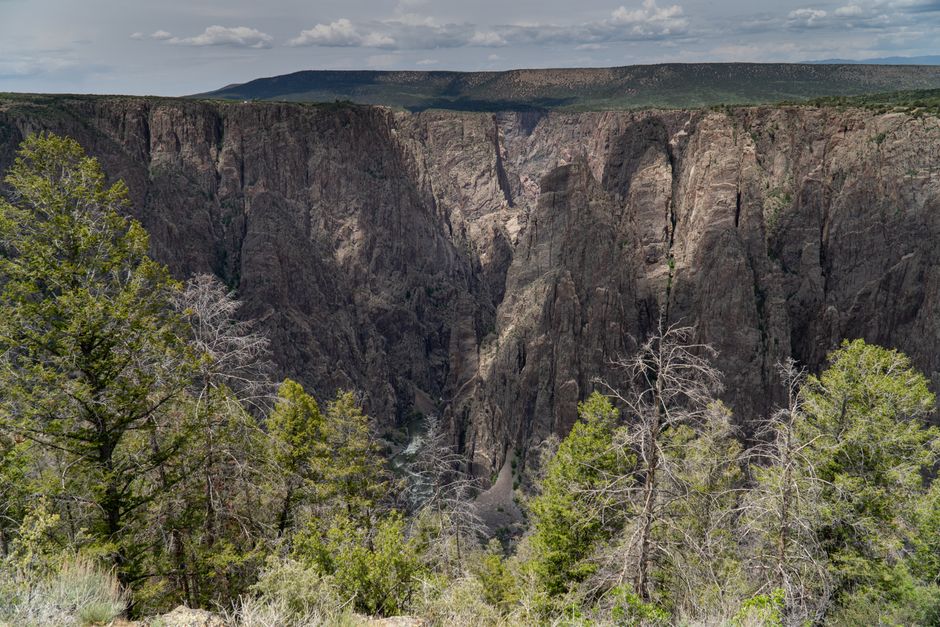
5. Where the Earth Opens Wide
Black Canyon of the Gunnison National Park, USA
Carved by the Gunnison River, this canyon is so deep, narrow, and steep that sunlight barely penetrates its depths, revealing two-billion-year-old rock.
The Black Canyon plunges up to 2,700 feet into ancient Precambrian rock, showcasing some of the oldest exposed geology in North America. Its sheer, dark walls, composed of gneiss and schist, have been relentlessly sculpted by the river over millions of years. This dramatic landscape offers breathtaking views from its rim, while adventurous visitors can descend into its challenging inner canyon. It’s a testament to the immense power of erosion and a dramatic geological cut through Earth's very foundation.
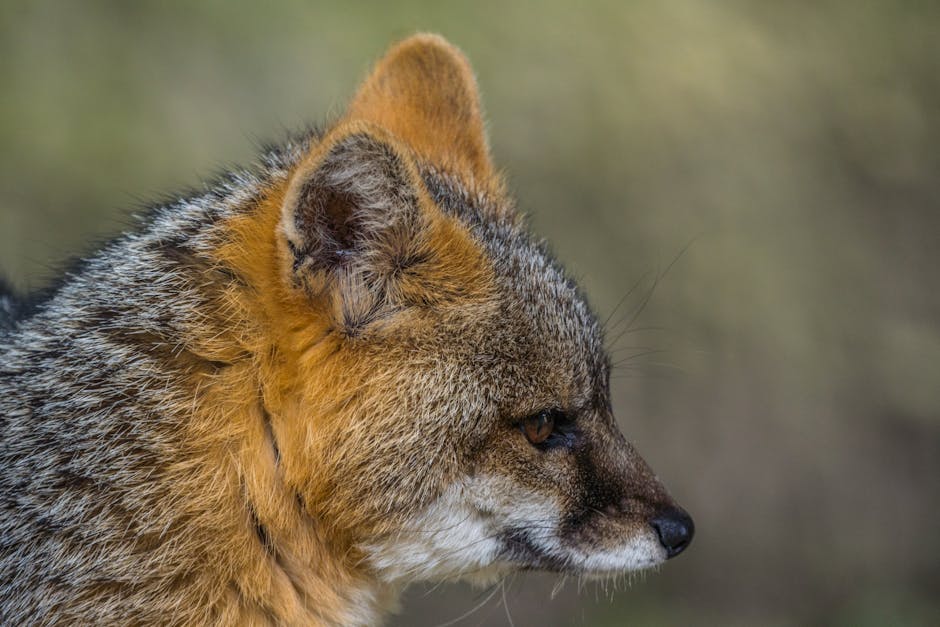
6. North America's Galapagos
Channel Islands National Park, USA
Often called North America's Galapagos, this remote archipelago off the Southern California coast hosts unique endemic species found nowhere else on Earth.
Accessible only by boat or plane, the five islands of this park are a biological treasure trove, isolated for millennia. They are home to species like the island fox, a dwarf descendant of the mainland gray fox, and unique plant life adapted to island conditions. Beneath the waves, kelp forests teem with marine life, making it a diver's paradise. The islands also hold archaeological sites dating back over 13,000 years, providing a glimpse into the earliest human inhabitants of North America.
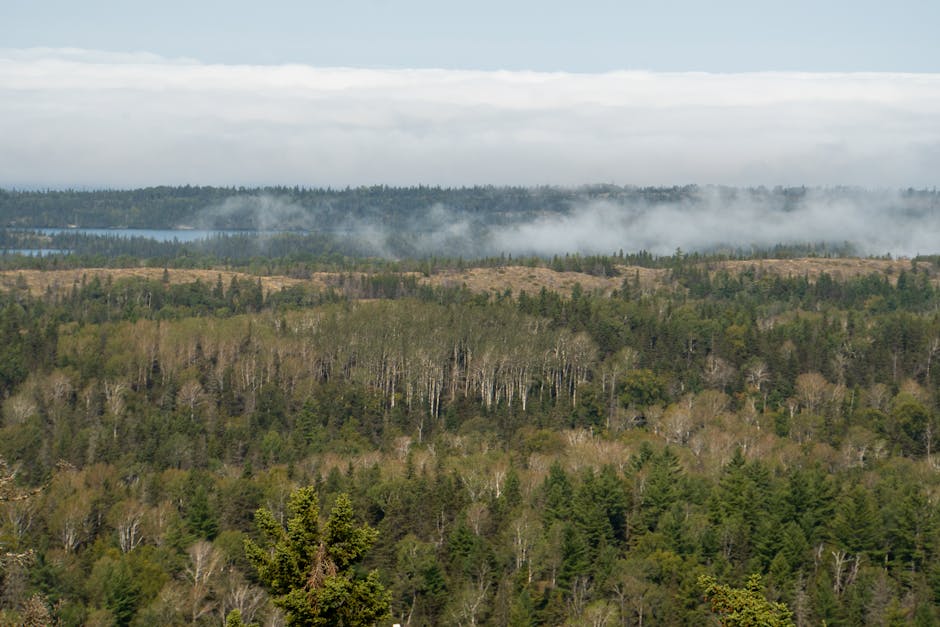
7. A Wild Island Experiment
Isle Royale National Park, USA
This remote Lake Superior island is a living laboratory, famous for the longest-running predator-prey study in the world, observing wolves and moose.
Isle Royale offers a raw, untamed wilderness experience, accessible only by ferry or seaplane. Beyond its unique ecological study, the island holds a fascinating history of ancient copper mining, with pits dating back 4,500 years. Visitors can explore rugged trails, paddle serene inland lakes, or simply soak in the profound solitude. It’s a place where nature reigns supreme, offering insights into ecological balance and a true escape from modern life.
8. A Fort in the Blue Abyss
Dry Tortugas National Park, USA
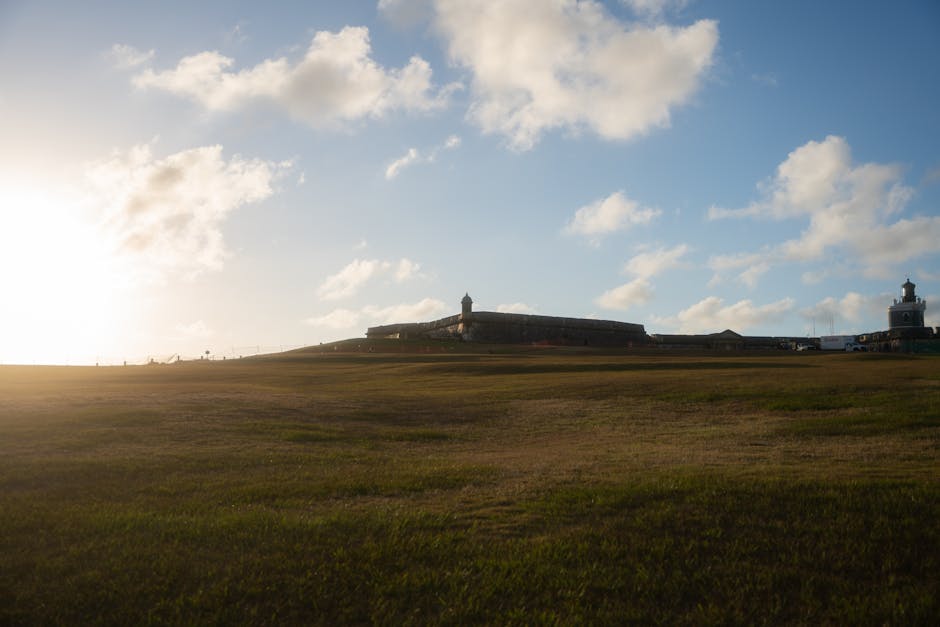
This park is 70 miles west of Key West, accessible only by boat or seaplane, and preserves a massive 19th-century fort on a remote coral island.
At the heart of Dry Tortugas stands Fort Jefferson, an imposing, unfinished coastal fortress that once served as a military prison, famously holding Dr. Samuel Mudd, a conspirator in Lincoln's assassination. Surrounded by vibrant coral reefs and crystal-clear turquoise waters, the park is a haven for marine life and migratory birds. It offers a stunning blend of history and natural beauty, where snorkeling among colorful fish and exploring historic brickwork are equally captivating experiences.
Frequently asked questions
What is the least visited national park in the USA?
While specific numbers fluctuate annually, Gates of the Arctic National Park and Preserve in Alaska often ranks as the least visited. Its remote location, lack of roads, and vast wilderness make it an exceptionally challenging and pristine destination for experienced adventurers.
Are there any national parks that are free to enter?
Yes, many national parks and monuments do not charge an entrance fee. Even parks that typically charge often have fee-free days throughout the year. It's always best to check the official National Park Service website for specific park fees and schedules before planning your visit.
How can I find unique stories about national parks beyond visitor center exhibits?
Many parks have hidden histories or geological features not always highlighted in standard brochures. Exploring less-traveled trails, looking for specific geological markers, or researching local histories can reveal deeper narratives. Online forums and specialized interest groups often share unique insights.
How does the AllTours.ai app help me discover these hidden stories?
The AllTours.ai app uses AI to narrate the history, geology, and culture of any landscape or landmark you point your phone camera at. It provides instant, detailed audio tours in your language, uncovering the remarkable stories of places like these underrated national parks, right as you experience them.
Photography via Pexels. AllTours.ai is an AI audio tour guide — point your camera at any landscape and hear its story.