July 17, 2026 · 4 min read
The debate rages in diners and sports bars across the country: do Buffalo Wild Wings sauces actually differ in spice level, or is it mostly clever marketing? While your taste buds might argue over Mango Habanero versus Blazin', the truth is, a little bit of both. There's a tangible difference, but the perception is also part of the experience.
This same principle applies to exploring our world. Some places offer a gentle warmth of history, while others hit you with an unexpected, intense geological or cultural kick. Forget the predictable tourist spots; the true 'spice' of travel lies in uncovering the lesser-known, the truly surprising corners of the globe that challenge your perceptions.
1. The Eternal Flame of the Karakum
Derweze, Turkmenistan
A fiery crater that's been burning for decades, an accidental legacy of Soviet ambition.
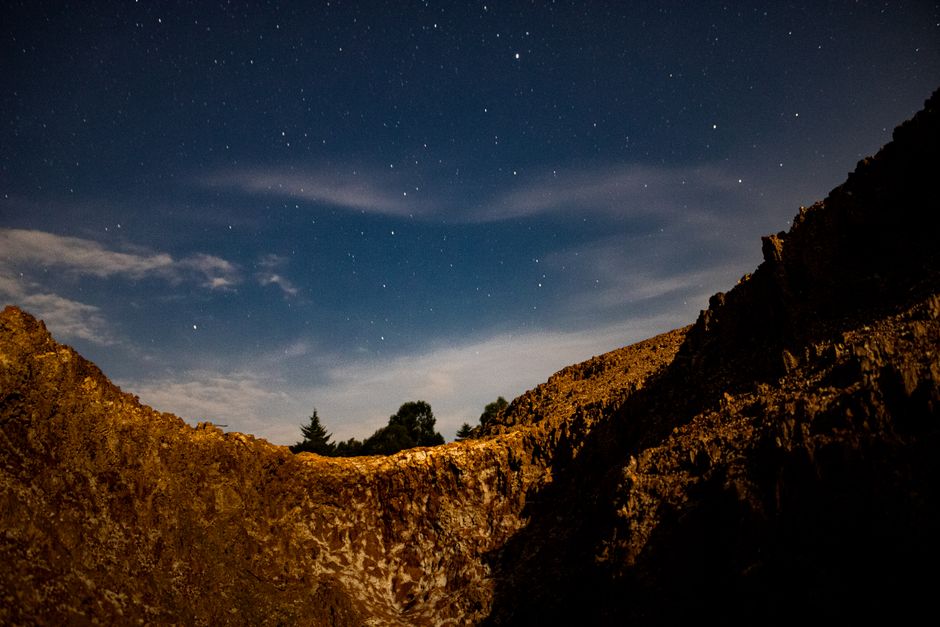
In the vast Karakum Desert, a massive natural gas field collapsed into a cavern in 1971 during a Soviet drilling operation. Geologists set it alight to prevent methane spread, expecting it to burn out in weeks. Over fifty years later, it still blazes, a surreal inferno in the desert night. The crater is about 69 meters wide and 30 meters deep, a constant, glowing testament to an engineering miscalculation.

2. The Mystery of Skeleton Lake
Roopkund, Uttarakhand, India
A Himalayan lake that reveals hundreds of ancient human skeletons when its ice melts.
High in the Uttarakhand Himalayas, at over 5,000 meters, Roopkund is a glacial lake infamous for its human remains. Periodically, as the ice thaws, the lake floor yields hundreds of ancient skeletons, some still with flesh, hair, and clothing. DNA analysis indicates multiple groups, including pilgrims and local people, met a sudden, violent end, possibly from a catastrophic hailstorm centuries ago, leaving a chilling tableau.
3. Poland's Enigmatic Crooked Forest
Gryfino, Poland
A bizarre forest where pine trees grow with an inexplicable 90-degree bend in their trunks.
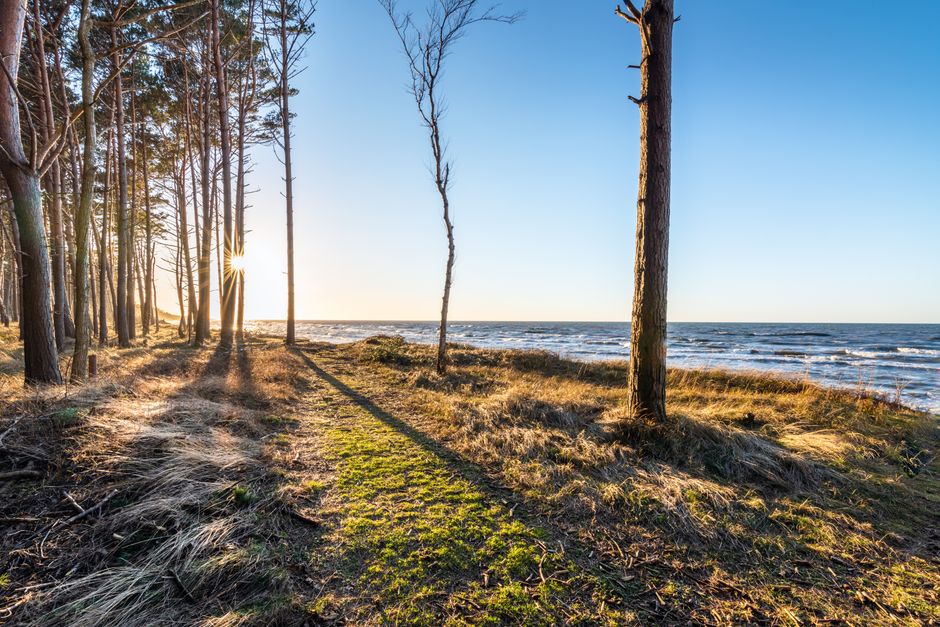
Near Gryfino, Poland, lies a grove of roughly 400 pine trees, all exhibiting a strange J-shape at their base before growing upwards. Planted around the 1930s, the cause of their unique curvature remains a mystery. Theories range from specific human intervention using tools or techniques, possibly for furniture-making, to an unusual snowstorm or even a unique gravitational pull that shaped their early growth.
4. The Well that Turns Objects to Stone
Knaresborough, North Yorkshire, UK
A cascading well whose waters magically turn everyday objects into stone.
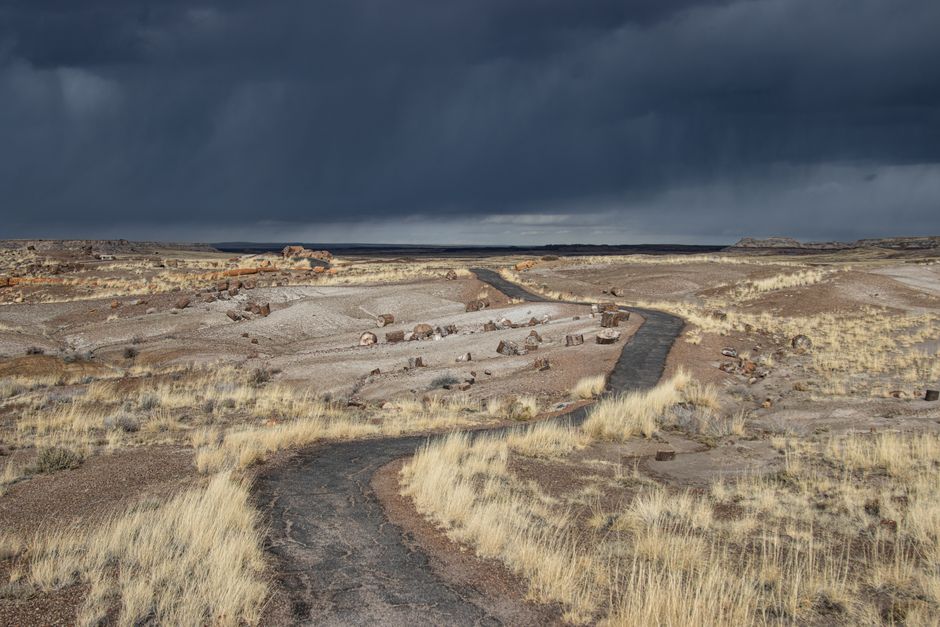
For centuries, visitors to Knaresborough have witnessed the seemingly magical transformation of items into stone at this natural spring. Mother Shipton's Cave and Petrifying Well's water is exceptionally high in mineral content, creating a thick, calcifying crust on anything left in its drip. While not magic, the rapid mineral deposition creates a dramatic, stony effect, leaving behind petrified teddy bears and hats that look like ancient artifacts.
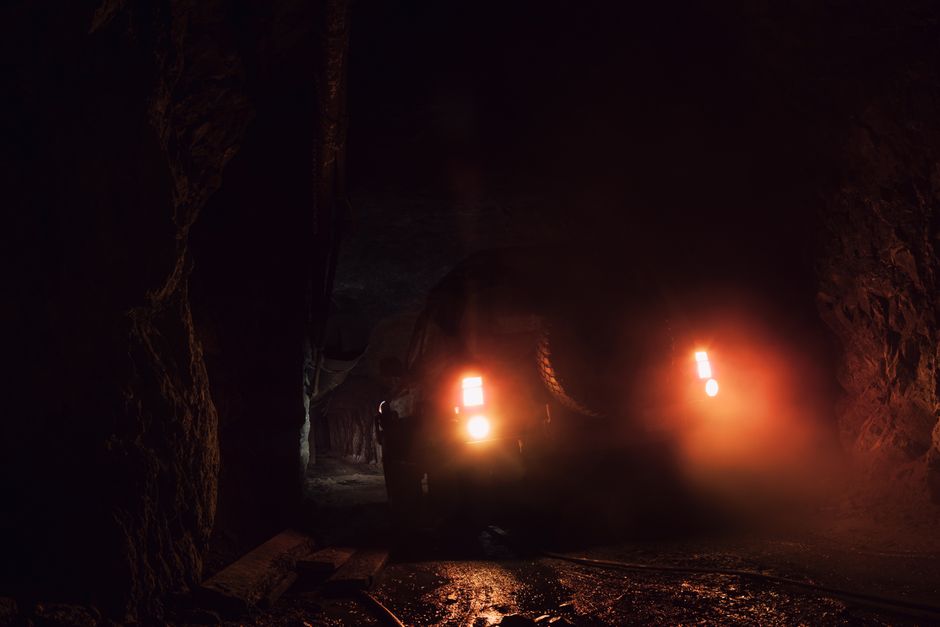
5. The Subterranean Opal City
Coober Pedy, South Australia, Australia
An entire town built underground to escape the scorching desert heat, dedicated to opal mining.
In the harsh South Australian Outback, Coober Pedy is famous for its opal mines and its 'dugouts'—underground homes, churches, and shops. Residents live below ground to escape surface temperatures that can exceed 50°C (122°F), maintaining a comfortable, constant subterranean climate. The town is a maze of tunnels and shafts, a unique testament to human ingenuity in extreme conditions and a true frontier spirit.
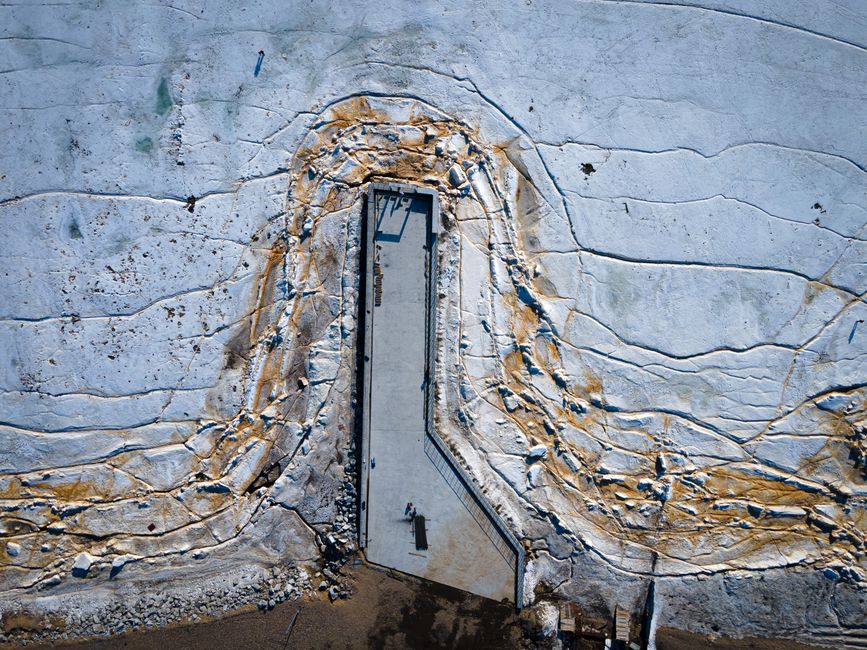
6. The Sahara's Mysterious Eye
Ouadane, Mauritania
A colossal, perfectly circular geological formation in the Sahara Desert, visible from space, whose origin puzzles scientists.
The Richat Structure, or 'Eye of Africa,' is a deeply eroded dome, spanning nearly 50 kilometers (30 miles) across. Initially thought to be an impact crater, scientists now believe it's a symmetrical uplifted dome, sculpted over eons by erosion. Its concentric rings of different rock types create a striking visual, making it a prominent landmark for astronauts and a geological enigma on Earth that invites endless speculation.
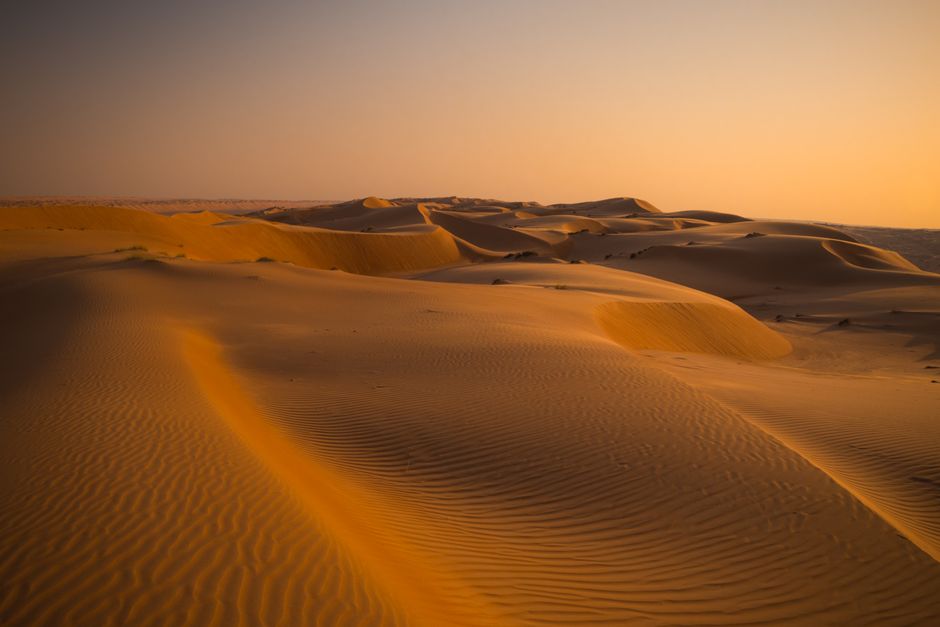
7. The Desert's Eerie Song
Empty Quarter (Rub' al Khali), Oman
Towering sand dunes that produce a deep, resonant hum, seemingly singing to visitors.
In remote desert regions worldwide, including the Ghord Khar dunes of Oman's Empty Quarter, a rare phenomenon occurs: 'singing sands.' When conditions are just right – dry sand and a strong wind, or even just someone sliding down – the dunes emit a low-frequency rumble, a deep, organ-like hum that can be felt as well as heard. The exact mechanics are still debated but involve sand grains vibrating in unison, creating an unforgettable, natural symphony.
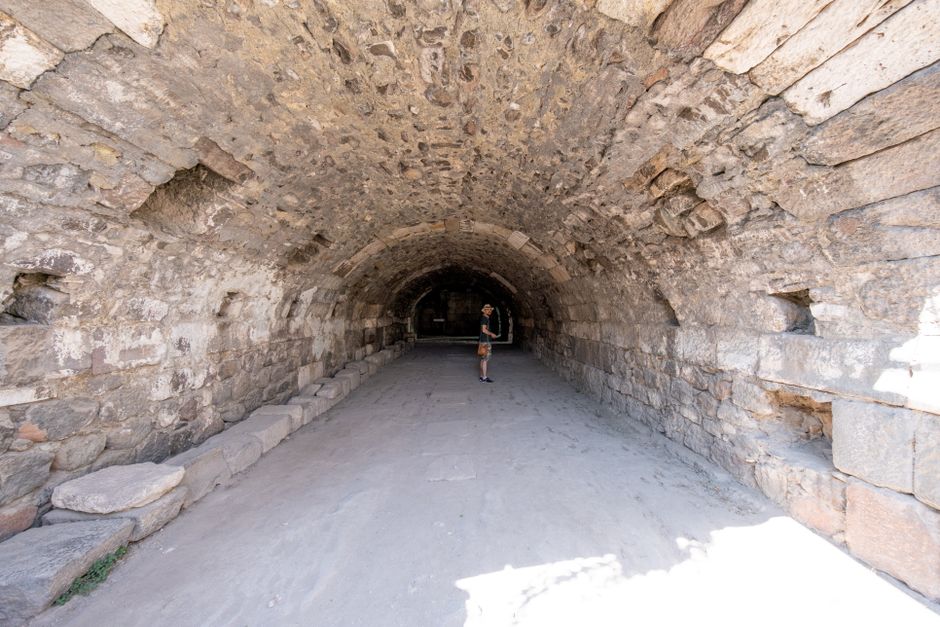
8. Cappadocia's Subterranean Sanctuary
Cappadocia, Turkey
An ancient, multi-level underground city in Cappadocia, carved by early Christians as a massive refuge.
Hidden beneath the Cappadocian landscape, Derinkuyu is the largest excavated underground city in Turkey, capable of sheltering up to 20,000 people along with their livestock and food supplies. Carved out of soft volcanic rock over centuries, possibly starting in the 8th-7th centuries BCE, it extends eight levels deep, featuring ventilation shafts, stables, churches, and elaborate defense mechanisms like massive rolling stone doors. It served as a vital refuge during invasions.
Frequently asked questions
What are some of the most remote places on Earth?
Defining 'remote' can vary, but places like Pitcairn Island in the Pacific, Tristan da Cunha in the South Atlantic, or the Gangkhar Puensum mountain in Bhutan (the highest unclimbed mountain in the world) are often cited as being among the most isolated human settlements or natural wonders.
How can I find unique travel destinations?
To uncover unique destinations, look beyond mainstream guides. Research local tourism boards for less-advertised regions, seek out places with unusual geological features or compelling historical narratives, or explore countries known for their off-the-beaten-path experiences rather than just their capital cities.
What makes a place 'underrated' for travelers?
An underrated destination often lacks major marketing, might be challenging to access, or possesses a story that hasn't yet captured global attention. These places typically offer a more authentic, less crowded experience, allowing for deeper engagement with local culture and natural beauty.
How does the AllTours.ai app enhance travel discovery?
AllTours.ai transforms your phone camera into a personal guide. Simply point it at any landmark, landscape, or even an interesting building, and the app instantly narrates its history, geology, and cultural significance in your preferred language, bringing untold stories to life right before your eyes.
Photography via Pexels. AllTours.ai is an AI audio tour guide — point your camera at any landscape and hear its story.