September 6, 2026 · 4 min read
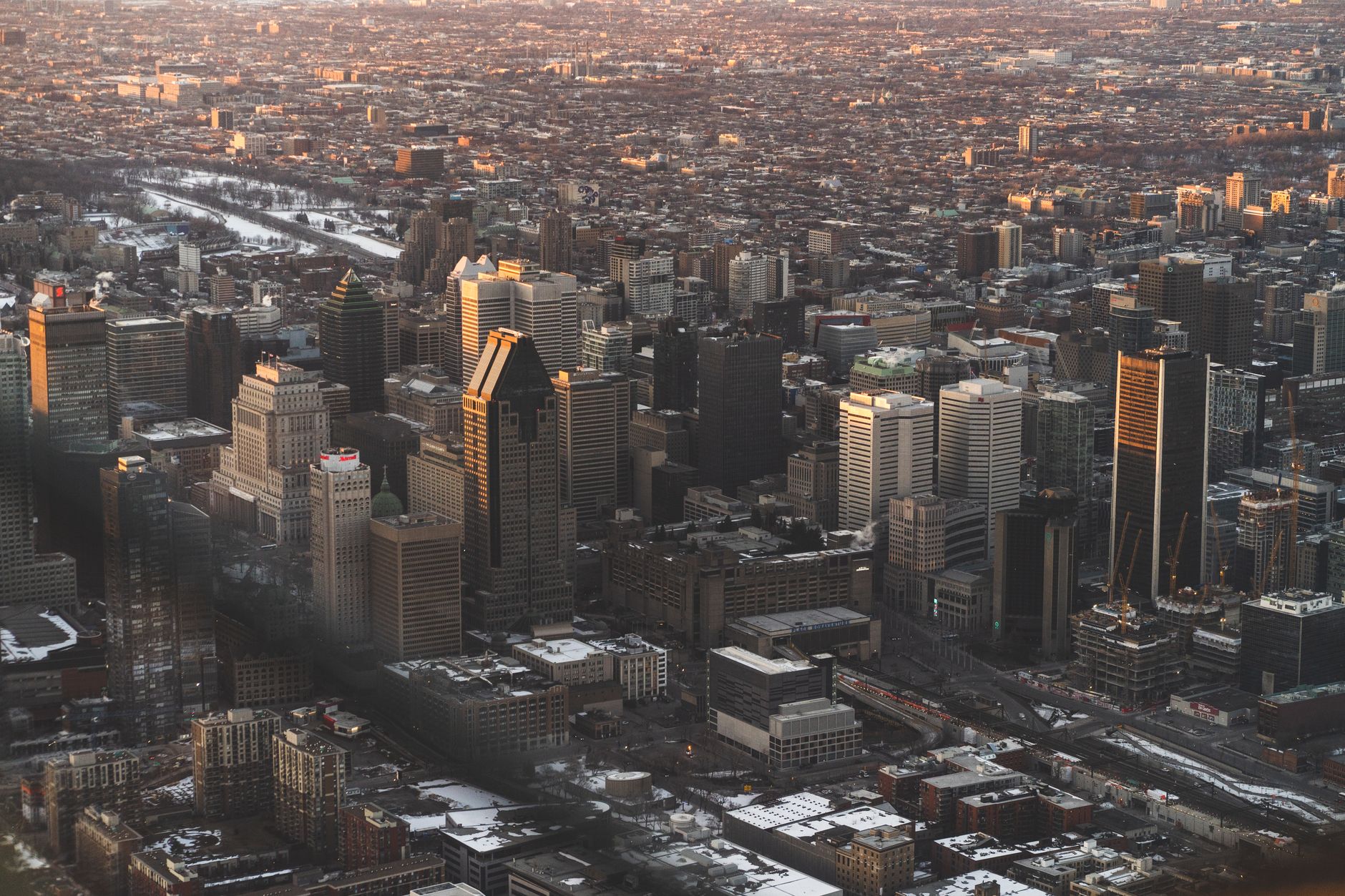
The question of whether Toronto and Montreal possess areas as economically challenged as Vancouver's Downtown Eastside often arises for travelers seeking a deeper understanding of Canada's major cities. While each city's urban fabric is unique, the answer lies in exploring beyond the well-trodden tourist paths, into neighbourhoods with complex pasts and present-day realities.
Toronto and Montreal are rich tapestries woven from waves of immigration, industrial booms and busts, and continuous community evolution. Their less-sung corners hold vivid stories of resilience, transformation, and cultural depth, offering a window into the true pulse of these metropolises, far from any simplified narrative.
1. Toronto's Lost Immigrant Quarter
Downtown Toronto, Canada (former)
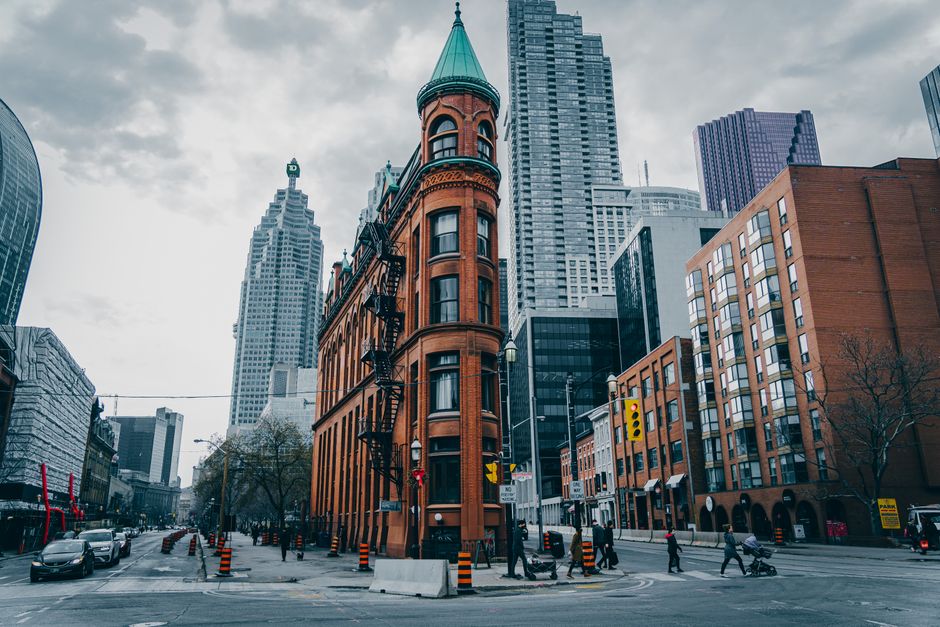
Toronto's lost neighbourhood, where thousands of immigrants first landed and built new lives, stands as a testament to the city's multicultural origins.
Before its demolition for urban renewal projects like Nathan Phillips Square and New City Hall, The Ward was a densely packed, diverse district. It served as a critical first home for waves of immigrants, from Irish fleeing the Famine to Jewish refugees and Italian families, all carving out lives in challenging conditions. Its narrow streets and crowded tenements tell a vital story of Toronto's foundational multiculturalism and early urban struggles.
2. From Resort Town to Rooming Houses
Parkdale, Toronto, Canada
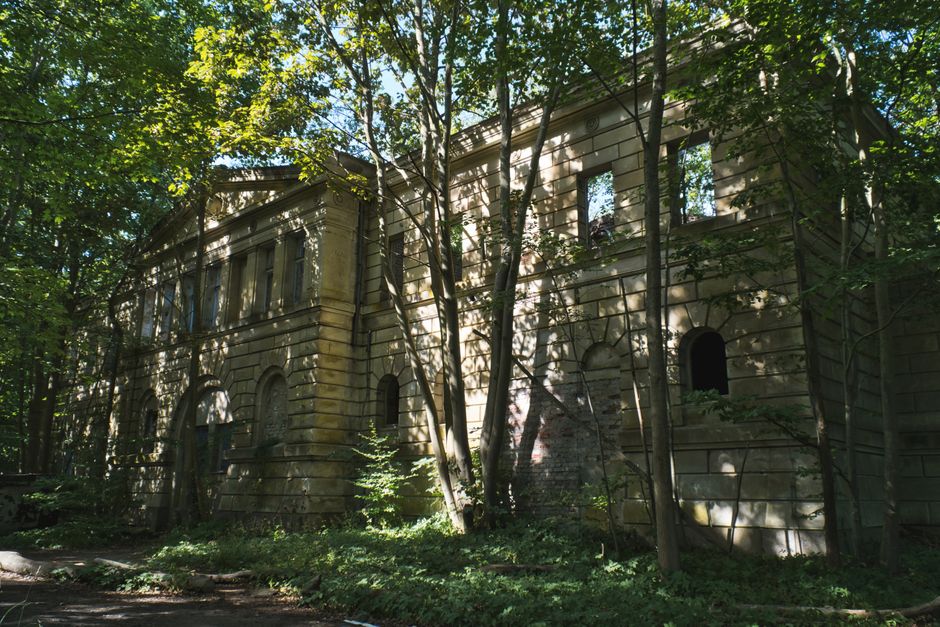
Once an exclusive lakeside resort town, Parkdale transformed dramatically into a working-class haven and then a diverse, yet challenged, urban neighbourhood.
In the late 19th century, Parkdale was a distinct village of grand Victorian homes and parks, attracting Toronto's elite. As the city expanded and the railway cut off lake access, many mansions became rooming houses, serving waves of newcomers and those seeking affordable housing. This shift created a unique community, rich in history and resilience, now battling the pressures of gentrification while maintaining its diverse character.
3. The Heart of a Planned Community
Jane and Finch, Toronto, Canada
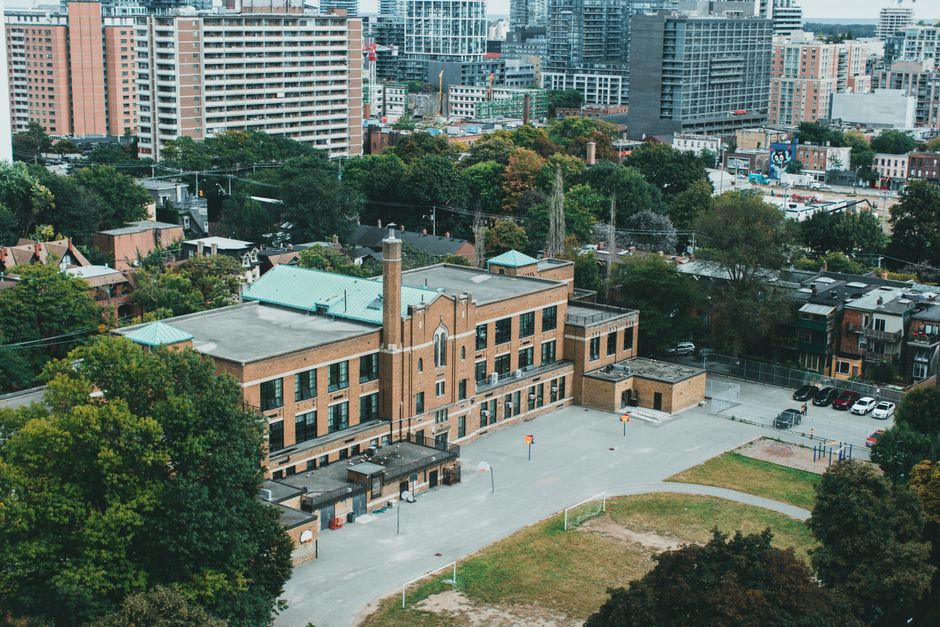
This area, often stereotyped, was originally conceived as a cohesive planned community, named in part for a stream that once flowed through it.
The intersection of Jane Street and Finch Avenue marks a neighbourhood developed with modernist ideals in the 1960s, designed to integrate housing, green spaces, and community facilities. Over decades, it became a vibrant hub for diverse immigrant communities, particularly from the Caribbean, Africa, and Southeast Asia. Despite facing socio-economic challenges and negative media portrayals, it remains a resilient area with a strong sense of community and rich cultural life.
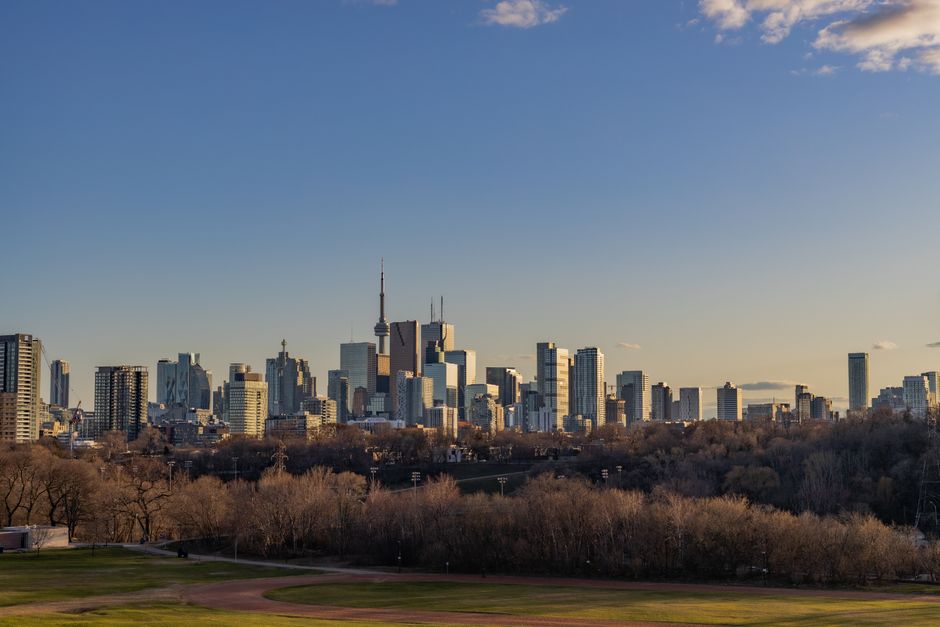
4. Reimagining Canada's First Social Housing
Regent Park, Toronto, Canada
Regent Park stands as Canada's pioneering social housing project, a bold post-war experiment in urban planning now undergoing a massive revitalization.
Built in the late 1940s and 50s, Regent Park aimed to clear slums and provide modern, affordable homes. Its "superblock" design, prioritizing green space over street grids, isolated it somewhat from the rest of the city. For decades, it was a close-knit community, but also faced issues of poverty and crime. Its ongoing redevelopment is a fascinating, complex process of tearing down and rebuilding, attempting to create a mixed-income, integrated neighbourhood while preserving its history.
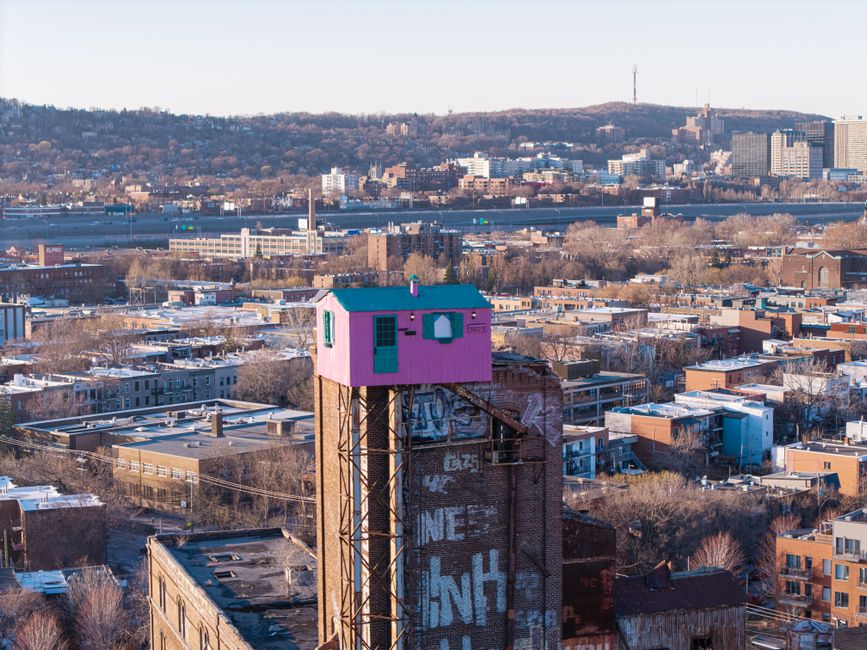
5. Montreal's Enduring Working-Class Spirit
Pointe-Saint-Charles, Montreal, Canada
This historic Montreal neighbourhood, once a booming industrial hub, became the birthplace of Canada's first community health clinic, born from local resilience.
Situated by the Lachine Canal, Pointe-Saint-Charles was a powerhouse of industry in the 19th and early 20th centuries, home to railway workers and factory employees. When industries declined, the community faced severe economic hardship. In response, residents organized, creating the Pointe-Saint-Charles Community Clinic in 1968, a pioneering model of community-led healthcare. Today, it retains its strong working-class identity and a vibrant sense of local activism, even as gentrification pressures rise.
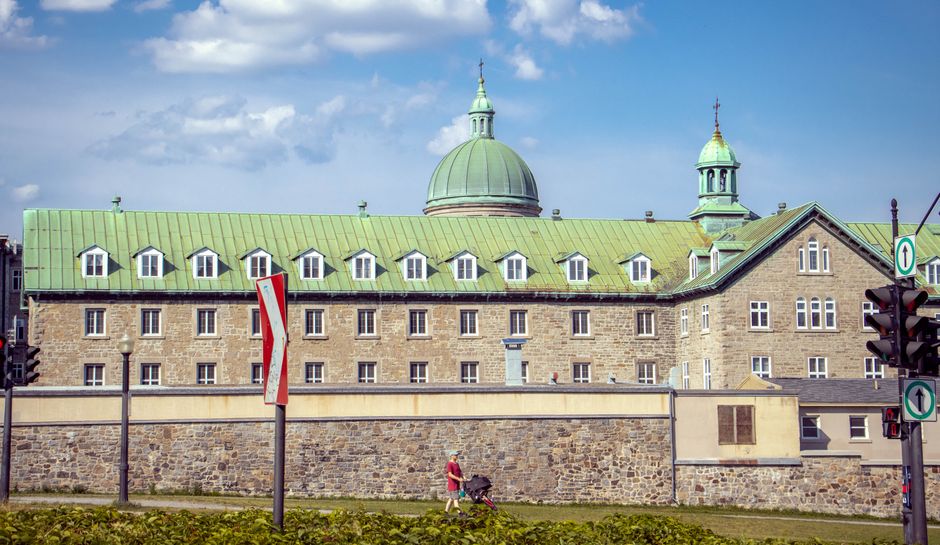
6. Grandeur and Grit in Montreal's East
Hochelaga-Maisonneuve, Montreal, Canada
Once an ambitious independent city with its own grand civic architecture, Hochelaga-Maisonneuve showcases a unique blend of historical grandeur and industrial grit.
In the early 20th century, Maisonneuve was a separate municipality with soaring aspirations, constructing magnificent public baths, a market, and a city hall that rivaled Montreal's own. It was a thriving industrial center, particularly for textiles and footwear. After its annexation by Montreal and subsequent deindustrialization, the area faced economic challenges. Yet, its impressive architecture remains, a testament to a bygone era of civic pride, now coexisting with a vibrant, resilient community.
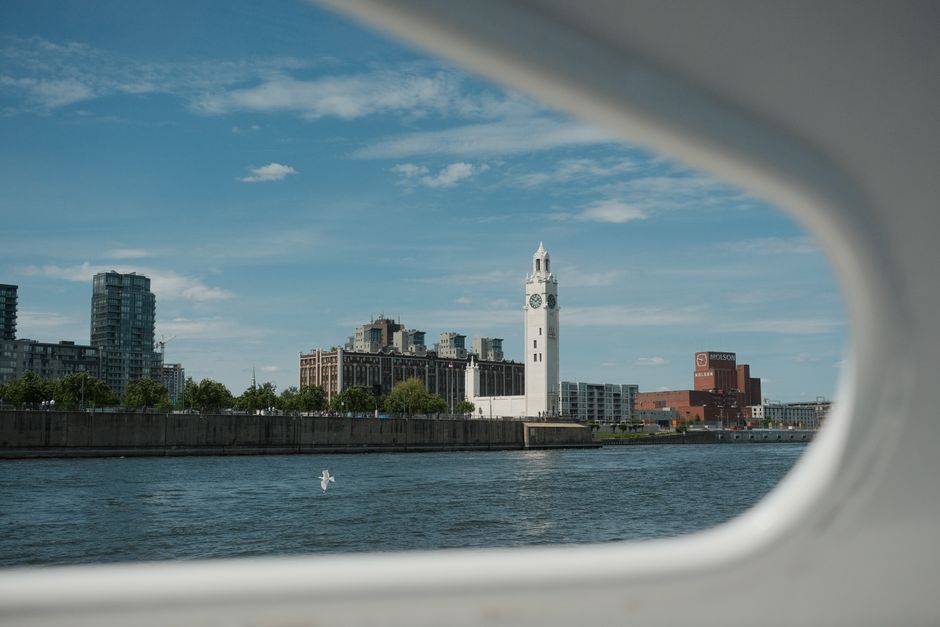
7. The Neighbourhood of "The Tin Flute"
Saint-Henri, Montreal, Canada
This storied Montreal neighbourhood served as the stark, vivid setting for Gabrielle Roy's iconic novel, "The Tin Flute," capturing the struggles of its working-class residents.
Saint-Henri, bordering the Lachine Canal, developed as a tight-knit working-class district, particularly for French-Canadian families. Roy's novel, published in 1945, brought its struggles with poverty and hardship to national attention, making it a symbol of resilience. While the factories have largely closed and gentrification is reshaping its streets, the echoes of its past, including its distinct architectural character and community spirit, are still palpable.
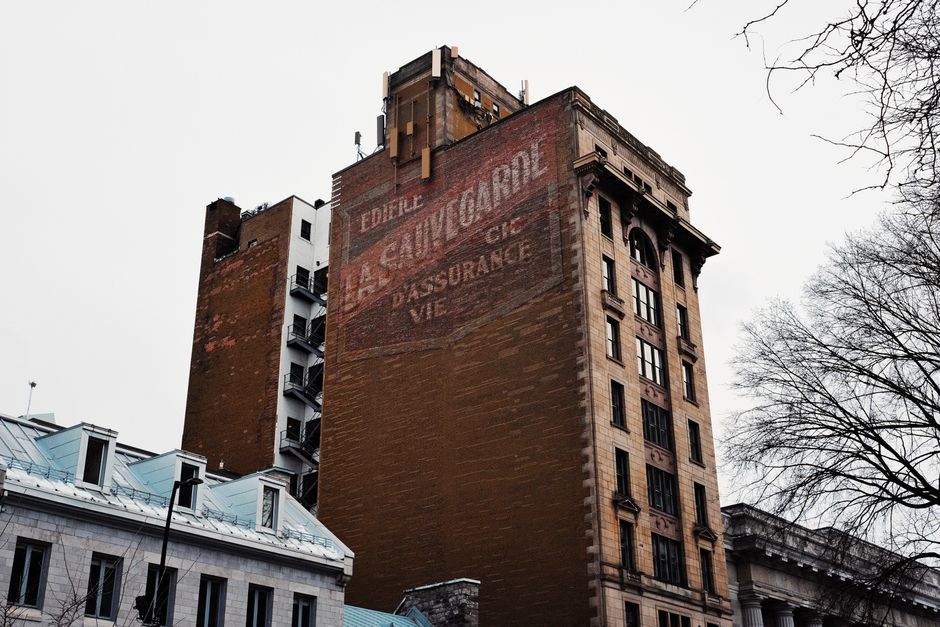
8. Montreal's Jazz Heartbeat
Little Burgundy, Montreal, Canada
The birthplace of Canadian jazz legends like Oscar Peterson, Little Burgundy holds a deep, yet often overlooked, history as a vibrant Black community in Montreal.
From the late 19th century, Little Burgundy became the heart of Montreal's Black community, largely due to railway porters settling near the train stations. It fostered a rich cultural scene, particularly a legendary jazz and blues movement that rivaled Harlem's. Despite facing urban renewal projects that displaced many residents and eroded parts of its historic fabric, the neighbourhood continues to celebrate its heritage, with community efforts dedicated to preserving and sharing its significant cultural contributions.
Frequently asked questions
Are there homeless encampments in Toronto and Montreal similar to Vancouver?
Like many major cities, Toronto and Montreal do experience homelessness, and you might encounter temporary encampments in various urban spaces. However, the scale and visibility can differ from the concentrated situation seen in Vancouver's Downtown Eastside, often being more dispersed across different areas.
What caused some areas in Toronto and Montreal to become economically challenged?
Economic challenges in these areas often stem from historical factors such as deindustrialization, which led to job losses in formerly thriving manufacturing hubs. Urban planning decisions, waves of immigration, and the availability of affordable housing also play significant roles in shaping the socio-economic landscape of specific neighbourhoods.
Are these less-known areas safe for tourists to visit?
Generally, most urban areas in Toronto and Montreal are safe for visitors. It's always advisable to exercise standard travel precautions, be aware of your surroundings, and research current local conditions. Exploring during the day and sticking to well-trafficked routes are good practices.
How can AllTours.ai help me understand these places better?
AllTours.ai is designed to bring these hidden stories to life. Simply point your phone camera at a landmark, building, or even a street scene mentioned in this guide, and the app will instantly narrate its unique history, geology, and culture in your preferred language, offering a deeper, immersive understanding of these compelling places.
Photography via Pexels. AllTours.ai is an AI audio tour guide — point your camera at any landscape and hear its story.