July 27, 2026 · 4 min read
The question “Do you agree or disagree that Russia is culturally a European nation?” sparks lively debate among travelers and historians alike. Geographically vast, spanning two continents, Russia's cultural identity is a mosaic, shaped by centuries of Slavic, Orthodox, Nordic, Turkic, Asian, and Western European interactions. It's a land where ancient fortresses rub shoulders with Buddhist temples, and where a German philosopher's tomb lies within a former Prussian city now under Russian flag.
To truly grasp this complex identity, one must venture beyond the well-trodden paths of Moscow and St. Petersburg. The answers lie in its lesser-known corners, in the vivid stories embedded in places often overlooked. These sites reveal a Russia that consistently challenges neat classifications, offering glimpses into a heritage that is both distinctly its own and deeply intertwined with global currents.
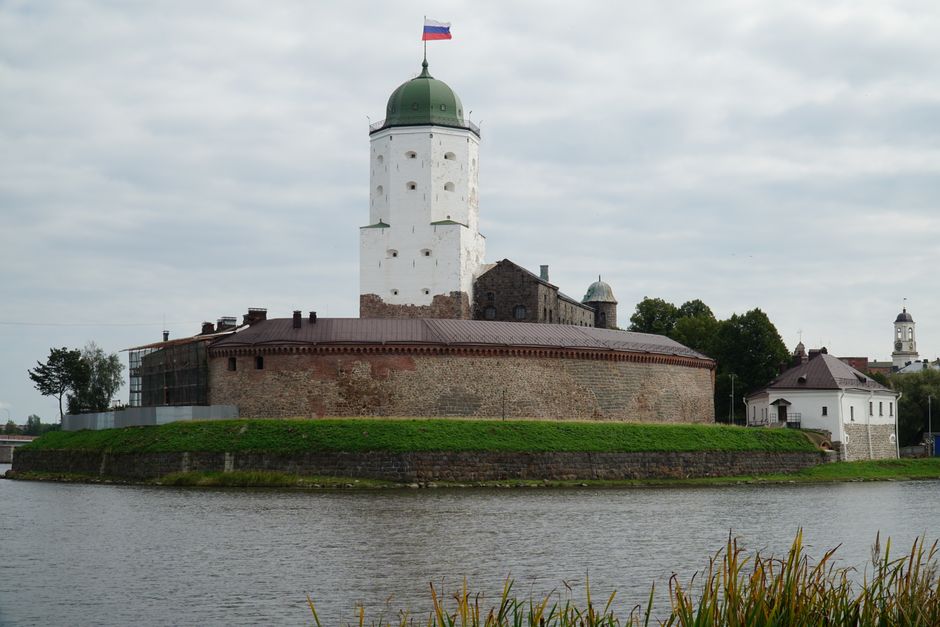
1. The Nordic Sentinel
Vyborg Castle, Vyborg, Russia
A medieval castle in Russia built by Swedes, complete with a tower named after a Finnish saint.
Vyborg Castle, founded in 1293 by the Swedes during the Third Swedish Crusade, stands as a stark reminder of Russia's complex borderlands. Its robust St. Olav Tower once dominated the Gulf of Finland, a testament to centuries of Nordic influence. The city itself, formerly part of Finland, retains a unique blend of architectural styles, from Swedish to Finnish Art Nouveau, offering a glimpse into a European past often overlooked in typical narratives of Russia.
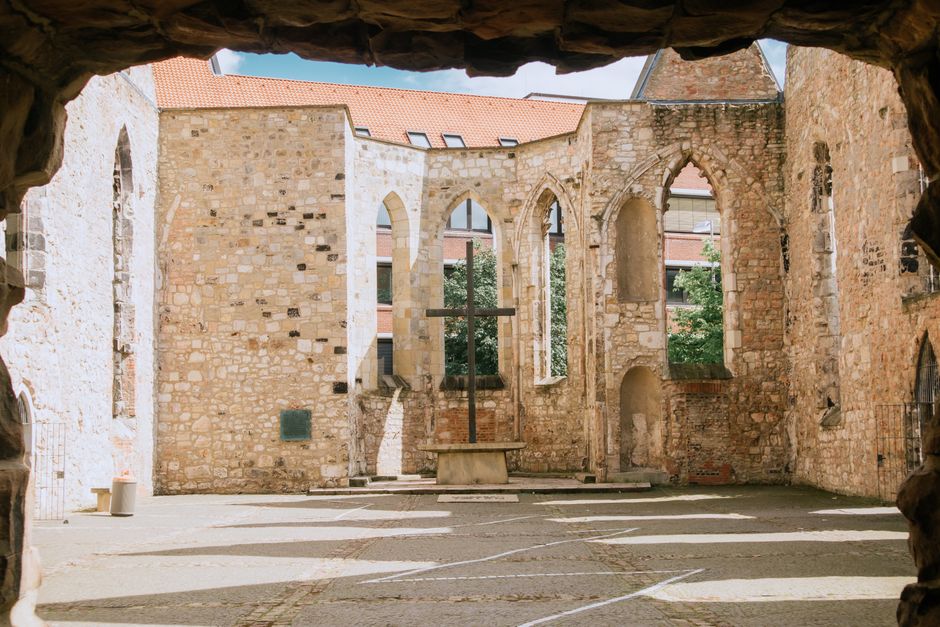
2. Kant's Prussian Legacy
Königsberg Cathedral, Kaliningrad, Russia
Home to the tomb of Immanuel Kant, this Gothic cathedral is a relic of German East Prussia, now Russian territory.
The brick Gothic Königsberg Cathedral, heavily damaged during World War II, has been meticulously restored, a phoenix rising from the ashes. It stands on Kneiphof Island, an island once central to the German city of Königsberg, now Kaliningrad. The cathedral's most famous resident, the philosopher Immanuel Kant, lies buried here, an enduring symbol of the region's profound European intellectual and architectural legacy that Russia inherited.
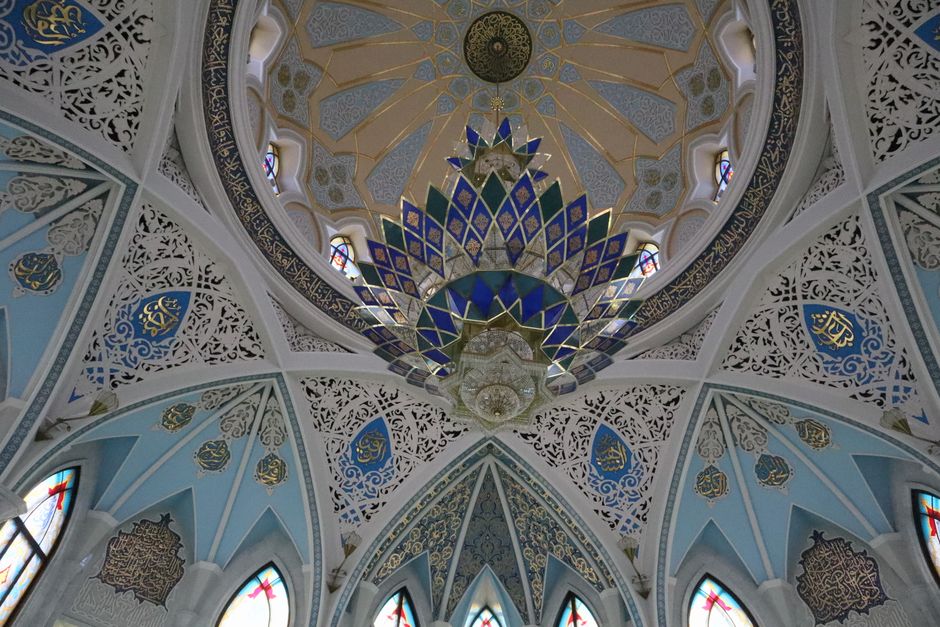
3. The Reborn Minaret
Kul Sharif Mosque, Kazan, Russia
This majestic mosque, rebuilt after being destroyed by Ivan the Terrible, stands as a vibrant symbol of Russia's significant Islamic and Turkic heritage.
Within the Kazan Kremlin, the Kul Sharif Mosque’s turquoise domes and towering minarets dominate the skyline. Originally built in the 16th century, it was destroyed during Ivan the Terrible's conquest of Kazan in 1552, a pivotal moment in Russian history. Its magnificent modern reconstruction, completed in 2005, serves as a powerful testament to the Tatar people's enduring culture and Russia's deep, yet distinct, Islamic and Turkic roots, a world away from Orthodox Europe.
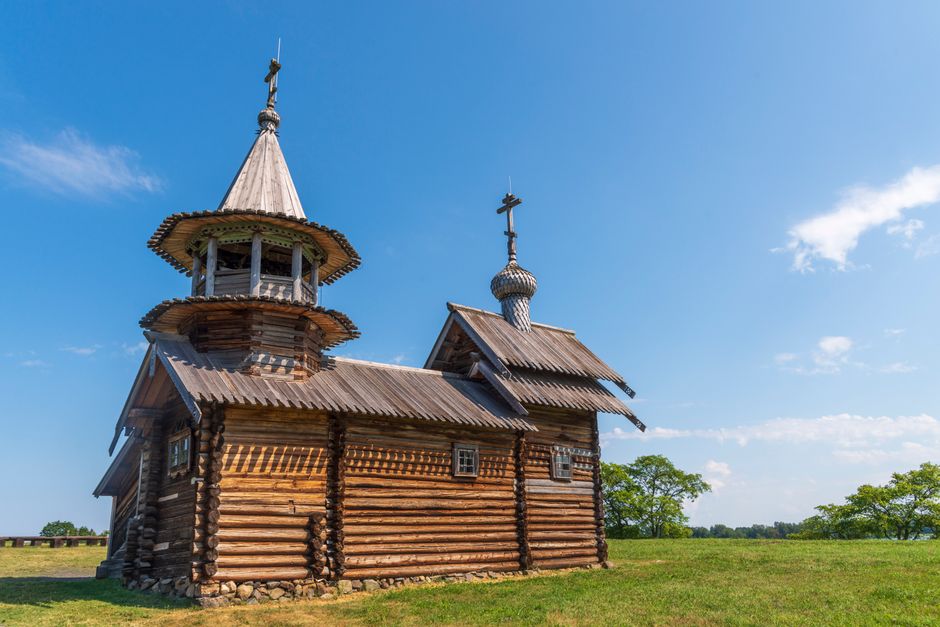
4. Wooden Miracles of the North
Kizhi Pogost, Kizhi Island, Russia
Two multi-domed wooden churches, built without a single nail, embody a unique pre-Petrine Russian architectural style, distinct from Western European stone cathedrals.
On the remote Kizhi Island in Lake Onega stands the Kizhi Pogost, a UNESCO World Heritage site renowned for its astonishing wooden architecture. The Church of the Transfiguration, with its 22 domes, and the Church of the Intercession were constructed using traditional carpentry techniques, without any metal fasteners. This remarkable ensemble showcases a uniquely Russian design aesthetic, reflecting centuries of local craft and spiritual devotion, a style that predates and differs significantly from the Western European influences Peter the Great later introduced.
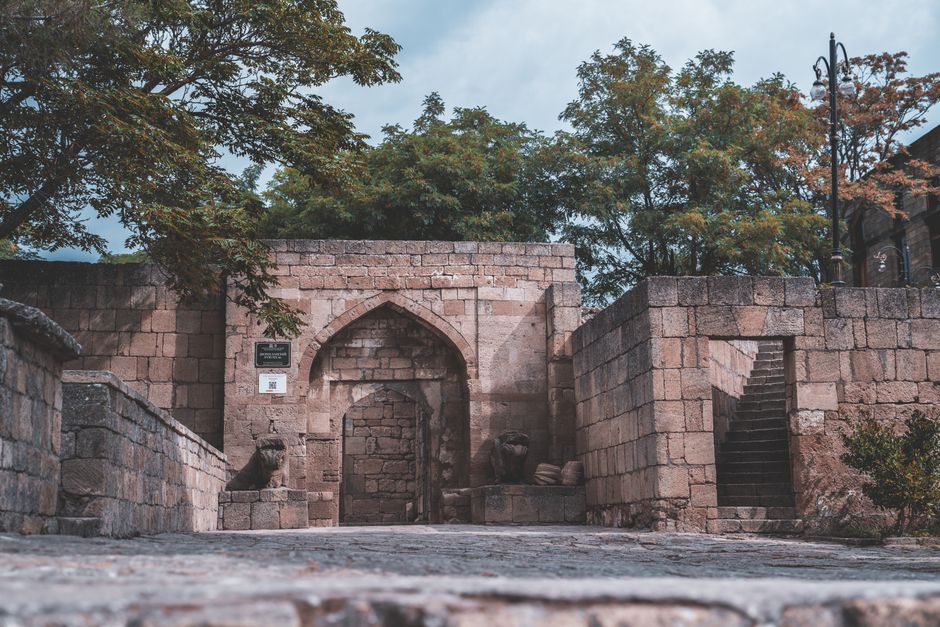
5. The Caspian Gate
Derbent Citadel, Dagestan, Russia
Guarding a narrow passage between the Caspian Sea and the Caucasus mountains for millennia, this ancient fortress is a UNESCO site with Persian, Arab, and Mongol layers.
Derbent, one of the oldest continuously inhabited cities in the world, boasts the formidable Naryn-Kala citadel. Its ancient walls, a UNESCO World Heritage site, protected the vital Caspian Gate for over 1500 years, controlling trade and military passage along the Silk Road. The fortress bears the architectural imprints of Sasanian Persians, Arabs, and Mongols, showcasing a heritage deeply rooted in the Middle East and Central Asia rather than Europe, yet integral to the Russian Federation.
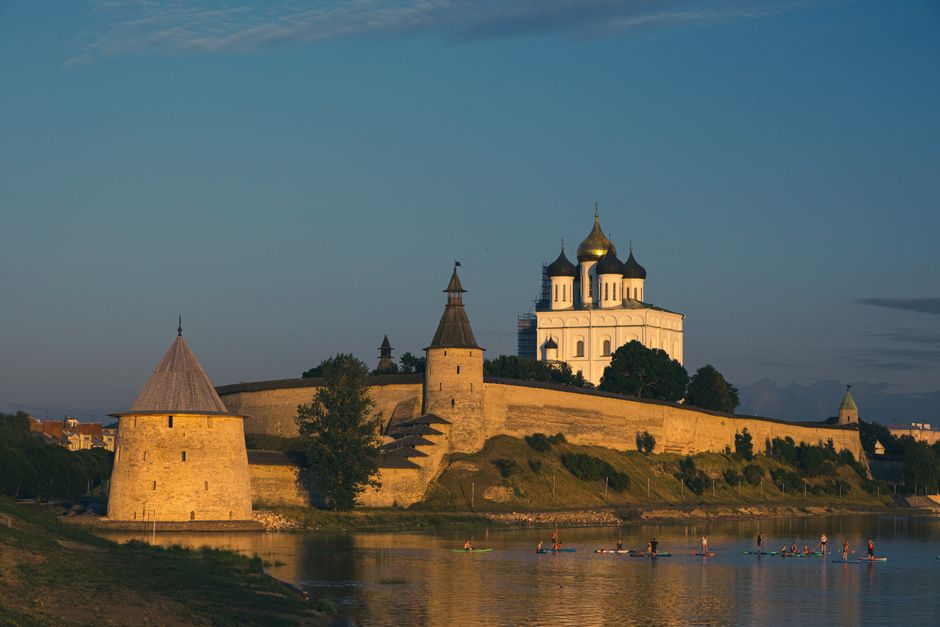
6. The Walled Republic
Pskov Kremlin (Krom), Pskov, Russia
The formidable walls of Pskov's Kremlin once defended a powerful medieval republic with strong trade ties to the Hanseatic League and Western Europe.
Pskov's Krom, a sprawling medieval fortress, stands as a testament to a powerful independent republic that flourished in the Middle Ages. Its towering walls and churches, including the grand Trinity Cathedral, were built to withstand numerous sieges. Pskov's strategic location near the Baltic Sea fostered extensive trade with the Hanseatic League, linking it economically and culturally to a network of Northern European cities, making it a crucial outpost in Russia’s European story.
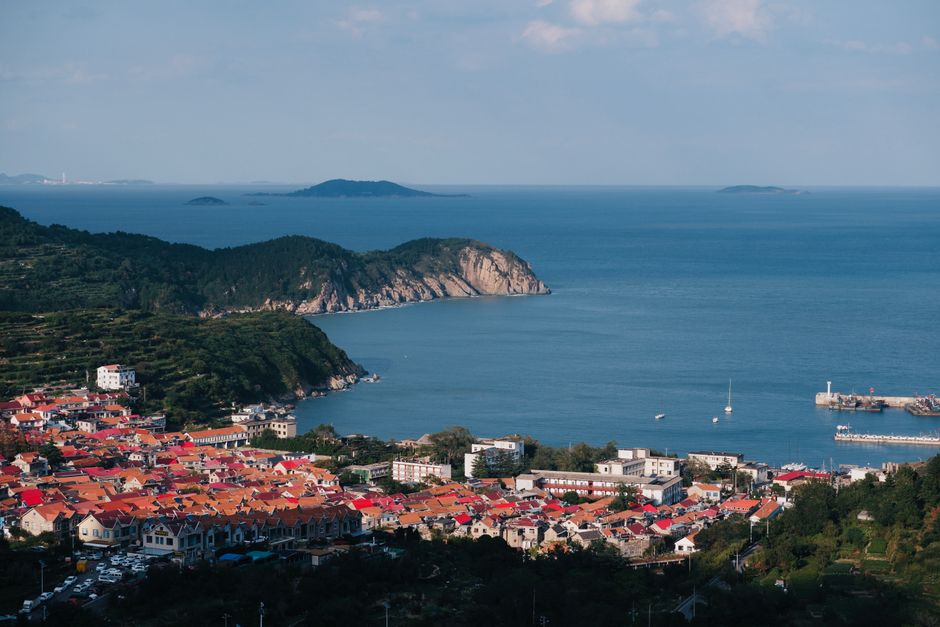
7. Island of Faith
Sviyazhsk Island-Town, Sviyazhsk, Russia
An island town founded by Ivan the Terrible as a base to conquer Kazan, featuring a wooden Trinity Church built in a single day.
Sviyazhsk, a picturesque island-town near Kazan, holds a unique place in Russian history. Founded by Ivan the Terrible in 1551 as a strategic outpost for the conquest of the Kazan Khanate, it quickly became a significant Orthodox spiritual center. Its wooden Trinity Church, reportedly assembled in a single day, is a remarkable feat. This site illustrates the expansion of Orthodox Christian Russia, a distinct European tradition, into a region with a strong Tatar Islamic identity, creating a compelling historical blend.
8. Siberian Buddhist Heart
Ivolginsky Datsan, Buryatia, Russia
The spiritual heart of Buddhism in Russia, this monastery houses the miraculously preserved body of a lama, reflecting deep Siberian and Mongolian cultural roots.
Far in the Siberian region of Buryatia, near Ulan-Ude, lies the Ivolginsky Datsan, a vibrant center of Tibetan Buddhism in Russia. Established in 1945, it is home to numerous temples, stupas, and a Buddhist university. The datsan gained global recognition as the resting place of the miraculously preserved body of Khambo Lama Itigilov, a revered spiritual leader. This site firmly roots a significant part of Russia's cultural identity in its Asian, Mongolian, and Buddhist traditions, distinctly outside a European framework.
Frequently asked questions
Is Russia considered part of Europe or Asia?
Geographically, Russia spans both Europe and Asia, with the Ural Mountains often serving as a conventional dividing line. Culturally, it's a blend, influenced by its Slavic origins, Orthodox Christianity, historical ties to Western Europe, and significant Asian and Turkic populations in the east and south.
What are some major cultural influences in Russia?
Key cultural influences include Orthodox Christianity, Slavic traditions, Byzantine heritage, and Western European intellectual and artistic movements, particularly after Peter the Great's reforms. Additionally, Turkic, Finno-Ugric, Caucasian, and East Asian cultures have left indelible marks, especially in specific regions.
Did Russia ever consider itself entirely European?
Historically, Russia's 'European-ness' has been a subject of internal debate. While rulers like Peter the Great and Catherine the Great actively sought to 'Europeanize' Russia, others emphasized its unique 'Eurasian' or distinct Slavic identity, creating a complex and ongoing dialogue about its place in the world.
How does AllTours.ai enhance travel to places like these?
AllTours.ai transforms your travel experience by providing AI-powered audio guides. Simply point your phone camera at any landmark, landscape, or historical site, and the app will narrate its history, geology, and cultural significance in your preferred language, offering a deeper understanding of these multifaceted places.
Photography via Pexels. AllTours.ai is an AI audio tour guide — point your camera at any landscape and hear its story.