September 18, 2026 · 4 min read
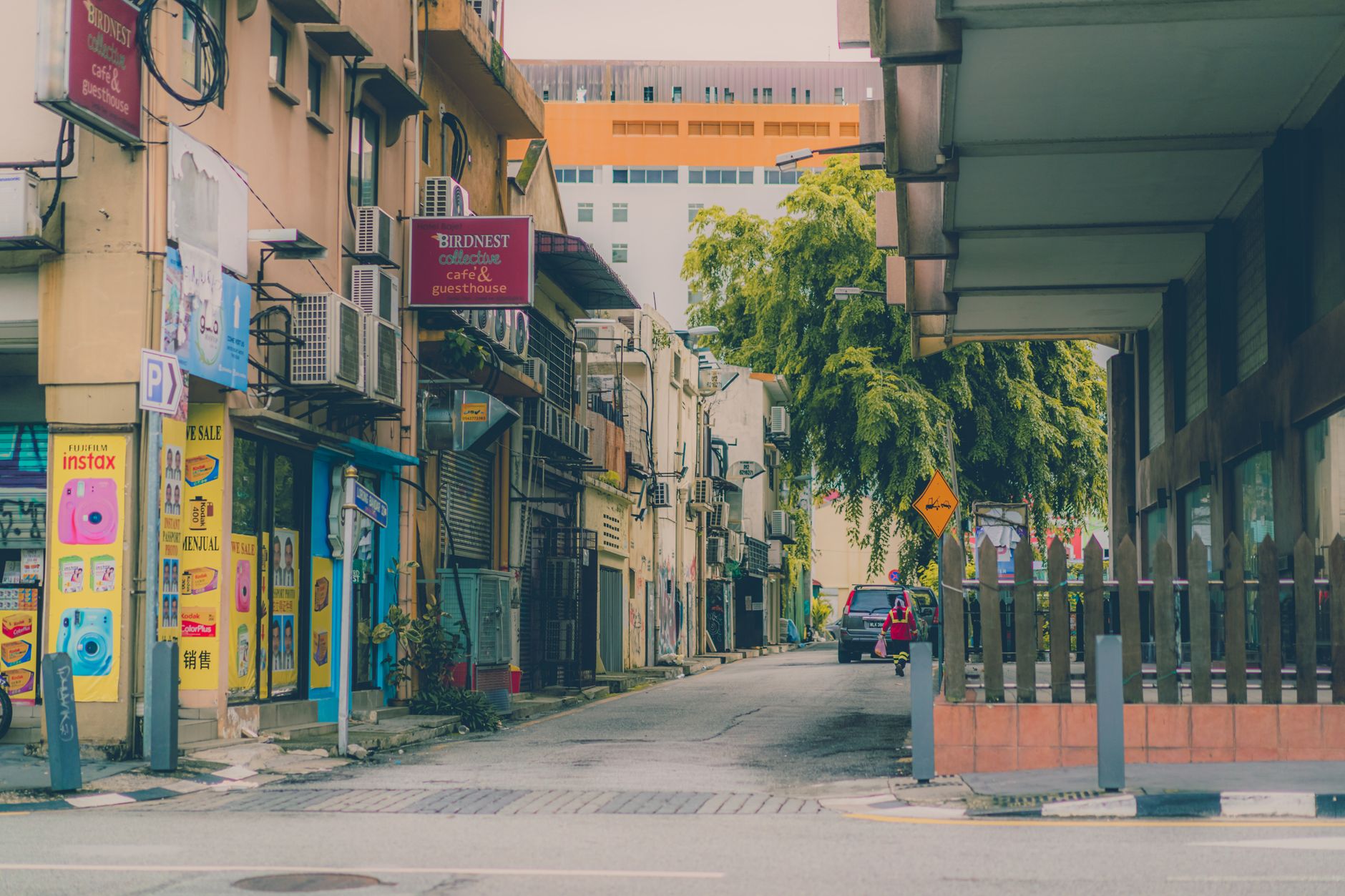
Kuala Lumpur is a city of captivating contrasts. On one hand, it's a dynamic metropolis buzzing with the energy of night markets, especially during major Chinese festivals, where aromatic street food and vibrant lanterns create an unforgettable spectacle. On the other, it offers pockets of profound tranquility and deep historical resonance, waiting to be discovered by those willing to look beyond the obvious.
But what if you didn't have to choose? What if you could experience the serene beauty of its quiet corners and the vibrant pulse of its cultural heartbeat, all while uncovering the rich, often surprising stories that shaped this incredible city? We invite you to explore Kuala Lumpur's lesser-known wonders, each with a unique narrative that paints a richer picture of Malaysia's capital.
1. The Founder's Silent Guardian
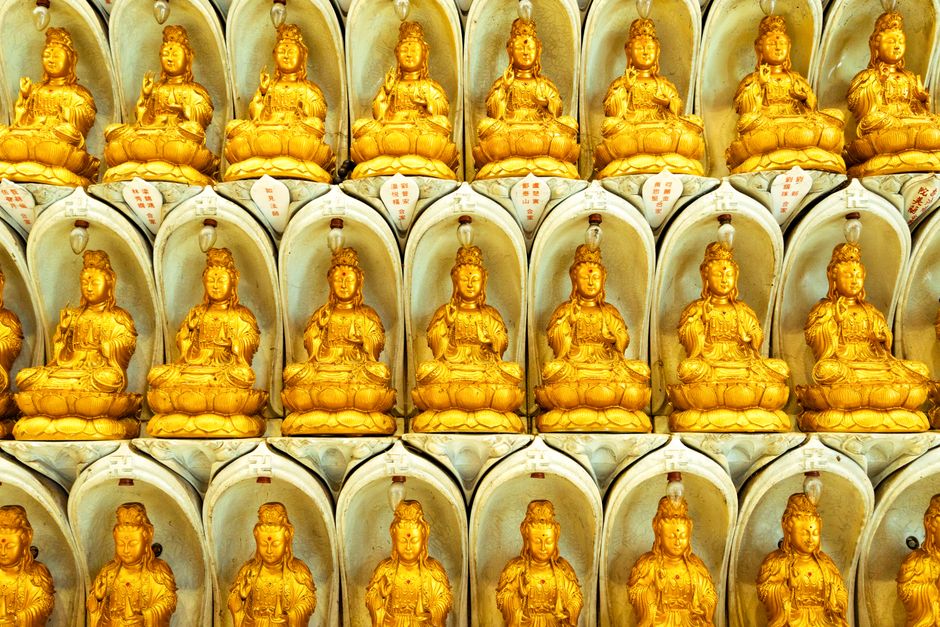
Sin Sze Si Ya Temple, Kuala Lumpur, Malaysia
This temple stands as a silent testament to Kuala Lumpur's true founder, Yap Ah Loy, and his spiritual beliefs.
Built in 1864 by Yap Ah Loy, the third Kapitan Cina of Kuala Lumpur, this temple honors the deities that guided him in defending the city during the Selangor Civil War. Its intricate architecture and vibrant rituals offer a glimpse into the foundational spiritual life of early Chinese settlers. Visiting during a quiet morning reveals a different side to the bustling Petaling Street area, allowing for a moment of reflection on the city's origins.
2. The Alley of Little Devils
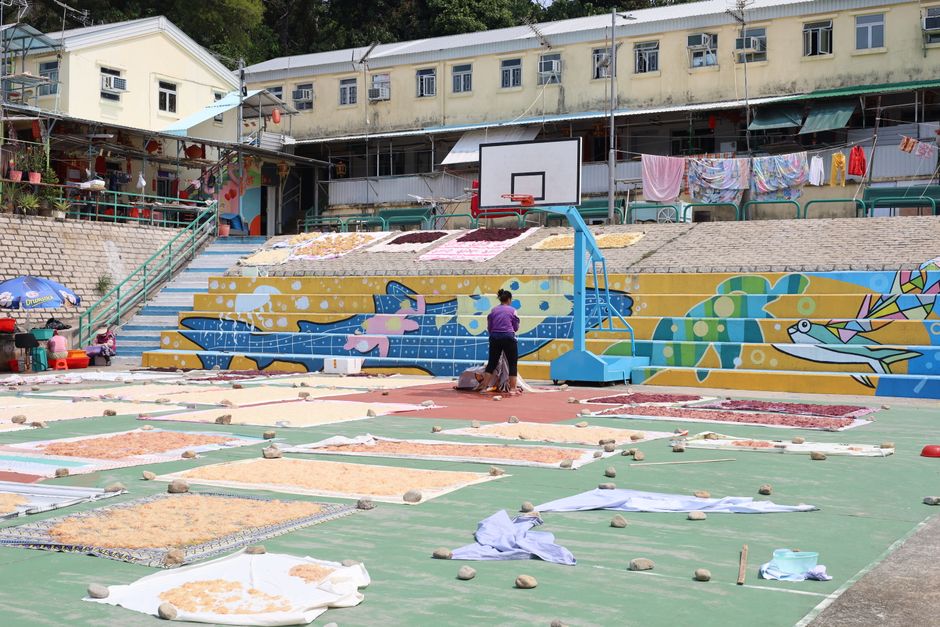
Kwai Chai Hong, Kuala Lumpur, Malaysia
This picturesque alley once earned its name from the whispers of gamblers and 'little devils' of its past.
Literally meaning 'Ghost Lane' or 'Little Demon Lane,' Kwai Chai Hong was once a notorious back alley filled with opium dens, brothels, and gambling houses, where the 'little devils' (naughty children) would run amok. Today, beautifully restored murals depict the lives of 1960s Chinese migrants, transforming its dark past into a vibrant cultural hub. Explore its quiet corners in the early morning before the crowds arrive to uncover the stories hidden behind its colorful art.
3. Where the City Was Born
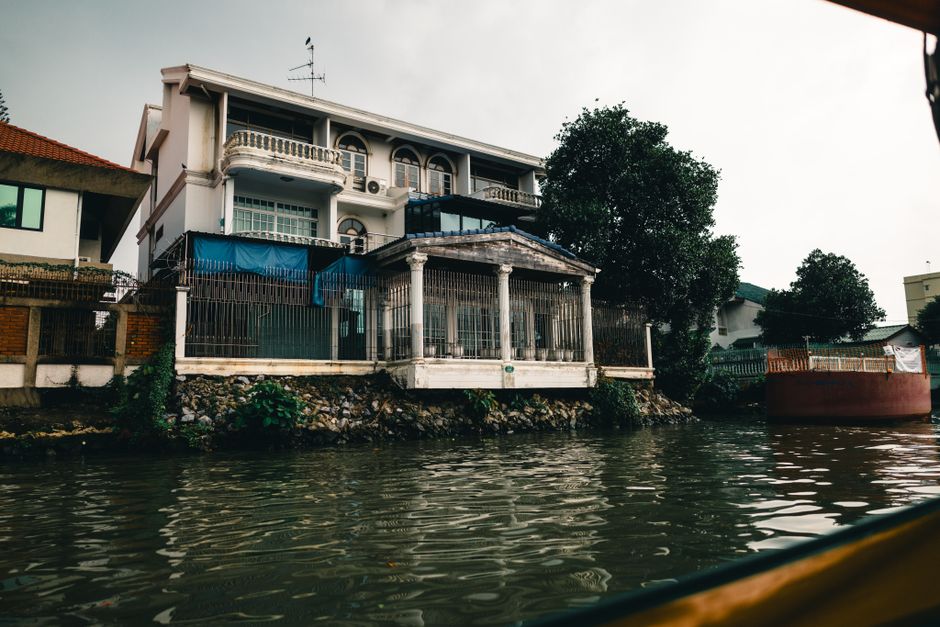
Confluence of Gombak and Klang Rivers, Kuala Lumpur, Malaysia
The muddy confluence of two rivers here literally gave Kuala Lumpur its name, marking the city's very birth.
'Kuala Lumpur' translates to 'muddy estuary,' a direct reference to this exact spot where the Gombak River meets the larger Klang River. In the 1850s, Chinese tin miners established their operations here, making it the nascent settlement of what would become the bustling capital. Stand by the observation deck near Masjid Jamek and imagine the dense jungle and early mining boats that once navigated these waters, seeing the city's origin point.
4. A Village Amidst Skyscrapers
Kampung Baru, Kuala Lumpur, Malaysia
This traditional Malay village, surrounded by skyscrapers, has fiercely preserved its rural charm and unique land ownership for over a century.
Established in 1899, Kampung Baru remains a striking anomaly: a collection of traditional Malay wooden houses and lush greenery amidst Kuala Lumpur's modern skyline. Its residents hold unique land titles that have resisted aggressive redevelopment, safeguarding a distinct cultural identity and a slower pace of life. Wander its quiet lanes, especially after the morning rush, to experience a living heritage piece of Malay community, a true time capsule in the heart of the city.
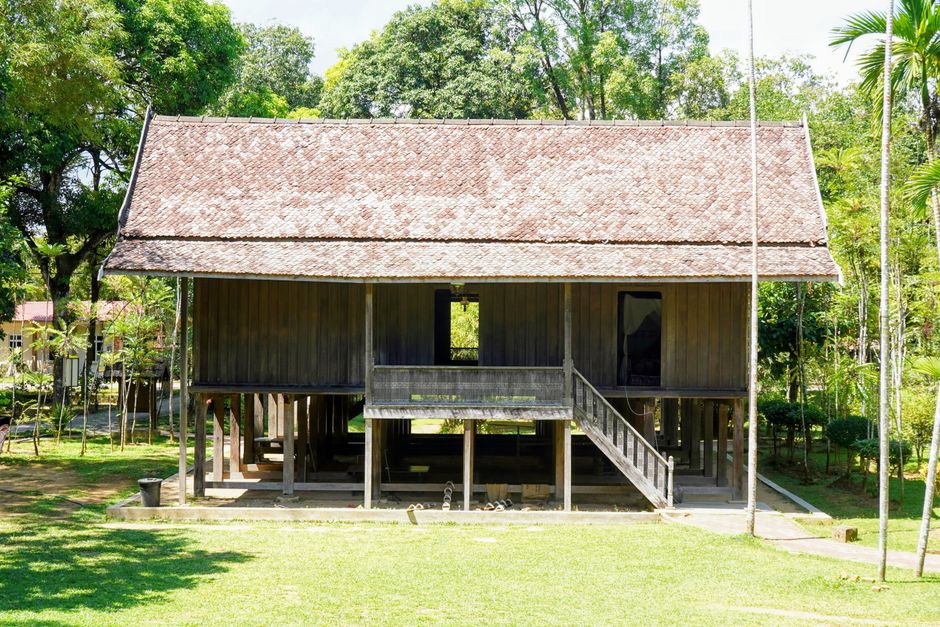
5. The Traveling Headman's House
Rumah Penghulu Abu Seman, Kuala Lumpur, Malaysia
This elegant timber house traveled over 300km to preserve the architectural legacy of a Malay village chief.
Originally built in Kedah in 1910 for a village headman (Penghulu), this exquisite traditional Malay house was meticulously dismantled, moved, and reassembled in Kuala Lumpur by the Badan Warisan Malaysia (Heritage of Malaysia Trust). It showcases intricate woodworking, raised floors for ventilation, and an ingenious construction using no nails, offering insight into sophisticated Malay vernacular architecture. It's a quiet oasis contrasting with the city's modern structures, a testament to preservation.
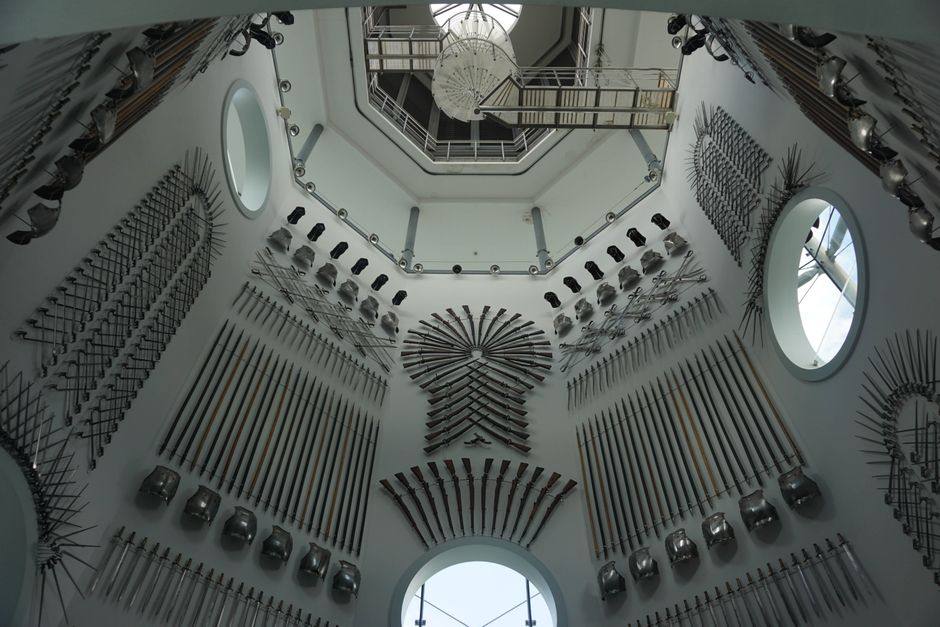
6. The Legacy of Liquid Gold
Royal Selangor Pewter Factory and Visitor Centre, Kuala Lumpur, Malaysia
The shine of this metal tells a story of Malaysia's colonial wealth and its industrial revolution fueled by tin.
While a modern factory, the visitor center delves deep into Malaysia's rich tin mining history, which was the backbone of colonial Malaya's economy. Founded in 1885, Royal Selangor is one of the world's largest pewter manufacturers, and its story is intertwined with the rise of Kuala Lumpur itself. Discover how tin ore transformed into beautiful, functional art, reflecting an era of immense wealth, global trade, and craftsmanship that shaped the nation.
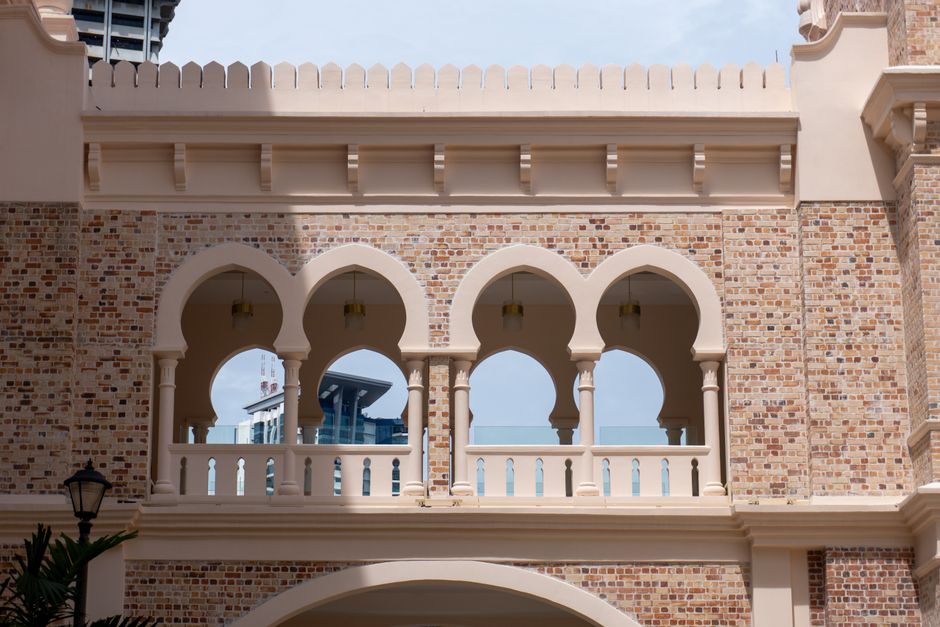
7. A Grand Gateway to the Past
Old Kuala Lumpur Railway Station, Kuala Lumpur, Malaysia
This grand Moorish-style station once served as the bustling gateway for tin barons and colonial administrators, shaping early Malayan travel.
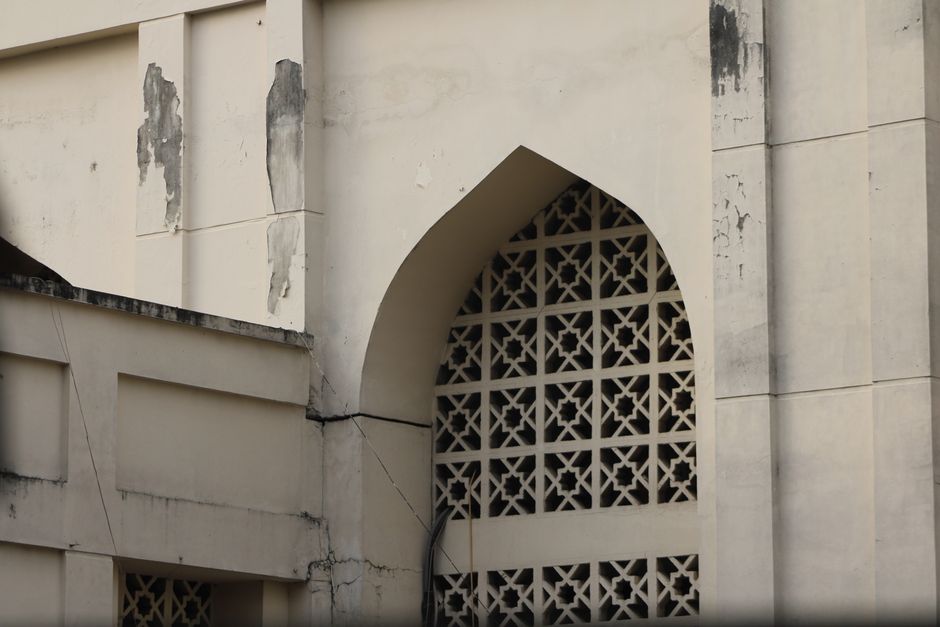
Designed by British architect Arthur Benison Hubback and completed in 1910, the Old Kuala Lumpur Railway Station is a breathtaking example of Anglo-Moorish architecture. Its intricate domes, minarets, and arches evoke a bygone era of steam travel and colonial grandeur. Though no longer the primary railway hub, its majestic presence still stands as a testament to Malaysia's railway heritage and a quieter, more reflective spot that whispers tales of journeys past.
8. From Colonial Stage to Local Soul
Panggung Bandaraya DBKL, Kuala Lumpur, Malaysia
This colonial-era theatre, once a hub for British socialites, now stages vibrant local performances, bridging eras of Malaysian culture.
Originally built in 1904 as the town hall, this elegant building transformed into a dedicated theatre in the 1990s. Its Victorian architecture and grand interiors once hosted colonial balls and performances for the British elite. Today, Panggung Bandaraya is a vital venue for contemporary Malaysian theatre, music, and dance, offering a glimpse into the city's evolving artistic soul. Its quiet exterior on a weekday morning belies a rich history of public life and entertainment.
Frequently asked questions
Is Kuala Lumpur a walkable city?
While the city center has pedestrian-friendly areas, KL is quite spread out. Using public transport like the LRT, MRT, and monorail, combined with ride-hailing services, is often the most efficient way to explore its diverse neighborhoods and hidden gems.
What's the best time of year to visit Kuala Lumpur?
Kuala Lumpur experiences a tropical climate year-round. The drier months are generally May to July and December to February, making them ideal for exploring. However, even during the wetter seasons, rain showers are often brief, and the city's indoor attractions offer plenty to see.
Are there cultural festivals in Kuala Lumpur besides Chinese New Year?
Absolutely! Kuala Lumpur is a melting pot of cultures. Major festivals include Hari Raya Aidilfitri, Deepavali, Thaipusam (a spectacular Hindu procession), and Malaysia Day celebrations. Each offers a unique glimpse into the country's diverse heritage and traditions, often with vibrant public events and delicious food.
How can I learn more about these lesser-known spots while I'm there?
The AllTours.ai app is designed precisely for this! Simply point your phone camera at a landmark, street, or even a natural landscape, and the app will instantly narrate its fascinating history, geology, and cultural significance in your preferred language. It's like having a local expert in your pocket, revealing the deeper stories of every place you visit.
Photography via Pexels. AllTours.ai is an AI audio tour guide — point your camera at any landscape and hear its story.