September 3, 2026 · 4 min read
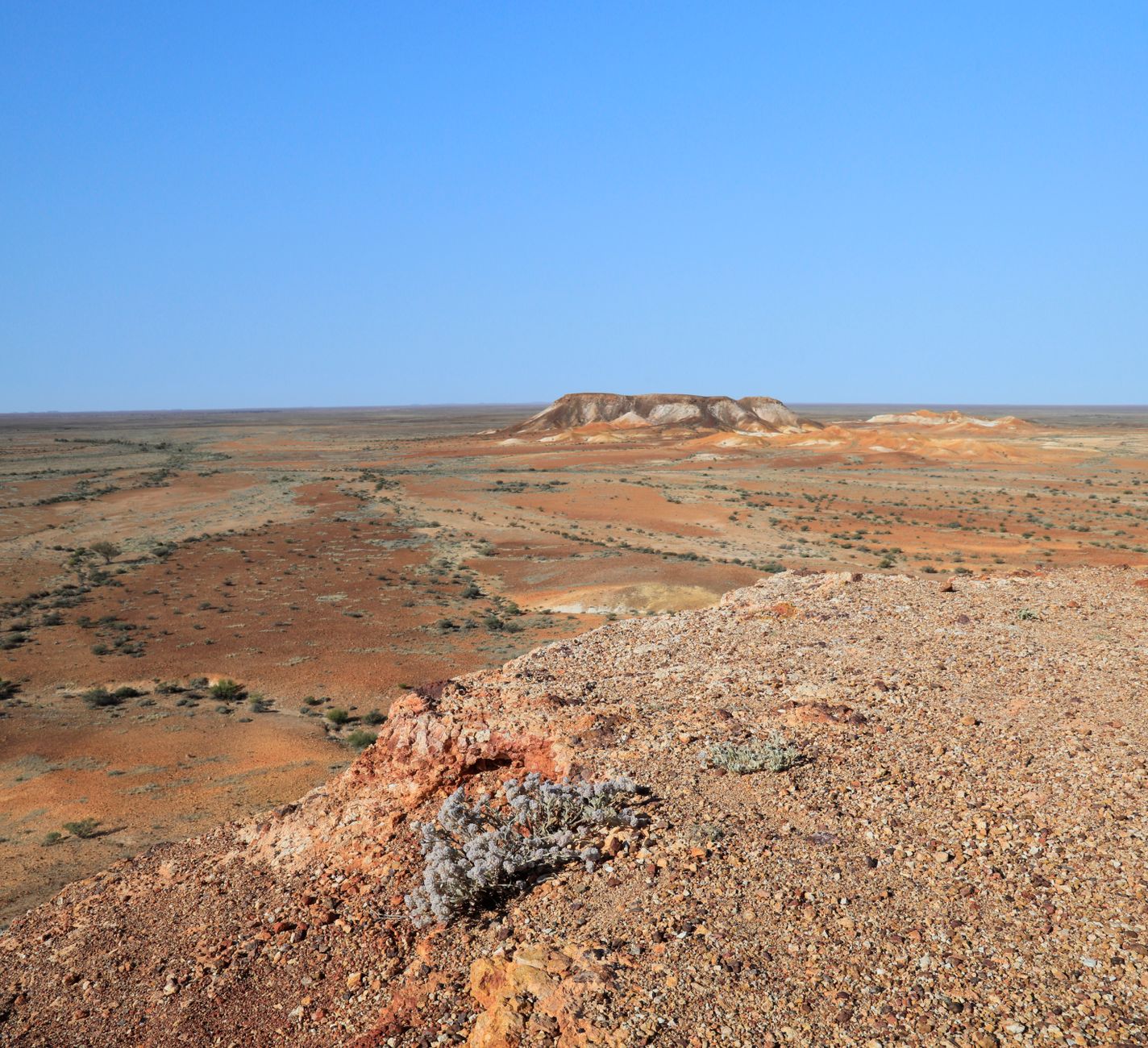
Australia, a land of ancient wonders and breathtaking natural beauty, is also emerging as a significant player in the global data centre market. This raises a compelling question: 'Do you think Australia becoming a data centre capital of the world is worth it?' While economic growth is vital, it's worth pausing to consider the profound, irreplaceable value held within Australia's landscape itself.
Beyond the bustling cities and well-trodden tourist paths, Australia holds a trove of lesser-known places, each telling a vivid story of history, geology, and culture spanning millennia. These are the places that truly define the continent's unique soul, offering a deeper understanding of its worth far beyond digital infrastructure. Join us on a journey to uncover these hidden gems.
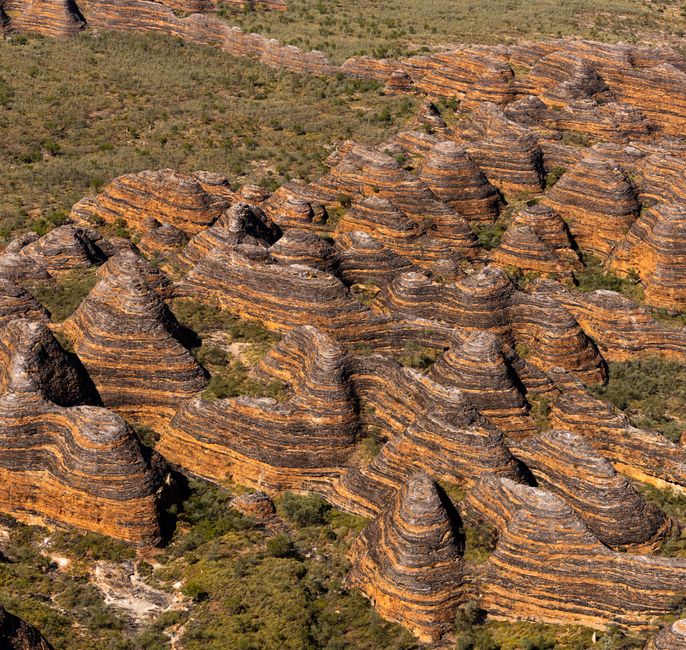
1. The Bungle Bungle's Beehives
Purnululu National Park, Australia
These striped sandstone domes are ancient marine sediments, uplifted and sculpted by time into a landscape resembling gigantic beehives.
For millions of years, the Bungle Bungle Range lay hidden, its distinctive orange and black bands forming from silica and cyanobacteria. This remote World Heritage site was only widely known to the outside world in the mid-1980s, preserving a truly ancient and untouched geological marvel in Western Australia's Kimberley region. Its unique formation tells a story of deep geological processes and enduring natural art.
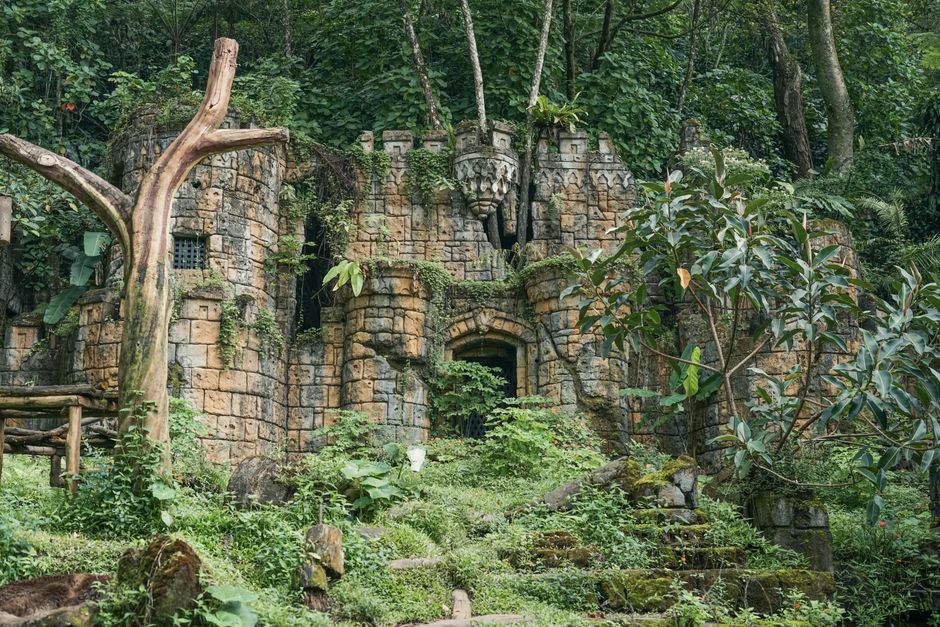
2. Paronella's Rainforest Castle
Mena Creek, Queensland, Australia
A Spanish immigrant's enduring dream, this hand-built castle and gardens rose from the Queensland rainforest in the 1930s, complete with a hydro-electric plant and grand ballroom.
José Paronella arrived in Australia with a vision, and over years, he transformed a patch of dense scrubland into a fantastical pleasure garden. He built his castle, complete with waterfalls, tennis courts, and a grand staircase, mostly by hand using local materials and innovative techniques. Though ravaged by floods and cyclones, the romantic ruins stand as a testament to his incredible determination and a bygone era of ambition.
3. Lake Mungo's Ancient Echoes
Mungo National Park, New South Wales, Australia
This dry lakebed is a window into deep time, holding evidence of human life dating back over 40,000 years, including the oldest ritual burial site in the world.
Once a lush freshwater lake, Lake Mungo is now a barren landscape of shifting sands and crescent-shaped lunettes. It's here that "Mungo Man" and "Mungo Lady" were discovered, dramatically changing our understanding of human migration and ancient Aboriginal culture. Walking its fossil-rich dunes is to step on ground that has witnessed tens of thousands of years of continuous human presence, a profound connection to our collective past.
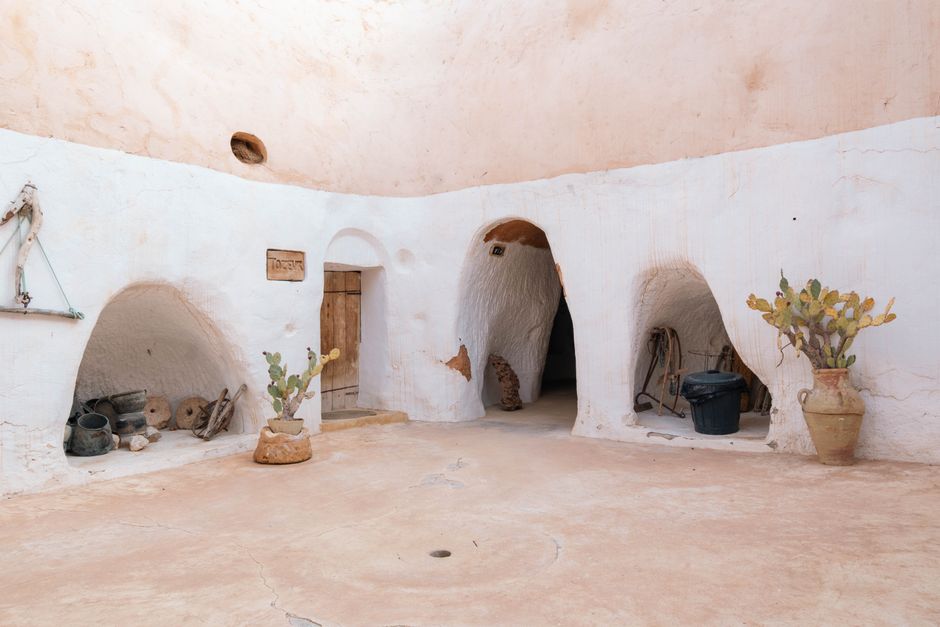
4. Coober Pedy: Living Underground
Coober Pedy, South Australia, Australia
Over half the population of this opal mining town lives underground in 'dugouts' to escape the scorching desert heat, creating a unique subterranean society.
In a landscape so harsh that surface temperatures can reach extreme highs, Coober Pedy's residents found an ingenious solution: they moved below ground. Abandoned opal mines became homes, churches, and even hotels, maintaining a constant cool temperature. This quirky town is not just about mining the world's finest opals, but about a resilient community thriving in an extraordinary, hidden way.
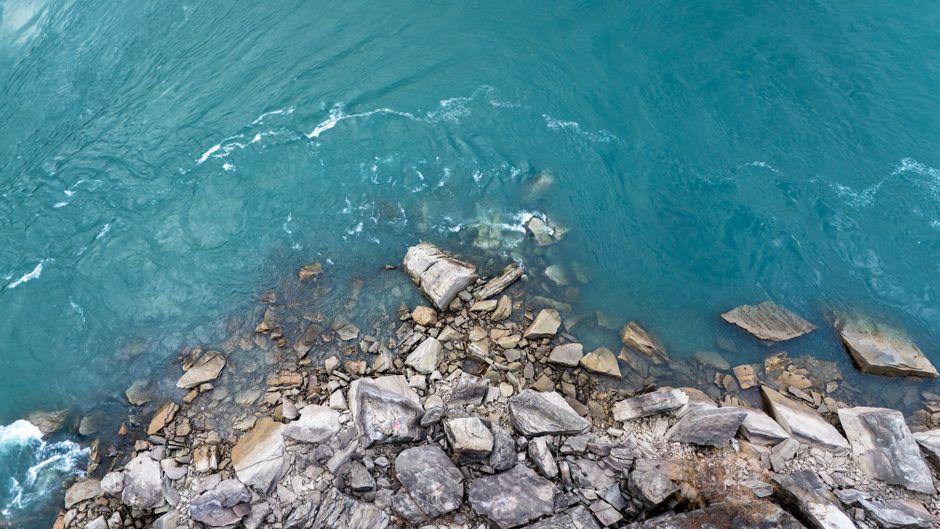
5. The Horizontal Falls' Tidal Rush
Talbot Bay, Western Australia, Australia
Witness a natural phenomenon where massive tidal movements force seawater through narrow gorges, creating the illusion of horizontal waterfalls.
Deep within the remote Kimberley region, the Horizontal Falls are a breathtaking display of raw tidal power. The immense tides of the Indian Ocean, which can vary by up to 10 meters, rush through two narrow coastal gorges in the McLarty Range. This creates a powerful, turbulent flow that looks precisely like a waterfall turned on its side, a spectacle that shifts dramatically with the changing tides.
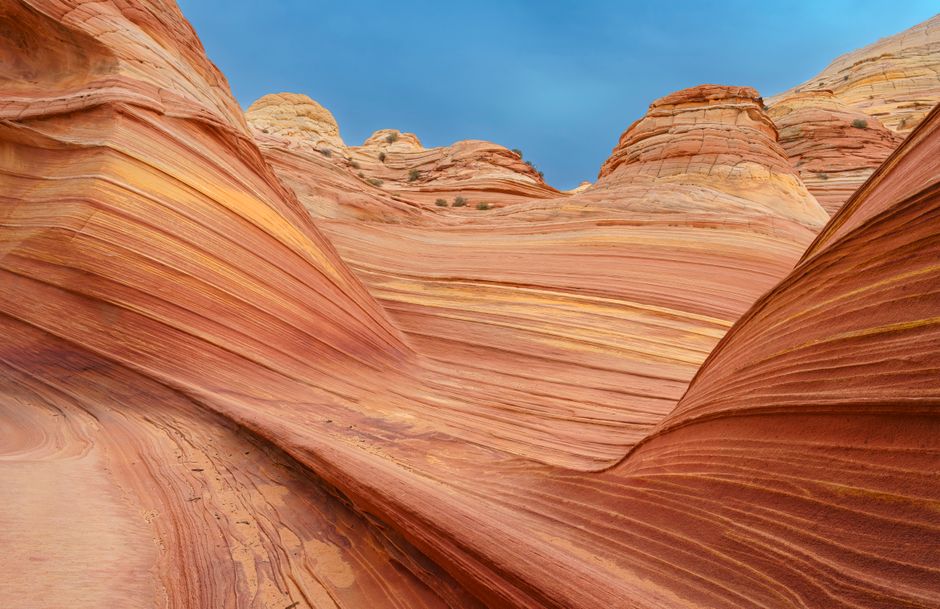
6. Wave Rock's Ancient Surf
Hyden, Western Australia, Australia
This massive granite formation, millions of years old, is naturally sculpted into the perfect curling crest of an ocean wave, standing over 15 meters high.
Located deep in Western Australia's Wheatbelt, Wave Rock is a geological marvel. Its distinctive shape is not due to ocean erosion, but rather slow weathering and erosion by wind and water over millennia, particularly at the base. The vertical stripes of red, grey, and yellow are caused by minerals washing down the rock face, adding to its surreal, painterly appearance. It's a fossilized wave in the middle of a dry landscape.
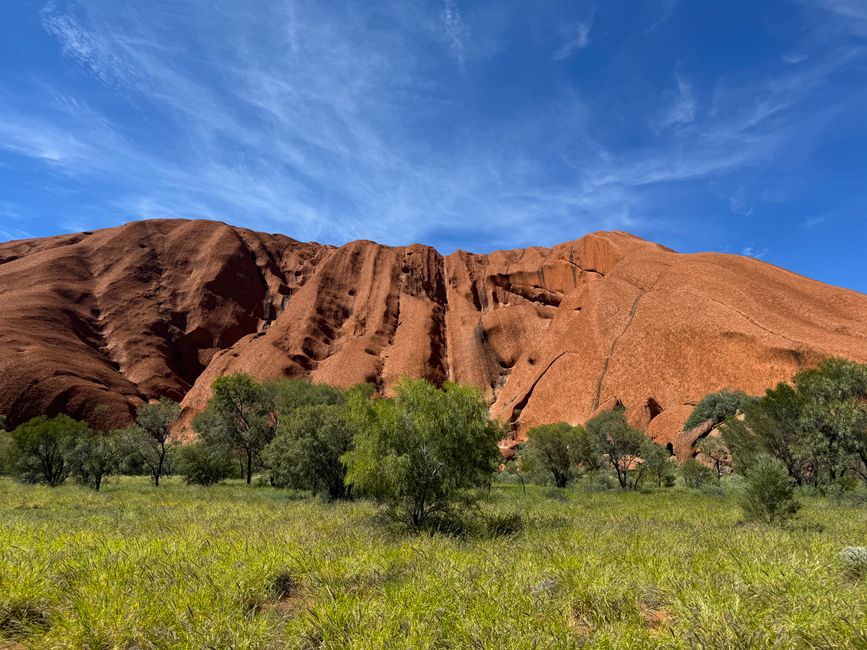
7. Mount Conner: The Other Rock
Curtain Springs Station, Northern Territory, Australia
Often mistaken for Uluru by first-time visitors, this flat-topped mesa, sacred to the local Arrernte people, is an equally impressive but far less visited geological giant.
Known as Artila to the local Aboriginal people, Mount Conner is a colossal sandstone and quartzite mesa, rising dramatically from the desert floor. While Uluru and Kata Tjuta draw the crowds, Mount Conner offers a similar sense of ancient grandeur, with its own unique geological story and deep cultural significance. It's a powerful reminder of the vast, unexplored beauty and spiritual depth of Australia's Red Centre, often enjoyed in quiet solitude.
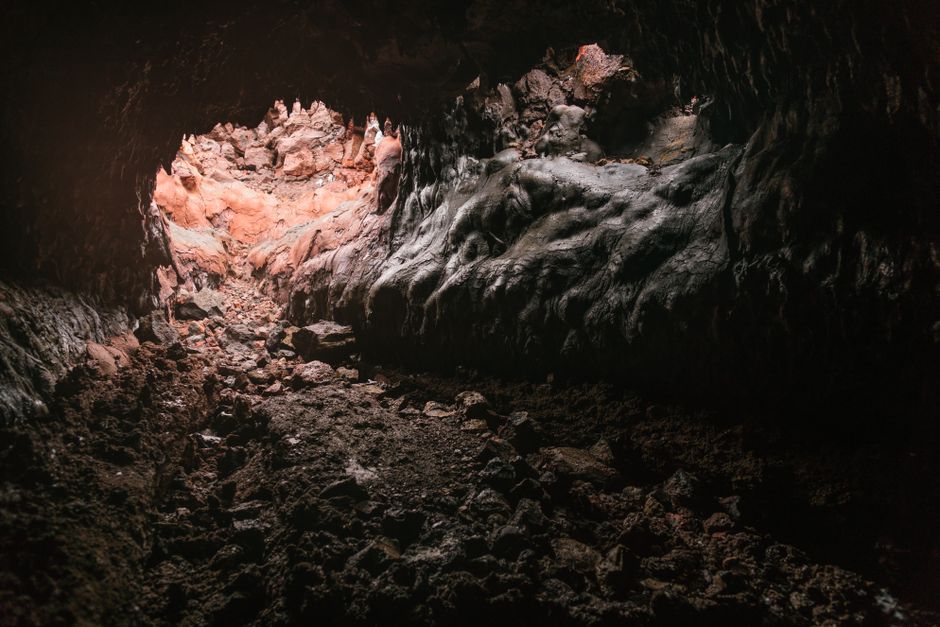
8. Undara's Lava Tubes
Undara Volcanic National Park, Queensland, Australia
Explore the remnants of an ancient supervolcano, which created the world's longest lava tube system, forming massive hollow tunnels now home to unique ecosystems.
Around 190,000 years ago, a massive volcanic eruption at Undara poured out vast rivers of molten rock across the landscape. As the outer layers cooled and solidified, the inner lava continued to flow, leaving behind hollow, cave-like tubes up to 160 kilometers long. These cool, dark tunnels provide a unique habitat for bats and other wildlife, offering a glimpse into a powerful geological past.
Frequently asked questions
Why is Australia considered for data centers?
Australia offers political stability, a strong economy, and access to renewable energy potential, making it an attractive location for large-scale data infrastructure investments, particularly for serving the Asia-Pacific region.
What makes Australia's natural sites so unique?
Australia's ancient geological history, isolation, and diverse climate have fostered unique ecosystems, endemic wildlife, and stunning landscapes, from the oldest rainforests to vast red deserts and intricate coastal formations, many found nowhere else on Earth.
Are these lesser-known Australian spots accessible to travelers?
Many lesser-known spots, while perhaps requiring more planning or off-road travel, are accessible. They often offer a more authentic and less crowded experience, connecting visitors deeper with Australia's natural and cultural heritage.
How can AllTours.ai enhance exploration of Australia's hidden gems?
AllTours.ai uses AI to provide instant audio tours. Simply point your phone camera at a landmark or landscape, and the app narrates its history, geology, and culture in your language, making even the most remote or overlooked places come alive with stories.
Photography via Pexels. AllTours.ai is an AI audio tour guide — point your camera at any landscape and hear its story.