September 23, 2026 · 4 min read
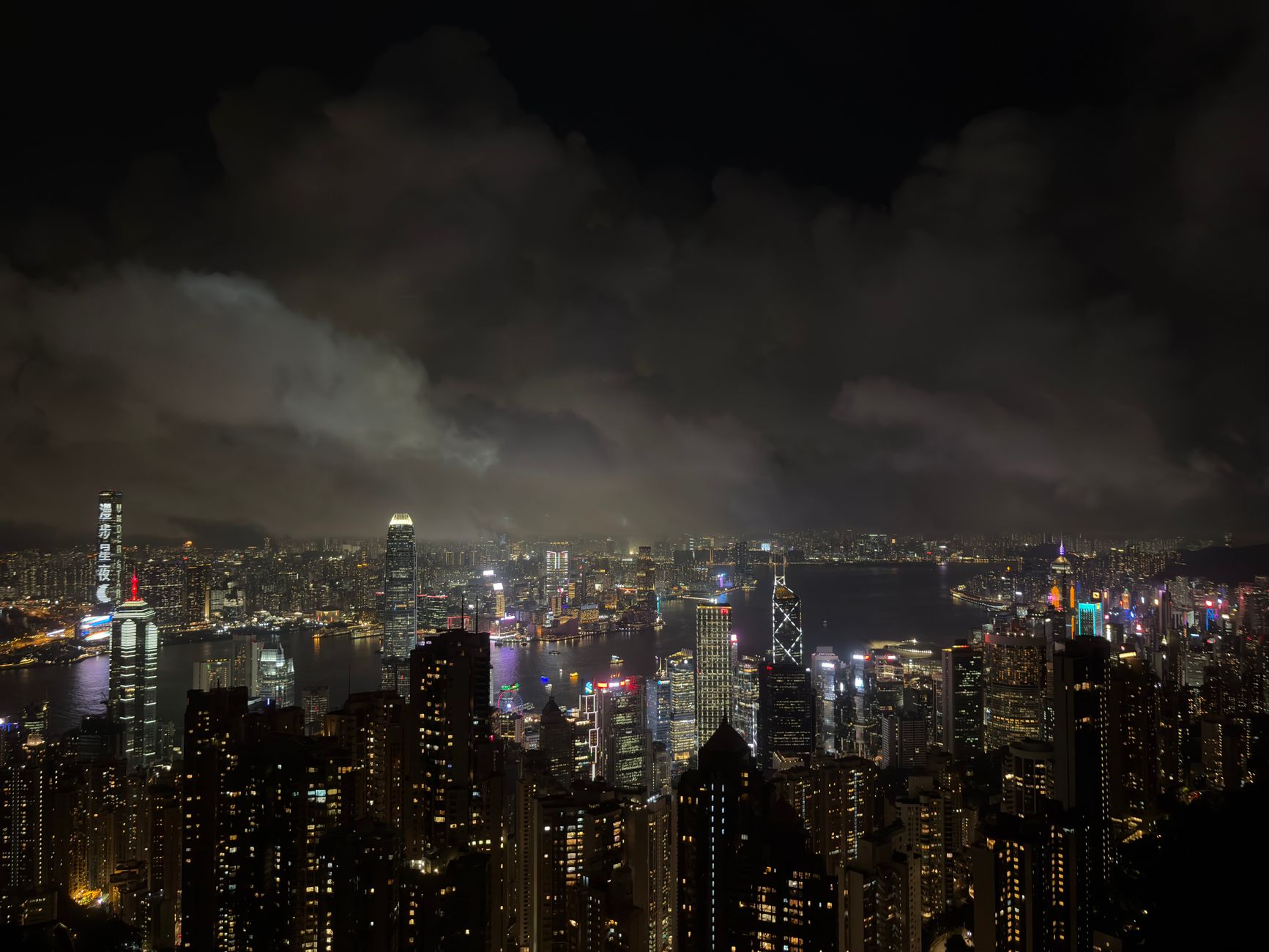
Hong Kong's Northern Metropolis is poised to become a colossal innovation hub, a vibrant counterpoint to Shenzhen's tech prowess. But before gazing into its future, it's crucial to understand the intricate layers of history, culture, and surprising ingenuity that already define this region. This isn't just about new infrastructure; it's about building on a foundation of fascinating stories.
Beyond the gleaming skyscrapers and planned tech parks lies a landscape rich with untold tales. From unique border communities to engineering feats that shaped a city, the Northern Metropolis holds clues to its potential, waiting to be discovered by curious minds.
1. The Street Split by Two Systems
Sha Tau Kok, Hong Kong
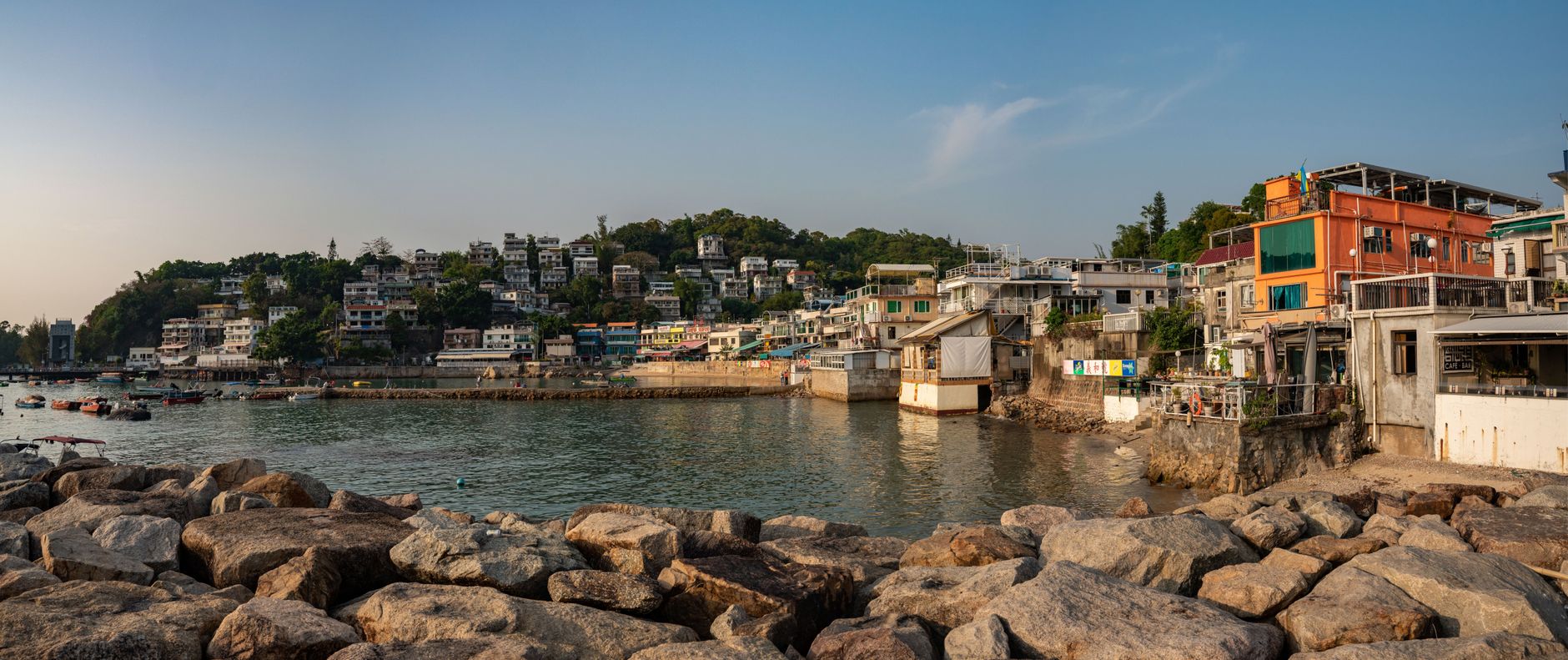
A single street here, Chung Ying Street, is bisected by the Hong Kong-Mainland China border, making it a unique zone of “one street, two systems.”
For decades, Chung Ying Street in Sha Tau Kok has existed in a geopolitical twilight zone. One side is Hong Kong, the other mainland China, delineated only by boundary markers and a shared pedestrian walkway. This peculiar arrangement fostered a unique grey market trade and cultural exchange, a real-world experiment in cross-border dynamics that prefigures the kind of integration envisioned for the Northern Metropolis. Understanding its past offers insights into future cooperation challenges and opportunities.
2. The Legacy of Brackish Water Gold
Lau Fau Shan, Hong Kong
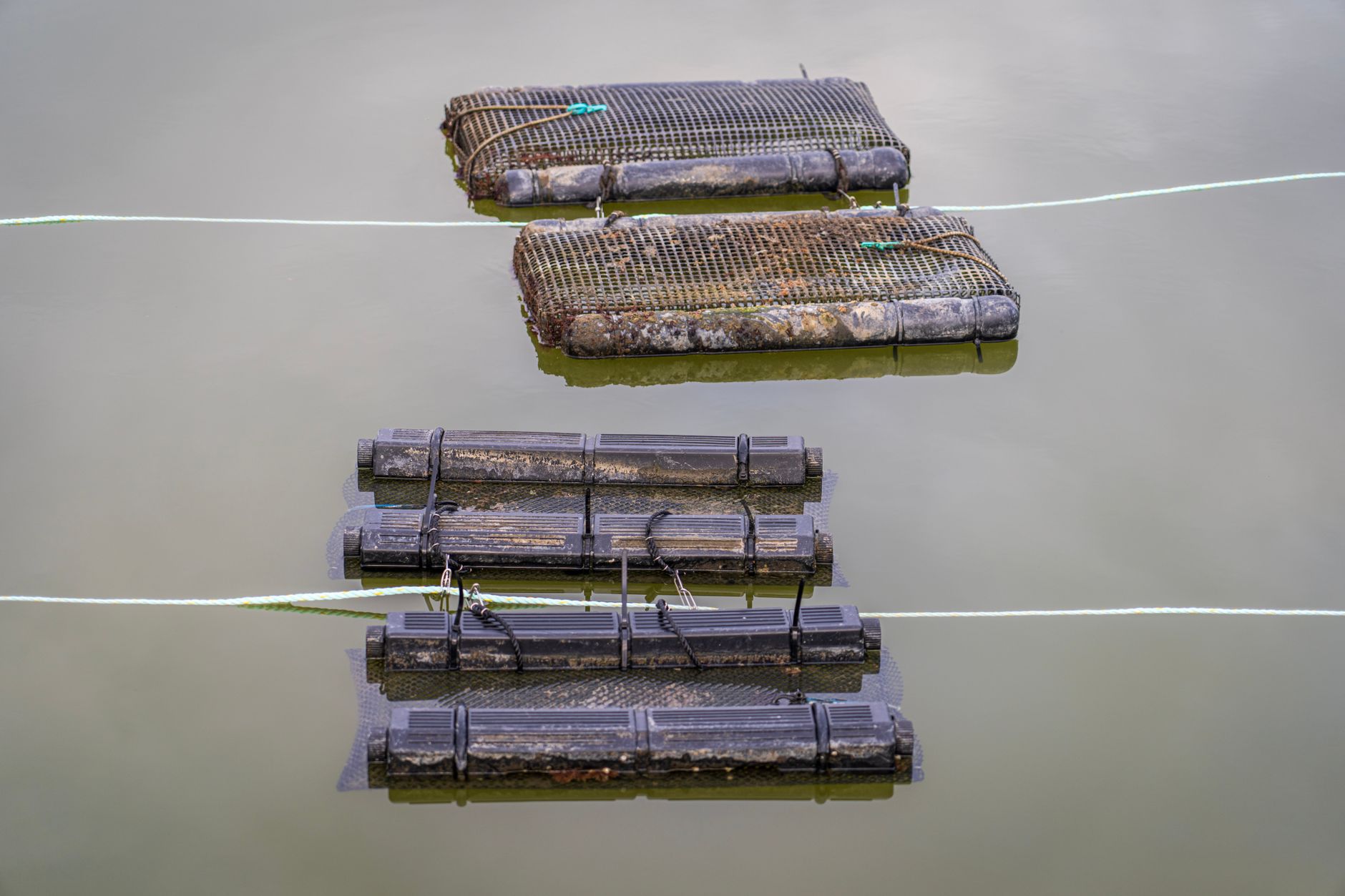
This coastal village built its livelihood for centuries on a unique oyster farming technique, transforming brackish water into a local delicacy.
Lau Fau Shan, perched on the Deep Bay coastline, has a heritage intertwined with its prized oysters. For generations, local farmers perfected methods of cultivating oysters in the unique mix of freshwater runoff and seawater, creating a distinctively flavored product. This traditional aquaculture, a form of natural innovation, provided sustenance and prosperity, demonstrating how local communities adapted to their environment to create economic value long before modern tech hubs emerged.
3. Quenching a City's Thirst: The Inland Sea
Plover Cove Reservoir Main Dam, Tai Po, Hong Kong
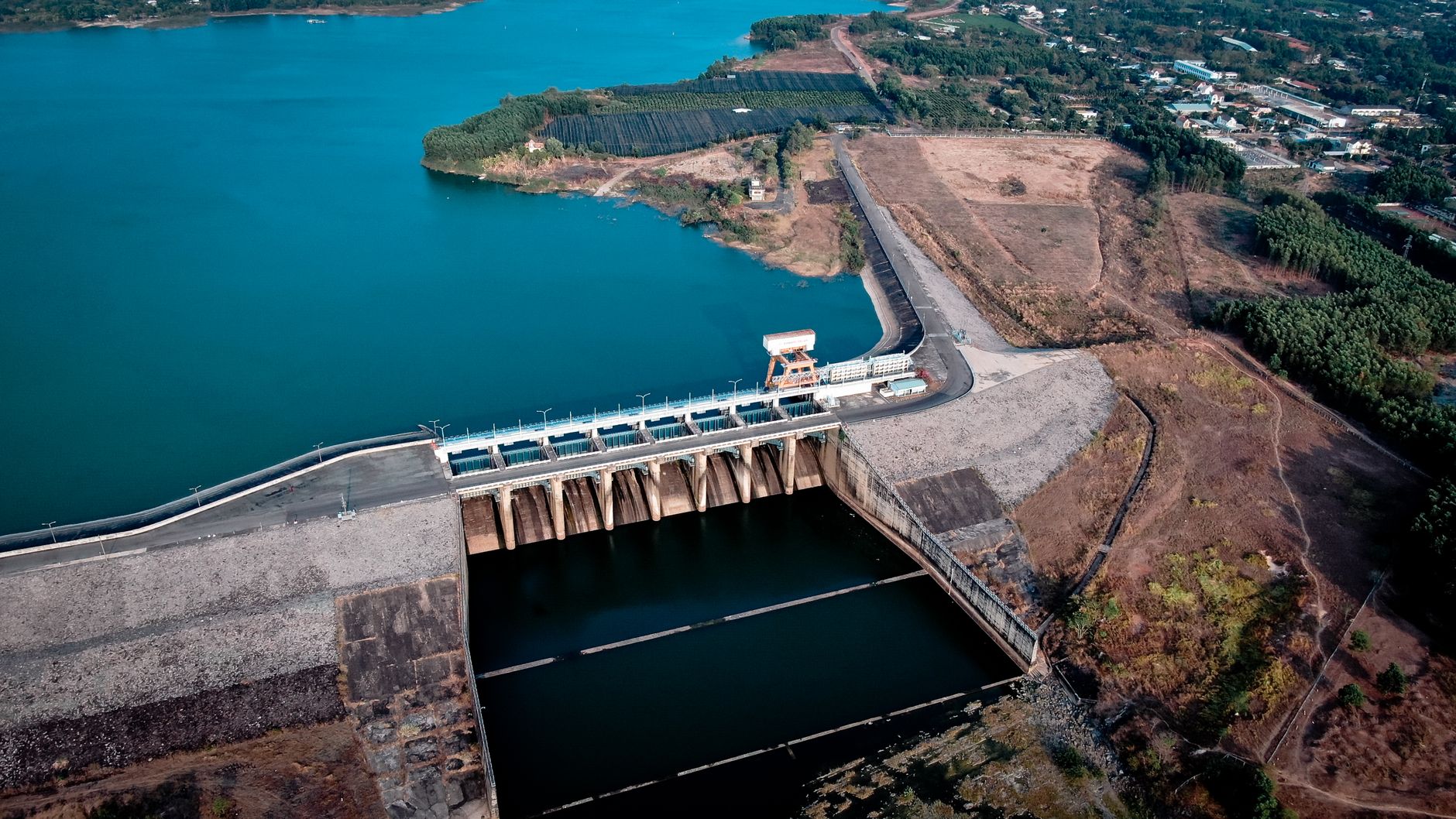
What appears to be a vast lake is actually Hong Kong's first “freshwater lake in the sea,” an audacious engineering feat from the 1960s.
Plover Cove Reservoir is not just a body of water; it's a testament to human ingenuity. Completed in 1968, engineers enclosed a sea inlet with dams, then drained and refilled it with fresh water. This monumental project dramatically increased Hong Kong's water supply, a critical innovation that fueled the city's rapid industrialization and population growth, directly enabling the urban expansion now continuing into the Northern Metropolis. It's a prime example of large-scale problem-solving.
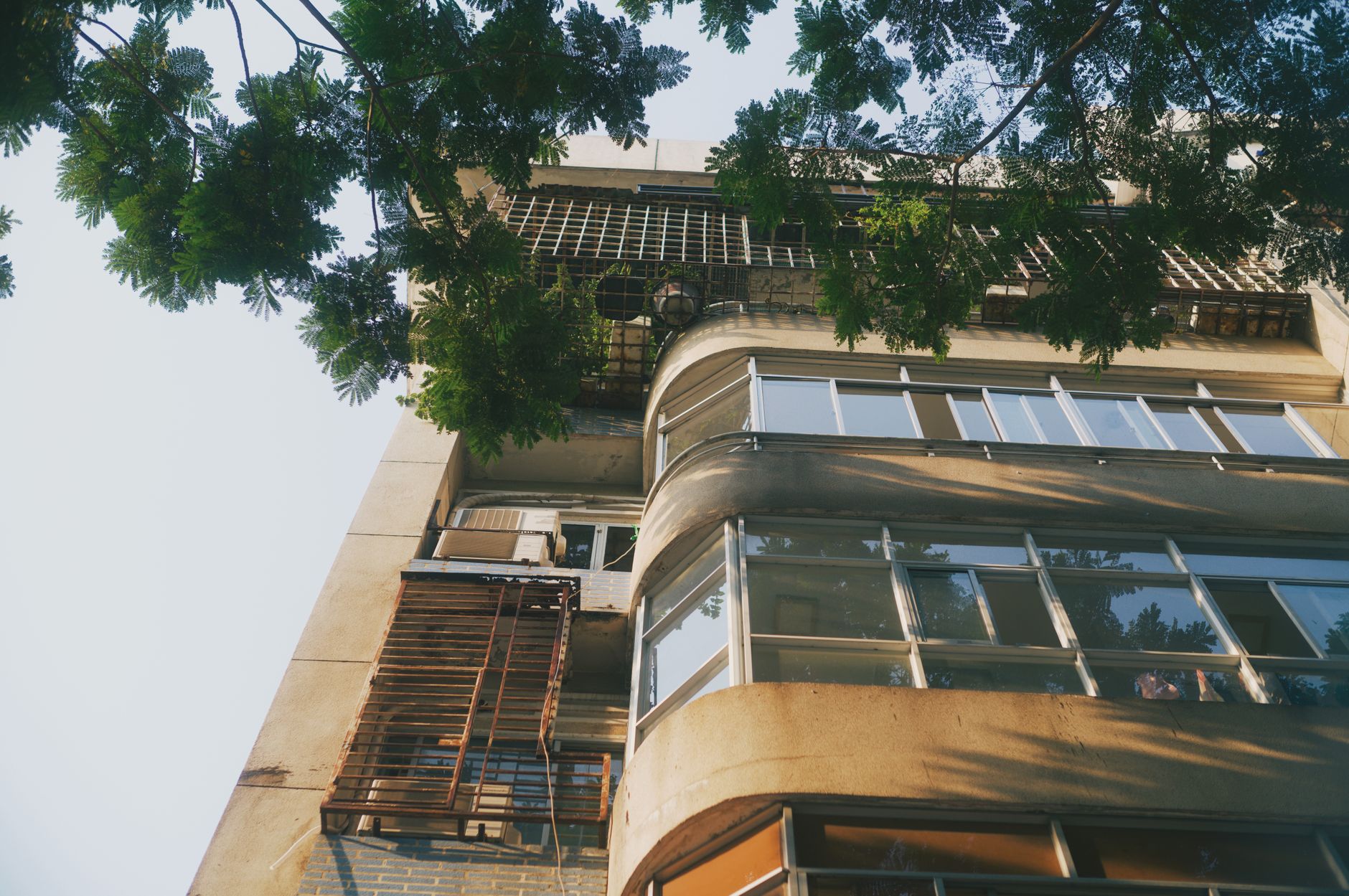
4. The Grand Mansion of Clan Power
Tai Fu Tai Mansion, San Tin, Hong Kong
This opulent 19th-century mansion, an architectural gem, reveals how local clans wielded economic and social power long before modern corporations.
Tai Fu Tai, built in 1865 for a high-ranking Qing official of the Man clan, is a lavish display of traditional Chinese architecture and intricate craftsmanship. Its grandeur reflects the immense influence and wealth accumulated by powerful clans in the New Territories, who controlled land, trade, and local governance for centuries. The mansion stands as a symbol of historical power structures and local entrepreneurship, offering a striking contrast to the corporate innovation hubs of today.
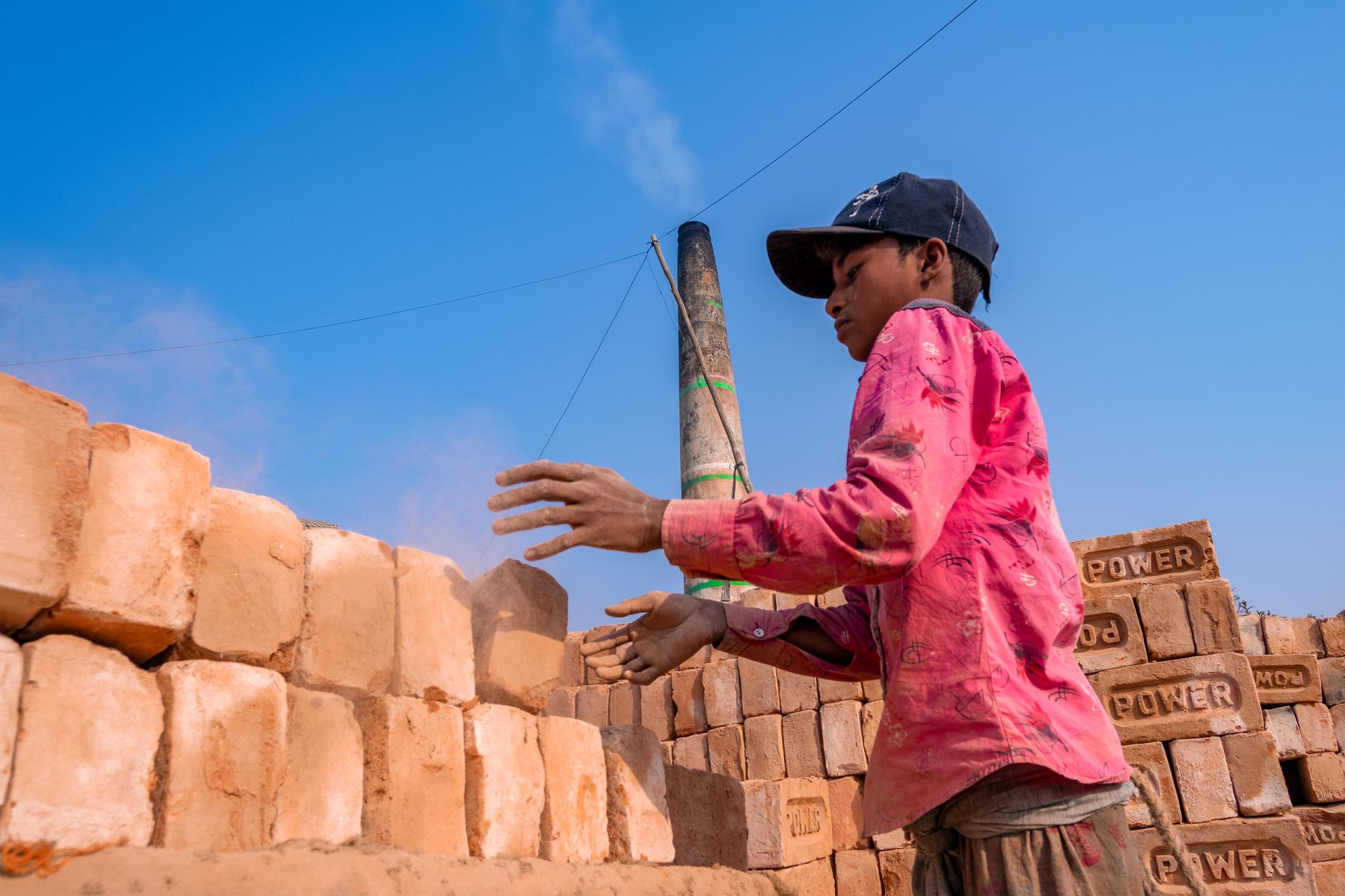
5. The Ghosts of Industry and Green Futures
Nam Sang Wai, Yuen Long, Hong Kong
Amidst tranquil wetlands and iconic paperbark trees lies the ghostly skeletal remains of Hong Kong's last brick kiln, a forgotten industrial giant.
Nam Sang Wai is renowned for its picturesque wetlands and scenic cycling paths, but hidden among the greenery is the stark outline of an old brick kiln. This site represents a bygone era of local industry, where bricks were fired to build the very foundations of Hong Kong's early expansion. Today, as the area transitions from industrial past to ecological preservation and future development, the kiln stands as a poignant reminder of economic transformation and the delicate balance between progress and nature.

6. Sanctuary for Fluttering Jewels
Fung Yuen Butterfly Reserve, Tai Po, Hong Kong
This small valley, surprisingly close to urban development, is a global hotspot for butterfly diversity, sustained by unique ecological management.
Fung Yuen is a living laboratory, a testament to effective conservation within a densely populated region. Home to over 200 species of butterflies, including rare ones, its existence relies on careful habitat management and community engagement. This reserve demonstrates that innovation isn't just about technology; it's also about pioneering sustainable ecological practices and integrating biodiversity into urban planning, a crucial consideration for any future innovation hub.
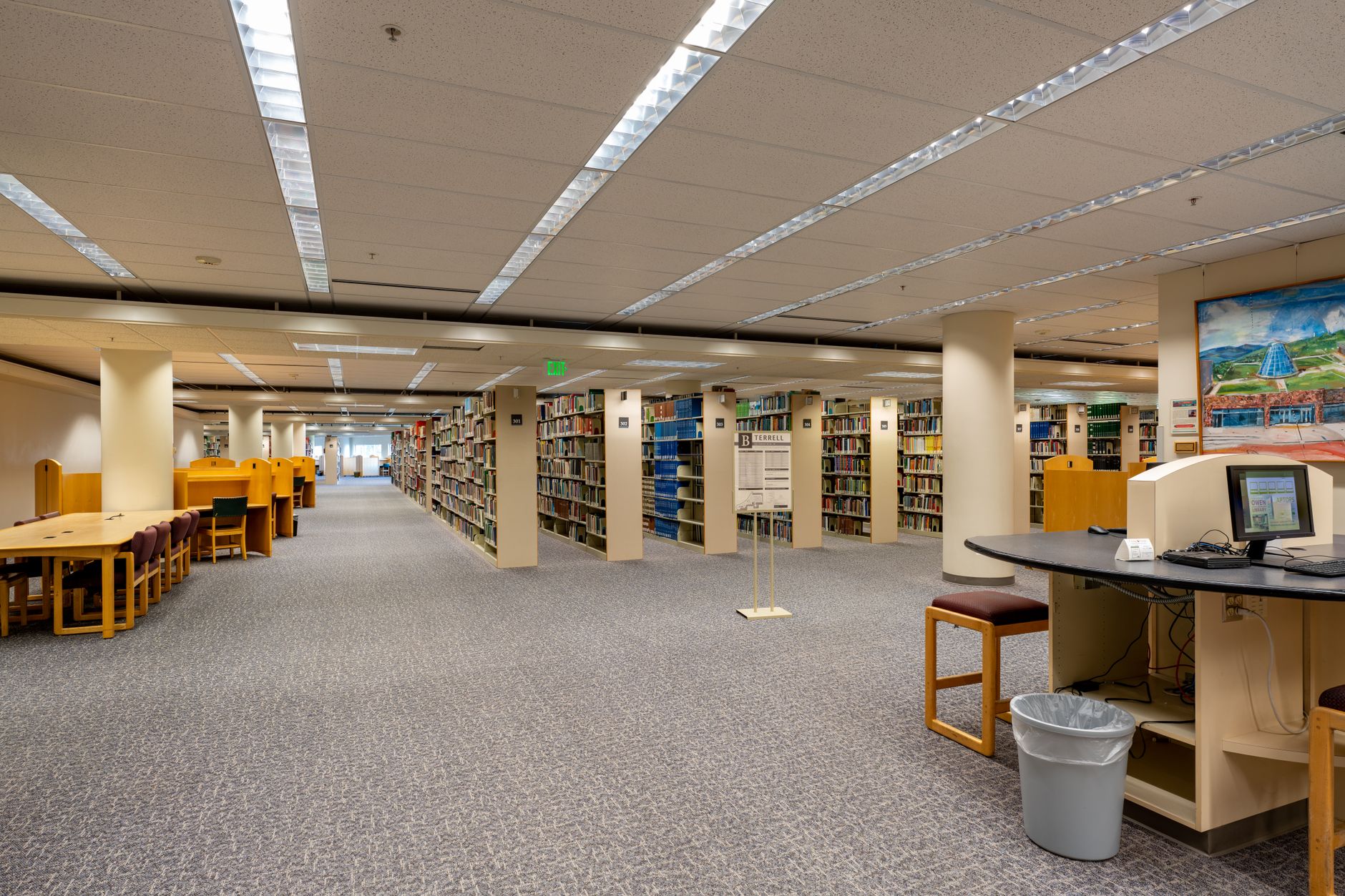
7. The Scholar's Path to Influence
Kun Ting Study Hall, Ping Shan, Hong Kong
This unassuming study hall, over 200 years old, was a cradle of education and a strategic tool for the Tang clan to secure power and influence.
While Ping Shan is known for its heritage trail, the Kun Ting Study Hall often gets less attention than the larger ancestral halls. Built in 1870, it wasn't just a school; it was a deliberate investment by the Tang clan to educate their young men, enabling them to pass imperial examinations and secure government positions. This focus on meritocratic advancement through education was a form of social innovation, ensuring the clan's continued prominence and reflecting a long-standing value placed on knowledge and strategic planning.
Frequently asked questions
What is the Northern Metropolis in Hong Kong?
The Northern Metropolis is a large-scale development plan in Hong Kong's New Territories, bordering Shenzhen. It aims to transform the region into a major innovation and technology hub, integrating residential, commercial, and ecological spaces. It's envisioned as a new growth engine for Hong Kong.
How does the Northern Metropolis connect with Shenzhen?
The plan emphasizes enhanced connectivity and integration with Shenzhen, particularly in areas like innovation, technology, and cross-border exchanges. It aims to leverage Shenzhen's tech ecosystem while offering Hong Kong's unique advantages in finance, rule of law, and international connections.
What kind of innovation is expected in the Northern Metropolis?
The Northern Metropolis is slated to focus on a wide range of innovation, including advanced manufacturing, biotechnology, artificial intelligence, and sustainable urban development. It aims to create a vibrant environment for startups, research institutions, and tech companies, drawing on talent from both Hong Kong and mainland China.
How can the AllTours.ai app enhance exploration of places like the Northern Metropolis?
AllTours.ai transforms your phone into an AI-powered audio tour guide. Simply point your camera at any landmark, landscape, or historical site in the Northern Metropolis, and the app will instantly narrate its history, geology, and culture in your language, bringing hidden stories to life as you explore.
Photography via Pexels. AllTours.ai is an AI audio tour guide — point your camera at any landscape and hear its story.