June 6, 2026 · 4 min read
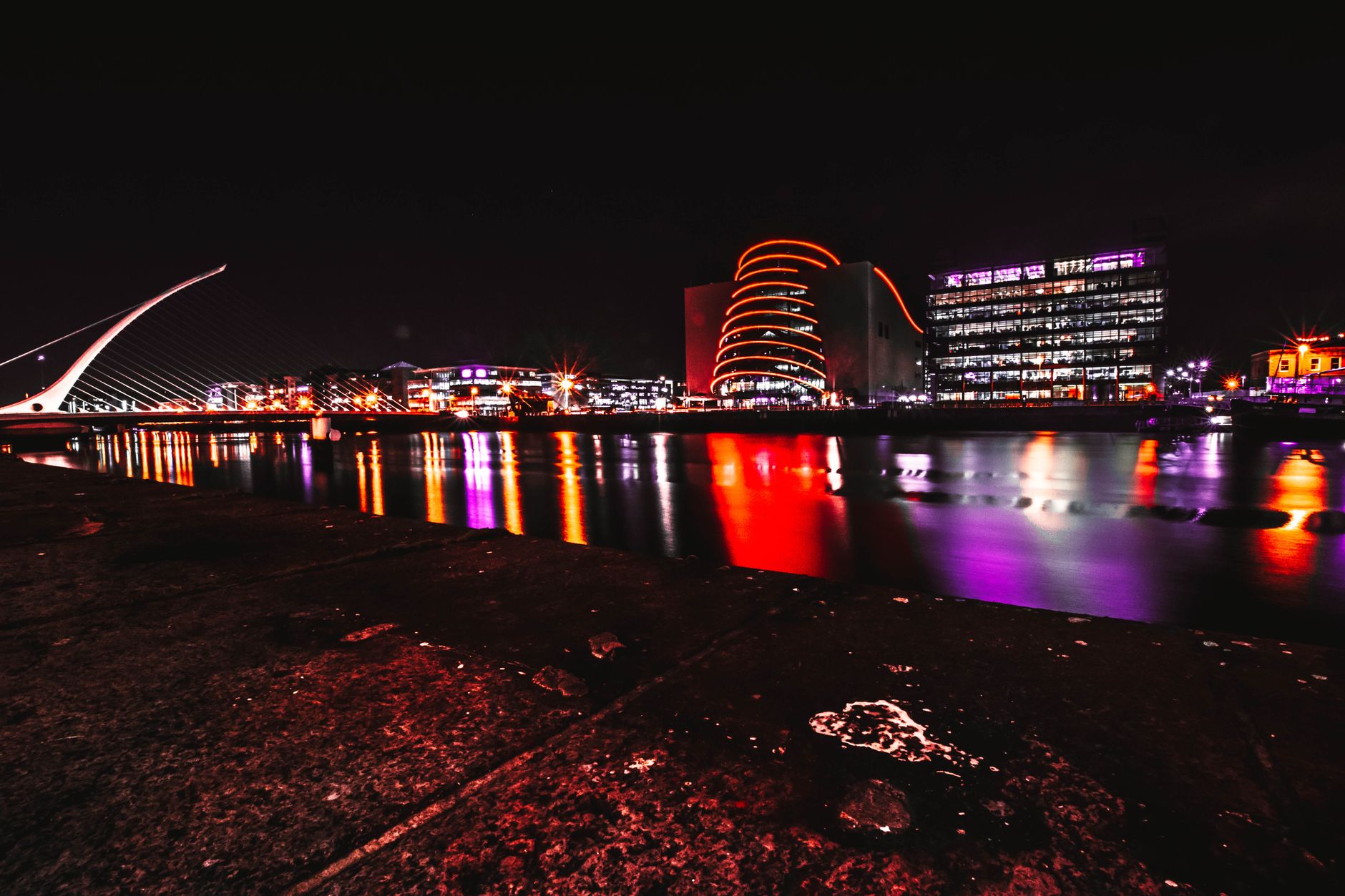
Dublin is famous for its lively pubs, traditional music, and iconic landmarks like Trinity College and Grafton Street. But beyond the well-trodden paths lies another Dublin, a city brimming with fascinating, lesser-known stories waiting to be discovered by the curious traveler.
These are the places where history whispers from behind closed doors, where everyday life from centuries past is preserved in intricate detail, and where monumental figures rest in unexpected grandeur. Prepare to delve into the heart of Dublin's social history, uncovering the hidden gems that truly define its character.
1. The Caged Pursuit of Knowledge
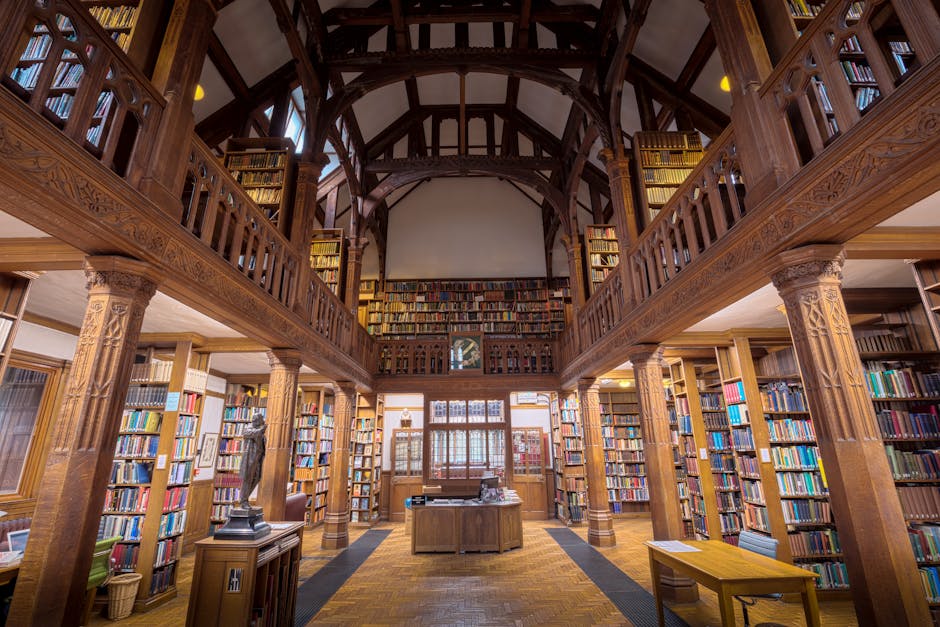
Marsh's Library, Dublin, Ireland
Inside Ireland's oldest public library, valuable books were once chained, and readers were locked into cages to prevent theft.
Built in 1707, this remarkably preserved library offers a direct portal to 18th-century intellectual life. Scholars would apply to read rare texts, and for the most precious volumes, they were escorted into wire cages to ensure no pages were torn or books spirited away. The silent, atmospheric alcoves still hold over 25,000 books, many bearing marginalia from famous historical figures, whispering tales of forgotten debates.
2. The Liberator's Final Resting Place
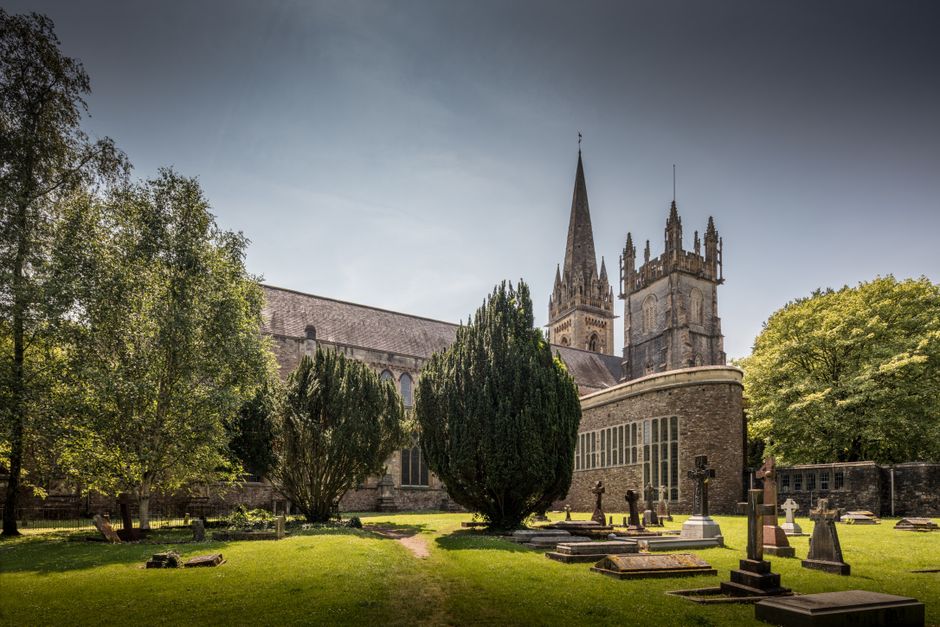
Glasnevin Cemetery, Dublin, Ireland
Ireland's most revered cemetery is home to a towering monument to Daniel O'Connell, whose body was interred, but his heart was sent to Rome.
More than just a burial ground, Glasnevin is a sprawling outdoor museum of Irish history, culture, and social change. Its most prominent feature is the O'Connell Tower, marking the grave of 'The Liberator,' Daniel O'Connell, a pivotal figure in gaining Catholic Emancipation. The cemetery broke sectarian norms by allowing burials for people of all faiths, becoming a symbol of national identity and a resting place for countless historical figures, each grave telling a story of struggle and triumph.
3. A Soap Opera in Stone
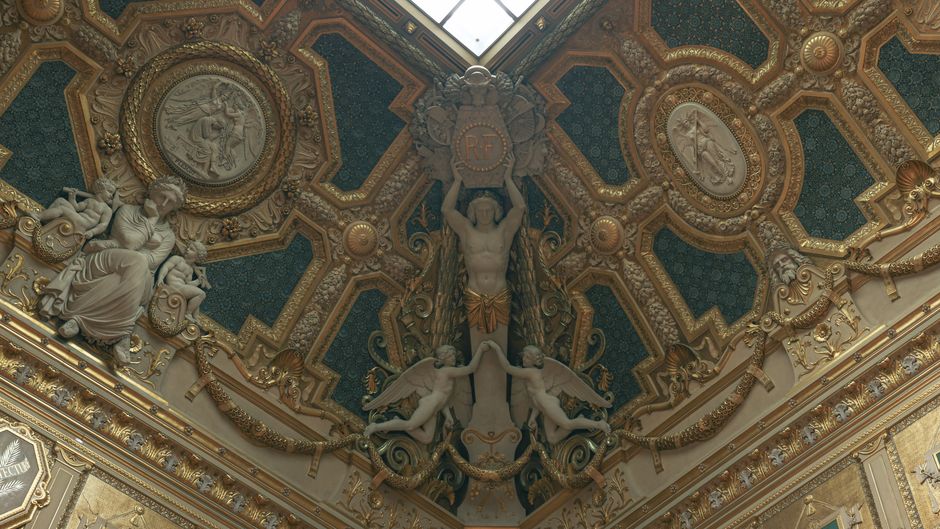
Sunlight Chambers, Dublin, Ireland
This unassuming building façade depicts a playful, detailed frieze illustrating the journey of soap from raw materials to a sparkling clean household.
Tucked away on Parliament Street, the Sunlight Chambers building, once offices for Lever Brothers soap company, boasts one of Dublin's most charming and unique architectural features. Its detailed terracotta frieze, commissioned in the early 20th century, humorously chronicles the production and use of Sunlight Soap. From harvesting palm oil to washing clothes, the frieze offers a fascinating glimpse into early advertising, industrial processes, and the social history of hygiene, all immortalized in brick.
4. Dublin's People-Powered Story
Little Museum of Dublin, Dublin, Ireland
This charming museum is entirely curated by public donations, telling Dublin's 20th-century story through everyday objects.
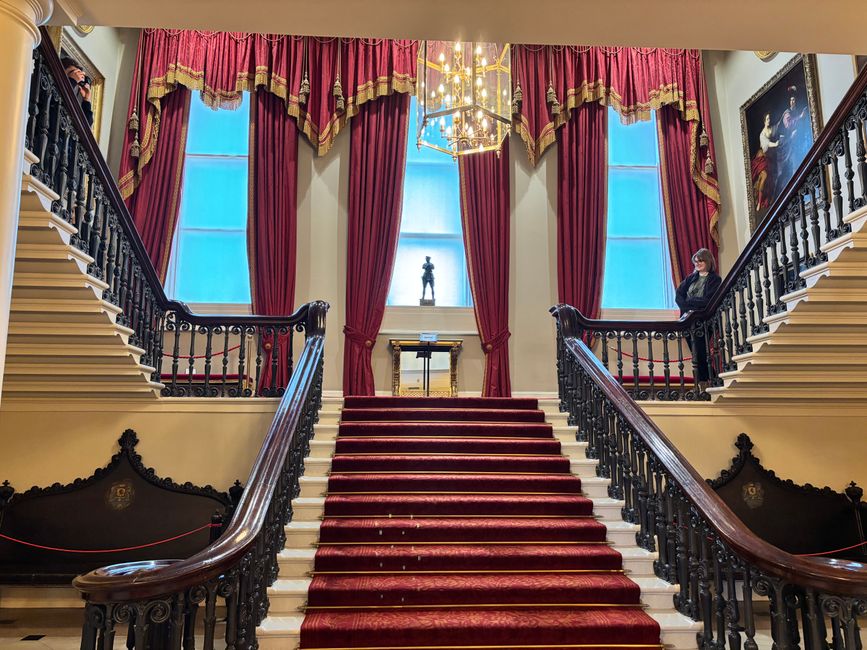
Housed in a Georgian townhouse, the Little Museum offers an intimate and often humorous journey through Dublin's recent past. Unlike grand national institutions, its collection is built entirely from artifacts gifted by the public, ranging from U2 memorabilia to old milk bottles and personal letters. Each item comes with a story, often shared by the passionate local guides, making the city's history feel deeply personal and connecting visitors directly to the lives of ordinary Dubliners.
5. Dublin's Secret Victorian Oasis
Iveagh Gardens, Dublin, Ireland
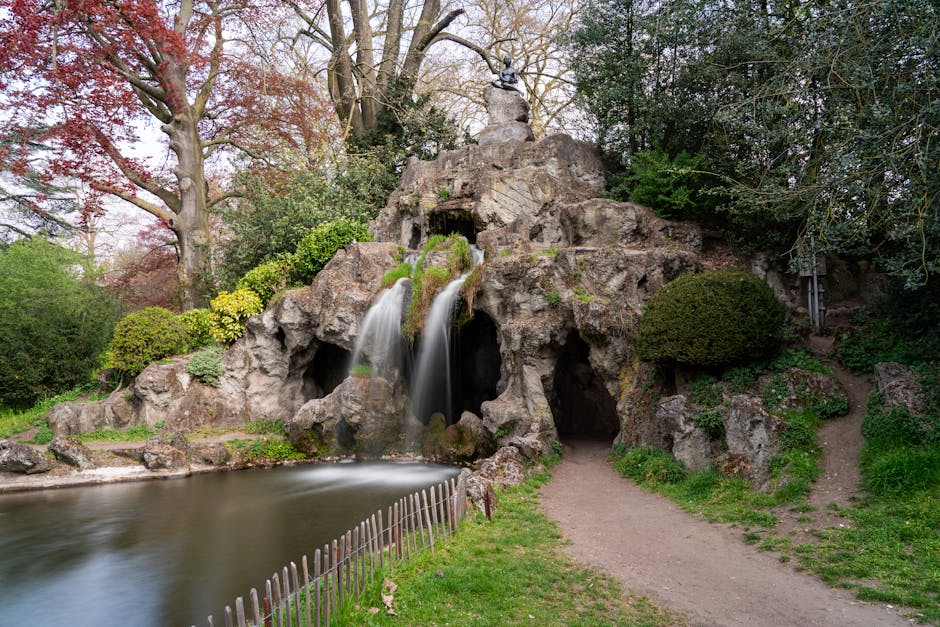
Hidden behind the National Concert Hall, these formal Victorian gardens feature a cascading waterfall, a labyrinth, and a rosarium, largely unknown to tourists.
Once a private garden for the Earls of Clonmell, and later part of University College Dublin, the Iveagh Gardens are a rare example of a surviving 19th-century landscape. Designed by Ninian Niven, they boast a sunken lawn, a meticulously planned rosarium, and a unique maze of yew hedges. The unexpected waterfall, flowing into a rustic grotto, adds to the sense of discovery, offering a tranquil escape just steps from the bustling city streets, a true urban sanctuary.
6. A Glimpse into Georgian Life
Number 29, Dublin, Ireland
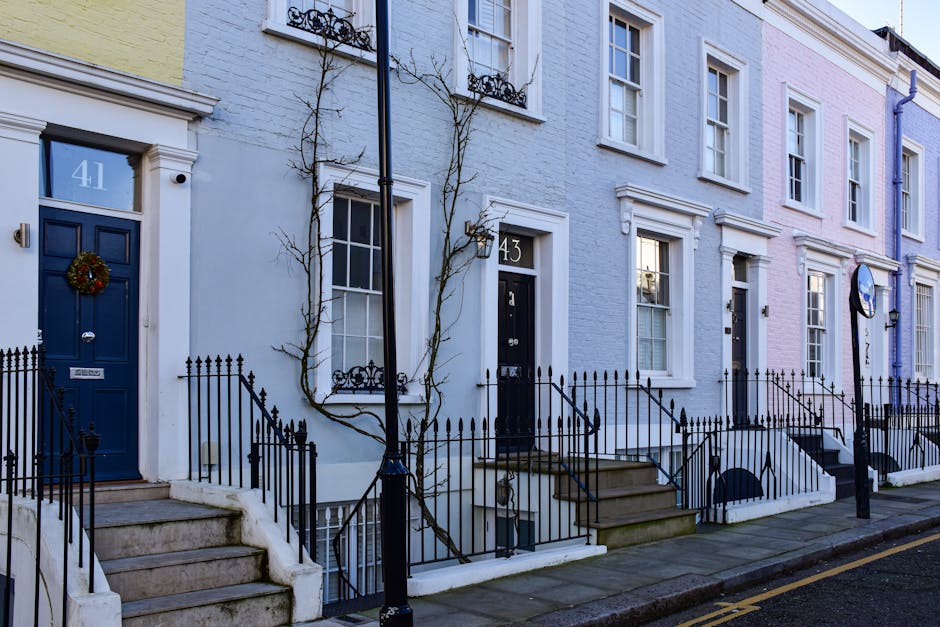
Step back in time to a meticulously restored Georgian townhouse, showcasing the domestic life of a middle-class Dublin family between 1790 and 1820.
This unique museum is a fascinating window into Dublin's opulent Georgian era, focusing not on the aristocracy but on the daily lives of a typical family and their servants. From the basement kitchen to the elegant drawing rooms, every detail, from furniture to utensils, is authentic to the period. The house vividly illustrates the social hierarchy, domestic routines, and cultural trends of the time, revealing the aspirations and challenges faced by residents of Dublin's elegant Merrion Square.
7. The Perfect Folly
Casino at Marino, Dublin, Ireland
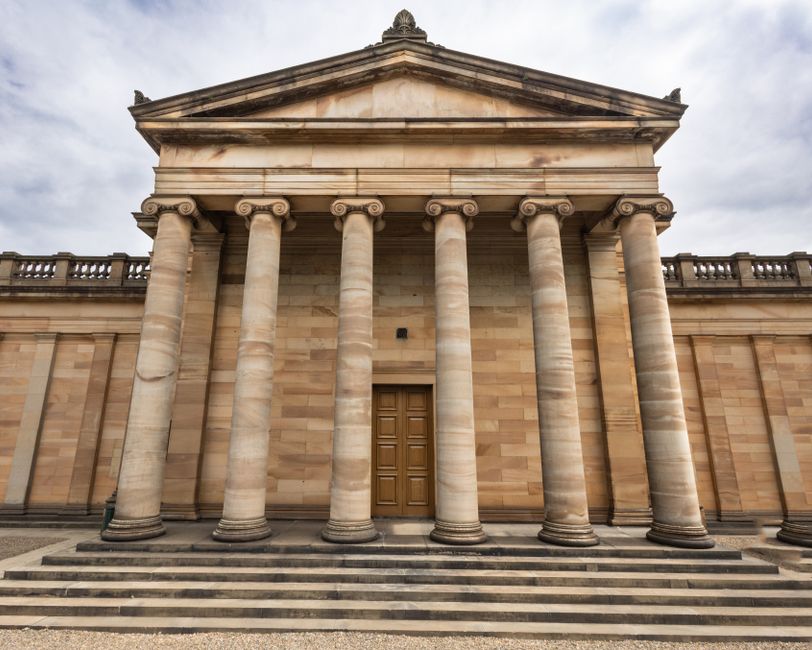
This seemingly modest garden temple is in fact a grand, fully-equipped villa, ingeniously disguised with hidden chimneys and concealed doors.
Designed by Sir William Chambers in the late 18th century for James Caulfeild, 1st Earl of Charlemont, the Casino at Marino is considered one of Ireland's finest examples of neoclassical architecture. From the outside, it appears to be a single-room garden pavilion, but inside, it reveals 16 perfectly proportioned rooms across three floors. Its ingenious design hides fireplaces within columns and rainwater pipes inside walls, making it a masterpiece of architectural illusion and a testament to Georgian ingenuity.
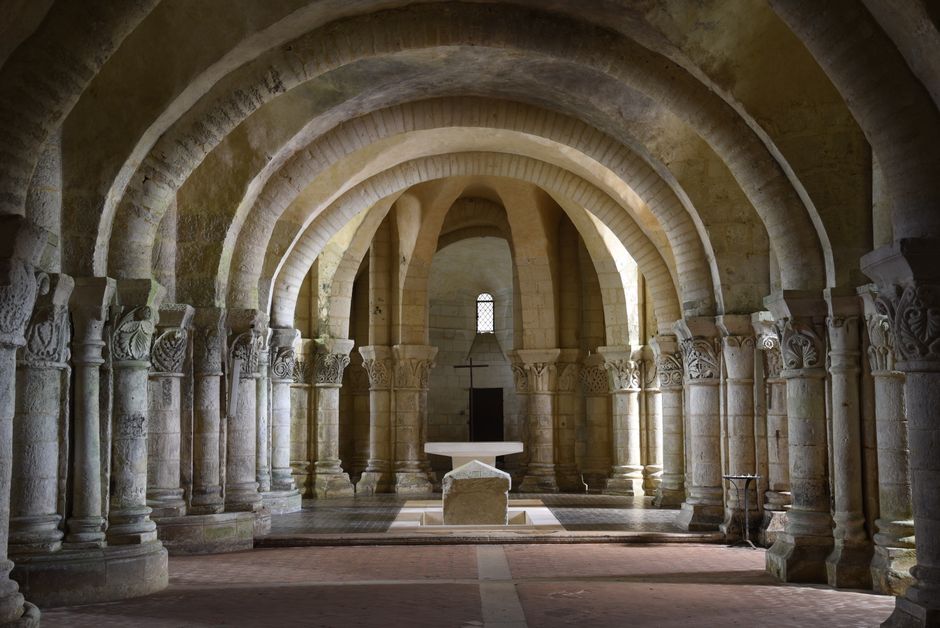
8. The Mummified Crypts of St. Michan's
St. Michan's Church, Dublin, Ireland
Descend into the crypts of this ancient church to discover naturally mummified remains, including one said to be that of a Crusader.
Dating back to 1095, St. Michan's is one of Dublin's oldest churches and holds a chilling secret beneath its floors. The dry, limestone-rich air in its vaults has naturally preserved bodies for centuries, leading to several open coffins revealing leathery, mummified remains. Visitors can see these eerie figures, including a 400-year-old 'Crusader' with his legs broken, and hear stories of famous figures like Robert Emmet and the Sheares brothers, whose bodies once lay here.
Frequently asked questions
What are some non-touristy things to do in Dublin?
Beyond the main attractions, explore places like Marsh's Library with its historic reading cages, wander the verdant Iveagh Gardens, or delve into local stories at the Little Museum of Dublin. These spots offer a quieter, more authentic glimpse into the city's character.
Is Dublin walkable for exploring hidden gems?
Yes, central Dublin is highly walkable, making it ideal for discovering hidden gems. Many of the city's less-known treasures, such as the Sunlight Chambers frieze or Number 29 Georgian House, are clustered within comfortable walking distance of each other.
What's a unique historical site in Dublin?
St. Michan's Church offers a truly unique historical experience with its crypts containing naturally mummified remains, including a supposed Crusader. It provides a fascinating, albeit macabre, insight into centuries of Dublin's past and burial practices.
How can AllTours.ai help me discover Dublin's hidden stories?
AllTours.ai brings the stories of Dublin's hidden gems to life. Simply point your phone camera at a landmark or landscape, and the app will instantly narrate its rich history, geology, and culture in your preferred language, transforming your exploration into an immersive journey.
Photography via Pexels. AllTours.ai is an AI audio tour guide — point your camera at any landscape and hear its story.