July 19, 2026 · 4 min read
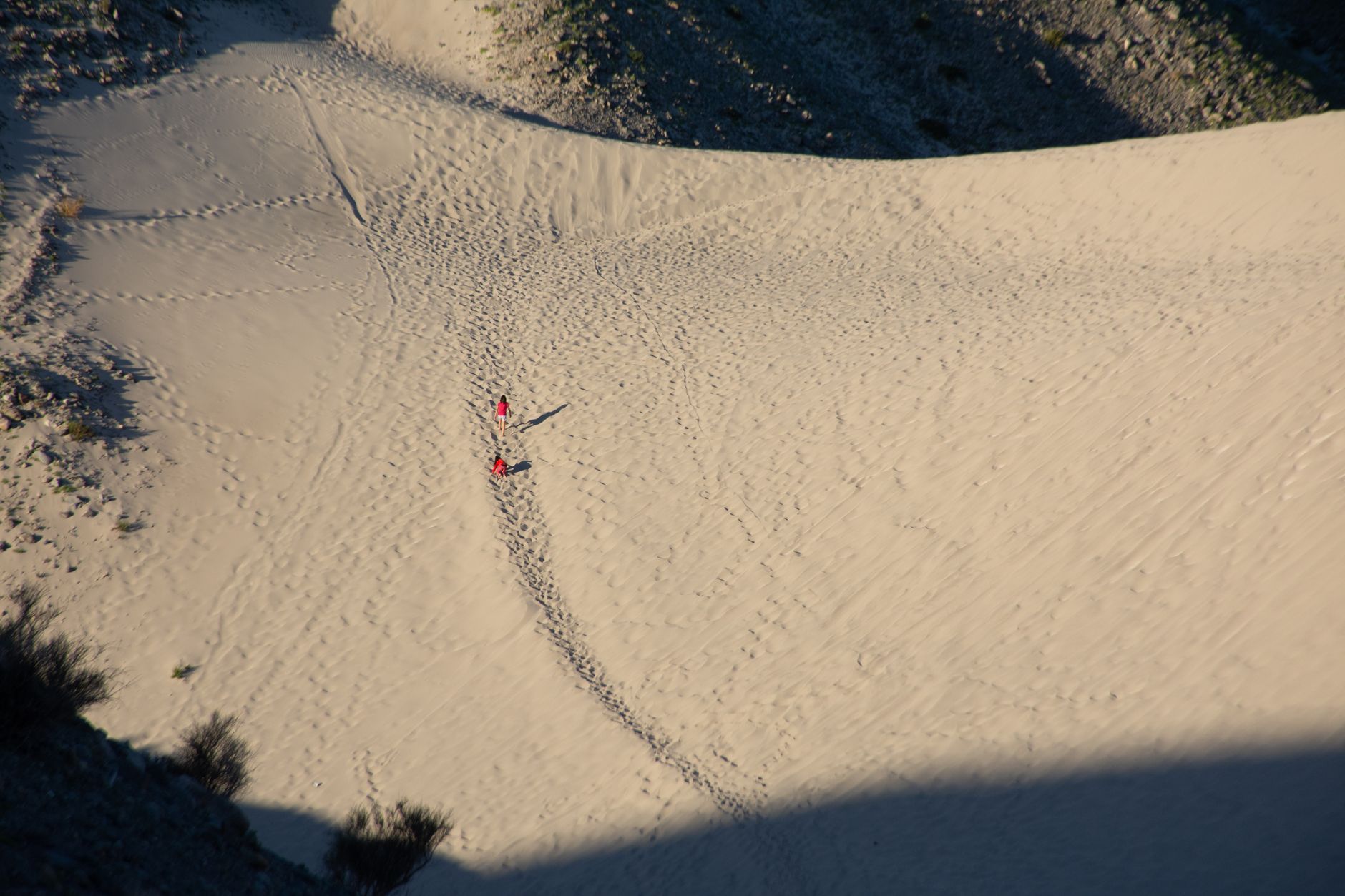
The desert holds stories etched in sand and stone, tales of survival, hospitality, and profound connection to the land. For centuries, Bedouin communities have navigated and thrived in these arid expanses, developing a unique understanding of their environment. This deep well of knowledge doesn't just reside in history books; it actively shapes how we approach modern desert exploration.
When designing tours for today's international visitors, the wisdom of Bedouin traditions offers invaluable insights. It's about more than just seeing sites; it's about understanding the ingenuity behind ancient water systems, the meaning in rock art, and the enduring spirit of desert hospitality. We look beyond the well-trodden paths to uncover places where these traditions still resonate, offering a richer, more authentic encounter with the desert's soul.
1. Ancient Art, Living Guide
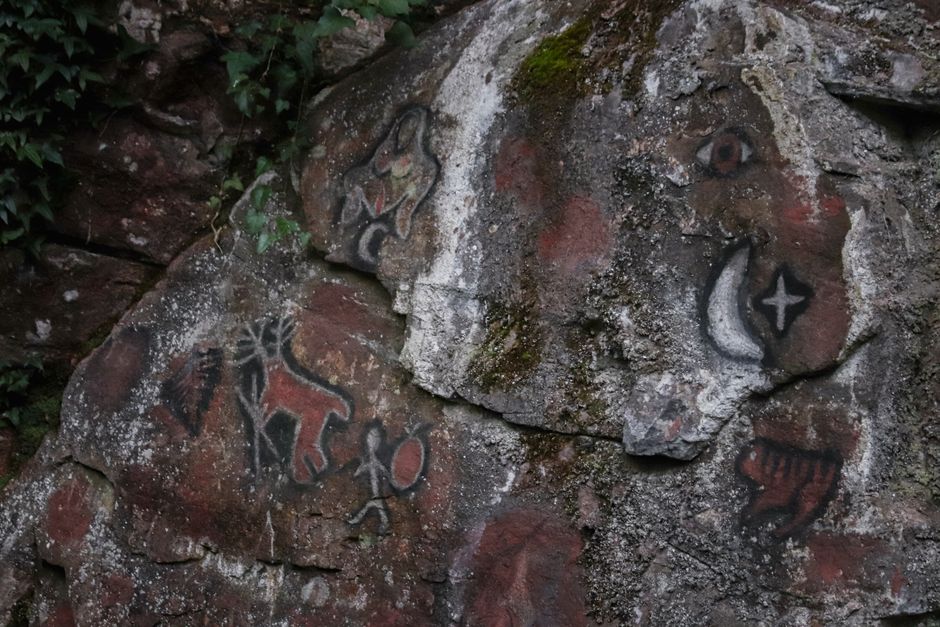
Anfashieh Inscriptions, Wadi Rum, Jordan
Here, ancient rock art isn't just history; it's a living map, interpreted by local Bedouin who trace their lineage to these very lands.
Tucked away in Wadi Rum, the Anfashieh Inscriptions feature a sprawling gallery of Thamudic and Nabataean petroglyphs depicting camels, human figures, and hunting scenes. While accessible, the true depth of these carvings is unlocked by Bedouin guides. They don't just point out figures; they explain how these images once served as navigational markers, water source indicators, or records of important events, connecting visitors directly to millennia of desert survival wisdom.
2. The Desert's Open-Air Library
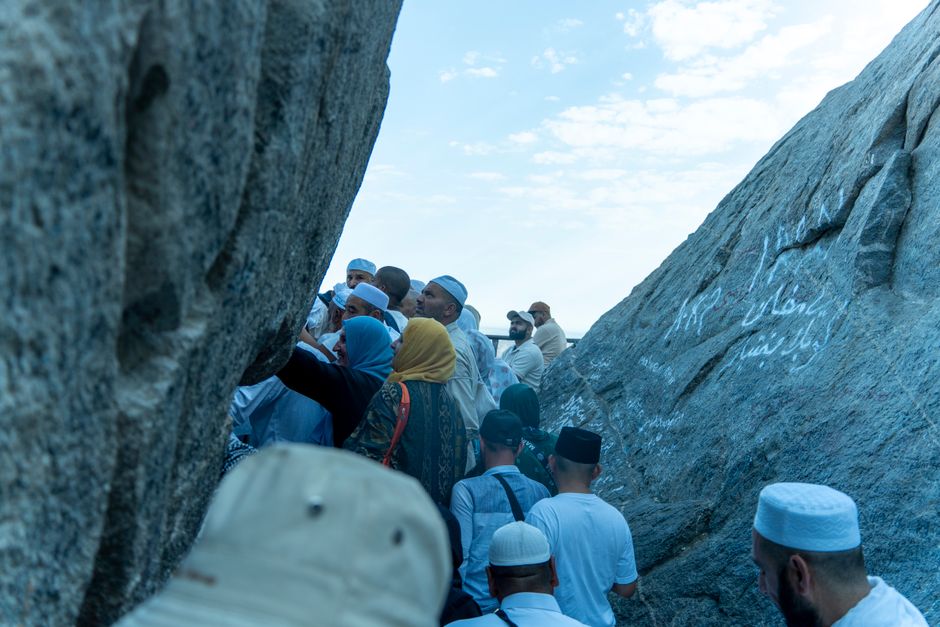
Jabal Ikmah, AlUla, Saudi Arabia
This 'open-air library' of meticulously carved inscriptions reveals ancient laws, offerings, and pilgrim stories, echoing the Bedouin's oral tradition of knowledge preservation.
Jabal Ikmah is a monumental natural archive, boasting hundreds of inscriptions in various ancient scripts including Dadanitic, Lihyanite, and Aramaic. Unlike more famous sites, its focus is on everyday life, trade routes, and religious decrees from millennia ago. Understanding these requires more than just translation; it demands an appreciation for how information was passed down through generations, much like the Bedouin's own rich oral histories and poetic traditions that keep stories alive in the desert.
3. The Lost City Remembered by Song
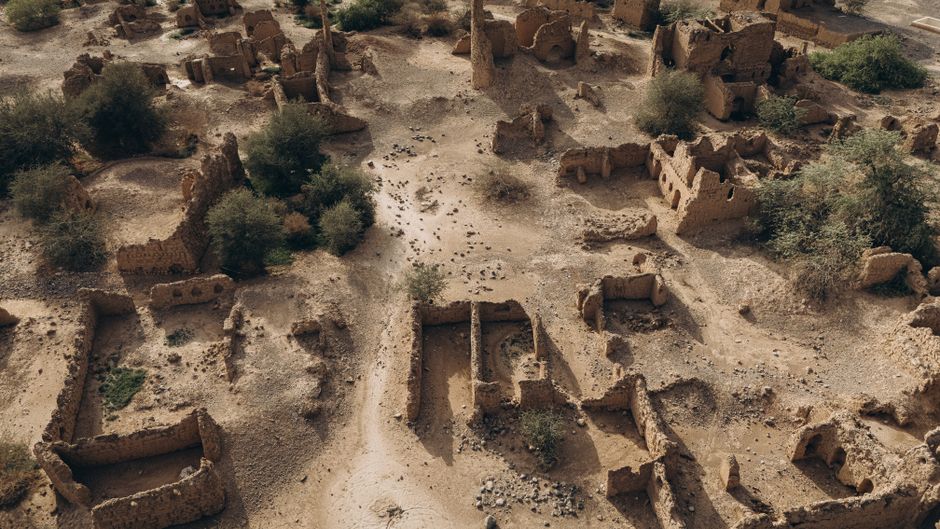
Ubar (Wabar), Empty Quarter, Oman
The legendary 'Lost City of Ubar,' swallowed by the sands, was eventually pinpointed by modern archaeologists using satellite imagery – but only after local Bedouin oral histories guided their search.
Deep within the Empty Quarter lies the archaeological site of Ubar, an ancient frankincense trading post. Its discovery in the 1990s was a triumph of technology combined with traditional knowledge. Bedouin oral traditions spoke of a grand city, 'Wabar,' whose inhabitants were punished and whose city vanished beneath the dunes. These enduring stories, passed down through generations of desert nomads, proved crucial in directing researchers to the precise location, illustrating the profound accuracy embedded in Bedouin collective memory.
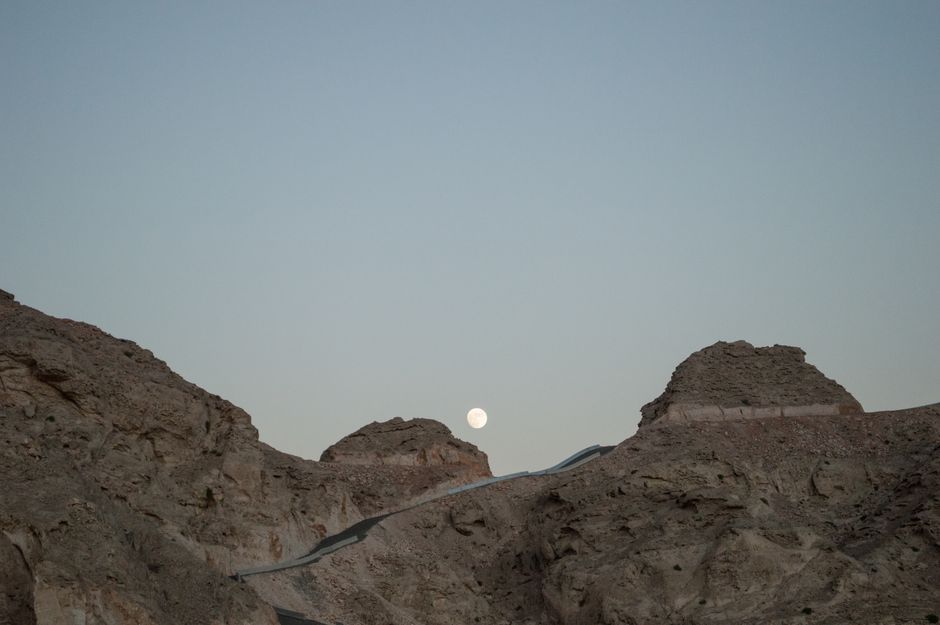
4. Bronze Age Nomads
Jabal Hafeet Tombs, UAE
At the base of a towering mountain, thousands of Bronze Age beehive tombs stand as silent witnesses to early nomadic life, predating modern borders and cities.
The foothills of Jabal Hafeet are home to over 500 ancient burial sites dating back 5,000 years. These unique beehive-shaped tombs offer a rare glimpse into the lives of early inhabitants who roamed the region. While not strictly Bedouin in the modern sense, these structures represent the deep human history of desert dwelling, showcasing early adaptations to the environment and establishing patterns of movement and resource utilization that would eventually shape later nomadic cultures in the Arabian Peninsula.
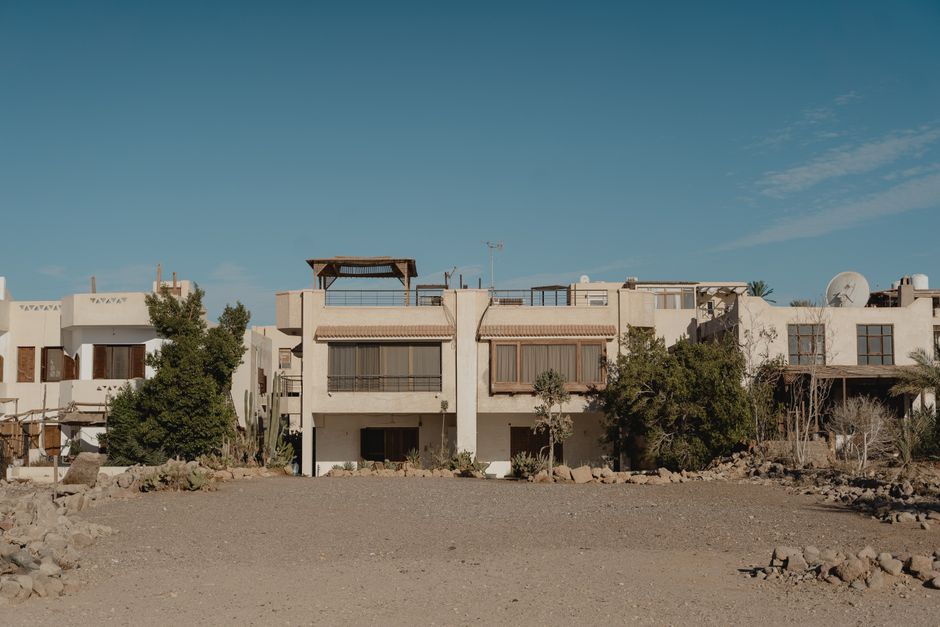
5. Copper from the Canyon
Feynan Ecolodge Area, Dana Biosphere Reserve, Jordan
In a remote canyon, ancient copper mines dating back 6,000 years reveal a complex industrial past sustained by local Bedouin knowledge and hospitality.
The Feynan area, part of Jordan's largest nature reserve, is not just breathtakingly beautiful; it's an archaeological treasure. Evidence of extensive copper mining and smelting operations dates back to the Chalcolithic period. Modern tours here are often led by local Bedouin, who share insights into the land's history, their own traditions of hospitality, and their ancestors' resourcefulness in extracting and trading valuable minerals from this harsh environment, highlighting a sustainable relationship with the desert.
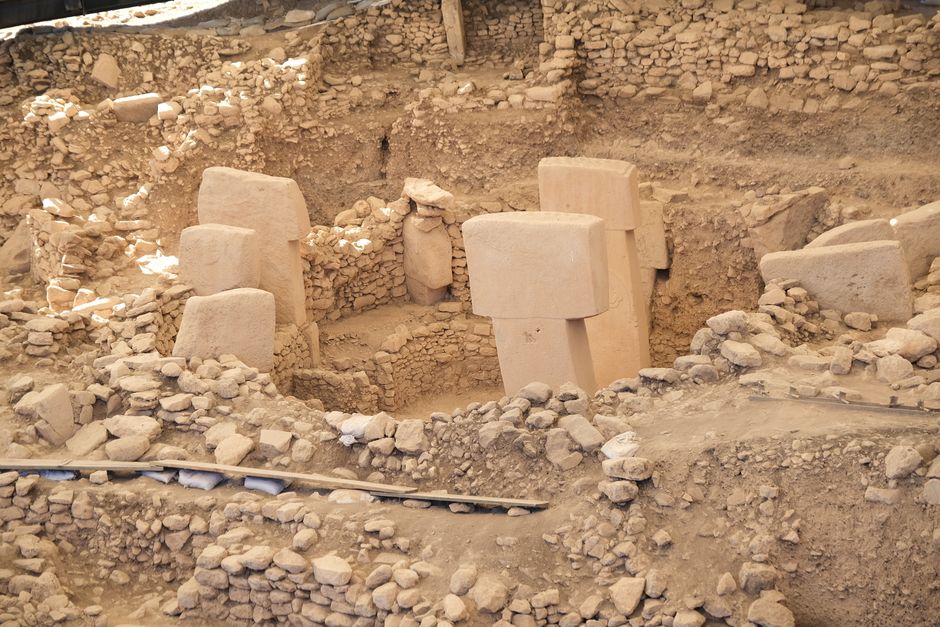
6. Oasis Temple, Shifting Sands
Qasr Qarun, Fayoum Oasis, Egypt
This Greco-Roman temple, seemingly out of place in the desert, is a testament to the ancient understanding of the Fayoum Oasis's dynamic hydrology and the art of desert-edge survival.
Qasr Qarun, a well-preserved Ptolemaic-Roman temple, stands on the western edge of Lake Qarun in the Fayoum Oasis. Its very existence here speaks volumes about ancient engineering and adaptation. The Fayoum was once directly connected to the Nile via a canal, creating a fertile basin. Bedouin and other desert dwellers have long understood the delicate balance of water in such oases, their movements and settlements dictated by its ebb and flow, a knowledge reflected in the enduring presence of structures like this temple.
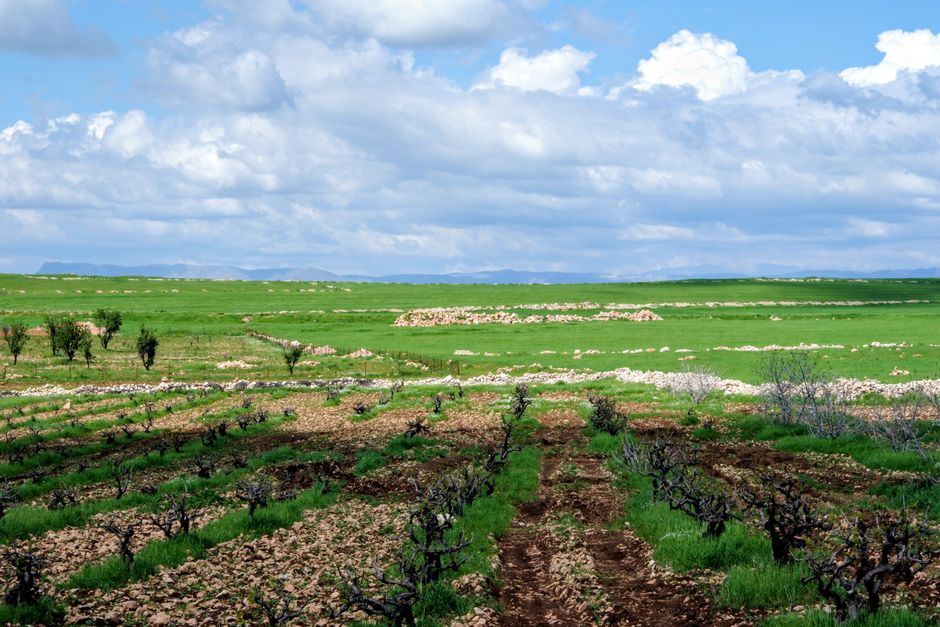
7. Water from Stone
Avdat National Park, Negev Desert, Israel
Witness the sophisticated Nabataean agricultural system, where ancient desert dwellers harvested scarce rainfall to grow crops, a testament to ingenuity mirrored in Bedouin survival.
Avdat, an ancient Nabataean city, showcases an astonishing feat of desert agriculture. Visitors can see reconstructed terraces, cisterns, and water channels designed to capture every drop of rain. This intricate system allowed a thriving civilization to exist in the arid Negev. While distinct from Bedouin nomadic pastoralism, the underlying principle of resourcefulness and deep understanding of the desert environment resonates, highlighting how various desert cultures have mastered survival through innovative water management.
Frequently asked questions
What makes Bedouin culture unique in desert travel?
Bedouin culture offers a unique lens for desert travel through its emphasis on hospitality, resilience, and profound environmental knowledge. Their traditions teach respect for the land and its resources, often revealing hidden stories and survival techniques that transform a simple visit into a deeper cultural exchange.
How do desert tours support Bedouin communities today?
Many modern desert tours directly support Bedouin communities by employing local guides, using Bedouin-owned camps, and purchasing local crafts and services. This approach ensures that tourism benefits the people who have preserved these desert traditions, providing economic opportunities while sharing their rich heritage authentically.
Are there specific customs to observe when visiting Bedouin areas?
When visiting Bedouin areas, it's customary to show respect through modest dress, accepting hospitality (like tea), and asking permission before taking photos of individuals. Engaging with an open mind and a willingness to learn about their way of life is always appreciated, fostering a positive and respectful interaction.
How can AllTours.ai enhance my understanding of Bedouin history and desert sites?
AllTours.ai enhances your understanding by providing instant, in-depth audio narratives about any landscape or landmark you point your camera at. It delves into the history, geology, and culture, revealing the Bedouin influence and ancient stories behind each site, enriching your journey with verifiable, fascinating details in your preferred language.
Photography via Pexels. AllTours.ai is an AI audio tour guide — point your camera at any landscape and hear its story.