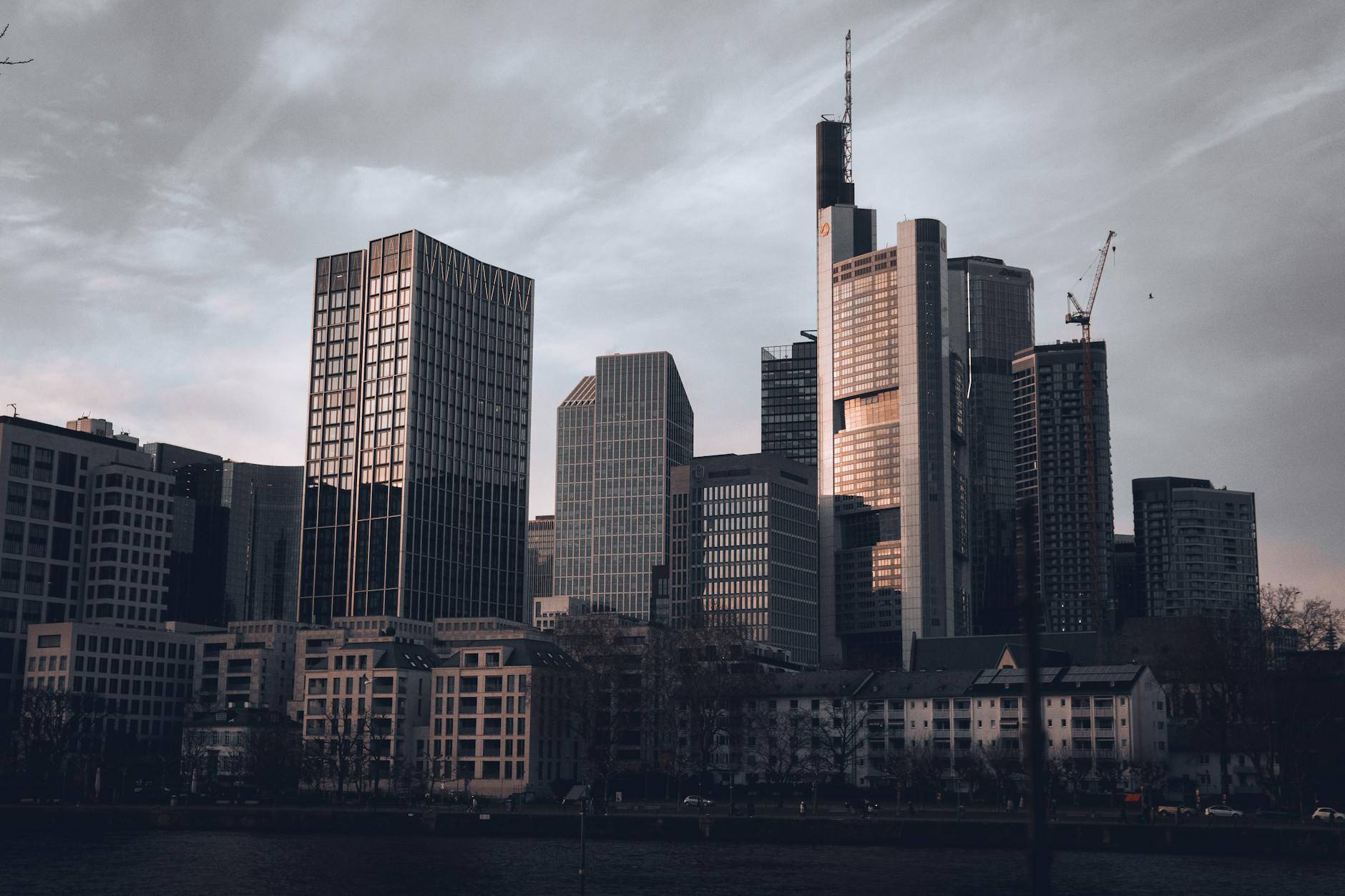
May 27, 2026 · 4 min read
Europe's most famous cities—Paris, Rome, Barcelona—draw millions, and for good reason. Their iconic landmarks and well-trodden paths offer undeniable charm. But what if we told you there’s an entire continent brimming with equally captivating places, just waiting to be discovered, far from the bustling crowds?
These underrated cities in Europe hold centuries of untold stories, architectural wonders, and cultural depths that often go unnoticed. They offer a chance to connect with local life, uncover surprising histories, and experience the continent's true diversity. Prepare to challenge your travel list and make room for some truly unforgettable detours.
1. Ancient Layers of History
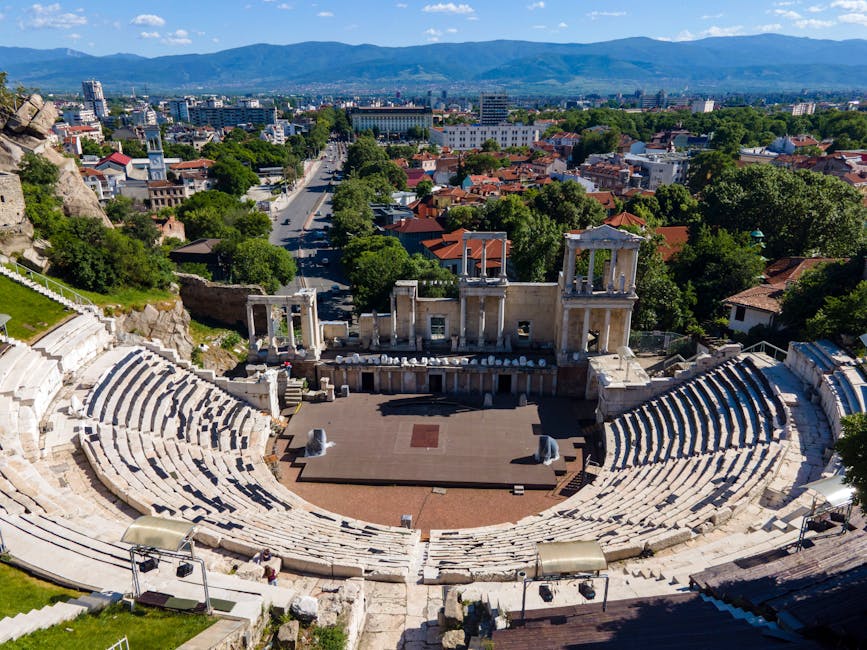
Plovdiv, Bulgaria
This Bulgarian gem boasts a Roman theatre still in use and claims to be one of the oldest continuously inhabited cities in Europe.
Plovdiv sits atop seven hills, much like Rome, and its history stretches back millennia. Beneath its lively modern streets, layers of Thracian, Roman, Byzantine, and Ottoman civilizations are visible. The Roman Amphitheatre, remarkably preserved, still hosts concerts and events, offering a direct link to its ancient past. Wander through Kapana, its creative district, where artisans and cafes breathe new life into old traditions.
2. Medieval Grandeur, Artistic Secrets
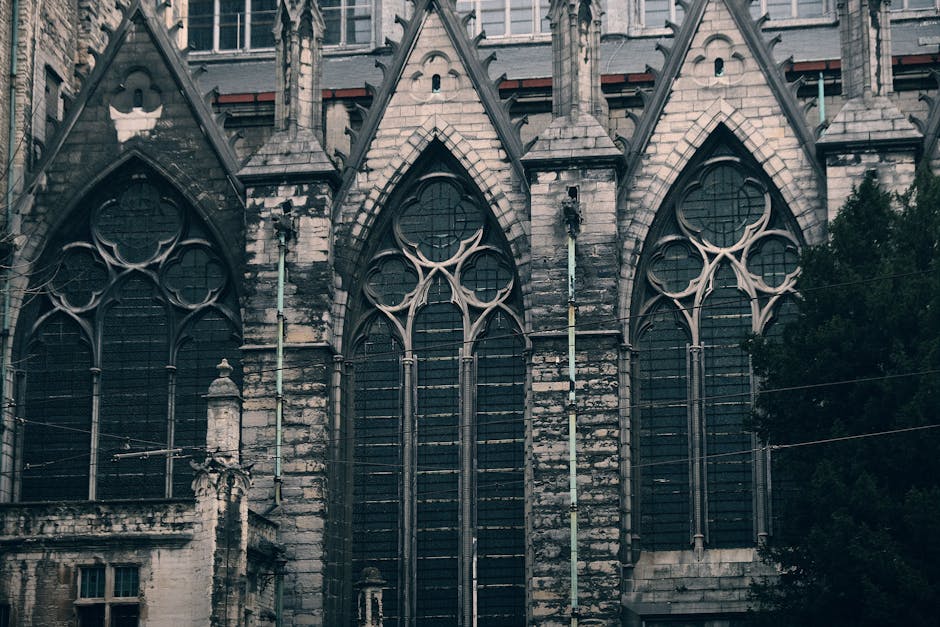
Ghent, Belgium
Often overshadowed by Bruges, Ghent holds a stunning medieval core and one of art history's most coveted and stolen masterpieces.
Ghent, once one of Europe's largest and wealthiest cities, retains its medieval might with a dramatic skyline of belfries and guildhalls. Its canals are less crowded than Bruges, offering a more authentic experience. The true treasure lies within St. Bavo's Cathedral: the Ghent Altarpiece, "The Adoration of the Mystic Lamb." This monumental work by Jan van Eyck has been stolen more times than any other artwork, a testament to its enduring allure and controversial past.
3. The City With Eyes
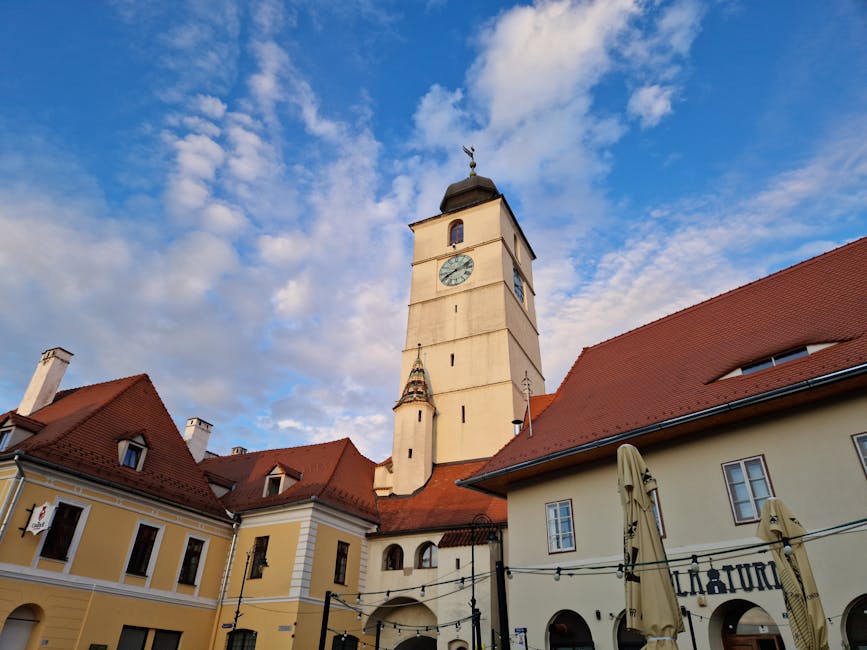
Sibiu, Romania
In the heart of Transylvania, Sibiu's charming medieval roofs appear to watch over you with curious "eyes."
Sibiu's unique architectural feature—dormer windows that resemble watchful eyes—are a distinctive hallmark of its Saxon heritage. These seemingly sentient roofs were originally designed for ventilation in attics where goods were stored, a nod to the city's past as a crucial trading hub. The Grand Square and Lesser Square are lined with pastel-colored buildings, while hidden passageways and staircases connect different parts of the old town, revealing centuries of history and stories from its German-speaking founders.
4. The Gibraltar on the Danube
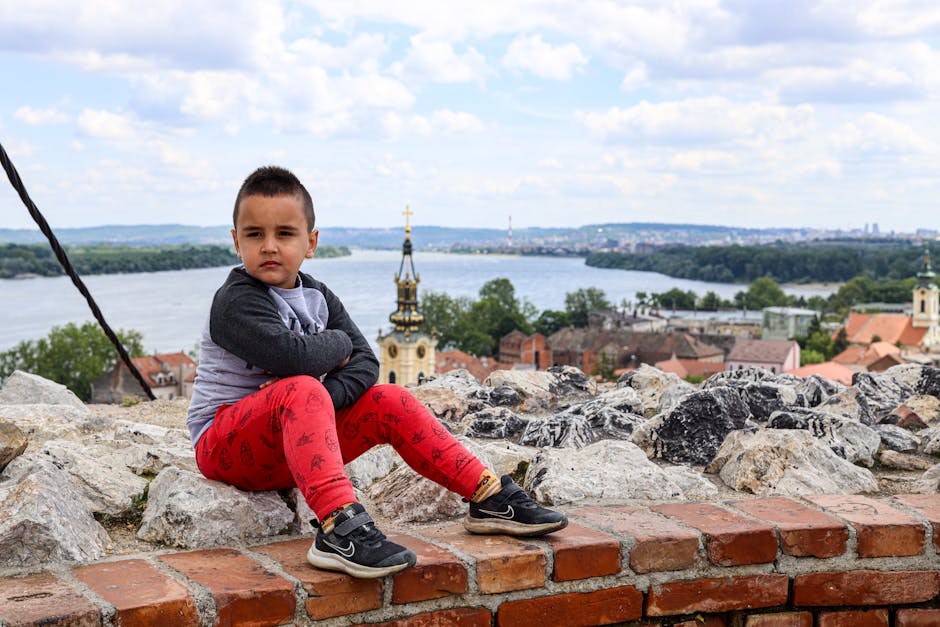
Novi Sad, Serbia
This Serbian city is guarded by a colossal fortress known as the "Gibraltar on the Danube," built over Roman foundations.
Petrovaradin Fortress, a sprawling 17th-century bastion, dominates the skyline above the Danube River in Novi Sad. Its intricate network of tunnels and moats once protected the Habsburg Empire from Ottoman invasions. Today, it famously hosts the Exit Festival, transforming its ancient walls into a vibrant music hub. Below the fortress, the city center offers a relaxed atmosphere with elegant Austro-Hungarian architecture, reflecting its diverse historical influences.
5. A Phoenix of Modern Design
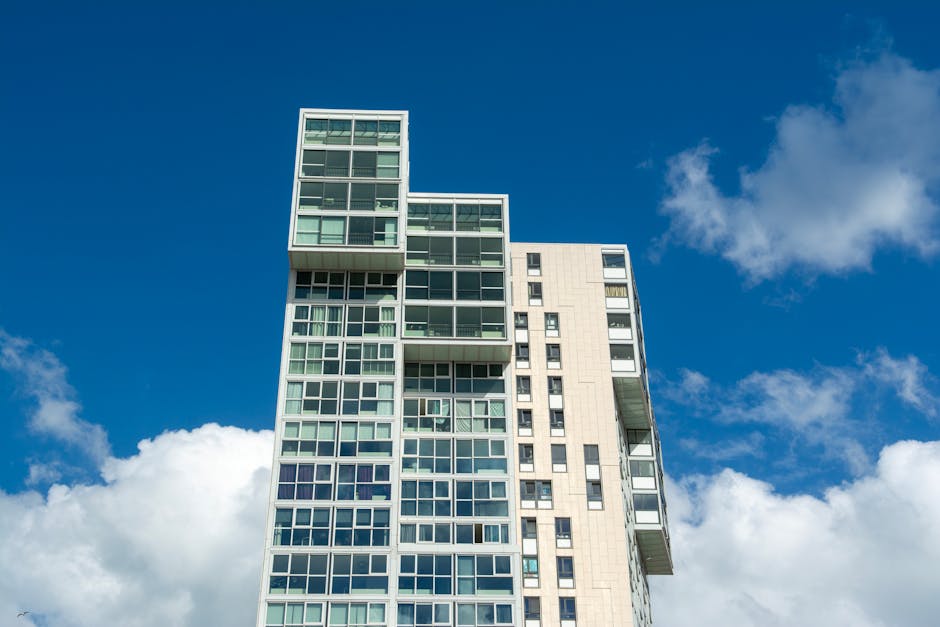
Rotterdam, Netherlands
Risen from the ashes of WWII, Rotterdam became Europe's most audacious laboratory for groundbreaking modern architecture.
Unlike many historic European cities, Rotterdam was largely destroyed during World War II. This devastation, however, paved the way for a radical urban experiment. The city rebuilt itself as a daring showcase of contemporary design, featuring architectural marvels like the Cube Houses, the iconic Markthal, and the Erasmus Bridge. It's a city constantly reinventing itself, offering a fascinating contrast to traditional Dutch charm and a vibrant, forward-thinking energy.
6. The Learned, The Fat, and The Red
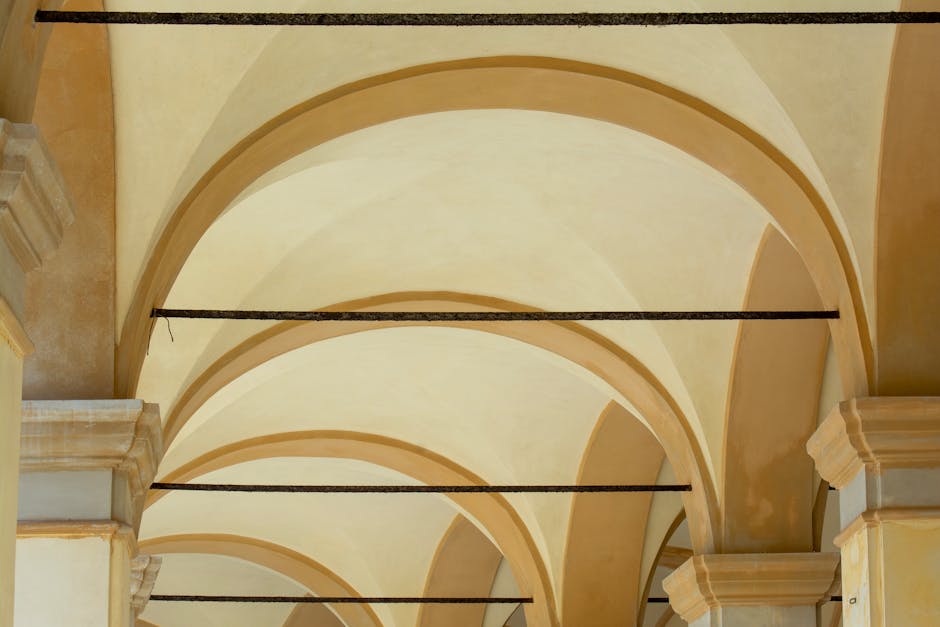
Bologna, Italy
While famed for its food, Bologna is also home to Europe's oldest university and boasts a hidden network of medieval canals.
Bologna proudly wears several nicknames: "La Dotta" (the Learned) for its ancient university, "La Grassa" (the Fat) for its incredible culinary tradition, and "La Rossa" (the Red) for its terracotta rooftops and left-wing politics. Beyond the delicious tagliatelle al ragù and towering medieval porticoes, Bologna hides a secret: remnants of a vast canal system that once rivaled Venice, now mostly underground. A few strategic windows and bridges still reveal glimpses of these forgotten waterways, hinting at its rich mercantile past.
7. A Kaleidoscope of Cultures
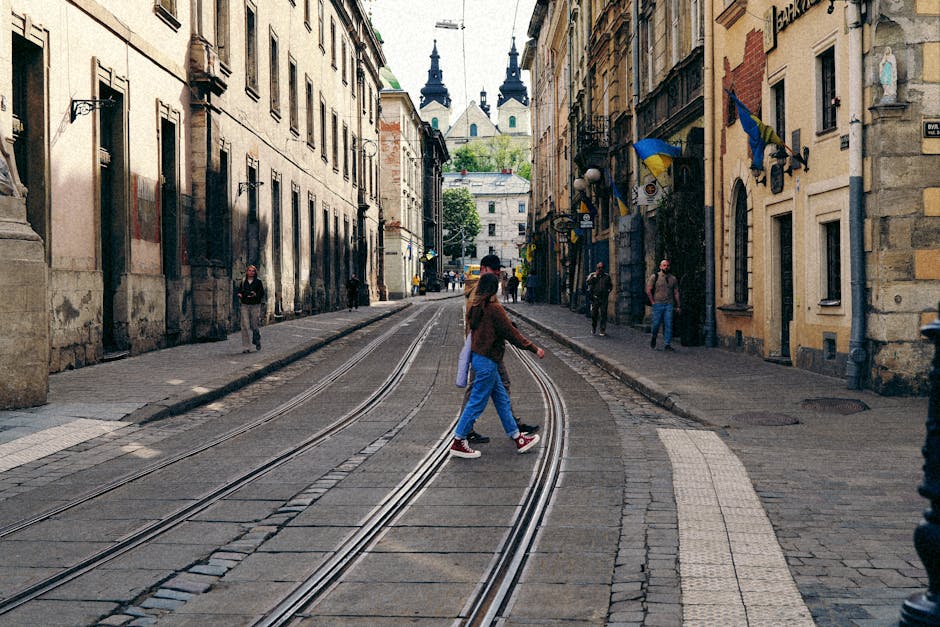
Lviv, Ukraine
This UNESCO-listed Ukrainian city has been a melting pot for Polish, Austro-Hungarian, Jewish, and Ukrainian cultures for centuries, reflected in its diverse architecture.
Lviv's stunning Old Town is a testament to its complex history, having been ruled by various empires and kingdoms. Each era left its mark, creating a unique blend of Baroque, Renaissance, and Art Nouveau styles. The city's squares buzz with coffee culture, a legacy of its Austro-Hungarian past, while its numerous churches, synagogues, and cathedrals tell tales of religious tolerance and cultural exchange. Lviv offers a vibrant, walkable experience, inviting visitors to uncover its layers of identity.
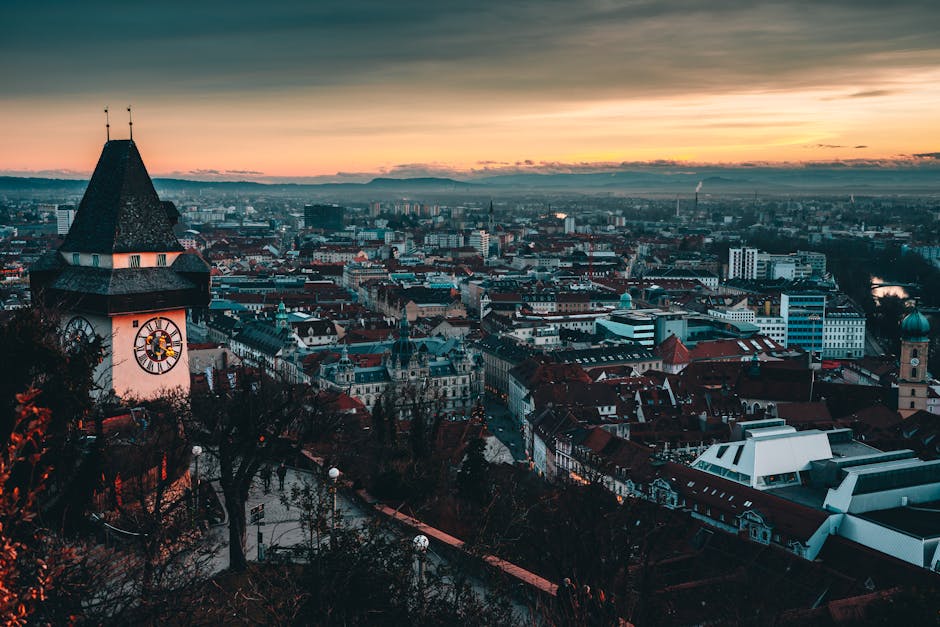
8. The Friendly Alien and the Clock Tower
Graz, Austria
This Austrian city, a UNESCO World Heritage site, features both a medieval clock tower on a hill and a futuristic, blob-like art museum.
Graz's red-tiled roofs and the iconic Schlossberg clock tower define its historic skyline, a testament to its past as a Habsburg residence. Yet, the city also embraces the avant-garde, most notably with the Kunsthaus Graz, affectionately dubbed the "Friendly Alien" due to its biomorphic, glowing blue structure. This stark contrast between ancient and ultra-modern makes Graz a fascinating place to explore, reflecting its status as a UNESCO City of Design and a vibrant university town with a youthful energy.
Frequently asked questions
What are some genuinely lesser-known European cities worth visiting?
Beyond the famous capitals, cities like Plovdiv (Bulgaria), Sibiu (Romania), Novi Sad (Serbia), and Graz (Austria) offer deep historical roots, unique architecture, and vibrant local cultures without the overwhelming crowds. They provide a more intimate and often surprising European experience.
How can I find unique cultural or historical stories in these underrated cities?
Engage with local guides, visit smaller museums, and explore less touristy neighborhoods. Look for historical markers, local legends, or unique architectural features. Often, the most compelling stories are found off the main thoroughfares.
Is it easy to get around these smaller European cities?
Most underrated European cities are highly walkable, especially their historic centers. Public transport like trams and buses are usually efficient and affordable for longer distances. Renting a car can be useful for exploring surrounding regions, but isn't always necessary within the city itself.
How does the AllTours.ai app enhance exploration of these cities?
The AllTours.ai app brings the hidden stories of any location to life. Simply point your phone camera at a landmark, street, or even a landscape, and the app will instantly narrate its history, geology, and cultural significance in your preferred language, turning every step into a guided discovery.
Photography via Pexels. AllTours.ai is an AI audio tour guide — point your camera at any landscape and hear its story.