June 13, 2026 · 4 min read
Montreal is a city designed for exploration on foot, by bike, or via its excellent public transit system. Ditch the car keys and immerse yourself in its vibrant neighborhoods, each with its own rhythm and history. From its charming cobblestone streets to its expansive green spaces, the best of Montreal truly reveals itself when you slow down and wander.
While iconic landmarks draw crowds, some of the city's most compelling stories lie just beyond the usual tourist path. What are some ways to get around Montreal without a car and uncover these lesser-known gems? We've curated a list of fascinating spots, each with a surprising tale, all easily accessible without needing a vehicle.
1. The Vanished 'Molasses Suburb'
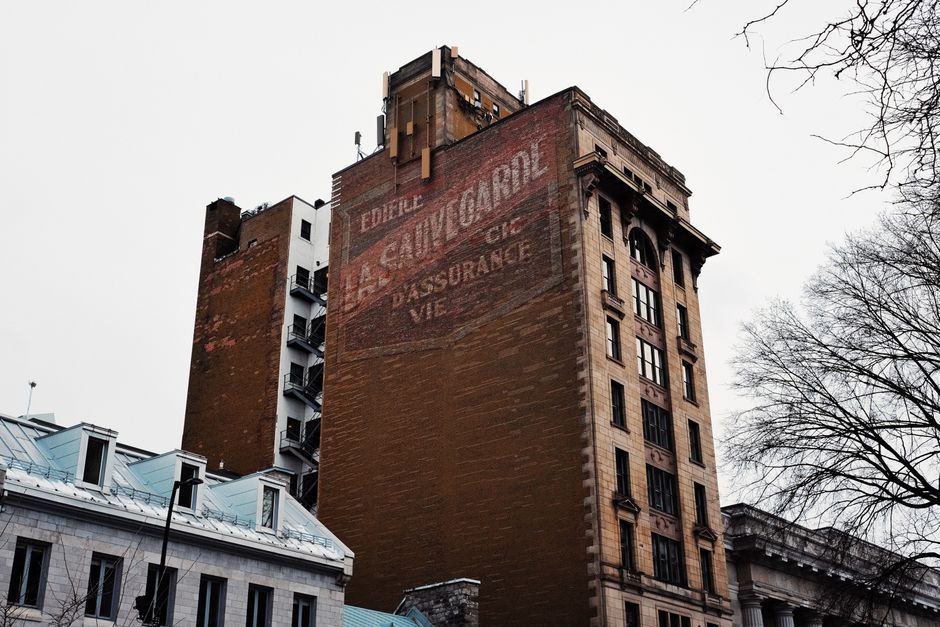
Faubourg à m'lasse (site of), Montreal, Canada
A vibrant neighborhood once stood where Radio-Canada now rises, known as the "Molasses Suburb" for a sticky reason.
This working-class district, officially called Faubourg Québec, earned its sweet nickname from the 19th-century molasses barrels stored nearby. Its streets buzzed with life until the 1960s, when it was expropriated and demolished to make way for the Maison de Radio-Canada tower, displacing thousands of residents and erasing a unique piece of Montreal's past.
2. A Parisian Metro Entrance in Montreal
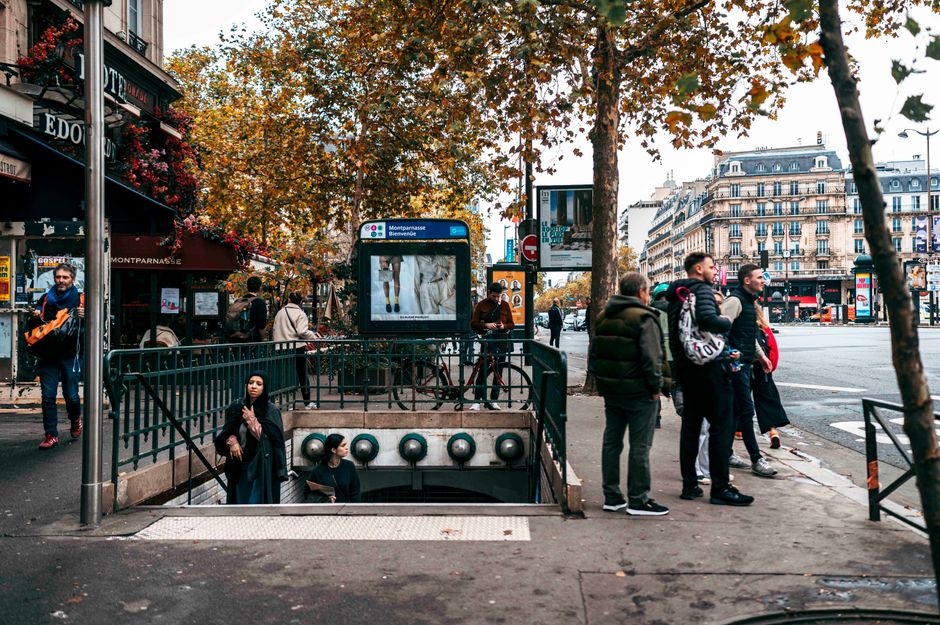
Square-Victoria-OACI Metro Station, Montreal, Canada
One of Montreal's busiest metro stations features an ornate entrance that was once part of a Parisian Metro station.
The iconic Art Nouveau entrance at Square-Victoria-OACI station is not original to Montreal. It was a gift from the Régie autonome des transports Parisiens (RATP) in 1967, one of only two original Hector Guimard Métro entrances outside of Paris (the other is in Lisbon). It serves as a beautiful, unexpected link between Montreal and its French heritage, a daily surprise for commuters.
3. Lachine Canal's Industrial Heartbeat
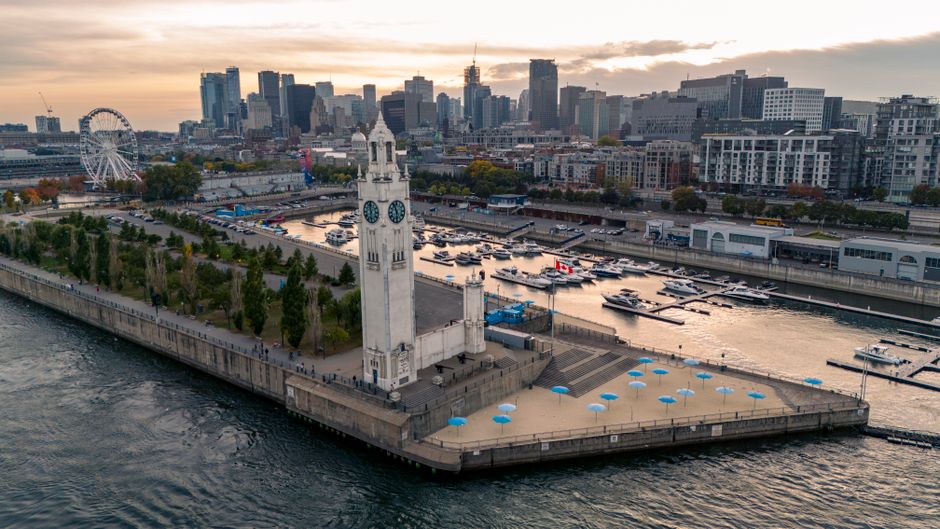
Lachine Canal National Historic Site, Montreal, Canada
The very spot where the Lachine Canal begins was once a hub of early North American industrial innovation, powered by its locks.
While many know the Lachine Canal for recreation, its historical significance lies in powering Montreal's industrial boom. The old lock keeper's house near the canal's western end stands testament to its role as a vital waterway, allowing ships to bypass the Lachine Rapids. This industrial artery transformed Montreal into a manufacturing powerhouse, with its water flow driving mills and factories long before electricity was widespread.
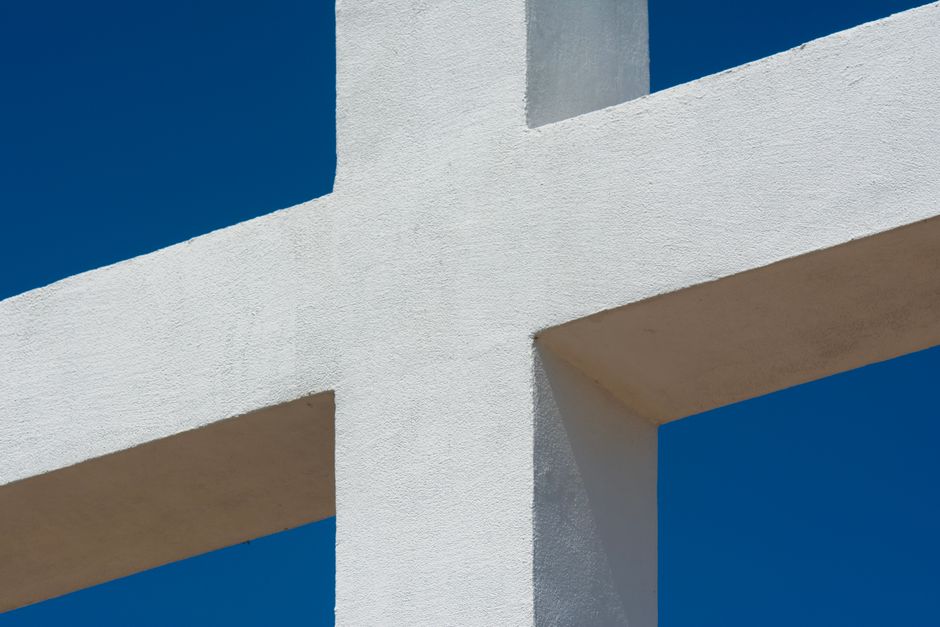
4. The Mount Royal Cross's Fiery Vow
Mount Royal Park, Montreal, Canada
The gleaming cross atop Mount Royal isn't just a beacon; it commemorates a vow made during a devastating plague.
Visible from miles away, the Mount Royal Cross has stood since 1924, a successor to an earlier wooden cross erected by Paul de Chomedey de Maisonneuve in 1643. Maisonneuve placed the original cross in fulfillment of a vow made to the Virgin Mary to save the fledgling colony of Ville-Marie (Montreal) from a great flood. Its modern steel structure continues this ancient promise, changing colors for special occasions.
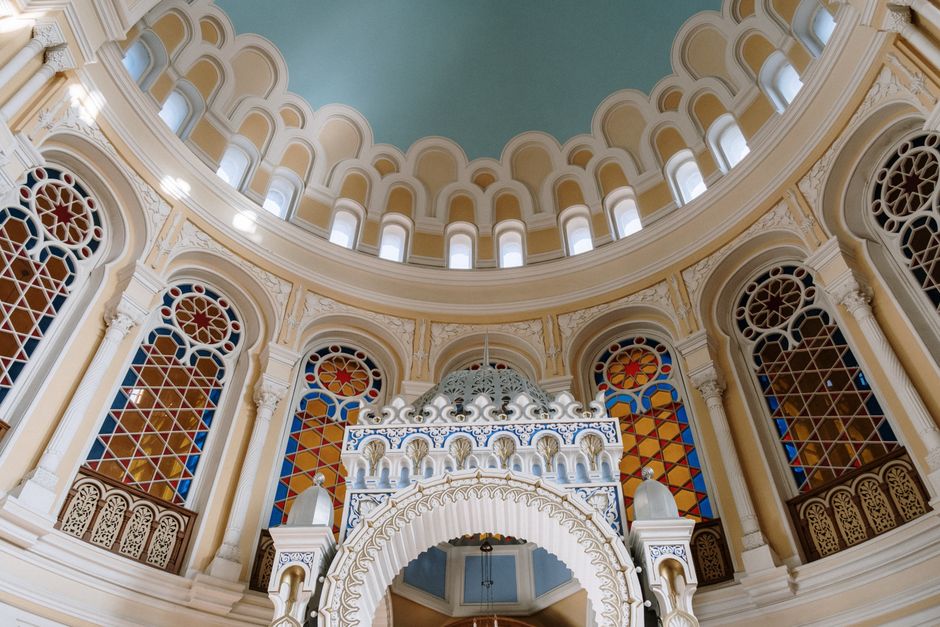
5. Marché Bonsecours: A Building of Many Hats
Marché Bonsecours, Montreal, Canada
This grand domed market building in Old Montreal once served as Canada's Parliament and Montreal's City Hall, not just a place for goods.
Today a bustling public market and artisan hub, the Marché Bonsecours holds a much grander past. Built in 1847, its impressive façade and dome housed the Parliament of the Province of Canada for a brief period, and later, Montreal's City Hall for over 25 years. Its elegant ballrooms and public spaces hosted significant events, making it a cornerstone of Montreal's civic and social life for over a century.
6. Habitat 67: A Utopian Vision
Habitat 67, Montreal, Canada
This iconic collection of stacked concrete boxes, designed for Expo 67, was an ambitious experiment in urban living that nearly didn't get built.
Moshe Safdie's radical modular housing complex, Habitat 67, was intended to revolutionize urban residential architecture. Its pre-fabricated concrete units were assembled on-site, offering each resident a garden terrace and a sense of individuality. Despite its acclaim, the project proved too costly and complex for mass production, making it a unique, stand-alone monument to utopian architectural ideals from a bygone era, rather than the template for future cities it was envisioned to be.
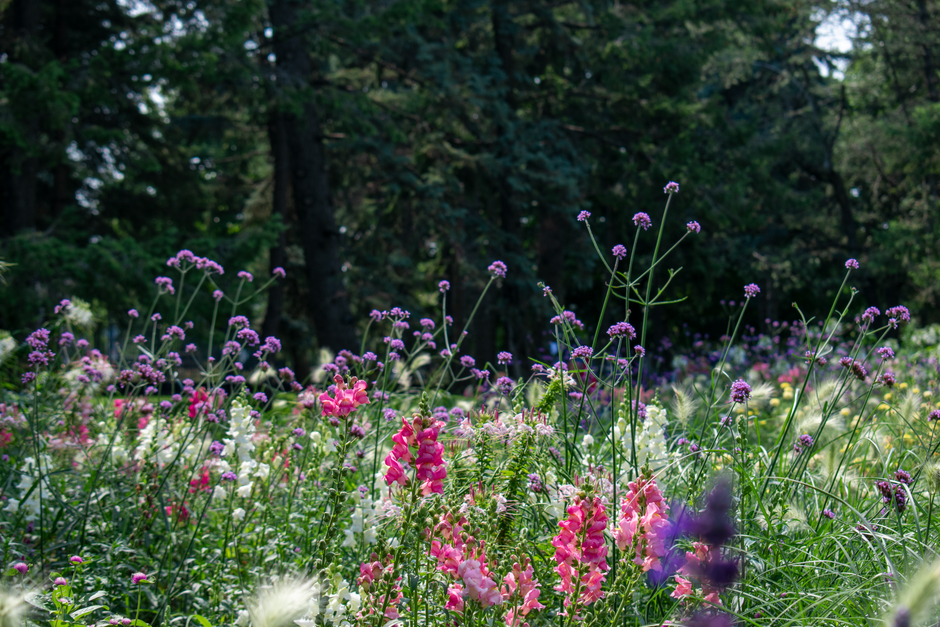
7. City Hall Gardens: A Pivotal Declaration
Montreal City Hall, Montreal, Canada
The beautiful gardens outside Montreal's City Hall were once the scene of a pivotal moment in Canadian history: the declaration of French as the official language of Quebec.
While many admire the architecture of City Hall, the surrounding gardens hold a unique historical resonance. It was from a balcony here, during a visit by French President Charles de Gaulle in 1967, that he uttered his famous "Vive le Québec libre!" speech. This controversial declaration dramatically bolstered Quebec nationalism and spurred the "Quiet Revolution," fundamentally altering the political landscape of Canada and Quebec.
8. Pointe-à-Callière's Underground History
Pointe-à-Callière, Montreal, Canada
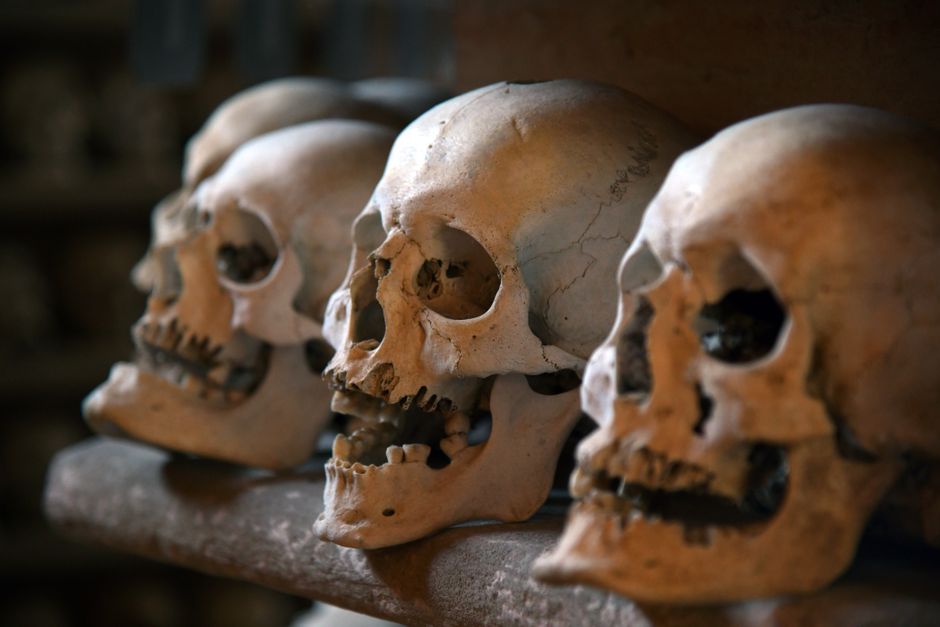
Beneath the modern museum, an archaeological crypt reveals the actual foundations of Montreal's earliest settlements, including the first customs house.
Pointe-à-Callière is built directly atop the birthplace of Montreal, and its unique "archaeological crypt" allows visitors to walk through centuries of history. Below ground, you can explore the remnants of Ville-Marie's first permanent structures, the city's first port, and even walk along the original fortifications. It's a tangible journey through time, showing the layered evolution of the city from its Indigenous origins to its colonial beginnings.
9. The Redpath Museum: A Victorian Time Capsule
Redpath Museum, Montreal, Canada
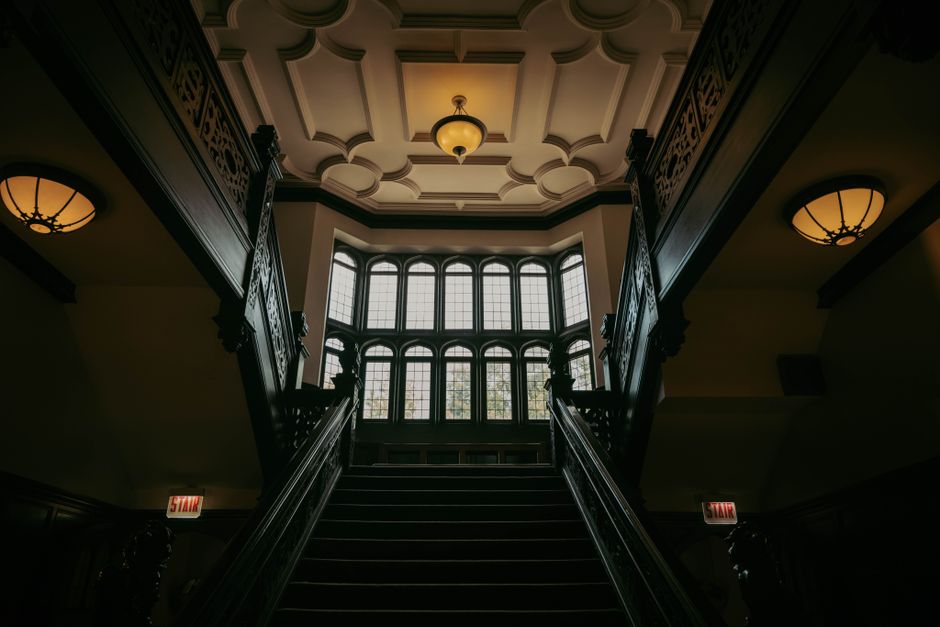
Hidden within McGill University, this Victorian-era natural history museum houses an astonishing collection, including a real Egyptian mummy and dinosaur skeletons.
Opened in 1882, the Redpath Museum is one of Canada's oldest purpose-built museums. Its grand, light-filled halls are a treasure trove of geology, paleontology, zoology, and ethnology. Beyond the impressive dinosaur display and the famous Egyptian mummy, the museum retains much of its original Victorian charm, offering a glimpse into how natural history was collected and presented in the 19th century.
Frequently asked questions
Is Montreal easy to get around without a car?
Absolutely! Montreal is highly walkable, especially its central districts like Old Montreal, Le Plateau, and downtown. It also boasts an efficient public transportation system, including the Metro, buses, and BIXI bike rentals, making it very convenient to navigate without a personal vehicle.
What's the best public transport in Montreal?
The Montreal Metro (subway) is often considered the best way to get around quickly and efficiently. It's clean, safe, and connects most major attractions and neighborhoods. Buses complement the Metro by reaching areas not covered by the subway, and a single fare or multi-day pass covers both.
Can I walk to most attractions in Montreal?
Many of Montreal's main attractions are concentrated in specific areas, making them easily walkable within those zones. For example, you can spend days exploring Old Montreal and the Old Port entirely on foot. For longer distances between neighborhoods or specific parks, combining walking with a short Metro or bus ride is ideal.
How can AllTours.ai help me explore Montreal?
AllTours.ai enhances your car-free exploration of Montreal by providing instant audio guides. Simply point your phone camera at any landmark, building, or landscape – whether it's a bustling market or a hidden historical marker – and the app will narrate its unique history, geology, and culture in your preferred language, revealing stories you might otherwise miss.
Photography via Pexels. AllTours.ai is an AI audio tour guide — point your camera at any landscape and hear its story.