July 21, 2026 · 4 min read
Travel often comes with unexpected expenses, but beyond the usual flights and hotels, some destinations implement unique pricing policies that spark significant debate. These aren't just about high costs; they touch on conservation, equity, and access to cultural heritage.
From remote Himalayan kingdoms to pristine island havens, these policies reflect complex efforts to manage tourism's impact while funding preservation. Let's explore some of the most contentious pricing structures in fascinating, often overlooked, corners of the globe.
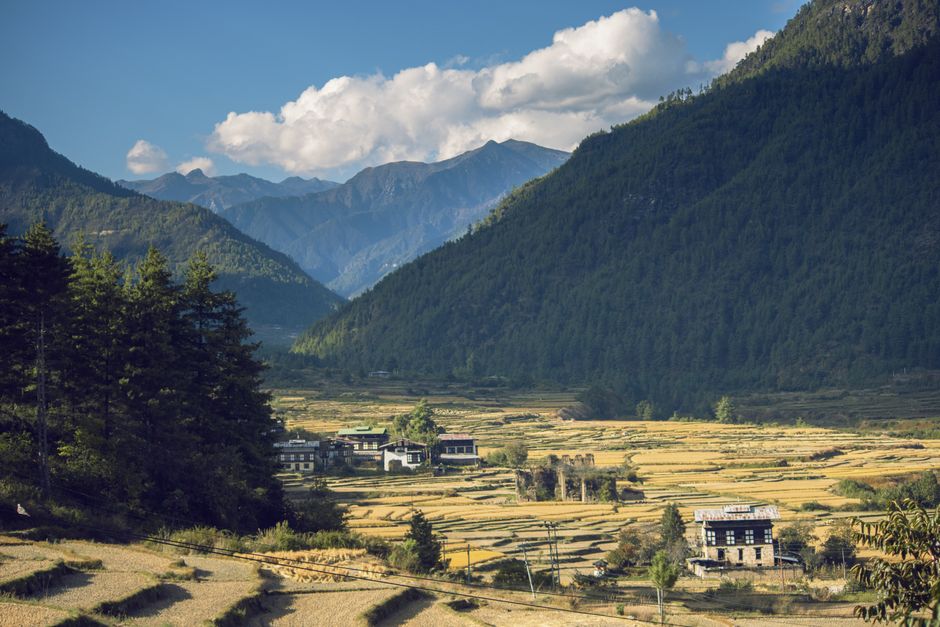
1. Bhutan: The Kingdom's Price Tag
Kingdom of Bhutan
Tourists pay a daily Sustainable Development Fee, a policy designed to manage visitor numbers and fund national development, making Bhutan one of the world's most exclusive destinations.
Until recently, a hefty minimum daily package rate covered most costs. Now, the SDF is a separate fee, still substantial, which tourists pay on top of accommodation and other expenses. While lauded for preserving culture and environment, critics argue it creates a barrier, favoring high-end tourism and potentially excluding a broader range of travelers from experiencing its unique Himalayan heritage.
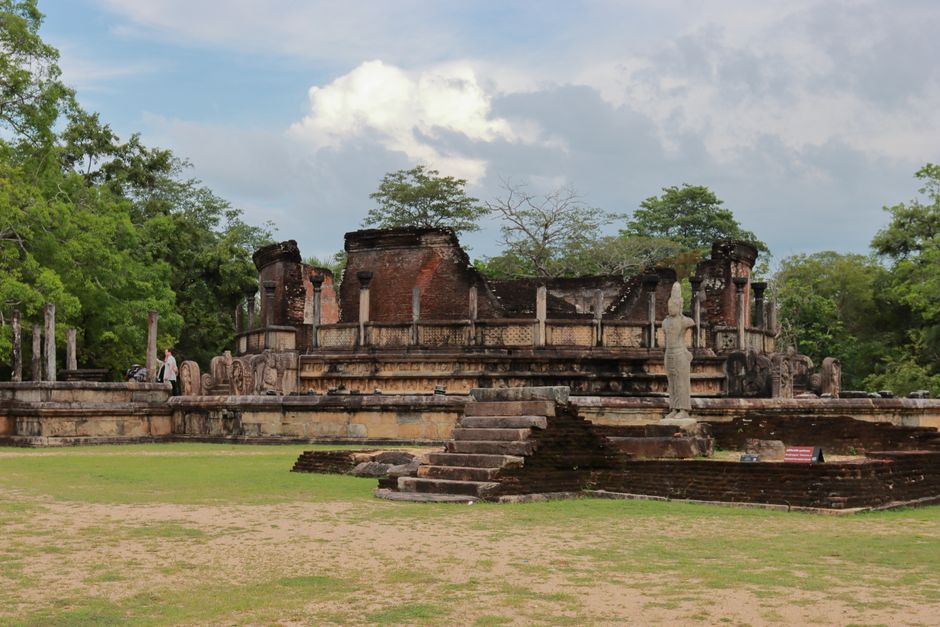
2. Polonnaruwa's Dual Pricing Dilemma
Polonnaruwa, Sri Lanka
Foreign visitors pay significantly more to enter the ancient city ruins than locals, sparking perennial debates about equitable access to national heritage.
Sri Lanka, like many countries, employs a dual-pricing system at its historical sites. In Polonnaruwa, a UNESCO World Heritage site, this means a substantial difference in ticket prices between international tourists and local citizens. While proponents argue it helps fund conservation without burdening local taxpayers, critics often point to the ethical implications of charging different rates for the same cultural experience, especially for residents of other SAARC nations who also pay higher fees.
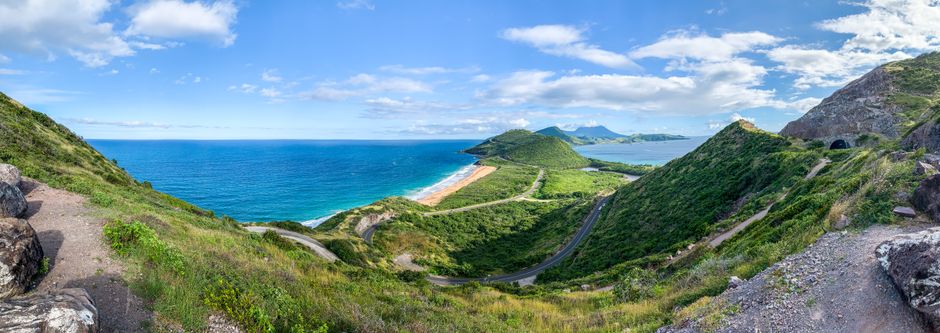
3. Lord Howe Island: The Elite Eco-Escape
Lord Howe Island, Australia
Only 400 tourists are permitted on this UNESCO-listed island at any given time, a deliberate policy that drives up costs and makes it an exclusive, pristine haven.
This remote volcanic island, a biodiversity hotspot, enforces a strict visitor cap to protect its fragile ecosystem. This scarcity, combined with high operational costs for transport and services, translates into premium prices for accommodation and activities. While effective in preserving its natural beauty, the policy makes a visit to Lord Howe Island a luxury, raising questions about democratizing access to truly wild places.
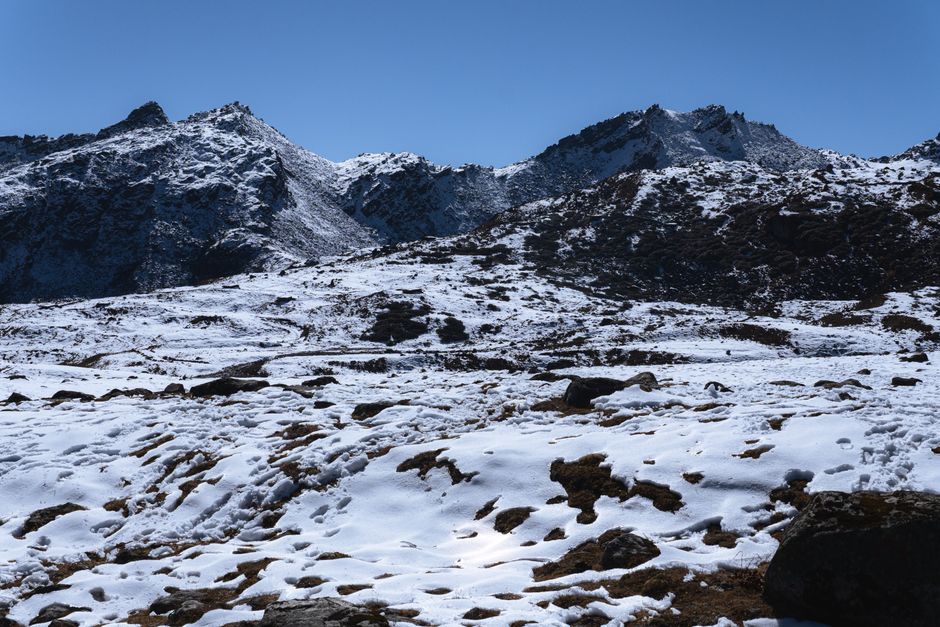
4. Arunachal Pradesh: The Himalayan Permit Barrier
Tawang Valley, Arunachal Pradesh, India
Visiting this remote Himalayan region requires special permits for both foreigners and some Indian citizens, a bureaucratic hurdle that controls access to a sensitive border area.
The Inner Line Permit (ILP) for Indian nationals and the Protected Area Permit (PAP) for foreigners are mandatory for entry into Arunachal Pradesh. These permits, issued by various government authorities, aim to regulate movement in strategically important border regions. While crucial for national security, the permit system can deter spontaneous travel and adds layers of planning and cost, creating a unique challenge for those hoping to explore its vibrant tribal cultures and stunning mountain landscapes.
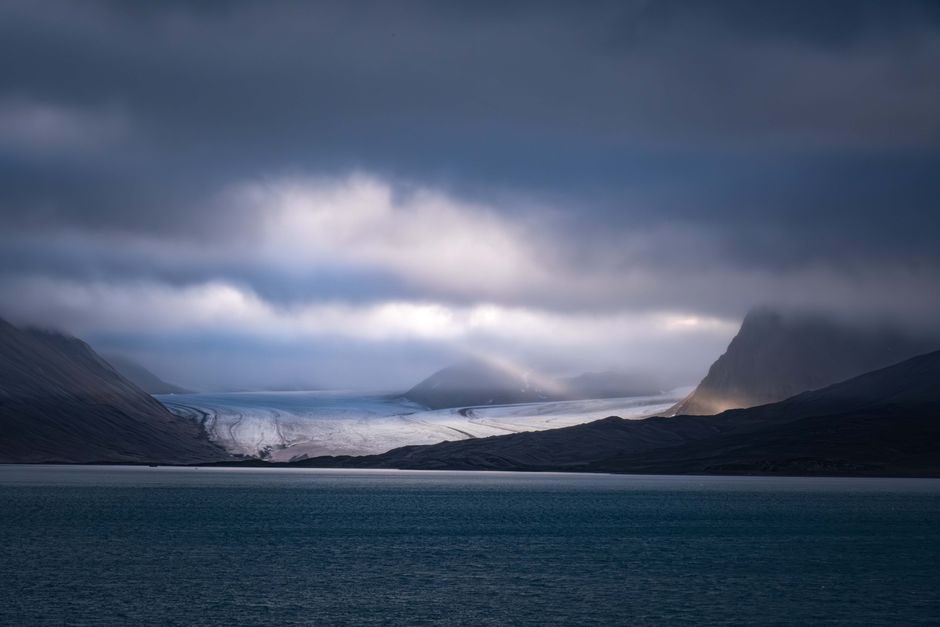
5. Svalbard: The Arctic's High Price of Purity
Svalbard Archipelago, Norway
Strict environmental regulations, mandatory guides for many activities, and extreme remoteness combine to make tourism in this Arctic wilderness extraordinarily expensive, limiting access to a few.
Svalbard operates under a unique treaty and stringent environmental laws designed to protect its pristine Arctic environment and wildlife. These regulations often necessitate licensed guides for excursions outside settlements, specialized equipment, and limited infrastructure, all contributing to high costs. The result is an unforgettable, yet financially demanding, experience, raising discussions about the balance between conservation and equitable opportunity to witness such a fragile and magnificent ecosystem.
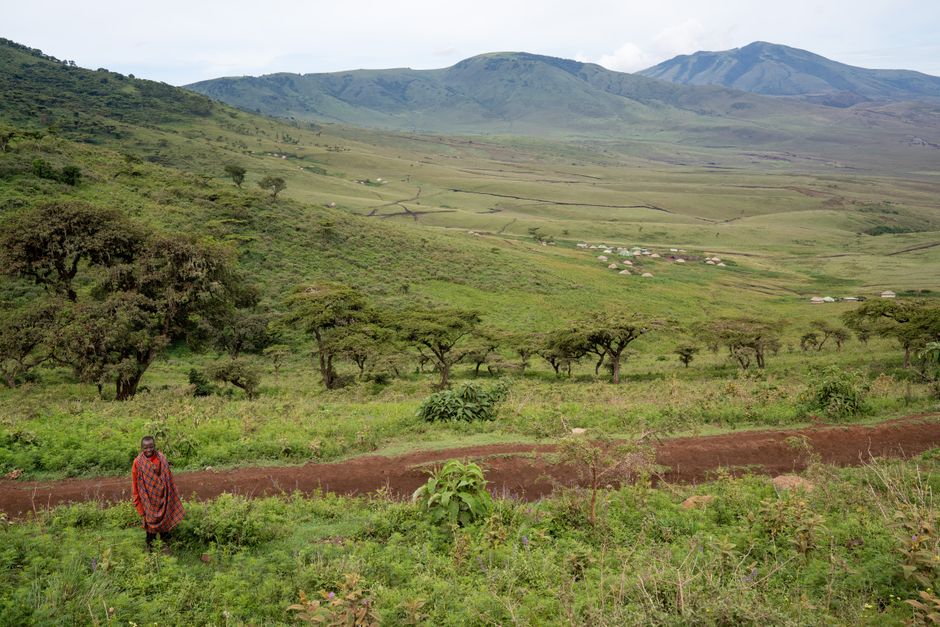
6. Maasai Community Fees: Culture for a Cause?
Ngorongoro Conservation Area environs, Tanzania
Some Maasai communities directly charge visitors an entry fee to their villages, a practice intended to benefit locals but sometimes perceived as the commodification of culture.
In areas bordering major national parks, Maasai villages have established community-based tourism initiatives, where visitors pay a fee to experience traditional life, dances, and crafts. These fees are meant to support the community directly, funding schools, water projects, or clinics. However, the transactional nature of these visits occasionally sparks debate about authenticity versus performance, and whether such direct payments truly empower communities or merely create a dependency on tourist dollars.
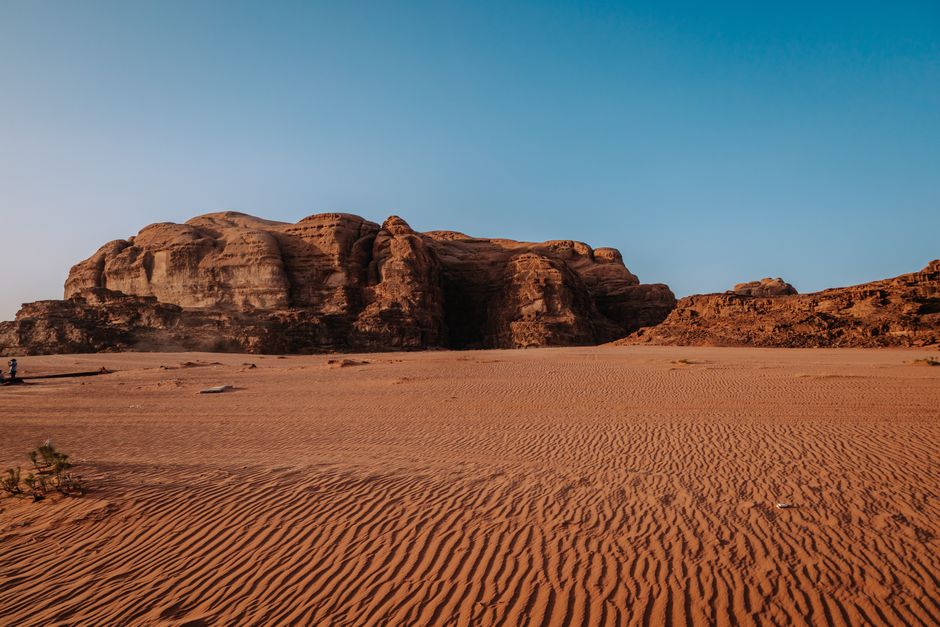
7. Wadi Rum's Tiered Access
Wadi Rum Protected Area, Jordan
While the main Wadi Rum area is accessible, certain sensitive ecological or archaeological zones within it require additional permits and specialized guides, creating tiered access for visitors.
Beyond the standard entry fee for the Wadi Rum Protected Area, specific areas, particularly those with delicate rock formations, ancient inscriptions, or unique wildlife habitats, are designated as 'restricted zones.' Accessing these areas often necessitates hiring a licensed local guide and paying additional fees, ensuring minimal impact and controlled visitation. This policy, while safeguarding the desert's fragile beauty, can be a point of contention for independent travelers seeking unhindered exploration.
Frequently asked questions
Why do some countries have dual pricing policies for tourists and locals?
Dual pricing often aims to generate revenue for conservation and maintenance of sites without burdening local taxpayers. It can also be seen as a form of wealth redistribution, where international visitors, presumed to have higher disposable incomes, contribute more to the local economy and heritage preservation.
Are environmental tourism fees common, and what do they cover?
Yes, environmental fees are becoming increasingly common, especially in ecologically sensitive areas. These fees typically fund conservation efforts, waste management, infrastructure development for sustainable tourism, and sometimes directly benefit local communities affected by tourism.
How do permit systems affect spontaneous travel to certain regions?
Permit systems, often found in politically sensitive border regions or tribal areas, add a layer of bureaucracy that makes spontaneous travel difficult. Travelers typically need to apply in advance, sometimes weeks or months, providing documentation and paying a fee, which can deter last-minute trips and require meticulous planning.
How does AllTours.ai help me explore places with complex pricing or access?
AllTours.ai helps you understand the rich context of any location, regardless of its pricing policies. While we don't handle ticketing, our app lets you point your camera at any landmark or landscape and instantly get narrated insights into its history, geology, and culture in your preferred language, enriching your understanding of even the most exclusive destinations.
Photography via Pexels. AllTours.ai is an AI audio tour guide — point your camera at any landscape and hear its story.