August 8, 2026 · 4 min read
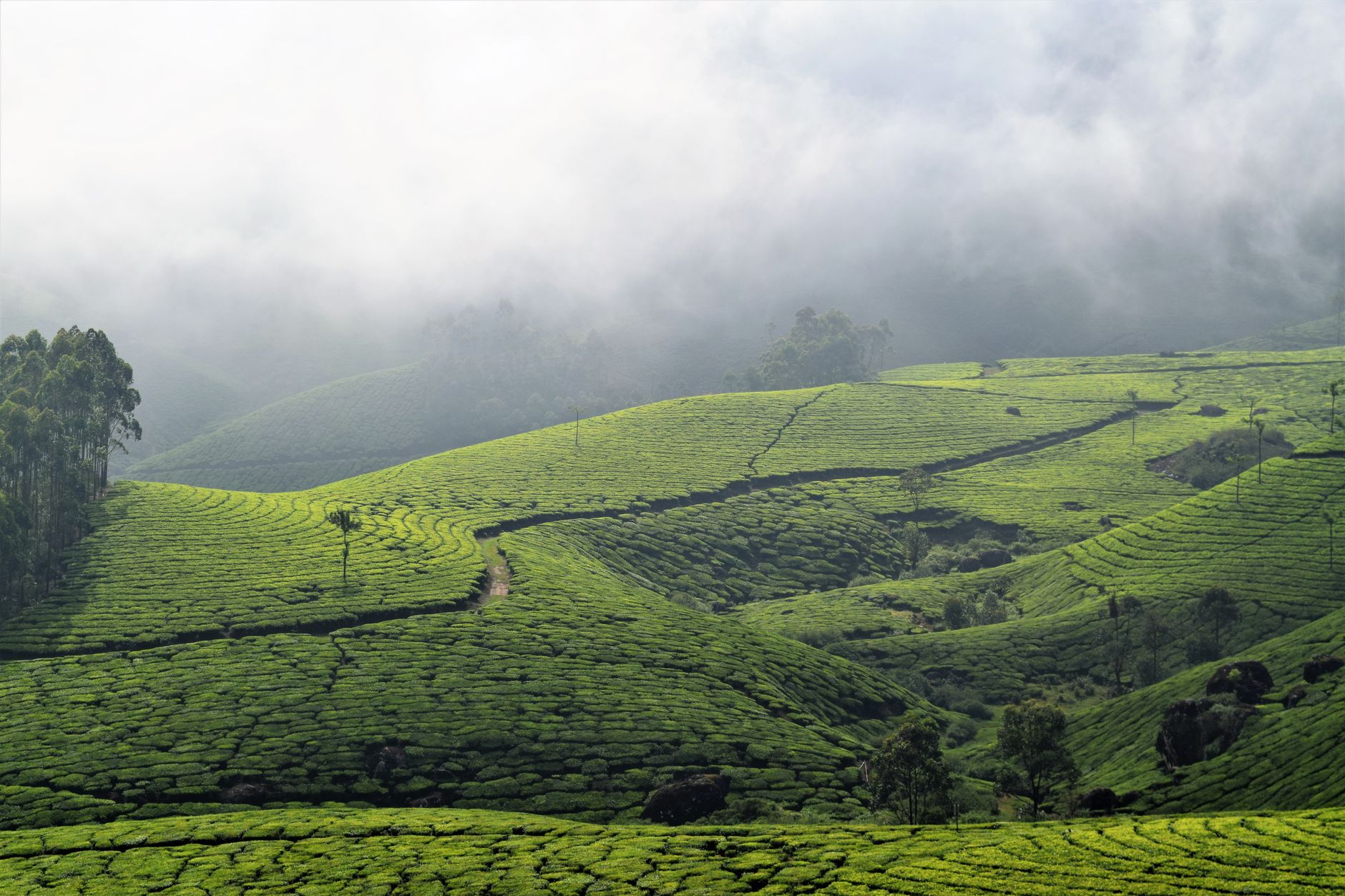
Thrikkudamanna, a serene corner of Kerala, often serves as a tranquil base. But if you're wondering what is the most attractive tourist spot near Thrikkudamanna, prepare to look beyond the well-trodden paths. Kerala is a land of layers, where every village and stream holds a story waiting to be uncovered.
Forget the usual postcards. This guide dives into the genuinely underrated, bringing to light places with surprising histories, unique ecologies, and cultural quirks that mainstream guides often miss. These are the spots where Kerala truly reveals its depths.
1. The Echoes of a Lost Port
Pattanam, Kerala, India
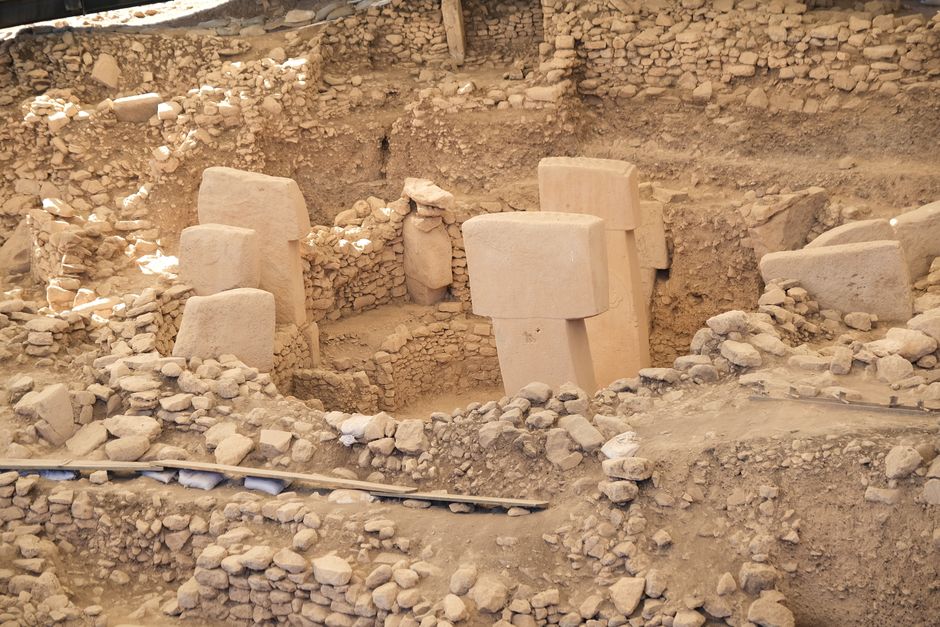
Beneath the unassuming village of Pattanam lies the incredible remains of Muziris, an ancient port city that traded with Rome and Egypt over 2,000 years ago.
Archaeological excavations at Pattanam have unearthed a trove of artifacts, including Roman amphorae, Egyptian pottery, and West Asian ceramics, proving its status as a pivotal global trade hub. This forgotten city, once a vibrant melting pot of cultures, vanished from historical records around the 14th century, perhaps due to a massive flood, leaving behind a profound mystery. The ongoing digs continue to reveal layers of Kerala's cosmopolitan past, challenging conventional narratives of early Indian history.
2. The Solitary Deity's Sanctuary
Irinjalakuda, Kerala, India
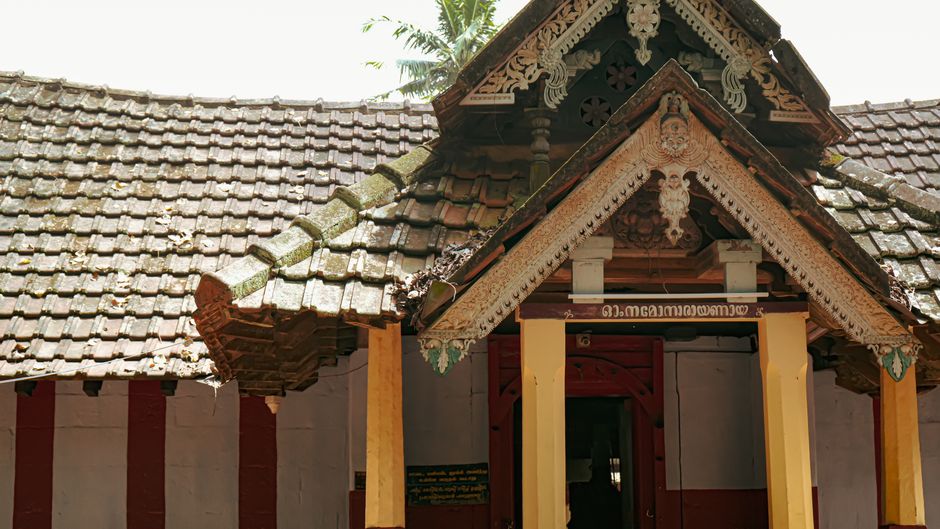
This is the only temple in India dedicated to Bharatha, Lord Rama's brother, and it holds a unique 18-day festival where only male elephants participate.
Unlike most temples that honor the prominent Hindu deities, Koodalmanikyam Temple's central deity is Bharatha, a rare distinction that sets it apart. The temple is also famous for its peculiar offering: 'Brinjal Nivedyam' (eggplant offering), believed to cure stomach ailments. During its annual festival, the 'Koodalmanikyam Arattu', only unblemished male elephants are allowed to participate in the grand procession, creating a truly unique spectacle steeped in ancient tradition.
3. Kerala's Underwater Rice Bowl
Thrissur District, Kerala, India
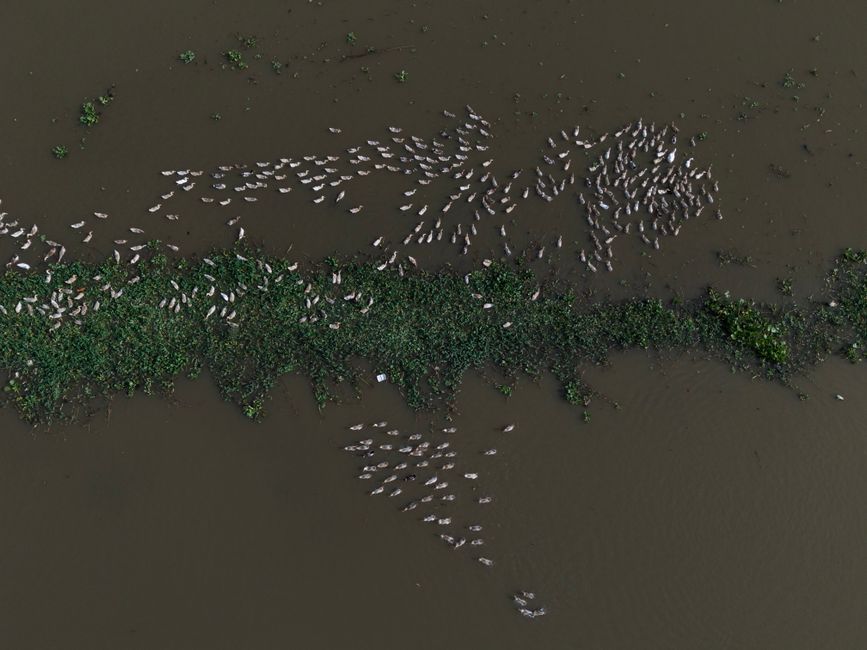
This vast wetland system, a designated Ramsar site, features traditional rice cultivation occurring below sea level, a marvel of indigenous engineering and ecology.
The Kole Wetlands stretch across parts of Thrissur and Malappuram districts, forming one of India's largest and most significant wetland ecosystems. Farmers here employ ingenious methods to cultivate paddy in fields submerged for half the year, pumping water out during the dry season. This unique environment is a critical habitat for over 100 species of migratory birds, making it a birdwatcher's paradise and a vital ecological zone facing the challenges of climate change and urbanization.
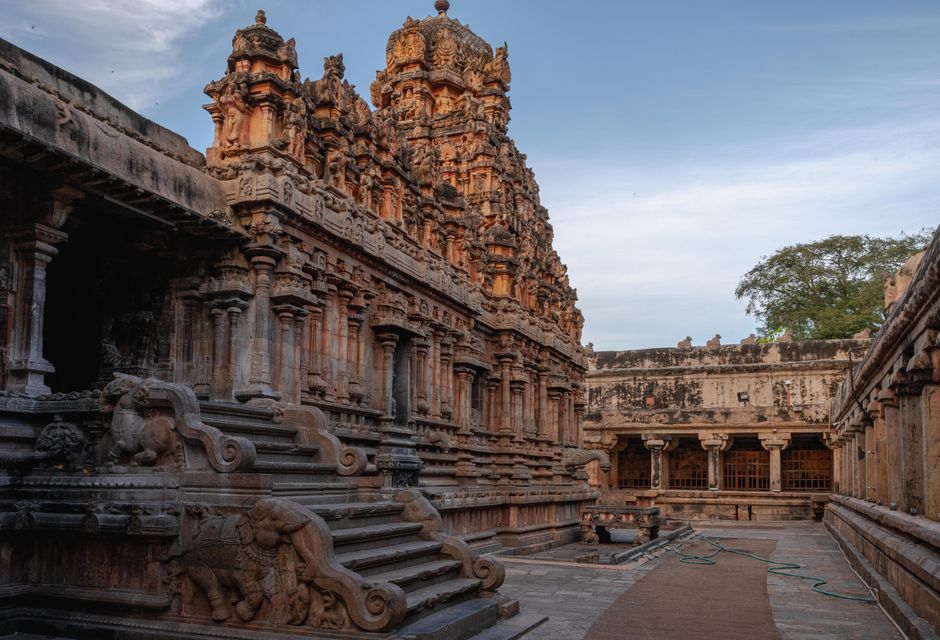
4. The Fierce Mother's Ancient Abode
Kodungallur, Kerala, India
This ancient temple is infamous for its 'Bharani' festival, where devotees engage in ritualistic abuses and offerings to appease the fierce goddess Bhadrakali.
The Kodungallur Bhagavathy Temple is one of Kerala's most revered and enigmatic shrines, dedicated to the formidable goddess Bhadrakali. Its annual 'Bharani' festival is a spectacle unlike any other, with devotees from across Kerala converging to perform 'Kaavu Theendal', a ritual involving beating temple rafters with sticks while chanting abusive songs. This ancient practice is believed to please the goddess and ward off evil, reflecting a deep-rooted, primal form of worship unique to this sacred site.
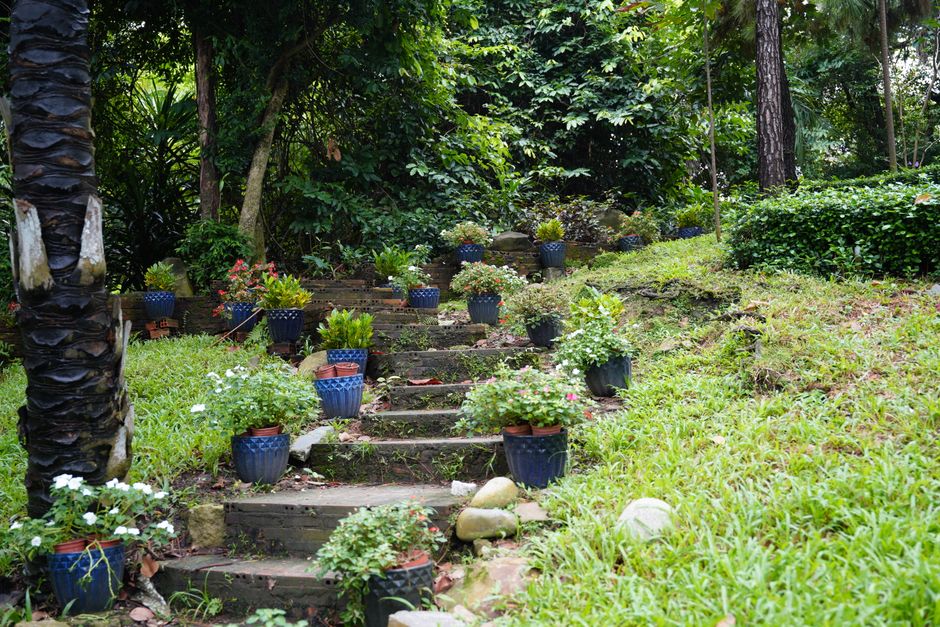
5. A Sanctuary of Endemic Flora
Athirappilly, Kerala, India
Often overshadowed by the famous falls, the Vazhachal Forest Gardens protect a unique collection of endemic plants and trees, including rare medicinal species.
While many visitors flock to the roaring Athirappilly and Vazhachal waterfalls, few explore the rich biodiversity of the surrounding forest gardens. These gardens are not just a scenic stop but a crucial conservation zone, home to numerous plant species found only in the Western Ghats. Visitors can discover rare medicinal herbs, towering ancient trees, and observe the intricate ecosystem that supports the area's wildlife, offering a quieter, more intimate connection with Kerala's natural heritage.
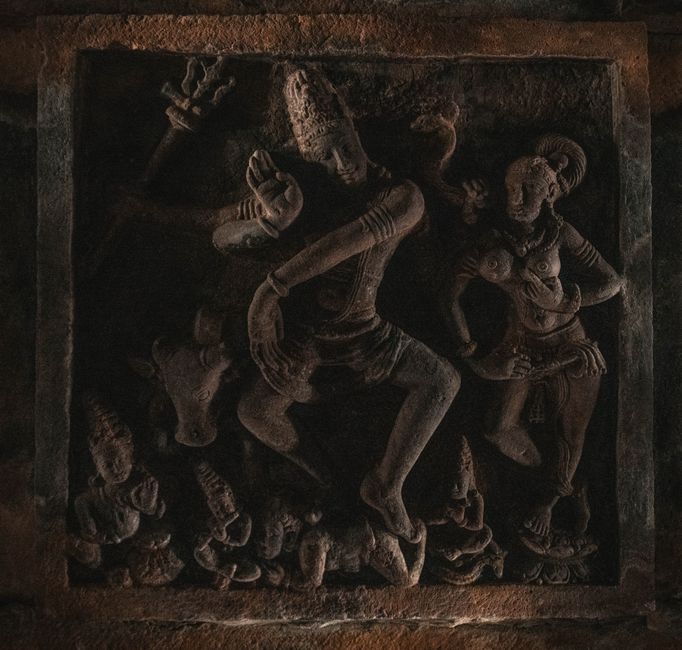
6. The Cradle of Temple Arts
Cherpu, Kerala, India
One of Kerala's oldest temples, Peruvanam Mahadeva Temple is considered the birthplace and grand stage for the state's traditional percussion ensembles and temple arts.
Dating back over a millennium, Peruvanam Mahadeva Temple is not just an architectural marvel but a living museum of Kerala's performing arts. It is historically significant as the venue for the ancient 'Peruvanam Pooram', a grand festival that predates the famous Thrissur Pooram and serves as a vital platform for 'Panchari Melam' and 'Pandi Melam', intricate traditional percussion ensembles. The temple's rich history offers a glimpse into the evolution of Kerala's vibrant cultural and artistic traditions.
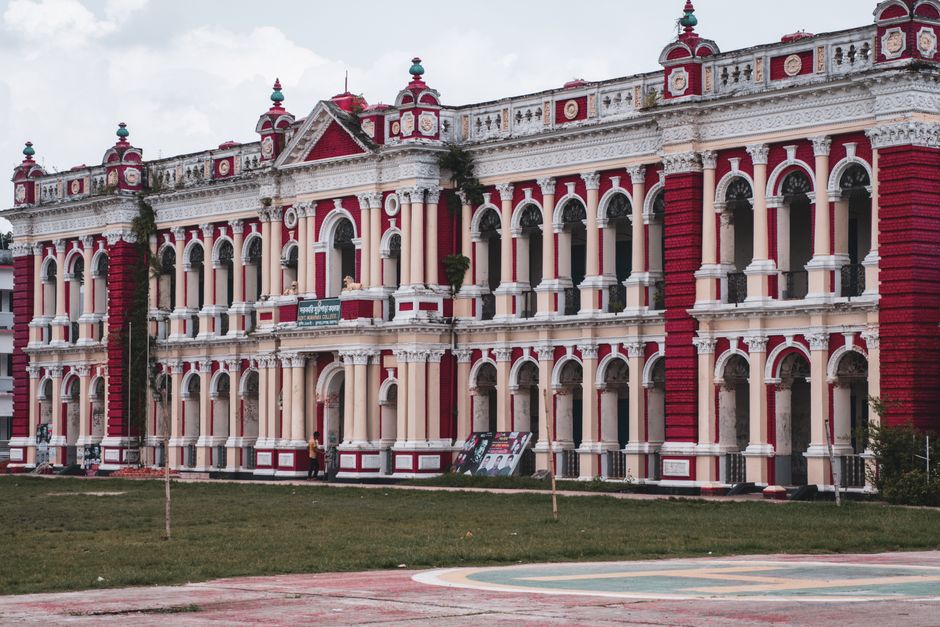
7. The Prime Minister's Regal Residence
Chendamangalam, Kerala, India
This historic palace was once the official residence of the Paliath Achans, hereditary Prime Ministers to the erstwhile Kingdom of Cochin, showcasing a unique blend of Kerala and Dutch architectural styles.
The Paliam Palace stands as a poignant reminder of Kerala's feudal past and its interactions with colonial powers. Built with strong Dutch influences, evident in its elaborate wooden ceilings and ornate staircases, it contrasts with traditional Kerala architecture. The palace complex, including the Paliam Nalukettu (traditional homestead), was the nerve center of power for centuries, where crucial decisions shaping the Cochin kingdom were made. It now serves as a museum, preserving artifacts and stories of a powerful lineage.
Frequently asked questions
What is the best time to visit Thrikkudamanna and its surrounding attractions?
The ideal time to explore Thrikkudamanna and the nearby spots is from October to March. During these months, the weather is pleasantly cool and dry, making it perfect for sightseeing, exploring archaeological sites, and enjoying the natural beauty of the wetlands and forests without the intense heat or heavy monsoon rains.
Are these lesser-known spots accessible by public transport?
While some of these locations, like Kodungallur and Irinjalakuda, have decent bus connectivity, reaching the more remote sites like Pattanam or the interior parts of the Kole Wetlands might require hiring a taxi or an auto-rickshaw. It's advisable to plan your transport in advance, especially if you intend to visit multiple spots in a day.
What kind of local cuisine should I try near Thrikkudamanna?
When exploring the Thrissur region, be sure to savor authentic Kerala cuisine. Look for traditional Sadya meals served on banana leaves, especially during festivals. Don't miss local specialties like 'Puttu and Kadala Curry', 'Appam with Stew', and a variety of fresh seafood dishes. Many small eateries and local restaurants offer genuine flavors.
How can AllTours.ai enhance my visit to these unique places?
AllTours.ai brings these hidden gems to life by providing rich, contextual audio narratives. Simply point your phone camera at a landmark, an ancient ruin, or a unique natural formation, and the app will instantly narrate its history, geological significance, and cultural stories in your preferred language, offering a deeper and more personal understanding of each site.
Photography via Pexels. AllTours.ai is an AI audio tour guide — point your camera at any landscape and hear its story.