
France · AllTours Blog
Hidden Literary Cafes in Paris: Echoes of Unsung Writers
November 23, 2026 · 4 min read
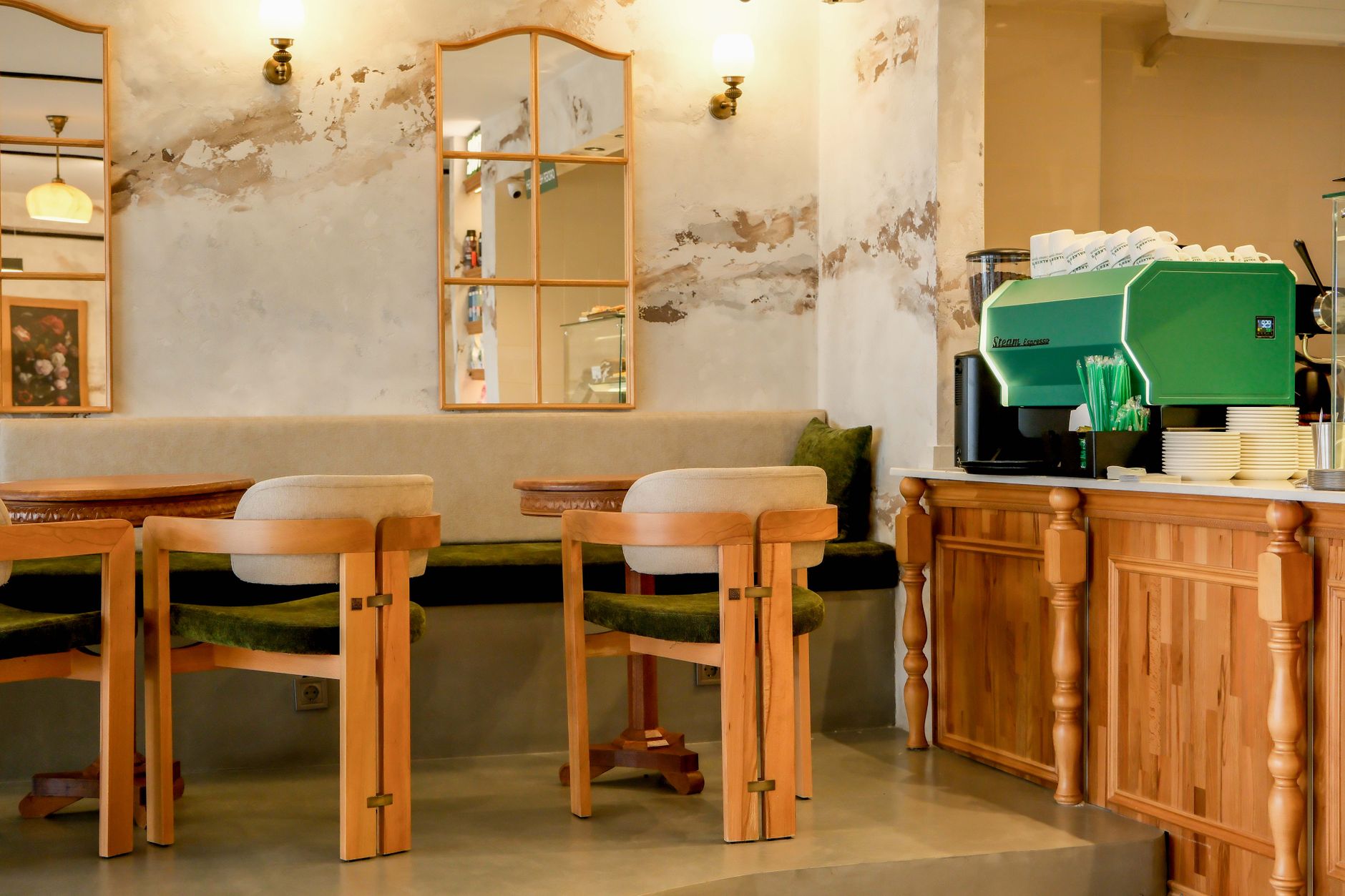
Paris, a city synonymous with art and intellect, holds countless stories within its cobbled streets and grand boulevards. While many flock to the well-trodden literary landmarks, a deeper, quieter history often remains hidden in plain sight. Beyond the bustling famous cafes, there exist intimate corners where the seeds of great novels were sown, where revolutionary ideas were debated in hushed tones, and where writers sought both solace and inspiration.
These are the places that truly fueled the Parisian literary spirit – not just as backdrops, but as active participants in the creative process. From ancient bookstores that supplied the Enlightenment's giants to unassuming brasseries where expatriate voices found their community, these spots offer a rare glimpse into the city's intellectual heartbeat, away from the tourist gaze.
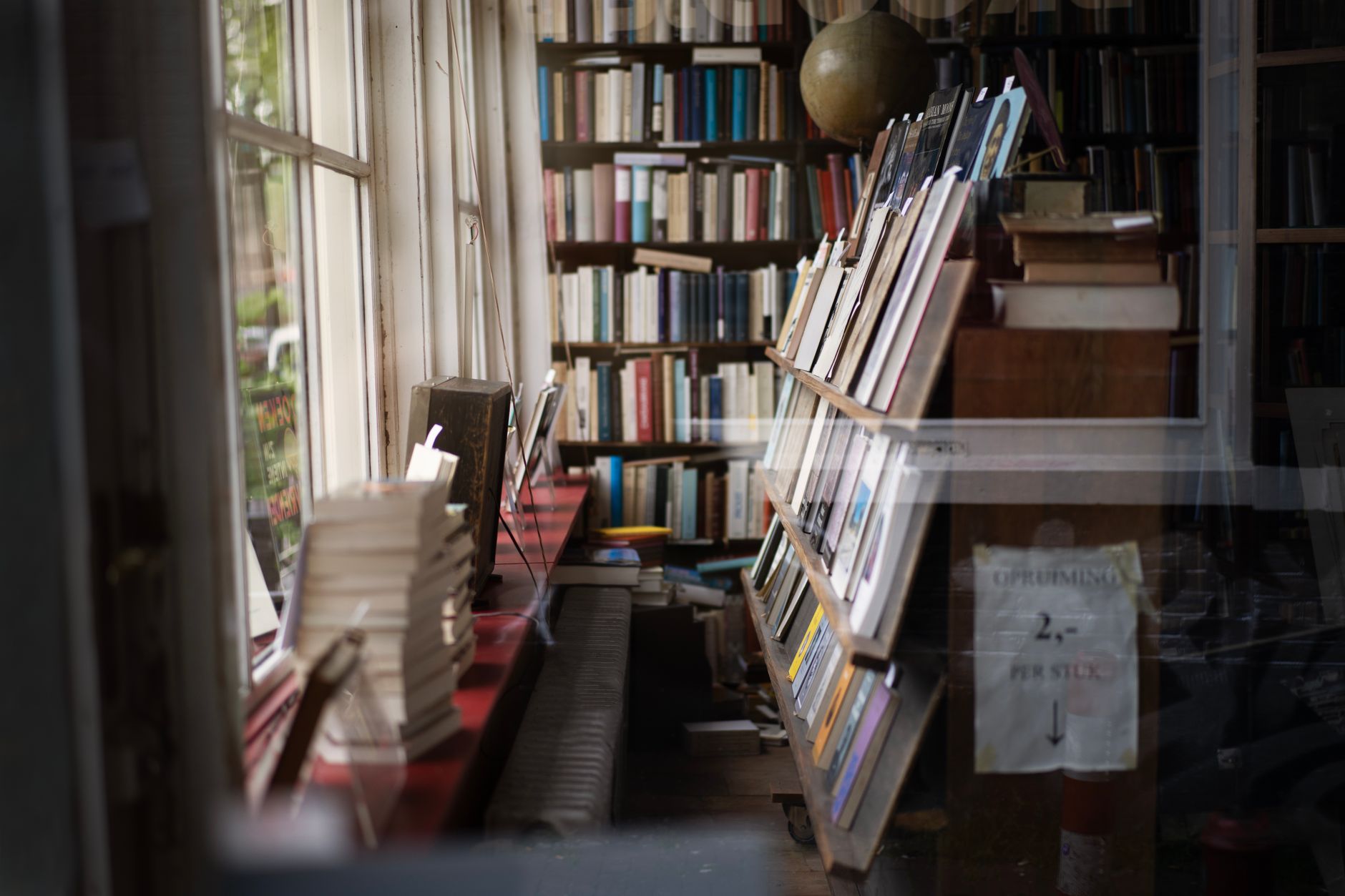
1. Galignani's Enduring Legacy
Librairie Galignani, Paris, France
Europe's first English bookstore, Galignani, was a silent intellectual haven that attracted figures from Oscar Wilde to Marcel Proust, seeking solace in its vast collection.
Established in 1801, Librairie Galignani on Rue de Rivoli predates most of Paris's literary institutions. It became an essential resource for Anglophone writers and discerning intellectuals, offering a quiet respite from the city's bustle. Unlike the more bohemian cafes, Galignani was a place of serious study and quiet contemplation, a crucial link to the wider English-speaking literary world for French authors and expatriates alike.
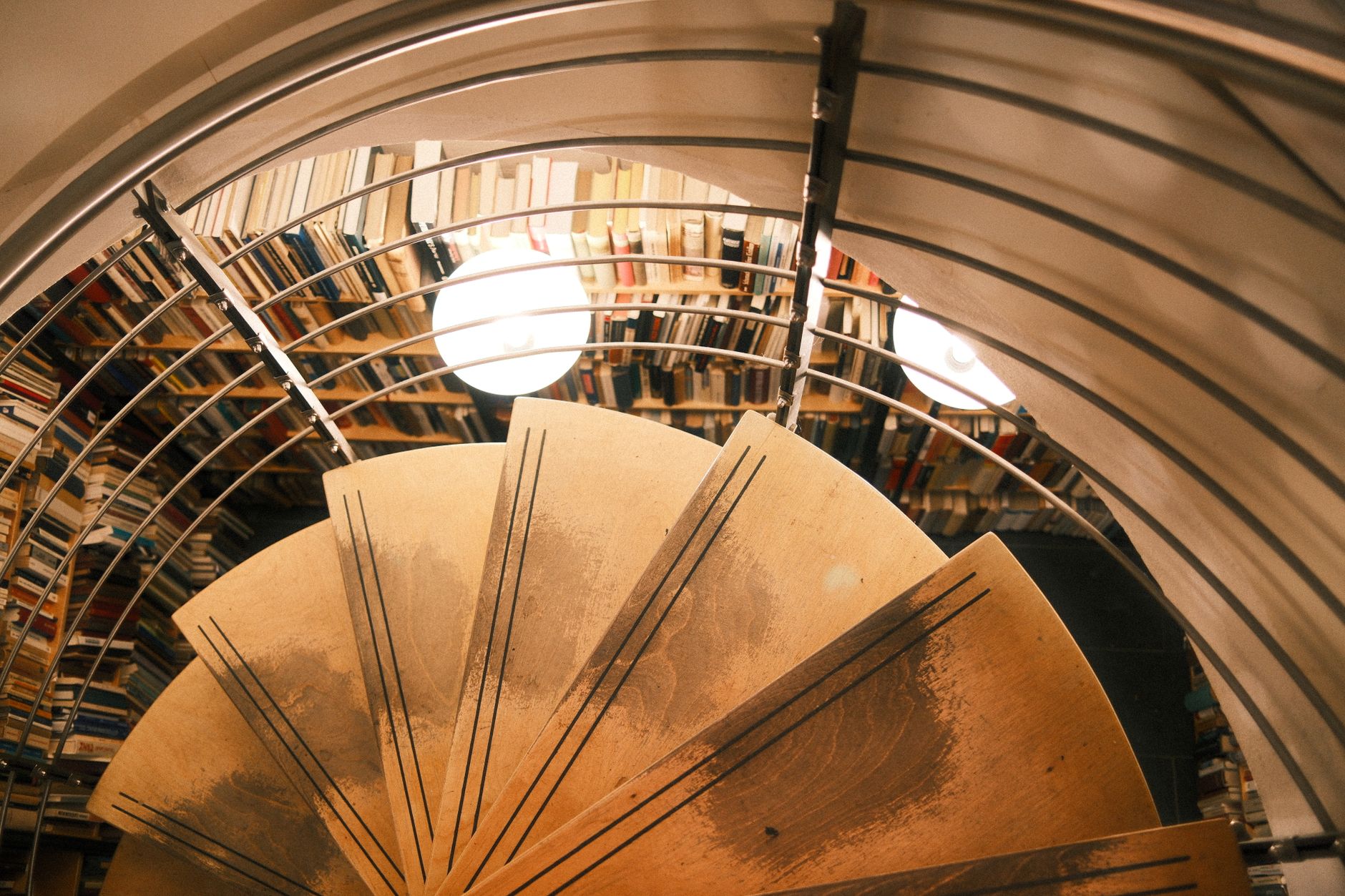
2. A Bookstore in a Glass Passage
Librairie Jousseaume, Paris, France
Within the stunning Galerie Vivienne, Librairie Jousseaume is a historic bookstore that has witnessed centuries of Parisian intellectual life from its ornate, glass-ceilinged perch.
Galerie Vivienne, a covered passage from 1823, is an architectural marvel. Librairie Jousseaume offers a journey back in time, its shelves stacked with old and rare books. It was a popular haunt for writers and artists who appreciated the passage's quiet elegance and its proximity to the Palais Royal. This spot provided a unique atmosphere where the light filtering through the glass roof created a serene, inspiring environment for browsing and reflection.
3. The Workingman's Literary Canteen
Le Bouillon Chartier, Paris, France
More than a restaurant, this Belle Époque eatery was a crucial, budget-friendly gathering spot for struggling artists and emerging writers like Guillaume Apollinaire, who shaped early 20th-century avant-garde movements.
Since 1896, Bouillon Chartier has served classic French fare at affordable prices, drawing in a diverse crowd that historically included a significant number of artists and intellectuals. Its grand, bustling dining hall fostered an environment of casual camaraderie and spirited discussion. Apollinaire, a key figure in Cubism and Surrealism, often dined here, finding both sustenance and inspiration amidst the lively chatter and the raw energy of his fellow struggling creatives.
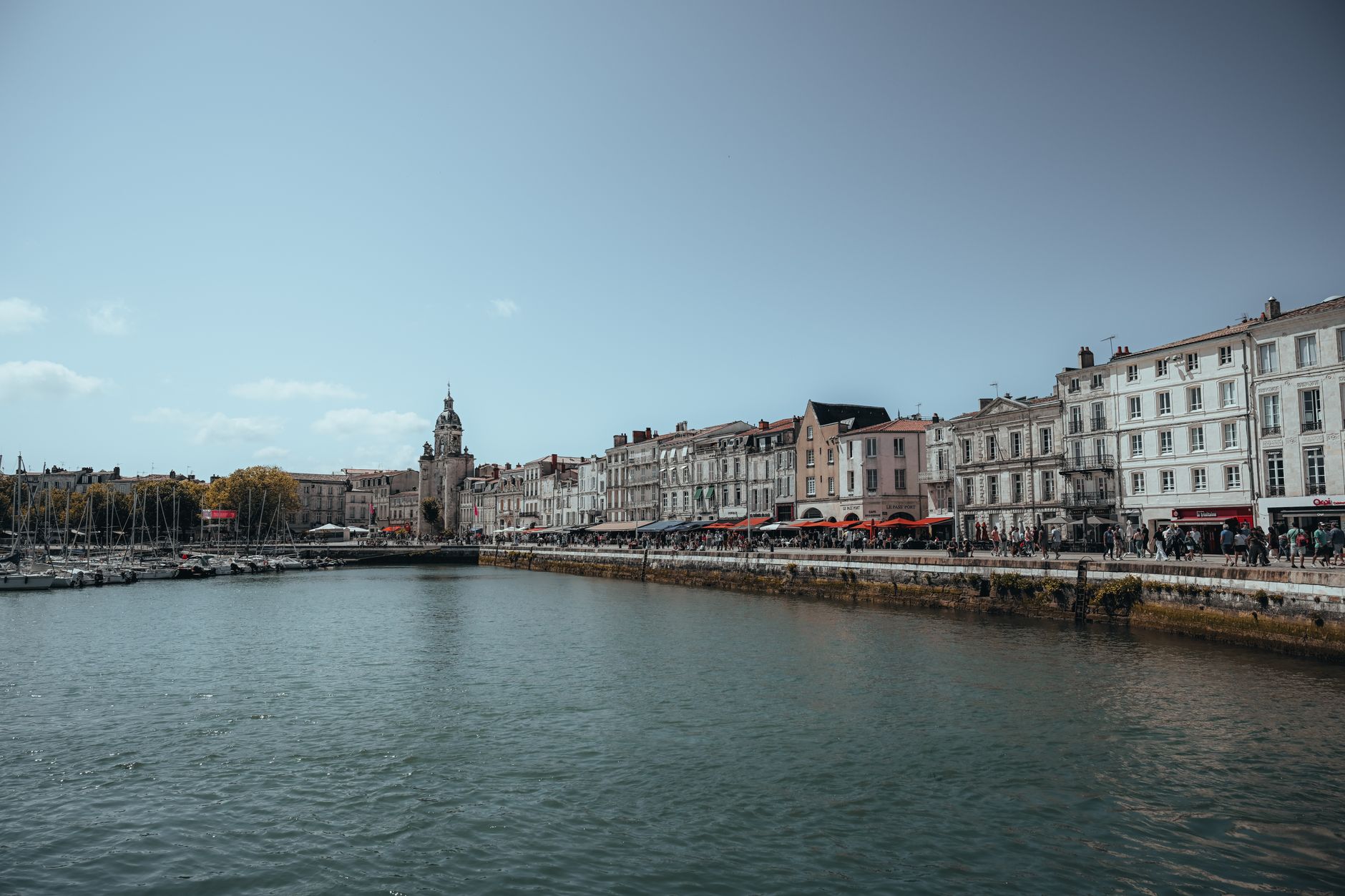
4. Perec's Unpretentious Viewpoint
Café de la Mairie, Paris, France
Its unpretentious charm and commanding view of Saint-Sulpice made this humble cafe a backdrop for Georges Perec's meticulous observations on everyday life, influencing his literary portrayals of Paris.
Overlooking the magnificent Saint-Sulpice church, Café de la Mairie is a quintessential Parisian local spot, devoid of tourist fanfare. It was a favorite of Georges Perec, a master of Oulipo and experimental literature, who found the ordinary extraordinary. He would sit, observe, and document the subtle rhythms of Parisian existence, transforming the mundane into profound literary insights. This café embodies the spirit of quiet observation that defined much of his work.
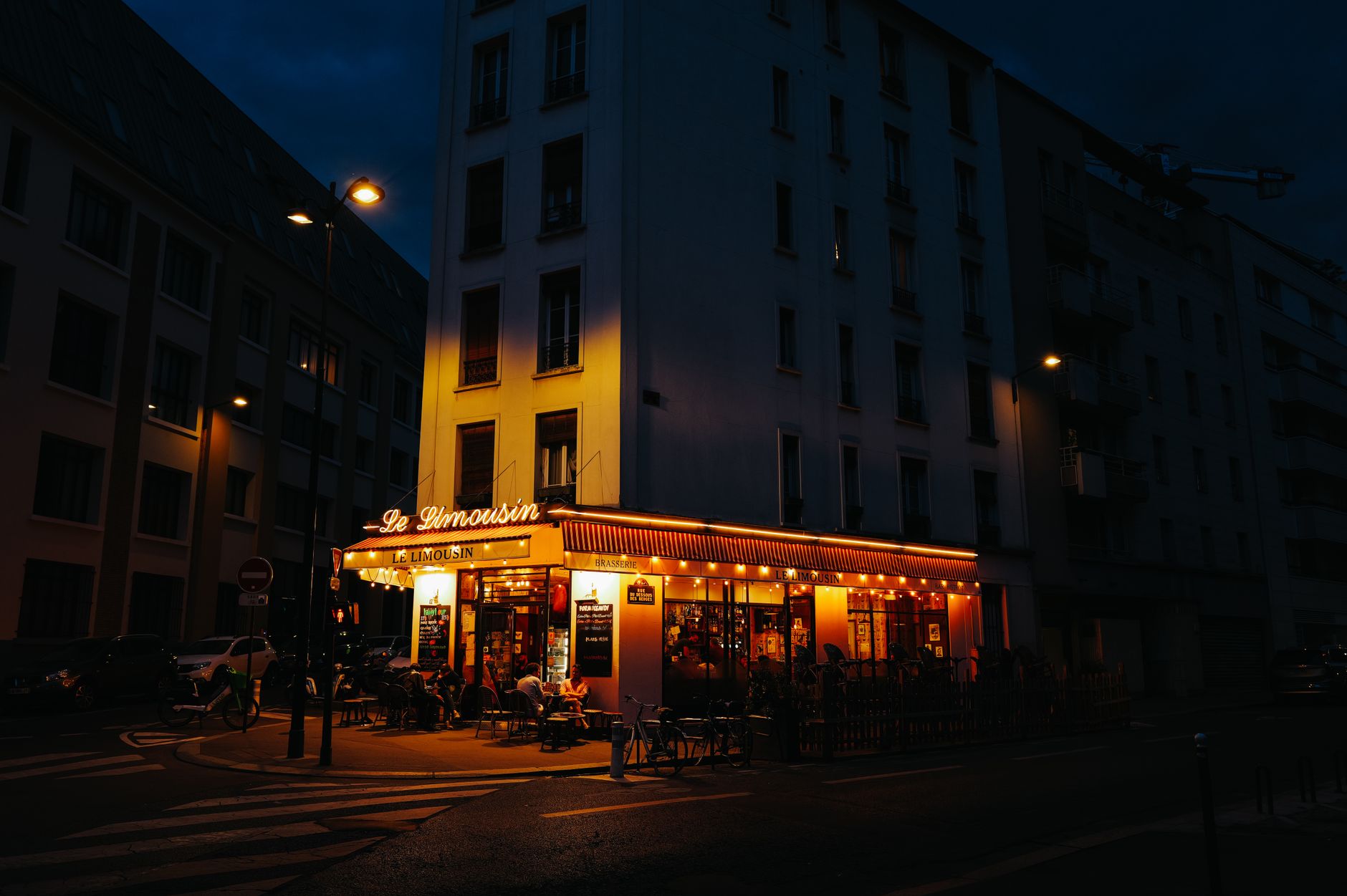
5. Expatriate Voices on the Left Bank
Le Café Tournon, Paris, France
This unassuming café became a vital intellectual hub in the 1950s for African American expatriate writers like James Baldwin and Richard Wright, offering a space for dialogue and dissent.
Tucked away on a quiet street near the Luxembourg Gardens, Le Café Tournon provided a crucial meeting point for a generation of Black American writers who sought freedom and artistic community in post-war Paris. Far from the more famous literary haunts, it was here that Baldwin, Wright, and others discussed racial politics, literary theory, and personal struggles. The café fostered a unique intellectual environment, becoming a symbol of artistic liberation and a sanctuary for voices often marginalized elsewhere.
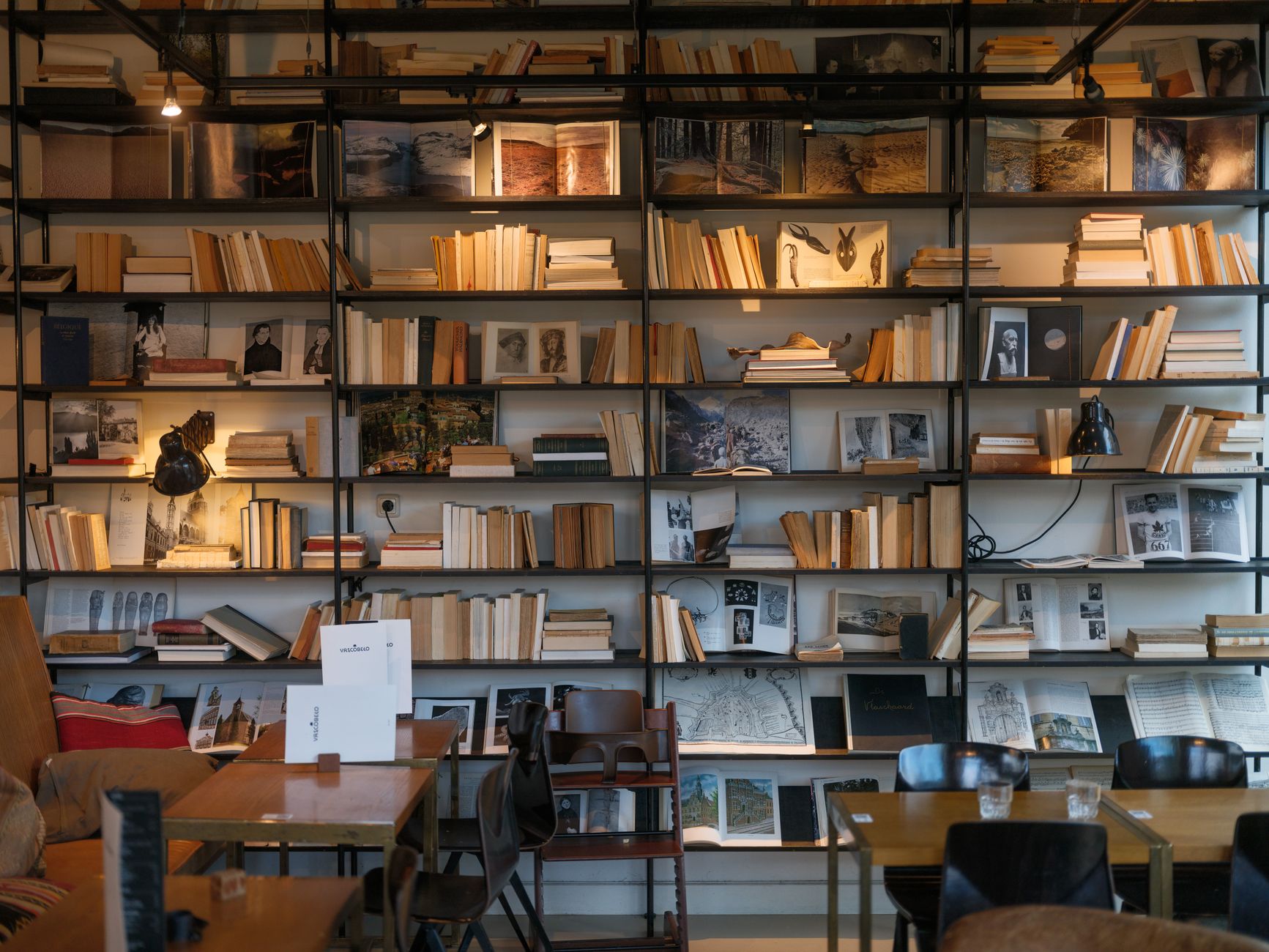
6. Voltaire's Ancient Supplier
Librairie Delamain, Paris, France
As one of Paris's oldest bookstores, established in 1700, Delamain supplied generations of playwrights and philosophers, including Voltaire, with essential texts just steps from the Comédie-Française.
Situated under the arcades of the Palais Royal, Librairie Delamain has been a beacon of French intellectual life for over three centuries. Its proximity to the Comédie-Française made it a natural magnet for dramatists and thinkers. Voltaire, a frequent visitor to the Palais Royal, would have undoubtedly frequented its aisles, seeking out the latest philosophical treatises and literary works that fueled his own groundbreaking writings and the Enlightenment itself.
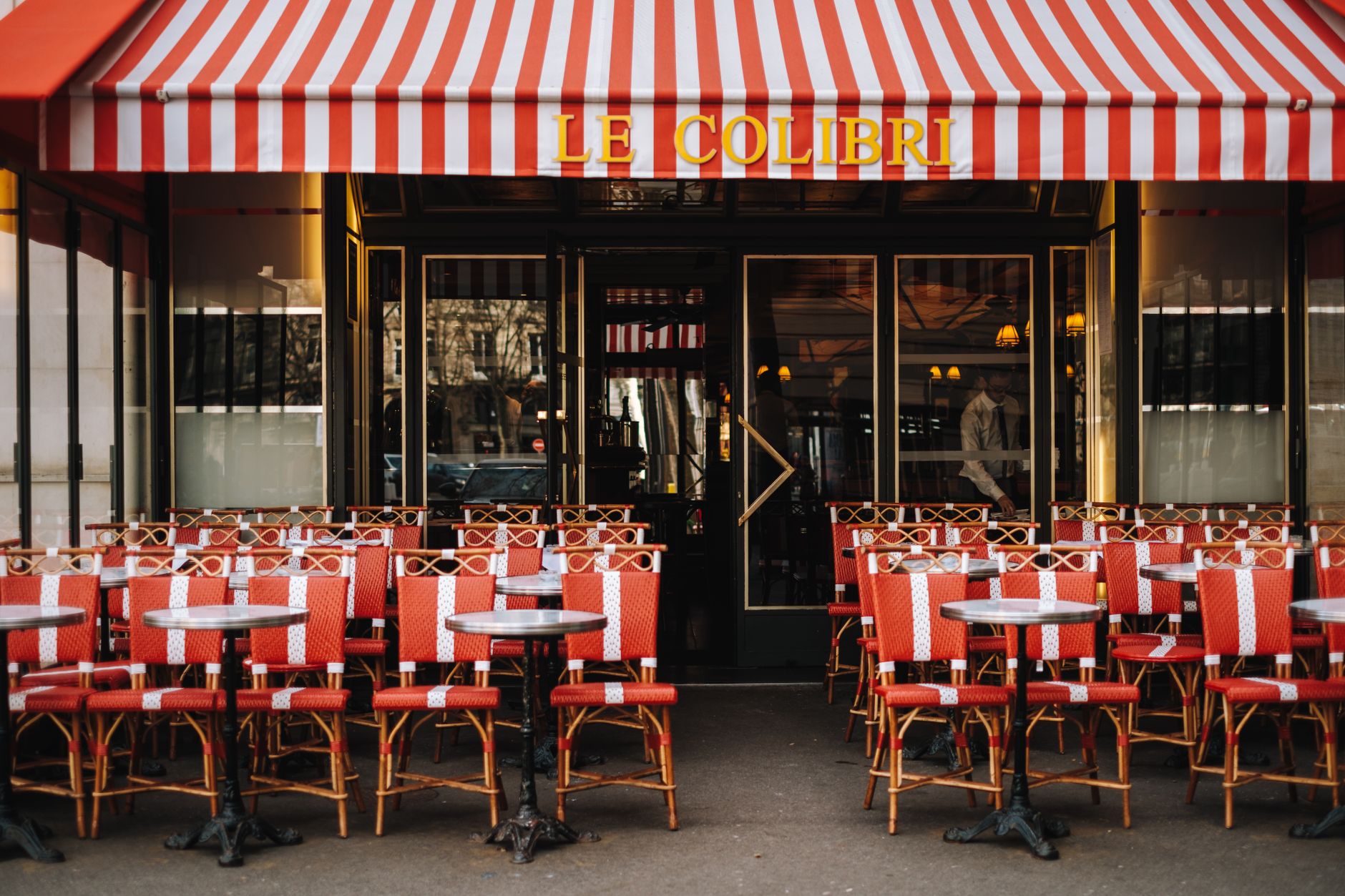
7. Simenon's Observation Post
Le Bar du Central, Paris, France
This unassuming local bar was the preferred quiet corner for Georges Simenon, creator of Inspector Maigret, where he observed ordinary Parisians, often sparking ideas for his famous novels.
Georges Simenon, a prolific Belgian writer renowned for his detective novels featuring Inspector Maigret, was known for his intense periods of writing and his keen eye for human nature. Le Bar du Central, a classic, unpretentious Parisian bar on rue du Cherche-Midi, offered him the perfect vantage point. Here, amidst the everyday chatter and comings and goings, Simenon would quietly watch the city's inhabitants, gathering the nuances of character and plot that brought his iconic detective stories to life.
8. Sartre and de Beauvoir's Discreet Discussions
Le Relais Odéon, Paris, France
Though often overshadowed by more famous spots, this classic brasserie offered a more discreet setting for intellectuals like Jean-Paul Sartre and Simone de Beauvoir to discuss existentialism away from the public gaze.
While Sartre and de Beauvoir are famously associated with Les Deux Magots and Café de Flore, they also sought out quieter, less ostentatious venues for their intense philosophical debates and writing sessions. Le Relais Odéon, positioned strategically near the Odéon-Théâtre, provided just such a space. It allowed them to engage in profound discussions about existentialism and human freedom in a more subdued atmosphere, away from the constant attention of admirers and journalists that plagued their more celebrated haunts.
Frequently asked questions
What makes a Parisian cafe "literary"?
A Parisian literary cafe is typically a spot where writers historically gathered, either to write, discuss ideas, or simply observe life. These places often become intertwined with literary movements, serving as unofficial salons or quiet havens for creative work.
Are these hidden literary cafes still open to the public?
Yes, all the places mentioned are active businesses, whether they are bookstores, cafes, or restaurants. They continue to welcome visitors, offering a chance to step into a piece of Paris's enduring intellectual history.
How can I find more historic literary spots in Paris?
Beyond these specific suggestions, look for cafes and bookstores in historically literary neighborhoods like Saint-Germain-des-Prés, Montparnasse, and the Latin Quarter. Many have plaques or subtle clues about their past patrons, or you can research the favorite haunts of your favorite French authors.
How can AllTours.ai help me explore these places?
AllTours.ai brings the stories of these places to life directly on your phone. Simply point your camera at a landmark or cafe, and the app will narrate its history, cultural significance, and even geological details in your language, making every hidden corner feel like a personal guided tour.
Related guides
More from France
The app · free
Hear the story of every place on this list
AllTours turns any landscape into a narrated experience. Point your camera, and hear the history most travelers walk right past — free to try.


Photography via Pexels. AllTours.ai is an AI audio tour guide — point your camera at any landscape and hear its story.