June 30, 2026 · 4 min read
We've all been asked, or perhaps asked ourselves, 'What is the most dangerous thing you have ever witnessed?' Often, our minds jump to personal close calls or famous disasters. But what about the places themselves, silently holding stories of immense peril, places few ever visit?
Beyond the well-trodden paths, there are landscapes sculpted by unimaginable forces, and sites where history unfolded with terrifying intensity. These are not just pretty pictures; they are stages for geology's raw power and humanity's most desperate struggles. Prepare to uncover some of the world's most perilous, yet fascinating, spots.
1. The Gates of Hell's Fiery Breath
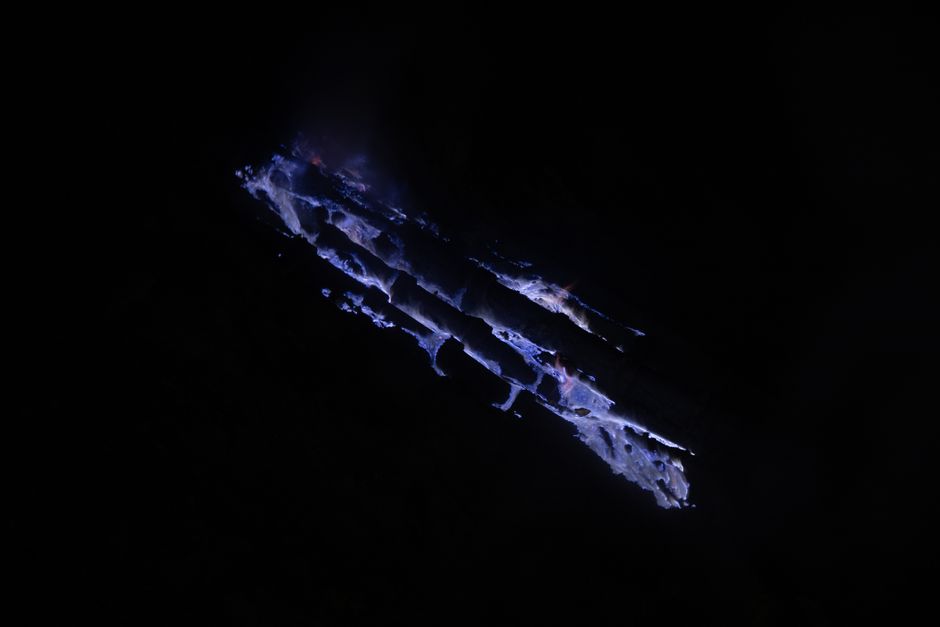
Darvaza Gas Crater, Turkmenistan
A Soviet drilling accident ignited a massive natural gas crater, which has been burning continuously for over five decades.
In 1971, Soviet geologists were drilling for natural gas when their rig collapsed into a cavern, creating a sinkhole. Fearing the spread of poisonous methane gas, they decided to burn it off, expecting it to last a few weeks. Instead, this fiery chasm, roughly 70 meters wide, has been a perpetually burning inferno ever since, a stark reminder of humanity's geological miscalculations.
2. Paris's Labyrinthine Undercity
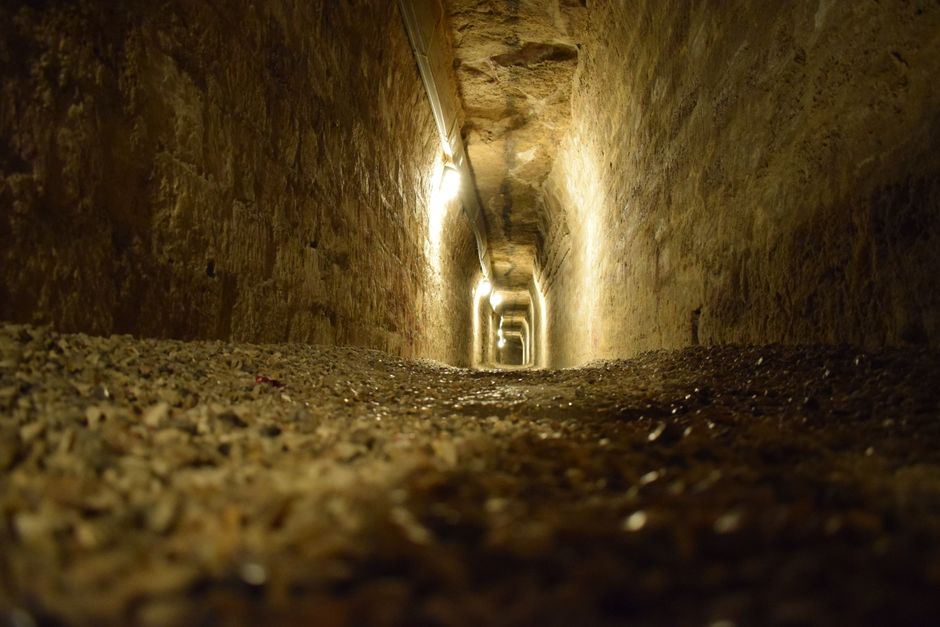
Catacombs of Paris (unmapped sections), France
Beneath the romantic streets of Paris lies an immense, unmapped underground ossuary and tunnel network where it's easy to get lost forever.
While a small portion of the Paris Catacombs is open to tourists, vast, illegal sections stretch for hundreds of kilometers, forming a treacherous labyrinth. These unlit, crumbling tunnels, often filled with water and human remains, are navigated only by 'cataphiles' who risk fines, injury, or getting permanently disoriented in the city's ancient, collapsing underbelly.
3. The Lake That Turns Animals to Stone
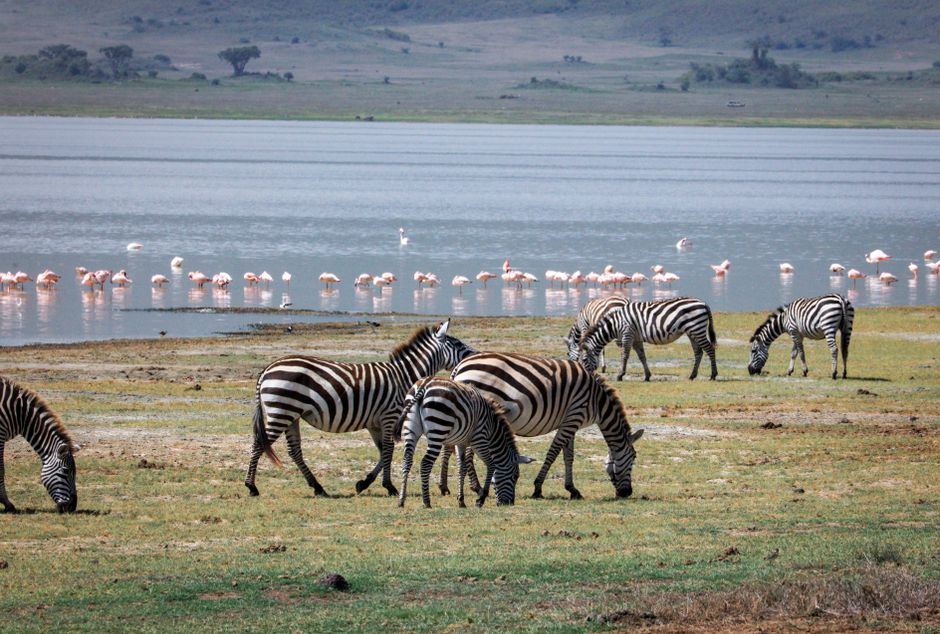
Lake Natron, Tanzania
This intensely alkaline and saline lake is so caustic that it calcifies animals that dare to touch its waters, preserving them like statues.
Lake Natron is one of the world's most caustic bodies of water, with pH levels soaring above 10.5 and temperatures reaching 60°C (140°F). Its high concentration of natron (sodium carbonate decahydrate) turns any creature that succumbs to its waters into a calcified mummy, creating eerie, naturalistic sculptures along its shores. Only specialized organisms like flamingos can thrive in its extreme environment.
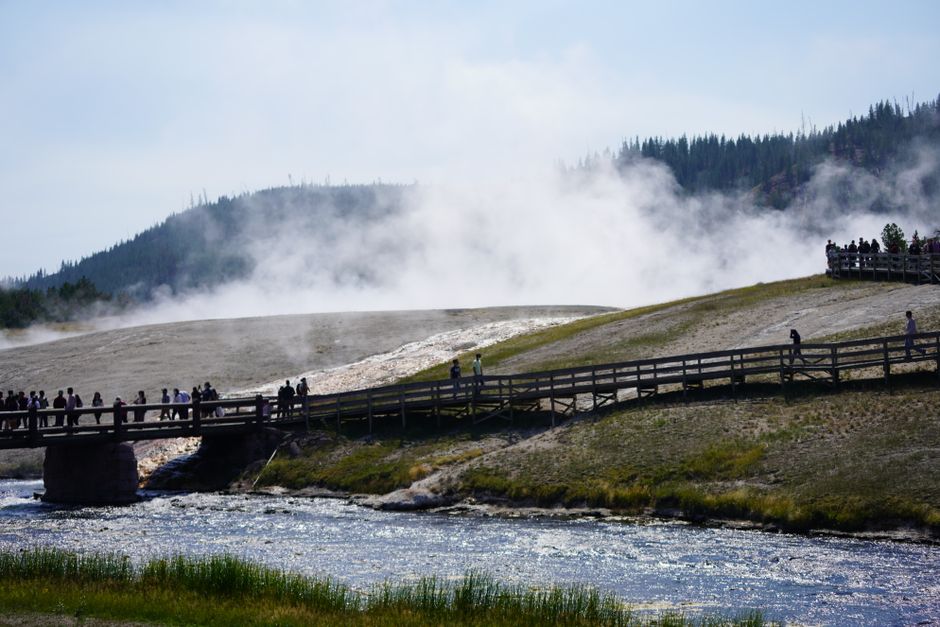
4. Amazon's Seething River
Shanay-Timpishka, Peru
Deep in the Amazon rainforest flows a river so hot it boils alive any animal that falls into its scalding waters.
For miles, the Shanay-Timpishka river maintains temperatures between 50°C (122°F) and almost 100°C (212°F), hot enough to cause third-degree burns and instant death. Its heat source isn't volcanic, but a geothermal system where boiling water emerges from deep fault lines, a rare natural phenomenon that makes accidental falls incredibly lethal.
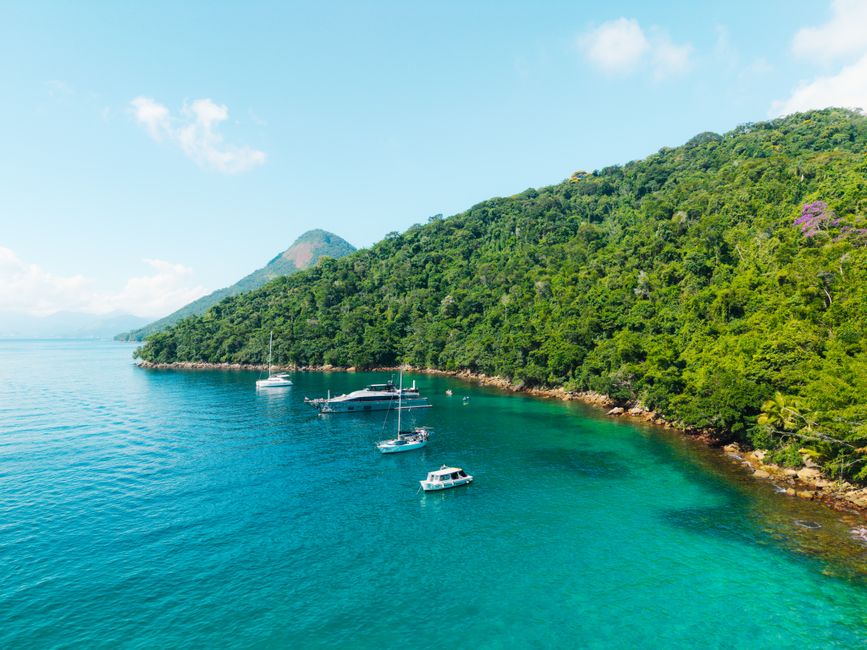
5. The Serpent's Forbidden Domain
Ilha da Queimada Grande, Brazil
This island off Brazil's coast is so densely populated with one of the world's deadliest vipers that it's illegal for anyone to visit.
Ilha da Queimada Grande, known as Snake Island, is home to thousands of golden lancehead vipers, an endangered species whose venom is potent enough to melt human flesh. With an estimated one to five snakes per square meter, the Brazilian Navy strictly forbids civilian access, making it one of the most perilous places on Earth.
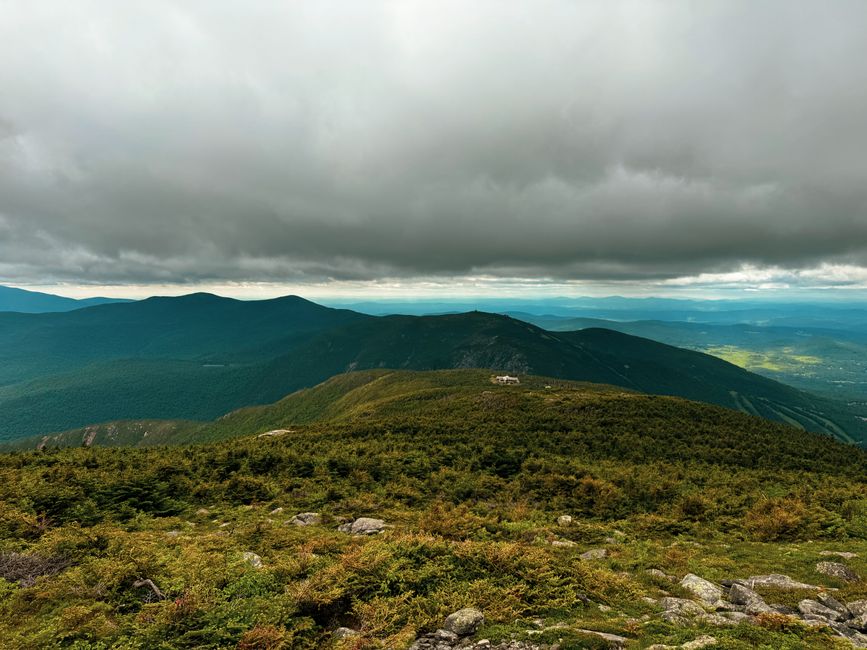
6. The World's Worst Weather Laboratory
Mount Washington, New Hampshire, USA
Home to some of the most extreme and unpredictable weather on Earth, this summit recorded the highest wind speed ever directly measured at 231 mph.
While not exceptionally tall, Mount Washington's unique position at the convergence of three major storm tracks makes its summit a meteorological anomaly. It experiences hurricane-force winds on average 110 days a year, blizzards in summer, and extreme cold, making it a deadly environment for unprepared hikers. The mountain's weather observatory holds the record for the highest wind speed ever recorded outside of a tornado or hurricane.
7. Earth's Alien Crucible
Danakil Depression, Ethiopia
This surreal landscape is one of the hottest places on Earth, featuring active volcanoes, toxic gas vents, and vibrant acid pools.
The Danakil Depression sits at the junction of three tectonic plates, resulting in intense volcanic activity and a landscape unlike anywhere else. Average annual temperatures exceed 34°C (93°F), often reaching 50°C (122°F), alongside highly acidic hot springs and sulfurous gas emissions. Surviving here requires extreme caution, as the ground itself can be unstable and toxic.
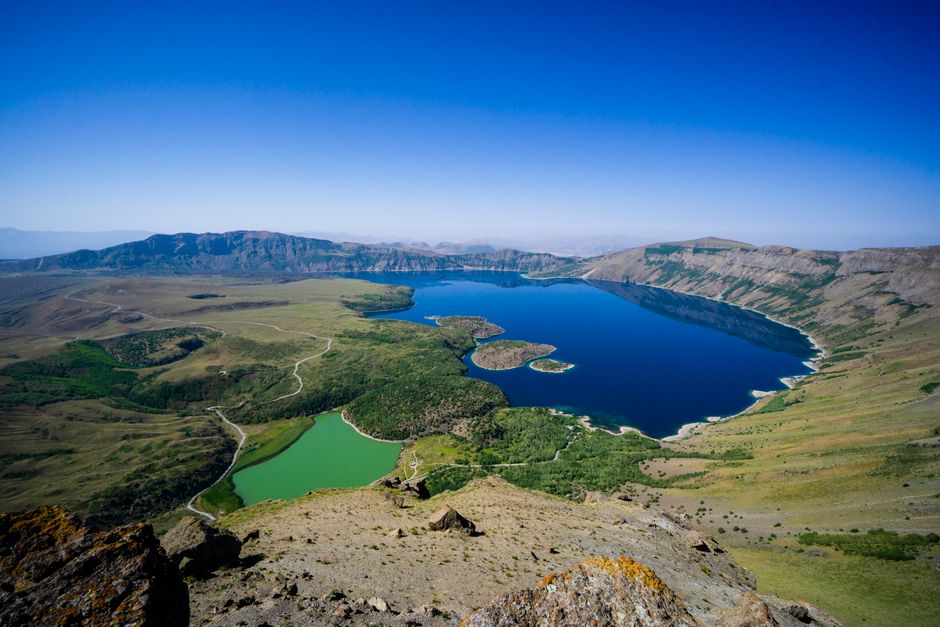
8. The Invisible Radiation Lake
Lake Karachay, Russia
Once considered the most polluted spot on Earth, this seemingly innocuous lake could deliver a lethal dose of radiation in just an hour.
From 1951, the Soviet Union used Lake Karachay as a dumping ground for radioactive waste from the Mayak production association. At its peak, simply standing on its shore for an hour could deliver 600 roentgens, a fatal dose. While partially filled with concrete to mitigate the danger, its history remains a chilling testament to nuclear recklessness, making it a ghost of an environmental disaster.
Frequently asked questions
What are some of the most dangerous natural phenomena?
Some of the most dangerous natural phenomena include supervolcano eruptions, tsunamis, massive earthquakes, and extreme weather events like Category 5 hurricanes or blizzards on high-altitude peaks. These events can reshape landscapes and pose immediate, widespread threats to life.
Where is the most dangerous place to live on Earth?
Defining the 'most dangerous' place to live is complex, as it depends on the type of danger. Some might point to active war zones or regions with high crime rates. From an environmental perspective, places like the Danakil Depression (extreme heat, toxic gases) or areas prone to frequent, severe natural disasters could be considered among the most dangerous for human habitation.
What is the most dangerous animal in the world?
While large predators like sharks or big cats are often feared, the mosquito is statistically the most dangerous animal to humans. It transmits diseases like malaria, dengue fever, and Zika virus, causing millions of deaths annually, far surpassing fatalities from other animals.
How can I learn more about dangerous places safely?
To explore the fascinating, perilous stories of these places without risking your safety, consider using the AllTours.ai app. Simply point your phone camera at a landmark or landscape, and the app will provide an immersive audio narration of its history, geology, and cultural significance, bringing even the most dangerous sites to life from a safe distance.
Related guides
Photography via Pexels. AllTours.ai is an AI audio tour guide — point your camera at any landscape and hear its story.