May 23, 2026 · 4 min read
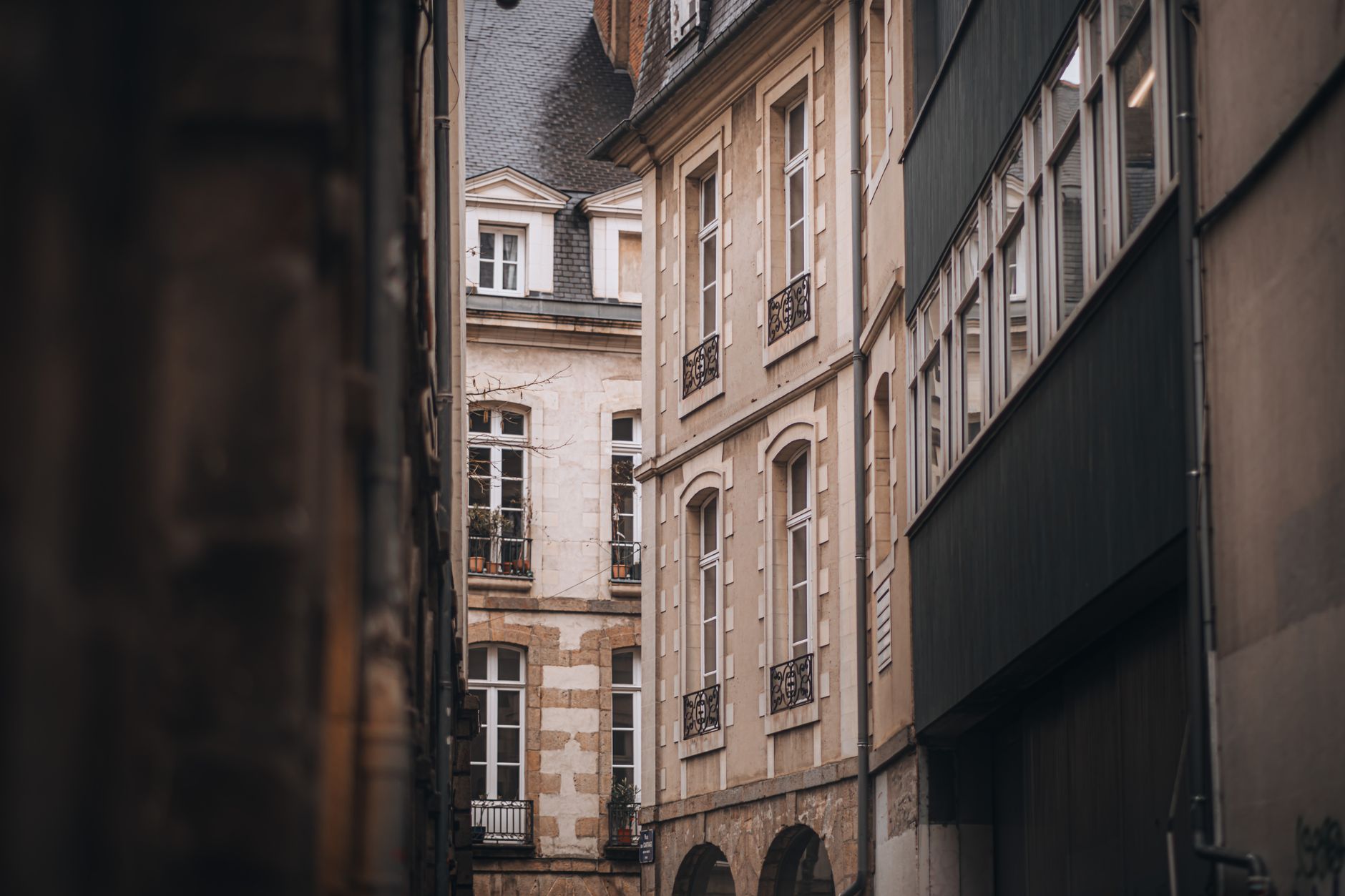
Paris is celebrated for its iconic landmarks, but beyond the Eiffel Tower and the Louvre lies another city, one whispered about in quiet courtyards and tucked away in forgotten corners. This is the Paris of true discovery, where centuries of history linger in unexpected places.
Forget the crowds and the well-worn paths. We're about to delve into the genuine hidden gems in Paris, revealing the stories behind its secret covered passages, the surprising origins of its oddest street names, and the serene beauty of its most secluded gardens. Prepare to see the City of Light through a different lens.
1. The Original Parisian Mall
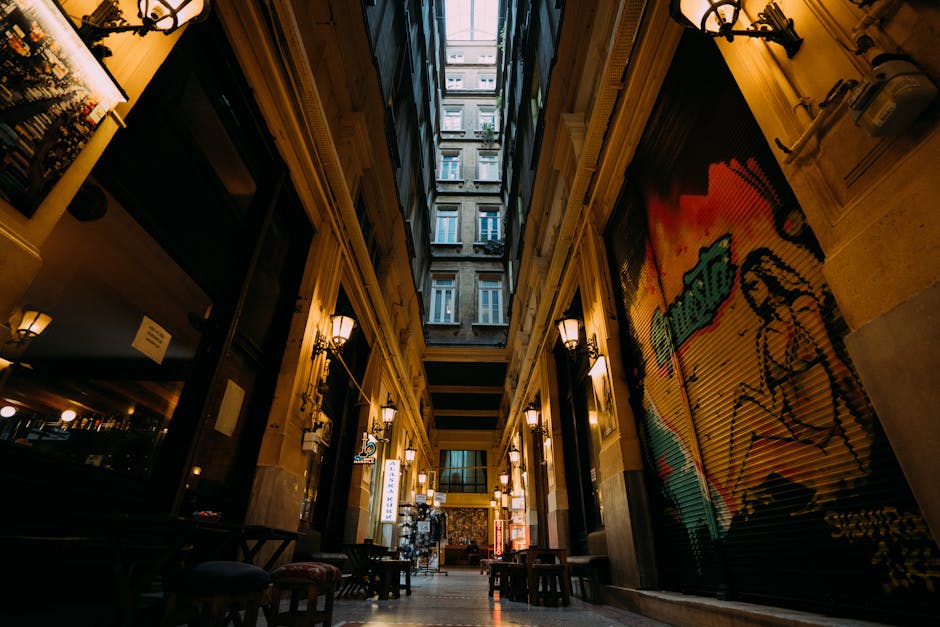
Passage des Panoramas, Paris, France
This isn't just Paris's oldest covered passage; it once housed giant, immersive 360-degree paintings.
Opened in 1800, the Passage des Panoramas was revolutionary for its time, designed to shelter shoppers from the elements and showcase two vast 'panoramas' – circular paintings that offered an immersive illusion of distant cities. While the panoramas are long gone, replaced by vibrant stamp collectors' shops and artisan boutiques, the passage retains its 19th-century charm, complete with gas lamps and ornate glass roofs. It’s a living testament to early consumer culture.
2. The Alchemist's Oldest Stone Home
51 Rue de Montmorency, Paris, France
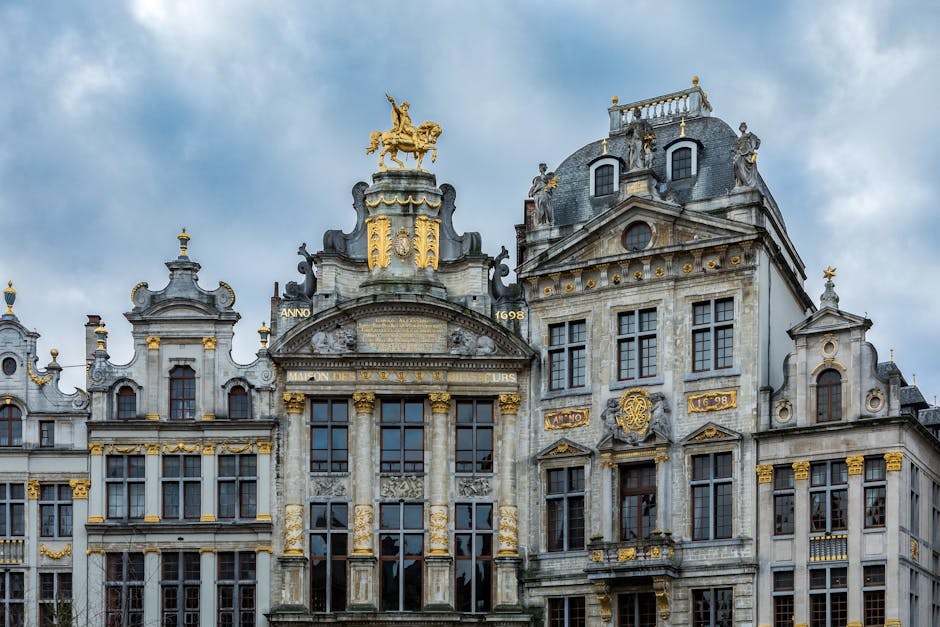
This isn't just Paris's oldest stone house; it was built by a real-life alchemist rumored to have discovered the Philosopher's Stone.
Tucked away in the Marais, this modest house dates back to 1407 and was built by Nicolas Flamel, a scribe and bookseller. While the legend of him turning lead into gold is widely disputed by historians, Flamel did become wealthy and dedicated his fortune to charitable causes, often housing the poor in this very building. Its facade features enigmatic carvings and inscriptions, inviting passersby to contemplate its mysterious past. Today, the ground floor operates as a charming restaurant.
3. King Henri IV's Secret Garden Island
Square du Vert-Galant, Paris, France
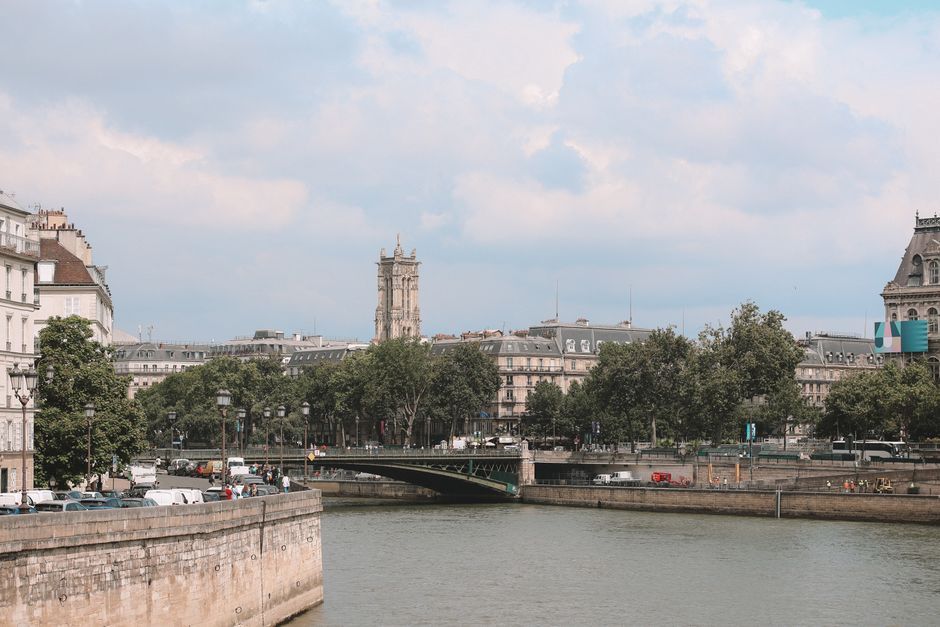
Discover a serene park dedicated to a flirtatious king, hidden at the very tip of Paris's historic Île de la Cité.
At the westernmost point of the Île de la Cité, beneath the Pont Neuf, lies this tranquil triangular park. Named for Henri IV, affectionately known as the "Vert-Galant" (Green Gallant) for his amorous adventures, it offers unparalleled views of the Seine and its banks. Accessible by a set of stairs, it feels like a secret island retreat. This spot was historically where the statue of Henri IV, unveiled in 1618, was later replaced after the French Revolution, solidifying its royal connection.
4. The Street of the Fishing Cat
Rue du Chat qui Pêche, Paris, France
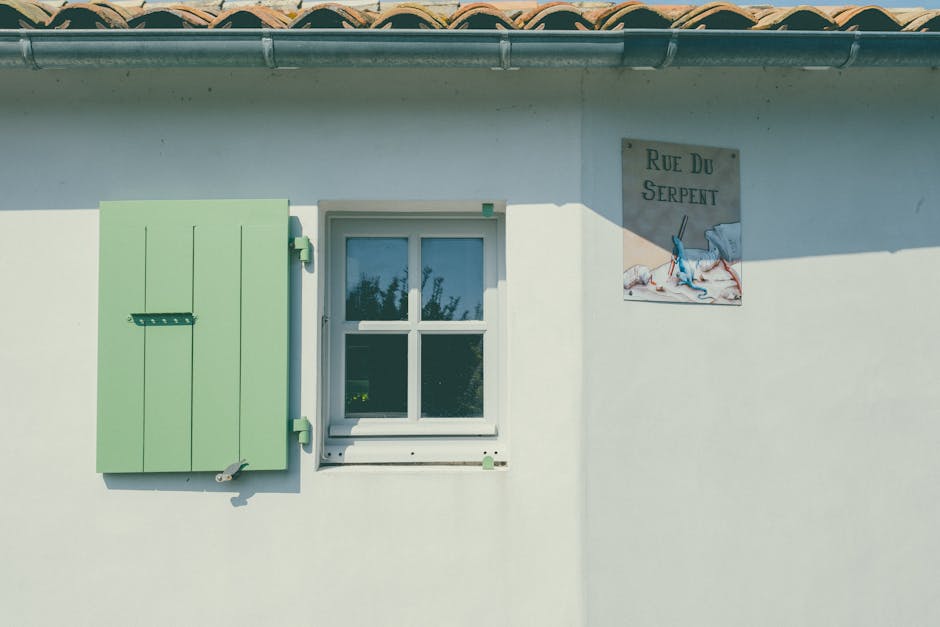
Barely wider than a person, this street's name comes from a legend of a canon, a fishing cat, and a devilish curse.
Widely regarded as Paris's narrowest street, measuring only 1.80 meters at its widest, Rue du Chat qui Pêche dates back to 1540. Its curious name, "Street of the Fishing Cat," originates from a 17th-century legend about a black cat belonging to a canon. The cat was supposedly adept at fishing from the Seine and was accused by fearful locals of being a manifestation of the devil. The canon, distraught by the cat's disappearance, returned years later to find a cat fishing in the same spot, perpetuating the tale.
5. Empress Eugénie's Crystal Palaces
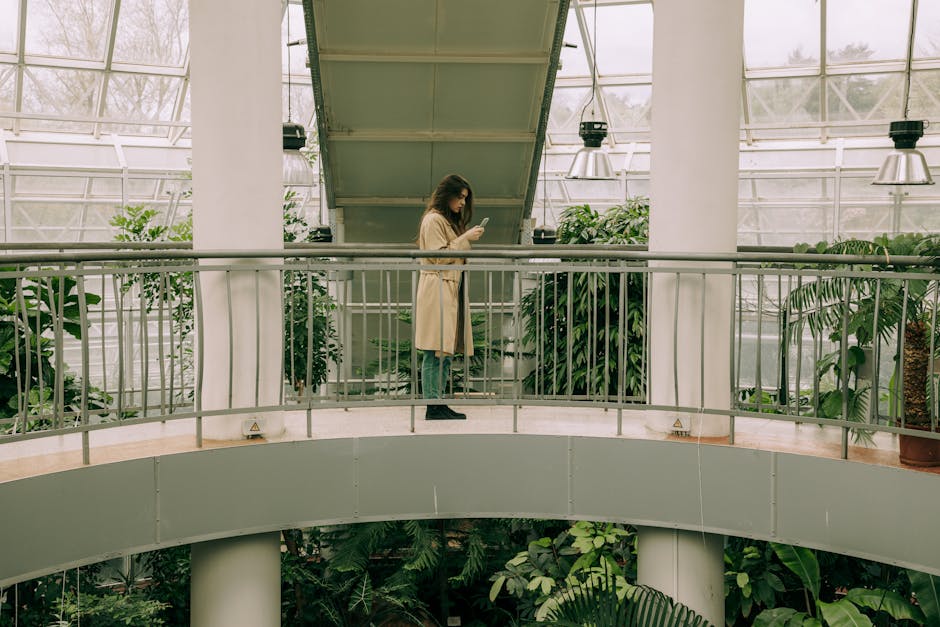
Jardin des Serres d'Auteuil, Paris, France
Step inside magnificent 19th-century greenhouses that once supplied plants for imperial events and now host an annual tennis tournament.
Commissioned by Emperor Napoleon III and Empress Eugénie, these stunning botanical greenhouses were completed in 1898. They once served as a royal nursery, cultivating plants for Parisian parks and imperial receptions. Today, the complex boasts impressive tropical and subtropical collections housed in grand iron and glass structures. Despite being near Roland Garros, it remains a serene escape, a true horticultural gem where you can wander among exotic flora without the city's hustle.
6. Paris's Shortest Street, Just Stairs
Rue des Degrés, Paris, France
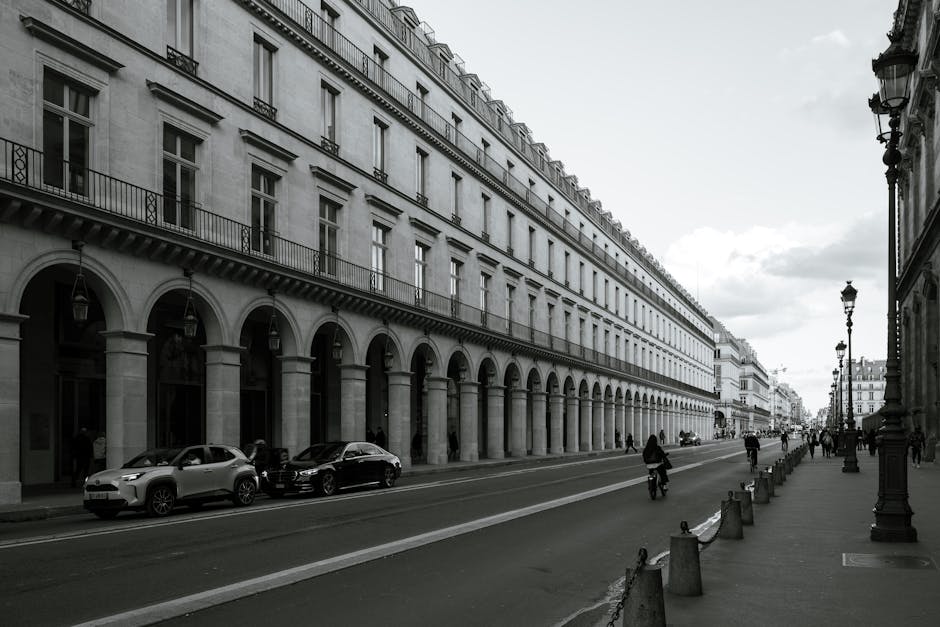
This isn't just a street; it's literally just a staircase, with no doors or windows directly opening onto it.
Tucked away in the 2nd arrondissement, Rue des Degrés holds the title of Paris's shortest street, measuring a mere 5.75 meters long. It consists entirely of 14 steps, connecting Rue de Cléry to Rue de Beauregard. What makes it particularly unique is that no buildings directly face onto it; instead, it's bordered by the blank walls of adjacent structures. This gives it an almost surreal, forgotten quality, a quiet passage that serves solely as a connection between two busier thoroughfares.
7. Little India's Covered Passage
Passage Brady, Paris, France
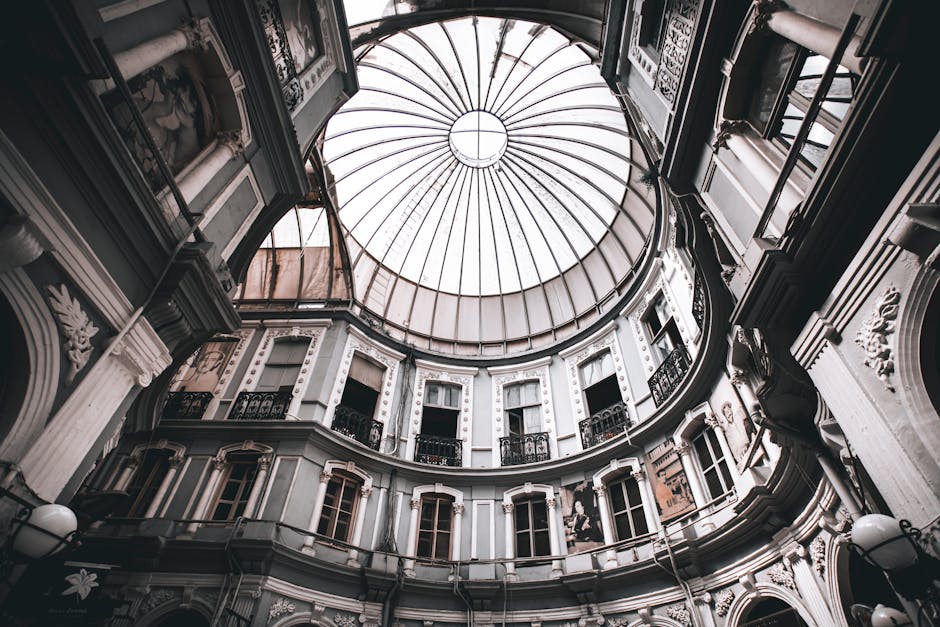
Discover a vibrant culinary and cultural enclave, where a covered passage transports you directly to the heart of India and Pakistan.
Unlike the more elegant passages, Passage Brady offers a sensory explosion, earning it the nickname "Little India." Built in 1828, it has long been a hub for South Asian communities, particularly those from India, Pakistan, and Mauritius. Here, you'll find aromatic spice shops, colorful saris, Bollywood movie posters, and an array of authentic restaurants serving curries and biryanis. It's a truly immersive experience, a testament to Paris's diverse cultural tapestry, hidden just steps from the bustling Gare de l'Est.
8. The Revolution's Secret Courtyard
Cour du Commerce Saint-André, Paris, France
This unassuming courtyard was a hotbed of revolutionary activity, housing printing presses, famous cafés, and the very first guillotine prototype.
Dating back to the 12th century, this picturesque cobblestone passage in the Latin Quarter is steeped in history. During the French Revolution, it was a hub for radical thinkers. Jean-Paul Marat printed his fiery newspaper, "L'Ami du peuple," here, and Georges Danton was a regular at the Café Procope, Paris's oldest café, which still stands at its entrance. Even more chillingly, the first prototype of the guillotine was tested in this very courtyard, a stark reminder of its tumultuous past.
Frequently asked questions
Are there really hidden gardens in Paris?
Yes, beyond the famous parks, Paris boasts numerous private or less-known gardens. Spots like the Jardin des Serres d'Auteuil offer botanical wonders, while smaller squares or museum gardens provide tranquil escapes often overlooked by guidebooks.
What are the "covered passages" of Paris?
The covered passages are elegant shopping arcades built in the 19th century, designed to protect shoppers from the elements. They are precursors to modern malls, featuring glass roofs, mosaic floors, and a variety of boutiques and eateries, each with its unique character and history.
How can I find these secret places in Paris?
Many of Paris's hidden gems are tucked away in quiet streets, behind unassuming facades, or within larger areas like the Latin Quarter or Le Marais. Exploring off the main boulevards and using detailed maps or local guides is key to uncovering them.
How does the AllTours.ai app help explore these spots?
The AllTours.ai app transforms your phone into an AI audio tour guide. Simply point your camera at any landmark, building, or landscape – even these hidden gems – and the app will instantly narrate its history, geology, and cultural significance in your preferred language, bringing untold stories to life.
Self-guided audio tours
Walk these places stop by stop — free five-stop story tours you can take at your own pace:
Photography via Pexels. AllTours.ai is an AI audio tour guide — point your camera at any landscape and hear its story.