July 1, 2026 · 4 min read
Parisian cuisine is world-renowned, a symphony of flavors, textures, and aromas that draws millions. But for every iconic café on a grand boulevard, there are dozens of authentic eateries, markets, and specialty shops known only to locals. These are the places where the city’s true culinary heart beats, far from the tourist-heavy districts.
If you're wondering where to eat in Paris like a local, you need to look beyond the obvious. Our guide will take you through historic markets, unassuming bistros, and secret spots, each with a genuine story that reveals a deeper layer of Parisian culture, history, or even geology. Prepare to taste Paris as it was meant to be experienced.
1. The Market of Red Children
Marché des Enfants Rouges, 75003 Paris, France
Its name whispers of medieval orphans in red uniforms.
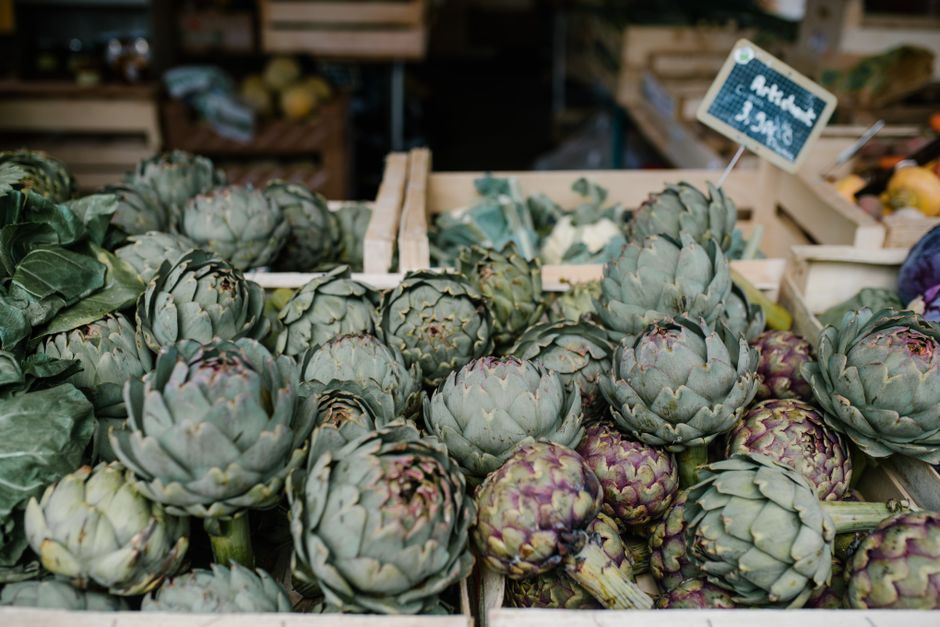
This isn't just Paris's oldest covered market; it sits on the site of an orphanage founded in 1536 for children whose parents had died of the plague. These children were dressed in red, hence the market's poignant name. Today, it’s a vibrant tapestry of international flavors, from Moroccan tagines to Italian pastas, alongside traditional French produce. It’s a true microcosm of Parisian diversity.
2. A Grand Hall for the People
Bouillon Chartier, 75009 Paris, France
Dine in a grand hall built for turn-of-the-century workers.
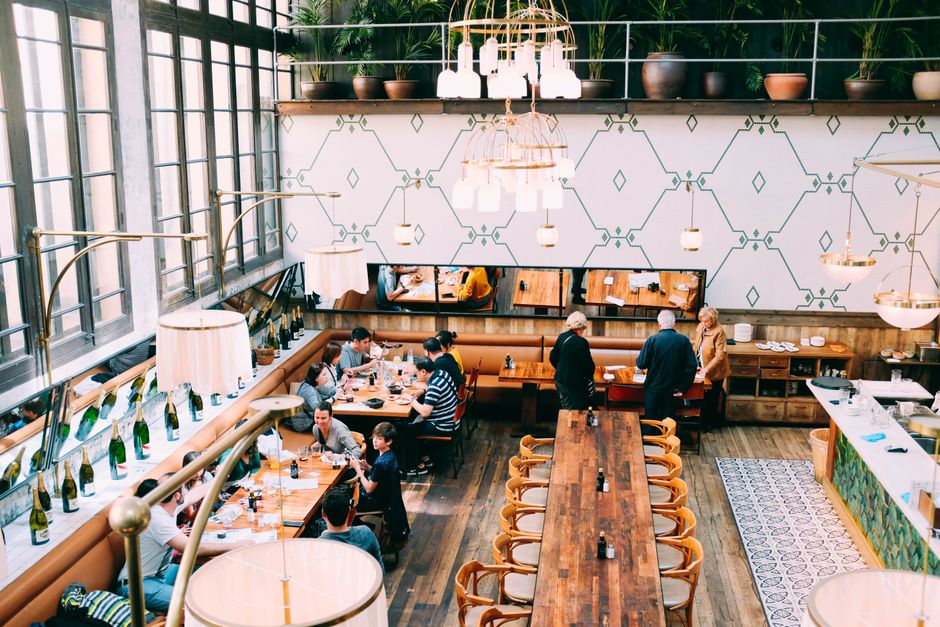
Opened in 1896, Bouillon Chartier was designed to feed the working class of Paris with hearty, affordable meals in an opulent setting. Its vast dining room, high ceilings, and brass luggage racks still transport diners back to an era of bustling commerce. The menu remains classically French and incredibly budget-friendly, served by waiters who swiftly scribble orders on your paper tablecloth, a tradition preserved from its origins.
3. The Ancient Fish Road
Rue Montorgueil, 75001 Paris, France
Once the main route for fish delivery from the coast to Les Halles.
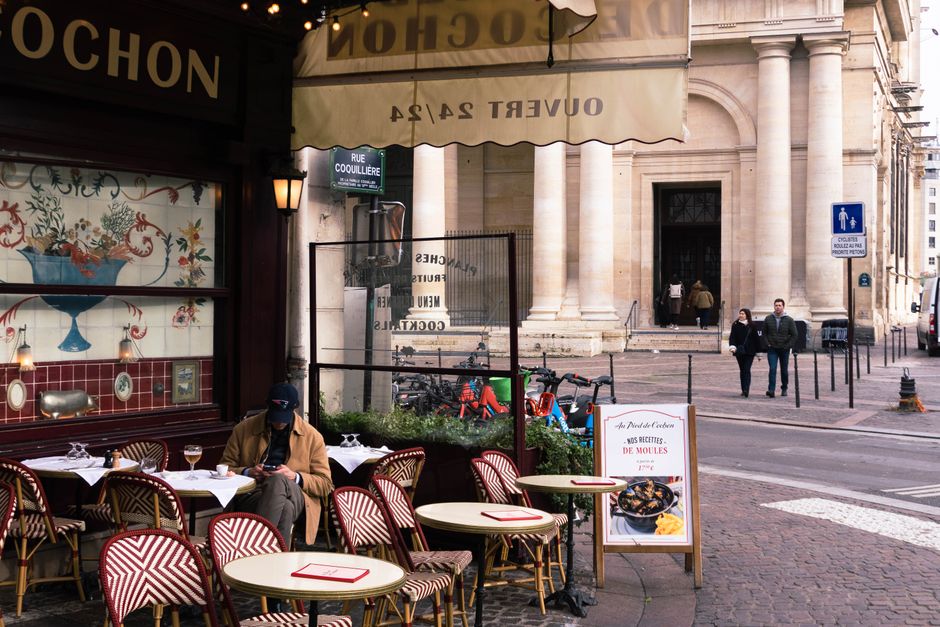
This bustling pedestrian street was historically a vital artery for Paris's food supply, particularly for fish that arrived fresh from the coast. Before refrigeration, speed was paramount, and this street was part of the fastest route to the central market of Les Halles. Today, it still thrives with superb cheese shops, bakeries like Stohrer (Paris’s oldest patisserie), and vibrant cafés, maintaining its legacy as a culinary hub.
4. The Revolutionary Market & Flea Finds
Marché d'Aligre, 75012 Paris, France
Haggle for forgotten treasures and fresh produce where revolutionaries once gathered.
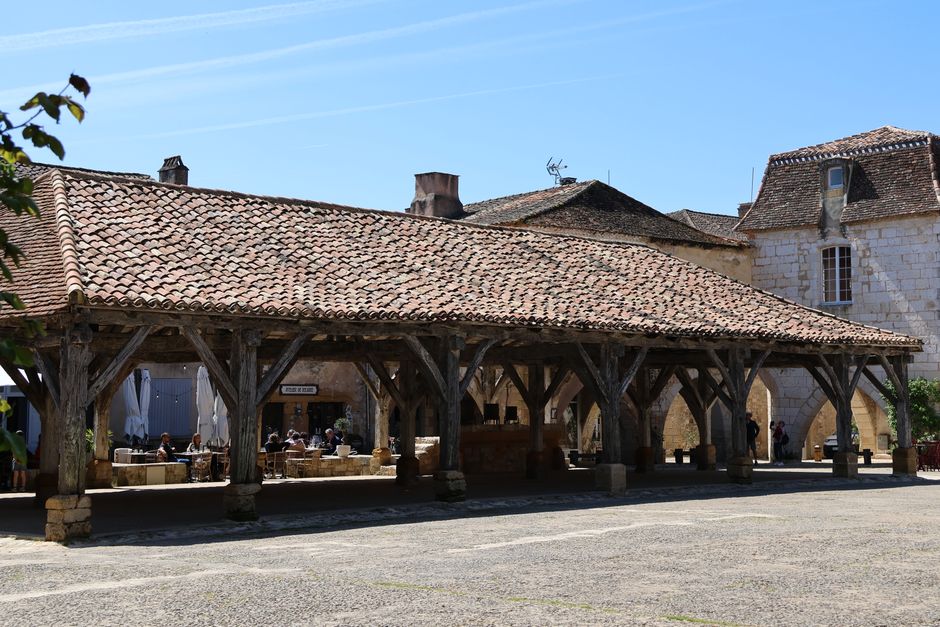
Marché d'Aligre is a two-part marvel: a vibrant outdoor food market and the legendary Marché aux Puces de la Place d'Aligre flea market. This square has a history of political gatherings, particularly during the French Revolution. Today, locals come for its authentic atmosphere, where you can find everything from artisanal cheeses to vintage furniture, often at prices far more reasonable than its central counterparts.
5. The Natural Wine Pioneer
Le Baratin, 75020 Paris, France
Discover the humble bistro that sparked Paris's natural wine revolution.
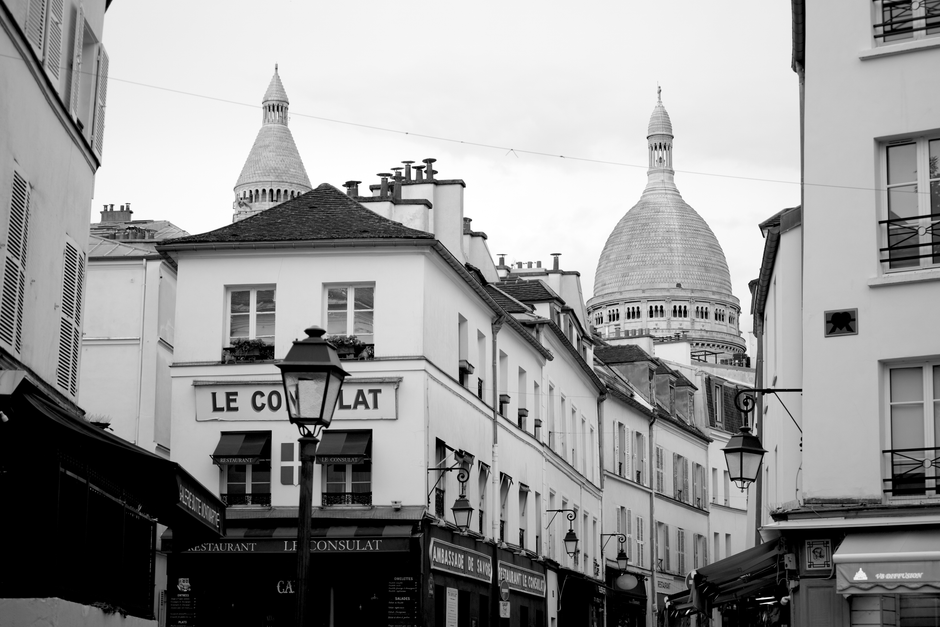
Tucked away in Belleville, Le Baratin isn't just a restaurant; it's considered by many to be the birthplace of Paris's natural wine movement. Chef Raquel Carena's unpretentious yet exquisite cuisine, paired with an extraordinary list of natural wines, drew a cult following long before 'natural wine' became a trend. It remains a beloved spot for those seeking authentic, heartfelt French cooking and groundbreaking wines.
6. Montparnasse's Breton Heart
Crêperie de Josselin, 75014 Paris, France
Taste authentic Breton crêpes in a district built by migrant workers.
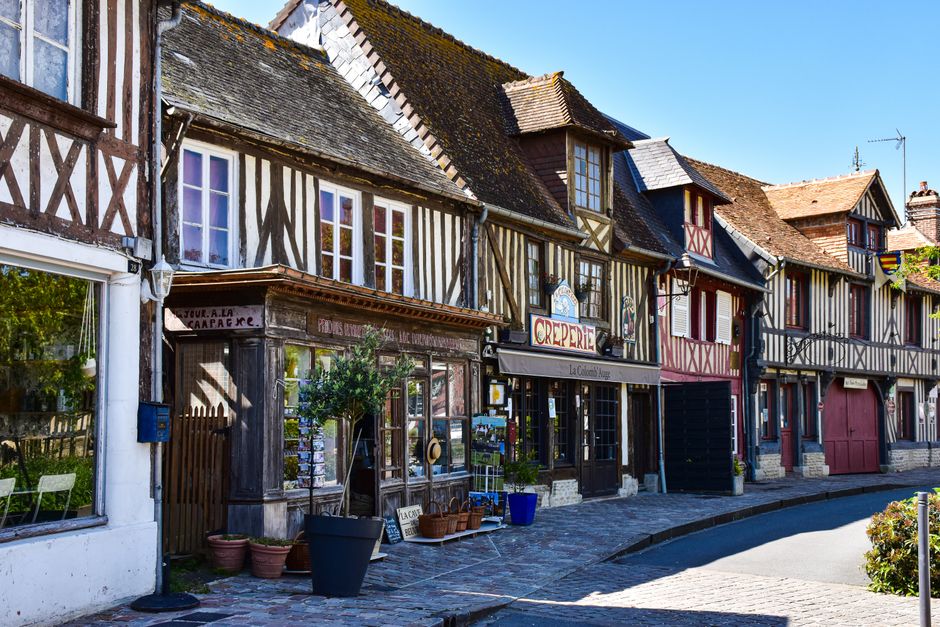
The Montparnasse neighborhood was historically settled by migrant workers from Brittany, bringing their culinary traditions with them. Crêperie de Josselin is a beloved institution here, serving up traditional galettes (savory buckwheat crêpes) and sweet crêpes with generous fillings. Stepping inside, with its rustic decor and the scent of sizzling batter, feels like a direct portal to the Breton countryside, right in the heart of Paris.
7. The Baker's Secret Pantry
G. Detou, 75002 Paris, France
Unearth rare spices and baking secrets where professional chefs source their magic.
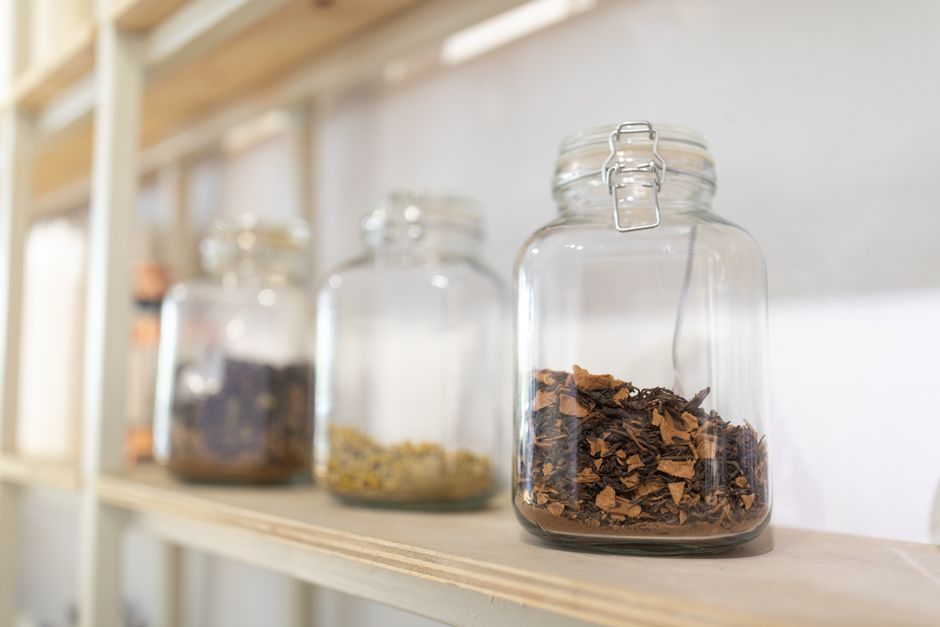
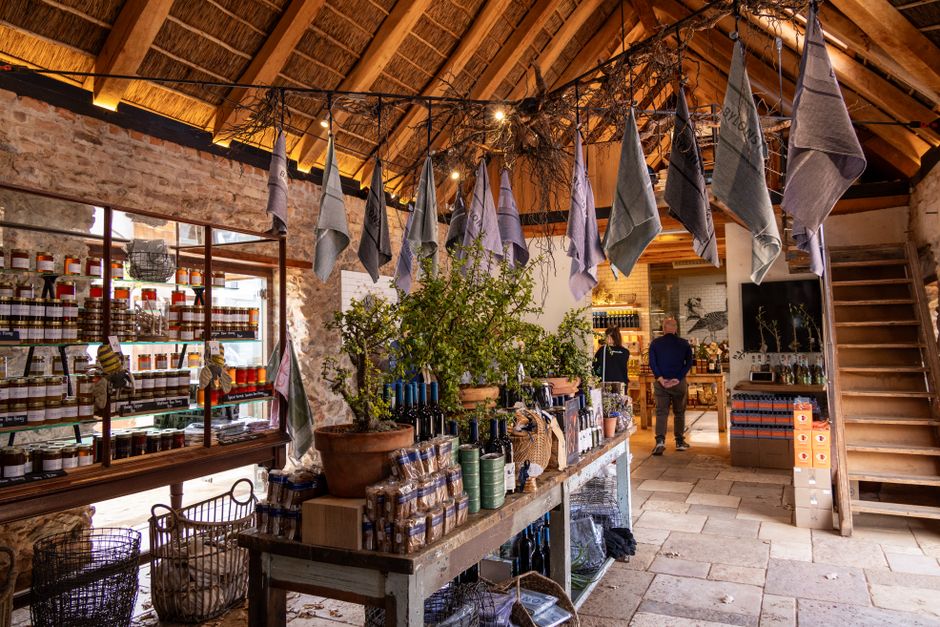
G. Detou is not a restaurant, but a legendary culinary treasure trove that has supplied professional bakers and serious home cooks for generations. Its shelves are stacked high with an overwhelming array of ingredients, from exotic spices and high-quality chocolates to specialty flours and candied fruits. Named phonetically for 'J'ai de tout' ('I have everything'), it lives up to its name, making it a must-visit for any food enthusiast.
8. A Master Cheesemonger's Legacy
Fromagerie Laurent Dubois, 75015 Paris, France
Meet a master cheesemonger whose craft is recognized as a national treasure.
Laurent Dubois is one of France's 'Meilleur Ouvrier de France' (MOF), a prestigious title awarded to top artisans. His fromageries are temples to cheese, where each wheel is carefully aged and curated. Beyond the exceptional quality, the staff are experts, guiding you through the vast world of French cheeses with passion. It's an experience that highlights the profound cultural significance of cheese in French life, far beyond what you'd find in a supermarket.
Frequently asked questions
What are typical Parisian breakfast foods?
Parisians often start their day simply with a croissant or pain au chocolat from a local boulangerie, accompanied by coffee or hot chocolate. For a more substantial option, a tartine (baguette with butter and jam) is also common.
Is it rude to not speak French in Parisian restaurants?
While many Parisians appreciate an effort to speak a few French phrases, it's not rude if you can't. Most restaurant staff, especially in tourist areas, speak some English. A polite 'Bonjour,' 'Merci,' and 'S'il vous plaît' go a long way.
What's the difference between a bistro, brasserie, and restaurant?
A bistro is typically smaller, family-run, with traditional, hearty food and a more casual atmosphere. A brasserie is larger, serves food all day, and often has a grander, more bustling setting. A restaurant is a more general term, often implying a higher level of cuisine or service.
How can AllTours.ai help me discover more about Paris's food culture?
AllTours.ai brings the stories of Paris to life. Simply point your phone camera at a historic market, a famous bakery, or even a specific dish, and the app narrates its history, cultural significance, and local anecdotes in your language, turning every meal into a deeper discovery.
Related guides
Photography via Pexels. AllTours.ai is an AI audio tour guide — point your camera at any landscape and hear its story.