September 20, 2026 · 4 min read
We often hear about 'healthy' foods that, upon closer inspection, turn out to be anything but. They masquerade as good choices, only to reveal a hidden truth that can throw our best intentions off course. But what if this concept extended beyond our diets, to the very places we explore?
Just as some foods harbor unexpected downsides, many places on Earth hold surprising secrets beneath their surface – stories of history, geology, and culture far richer and more complex than first meets the eye. These are the destinations that challenge our assumptions, revealing hidden truths that redefine what we thought we knew about the world.
1. The City That Moved Its Cathedral
Old Sarum, England
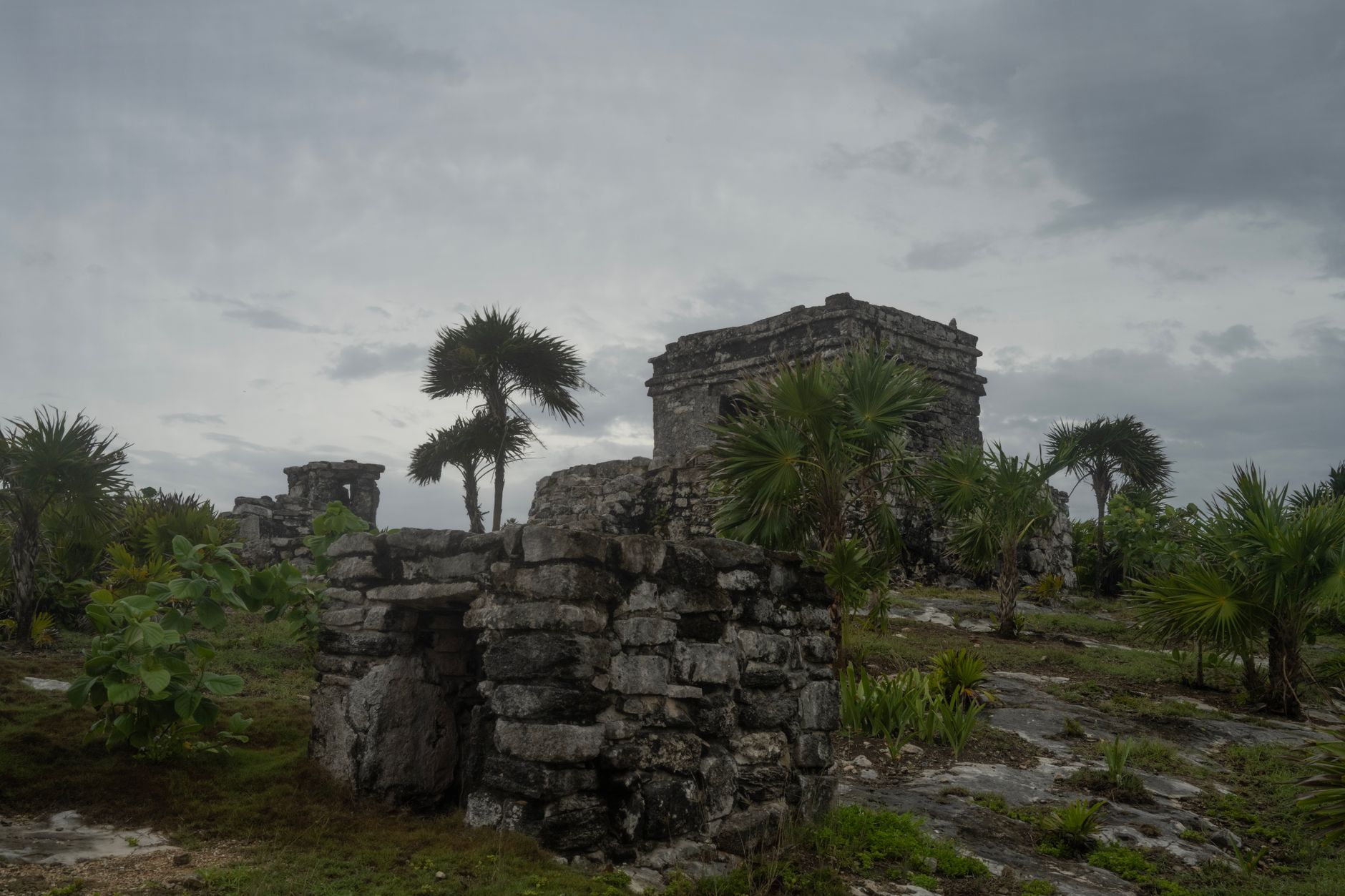
This grassy hill was once a bustling medieval city, completely abandoned when its residents decided to move their entire settlement a few miles away.
High on a windswept hill, Old Sarum predates Salisbury Cathedral. It was a significant Iron Age fort, then Roman settlement, and later a Norman castle and cathedral city. However, constant disputes between the military and the clergy, coupled with a lack of water, led to the radical decision in the 13th century to relocate the entire city. Stones from the old cathedral were even reused to build the new Salisbury Cathedral, leaving behind fascinating earthworks and foundations.
2. The Island of Tame Animals
Moni Island, Greece
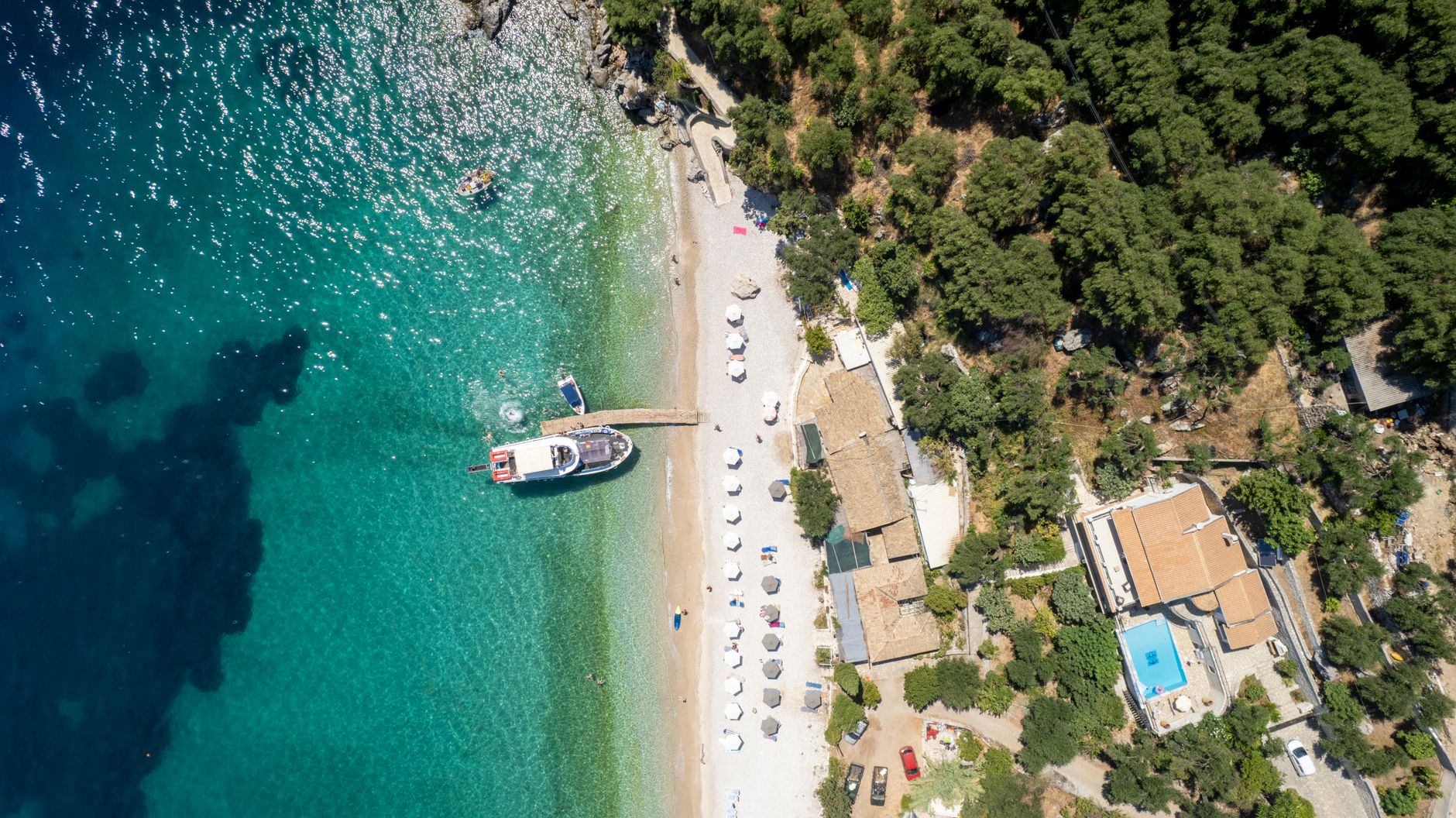
A small, uninhabited Greek island where deer and peacocks roam freely, accustomed to human visitors.
Just off the coast of Aegina, Moni Island is a protected nature reserve. There are no permanent human residents, but a small population of wild deer, peacocks, and goats thrives, introduced years ago. These animals are incredibly tame, often approaching visitors for food, creating a unique, almost surreal encounter with wildlife in a beautiful Aegean setting, a short boat ride from the bustle of nearby islands.
3. The Accidental Geyser
Fly Geyser, Nevada, USA
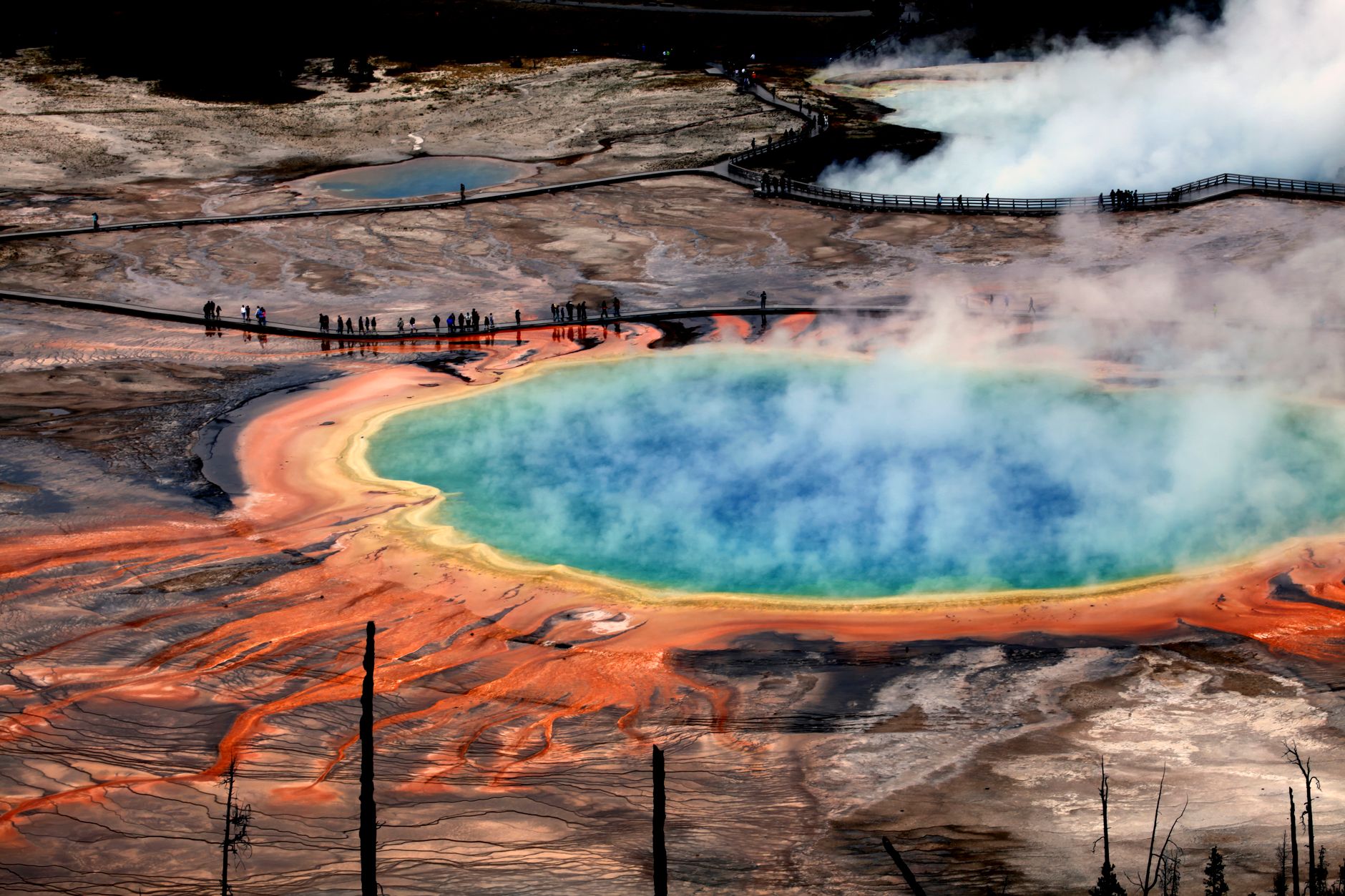
A vibrant, multi-colored geyser that was accidentally created by human drilling.
In the Nevada desert, this surreal geyser isn't entirely natural. It formed in 1964 when a geothermal test well was drilled and not properly sealed. Minerals like calcium carbonate and thermophilic algae have built up over decades, creating a growing series of mounds and terraces in brilliant shades of red, green, and yellow, continuously spewing hot water up to five feet high. It's a striking example of nature reclaiming and transforming a human mishap.
4. The Lost City of the Tairona
Sierra Nevada de Santa Marta, Colombia
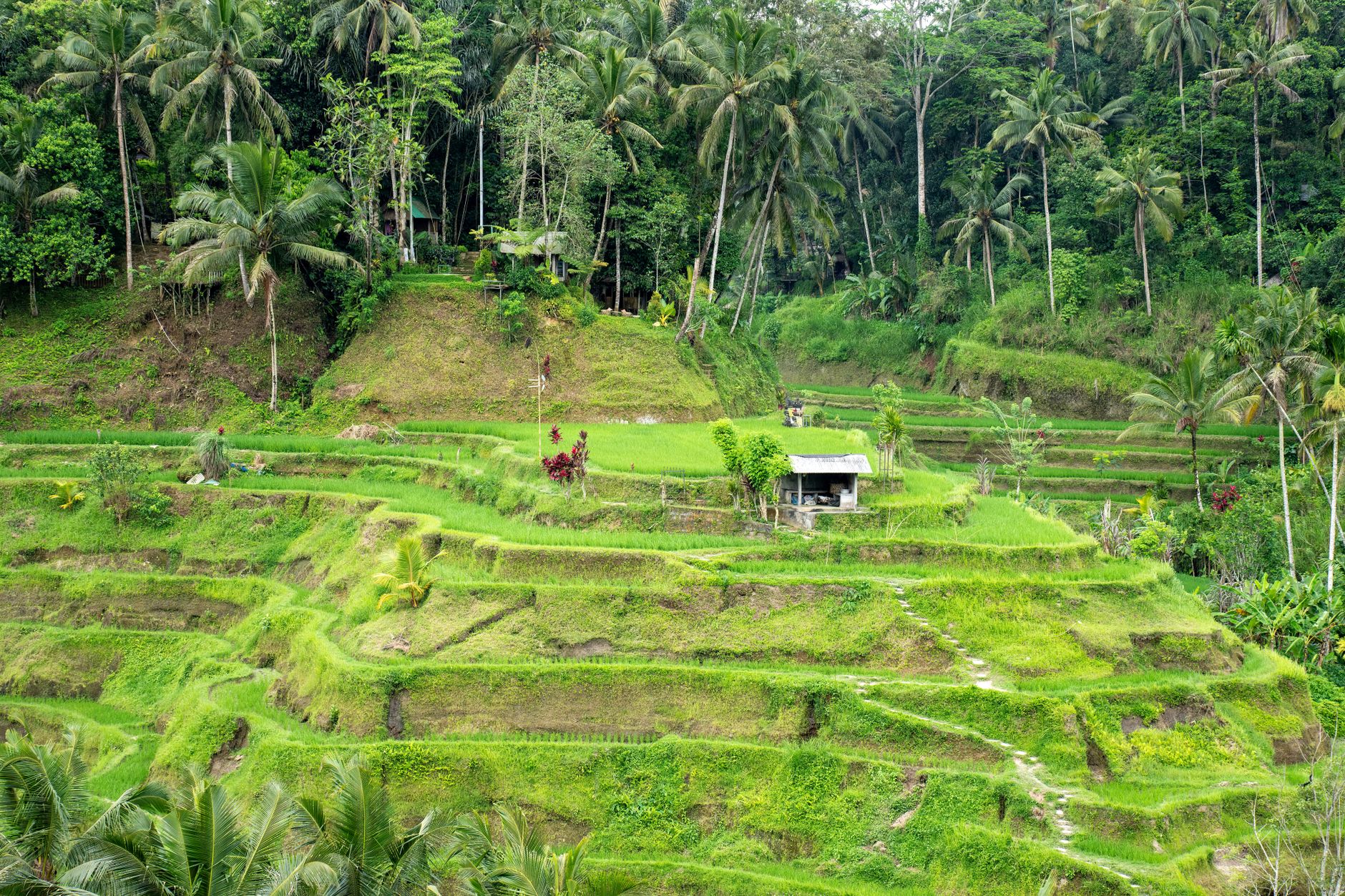
Hidden deep in the Colombian jungle, this ancient city of terraces and plazas predates Machu Picchu by over 650 years.
Known locally as Teyuna, Ciudad Perdida was the heart of the Tairona civilization, built around 800 AD. Its complex network of 169 stone terraces, intricate staircases, and paved roads reveals an advanced society that thrived for centuries before its abandonment during the Spanish conquest. Reaching it requires a multi-day trek through dense jungle, offering a true sense of discovery far from modern civilization.
5. The Submerged Forest Lake
Lake Kaindy, Kazakhstan
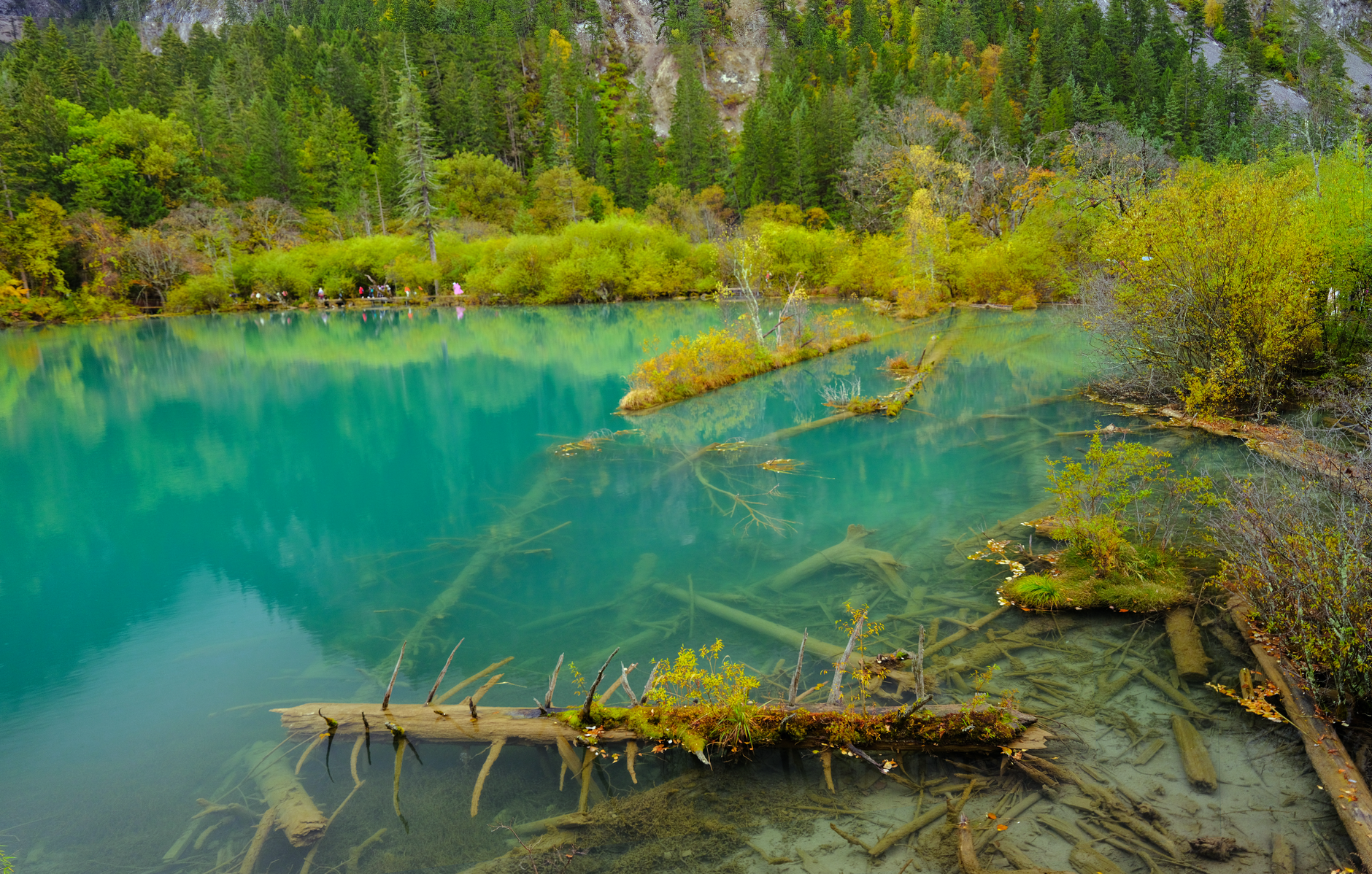
An otherworldly lake with a submerged forest, where trees rise from the water like ghostly masts.
Formed by an earthquake in 1911 that triggered a massive landslide, Lake Kaindy is famous for its unique underwater forest. The landslide created a natural dam, and the valley filled with water, submerging spruce trees. The cold water has preserved the needles on the submerged trunks, creating a surreal spectacle where the skeletal remains of the forest appear to float on the surface, a testament to nature's dramatic forces.
6. Greece's Hidden Catacombs
The Catacombs of Milos, Greece
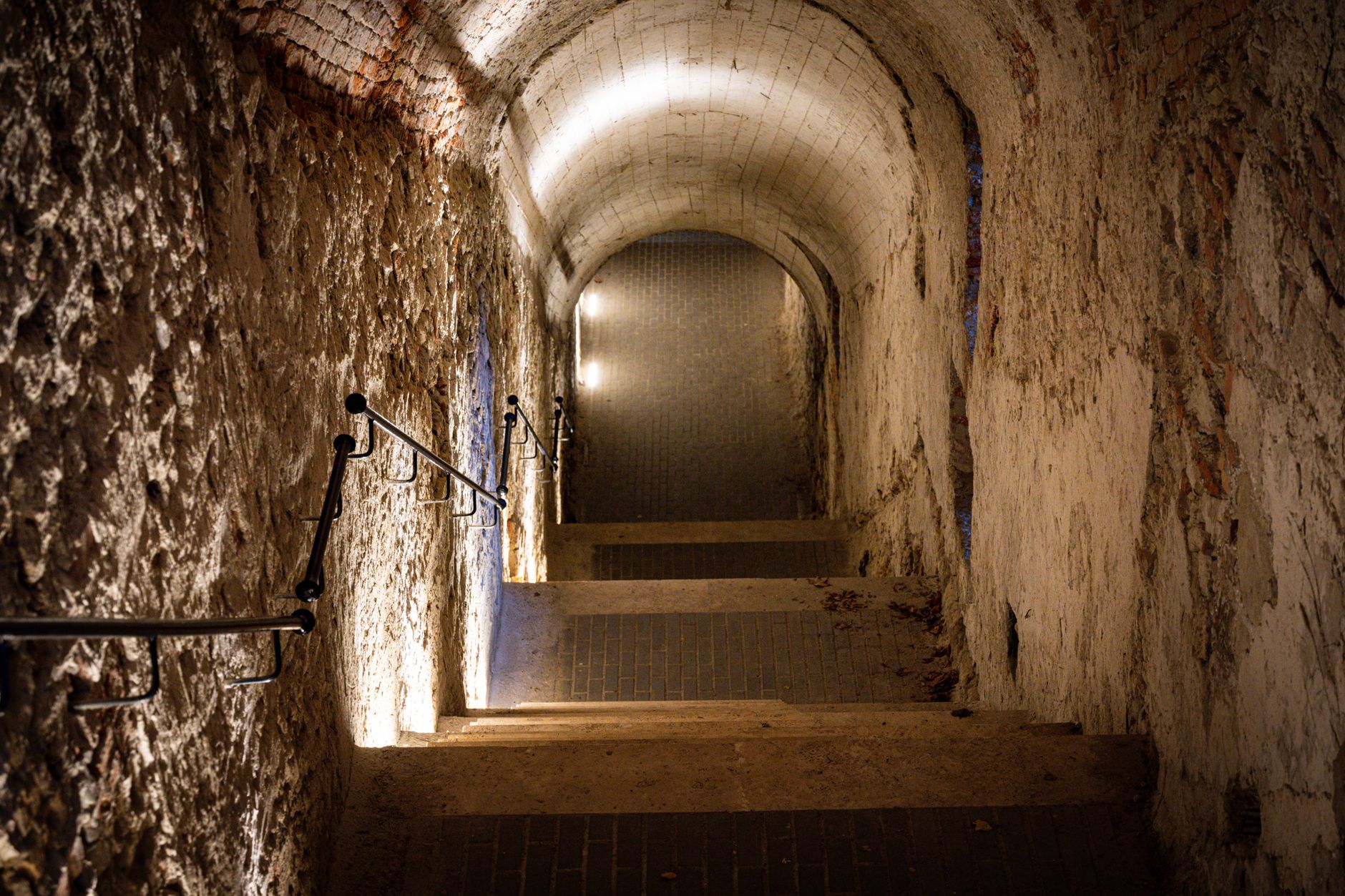
One of the earliest and most significant Christian burial sites, predating Rome's catacombs, hidden on a Greek island.
Beneath the unassuming landscape of Milos lies an extensive network of early Christian catacombs, dating from the 1st to 5th centuries AD. These subterranean chambers were used for secret worship and burial, holding an estimated 2,000 to 8,000 graves. Discovered in 1840, they offer a profound glimpse into early Christian communities, challenging the common perception that Rome holds the sole monopoly on such ancient sites of faith.
7. The Village Built on Isolation
Gásadalur, Faroe Islands
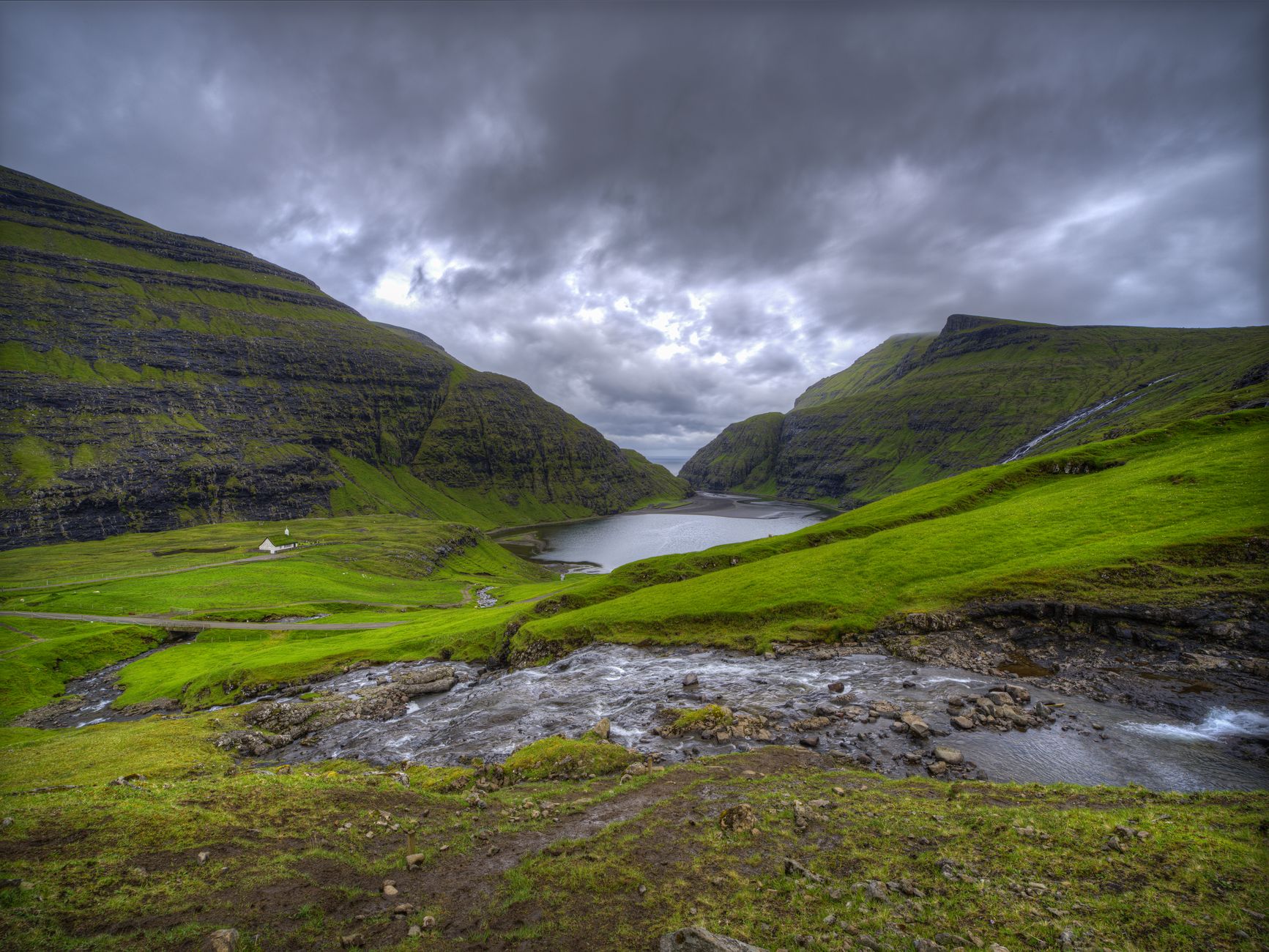
For centuries, this remote village was only accessible by a perilous hike over mountains or by boat, isolated from the rest of the world.
Perched dramatically on a cliff edge overlooking the North Atlantic, Gásadalur on the island of Vágar was famously inaccessible until a tunnel was built in 2004. Before then, mail was delivered by a postman who endured an arduous mountain trek. Its iconic waterfall, Múlafossur, plunges directly into the ocean, a testament to the raw, untamed beauty and the resilience of the few inhabitants who call this stunning, isolated place home.

8. Rabbit Island's Dark Past
Okunoshima, Japan
A seemingly idyllic island swarming with friendly rabbits, concealing a dark past as a secret chemical weapons factory.
Today, Okunoshima is famous for its hundreds of wild, tame rabbits that greet visitors, but its history is far darker. From 1929 to 1945, the island was a top-secret site for manufacturing poison gas for chemical warfare, so clandestine that it was even removed from maps. Now a peaceful park, its hidden past is revealed in a museum, a stark contrast to its fluffy inhabitants.
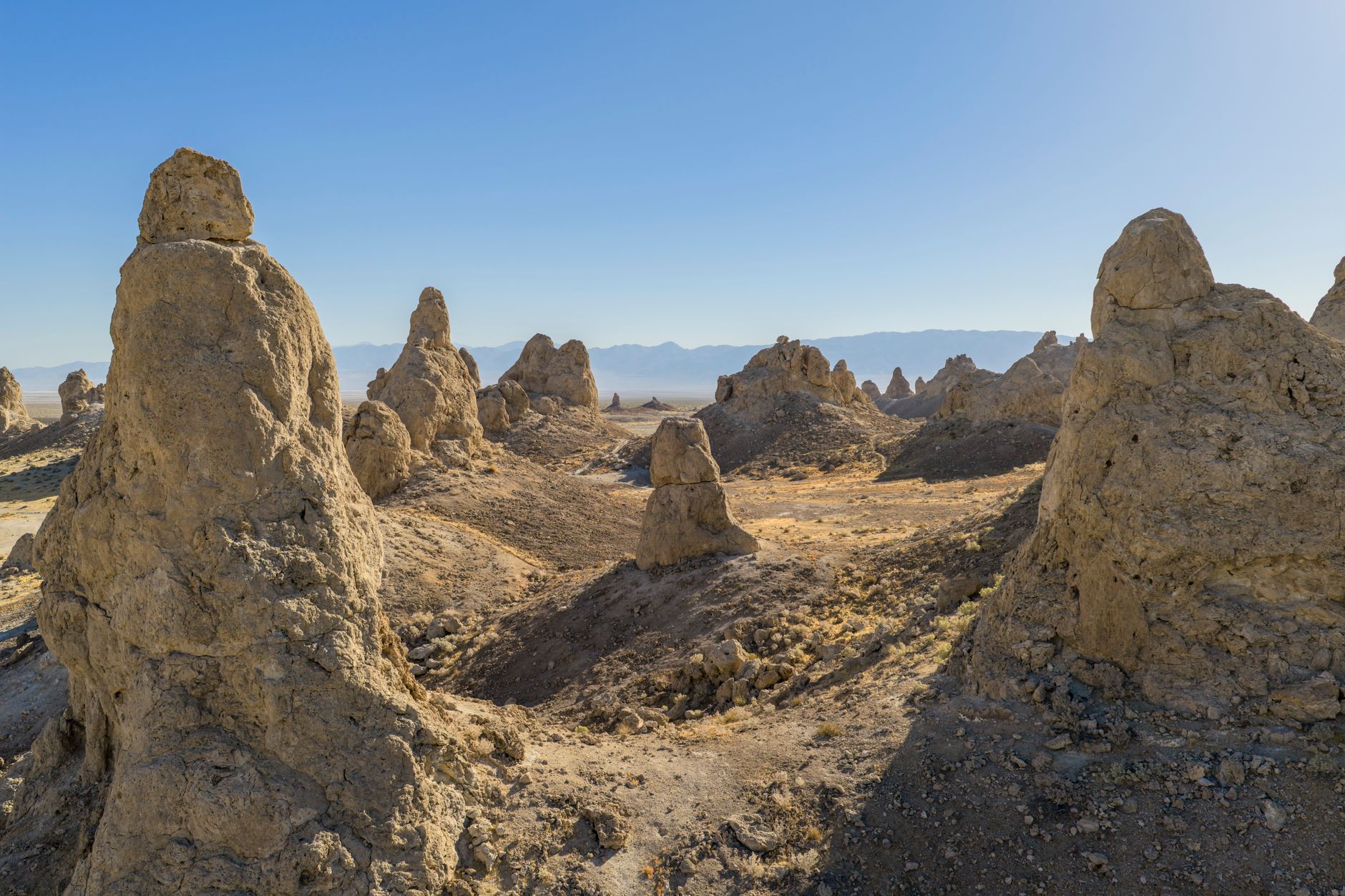
9. The Desert of Ancient Pillars
The Pinnacles Desert, Australia
Thousands of eerie limestone pillars rise from yellow sand, creating an alien landscape once submerged beneath the ocean.
In Nambung National Park, Western Australia, the Pinnacles Desert features thousands of weathered limestone formations, some towering up to 3.5 meters high. These natural structures are remnants of seashells from an ancient marine era, gradually eroded by wind and rain over millions of years. Walking among them, especially at sunrise or sunset, feels like exploring another planet, a stark reminder of geological time and the power of natural forces.
Frequently asked questions
How do I find truly unique travel destinations beyond the usual tourist traps?
Venture beyond popular guides and seek out local recommendations or niche travel blogs. Focus on places known for specific historical events, geological anomalies, or unique cultural practices rather than just iconic landmarks. Researching specific themes like 'abandoned places' or 'unusual geological formations' can also lead to surprising discoveries.
What's the best way to prepare for visiting a remote or lesser-known destination?
Thorough research is key; check local regulations, access requirements, and potential hazards. Pack essentials like water, navigation tools, and first-aid, as amenities may be limited. Inform someone of your itinerary and expected return, and always respect the local environment and communities.
Are there travel experiences that feel like uncovering a secret?
Absolutely. Many destinations hold layers of history and culture beneath their surface, often overlooked by casual visitors. Exploring ancient ruins, delving into local folklore, or discovering geological formations with untold stories can provide a profound sense of uncovering hidden truths and experiencing a place on a deeper level.
How can AllTours.ai help me discover these hidden stories?
AllTours.ai transforms your phone into a personal AI audio guide. Simply point your camera at any landscape or landmark, and the app instantly narrates its history, geology, and culture in your language. It’s designed to reveal the surprising stories behind places, making every view an opportunity for discovery, especially in those underrated, lesser-known spots.
Related guides
Photography via Pexels. AllTours.ai is an AI audio tour guide — point your camera at any landscape and hear its story.