September 4, 2026 · 4 min read
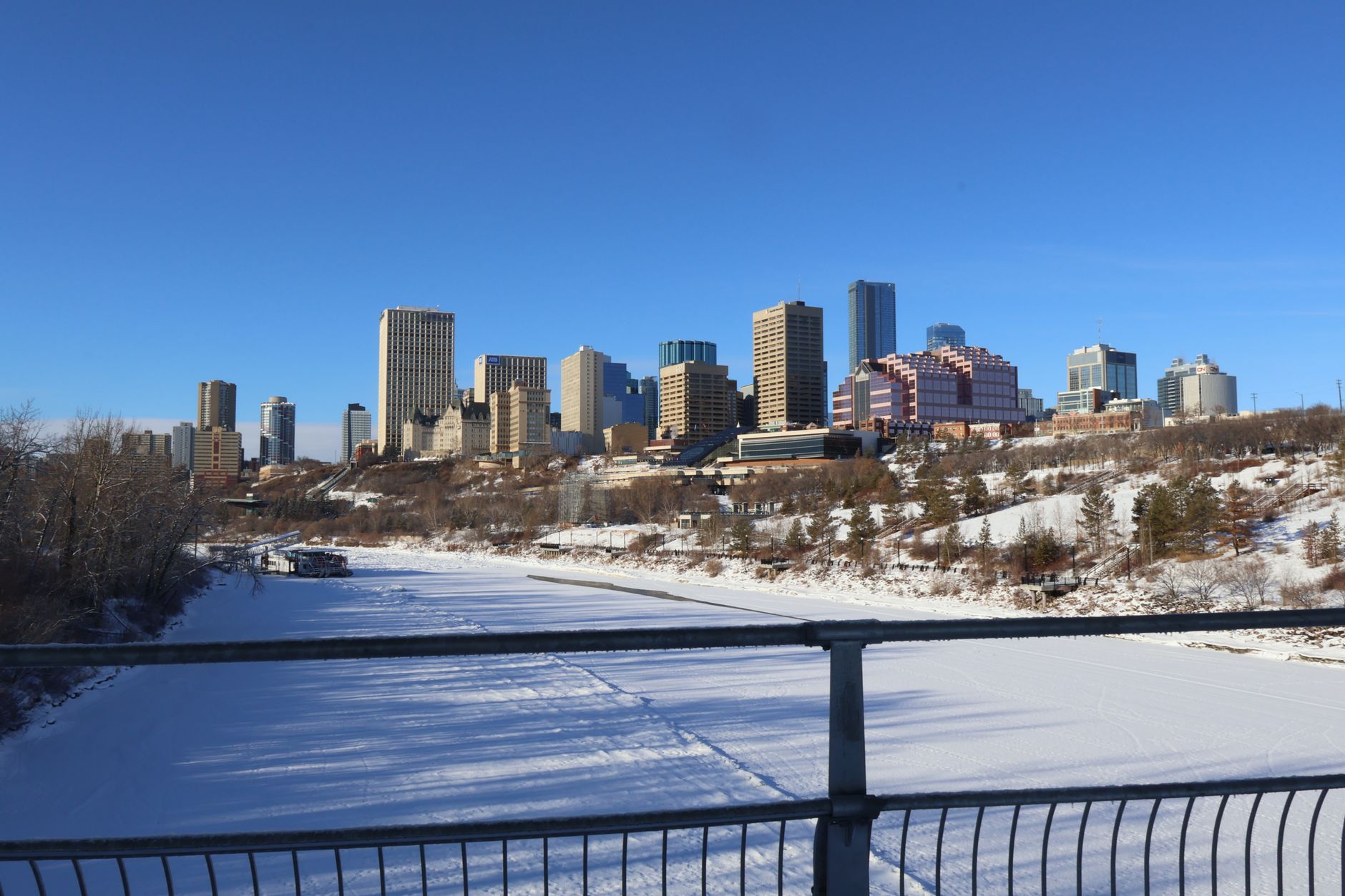
When planning a Canadian winter adventure, the question 'How are Montreal winters compared to Calgary winters?' often arises. Both cities offer distinct cold-weather experiences, shaped by their unique geography and history. While Montreal embraces a humid cold with significant snowfall, Calgary leans into a drier, often sunnier chill, frequently warmed by Chinook winds.
Beyond the well-trodden paths, both cities hold hidden gems that reveal fascinating stories of human resilience, natural wonder, and cultural ingenuity in the face of winter. Forget the usual tourist traps; let's explore the truly curious corners that come alive, or reveal their deepest secrets, when the snow falls.
1. The Arboretum's Frozen Research
Sainte-Anne-de-Bellevue, Quebec, Canada
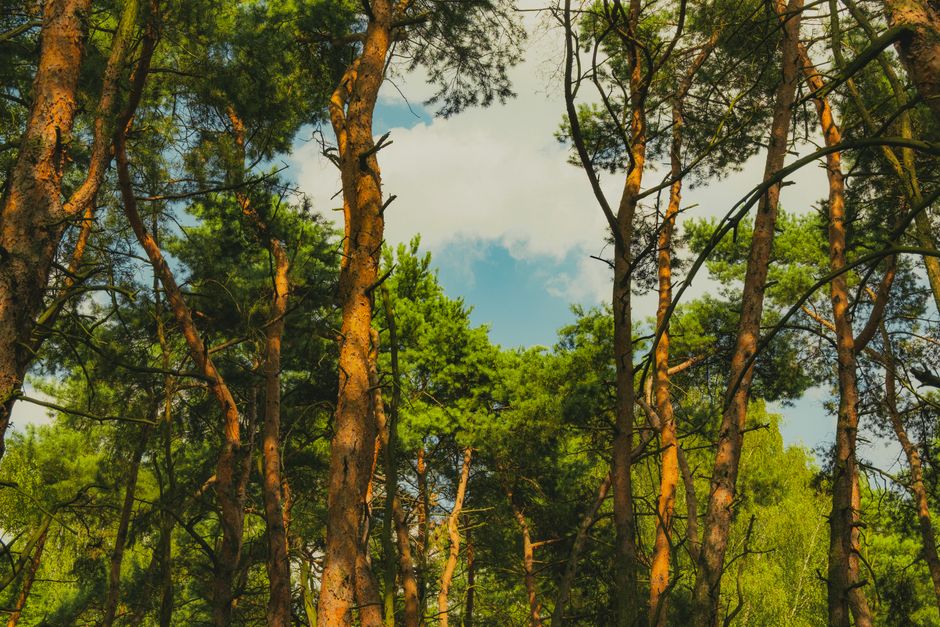
Deep within the Morgan Arboretum, one of Canada's longest-running sugar shacks reveals winter maple syrup production secrets.
While spring is maple syrup season, the research sugar shack at the Morgan Arboretum operates year-round, studying tree health and sap flow even in the coldest months. This vast, conserved forest on Montreal's West Island offers kilometers of serene cross-country ski and snowshoe trails, providing a unique look into sustainable forestry and conservation in a vibrant winter ecosystem.
2. Calgary's Microclimate Oasis
Calgary, Alberta, Canada
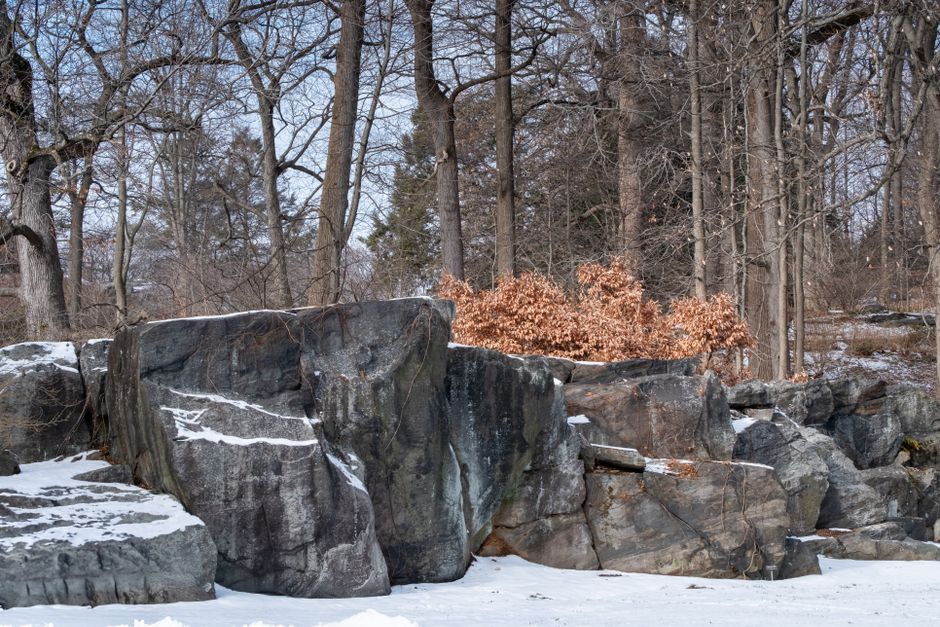
Reader Rock Garden, a historic site in Calgary, thrives in winter thanks to a meticulously engineered microclimate.
This Edwardian-era garden, established in 1913 by city superintendent William Reader, is a remarkable feat of horticultural engineering. Utilizing natural springs and strategic landscaping, Reader cultivated plants from around the world that surprisingly endure Calgary's harsh winters. Stroll its snow-dusted pathways and discover how a dedicated botanist transformed a barren hillside into a year-round urban oasis, defying the season.
3. The Filles du Roy's Winter Haven
Montreal, Quebec, Canada
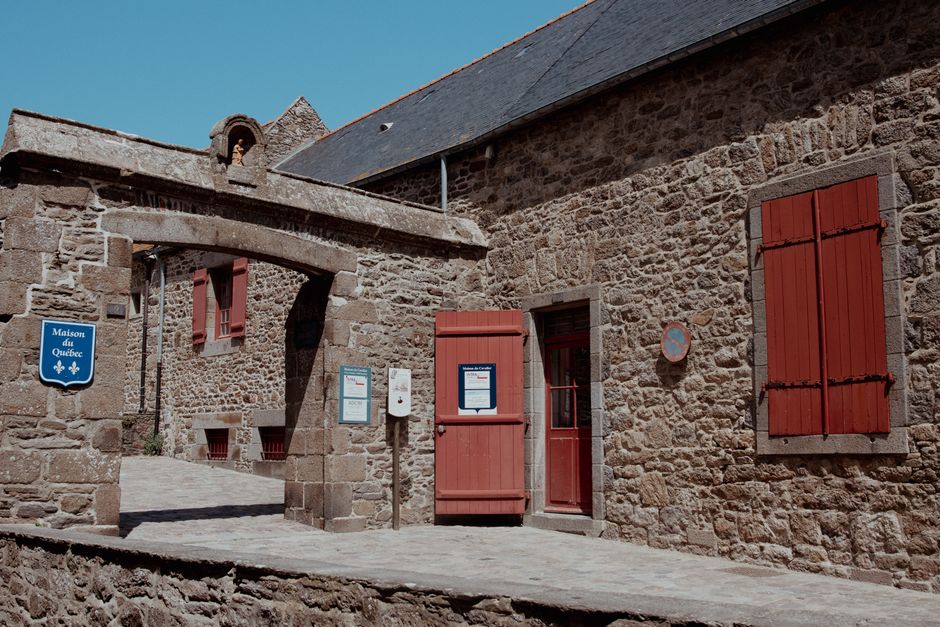
Maison Saint-Gabriel, a historic farmstead, was once a crucial boarding school for Canada's earliest female settlers, the Filles du Roy.
This 17th-century stone farm is one of Montreal's oldest surviving buildings, offering a window into early New France rural life. During harsh winters, it provided shelter and training for young women sent from France to populate the colony. Explore the original kitchen and living quarters, imagining the resilience required to survive Canadian winters centuries ago, far from their European homes.
4. Lougheed House's Warm Innovation
Calgary, Alberta, Canada
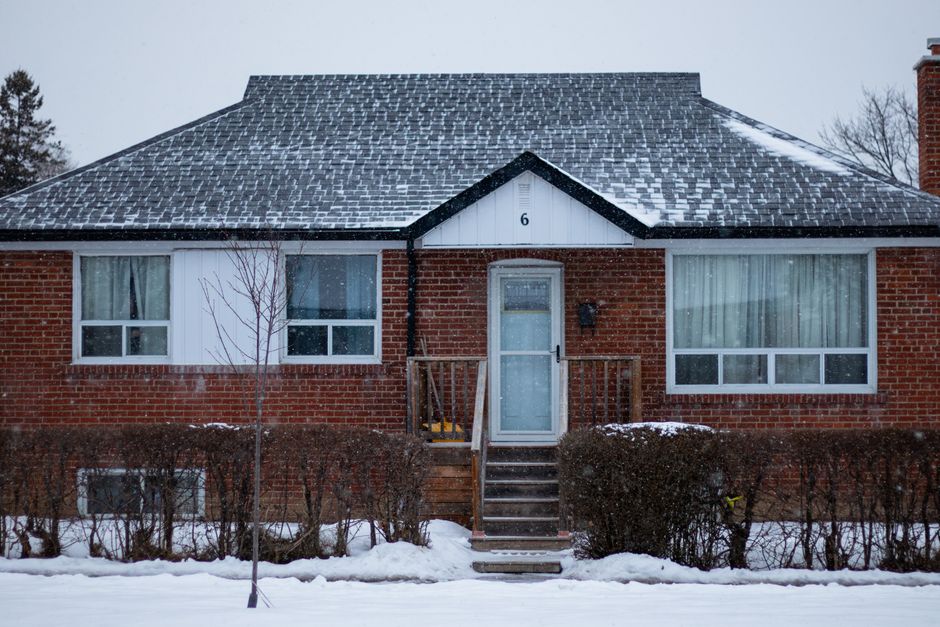
Lougheed House, a grand Victorian mansion, boasted an advanced early heating system that was a marvel for combating Calgary's dry cold.
Built in 1891, this sandstone mansion was home to Senator James Alexander Lougheed and his family. Beyond its opulent furnishings and intricate architecture, the house featured a cutting-edge hot water heating system, ensuring comfort during the city's often frigid winters. Tour the meticulously preserved rooms and glimpse how Calgary's elite lived and entertained, shielded from the elements by pioneering technology.
5. Montreal's Subterranean City of the Dead
Montreal, Quebec, Canada
Beneath the snow-covered grounds of Notre-Dame-des-Neiges Cemetery lies a vast, rarely seen network of subterranean catacombs.
As Canada's largest cemetery, this sprawling necropolis is a tranquil, historic landscape in winter, offering stunning views of Mount Royal. While many visit the graves of famous figures, fewer know about the extensive catacombs and mausoleums carved into the mountain's bedrock. These underground structures provide a unique, solemn glimpse into Montreal's past, a hidden world beneath the blanket of snow.
6. Bow Valley Ranche's Winter Transformations
Calgary, Alberta, Canada
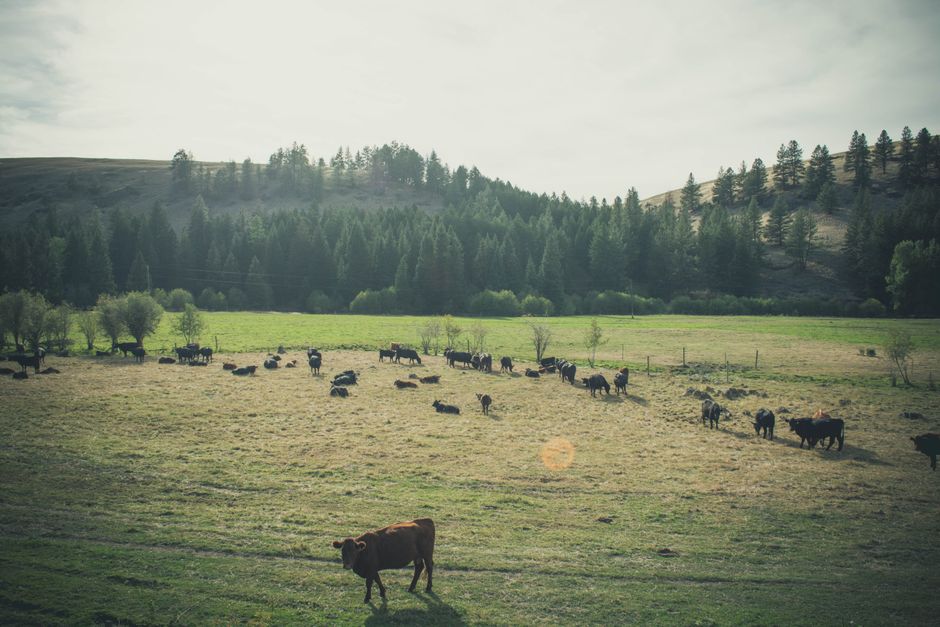
The historic Bow Valley Ranche restaurant building in Fish Creek Provincial Park was once a private home with an indoor tennis court that served as a ballroom in winter.
This elegant Victorian house, dating back to 1896, stands as a testament to Calgary's ranching past within Canada's second-largest urban park. Originally the residence of wealthy rancher William Roper Hull, its grand spaces, including a room designed for indoor tennis, were ingeniously repurposed for lavish winter balls and social gatherings, offering a vibrant contrast to the often-harsh Alberta winters.
7. The Nuns' Pioneering Winter Care
Montreal, Quebec, Canada
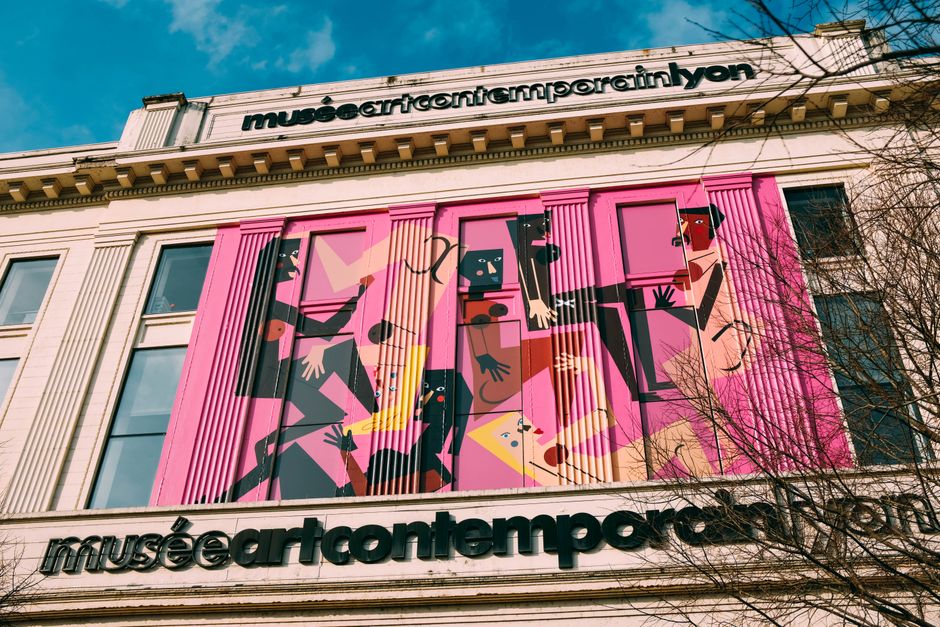
The Musée des Hospitalières de l'Hôtel-Dieu de Montréal sits on the foundations of Canada's first hospital, where nuns pioneered cold-weather medical care centuries ago.
Tucked away in Old Montreal, this museum tells the story of the Hospitalières de Saint-Joseph, who founded the Hôtel-Dieu in 1642. In a time before modern medicine, these courageous nuns adapted their healing practices to the brutal Canadian winters, tending to settlers and Indigenous peoples alike. The museum's underground crypt and artifacts reveal the challenges and innovations of early medical care in a profoundly cold climate.
8. Inglewood's Enduring Wildlife
Calgary, Alberta, Canada
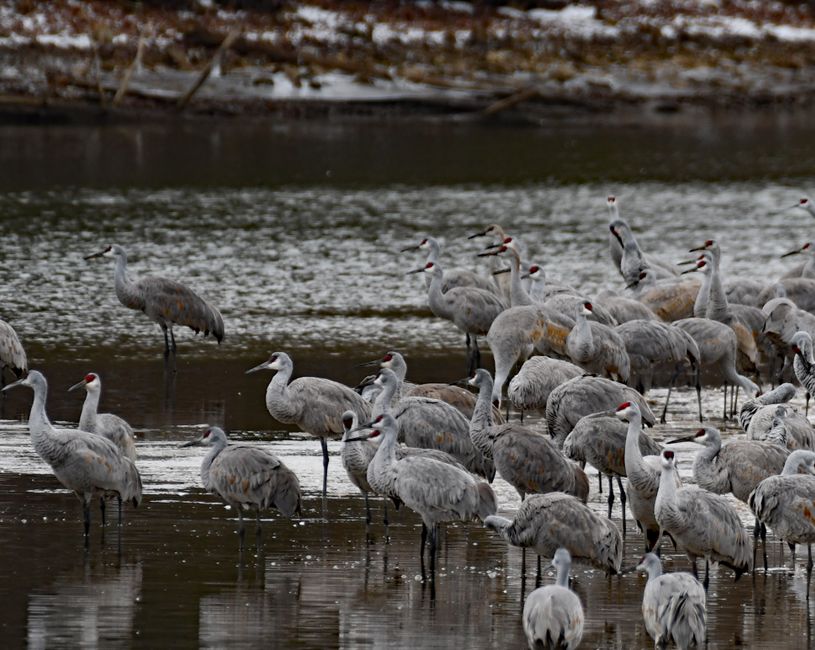
The Inglewood Bird Sanctuary protects a unique urban ecosystem where over 270 bird species, including unexpected winter residents, thrive along the Bow River.
Amidst Calgary's urban sprawl, this tranquil sanctuary offers a vital refuge for migratory and resident birds, even in the depths of winter. The Bow River, often remaining unfrozen in sections, provides a crucial open water source. Bundle up and explore its trails, and you might spot majestic bald eagles, various duck species, and even deer, showcasing nature's resilience against the Albertan cold.
Frequently asked questions
Is Montreal or Calgary colder in winter?
Both cities experience significant cold, but differently. Montreal winters tend to be colder with more humidity and heavier snowfall, often feeling more piercing. Calgary, while also very cold, typically has a drier cold and more sunshine, with occasional warm Chinook winds that can bring dramatic temperature increases for short periods.
What unique winter activities can I find in Montreal and Calgary?
Beyond typical skiing and skating, Montreal offers unique underground city exploration (RESO) connecting attractions, and historic walking tours that delve into its snowy past. Calgary boasts extensive urban park systems like Fish Creek Provincial Park for winter hiking and fat biking, and historic sites that offer insights into pioneer resilience against the cold, such as the Lougheed House.
How do locals cope with winter in Montreal and Calgary?
Locals in both cities embrace winter with layers of warm clothing, outdoor activities, and well-designed infrastructure. Montrealers utilize the vast underground city to navigate between buildings, while Calgarians take advantage of the sunny days to enjoy outdoor sports and community events, often finding comfort in cozy cafes and indoor attractions.
How can AllTours.ai help me explore these winter spots?
AllTours.ai brings the stories of these places to life, even in the coldest months. Simply point your phone camera at a landmark or landscape, and the app narrates its history, geology, and culture in your preferred language. It's like having a local expert guide in your pocket, revealing hidden facts and vivid tales as you explore, without needing to touch a cold screen.
Photography via Pexels. AllTours.ai is an AI audio tour guide — point your camera at any landscape and hear its story.