June 19, 2026 · 4 min read
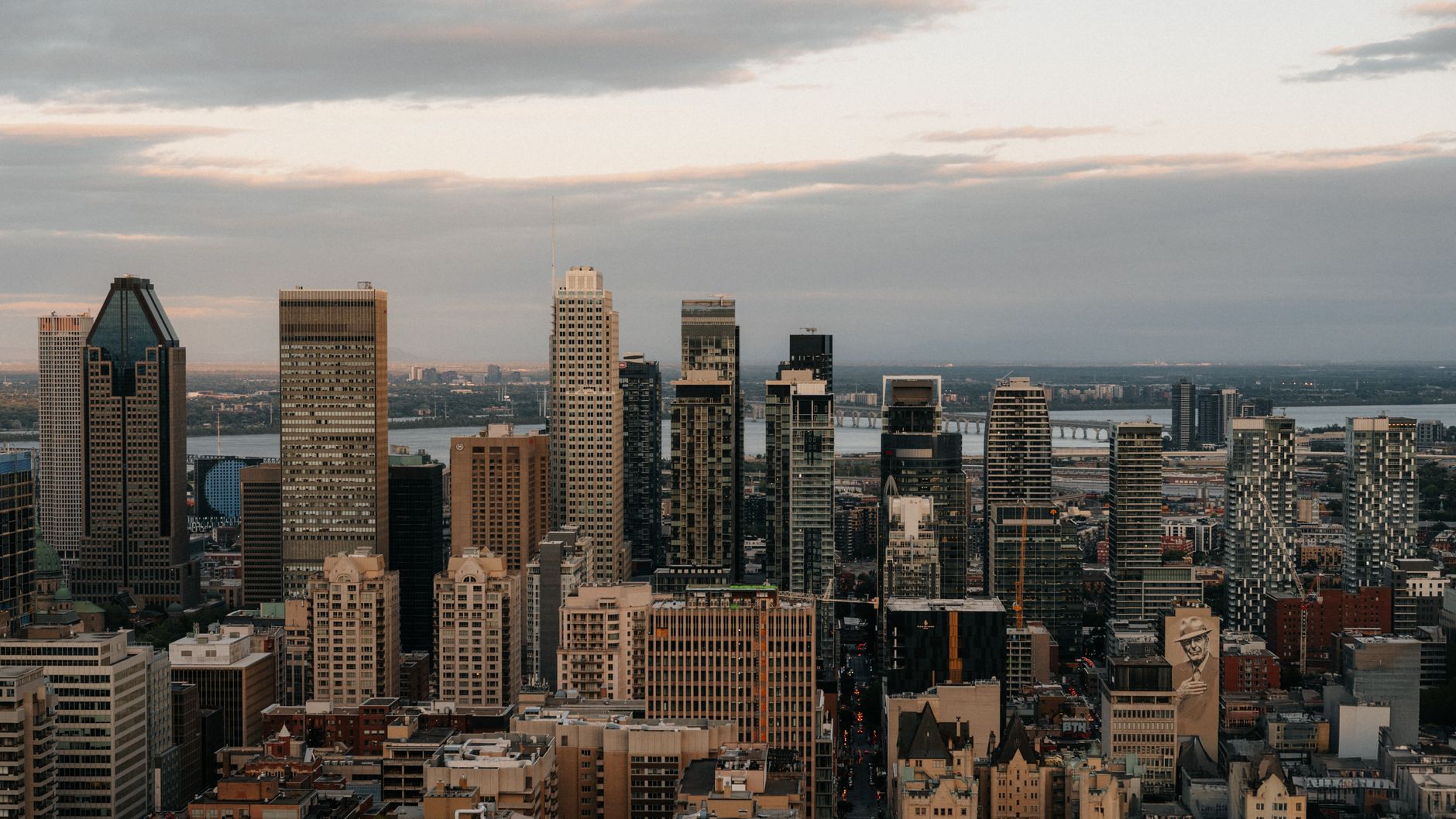
Thinking of making Montreal your home, but wondering how non-French speakers are treated by locals? It's a question many potential expats ask, and the honest answer is complex, yet overwhelmingly positive. Montreal is a unique blend of North American dynamism and European charm, a city that prides itself on its distinct culture while being remarkably open to newcomers.
While French is the official language and a deep part of the city's identity, Montrealers are generally pragmatic and welcoming. You'll find a significant English-speaking community and most people in service industries are bilingual. Beyond language, what truly connects you to Montreal is curiosity and engagement. To truly understand its heart, venture beyond the usual tourist spots and discover the surprising stories hidden in its lesser-known corners.
1. The Canal That Shaped a Nation
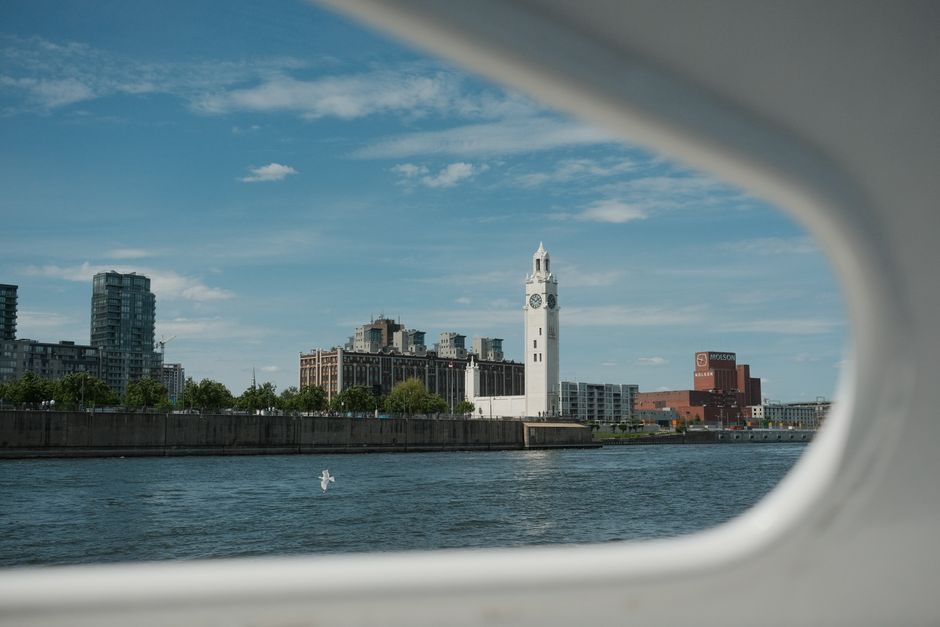
Lachine Canal National Historic Site, Montreal, Canada
The Lachine Canal, often seen as a leisure path today, was once a crucial industrial artery whose innovation predated the Suez Canal.
Before railways, this canal was the lifeblood of Canada's economy, linking the Great Lakes to the Atlantic. Its series of locks and the surrounding preserved industrial architecture tell a tale of groundbreaking 19th-century engineering and the raw power that fueled Montreal's growth, transforming it into a major port city.
2. Victorian Grandeur, Bohemian Heart
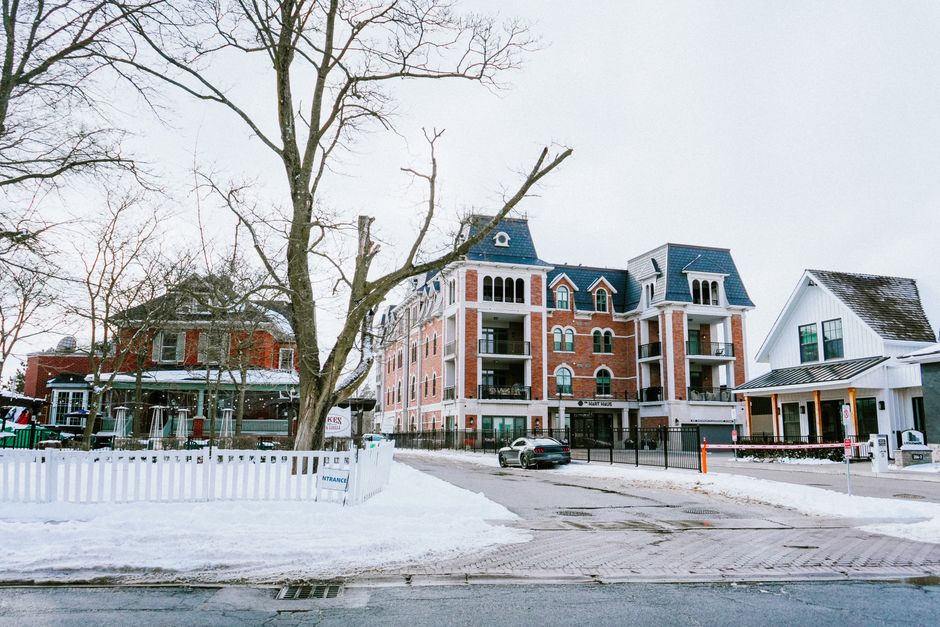
Carré Saint-Louis, Montreal, Canada
Behind the vibrant Plateau, Saint-Louis Square offers a glimpse into Montreal's opulent past, a bohemian heart nestled among Victorian grandeur.
Lined with colourful Victorian townhouses, this square was once the exclusive domain of Montreal's elite. Over time, it transformed into a haven for artists and intellectuals, its elegant architecture now sheltering a vibrant, diverse community, each building whispering tales of changing eras and creative spirits who found refuge here.
3. Park of Grand Design and Public Stories
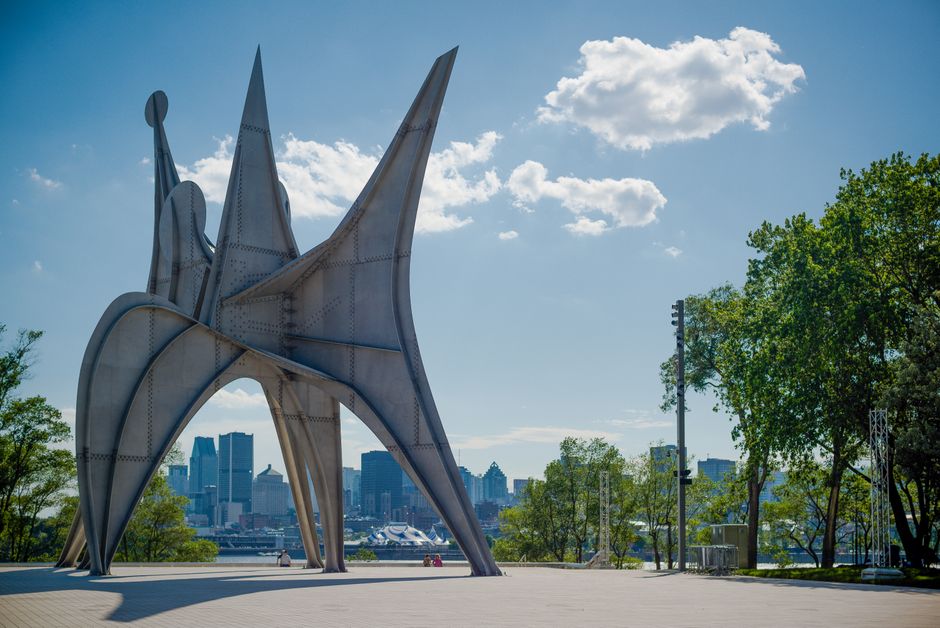
Parc La Fontaine, Montreal, Canada
Parc La Fontaine, often just a pleasant green space, hides a history of grand design, public art, and surprising social movements.
Designed by Frederick G. Todd, a landscape architect who worked with Central Park's designer, this park is more than just trees. It features an open-air theatre, the Théâtre de Verdure, and numerous sculptures, including 'Le Pleureur' (The Weeper), which has its own local legends, reflecting the park's century-long role as a public gathering place and cultural hub.
4. A Victorian Time Capsule of Nature
Redpath Museum, Montreal, Canada
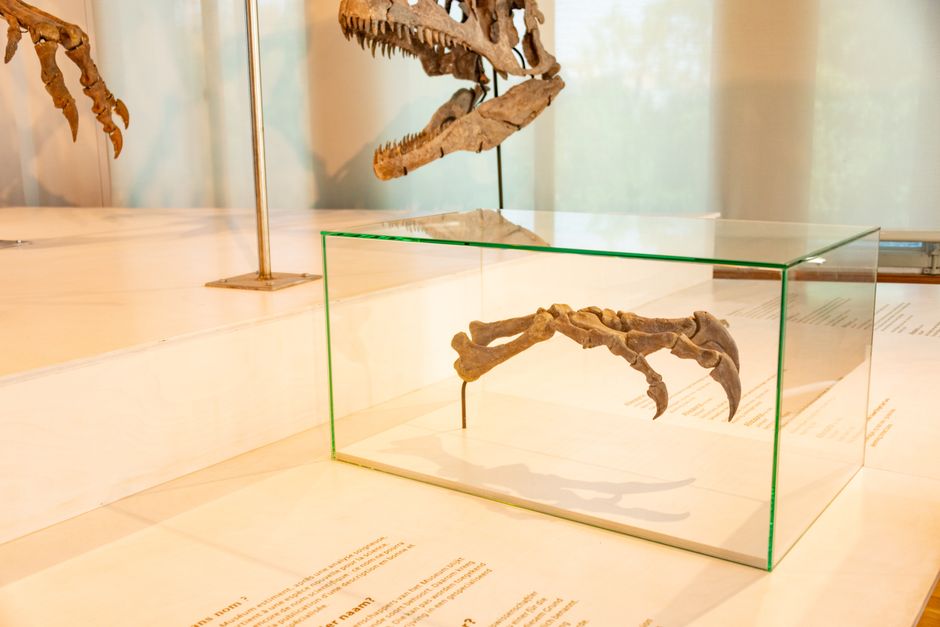
Tucked away on a university campus, the Redpath Museum is a Victorian time capsule, offering a fascinating glimpse into Earth's ancient past and natural wonders.
Opened in 1882 at McGill University, this natural history museum houses an extraordinary collection of fossils, minerals, and artifacts, including Egyptian mummies and dinosaur skeletons. Its original Victorian display cases and architecture provide a unique, charmingly antiquated backdrop to scientific discovery, often overlooked by general tourists.
5. Montreal's Birthplace, Layer by Layer
Pointe-à-Callière Archaeological Crypt, Montreal, Canada
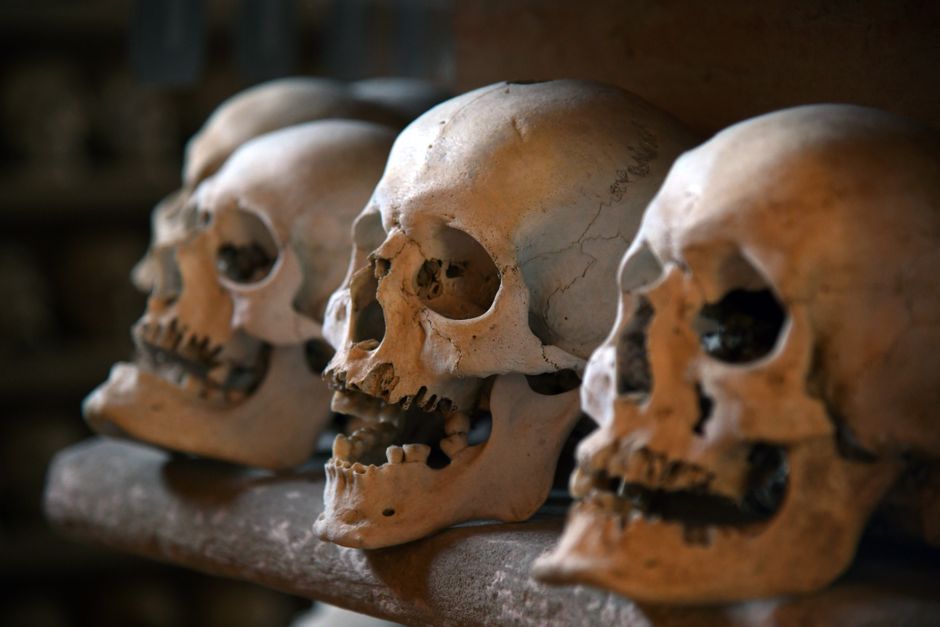
Beneath the bustling streets of Old Montreal lies a multi-layered archaeological crypt, the actual birthplace of the city itself.
Part of the Pointe-à-Callière museum, this underground pathway reveals the foundations of Montreal's first permanent settlement, from Indigenous encampments to the ruins of Fort Ville-Marie. Walking through it is a literal journey through time, seeing the very stones upon which Montreal was built, a profound connection to its origins.
6. The Enduring Industrial Ghost
Farine Five Roses Sign, Montreal, Canada
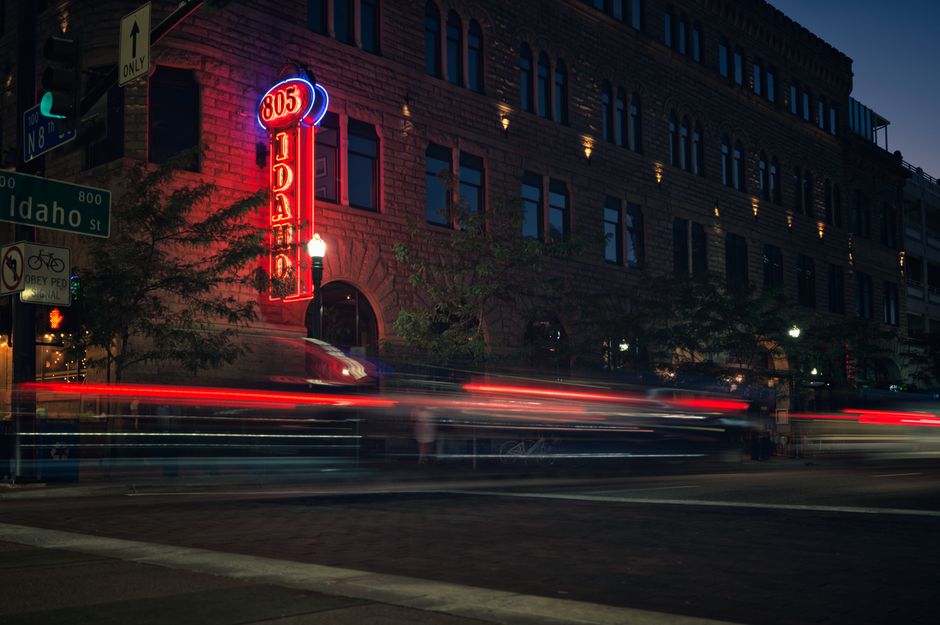
The iconic Farine Five Roses sign, a Montreal landmark, carries a surprising history of industrial might, linguistic shifts, and enduring local affection.
This enormous illuminated sign, perched atop a flour mill by the Lachine Canal, has been a beacon for generations. Originally 'Farine Five Roses Flour,' its English 'Flour' was controversially removed for a time due to language laws, only to be reinstated by popular demand, making it a unique, beloved symbol of Montreal's cultural identity and resilience.
7. The Oldest Private Residence
Château Ramezay, Montreal, Canada
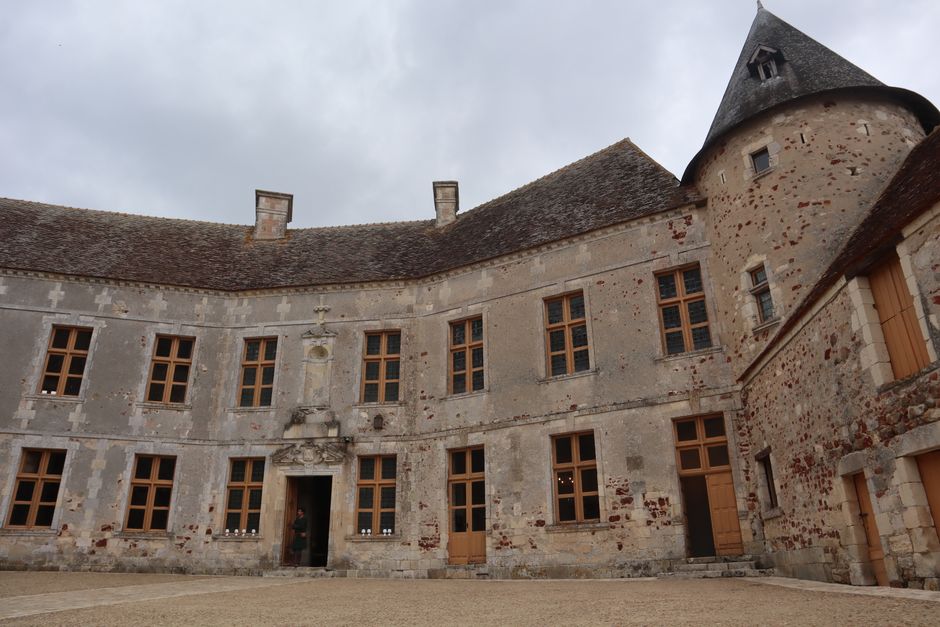
The Château Ramezay, often overshadowed by grander structures, holds the distinction of being Montreal's oldest private residence, a witness to centuries of pivotal events.
Built in 1705 for Claude de Ramezay, then governor of Montreal, this historic building has seen it all: from French colonial rule to British conquest, and even hosted Benjamin Franklin during the American Revolution. Today, it operates as a museum, preserving the intimate stories of those who walked its ancient halls and shaped the city.
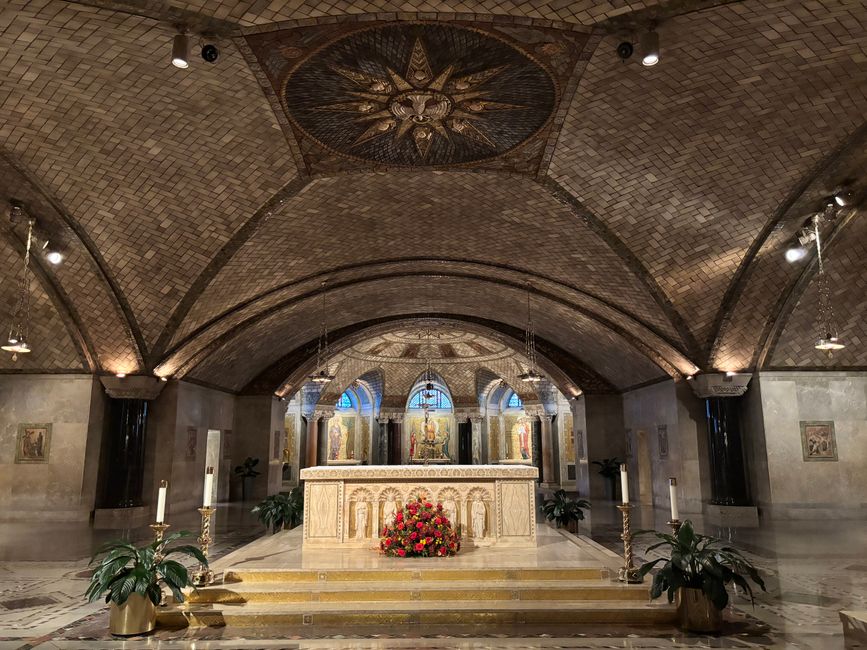
8. The Humble Origins of a Grand Basilica
Saint Joseph's Oratory Crypt Church, Montreal, Canada
While the grand dome of St. Joseph's Oratory dominates the skyline, a more intimate and historically rich experience lies hidden beneath: its Crypt Church.
Often overlooked in favor of the main basilica, the Crypt Church was the first completed section of the Oratory, consecrated in 1917. It served as the primary place of worship for years and houses the tomb of Saint André Bessette, the Oratory's humble founder, offering a quieter, more personal connection to its miraculous origins and spiritual heart.
Frequently asked questions
Do I need to speak French to live in Montreal?
While French is the official language and learning it will greatly enhance your experience and integration, it's not strictly necessary for daily life. Montreal is a bilingual city, especially in the downtown core and service industries. Many expats thrive without fluency, though basic French phrases are always appreciated.
Is Montreal a welcoming city for international residents?
Absolutely. Montreal consistently ranks as one of the most welcoming cities for international residents. Its diverse population, vibrant cultural scene, and numerous expat communities create an inclusive environment. Locals generally appreciate efforts to engage with their culture, regardless of your fluency in French.
What are some common challenges for non-French speaking expats in Montreal?
The main challenge can be administrative tasks, as official government communications are primarily in French. Finding certain job opportunities might also be easier with French proficiency. However, numerous resources and support networks exist to help navigate these hurdles, and many workplaces are bilingual.
How can AllTours.ai help me explore Montreal's hidden gems?
AllTours.ai transforms your phone into an AI audio tour guide. Simply point your camera at any landmark, building, or landscape – even the lesser-known spots mentioned here – and the app will instantly narrate its history, geology, and culture in your preferred language. It's like having a local expert by your side, ready to reveal the city's deepest secrets.
Photography via Pexels. AllTours.ai is an AI audio tour guide — point your camera at any landscape and hear its story.