July 19, 2026 · 5 min read
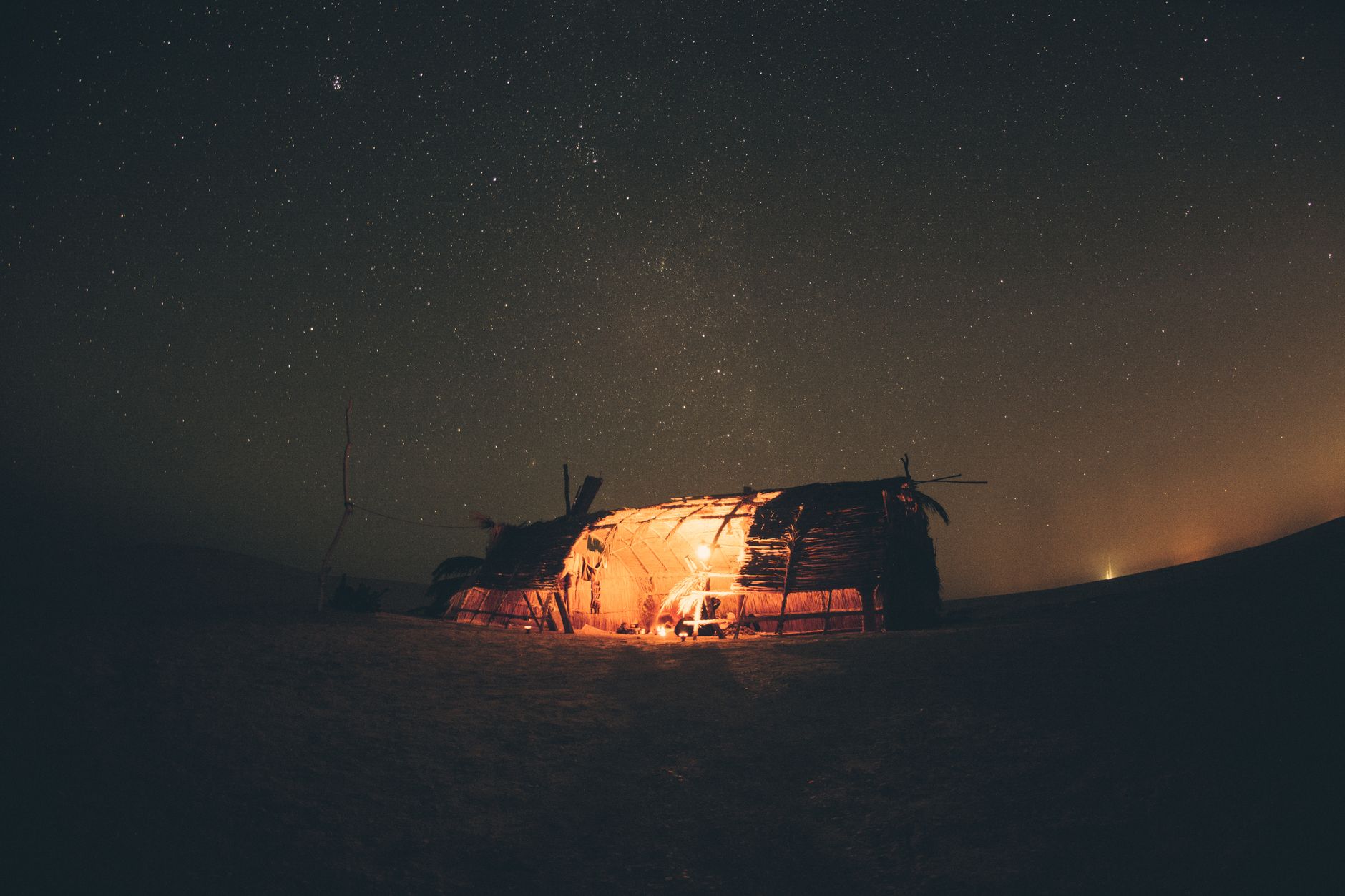
The desert, often perceived as an empty expanse, is in fact a canvas of rich history, deep culture, and enduring human ingenuity. For millennia, Bedouin communities have thrived in these challenging environments, developing traditions that speak to resilience, profound knowledge of nature, and unmatched hospitality. These traditions offer more than just historical footnotes; they provide a living blueprint for designing truly immersive and authentic travel experiences.
When crafting modern tours for international visitors, understanding the Bedouin way isn't just about adding a camel ride. It's about integrating their age-old wisdom into every aspect, from navigating ancient paths to appreciating sustainable living and the art of storytelling. We seek out the less-traveled routes, where the echoes of Bedouin life are still vibrant, revealing how deep desert heritage shapes unforgettable journeys.
1. The Desert's Open-Air Library
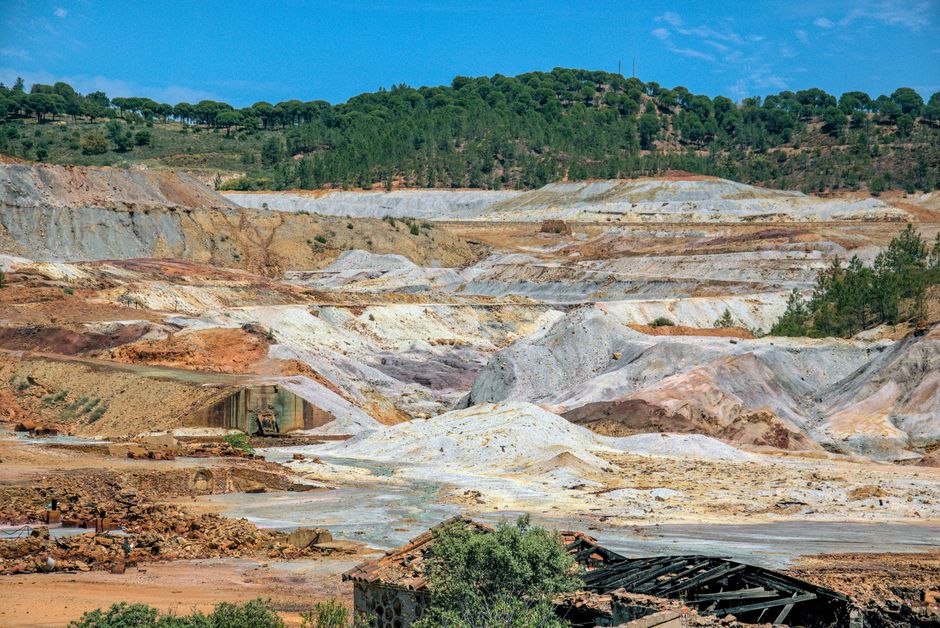
Jabal Ikmah, Saudi Arabia
This secluded mountain features thousands of ancient inscriptions carved into rock faces, offering a glimpse into early Arabic and Nabataean scripts.
Jabal Ikmah, often called AlUla's 'open-air library,' serves as a profound record of human interaction with the desert. These inscriptions, dating back millennia, include prayers, offerings, and accounts of daily life and trade. For modern tours, understanding these ancient narratives, often shared through Bedouin oral traditions, highlights the desert as a place of communication and cultural exchange, not just isolation. It's a reminder that storytelling and recording history are deeply ingrained in the desert's nomadic heritage.
2. Farafra's White Desert Lore
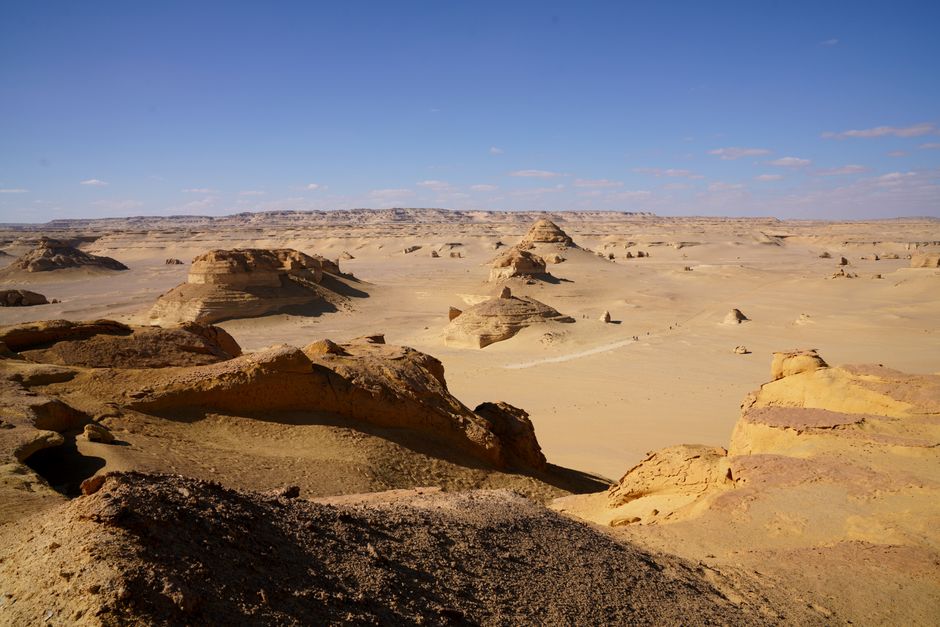
Farafra Oasis, Egypt
Beyond its famous white rock formations, Farafra Oasis harbors unique Bedouin communities with distinct knowledge of desert survival and plant life.
The Farafra Oasis, a jewel in Egypt's Western Desert, is known for its surreal White Desert landscape. Yet, its true depth lies in the Bedouin inhabitants whose traditions are woven into the oasis's fabric. Modern tours draw from their generational knowledge of water conservation, identifying edible and medicinal plants, and navigating the vast, featureless terrain. This influence translates into tours that emphasize resourcefulness and respect for the environment, offering insights into how life sustains itself in extreme conditions, guided by ancient wisdom.
3. Wahiba Sands' Navigational Secrets
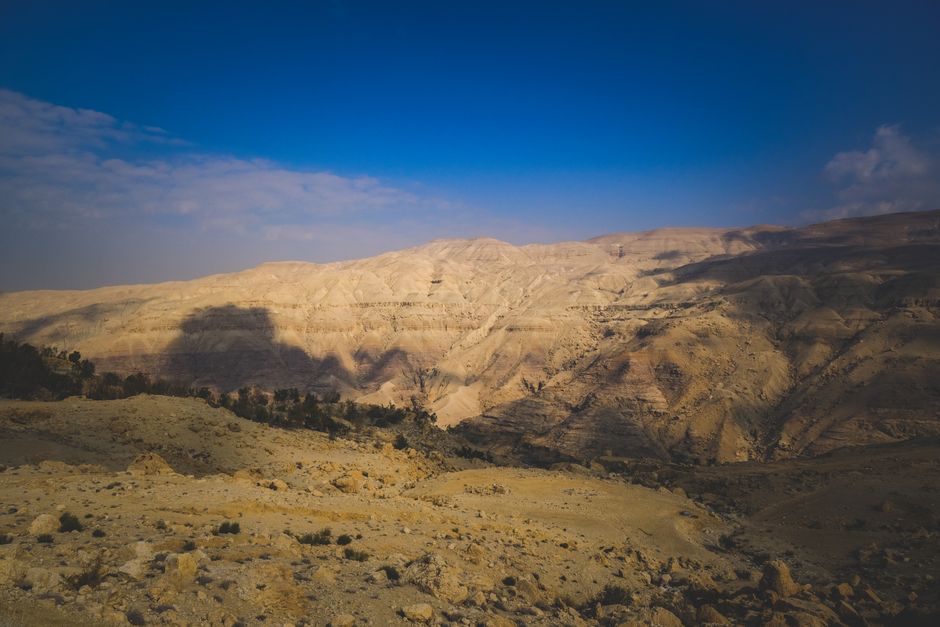
Sharqiyah Sands, Oman
The undulating dunes of Wahiba Sands hide ancestral Bedouin routes, navigated not by maps, but by an intimate understanding of stars, wind, and sand formations.
The Sharqiyah Sands, commonly known as Wahiba Sands, are a breathtaking expanse of golden dunes in Oman. Here, the Al Sharqiyah Bedouins have perfected the art of desert navigation for generations. Modern tours incorporate their methods of reading the dunes, understanding seasonal changes, and finding hidden water sources, transforming a simple desert drive into a lesson in ancient survival. This deep respect for the land and its subtle cues influences tours to prioritize sustainable travel and an appreciation for the desert's delicate ecosystem, far beyond typical off-roading.
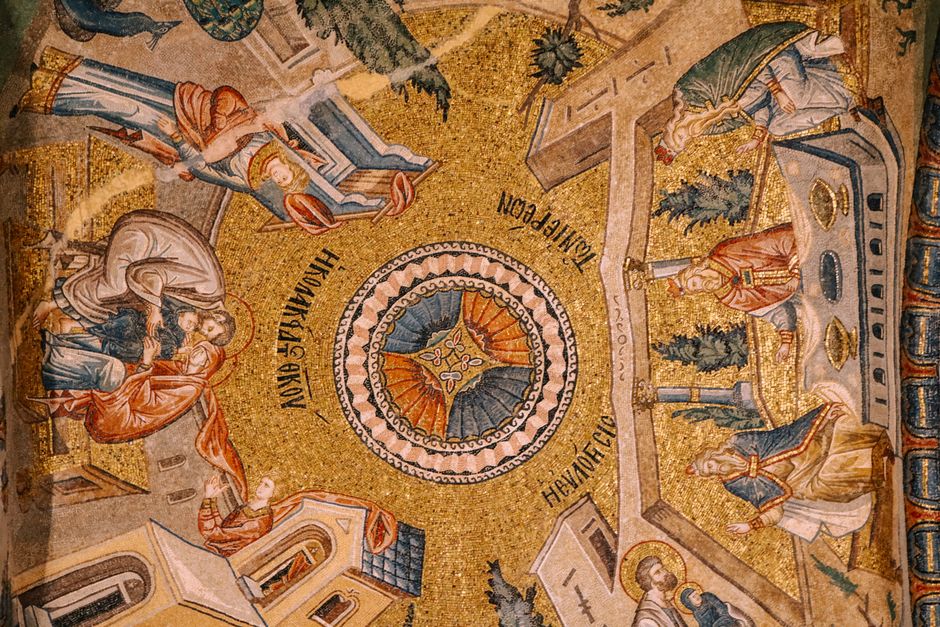
4. Shobak's Living History
Shobak Castle Region, Jordan
Perched atop a hill, the Crusader-era Shobak Castle is not just a ruin; its surrounding lands are home to Bedouin families who have maintained ancient pastoral traditions for centuries.
While Petra draws crowds, the less-visited region around Shobak Castle offers a unique blend of Crusader history and living Bedouin culture. Here, tours can connect with local Bedouin families whose lives still revolve around herding and traditional crafts, offering a genuine glimpse into their daily rhythms. This interaction provides context to the desert's enduring human story, showing how Bedouin resilience has shaped the landscape and preserved historical narratives through generations. It emphasizes community and continuity, rather than just ancient ruins.
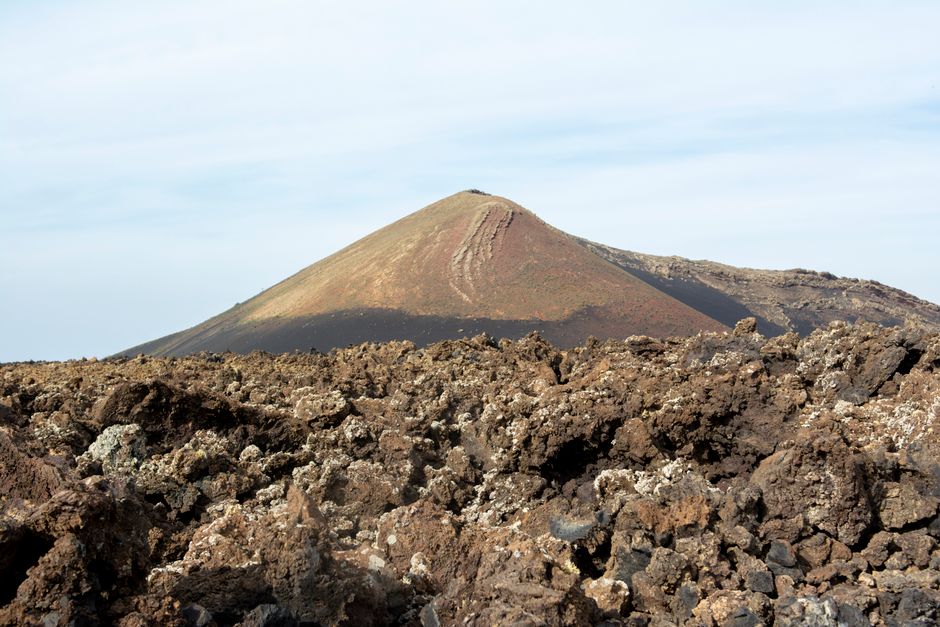
5. Jebel Hafeet's Ancient Trade Routes
Jebel Hafeet, UAE/Oman Border
This impressive mountain is ringed by ancient beehive tombs, testaments to early nomadic communities who used its strategic elevation for trade and shelter.
Jebel Hafeet, a prominent peak bordering the UAE and Oman, is more than a scenic drive; it's a historical crossroads. Its slopes are dotted with thousands of ancient beehive tombs, signifying early nomadic settlements and trade routes that crisscrossed the desert. Modern tours explore how these routes, perfected by Bedouin ancestors, dictated communication and resource distribution across vast distances. This understanding influences tours to highlight the interconnectivity of desert communities and the strategic wisdom of choosing vantage points, offering a richer historical context to the landscape.
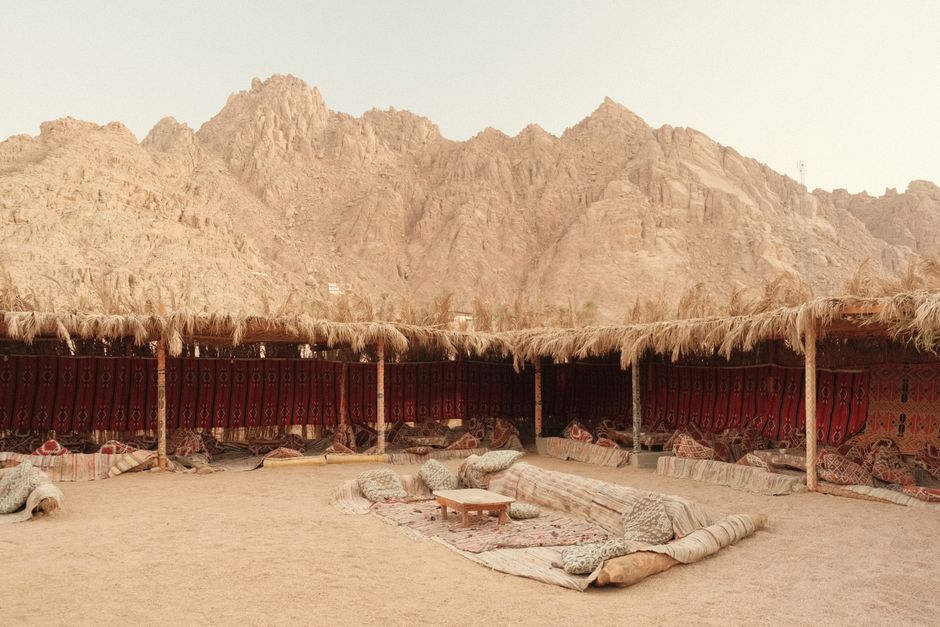
6. Al Sarh's Enduring Wells
Al Sarh Desert, Northern Saudi Arabia
Deep within the vast Al Sarh Desert lie ancient, often hidden wells, vital arteries for Bedouin survival and movement across the Arabian Peninsula for millennia.
The lesser-explored Al Sarh Desert in northern Saudi Arabia holds secrets of survival in its ancient wells. These water sources, some dating back thousands of years, were critical for Bedouin tribes navigating the harsh interior. Modern tours that incorporate these sites emphasize the Bedouin ingenuity in locating and maintaining such precious resources. It's a journey into understanding the critical role of water in desert life, and how this knowledge shaped migration patterns, social structures, and the very concept of hospitality in arid lands, making the desert come alive with historical significance.
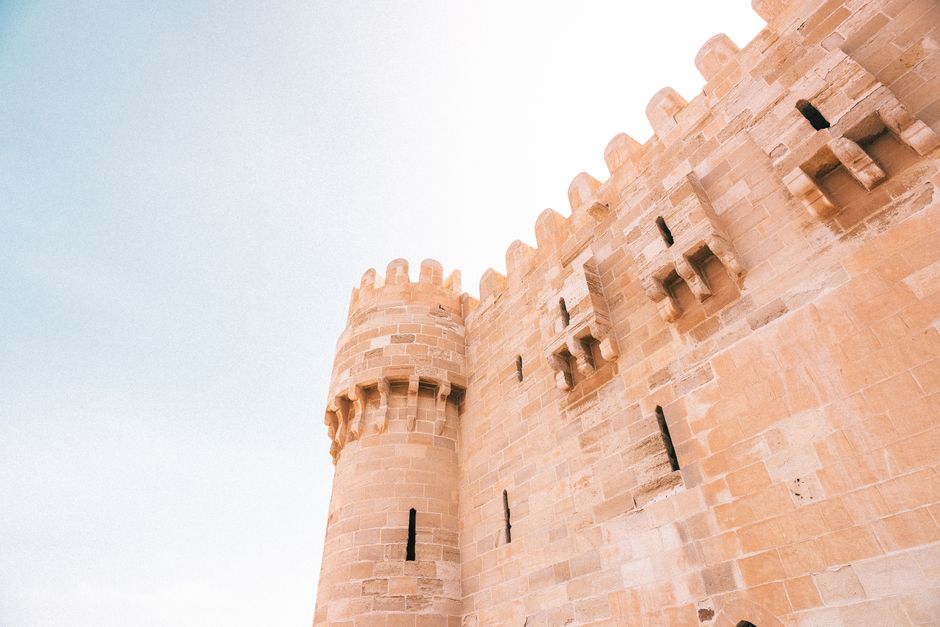
7. Dana's Sustainable Wilderness
Wadi Dana Biosphere Reserve, Jordan
This expansive reserve, while not pure desert, borders arid landscapes and showcases how Bedouin communities have practiced sustainable living for centuries.
Wadi Dana Biosphere Reserve, Jordan's largest nature reserve, offers a compelling example of Bedouin influence on sustainable living. Its semi-arid terrain has supported Bedouin tribes like the Ata'ta for generations, who have cultivated a deep understanding of ecological balance. Modern tours here go beyond wildlife spotting; they delve into traditional land management, foraging, and the use of natural resources without depletion. This approach teaches visitors about the Bedouin philosophy of living in harmony with the environment, directly influencing how we design responsible and educational wilderness tours.
8. Liwa's Empty Quarter Resilience
Liwa Oasis Fringes, UAE
On the edge of the formidable Empty Quarter, the Bedouin of the Liwa Oasis developed unique strategies to thrive in one of the world's largest sand deserts.
The Liwa Oasis, while known for its date palms, sits as a gateway to the Rub' al Khali, or Empty Quarter—a desert of unparalleled scale. The Bedouin communities here honed extreme resilience, cultivating date palms and understanding the nuances of underground water systems. Modern tours venture to the fringes of this colossal desert, illustrating how Bedouin traditions of adaptation, resourcefulness, and community support made life possible against incredible odds. This deep appreciation for enduring human spirit shapes tours that inspire awe for both nature's grandeur and humanity's ability to thrive in it.
Frequently asked questions
What is the most unique aspect of Bedouin hospitality for travelers?
Bedouin hospitality, known as 'karam,' is deeply rooted in generosity and protection, even for strangers. It often involves sharing meals, offering shelter without expectation of immediate return, and engaging in respectful conversation, creating a profound sense of connection that transcends cultural barriers.
How do modern tours respect Bedouin cultural heritage?
Respectful modern tours prioritize engaging directly with Bedouin communities, supporting local economies, and seeking permission before photographing. They also educate visitors on local customs and traditions, ensuring interactions are mutually beneficial and preserve the authenticity of Bedouin heritage for future generations.
Can I experience traditional Bedouin food on a desert tour?
Yes, many tours offer opportunities to taste traditional Bedouin cuisine, often prepared over an open fire. Dishes like 'mandhi' (slow-cooked meat and rice), 'machboos' (spiced rice with meat), and freshly baked bread are common, providing a delicious insight into their culinary traditions and resourcefulness.
How does the AllTours.ai app enhance a trip to these Bedouin-influenced sites?
The AllTours.ai app acts as your personal AI guide. Simply point your phone camera at a landmark, ancient inscription, or a desert landscape, and the app instantly narrates its history, geology, and cultural significance, including details about Bedouin traditions and their enduring influence, all in your preferred language.
Photography via Pexels. AllTours.ai is an AI audio tour guide — point your camera at any landscape and hear its story.