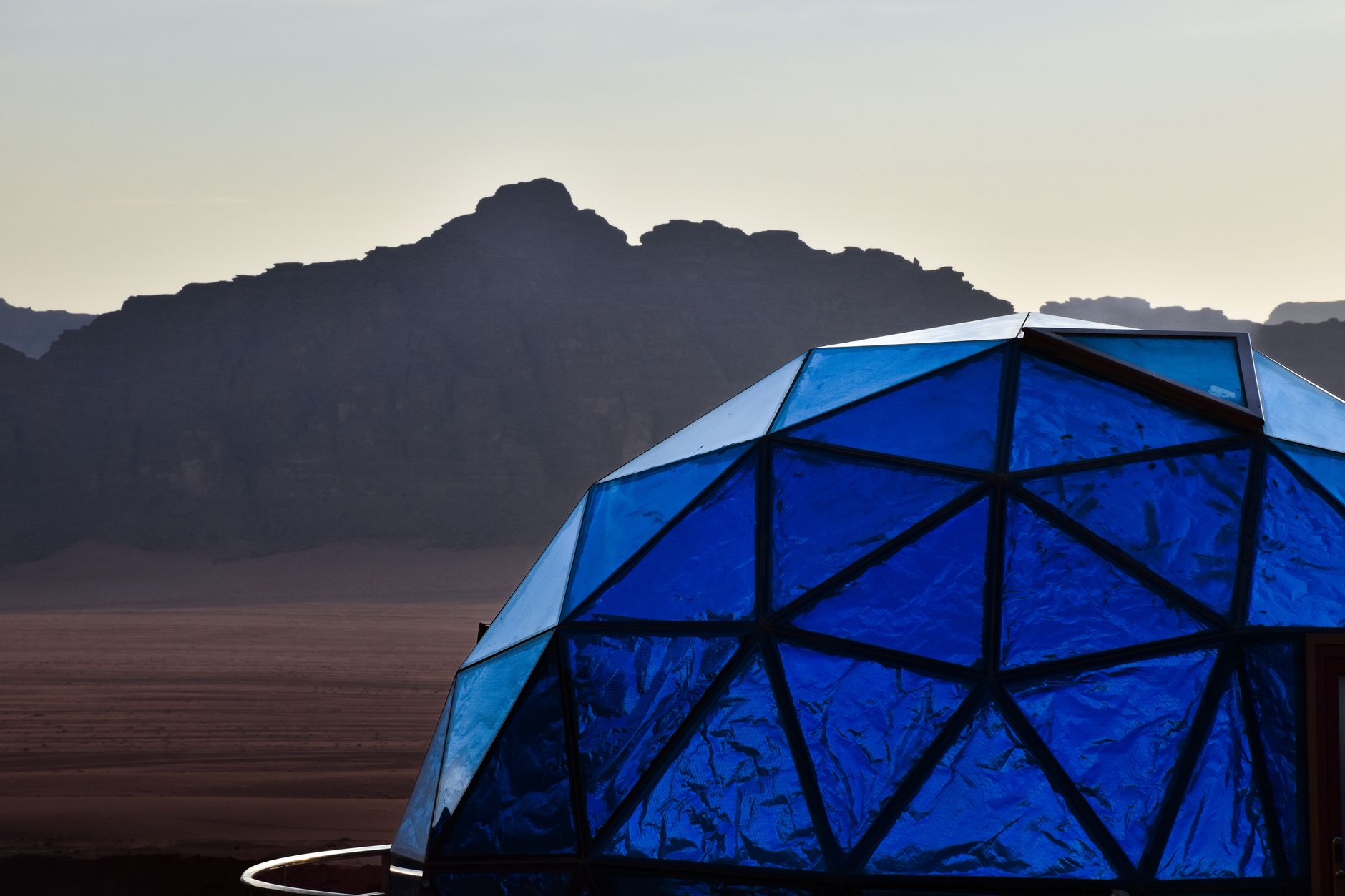
July 18, 2026 · 4 min read
The vast, silent deserts of the Middle East hold more than just sand dunes; they cradle millennia of human stories, ingeniously woven into the fabric of survival. For centuries, Bedouin communities have navigated these formidable landscapes, developing an intimate understanding of their rhythms, resources, and hidden histories. This deep knowledge isn't just folklore; it's a living blueprint for sustainable travel.
At AllTours.ai, we believe that truly understanding a place means seeing it through the eyes of those who've shaped it. When designing modern desert tours, we look to Bedouin traditions – their resourcefulness, their respect for the land, and their ability to find significance in every rock and wadi – to uncover authentic experiences beyond the well-trodden paths. It's about revealing the subtle narratives that make these places truly unique.

1. The Desert Kites of Jordan
Eastern Jordan Desert, Jordan
Massive, enigmatic stone structures, visible only from above, reveal an ancient, sophisticated hunting strategy.
Across the basalt plains of eastern Jordan lie vast, low stone walls stretching for kilometers, converging into an enclosure. These 'desert kites' are Neolithic animal traps, some dating back 9,000 years, designed to funnel herds of gazelle and other wild game. Their sheer scale and ingenious design reflect a profound understanding of animal behavior and landscape, a resourcefulness that still informs modern desert navigation and resource management.
2. Khazali Canyon's Whispers
Wadi Rum, Jordan
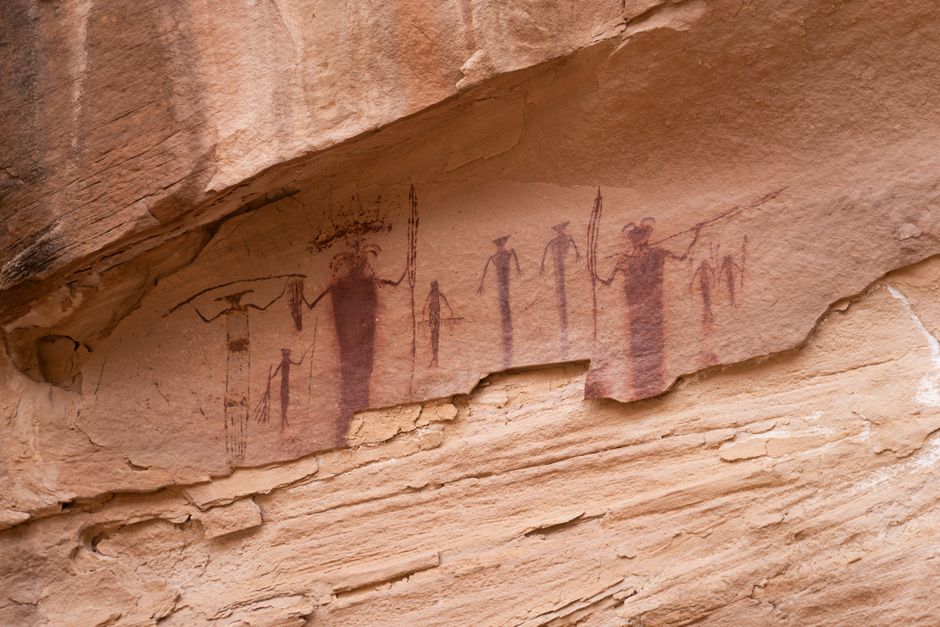
Hidden within a narrow crack in Wadi Rum's sandstone, ancient petroglyphs tell stories of early desert life.
While Wadi Rum's grand vistas are famous, the lesser-known Khazali Canyon offers a more intimate journey into its past. Here, within a cool, shaded fissure, the rock walls are adorned with Thamudic and Nabataean inscriptions and petroglyphs. These carvings depict human and animal figures, illustrating hunting scenes and ancient rituals, offering a direct window into the spiritual and daily lives of those who traversed these sands millennia ago. The paths to these sites are often still those used by local Bedouin guides today.
3. Bir Haddaj: Tayma's Ancient Well
Tayma Oasis, Saudi Arabia
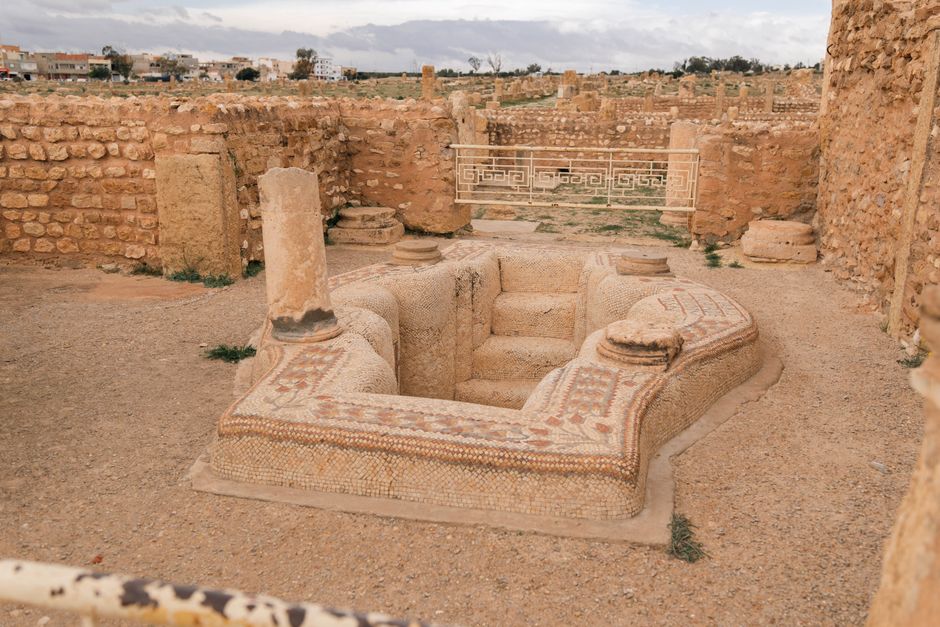
This colossal, ancient well has continuously provided life-giving water in the desert for over 2,500 years.
Tayma, an ancient oasis city, boasts one of the world's oldest and largest wells, Bir Haddaj. With a diameter of over 18 meters, it has been a vital water source for millennia, supporting agriculture and trade routes across the Arabian Peninsula. Its enduring functionality is a testament to the desert's ingenuity in water management, a critical skill passed down through generations of Bedouin communities who understood the value of every drop.
4. The Oracle Temple of Amun
Siwa Oasis, Egypt
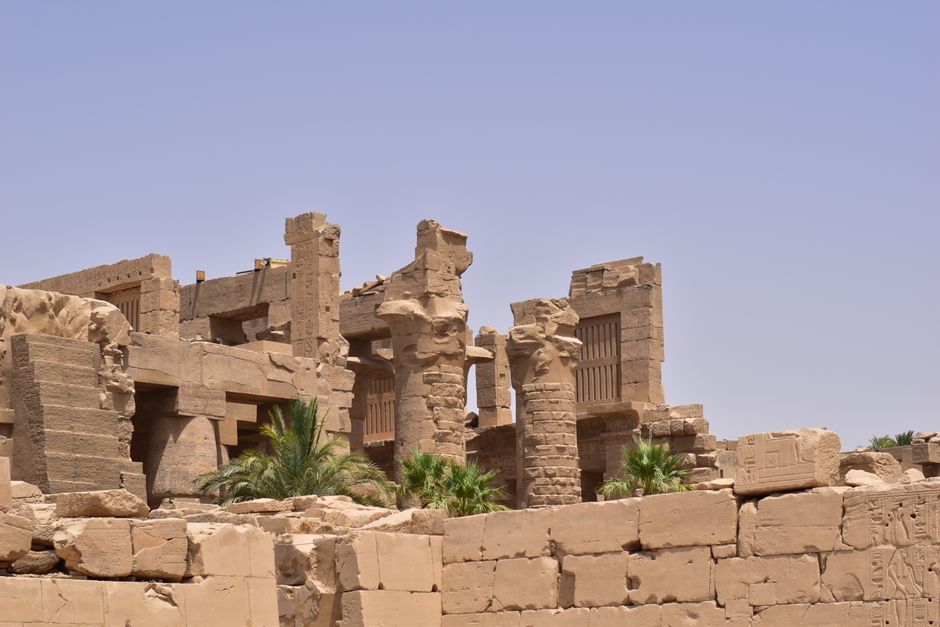
Alexander the Great journeyed across the desert to this remote temple, seeking divine confirmation of his destiny.
Perched on a rocky outcrop in the heart of the Siwa Oasis, the ruins of the Oracle Temple of Amun hold profound historical weight. It was here, in 331 BC, that Alexander the Great made a legendary pilgrimage to consult the oracle, an arduous journey that underscored the temple's spiritual significance. The Bedouin who guided such travelers understood the sacred geography of their land, a tradition of respectful passage that continues to shape visits to this remote, mystical site.
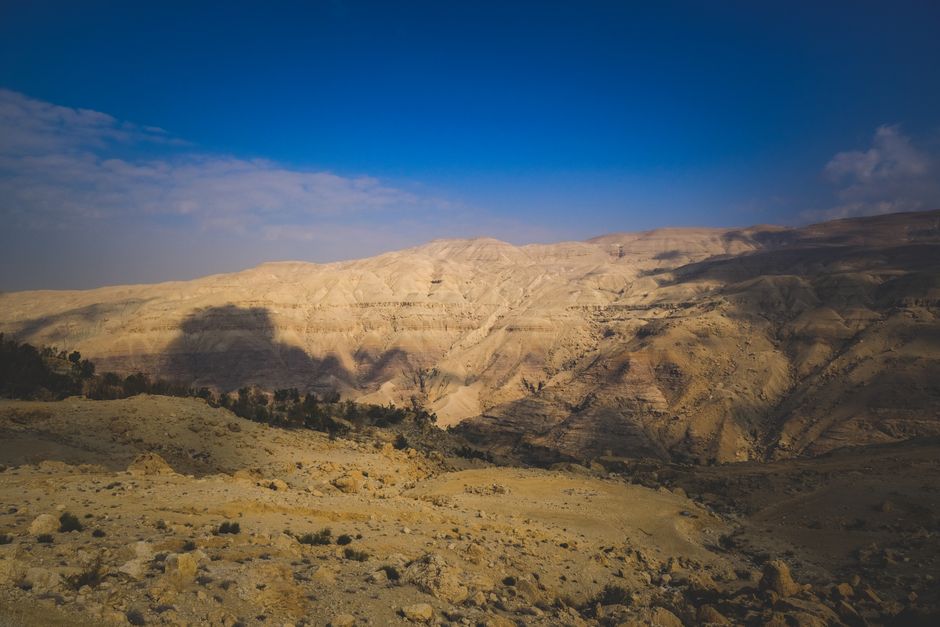
5. Wadi Mujib's Hidden Springs
Wadi Mujib Biosphere Reserve, Jordan
Beneath a dramatic canyon carved by the Mujib River, hidden springs nourish a surprisingly lush ecosystem.
While known for its thrilling canyoning, the Wadi Mujib Biosphere Reserve also reveals how water creates life in unexpected desert environments. Deep within its sandstone gorges, perennial springs feed a vibrant ecosystem, supporting rare plants and animals. Bedouin knowledge of these water sources was crucial for survival and movement through the region, highlighting the importance of understanding microclimates and hidden resources within seemingly barren lands, guiding modern eco-tourism.
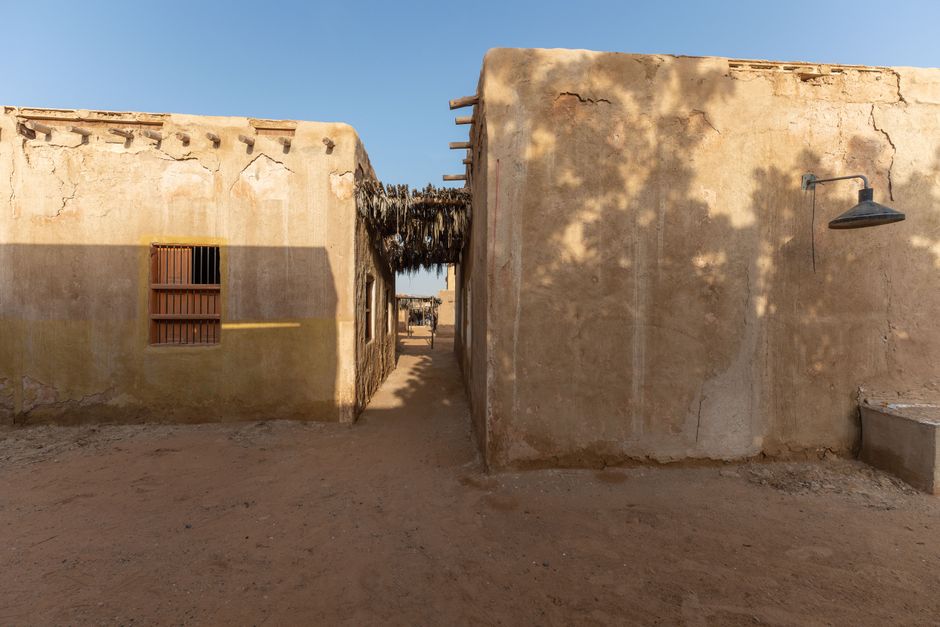
6. The Mud Villages of Al-Baha
Al-Baha Region, Saudi Arabia
Ancient mud-brick villages cling to mountain slopes, showcasing a unique architectural adaptation to desert-edge life.
High in the Sarawat Mountains of Saudi Arabia's Al-Baha region, ancient mud and stone villages like Dhee Ayn stand as testament to a distinct way of life at the desert's edge. These multi-story structures, often fortified, were built using local materials and traditional techniques perfected over centuries. This sustainable architecture, designed to withstand harsh climates and utilize available resources, reflects a deep-seated Bedouin principle of living in harmony with the environment, influencing modern sustainable building practices and cultural preservation tours.
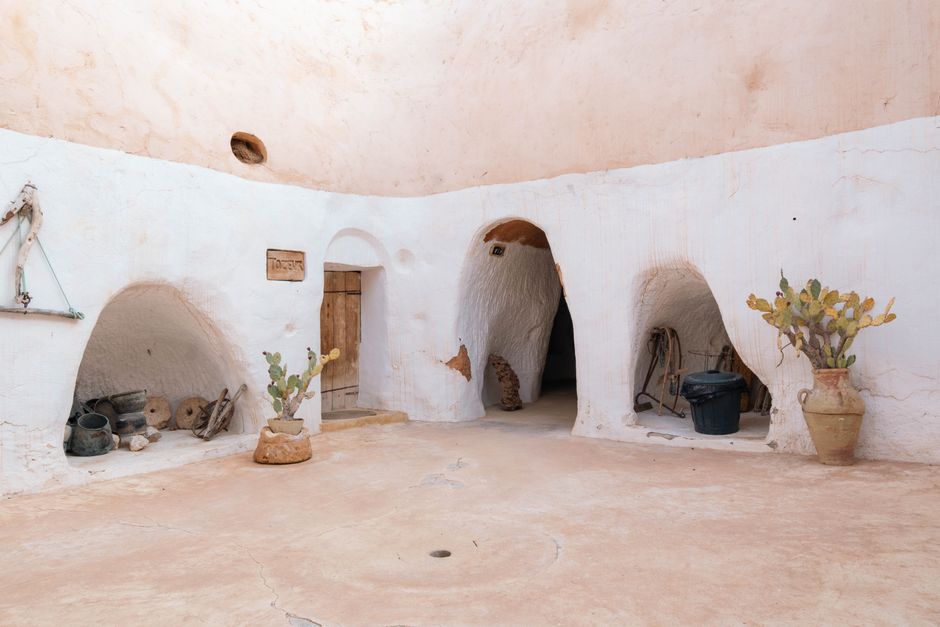
7. The Cave Dwellings of Gharyan
Gharyan, Libya
Underground troglodyte homes in Libya offer a cool refuge, reflecting ancient desert climate adaptation.
In the Nafusa Mountains of Libya, the town of Gharyan is famous for its unique 'troglodyte' houses. These traditional homes are dug deep into the earth, with central courtyards open to the sky and rooms branching off underground. This ingenious architectural style provides natural insulation, keeping interiors cool in summer and warm in winter. Such designs reveal an ancient understanding of passive climate control, a principle of living with the land that continues to inspire sustainable design and respectful cultural tourism.
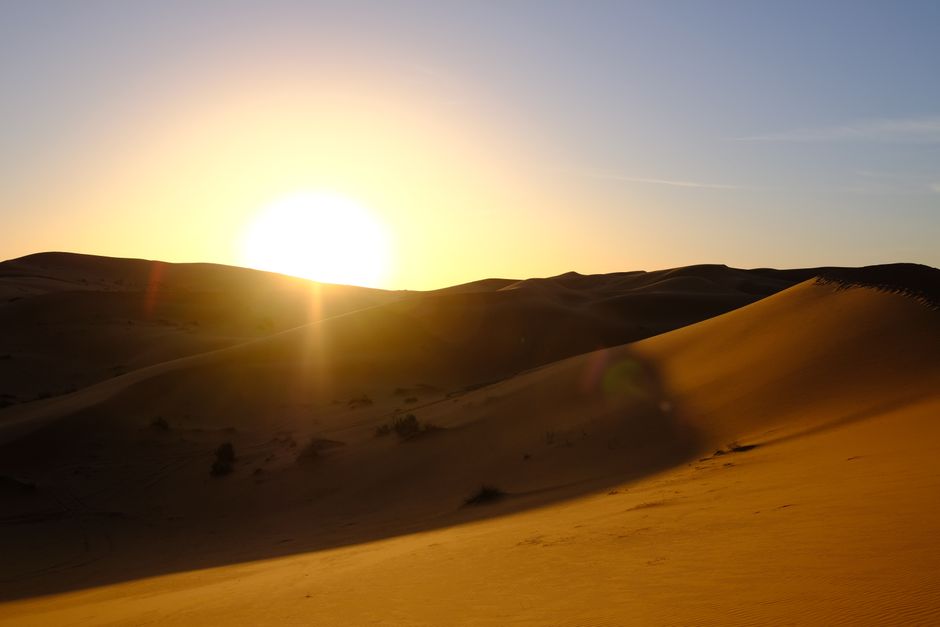
8. Ad-Dahna Desert's Red Sands
Central Saudi Arabia
The 'river of sand' reveals ancient geological processes and a unique desert ecosystem.
Ad-Dahna is a narrow, crimson-colored sand belt that stretches for over 1,000 kilometers across central Saudi Arabia, often called the 'river of sand.' This distinct geological formation connects the great deserts of An-Nafud and Rub' al Khali. Its unique red hue comes from iron oxides, telling a story of ancient sedimentation. Bedouin tribes historically traversed this corridor, understanding its seasonal flora and hidden water pockets, making it a crucial route for trade and grazing, insights now informing geological and ecological tours.
Frequently asked questions
What is the importance of Bedouin hospitality in desert travel?
Bedouin hospitality, or 'karam,' is central to desert life. It emphasizes generosity, protection, and welcome to strangers, often seen in the offering of tea, food, and shelter. This tradition fosters a sense of trust and connection, transforming a simple visit into a meaningful cultural exchange for international visitors.
How do traditional Bedouin navigation skills contribute to modern tours?
Bedouin navigation relies on an intimate knowledge of the stars, natural landmarks, wind patterns, and subtle changes in terrain. This deep understanding of the environment helps modern tour designers create safer, more authentic routes, often leading to lesser-known sites and enhancing the appreciation for the desert's unique challenges and beauty.
Are Bedouin communities still nomadic today?
While many Bedouin communities have adopted more settled lifestyles due to modern development and changing economies, some still practice forms of nomadism or semi-nomadism. Their traditions of mobility, resilience, and deep connection to the land continue to be a vital part of their cultural identity and influence how we understand desert living.
How does AllTours.ai enhance a traveler's experience in these desert locations?
AllTours.ai brings the deep stories of these desert landscapes to life. Simply point your phone camera at a historic site, a unique geological formation, or a significant cultural landmark, and the app instantly narrates its history, geology, and cultural significance in your preferred language, offering a personal guide to the hidden narratives of the desert.
Photography via Pexels. AllTours.ai is an AI audio tour guide — point your camera at any landscape and hear its story.