July 19, 2026 · 4 min read
The vast, silent deserts of our world hold more than just sand; they cradle millennia of human ingenuity, resilience, and profound cultural wisdom. For centuries, Bedouin tribes have not just survived in these harsh environments, but thrived, developing an intimate understanding of the land that shapes everything from their daily lives to their oral histories.
When designing modern tours for international visitors, the most enriching experiences often draw directly from these deep-rooted Bedouin traditions. It's about more than just a camel ride; it's about seeing the desert through the eyes of those who call it home, uncovering hidden stories and forgotten paths that lie far beyond the usual tourist trail. Here’s how ancient desert wisdom informs our approach to discovery.
1. Tracing Ancient Water Lifelines
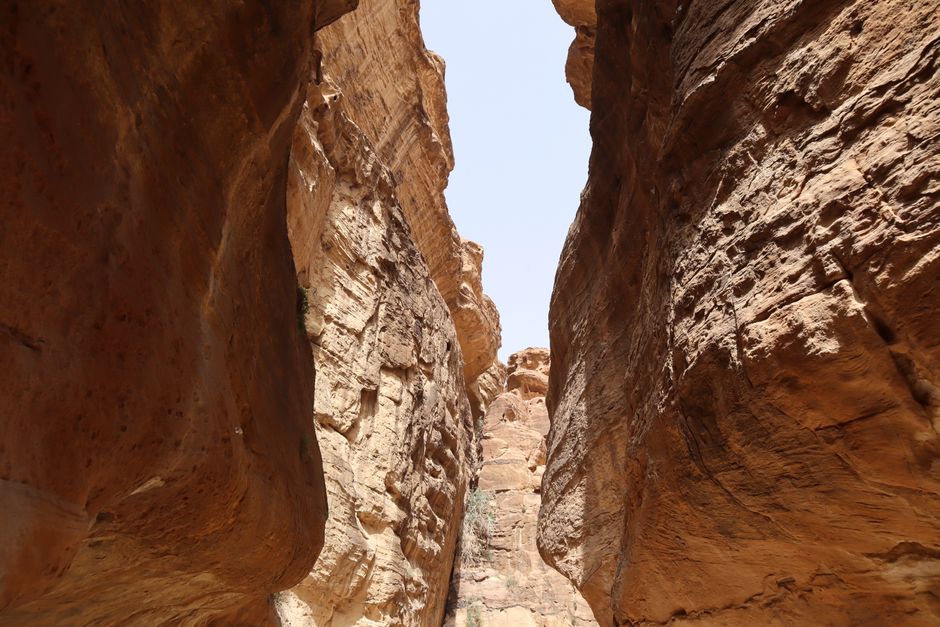
Wadi Feynan, Jordan
Bedouin guides in this ancient valley still trace Nabataean water channels, vital for survival then and now.
Within Jordan's Dana Biosphere Reserve, the Bedouin of Wadi Feynan possess an unparalleled knowledge of ancient water systems, a skill passed down through generations. They can identify subtle depressions and specific plant growth that signal hidden springs or forgotten Nabataean cisterns. This intimate understanding of water harvesting connects directly to the ingenious engineering of ancient civilizations and remains critical for both local survival and sustainable guiding.
2. The Desert's Agricultural Secrets
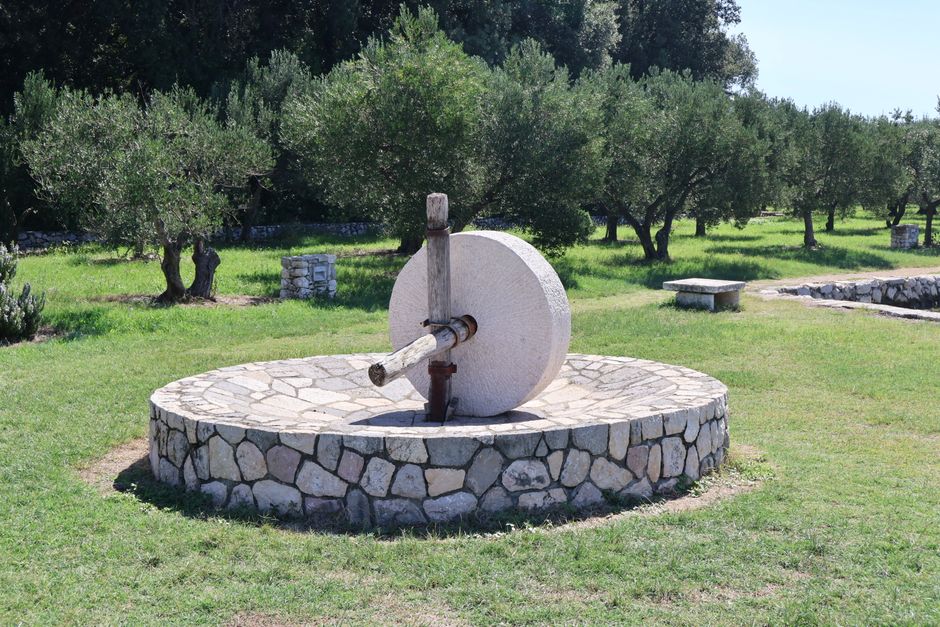
Nitzana, Negev Desert, Israel
This Nabataean ruin reveals how communities thrived on flash floods, a technique Bedouin still practice for sustenance.
Nitzana, an ancient Nabataean city in the Negev, was a testament to ingenious water management, utilizing terraced wadis and diversion dams to capture winter flash floods for agriculture. Today, Bedouin tribes in the Negev continue to employ similar methods, understanding the ephemeral nature of desert water and how to maximize its use for grazing and small-scale cultivation. This continuity highlights an unbroken chain of adaptation to a challenging environment.
3. The Desert's Humility and Power
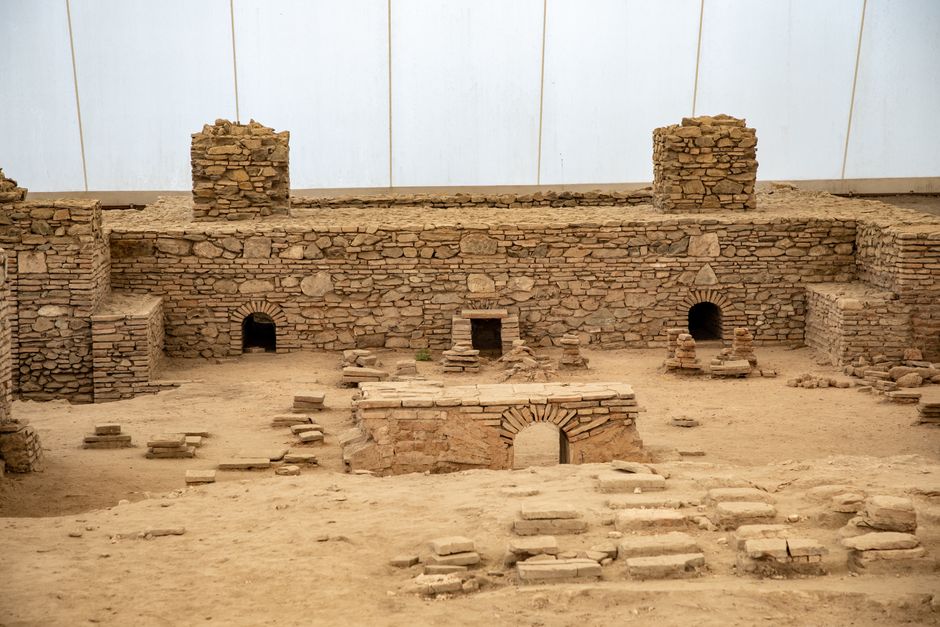
Ubar (Wabar), Oman
The legendary 'Atlantis of the Sands' was swallowed by the very desert it depended on – a constant Bedouin lesson in respect.
Ubar, once a vital frankincense trade hub in Oman's Empty Quarter, met its demise when the massive limestone cavern beneath it collapsed, likely due to unsustainable water extraction. Bedouin wisdom emphasizes respect for the desert's fragile resources and the ephemeral nature of life within it. They understand the desert's power to both sustain and reclaim, a humility reflected in their nomadic traditions and sustainable practices.
4. Navigating by Sand and Stars
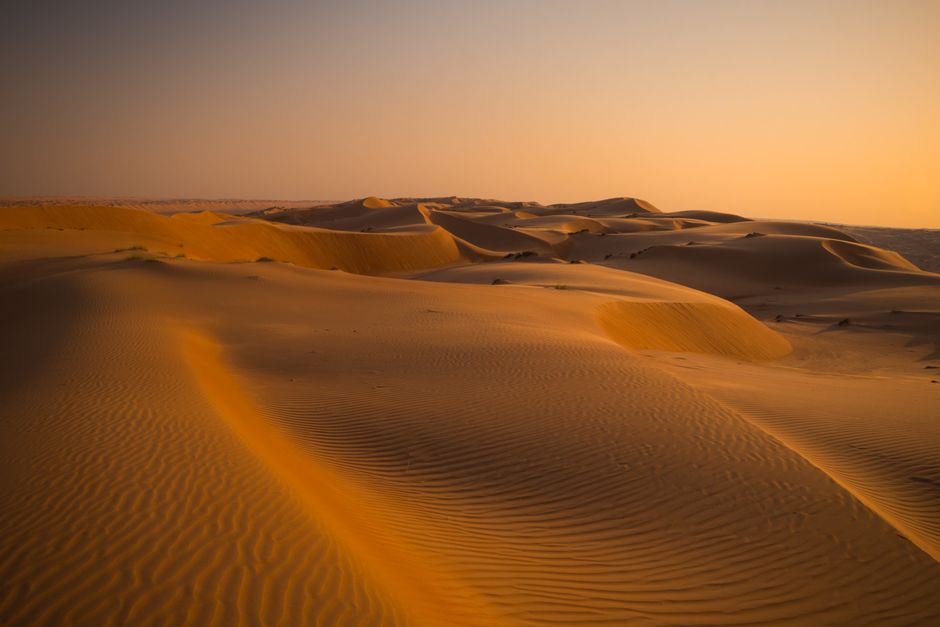
Sharqiyah Sands (Wahiba Sands), Oman
Al-Wahiba Bedouin navigate by subtle sand patterns and stars, skills now adapted for tracking rare desert wildlife.
For centuries, the Al-Wahiba Bedouin of Oman's Sharqiyah Sands have honed unparalleled navigational skills, reading the subtle shifts in dunes, wind patterns, and the celestial sphere. This deep spatial awareness, traditionally used for guiding caravans and finding pastures, is now employed by some Bedouin guides to track elusive desert species like the Arabian oryx or sand cat. It offers unique wildlife viewing experiences built on ancestral knowledge.

5. The 'Singing Dunes' and Sacred Land
Khongoryn Els (Singing Dunes), Gobi Desert, Mongolia
These resonant dunes are believed by local nomads to hold spirits, influencing their respectful approach to the land.
The Khongoryn Els, or 'Singing Dunes,' in the Gobi Desert produce a low, resonant hum when wind moves the sand, a phenomenon attributed by local nomads to spirits or dragons. This belief fosters a deep reverence for the desert, manifesting in practices that minimize disturbance and emphasize harmony with nature. Modern tours learn from this by incorporating quiet observation and sustainable practices, ensuring visitors experience the desert's magic without disrupting its delicate balance.
6. Rhythm of the Ancient Trade Routes
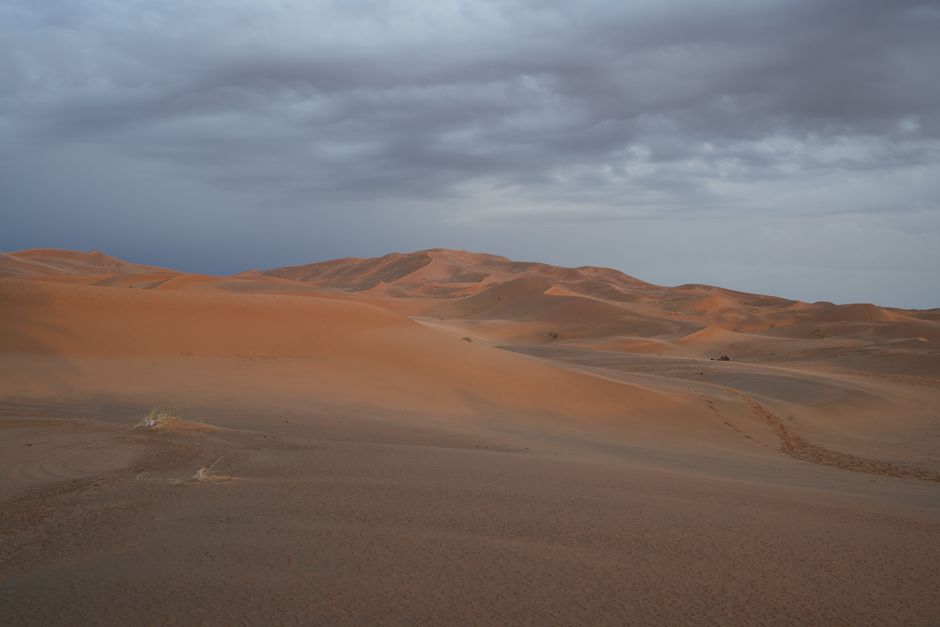
Erg Chebbi, Morocco
The rhythmic trance music of the Gnawa people, often heard here, originates from ancient Saharan trade routes and ancestral knowledge.
The Gnawa, descendants of sub-Saharan Africans brought across the Sahara, integrated their spiritual practices and rhythmic music into Moroccan culture. Their distinctive 'Lila' ceremonies, featuring the guembri and qraqeb, are deeply rooted in their historical journey through the desert. Modern tours sometimes incorporate Gnawa performances, offering a powerful cultural immersion that connects visitors to the profound historical and spiritual narratives of the Sahara's ancient paths.

7. Salt, Survival, and Social Structure
Lake Karum, Danakil Depression, Ethiopia
The Afar people here still cut salt bricks by hand, a millennia-old trade that dictates their unique social structure and resilience.
Lake Karum is the heart of the Afar salt trade, where men endure extreme heat to cut slabs of salt, precisely measured for market. This grueling, ancient practice isn't just a livelihood; it's central to Afar identity, social hierarchy, and their profound understanding of survival in one of Earth's harshest environments. Tours respect this tradition by observing from a distance and learning about the intricate logistics and community cooperation involved in this vital, unchanged desert economy.
Frequently asked questions
What are some key Bedouin traditions travelers should be aware of?
Bedouin culture is rich in traditions emphasizing hospitality, respect for elders, and a deep connection to the desert. Resourcefulness, community cooperation, and an intimate understanding of the environment are also central to their way of life.
How do desert guides navigate without modern technology?
Many desert guides, drawing on ancestral Bedouin knowledge, navigate using natural indicators. They read the stars, sun's position, wind patterns, subtle sand formations, and even the direction of animal tracks to find their way across vast landscapes.
Is it ethical to visit Bedouin communities?
Yes, when done respectfully and through responsible tour operators. Choosing companies that prioritize cultural preservation, ensure fair economic benefits for local communities, and facilitate authentic, non-intrusive interactions helps make your visit ethical and meaningful.
How can I learn more about the specific history of these desert places during my trip?
The AllTours.ai app is designed precisely for this. By simply pointing your phone camera at any landmark, ruin, or dune, the app narrates its detailed history, geology, and cultural significance directly in your preferred language, enriching your exploration.
Photography via Pexels. AllTours.ai is an AI audio tour guide — point your camera at any landscape and hear its story.