June 18, 2026 · 4 min read
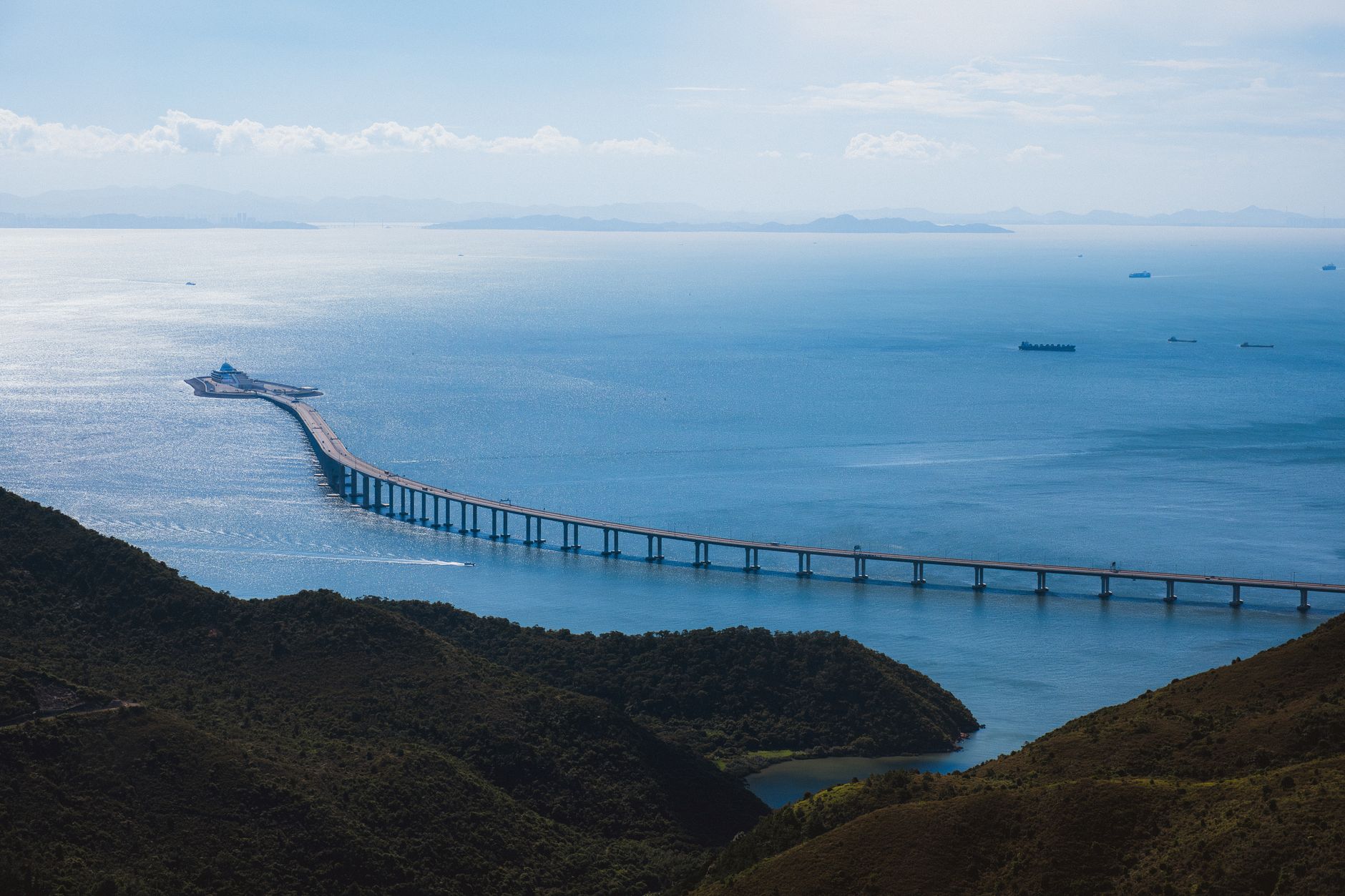
Macau and Hong Kong, often seen through the lens of their vibrant cityscapes and world-class attractions, hold a deeper appeal waiting to be discovered. Beyond the neon glow and bustling markets, these Special Administrative Regions harbor a wealth of underrated historical sites, unique cultural enclaves, and geological wonders that promise a truly distinct travel experience.
For overseas visitors seeking more than the well-trodden path, the key lies in uncovering these specific, vivid stories. By highlighting these genuine narratives — from ancient volcanic eruptions to hidden wartime tunnels and traditional village life — Macau and Hong Kong can reveal a richness that transforms a mere visit into an immersive journey through time and culture.
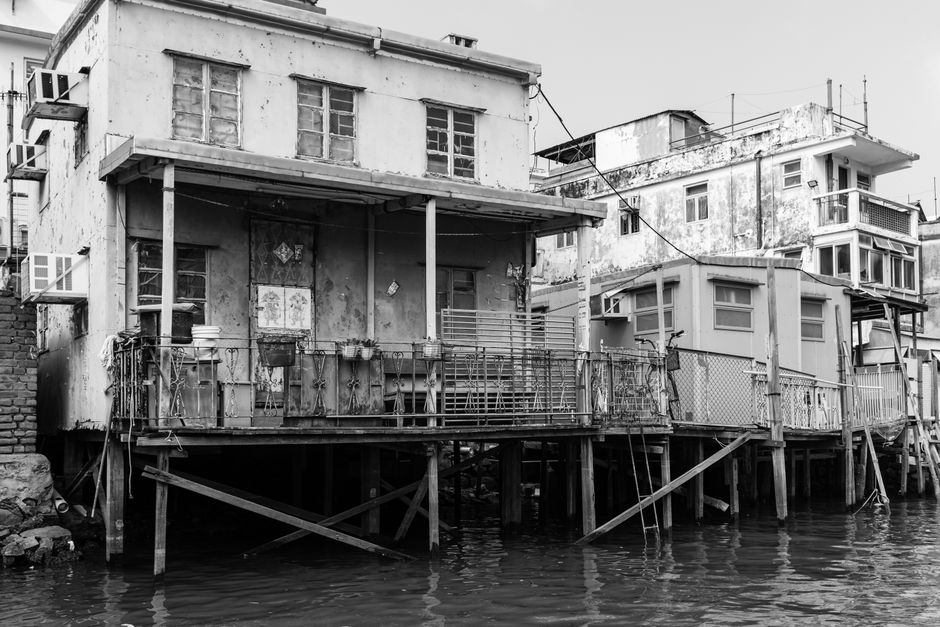
1. Tai O: Hong Kong's Stilt House Fishing Village
Tai O, Hong Kong
Tai O's stilt houses hide a secret history of salt, pirates, and a surprising marine resident.
Tai O is Hong Kong's last remaining stilt house community, a testament to the Tanka people's unique fishing traditions. This village was once a significant salt production center and a historical refuge for pirates. Beyond its distinctive architecture and vibrant seafood market, Tai O is one of the best places in Hong Kong to spot the elusive Chinese white dolphins, often referred to as 'pink dolphins,' in their natural habitat.
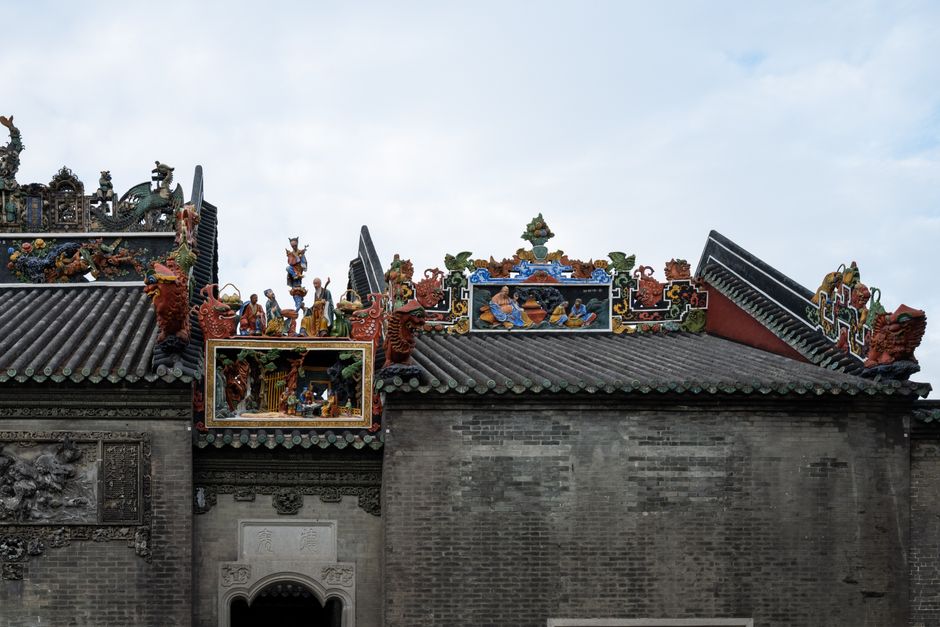
2. Ping Shan Heritage Trail: Walled Villages of Ancient Clans
Ping Shan, Hong Kong
Journey through Hong Kong's Ping Shan Heritage Trail to discover ancient walled villages and ancestral halls preserving centuries of clan history.
The Ping Shan Heritage Trail offers a rare glimpse into Hong Kong's indigenous past, featuring a collection of traditional Chinese architecture, including ancestral halls, temples, and walled villages. This trail is centered around the Tang clan, one of Hong Kong's 'Five Great Clans,' who settled here over 700 years ago. Explore the Tang Ancestral Hall, the Kun Ting Study Hall, and the Tsui Sing Lau Pagoda, Hong Kong's only ancient pagoda, each with intricate carvings and stories of lineage.
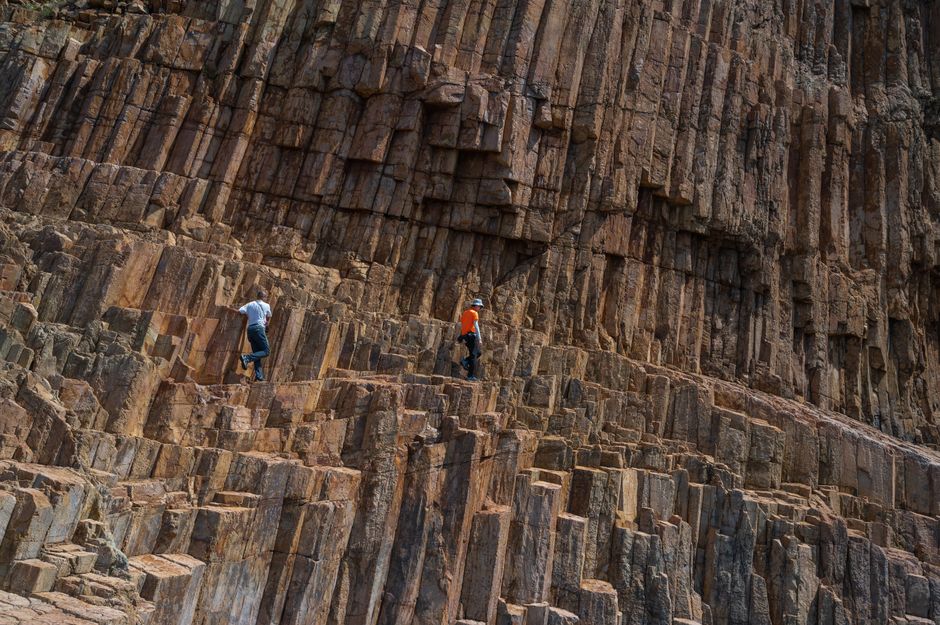
3. High Island Reservoir East Dam: Hong Kong's Volcanic Columns
Hong Kong Geopark, Sai Kung, Hong Kong
The Hong Kong Geopark reveals a colossal supervolcano eruption from 140 million years ago, creating towering hexagonal rock columns.
The High Island Reservoir East Dam, part of the Hong Kong UNESCO Global Geopark, showcases magnificent hexagonal volcanic rock columns formed during a supervolcano eruption 140 million years ago. These impressive formations, some reaching tens of meters high, are a geological marvel. Visitors can walk along the dam to view the sheer scale of these ancient igneous rocks, a dramatic reminder of Hong Kong's fiery past.
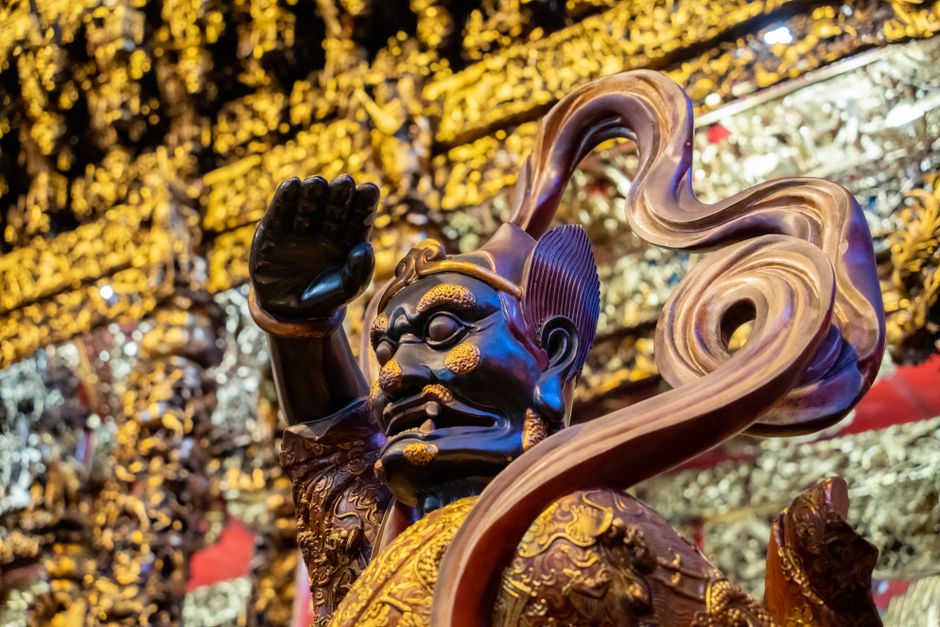
4. Ten Thousand Buddhas Monastery: A Golden Ascent
Sha Tin, Hong Kong
Ascend to the Ten Thousand Buddhas Monastery, where over 10,000 unique, gold-painted Buddha statues line the path and halls.
Despite its name, the Ten Thousand Buddhas Monastery is not a functioning monastery but a temple complex. It features over 10,000 unique, gold-painted Buddha statues, each with a distinct pose and expression, lining the winding path up to the main halls and inside the various temples. Founded in the 1950s by a monk named Yuet Kai, the site also houses his preserved body, adding a fascinating layer of spiritual intrigue.
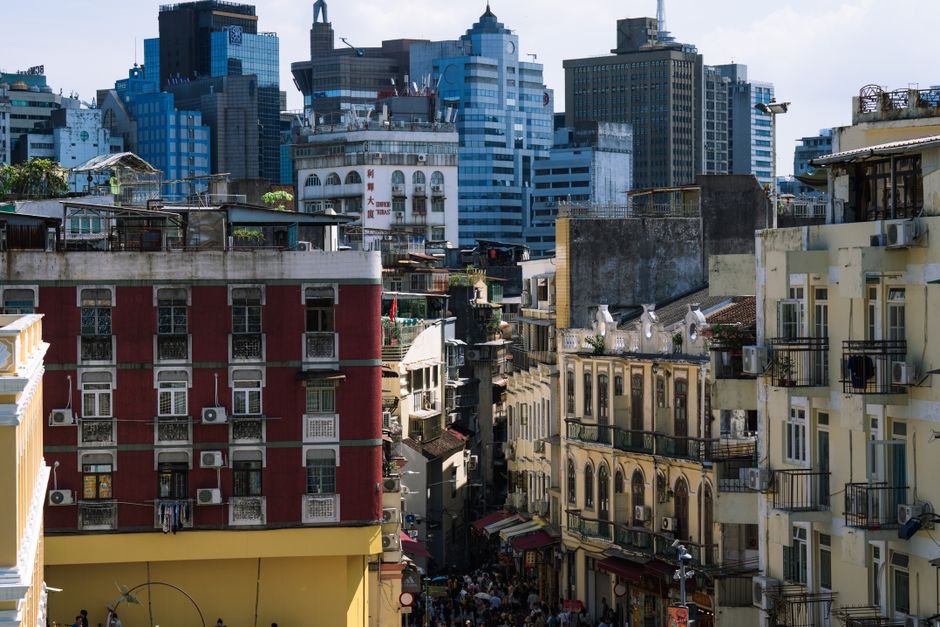
5. Coloane Village: Macau's Quieter Past
Coloane, Macau
Coloane Village in Macau offers a glimpse into a quieter past, where a historic chapel holds relics and a bakery still serves a beloved egg tart recipe.
Coloane Village is Macau's tranquil antithesis to the Cotai Strip's glitz, offering a charming escape with its pastel-colored colonial buildings and a slower pace of life. Stroll through its narrow streets to discover the Chapel of St. Francis Xavier, which once held relics of Asian martyrs. The village is also home to Lord Stow's Bakery, the birthplace of Macau's famous Portuguese egg tart, a recipe that has drawn visitors for decades.
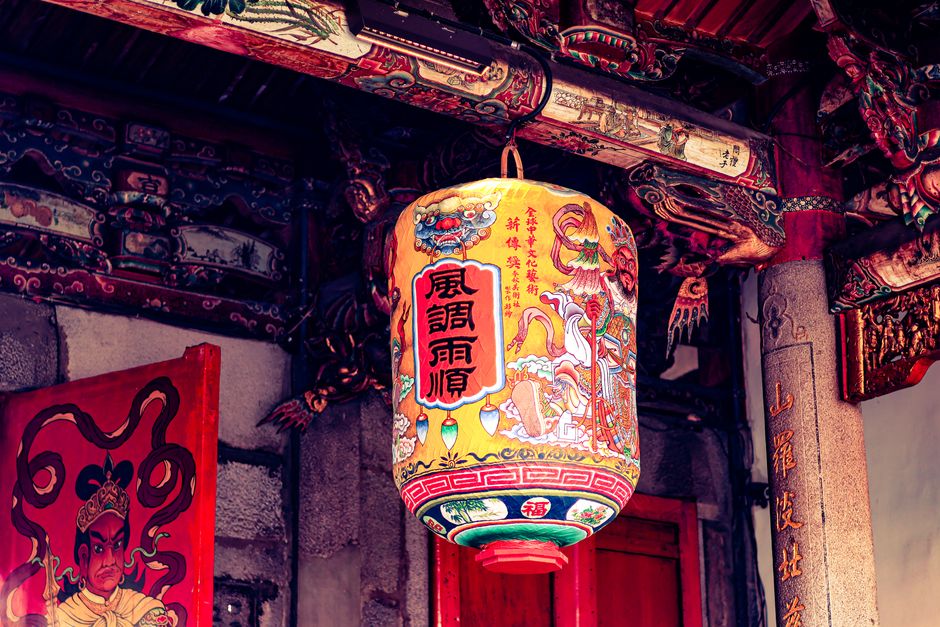
6. Mandarin's House: Architectural Fusion and Literary Legacy
Macau Peninsula, Macau
Macau's Mandarin's House is a sprawling 19th-century estate that blends Chinese and Western architecture, once home to a reformist intellectual.
The Mandarin's House is a magnificent traditional Chinese compound built in 1869, showcasing a unique blend of Chinese and subtle Western architectural influences. It was the ancestral home of Zheng Guanying, a prominent reformist intellectual of the late Qing Dynasty whose writings influenced Sun Yat-sen. This sprawling complex of courtyards, residences, and gardens offers a rare insight into the life of a wealthy Macanese family and the intellectual currents of the era.
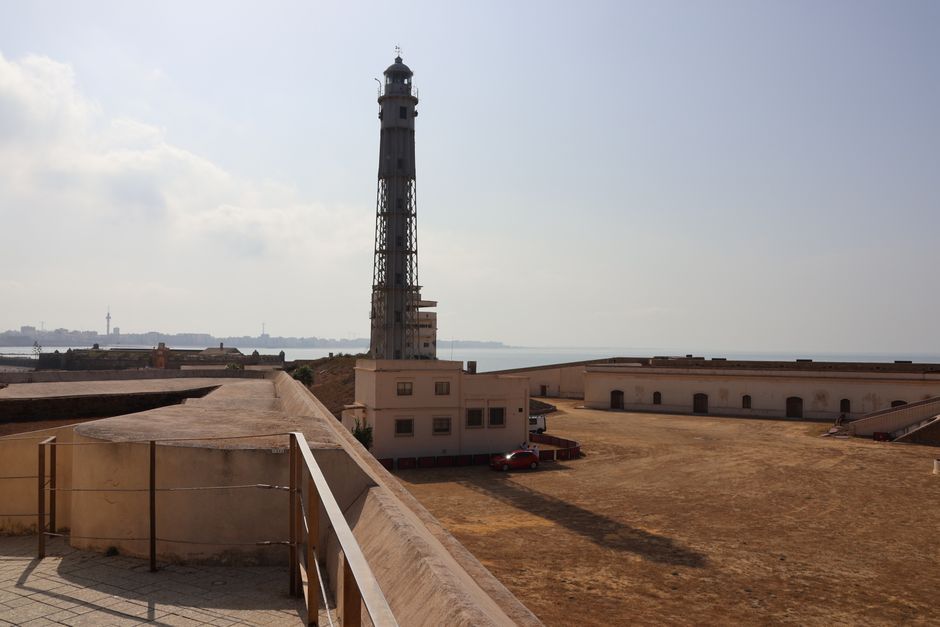
7. Guia Fortress: Lighthouse, Chapel, and WWII Tunnels
Macau Peninsula, Macau
Macau's Guia Fortress, a UNESCO site, conceals a hidden network of WWII tunnels beneath its iconic lighthouse and chapel.
The Guia Fortress, a UNESCO World Heritage site, is a historic military fort, chapel, and lighthouse complex dating back to the 17th century. Its lighthouse is the oldest in China, offering panoramic views of Macau. Less known are the network of tunnels beneath the fortress, constructed during World War II by the Portuguese to defend Macau's neutrality. These tunnels, now partially open to the public, reveal a fascinating chapter of Macau's strategic past.
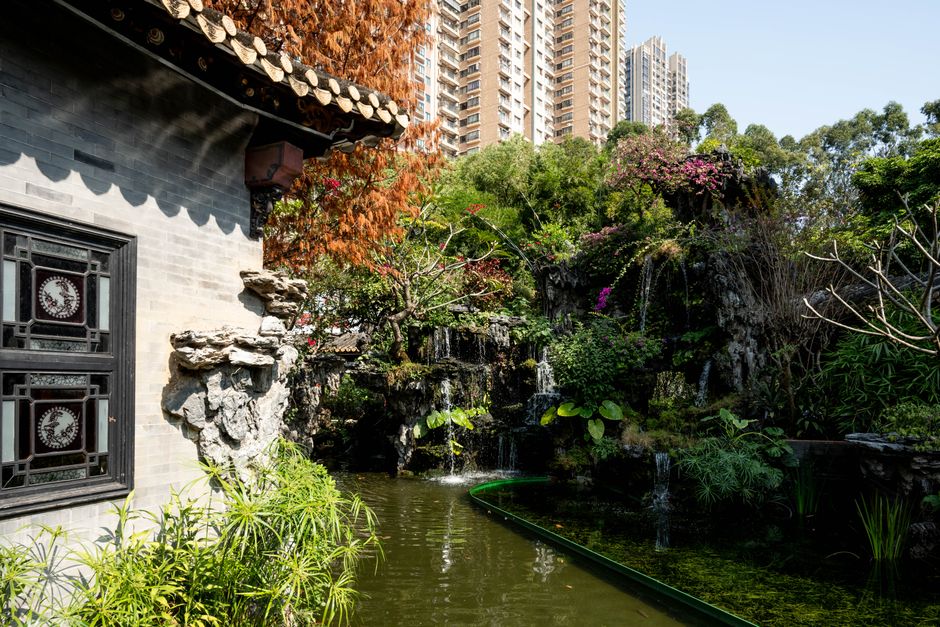
8. Lou Lim Ieoc Garden: Suzhou Charm and Opium History
Macau Peninsula, Macau
Lou Lim Ieoc Garden, a tranquil Suzhou-style oasis in Macau, was built by a wealthy opium merchant and later hosted Dr. Sun Yat-sen.
Lou Lim Ieoc Garden is Macau's finest example of a classical Suzhou-style garden, complete with winding paths, artificial mountains, bamboo groves, and a beautiful lotus pond. It was created in the 19th century by Lou Kau, a wealthy Chinese merchant who made his fortune in the opium trade. The garden later served as a temporary residence for Dr. Sun Yat-sen, the 'Father of the Nation,' during his time in Macau, adding a significant historical layer to its tranquil beauty.
Frequently asked questions
What are some unique cultural experiences in Macau and Hong Kong?
Beyond the major landmarks, explore Tai O's stilt house community in Hong Kong, immerse yourself in traditional clan history along the Ping Shan Heritage Trail, or discover Macau's tranquil Coloane Village with its historic chapel and famous egg tarts. These spots offer authentic glimpses into local life and heritage.
How can I find authentic local food in these cities?
Seek out local markets like those in Sham Shui Po, Hong Kong, or explore the back streets of Coloane Village, Macau. Look for eateries popular with locals, often indicated by long queues or simple, unassuming storefronts. Don't shy away from street food vendors, which often offer the most genuine flavors.
What's the best way to explore lesser-known areas?
Utilize public transport like Hong Kong's MTR or Macau's bus system to reach these areas. Once there, walking is often the best way to discover hidden gems. Consider joining a specialized local tour or using a smart guide app for contextual information as you explore.
How does the AllTours.ai app enhance travel in Macau and Hong Kong?
AllTours.ai brings the stories of these hidden gems to life. Simply point your phone camera at any landmark, landscape, or even a local dish, and the app will narrate its history, geology, or cultural significance in your preferred language, offering a personalized and deeply informative audio tour.
Photography via Pexels. AllTours.ai is an AI audio tour guide — point your camera at any landscape and hear its story.