June 19, 2026 · 5 min read
Macau and Hong Kong are often seen as dazzling hubs of commerce and entertainment, but beneath the familiar gleam lies a wealth of untold stories. To truly answer how Macau and Hong Kong can better attract overseas visitors, we must look beyond the well-trodden paths to uncover the unique historical, cultural, and natural narratives that give these destinations their profound character.
These cities are more than just their iconic skylines and casinos; they are living museums, each street, temple, and forgotten corner whispering tales of pirates, poets, colonial powers, and resilient communities. By shining a light on these genuinely lesser-known treasures, we reveal the depth and diversity that can captivate a new generation of curious travelers seeking authentic experiences.
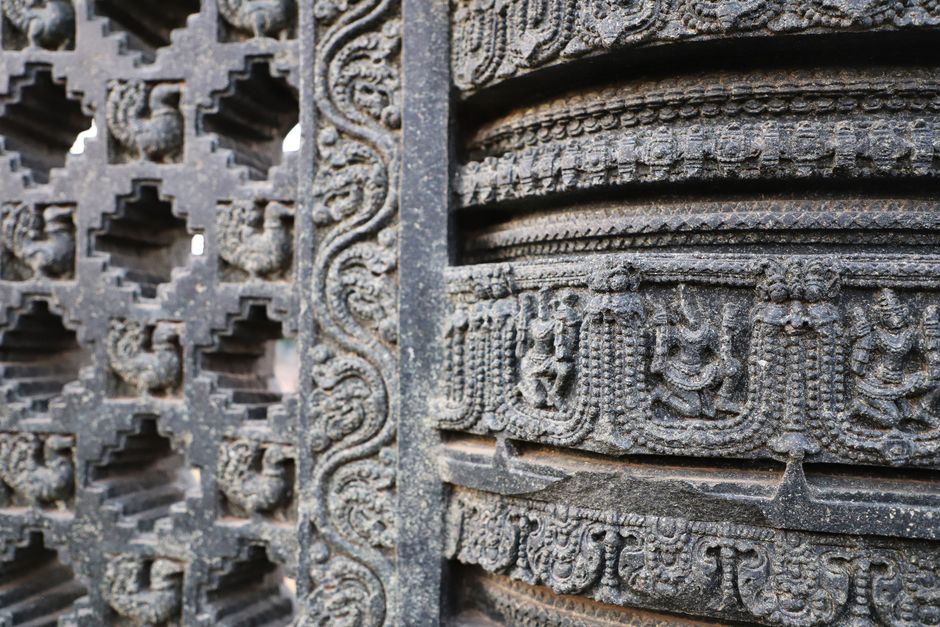
1. The Temple That Named a City
A-Ma Temple, Macau
This ancient temple is where the very name "Macau" comes from, named after the goddess A-Ma, whose arrival here averted a storm.
The A-Ma Temple, dating back to 1488, predates the Portuguese settlement. Its intricate pavilions honor the goddess Mazu (A-Ma), a protector of seafarers, but also integrate Buddhist and Taoist elements, showcasing Macau's deep syncretic spiritual heritage. The temple's location at the Barra Hill gives it a picturesque setting, overlooking the Inner Harbour, exactly where legend says the goddess first landed, prompting Portuguese sailors to name the area "A-Ma Gau" (Bay of A-Ma), which evolved into "Macau."
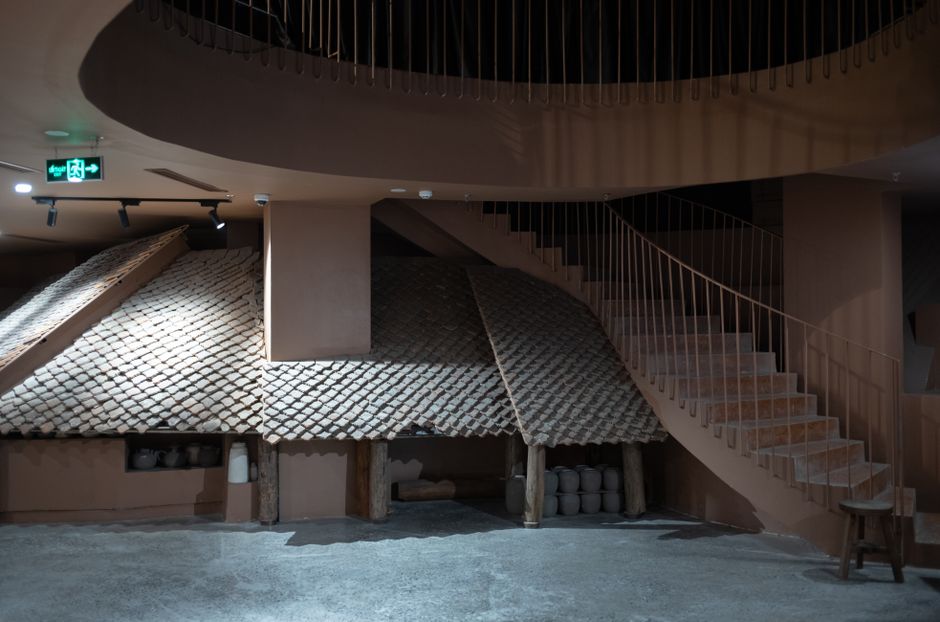
2. Colonial Charm on Taipa's Shore
Taipa Houses Museum, Macau
These vibrant green houses offer a preserved window into the refined Macanese way of life during the early 20th century.
The Taipa Houses Museum consists of five charming colonial residences, built in 1921, that once belonged to senior civil servants and wealthy families. Now meticulously restored, they showcase the unique Luso-Chinese cultural fusion in their architecture and interior design, complete with period furniture and artifacts. Each house tells a different story, from the 'Macanese Living Museum' displaying family heirlooms to the 'Exhibition Gallery' hosting cultural events, providing a tangible sense of Macau's rich heritage beyond its casino lights.
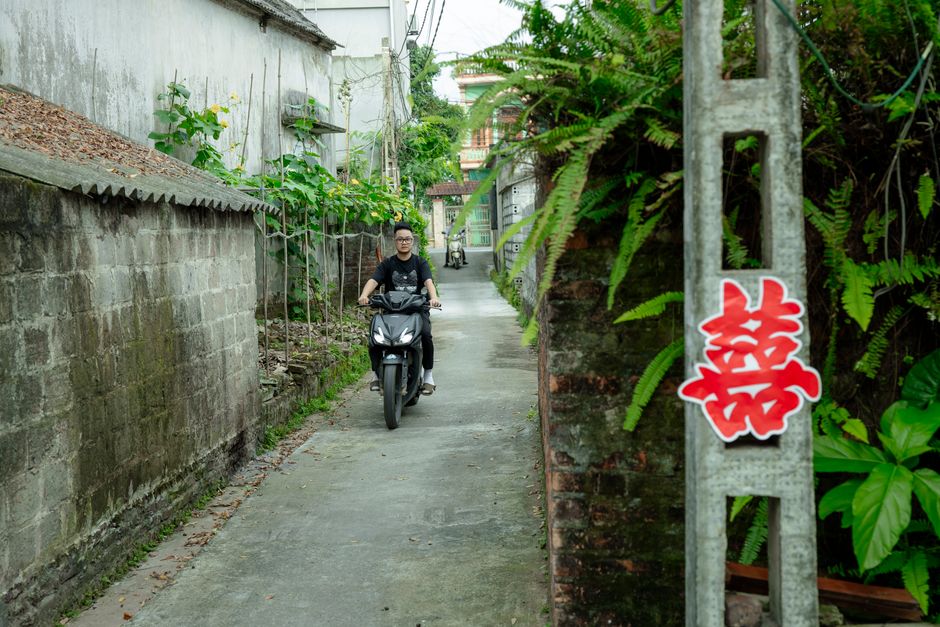
3. Macau's Serene Fishing Heart
Coloane Village, Macau
Step into Coloane, Macau's tranquil antithesis to the Cotai Strip, where time seems to slow down amidst a historic fishing village.
Coloane Village, on the southernmost island of Macau, offers a stark contrast to the bustling city center. This quaint village retains its rustic charm, with narrow streets, pastel-colored colonial buildings, and a peaceful waterfront promenade. It's home to the Chapel of St. Francis Xavier, which once housed relics of Asian martyrs, and the original Lord Stow's Bakery, famed for its creamy Portuguese egg tarts. Exploring Coloane reveals a quieter, more authentic side of Macanese life, rooted in tradition and community.
4. A Walled Hakka Stronghold
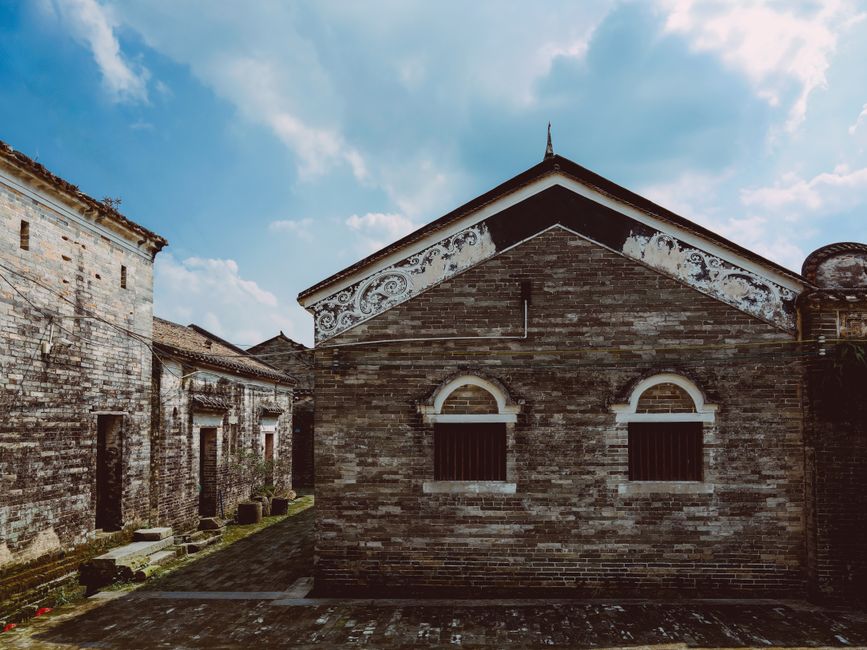
Tsang Tai Uk, Hong Kong
Hong Kong's Tsang Tai Uk is a rare, perfectly preserved 19th-century Hakka walled village, built for defense against pirates and rival clans.
Tsang Tai Uk, meaning "Tsang's Big House," is a striking example of a traditional Hakka walled village, constructed in 1867 by the Tsang clan. Its massive granite walls and watchtowers were designed to protect residents from bandits and rival clans in the turbulent New Territories. Inside, the village features three rows of houses built around a central ancestral hall, a layout reflecting Hakka communal living. While still inhabited by descendants of the original clan, it offers a fascinating glimpse into Hong Kong's pre-colonial history and the resilience of its early settlers, hidden amidst modern high-rises.
5. Clan History on a Heritage Path
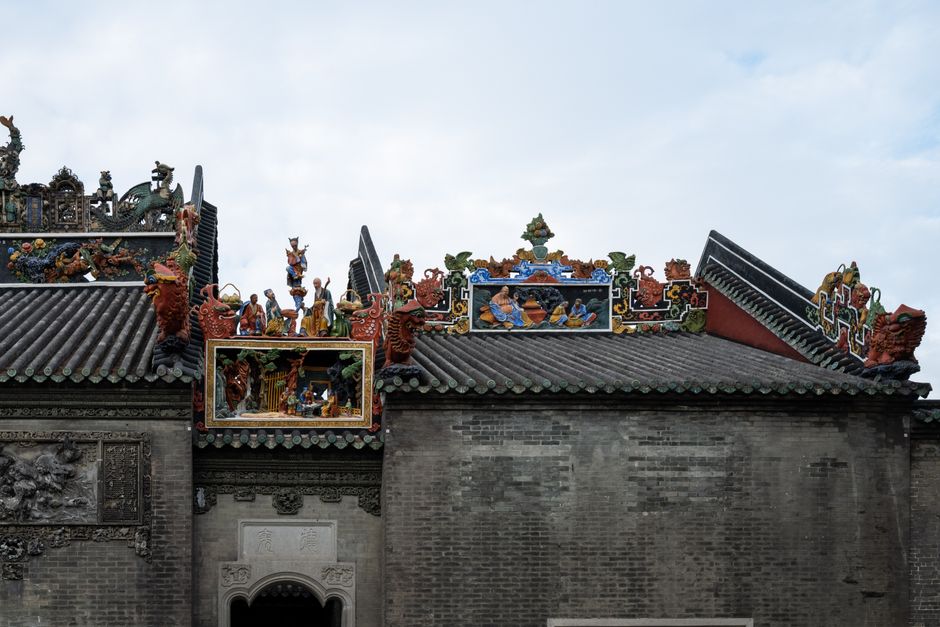
Ping Shan Heritage Trail, Hong Kong
The Ping Shan Heritage Trail reveals Hong Kong's deep ancestral roots through ancient temples, ancestral halls, and a pagoda, all belonging to the powerful Tang clan.
Located in the New Territories, the Ping Shan Heritage Trail winds through several villages, showcasing a remarkable collection of well-preserved historic structures of the Tang clan, one of Hong Kong's "Five Great Clans." Key sites include the Tang Ancestral Hall, the largest and oldest ancestral hall in Hong Kong, dating back to the 13th century, and the Kun Ting Study Hall. The trail culminates at the Tsui Sing Lau Pagoda, Hong Kong's only ancient pagoda, believed to ward off evil spirits and bring prosperity. These sites offer a compelling narrative of traditional Chinese clan life and architecture.
6. Hong Kong's Stilt House Venice
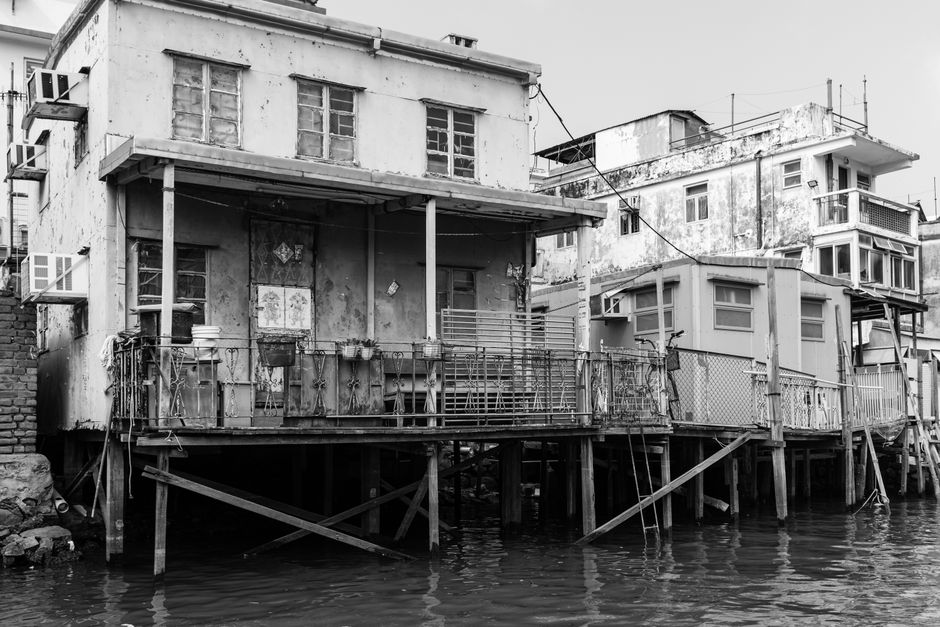
Tai O Fishing Village, Hong Kong
Tai O is Hong Kong's last traditional stilt-house fishing village, where life unfolds over the water and pink dolphins are a common sight.
Nestled on Lantau Island, Tai O is a captivating fishing village famous for its unique stilt houses, or *pang uk*, built by the Tanka people directly over the tidal flats. This living heritage offers a stark contrast to Hong Kong's urban sprawl, with a vibrant local market, traditional dried seafood, and small boats offering tours to spot the endangered Chinese white dolphins, often called "pink dolphins." Tai O embodies a slower pace of life, preserving a distinct maritime culture and connection to the sea that shaped early Hong Kong.
7. Ancient Volcanic Masterpiece
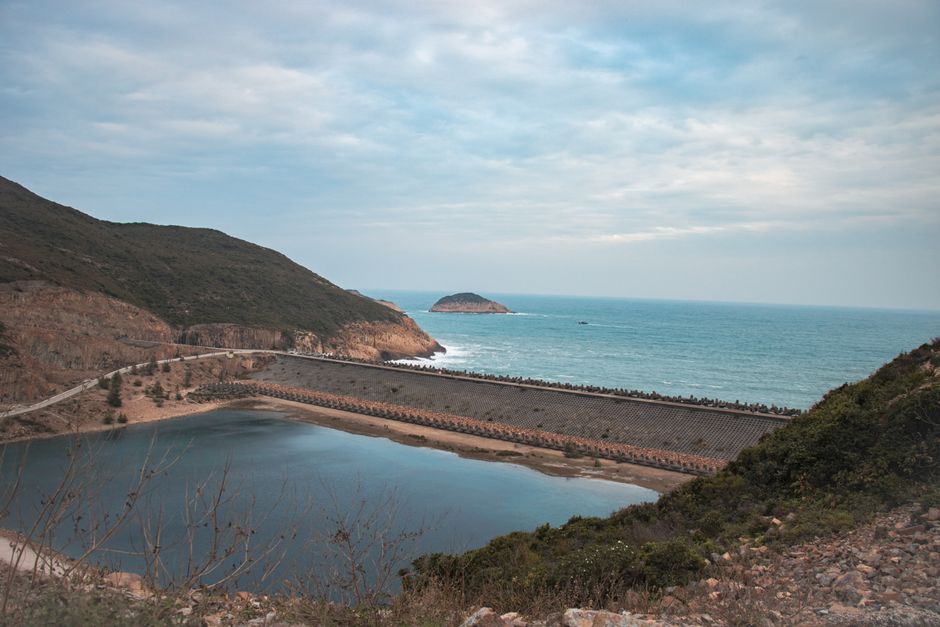
High Island Reservoir East Dam, Hong Kong Geopark
The High Island Reservoir East Dam reveals Hong Kong's geological origins through stunning hexagonal volcanic columns, sculpted by ancient eruptions.
Part of the Hong Kong UNESCO Global Geopark, the High Island Reservoir East Dam in Sai Kung showcases a spectacular display of well-preserved hexagonal volcanic rock columns. Formed from volcanic eruptions roughly 140 million years ago, these towering columns are a testament to Hong Kong's fiery geological past. The dam itself is an impressive feat of civil engineering, but it's the sheer scale and uniformity of these natural rock formations, visible along the coast, that offer a unique, awe-inspiring glimpse into the Earth's ancient processes, far from the city's urban landscape.
8. Sheung Wan's Traditional Pulse
Sheung Wan, Hong Kong
Sheung Wan, one of Hong Kong's oldest districts, holds tales of traditional trades, hidden temples, and ancient apothecaries that predate modern Hong Kong.
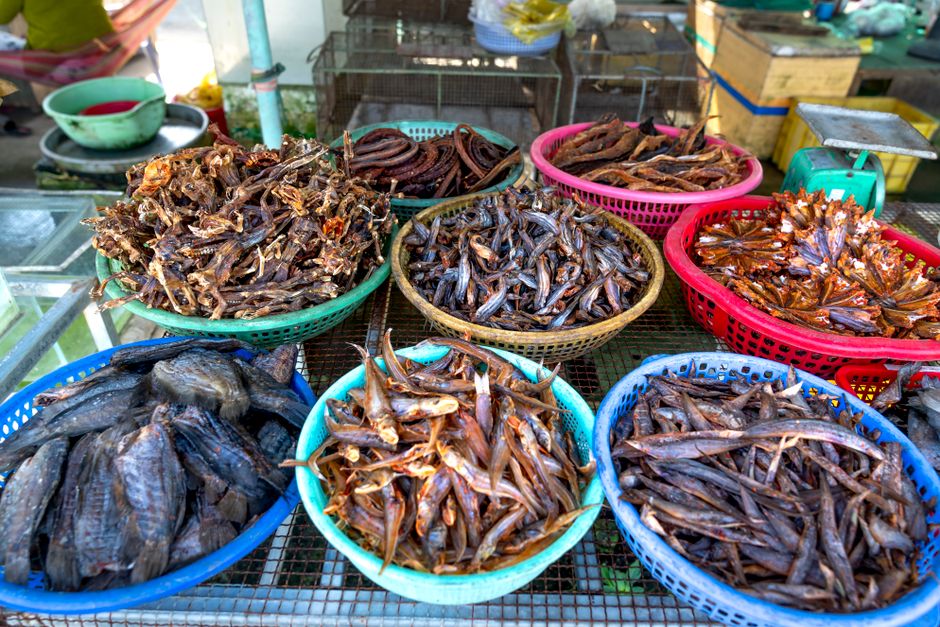
While Central bustles, neighboring Sheung Wan offers a journey back in time, preserving much of Hong Kong's colonial and traditional Chinese character. Streets like Possession Street mark the spot where the British first landed in 1841. The district is renowned for its traditional dried seafood and herbal medicine shops, which have operated for generations. Hidden within its dense urban fabric are serene temples like Man Mo Temple, and antique shops filled with stories, revealing a vibrant community that has steadfastly maintained its cultural heritage amidst rapid development.
Frequently asked questions
What are some unique cultural experiences in Macau beyond casinos?
Beyond the glittering casinos, Macau offers a rich tapestry of Luso-Chinese culture. Explore the historic A-Ma Temple, wander through the serene Coloane Village, or delve into the Taipa Houses Museum to discover the city's unique architectural and culinary heritage.
How can I find authentic local food in Hong Kong?
For authentic local food, venture beyond the main tourist areas. Explore neighborhoods like Tai O for fresh seafood, Sham Shui Po for street food stalls, or Sheung Wan for traditional dried goods and herbal teas, often found in family-run eateries.
Is it easy to travel between Hong Kong and Macau?
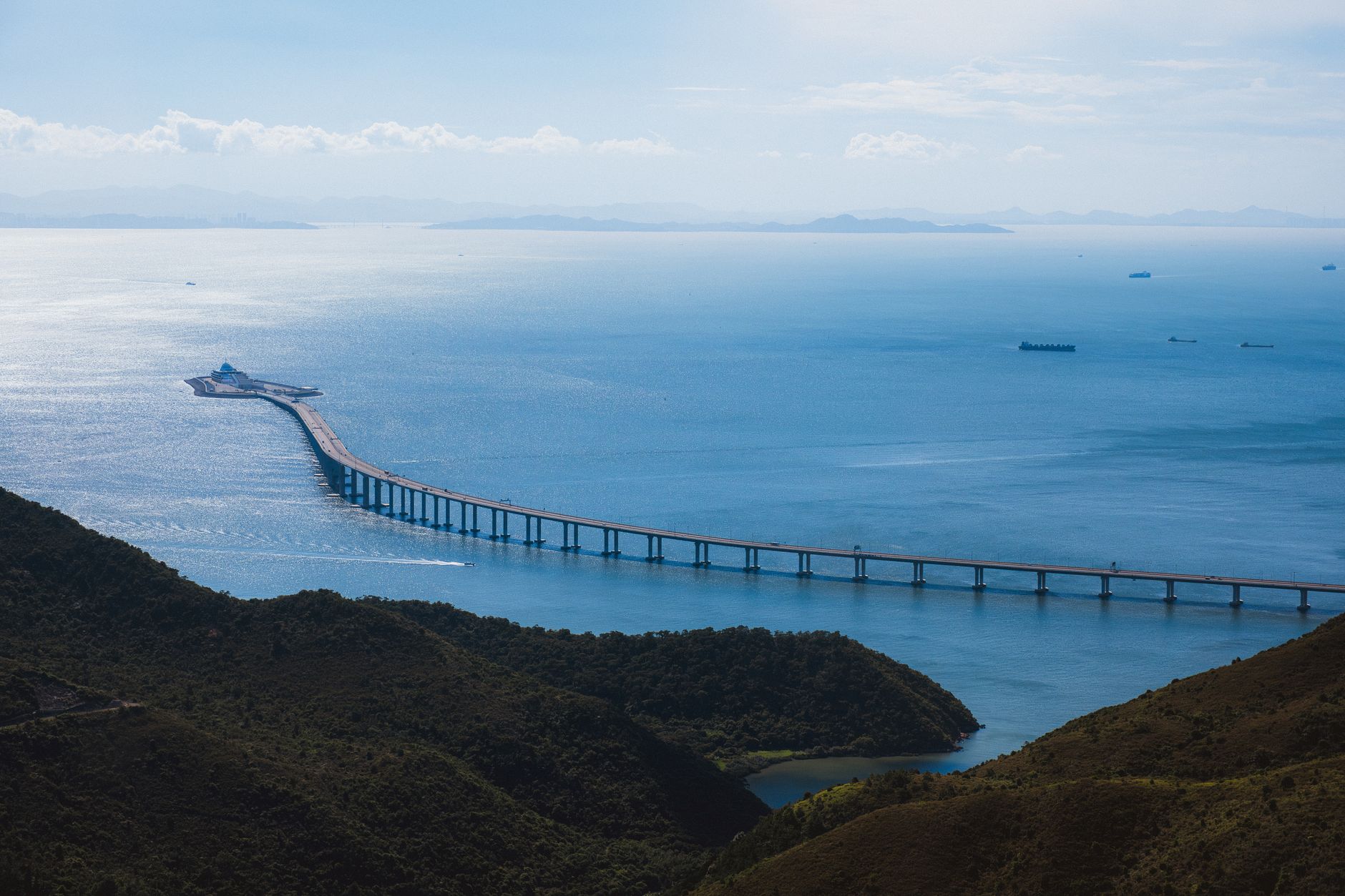
Yes, traveling between Hong Kong and Macau is very easy and efficient. High-speed ferries operate frequently between various terminals, taking about an hour. The Hong Kong-Zhuhai-Macau Bridge also offers bus services, providing another convenient option.
How can AllTours.ai enhance my visit to these hidden gems?
AllTours.ai transforms your phone into an AI audio tour guide. Simply point your camera at a landmark or landscape, and the app narrates its history, geology, and culture in your language, bringing the unique stories of these lesser-known places vividly to life as you explore.
Photography via Pexels. AllTours.ai is an AI audio tour guide — point your camera at any landscape and hear its story.