June 18, 2026 · 5 min read
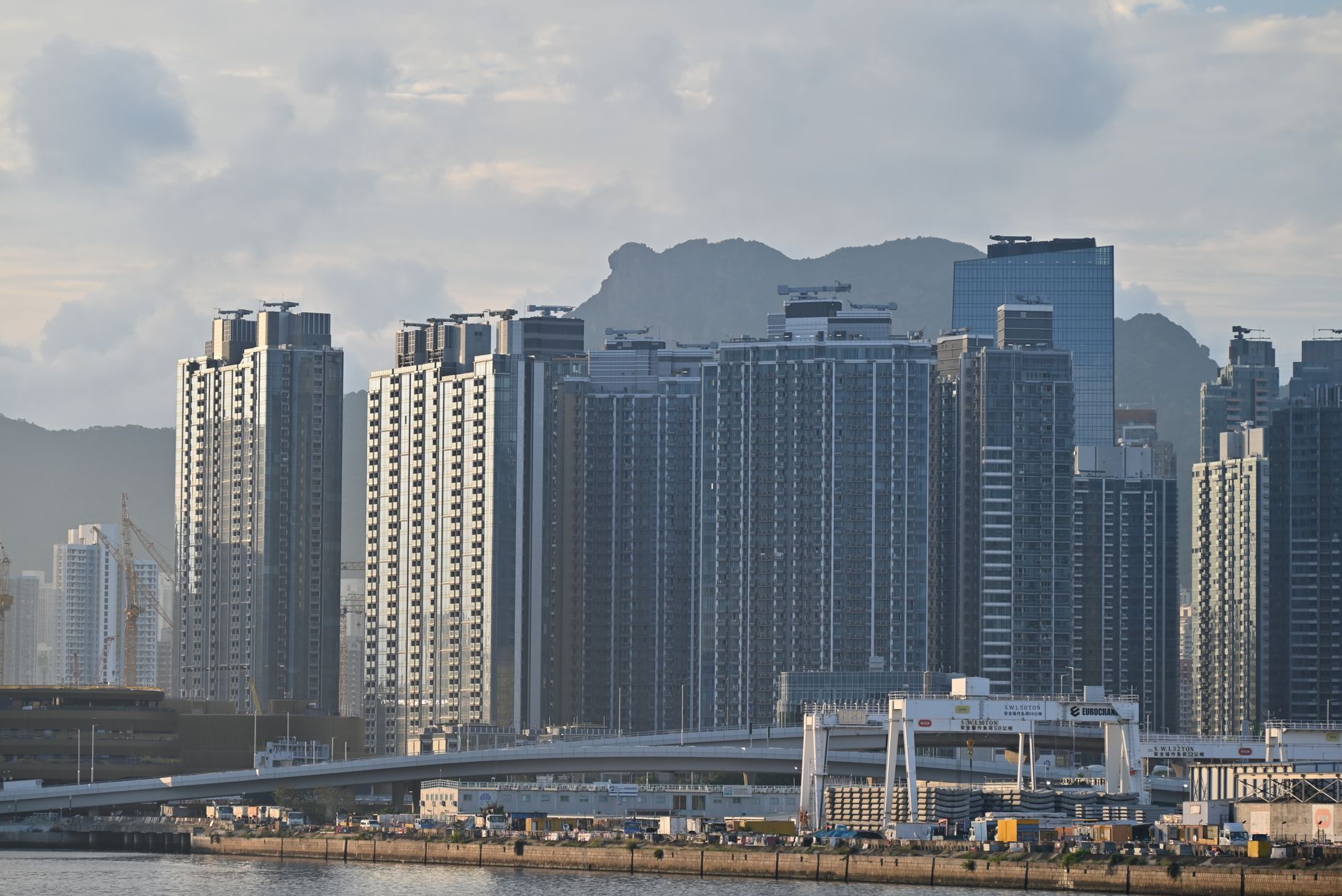
Macau and Hong Kong, often celebrated for their dazzling skylines and vibrant culinary scenes, possess a deeper allure. Beyond the well-trodden paths of casinos and luxury malls lie a wealth of untold stories, ancient traditions, and geological wonders waiting to be discovered.
To truly captivate global travelers, these cities can highlight their underrated treasures—places brimming with surprising history, unique cultural blends, and geological marvels that offer a profound connection to their past and present. By weaving vivid narratives around these hidden gems, Macau and Hong Kong can transform a visit into an unforgettable journey of discovery.
1. A Reformer's Retreat
Macau, China
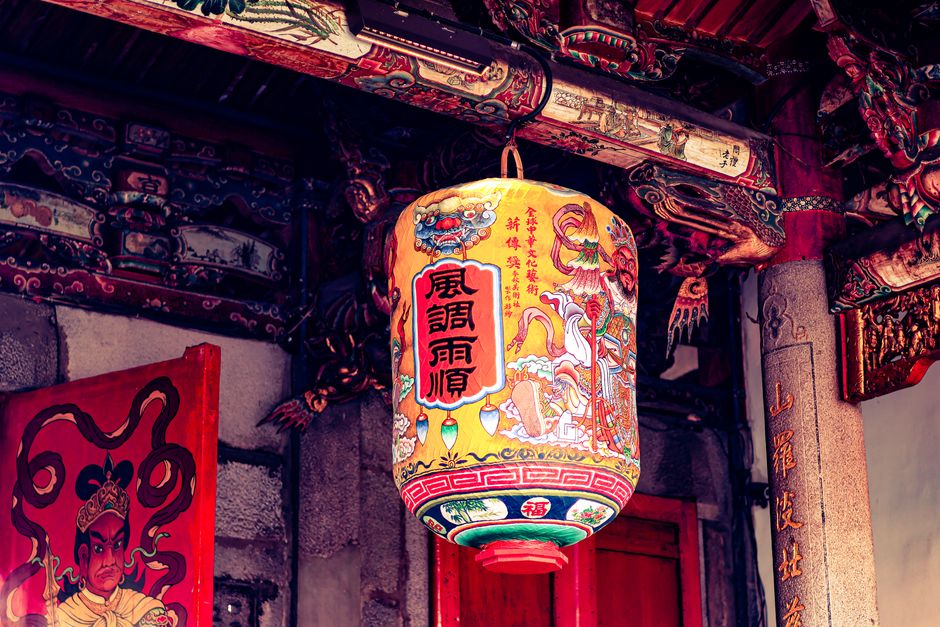
This UNESCO World Heritage site was where a prominent Chinese reformist intellectual penned ideas that shaped a revolution.
The Mandarin's House is a sprawling traditional Chinese residential compound, unique for its subtle blend of Chinese and Western architectural elements. It was the ancestral home of Zheng Guanying, a reformist thinker who, in the late 19th century, wrote his influential work "Shengshi Weiyan" (Words of Warning in a Prosperous Age) within its walls. This treatise on political and economic reform profoundly influenced figures like Sun Yat-sen and Mao Zedong, making the house a silent witness to pivotal moments in Chinese history.
2. Where Macau Got Its Name
Macau, China
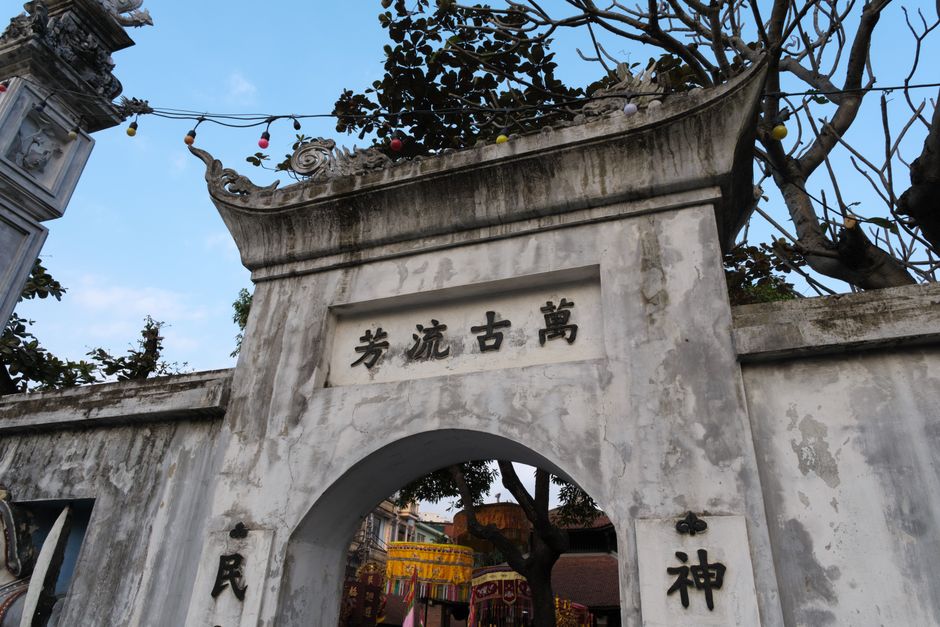
The very name "Macau" is thought to derive from this ancient temple, dedicated to a goddess of seafarers.
Predating the arrival of the Portuguese in the 16th century, the A-Ma Temple is the oldest temple in Macau and a cornerstone of its spiritual heritage. Dedicated to Mazu, the goddess of seafarers and fishermen, it is believed that Portuguese sailors landed near this temple and, upon asking the local name of the place, were told "A-Ma-Gau" (Bay of A-Ma). The temple's intricate design, set against a backdrop of rocks and trees, tells tales of devotion and maritime history, offering a serene escape from the city's modern bustle.
3. A Scholar's Suzhou Garden
Macau, China
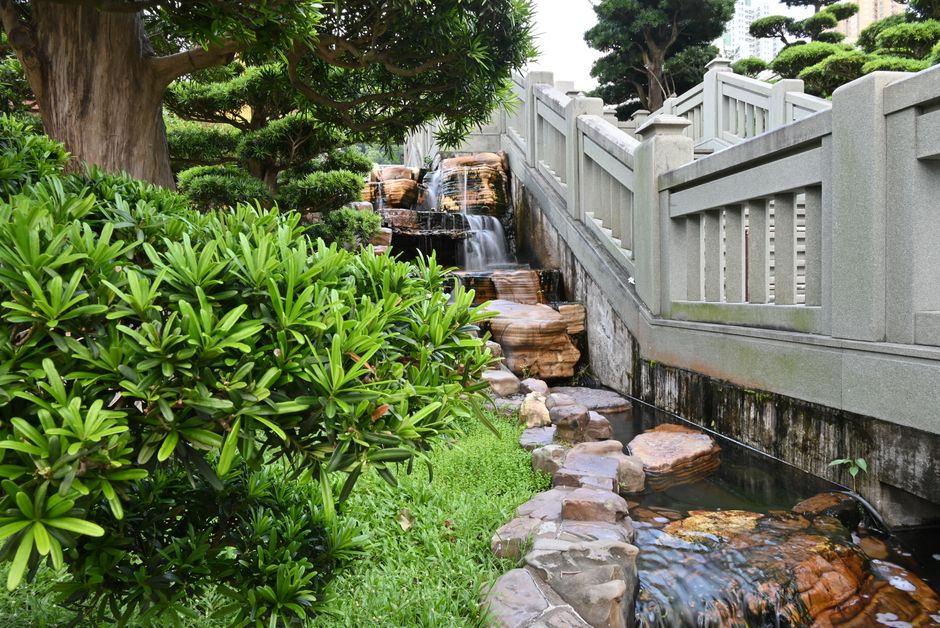
Tucked away in Macau, this classical Chinese garden offers a serene slice of Suzhou, complete with a nine-turn bridge and rare plants.
The Lou Lim Ieoc Garden is a tranquil oasis designed in the classical Suzhou style, a testament to the aesthetic tastes of its original owner, a wealthy Chinese merchant. Featuring winding pathways, artificial mountains, bamboo groves, and a picturesque pond traversed by a distinctive nine-turn bridge, it provides a quiet contrast to Macau's vibrant streets. This meticulously crafted landscape offers a glimpse into traditional Chinese garden design, emphasizing harmony with nature and contemplative beauty.
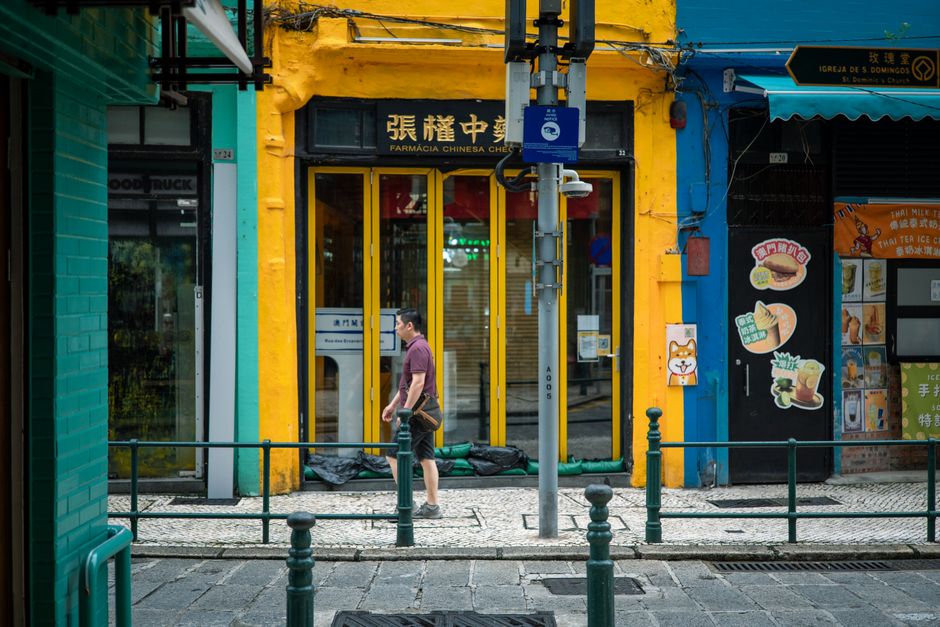
4. Old World Charm of Coloane
Macau, China
This sleepy village holds a relic believed to be the arm bone of St. Francis Xavier, an early Christian missionary.
Coloane Village offers a delightful step back in time, far removed from the glitz of Cotai. Its pastel-colored colonial buildings, quiet squares, and sleepy waterfront evoke a bygone era. The charming St. Francis Xavier Chapel, built in 1928, is notable for housing a relic believed to be part of the arm bone of St. Francis Xavier, brought from Goa. Beyond its religious significance, Coloane is also famed for its original Lord Stow's Bakery, where the iconic Macanese egg tart was first perfected.
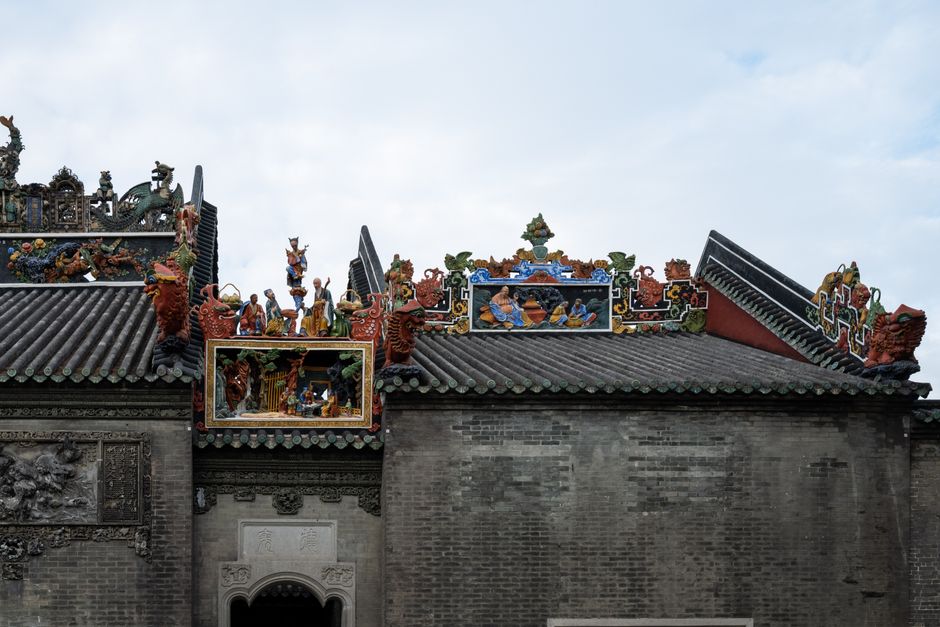
5. Echoes of a 700-Year Clan
Yuen Long, Hong Kong
Walk through ancient clan halls and pagodas to uncover the 700-year history of one of Hong Kong's most influential indigenous families.
The Ping Shan Heritage Trail winds through several villages, offering a unique journey into the history of the Tang Clan, one of Hong Kong's "Five Great Clans." Established over 700 years ago, this trail connects ancestral halls, temples, and a pagoda, showcasing traditional Chinese architecture and ancestral worship practices. The Tang Ancestral Hall, the oldest and largest in Hong Kong, stands as a grand testament to their enduring legacy and cultural significance, providing a profound insight into the region's deep-rooted indigenous heritage.
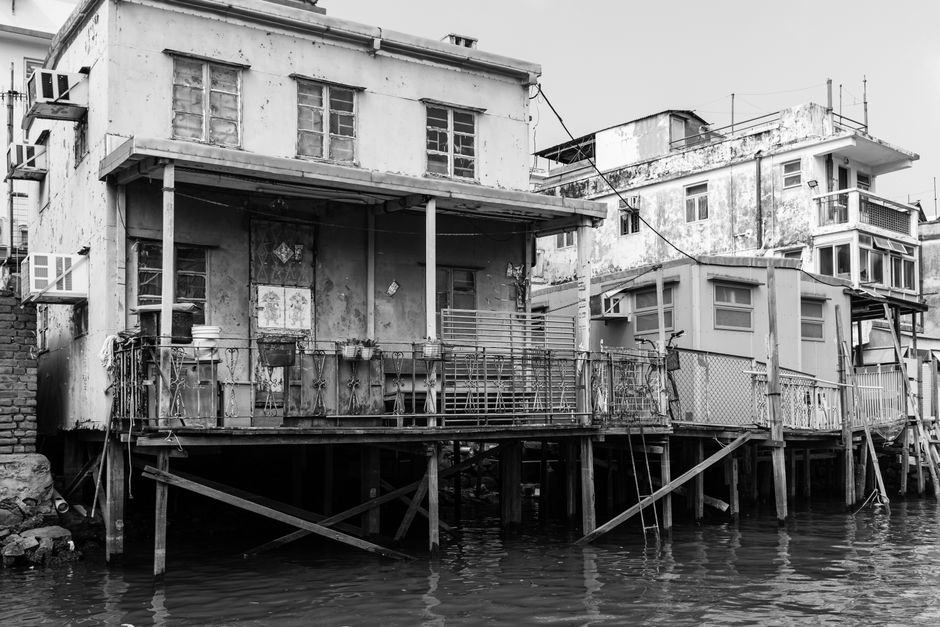
6. Hong Kong's Stilt House Community
Lantau Island, Hong Kong
Often called the "Venice of Hong Kong," this unique village is built entirely on stilts over tidal flats, home to a dwindling traditional fishing community.
Tai O is a captivating fishing village on Lantau Island, famous for its distinctive stilt houses ("pang uk") built by the Tanka people, a community of boat dwellers. A walk along its narrow lanes and across its rope-drawn bridge reveals a way of life that has largely vanished elsewhere in Hong Kong. Beyond its unique architecture, Tai O is also one of the best places to spot the rare Chinese white dolphins, often referred to as "pink dolphins," making it a haven for both cultural and natural exploration.
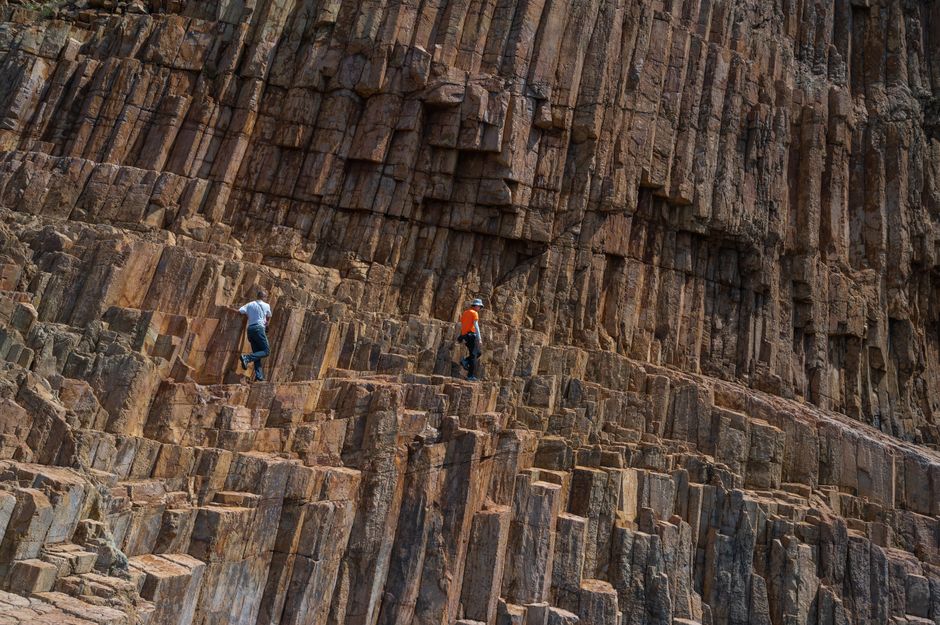
7. Ancient Volcanic Columns of Sai Kung
Sai Kung, Hong Kong
Witness colossal hexagonal volcanic rock columns, formed over 140 million years ago, a dramatic testament to Earth's ancient geological forces.
The Hong Kong UNESCO Global Geopark in Sai Kung is a geological marvel, showcasing some of the most spectacular volcanic rock formations in the world. Its signature feature is the vast expanse of hexagonal columnar jointings, primarily composed of light-colored rhyolitic volcanic rock, formed during supervolcano eruptions roughly 140 million years ago. These impressive columns, some reaching heights of hundreds of meters, are best viewed from boat tours or coastal trails, offering a breathtaking glimpse into Earth's primordial past and Hong Kong's surprising natural beauty.
8. Wan Chai's Living History Museum
Wan Chai, Hong Kong
This vibrant blue tenement building in Wan Chai was once a hospital, then a martial arts school, and now serves as a living museum, preserving Hong Kong's community spirit.
The iconic Blue House in Wan Chai is a rare surviving example of a "tong lau," a traditional Chinese tenement building, distinctive for its striking indigo facade. Built in the 1920s, it originally served as a hospital before transforming into residential units and even a martial arts school. Today, it operates as a unique "living museum," where original tenants continue to reside alongside cultural and community spaces, offering an authentic glimpse into Hong Kong's urban history and the evolution of its vibrant neighborhoods.
Frequently asked questions
What are some unique cultural experiences in Macau beyond casinos?
Macau offers a rich tapestry of history and culture. Explore the Mandarin's House, a UNESCO site where a key reformist thinker lived, or visit the A-Ma Temple, older than the Portuguese presence itself. Wander through Coloane Village for its charming colonial architecture and the St. Francis Xavier Chapel.
How is Hong Kong preserving its traditional heritage amidst modernization?
Hong Kong actively preserves its heritage through initiatives like the Ping Shan Heritage Trail, showcasing ancient clan history. Historic buildings like the Blue House in Wan Chai are repurposed as living museums. Districts like Tai O Fishing Village maintain traditional lifestyles, offering unique insights into the city's past.
What are the best ways to explore lesser-known areas in Macau and Hong Kong?
Public transport like buses and MTR are excellent for reaching most areas. For more remote spots like the Hong Kong Geopark, consider local ferry services or organized tours. Walking tours are ideal for heritage trails and village exploration, allowing you to absorb the atmosphere at your own pace.
How does AllTours.ai enhance travel to places like Macau and Hong Kong?
AllTours.ai transforms your smartphone into a personal AI audio tour guide. Simply point your phone camera at any landmark, landscape, or even a local street scene, and the app instantly narrates its deep history, geology, and cultural significance in your preferred language, revealing stories no guidebook can match.
Photography via Pexels. AllTours.ai is an AI audio tour guide — point your camera at any landscape and hear its story.