
September 11, 2026 · 4 min read
Canada is celebrated worldwide for its multiculturalism, a tapestry woven from countless threads of heritage, language, and tradition. But beyond the grand festivals and well-known ethnic enclaves, how does this vibrant diversity actually shape daily life? It's often in the unassuming corners, the forgotten histories, and the everyday choices that Canada's commitment to a cultural mosaic truly shines.
Forget the usual tourist brochures. We're taking you on a journey to uncover lesser-known spots where Canada's multicultural heart beats strong, revealing surprising stories that resonate from coast to coast. From a tiny republic founded by Icelandic immigrants to a street that once buzzed with global sailors, prepare to see Canada's rich background in a whole new light.
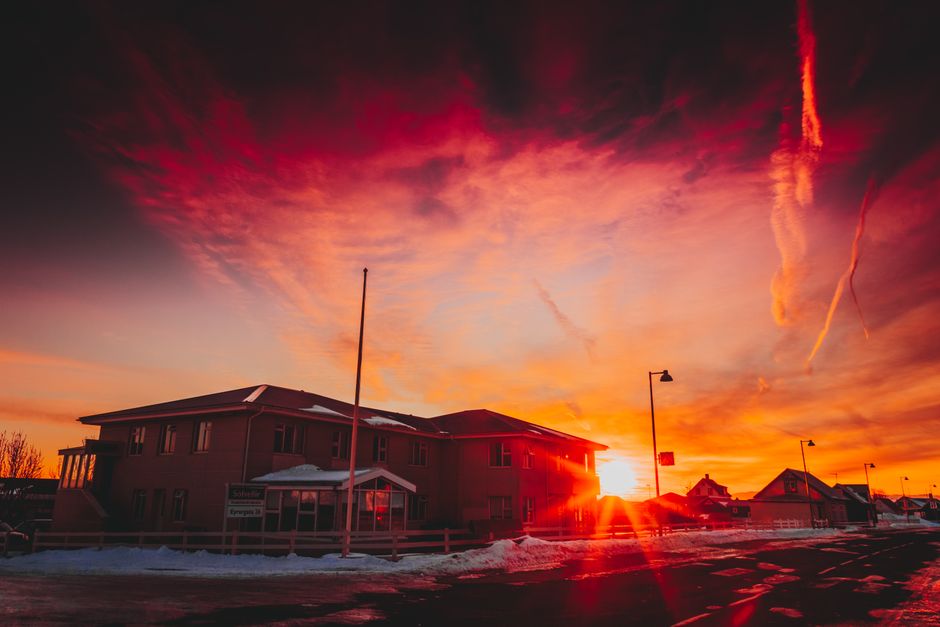
1. The Republic of New Iceland
Gimli, Manitoba, Canada
A self-governing Icelandic republic once existed within Canada's borders.
In 1875, Icelandic immigrants established 'New Iceland' along the shores of Lake Winnipeg, creating their own constitution and laws for over a decade before officially joining Manitoba. This unique experiment in self-governance allowed them to preserve their language and customs. Today, Gimli continues to celebrate this distinct heritage with vibrant festivals, Icelandic cuisine, and a strong sense of cultural pride, marked by a replica Viking ship and a museum dedicated to their history.
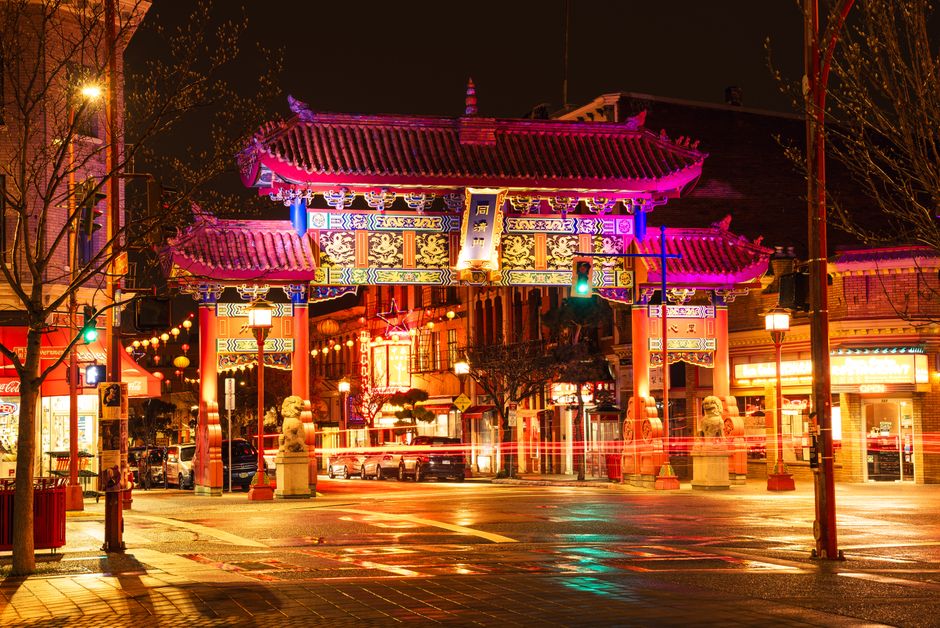
2. The Narrowest Street with a Secret Past
Fan Tan Alley, Victoria, British Columbia, Canada
Canada's narrowest street hides a history of secret societies and covert passages.
Fan Tan Alley, barely wide enough for one person in parts, was once the bustling heart of Victoria's historic Chinatown. During the late 19th and early 20th centuries, it was reportedly a hub for opium dens, gambling, and secret societies. Below its paved surface, a network of tunnels is rumored to have connected businesses, allowing for discreet movement and illicit activities during a time of restrictive anti-Chinese sentiment and laws.
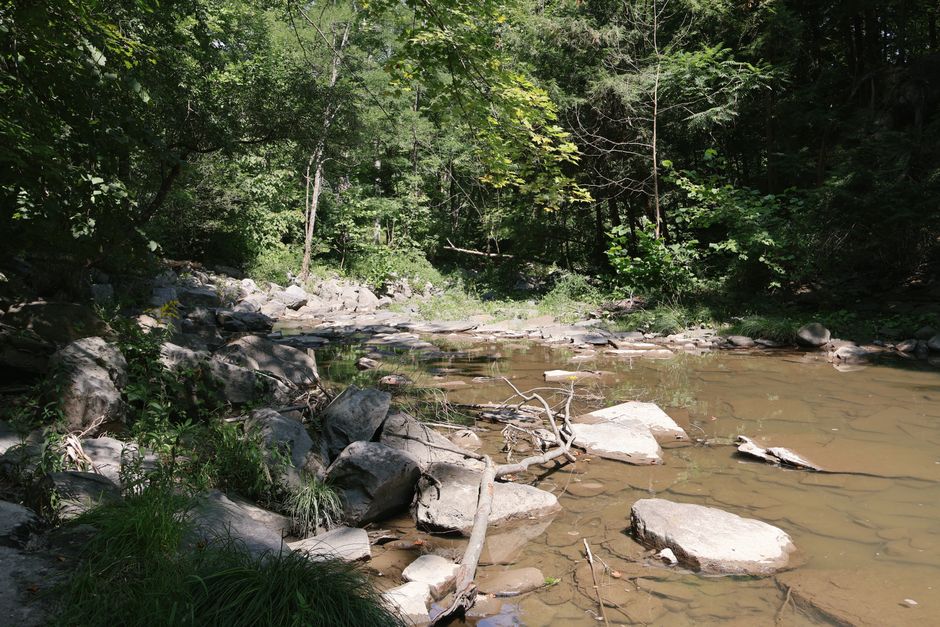
3. The Ancient Carrying Place
Humber River, Toronto, Ontario, Canada
Toronto's Humber River was once a vital Indigenous trading route, linking vast territories.
The Humber River, often overlooked amidst the bustling city of Toronto, was the western end of the ancient 'Toronto Carrying-Place Trail'. For thousands of years, Indigenous peoples like the Anishinaabe and Huron-Wendat nations used this crucial portage route to connect Lake Ontario with Lake Simcoe and Georgian Bay. This facilitated extensive trade, cultural exchange, and travel long before European arrival, shaping the very geography and early settlement of the region.

4. A Global Genius's Multicultural Workshop
Baddeck, Nova Scotia, Canada
Alexander Graham Bell’s innovations in Baddeck were fueled by a diverse team from around the world.
While famous for inventing the telephone, Alexander Graham Bell's estate in Baddeck, Beinn Bhreagh, was a hub of continuous invention where he developed hydrofoils and early aircraft. Crucially, his ambitious projects were supported by a remarkably diverse team of engineers, mechanics, and researchers from various backgrounds, including local Indigenous Mi'kmaq residents who contributed essential knowledge and labor. This made his workshop a truly collaborative, international nexus of innovation.
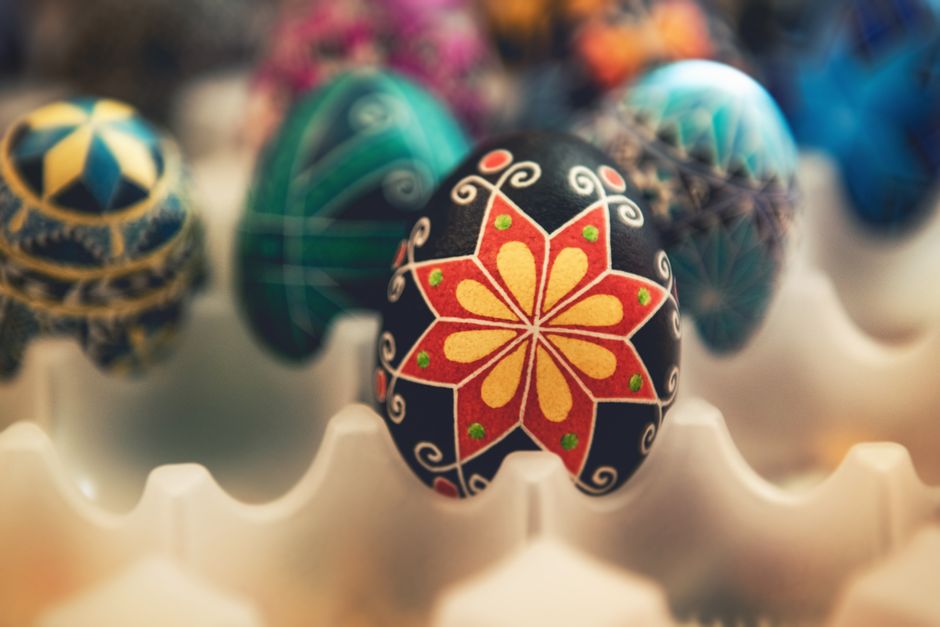
5. The Giant Easter Egg's Enduring Symbol
Vegreville, Alberta, Canada
The world's largest pysanka (Ukrainian Easter egg) in Vegreville celebrates a surprising refugee welcome.
The colossal Pysanka in Vegreville, a town with strong Ukrainian roots, is much more than just a folk art display. This intricate monument, symbolizing life and prosperity, was built to commemorate the Royal Canadian Mounted Police's centennial and, significantly, the area's early Ukrainian settlers. These immigrants, often fleeing persecution in Europe, found new homes and opportunities on the Canadian prairies, profoundly shaping the region's agricultural practices and cultural landscape.

6. A City of Authentic Flavours
Richmond, British Columbia, Canada
Richmond's unassuming strip malls hide some of North America's most authentic Asian cuisines.
Unlike traditional, more compact Chinatowns, Richmond's vibrant multiculturalism is woven into its suburban fabric. With over half its population of Asian descent, the city boasts an unparalleled array of authentic Chinese, Taiwanese, Korean, and Japanese restaurants, many tucked away in bustling strip malls. From steaming dim sum houses to vibrant bubble tea shops, it offers a culinary journey reflecting dynamic immigration patterns and a truly global palate.
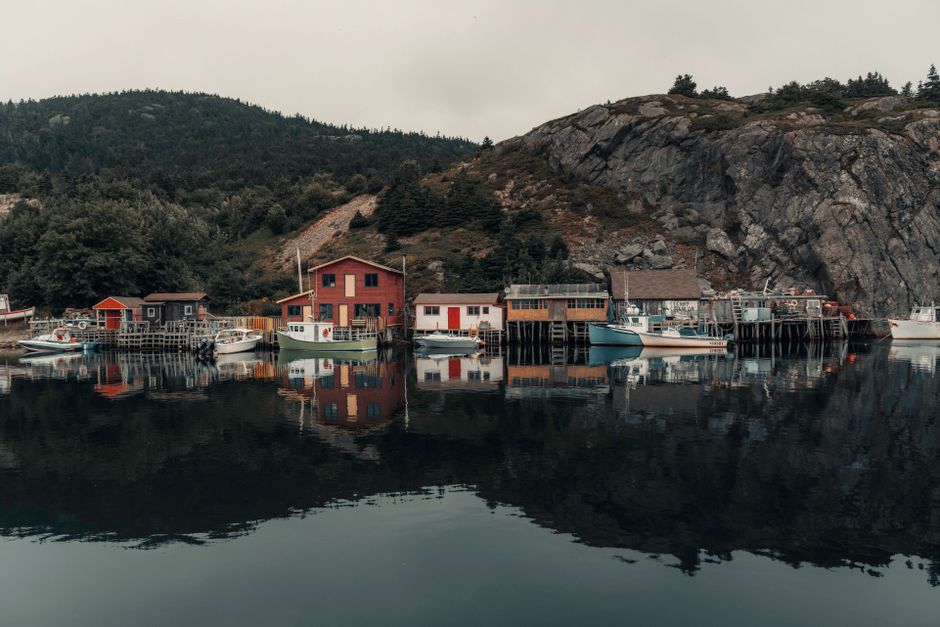
7. Where Global Sailors Once Converged
George Street, St. John's, Newfoundland and Labrador, Canada
St. John's lively George Street was historically a gathering point for sailors from diverse nations.
While famous for its pubs and live music today, George Street and the surrounding harbor area of St. John's were once a significant melting pot for fishermen and sailors from across Europe and beyond. For centuries, vessels from Portugal, Spain, France, Ireland, and England converged here for the Grand Banks fishery. This continuous influx of diverse crews left an indelible mark on the local dialect, music, food traditions, and the very character of Newfoundland's capital.
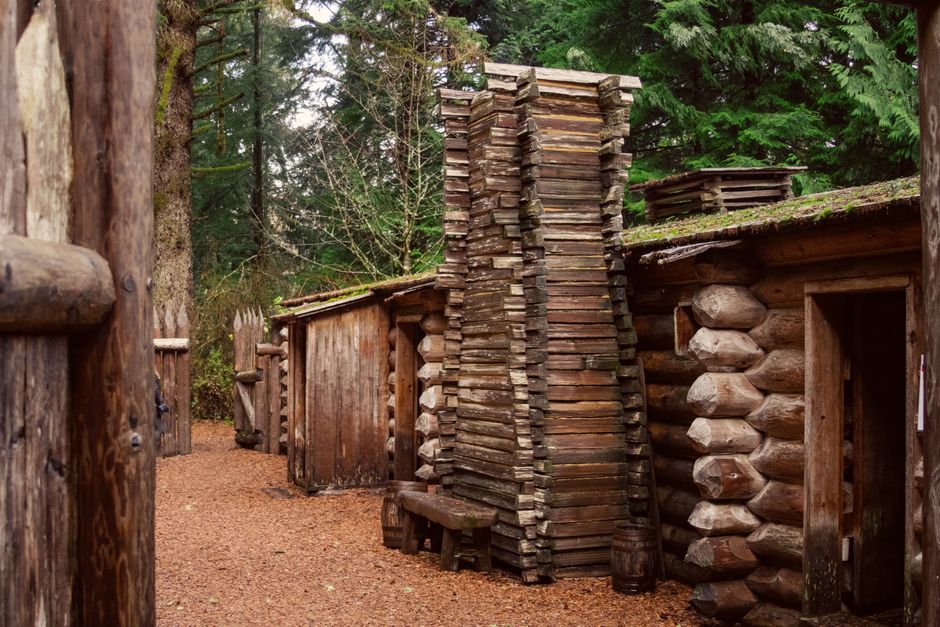
8. Unearthing Diverse Pioneer Roots
Black Creek Pioneer Village, Toronto, Ontario, Canada
This living history museum reveals the surprising diversity of early Canadian settlers beyond common narratives.
Black Creek Pioneer Village offers a vivid glimpse into 19th-century rural Ontario life, but it also subtly highlights the contributions of various immigrant groups often overlooked in general histories. While many settlers were British, the village also sheds light on German, Dutch, and even African American communities who established farms and businesses. These diverse pioneers brought their unique skills, traditions, and perspectives to help build the province, shaping its foundational multicultural identity.
Frequently asked questions
What are some examples of multiculturalism in Canadian cities?
Beyond major festivals, multiculturalism thrives in everyday city life through diverse neighborhoods, an incredible range of international cuisines in unassuming eateries, and community centers that host events celebrating traditions from around the globe. This creates a rich tapestry of daily experiences.
How does Canada support its multicultural population?
Canada officially adopted multiculturalism as a policy in 1971, fostering an inclusive society where people are encouraged to maintain their cultural identities. This support manifests in language services, funding for cultural organizations, anti-discrimination laws, and public education promoting understanding and respect.
What makes Canadian multiculturalism unique compared to other countries?
Unlike some 'melting pot' approaches, Canadian multiculturalism emphasizes a 'mosaic' model, where distinct cultural groups retain their heritage while contributing to the larger national identity. This official policy encourages integration without assimilation, promoting a stronger sense of belonging for newcomers.
How can I discover these hidden cultural stories while traveling in Canada?
The AllTours.ai app is designed for exactly this. Simply point your phone camera at a landmark, a historical building, or even a natural landscape, and the AI will narrate its history, geology, and cultural significance in your preferred language, revealing stories you might otherwise miss.
Photography via Pexels. AllTours.ai is an AI audio tour guide — point your camera at any landscape and hear its story.