September 10, 2026 · 4 min read
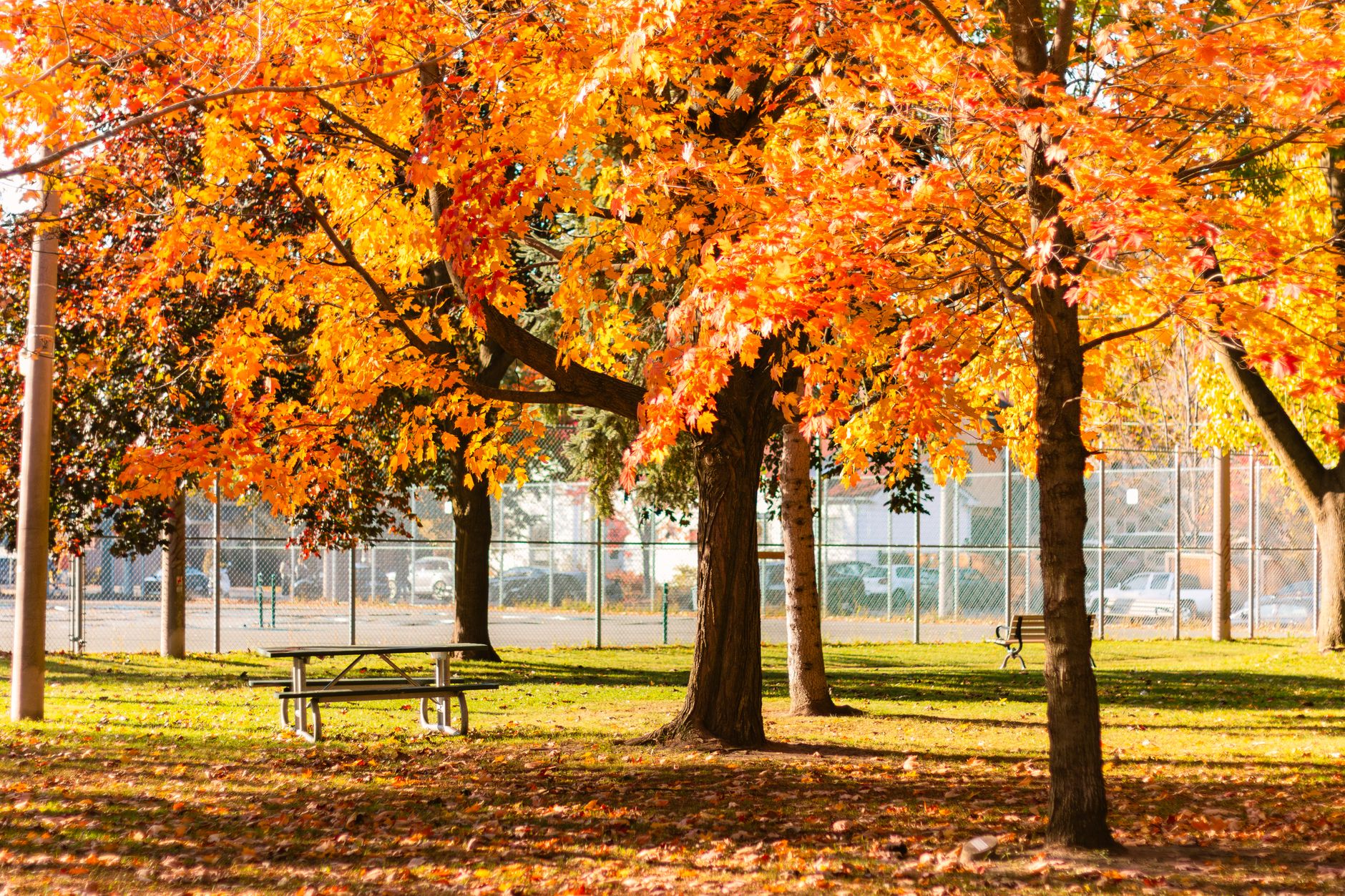
October in Canada's most vibrant cities — Toronto, Montreal, and Quebec City — offers a unique travel experience, blending crisp autumn air with lingering fall colors. But a common question for visitors is: "How cold does it get in Toronto, Montreal, and Quebec during October?" You'll encounter average daytime temperatures ranging from 8-15°C (46-59°F), dropping to 0-7°C (32-45°F) at night, so layers are essential, and a warm, waterproof outer layer is definitely recommended.
While you might be tempted by the usual iconic landmarks, these cities hold a wealth of lesser-known spots, each with a captivating story waiting to be discovered. Forget the typical guidebooks for a moment and journey with us through underrated locales, uncovering their surprising pasts, unique geology, and vibrant cultural threads.
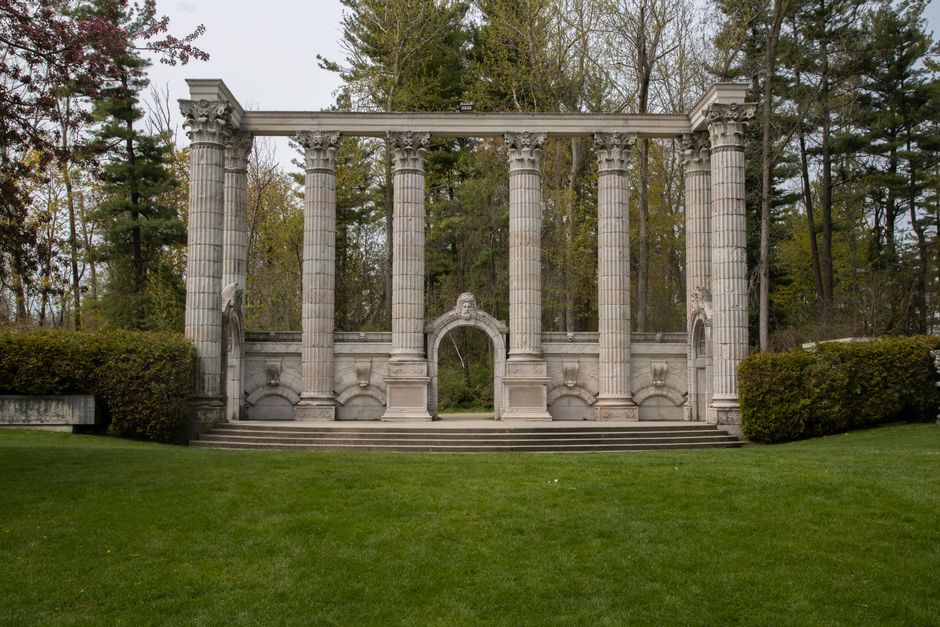
1. The Lost City of Architectural Fragments
Scarborough, Toronto, Canada
This park is a graveyard for Toronto's demolished architectural gems, repurposed as art.
What began as a utopian artists' colony in the 1930s evolved into a unique repository for salvaged architectural pieces. When grand Toronto buildings were torn down, their facades, columns, and archways were brought here, creating an open-air museum. Visitors walk among remnants of former banks, mansions, and government buildings, each piece silently telling a story of the city's changing landscape.
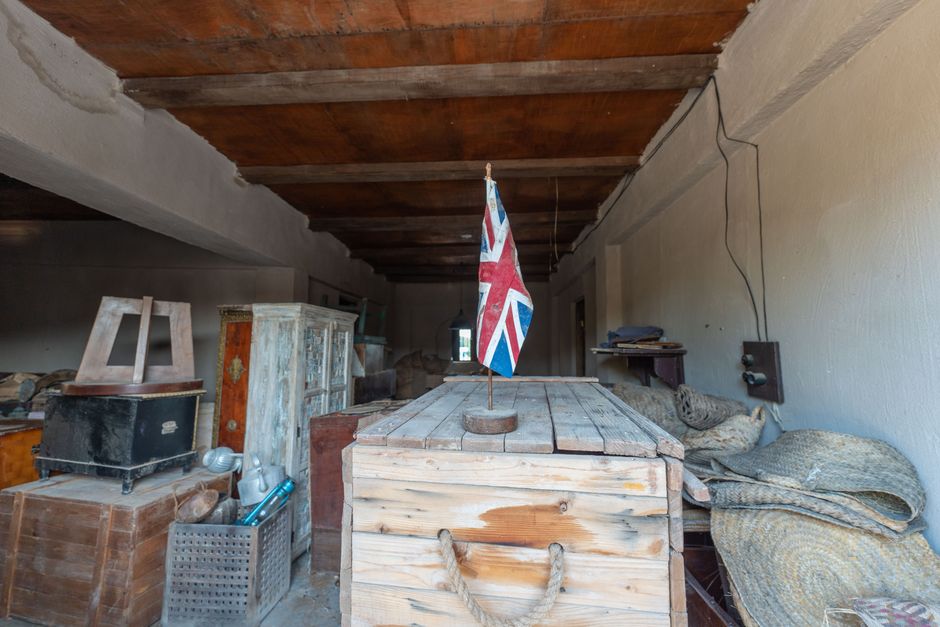
2. The Fur Trade's Hidden Gateway
Lachine, Montreal, Canada
A quiet stretch of the Lachine Canal reveals the precise spot where Montreal's fur trade empire began its journey inland.
While the Lachine Canal is known, few pinpoint the exact historical significance of its western end. Near the Old Lachine Fur Trade Storehouse, voyageurs once loaded canoes with goods bound for the interior and returned with furs that fueled early Montreal's economy. This unassuming spot was the vital link between ocean-going ships and the vast wilderness, marking the true starting point of Canada's fur trading routes.
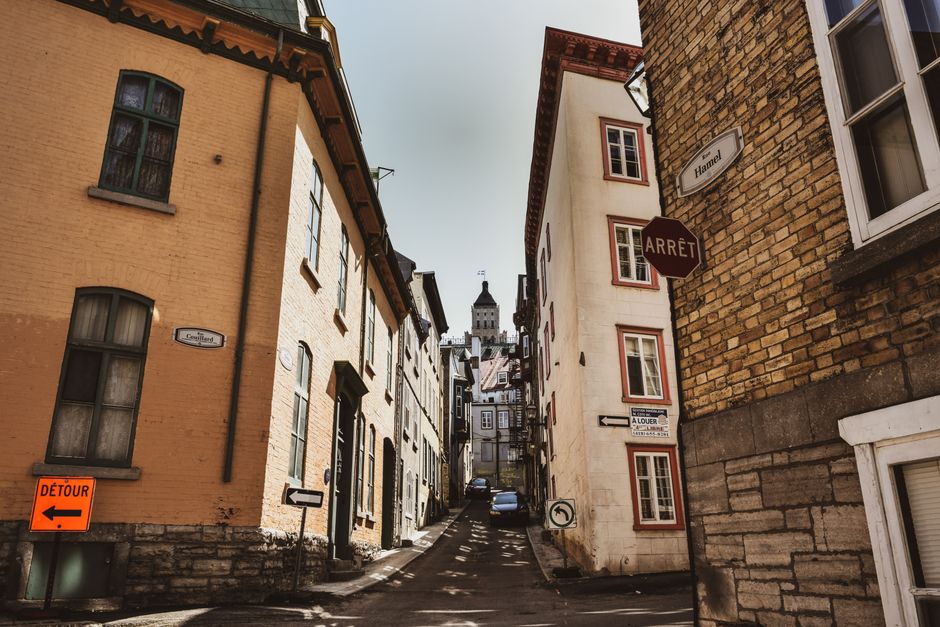
3. From Prison Walls to Literary Halls
Quebec City, Canada
This grand literary society and library once served as Quebec City's first common jail and later as a prestigious college.
Tucked away near the city walls, the Morrin Centre began its life in 1812 as a grim provincial prison, complete with cells and execution grounds. Later, it transformed into Morrin College, a center for English-language education. Today, it houses the Literary and Historical Society of Quebec, Canada's oldest. Visitors can explore the preserved jail cells, walk through Victorian-era classrooms, and browse an exquisite library, all within walls that have witnessed centuries of dramatic change.

4. Toronto's Art Deco 'Palace of Purification'
Scarborough, Toronto, Canada
This operational water treatment plant is a stunning Art Deco architectural masterpiece, often called "The Palace of Purification."
Built in the 1930s during the Great Depression, the R.C. Harris Water Treatment Plant was designed not just for utility but also as a civic monument. Its grand scale, intricate detailing, and elegant Art Deco style make it look more like a cathedral or a museum than a municipal facility. Often overlooked by tourists, this working plant supplies much of Toronto's drinking water, proving that even infrastructure can possess profound beauty and historical significance.
5. Parisian Charm and Radical History
Montreal, Canada
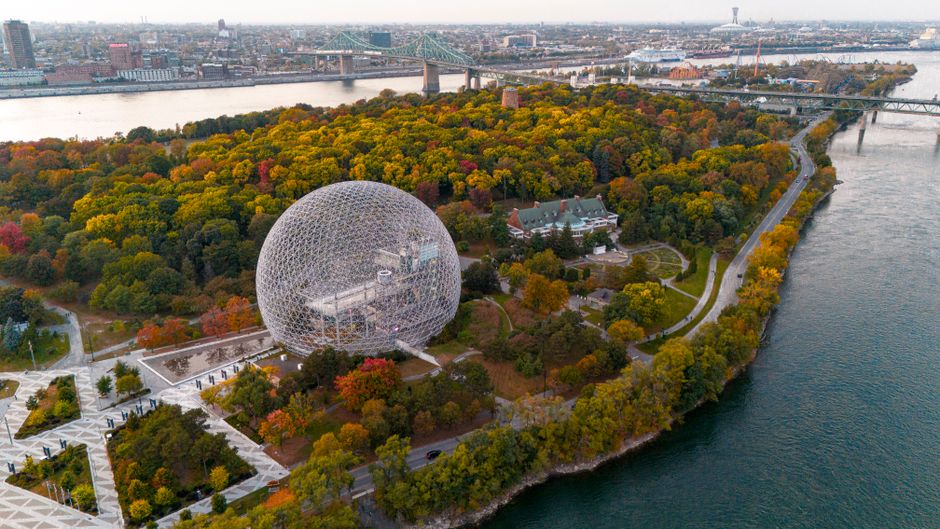
This picturesque square, lined with colourful Victorian homes, was once a hub for Montreal's artistic bohemians and political radicals.
While seemingly a tranquil oasis today, Saint-Louis Square has a vibrant, rebellious past. In the late 19th and early 20th centuries, its elegant mansions housed poets, painters, musicians, and revolutionaries. It was a place where ideas fermented, manifestos were drafted, and artistic movements took root, far from the commercial bustle of downtown. The square remains a preserved slice of Montreal's intellectual and artistic heritage, now enjoyed by families and quiet strollers.
6. A Church Reborn as a Literary Hub
Quebec City, Canada
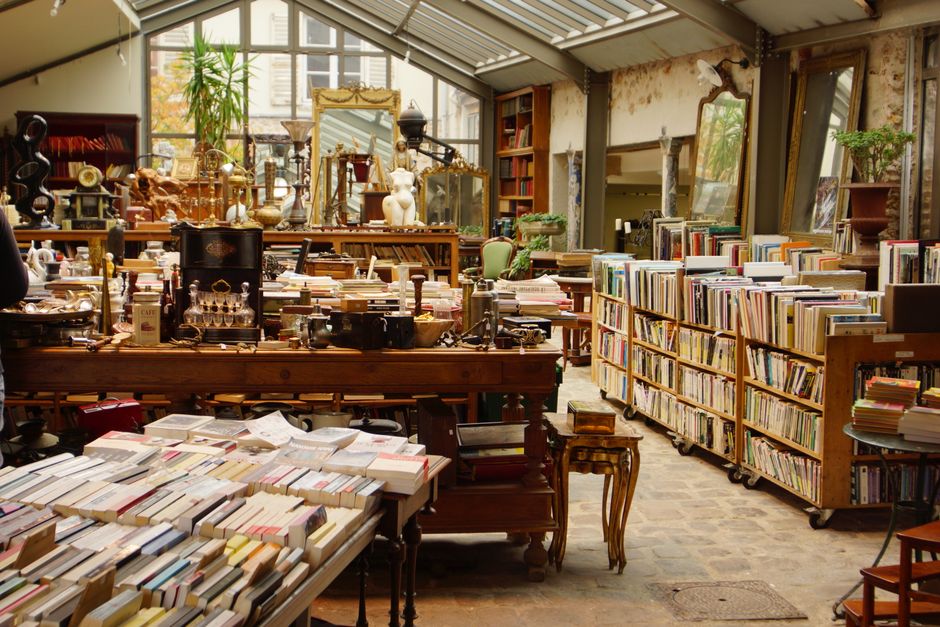
This striking modern cultural center for literature is housed within a transformed 19th-century Neo-Gothic church.
The Maison de la Littérature offers a fascinating juxtaposition of old and new. The building was originally the Église du Saint-Esprit, a beautiful Anglican church. In a visionary transformation, its historic stone exterior and stained-glass windows were preserved, while a sleek, contemporary interior of glass, steel, and wood was inserted. It now functions as a public library, exhibition space, and writing center, embodying Quebec City's commitment to cultural innovation within its rich historical fabric.

7. A Valley Transformed: From Brickyard to Urban Green Space
Toronto, Canada
This vibrant community environmental centre occupies the ruins of a historic brick-making factory that built much of early Toronto.
Tucked into the Don Valley, Evergreen Brick Works once supplied the bricks for many of Toronto's iconic buildings, including Massey Hall and Old City Hall. After decades of dormancy, the industrial site was revitalized into a dynamic hub for environmental education, local food markets, and cultural events. Visitors can explore the preserved kilns and industrial structures, reflecting on how a site of extraction has become a model for sustainable urban living and ecological restoration.

8. Art Deco Market by the Canal
Montreal, Canada
More than just a market, Atwater boasts a distinctive Art Deco tower and a vibrant history connected to the Lachine Canal.
While Bonsecours Market gets the tourist spotlight, Marché Atwater offers a more local, authentic experience with striking architecture. Opened in 1933, its main building features an impressive Art Deco clock tower that reflects the era's design sensibilities. Positioned along the Lachine Canal, it has served as a vital food hub for generations, evolving from a traditional public market to a year-round destination for fresh produce, local delicacies, and artisanal goods.
Frequently asked questions
What should I pack for October weather in Toronto, Montreal, and Quebec City?
Layers are key! Pack sweaters, long-sleeved shirts, and a warm, waterproof jacket. Don't forget a hat, gloves, and a scarf, especially for evenings when temperatures can drop significantly. Comfortable walking shoes are also a must.
Is October a good time to visit these Canadian cities?
Absolutely! October offers beautiful fall foliage, fewer crowds than peak summer, and a cozy atmosphere. While it's cooler, the crisp air and vibrant colors create a memorable experience, perfect for exploring both indoor and outdoor attractions.
Will I see fall colors in October?
Yes, early to mid-October is often prime time for spectacular fall colors in Quebec and parts of Ontario, including the areas around Toronto and Montreal. The exact timing varies yearly, but you can generally expect to see a beautiful display of reds, oranges, and yellows.
How can AllTours.ai help me explore these unique places?
AllTours.ai transforms your phone into a personal AI audio tour guide. Simply point your camera at any landmark or landscape, and the app instantly narrates its history, geology, and culture in your preferred language, revealing the hidden stories of even the most obscure spots.
Photography via Pexels. AllTours.ai is an AI audio tour guide — point your camera at any landscape and hear its story.