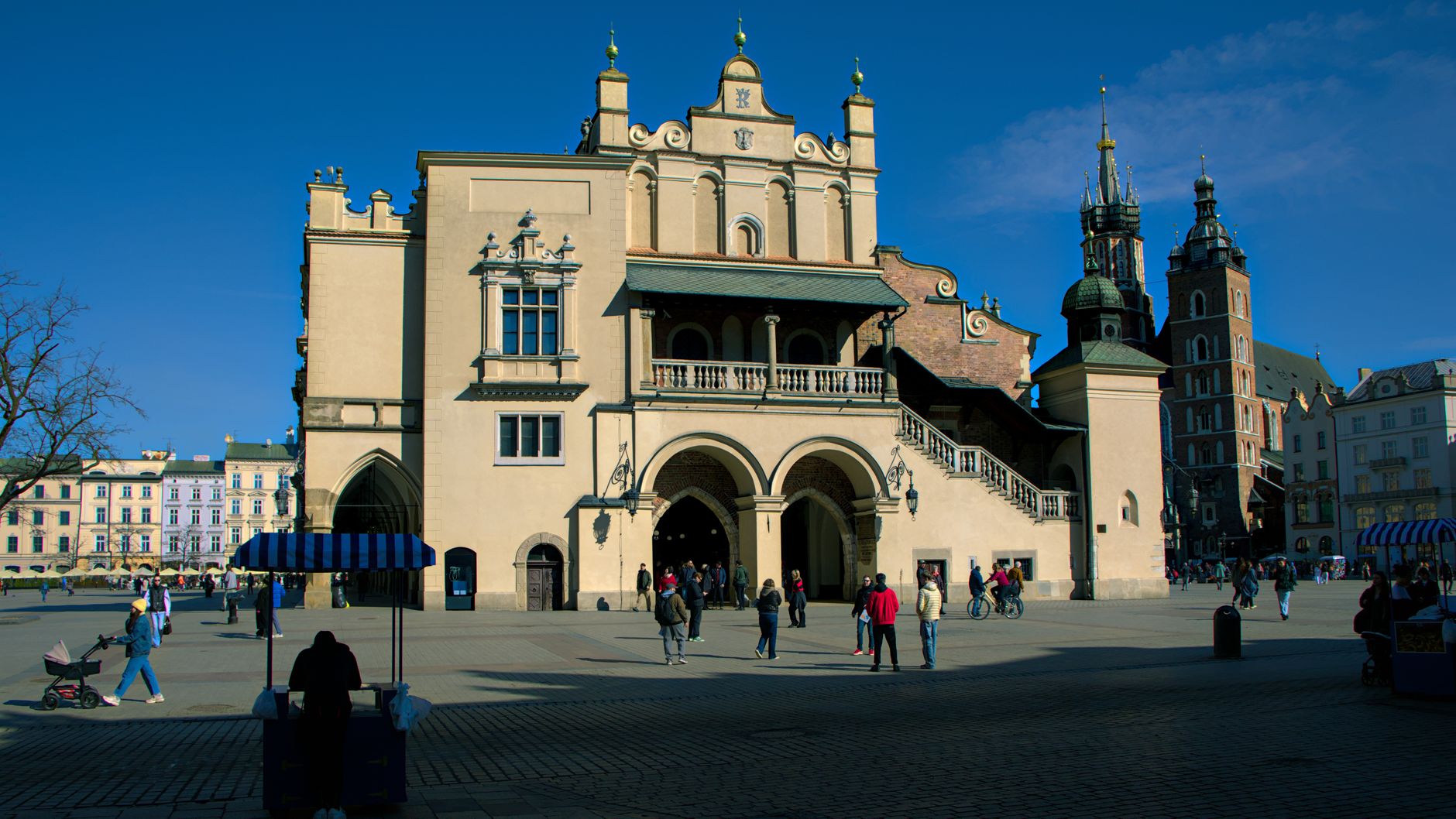
July 6, 2026 · 4 min read
Leonardo da Vinci's "Lady with an Ermine" is one of the world's most captivating portraits, its subject's enigmatic gaze drawing millions. Yet, many wonder about its journey: How did this Renaissance masterpiece find its home in the Czartoryski Museum in Krakow, far from its Italian origins?
The story of the "Lady" is intertwined with centuries of Polish history, marked by artistic passion, wartime escapes, and a profound commitment to cultural preservation. While the Czartoryski Museum underwent a significant renovation in 2010, prompting the painting's temporary relocation, its narrative offers a window into Krakow's enduring spirit. Beyond the well-trodden paths, Krakow holds countless other fascinating stories, waiting to be discovered.
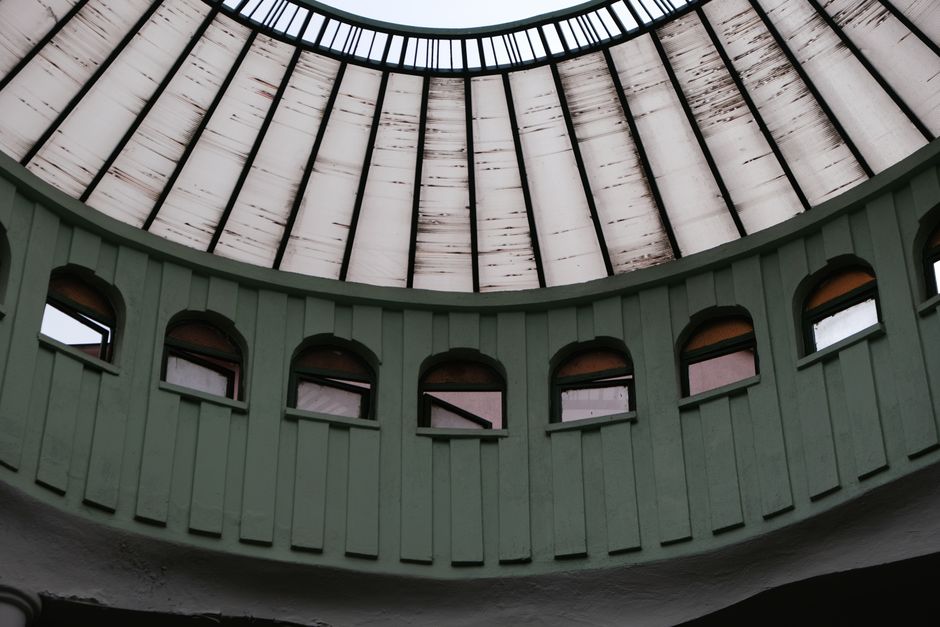
1. The Socialist Utopia That Wasn't
Nowa Huta, Krakow, Poland
This entire district was once designed as a communist ideal, intentionally built without a single church, yet it became a symbol of fierce religious resistance.
Nowa Huta, meaning 'New Steel Mill,' was conceived in the 1950s as a model socialist-realist city for steelworkers, a stark contrast to historic Krakow. The communist planners deliberately excluded churches from its blueprints, aiming to create a secular society. However, residents' unwavering demand for places of worship led to a decades-long struggle, culminating in the construction of the iconic 'Ark of the Lord' Church, a triumph of community over ideology.
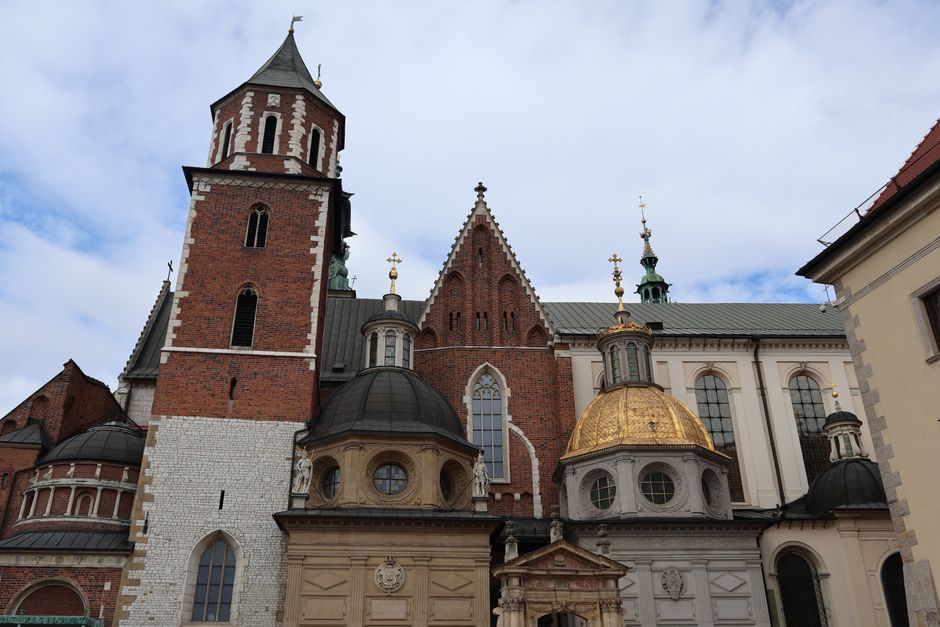
2. Where Copernicus Pondered
Collegium Maius Courtyard, Krakow, Poland
This tranquil, arcaded courtyard is part of Poland's oldest university, where a young Nicolaus Copernicus once walked and studied centuries before his heliocentric theories changed our understanding of the cosmos.
The Collegium Maius, dating back to 1364, is the oldest building of the Jagiellonian University. Its beautiful Gothic architecture and peaceful courtyard provided an intellectual haven for scholars like Copernicus in the late 15th century. Visitors can still feel the weight of history in its cloisters, imagining the profound discussions that once took place here, laying the groundwork for scientific revolution.
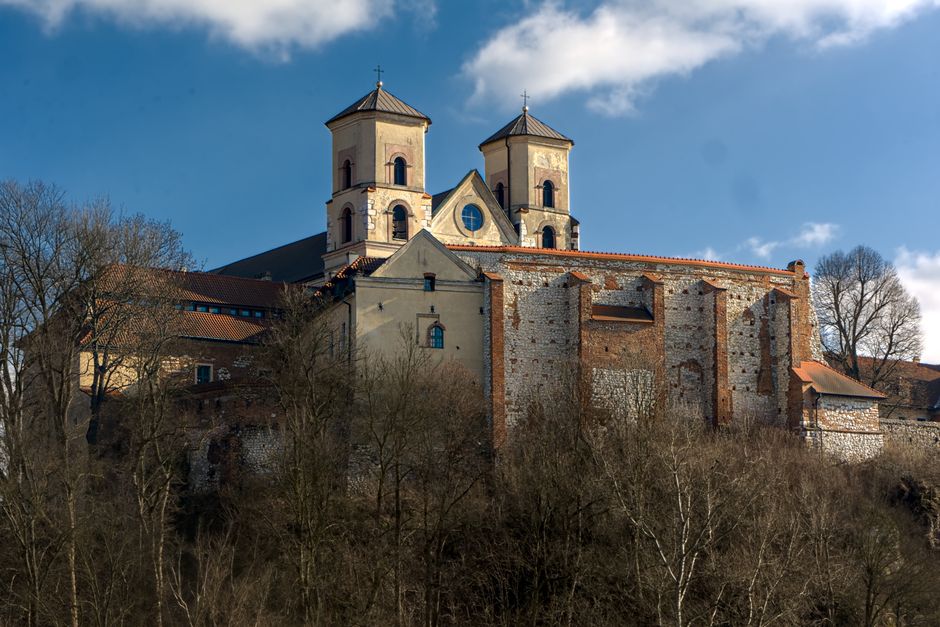
3. A Benedictine Fortress on the Vistula
Tyniec Abbey, near Krakow, Poland
Perched dramatically on a limestone cliff overlooking the Vistula River, this ancient Benedictine abbey has stood as a spiritual and strategic sentinel for over a thousand years.
Founded in 1044, Tyniec Abbey is one of Poland's oldest monasteries, its fortifications once vital for protecting Krakow from invaders. Its strategic location offered commanding views of the river and surrounding landscape, making it both a spiritual retreat and a stronghold. Despite numerous destructions and rebuilds over the centuries, the abbey continues its monastic life today, its serene cloisters and historic church echoing with quiet contemplation.
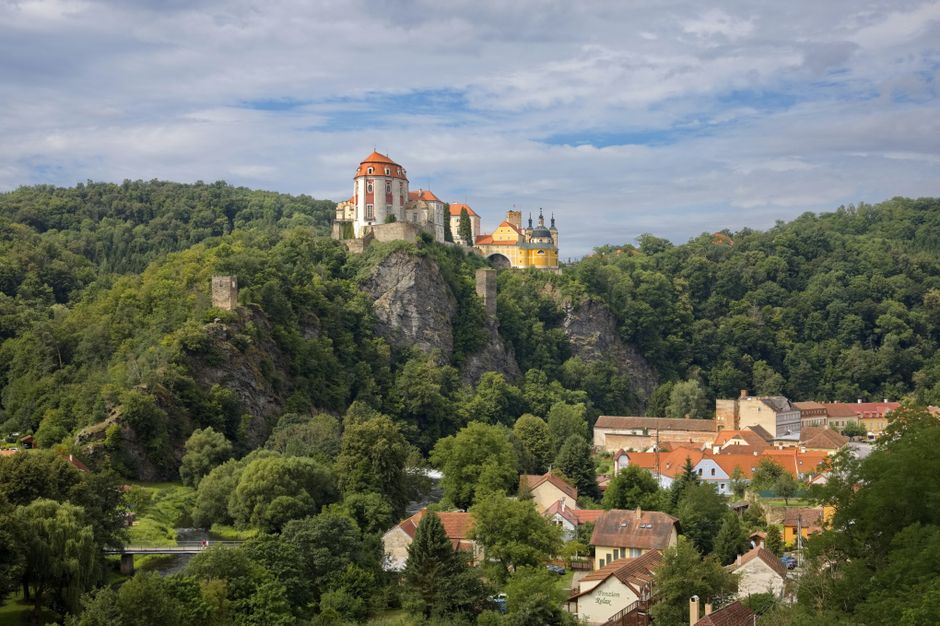
4. A Dragon's Tooth and a Renaissance Gem
Pieskowa Skała Castle, Ojcowski National Park, Poland
This stunning Renaissance castle stands guard over a unique limestone rock formation known as 'Hercules' Club,' a towering monolith rumored to have been left by a dragon.
Part of the 'Eagles' Nests Trail' of defensive castles, Pieskowa Skała Castle is a magnificent example of Polish Renaissance architecture, beautifully preserved and dramatically situated. Its foundations date to the 14th century, but it gained its current elegant form in the 16th. The nearby 'Maczuga Herkulesa' (Hercules' Club) rock formation adds to the site's mystique, with local legends attributing its creation to a mythical dragon.
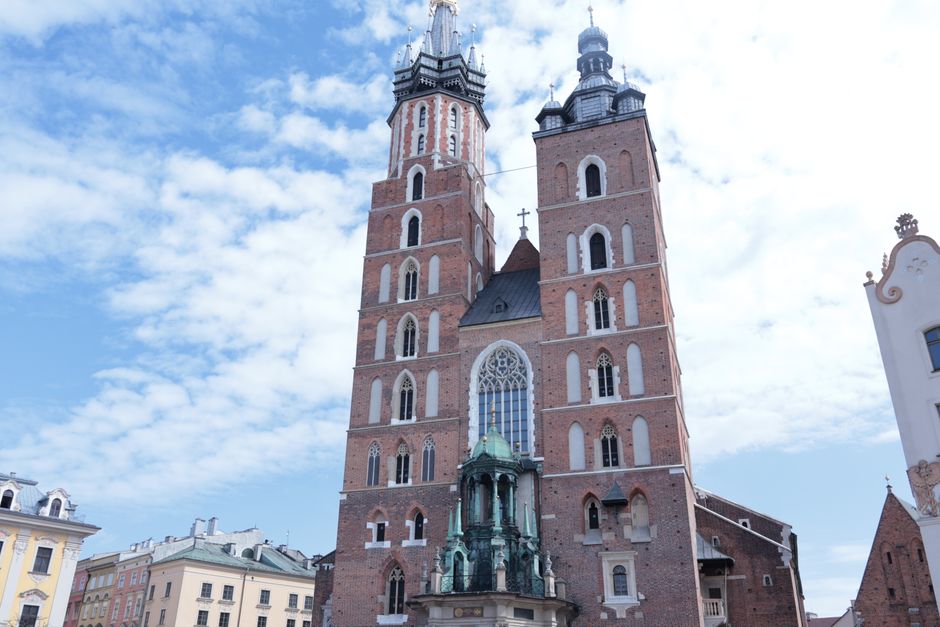
5. Krakow's Romanesque Stronghold
Church of St. Andrew, Krakow, Poland
Built as a fortified church in the 11th century, its remarkably thick walls and two imposing towers provided refuge for Krakow's citizens during the devastating Tatar invasions.
The Church of St. Andrew is one of Krakow's oldest and best-preserved Romanesque buildings, a testament to the city's early medieval history. Its defensive architecture, complete with narrow windows and strong walls, allowed it to serve as a vital stronghold during the Tatar raids of the 13th century, offering sanctuary to residents. Inside, the Baroque decorations contrast with its austere exterior, revealing layers of history and resilience.
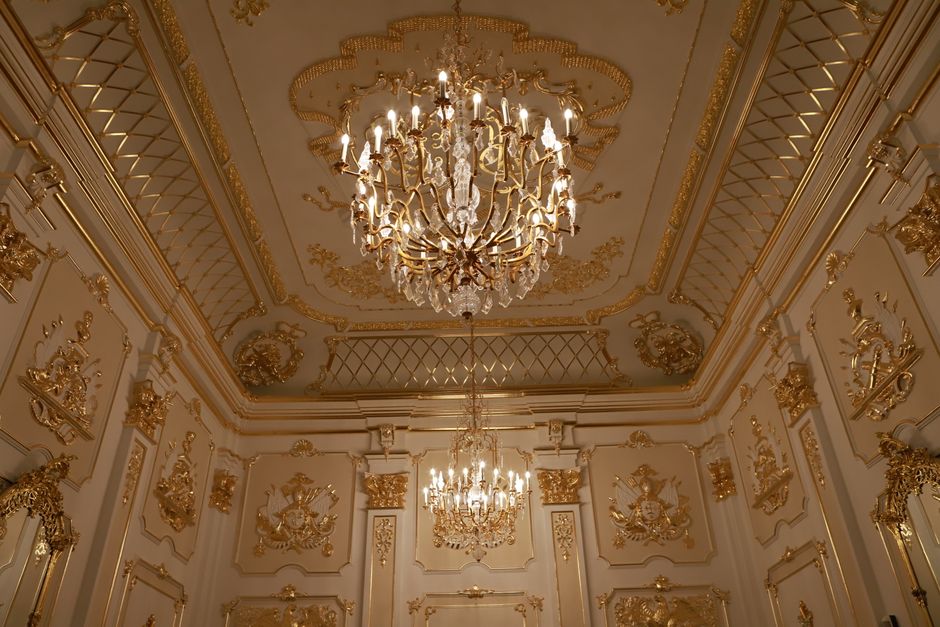
6. A Hidden Treasury of Polish Art
Bishop Erazm Ciołek Palace, Krakow, Poland
Beyond Krakow's main art museums, this restored palace houses an impressive, often overlooked, collection of medieval and early modern Polish art, from royal portraits to intricate religious sculptures.
The Bishop Erazm Ciołek Palace, a branch of the National Museum in Krakow, is a treasure trove of Polish artistic heritage. Once the residence of a powerful Renaissance bishop, the palace now beautifully displays centuries of art, including stunning Gothic and Renaissance ecclesiastical pieces, icon paintings, and portraits. Its less crowded halls allow for a more intimate encounter with masterpieces that define Poland's artistic identity, offering a deeper understanding of its cultural past.
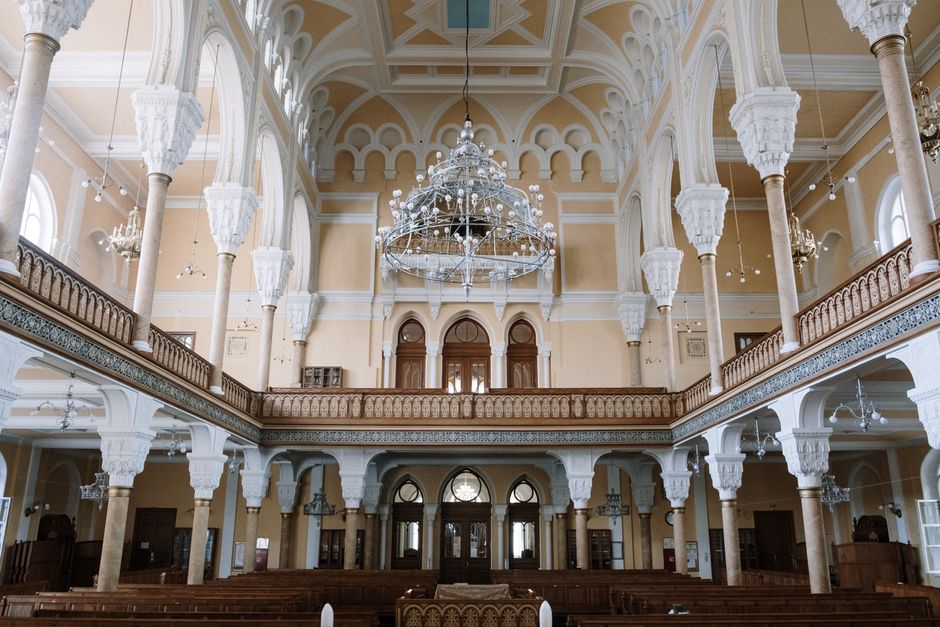
7. Kazimierz's Grand Survivor
Izaak Synagogue, Kazimierz, Krakow, Poland
Once the wealthiest synagogue in Krakow's Jewish quarter, this grand 17th-century structure was looted by Nazis and used as a storage facility by communists, yet it stands today as a powerful symbol of resilience.
The Izaak Synagogue, completed in 1644, is an architectural marvel of the Kazimierz district, known for its impressive Baroque interior. Despite its grandeur, it suffered immense desecration during World War II, stripped of its furnishings and used for mundane purposes. During the communist era, it served as a workshop and storage space. Today, meticulously restored, it functions as an active synagogue and a vibrant center for Jewish cultural events, embodying the enduring spirit of the community.
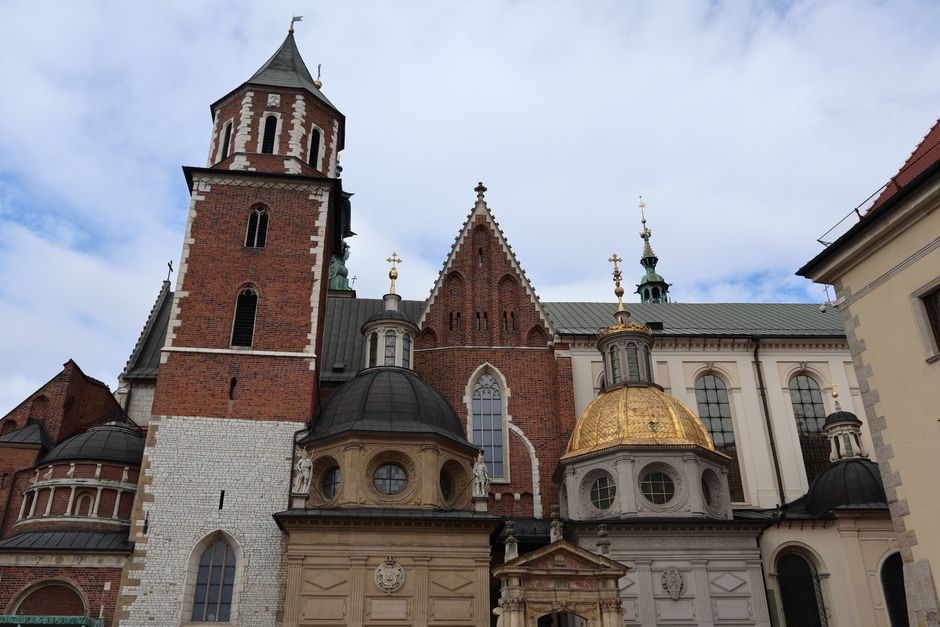
8. The Silent Witnesses of Poland's Past
Wawel Cathedral Royal Crypts, Krakow, Poland
Beneath the magnificent Wawel Cathedral lie the tombs of Polish kings, queens, national heroes, and even poets, offering a profound, often somber, journey through centuries of Polish history and identity.
While Wawel Cathedral itself is a prominent landmark, its royal crypts provide a unique glimpse into the lives and deaths of Poland's most significant historical figures. Descending into these underground chambers, visitors encounter the sarcophagi of monarchs like Casimir the Great and John III Sobieski, alongside national bards and military leaders. It's a place where the grandeur of the past meets solemn remembrance, revealing the human stories behind the crowns and conflicts.
Frequently asked questions
How did the Czartoryski Museum in Krakow come to house "Lady with an Ermine"?
The painting was acquired by Prince Adam Jerzy Czartoryski around 1800 from Italy for his mother, Princess Izabela Czartoryska. She was a passionate art collector who established Poland's first public museum, ensuring the masterpiece became a central part of the family's renowned collection in Puławy, and later, Krakow.
Where was "Lady with an Ermine" during the Czartoryski Museum's closure in 2010?
During the extensive renovation of the Czartoryski Museum, "Lady with an Ermine" was temporarily moved to other prominent locations in Krakow. It was exhibited at the Wawel Royal Castle and later at the main building of the National Museum in Krakow, ensuring public access to the beloved masterpiece.
Is the Czartoryski Museum part of the National Museum in Krakow today?
Yes, in 2016, the entire Czartoryski Collection, including "Lady with an Ermine," was sold by the Czartoryski Foundation to the Polish state for a symbolic sum. It is now managed by the National Museum in Krakow, ensuring its permanent public ownership and preservation for future generations.
How can the AllTours.ai app enhance my visit to Krakow's hidden gems?
AllTours.ai acts as your personal AI audio tour guide. Simply point your phone camera at any landmark, building, or even a natural landscape, and the app will instantly narrate its history, geology, and cultural significance in your preferred language, revealing the hidden stories behind every corner of Krakow.
Photography via Pexels. AllTours.ai is an AI audio tour guide — point your camera at any landscape and hear its story.