
July 7, 2026 · 4 min read
Leonardo da Vinci's "Lady with an Ermine" is a captivating portrait, a masterpiece that draws millions to Krakow's Czartoryski Museum. But its journey to this Polish city, and its survival through centuries of upheaval, is a story far more complex than a simple acquisition. It's a tale of aristocratic vision, national crisis, and incredible resilience.
Beyond the well-trodden paths of Krakow's Old Town, the painting's history is intertwined with hidden estates, pioneering museums, and the unwavering dedication of those who sought to preserve Polish culture. Join us as we explore the lesser-known spots that played a crucial role in bringing this iconic artwork to its current home and safeguarding it against the ravages of time and war.

1. The Visionary Temple of Sibyl
Puławy, Poland
Poland's very first public museum wasn't in a grand city, but a neoclassical rotunda designed by a woman to save national memory.
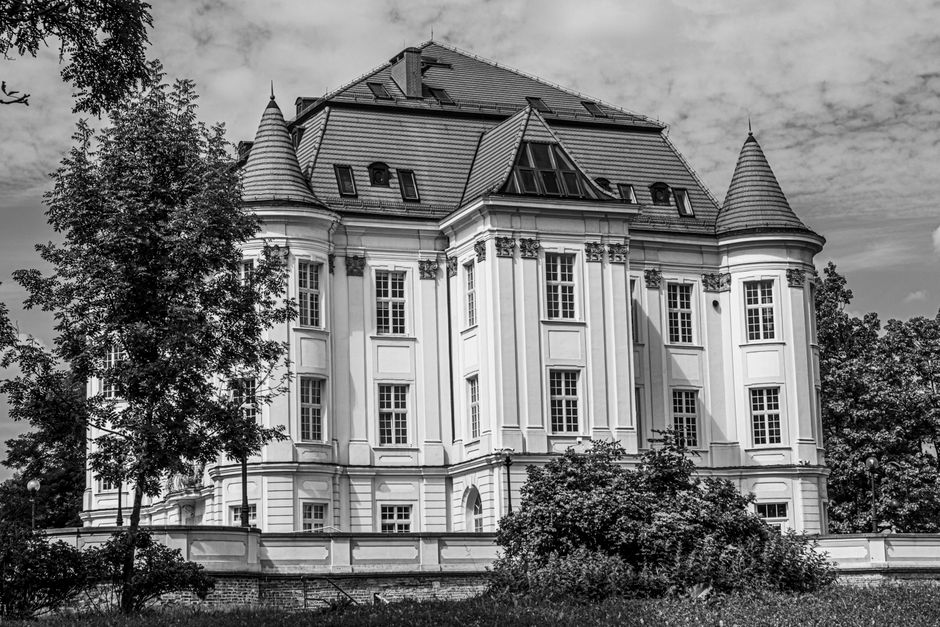
Within the sprawling Czartoryski estate in Puławy, Princess Izabela Czartoryska established the Temple of the Sibyl in 1801. This elegant rotunda, inspired by the Temple of Vesta in Tivoli, was conceived as a "sanctuary of memory" for Polish national treasures and royal memorabilia, particularly after the partitions of Poland. It was a pioneering effort in public museology, directly preceding the move of the collection to Krakow.
2. The Eclectic Gothic House of Puławy
Puławy, Poland
Adjacent to the Temple of the Sibyl, a seemingly modest Gothic-revival house held a diverse European art collection, reflecting a broader cultural ambition.
Also part of Princess Izabela's ambitious project at Puławy, the Gothic House was built in 1809. It served as a complementary exhibition space, showcasing international art and historical artifacts from the Czartoryski collection, ranging from Shakespeare's chair to personal items of famous historical figures. This building further cemented Puławy's status as a cultural hub, demonstrating the family's wide-ranging interests beyond Polish national heritage.
3. Sieniawa Palace: Wartime Sanctuary
Sieniawa, Poland
When war threatened Krakow, the "Lady with an Ermine" found refuge in a remote aristocratic manor, tucked away from Nazi occupation.
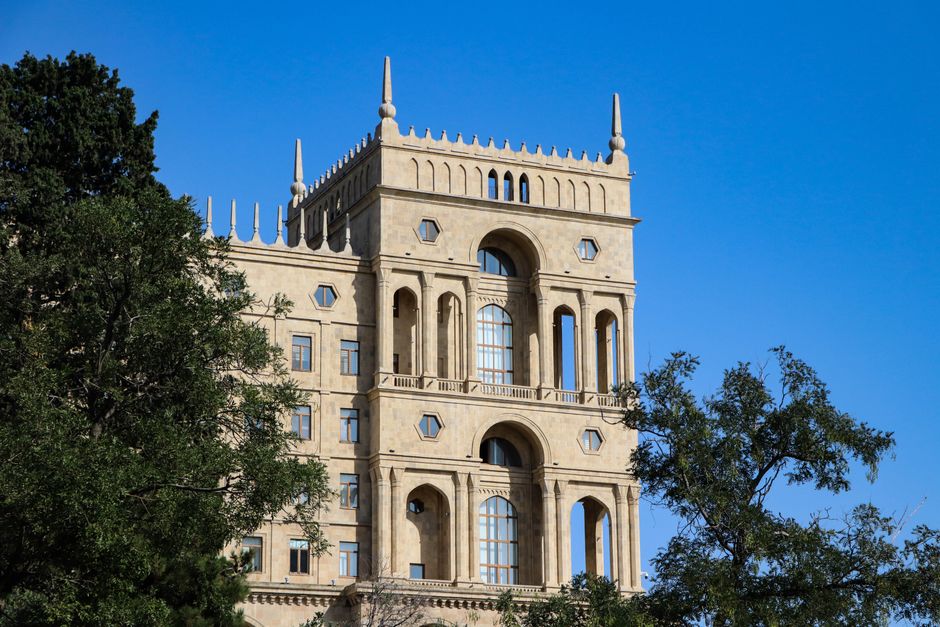
During World War II, as Krakow faced invasion, the Czartoryski Museum's most prized possession, Leonardo da Vinci's "Lady with an Ermine," was secretly moved to the Czartoryski family's palace in Sieniawa for safekeeping. It was hidden within the palace's walls, a desperate attempt to protect it from Nazi looting. Despite these efforts, the painting was eventually discovered by German troops and taken, though it would later be recovered.
4. Gołuchów Castle: A French Renaissance Dream in Poland
Gołuchów, Poland
A 19th-century Polish princess transformed a medieval stronghold into a magnificent French Renaissance chateau, specifically to house her extraordinary art collection.
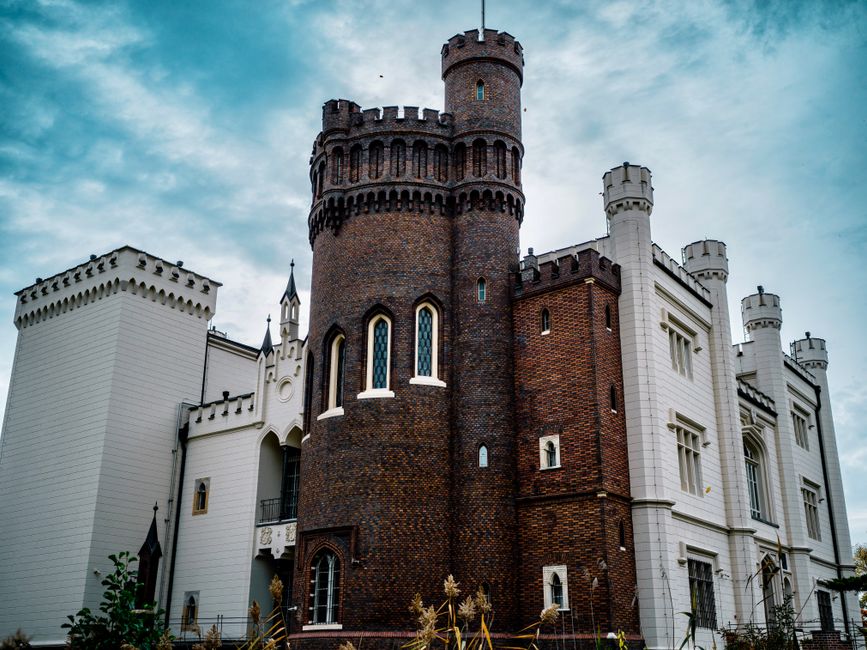
Gołuchów Castle, another Czartoryski family property, was extensively rebuilt in the late 19th century by Princess Izabella Działyńska (née Czartoryska), great-granddaughter of the Temple of Sibyl's founder. She meticulously redesigned it in the style of French Loire Valley châteaux to serve as a grand museum for her vast collection of ancient Greek vases, tapestries, and paintings. This ambitious project showcased the family's continued dedication to preserving and displaying art.
5. Kórnik Castle: The Island of Polish Learning
Kórnik, Poland
This picturesque castle on an island, once a medieval stronghold, became a leading center for Polish culture, housing a priceless library and museum.
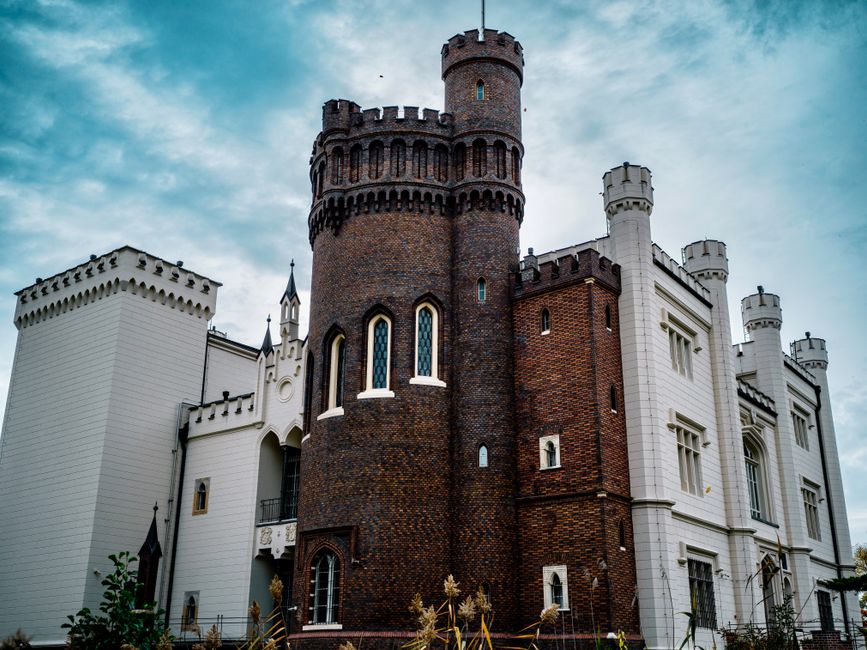
Kórnik Castle, located near Poznań, is a stunning example of Romantic Gothic Revival architecture, surrounded by a moat and a magnificent arboretum. Its most remarkable feature is the Kórnik Library, founded by Count Tytus Działyński in the 19th century, which houses an immense collection of ancient prints, manuscripts, and incunabula. The castle also serves as a museum, preserving a rich tapestry of Polish aristocratic life and intellectual heritage, far from the capital's bustle.
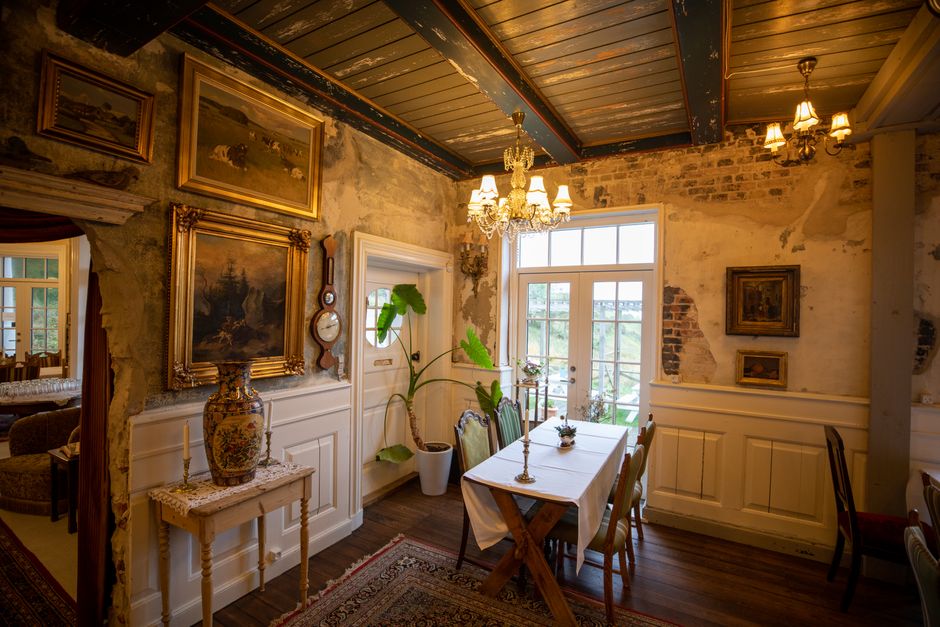
6. The Jan Matejko House: A Master's Studio Preserved
Krakow, Poland
Step into the remarkably preserved home and studio of Poland's most revered historical painter, a time capsule of 19th-century artistic life.
Tucked away on Floriańska Street in Krakow, the Jan Matejko House is where the celebrated painter lived and worked for most of his life. This intimate museum offers a unique glimpse into his personal world, displaying his canvases, sketches, tools, and even his original furniture. It reveals the meticulous process behind his epic historical paintings and underscores his profound impact on Polish national identity and art.
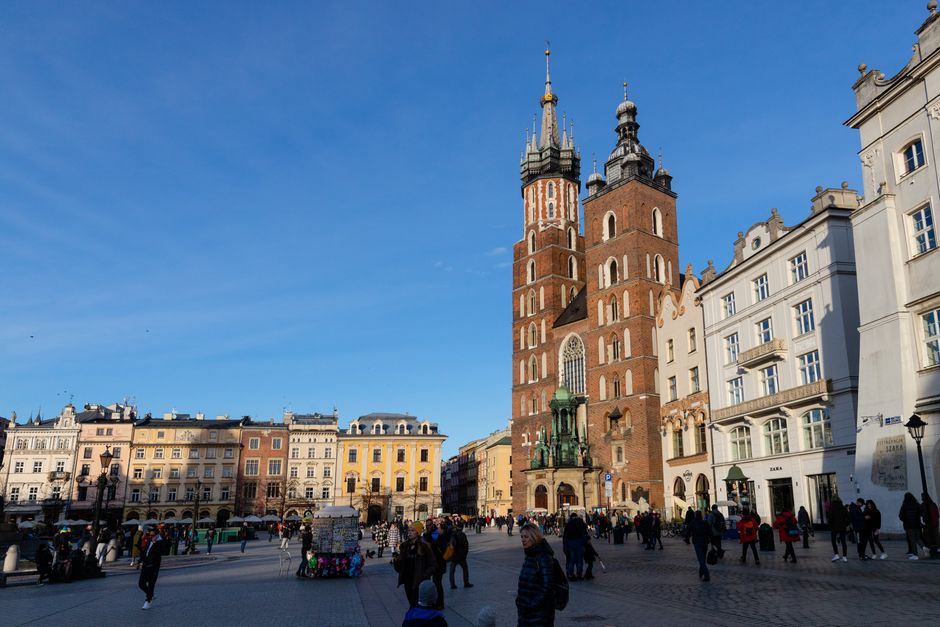
7. St. Adalbert's Church: Krakow's Ancient Heartbeat
Krakow, Poland
Often overlooked in Krakow's bustling Main Market Square, this tiny, pre-Romanesque church holds a millennium of history beneath its unassuming exterior.
Standing prominently yet discreetly in the Rynek Główny, St. Adalbert's Church is one of Krakow's oldest surviving buildings, with foundations dating back to the 10th or 11th century. Its small, intimate interior and archaeological exhibits in the crypt reveal layers of history, from early Slavic settlements to the city's medieval growth. It stands as a quiet witness to countless historical events, a testament to Krakow's enduring past.
Frequently asked questions
When did the Czartoryski Museum re-open after its 2010 closure?
The Czartoryski Museum in Krakow underwent extensive renovations and was closed to the public for nearly a decade. It officially reopened its doors in December 2019, allowing visitors once again to admire its magnificent collection, including the "Lady with an Ermine."
Who was Princess Izabela Czartoryska?
Princess Izabela Czartoryska (1746–1835) was a Polish noblewoman, writer, art collector, and patron. She is celebrated for establishing Poland's first museum, the Temple of the Sibyl at Puławy, in 1801, with the aim of preserving Polish national heritage during a time of political upheaval. Her vision laid the foundation for the Czartoryski collection.
What is the historical significance of "Lady with an Ermine"?
Leonardo da Vinci's "Lady with an Ermine" (Cecilia Gallerani) is one of only four known female portraits by the master. Its significance lies in its artistic brilliance, the psychological depth of the sitter, and its remarkable journey through centuries of European history, including its perilous survival through wars and occupations, making it a symbol of cultural resilience.
How does the AllTours.ai app enhance a traveler's experience?
The AllTours.ai app transforms your exploration by providing instant, context-rich audio narration. Simply point your phone camera at any landmark, landscape, or even a detailed architectural feature, and the app will identify it and narrate its history, geology, and cultural significance in your preferred language, offering a personalized guide in your pocket.
Photography via Pexels. AllTours.ai is an AI audio tour guide — point your camera at any landscape and hear its story.