July 7, 2026 · 4 min read
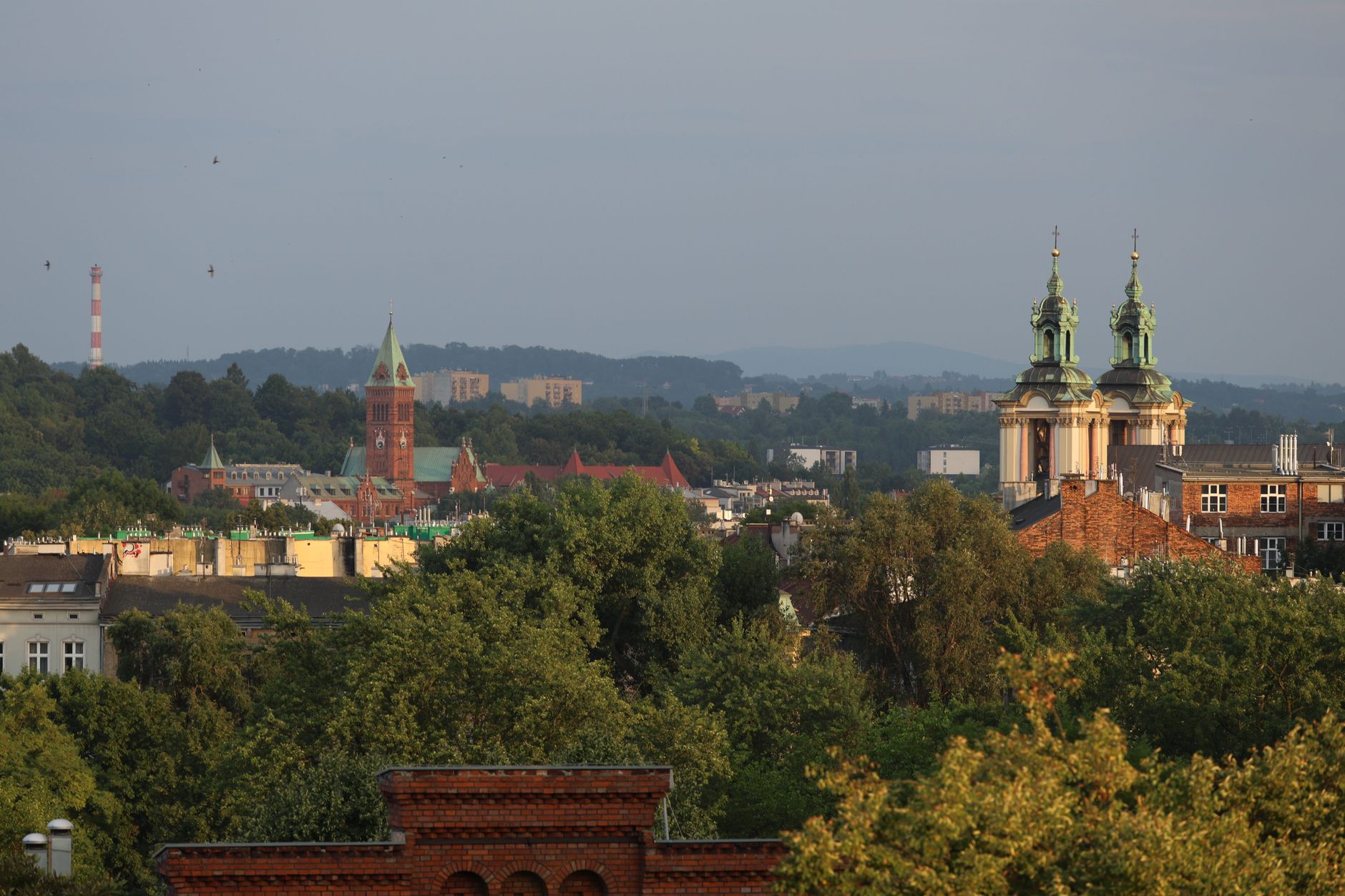
Leonardo da Vinci's "Lady with an Ermine" is more than just a painting; it's a testament to beauty, survival, and an epic journey. Housed in Krakow's Czartoryski Museum, this iconic portrait of Cecilia Gallerani captivates millions, yet its story of arrival in Poland and subsequent adventures is often overlooked.
The museum itself has a rich, complex history, including a significant closure from 2010 to 2019 for extensive renovation and ownership changes. This period saw the famous work temporarily relocate, adding another chapter to its already storied existence. To truly appreciate its tale, we must look beyond the main gallery walls and explore the lesser-known places that shaped its destiny and the broader cultural landscape of Poland.
1. The 'Temple of Memory'
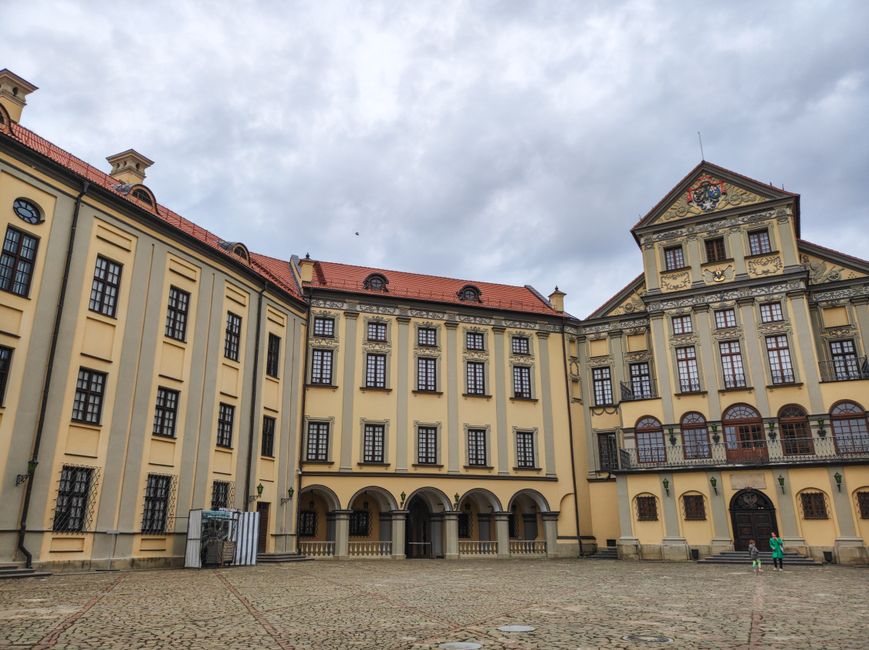
Czartoryski Palace, Puławy, Poland
The humble beginnings of a world-class art collection in a 'Temple of Memory.'
Princess Izabela Czartoryska founded the family's renowned collection in Puławy in 1801, initially envisioned as a 'Temple of Memory.' She gathered Polish and European artifacts, aiming to preserve national heritage during a turbulent era. It was here, in this meticulously curated space, that the seeds of the future Czartoryski Museum were sown, laying the groundwork for "Lady with an Ermine"'s eventual Polish home.
2. The Wartime Sanctuary
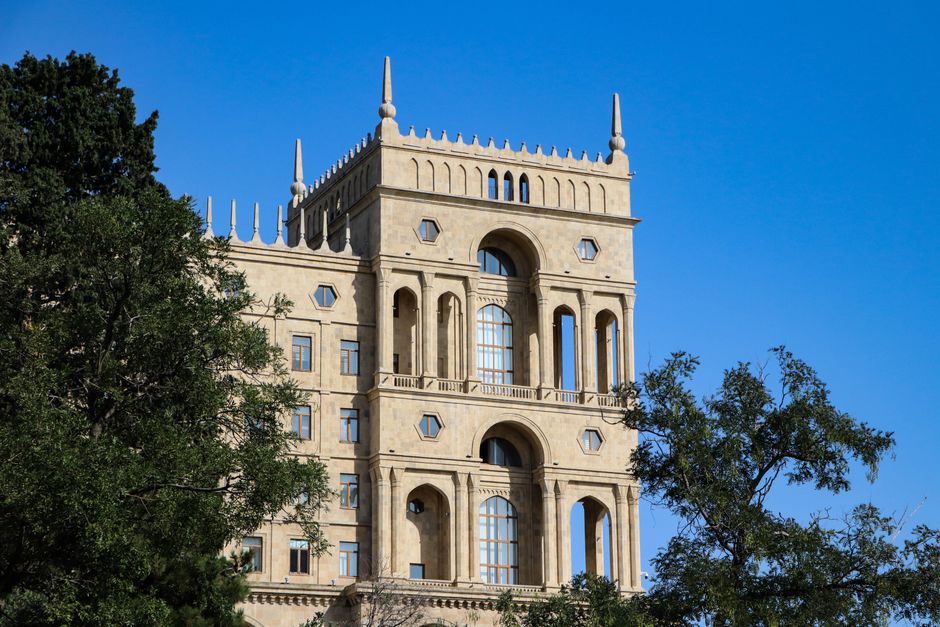
Sieniawa Palace, Poland
Where a priceless Leonardo masterpiece lay hidden from Nazi looters.
During the horrors of World War II, the "Lady with an Ermine" found refuge in the Czartoryski family's Sieniawa Palace. Tucked away from Krakow, it was secreted in a hidden chamber, narrowly escaping the clutches of Nazi art plunderers who specifically sought out masterpieces. This quiet country estate became a vital, temporary sanctuary, playing a crucial role in the painting's survival against overwhelming odds.

3. Beyond the Canvas: A Library of Ages
Czartoryski Library, Krakow, Poland
Not just art, but a vast archive of Europe's forgotten stories in rare manuscripts.
Integral to the Czartoryski Museum complex, the Czartoryski Library is often overshadowed by the art gallery, yet it houses an equally invaluable collection. With over 200,000 volumes, including priceless medieval manuscripts, incunabula, and historical documents, it represents the family's profound commitment to preserving written heritage. This intellectual treasure trove offers a deep dive into centuries of Polish and European history.
4. From Defense to Display
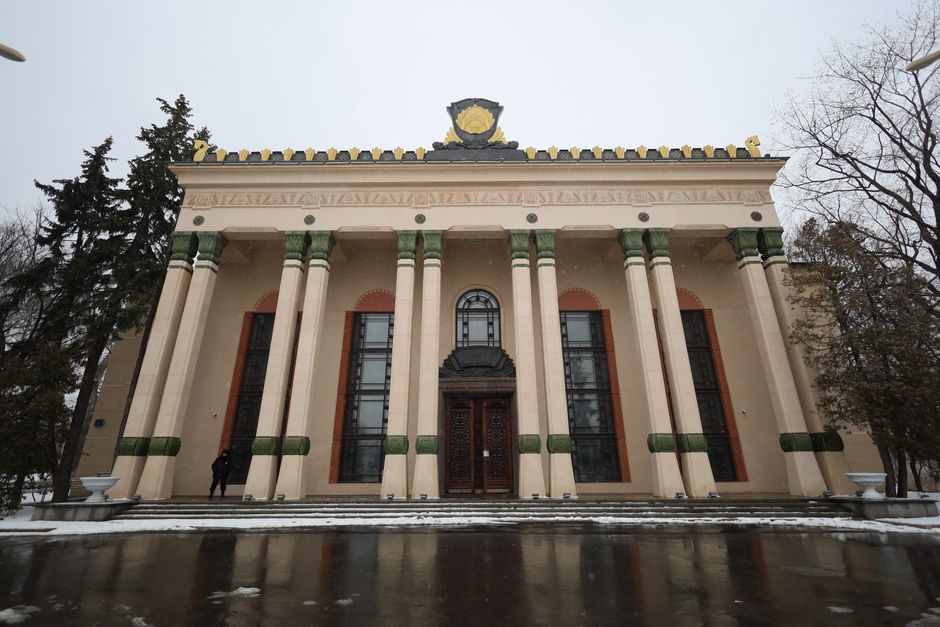
The Arsenal (Czartoryski Museum building), Krakow, Poland
This building once stored cannons, then became a sanctuary for art.
The main building of the Czartoryski Museum, located on Pijarska Street, has its own fascinating past. Originally constructed in the 16th century as the Krakow City Arsenal, it served as a storehouse for weapons and ammunition, a crucial part of the city's defenses. Later repurposed, it was transformed by the Czartoryski family into a grand exhibition space, demonstrating a remarkable shift from military might to artistic contemplation.
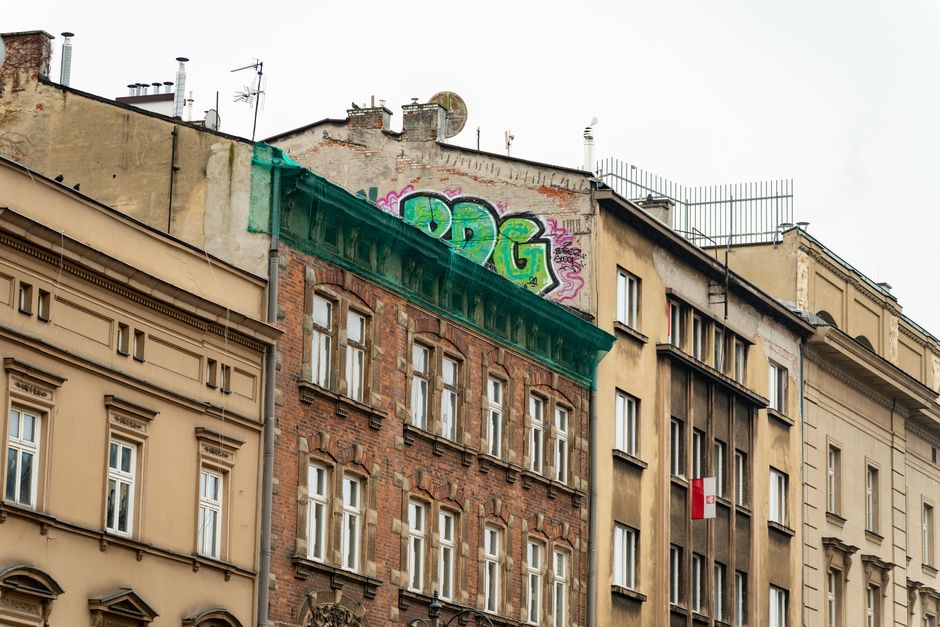
5. The Noble's Social Hub
Dom pod Baranami (House Under the Rams), Krakow, Poland
A famous cabaret venue that secretly holds centuries of aristocratic history.
Today renowned for its vibrant cabaret, Dom pod Baranami on Krakow's Main Market Square was once a prominent residence of the Czartoryski family. Its elegant interiors and grand facade belie a history stretching back to the 13th century, evolving through various aristocratic owners. Before becoming a cultural institution, it served as a significant social and political salon for the Czartoryskis, hosting gatherings that shaped Polish intellectual life.
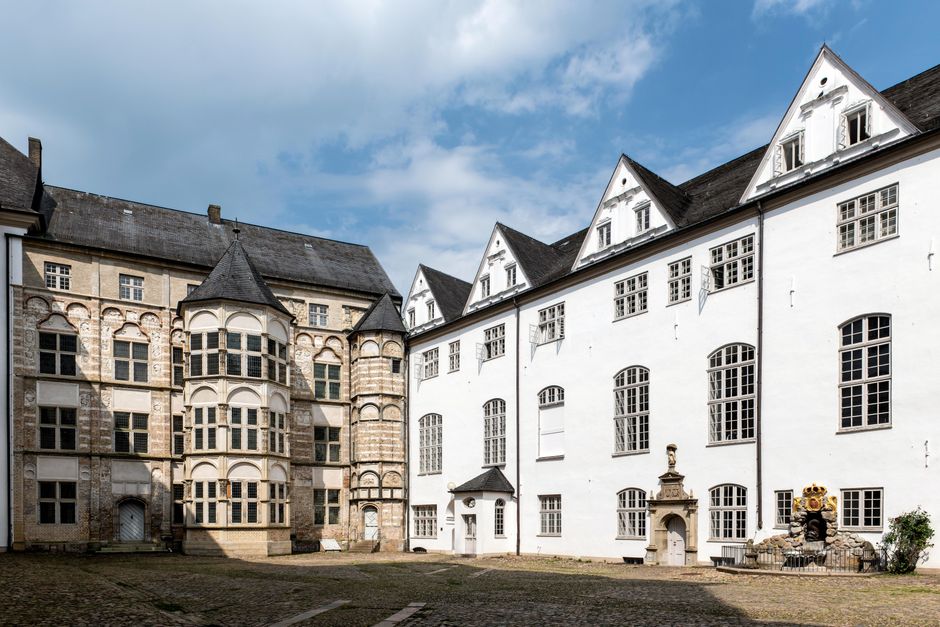
6. Cradle of Polish Enlightenment
Collegium Maius Courtyard, Jagiellonian University, Krakow, Poland
Step into the very courtyard where Copernicus once walked, a cradle of Polish enlightenment.
While not directly owned by the Czartoryskis, the Collegium Maius, the oldest building of Jagiellonian University, represents the intellectual and artistic fervor that the Czartoryski family supported. As patrons of learning, the family understood the importance of institutions like this, where figures like Copernicus once studied. Its stunning Gothic courtyard and ancient lecture halls embody Krakow's deep academic roots, a fertile ground for cultural endeavors.
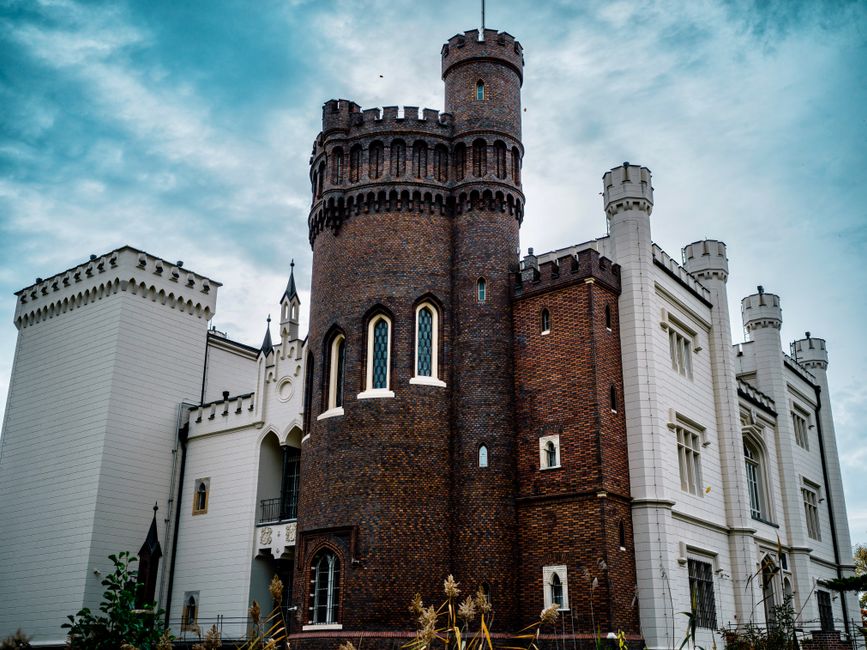
7. The Royal Hunting Ground
Niepołomice Castle, Poland
A hunting castle of Polish kings that now whispers tales of medieval grandeur.
Just outside Krakow lies Niepołomice Castle, a formidable Gothic castle often referred to as the "second Wawel." Built by King Casimir III the Great, it served as a royal residence and a base for hunting expeditions in the vast Niepołomice Forest. While not a Czartoryski property, its existence highlights the rich tradition of royal and aristocratic patronage in Poland, creating the cultural backdrop against which collections like the Czartoryskis' flourished.
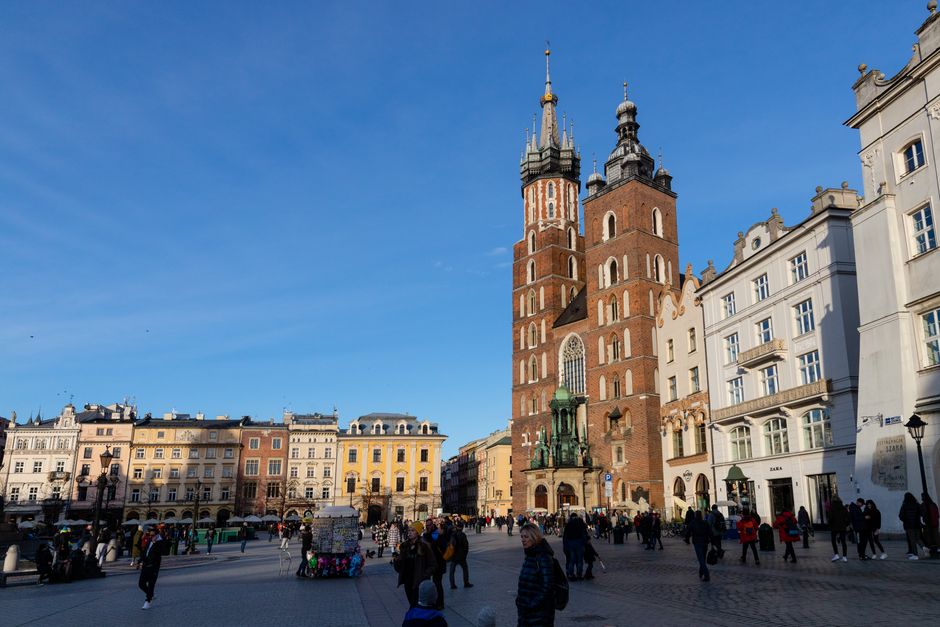
8. A Quiet Dominican Refuge
Church of St. Giles (Kościół św. Idziego), Krakow, Poland
A tiny Dominican church holding centuries of Krakow's quiet spiritual life.
Tucked away near Wawel Hill, the Church of St. Giles is a serene, often-overlooked Dominican church. Dating back to the 14th century, it has witnessed countless historical events and served as a spiritual haven for Krakow's inhabitants, including members of its nobility. Its modest facade hides a rich interior, offering a glimpse into the enduring faith and artistic expression that characterized Polish aristocratic life, complementing the grander collections.
Frequently asked questions
How did "Lady with an Ermine" end up in Poland?
The painting was acquired by Prince Adam Jerzy Czartoryski in Italy around 1800 for his mother, Princess Izabela Czartoryska. She brought it to Poland to be part of her 'Temple of Memory' collection in Puławy, establishing its Polish home long before the Czartoryski Museum in Krakow was formally established.
What happened to the Czartoryski Museum when it closed in 2010?
The Czartoryski Museum closed its main building in 2010 for extensive renovations and modernization, a process that took nearly nine years. During this period, the "Lady with an Ermine" was temporarily moved to Wawel Royal Castle and later the National Museum in Krakow, ensuring its public display and safety.
Is the "Lady with an Ermine" on permanent display now?
Yes, after the Czartoryski Museum reopened in December 2019 following its extensive renovation, "Lady with an Ermine" is now on permanent display in its dedicated room within the museum. The entire collection was also officially acquired by the Polish state in 2016.
How does the AllTours.ai app work for exploring these places?
AllTours.ai transforms your phone into an AI audio tour guide. Simply point your camera at any landmark or landscape mentioned in this article, or any other point of interest you discover, and the app will instantly narrate its history, geology, and cultural significance in your preferred language, offering a deeper understanding of your surroundings.
Photography via Pexels. AllTours.ai is an AI audio tour guide — point your camera at any landscape and hear its story.