July 6, 2026 · 4 min read
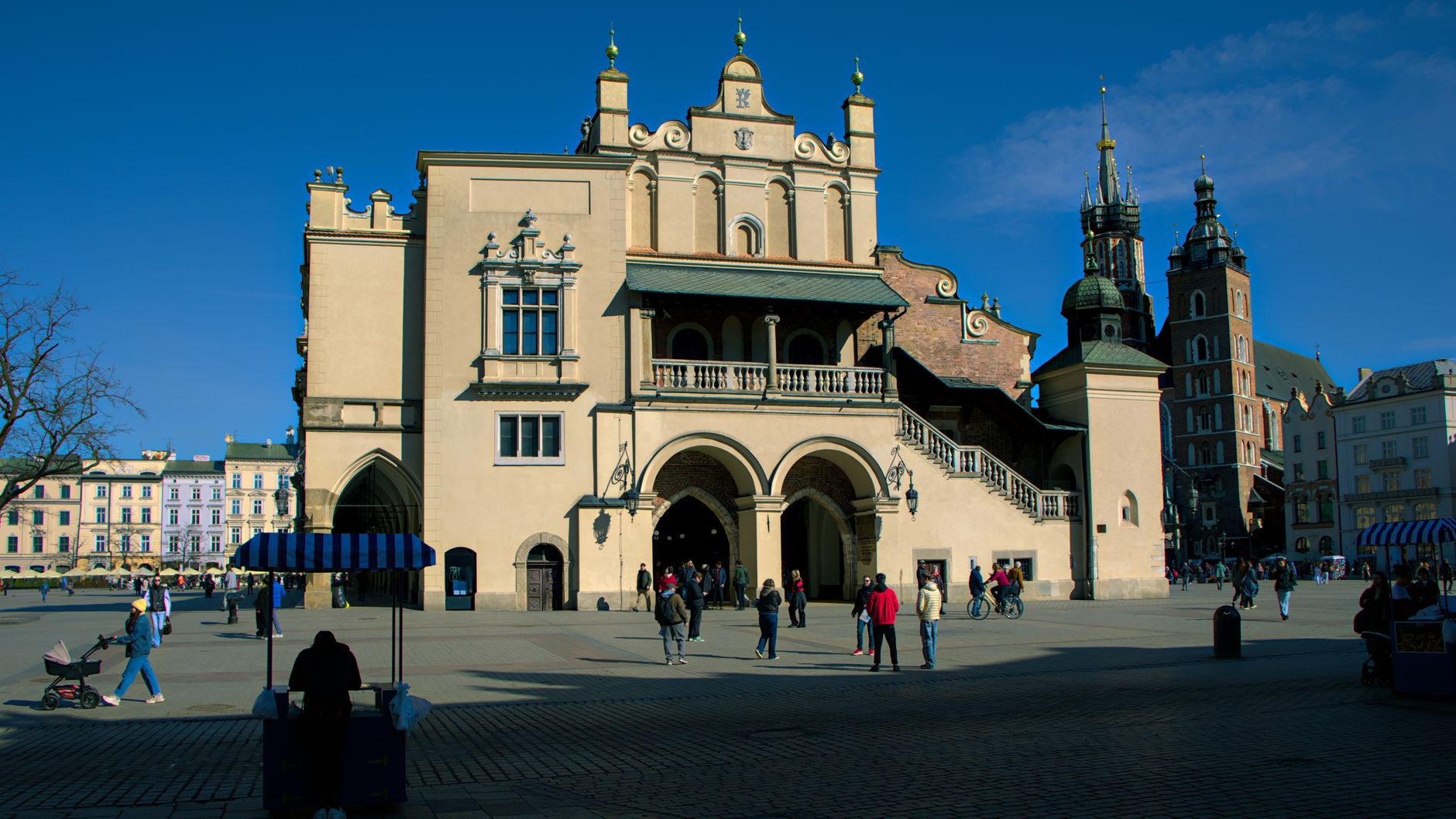
Krakow, a city steeped in centuries of history, is perhaps best known internationally as the home of Leonardo da Vinci's masterpiece, 'Lady with an Ermine.' Housed in the Czartoryski Museum, this iconic portrait has a dramatic journey of its own, mirroring the many layers of Polish history that unfold throughout the city.
But beyond the well-trodden path of the Czartoryski Museum, Krakow and its surroundings conceal countless other stories, places where history, geology, and culture intertwine in unexpected ways. From ancient pagan sites to defiant acts of faith, here are a few spots that offer a glimpse into the city's deeper, often untold narratives.
1. The Church Forged in Defiance
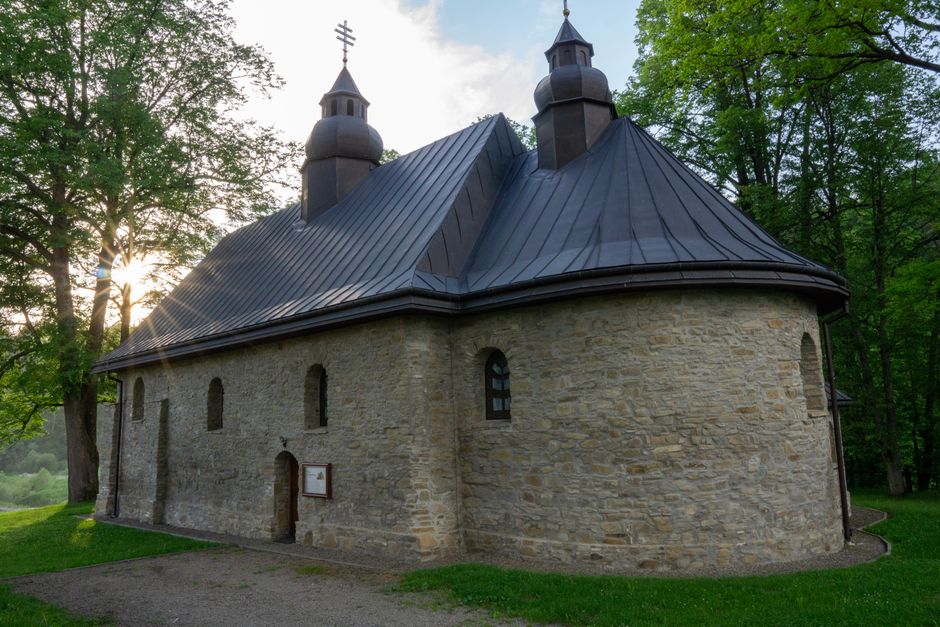
Arka Pana Church, Nowa Huta, Poland
This striking 'Ark of the Lord' church was built by the community, brick by brick, against the will of the communist regime.
In the socialist-realist district of Nowa Huta, conceived as an atheistic utopia, the Arka Pana Church stands as a monument to human spirit and faith. Construction began in 1967 without official permits, with locals gathering stones and materials, and even clashing with authorities. Its unique, ark-like architecture and interior, including a crucifix from Auschwitz, tell a powerful story of resistance and the fight for religious freedom during the communist era.
2. The Quarry of Shadows and Cinema
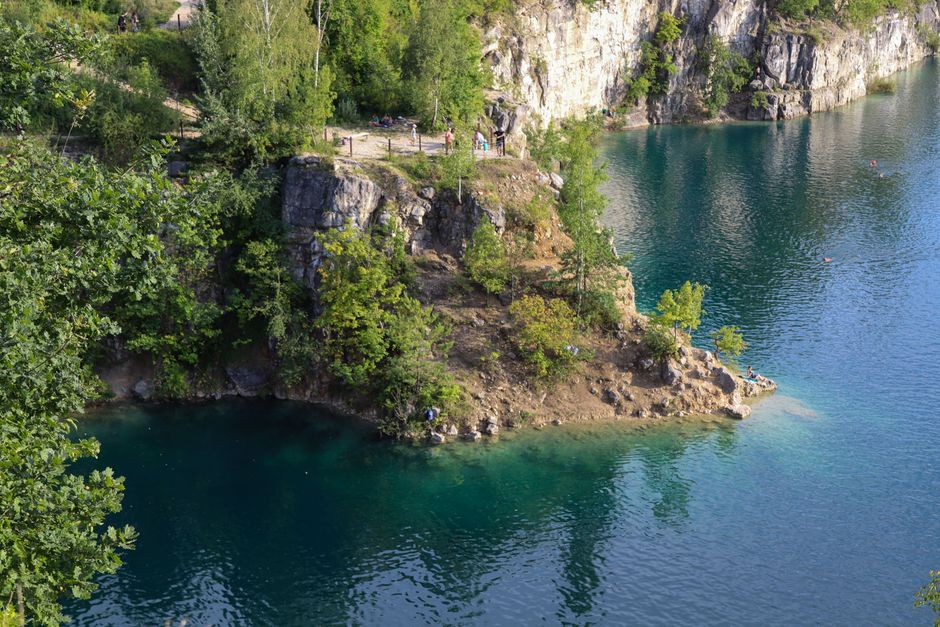
Liban Quarry, Podgórze, Krakow, Poland
An abandoned limestone quarry, once a Nazi forced labor camp, later served as a haunting film set for a cinematic masterpiece.
Hidden in the Krakow district of Podgórze, Liban Quarry is a stark, overgrown landscape with a dark past. During World War II, it was the site of the Plaszow concentration camp's sub-camp, where Jewish prisoners were forced to work. Decades later, its desolate beauty and historical weight made it the perfect, chilling backdrop for Steven Spielberg's 'Schindler's List,' with parts of the camp re-created here for filming. Today, its forgotten structures and railway tracks offer a somber, reflective experience.
3. Krakow's Ancient Pagan Heart
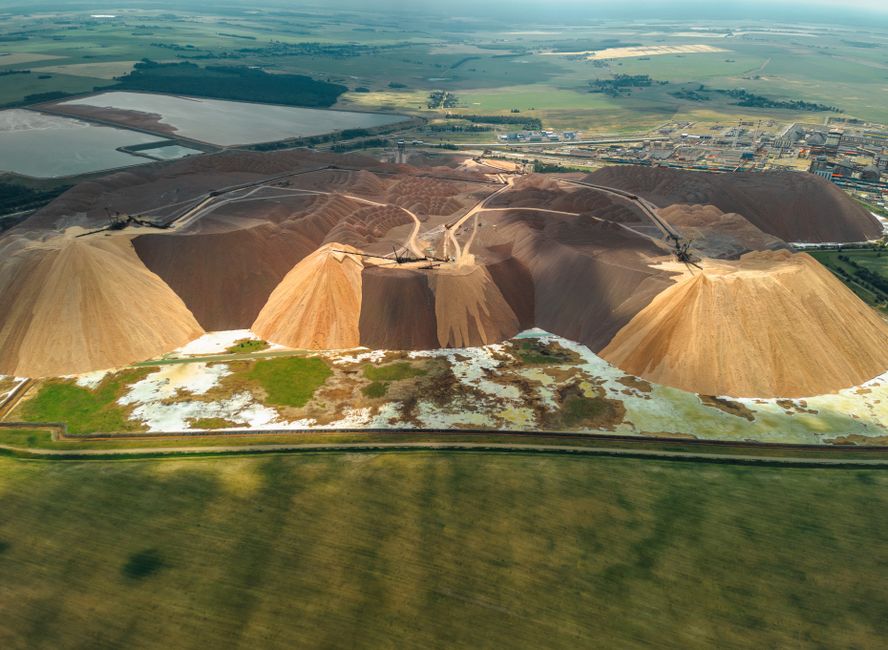
Krakus Mound, Podgórze, Krakow, Poland
This enigmatic prehistoric mound, linked to Krakow's legendary founder, hides ancient pagan rituals and offers sweeping city views.
Towering over the city, Krakus Mound is one of Krakow's two ancient burial mounds, shrouded in mystery and legend. It is traditionally believed to be the resting place of King Krakus, the mythical founder of Krakow who slew the Wawel Dragon. Archaeological excavations have revealed no burial chamber, suggesting it might have been a pre-Christian cult site or a solar calendar. Climbing its grassy slopes provides not just a connection to Krakow's deepest past, but also unparalleled panoramic views of the city skyline.
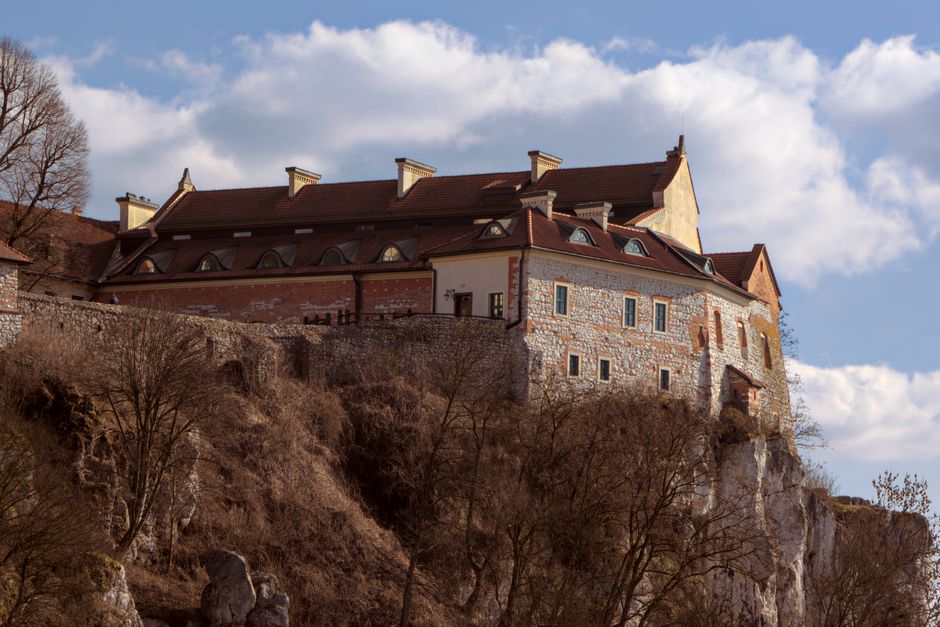
4. A Cliffside Benedictine Stronghold
Tyniec Benedictine Abbey, Tyniec, Poland
Perched dramatically on a limestone cliff above the Vistula River, this is Poland's oldest active monastery, with a history of sieges and scholarly pursuits.
Just a short journey from Krakow, the Benedictine Abbey in Tyniec commands a breathtaking position on a rocky promontory. Founded in 1044, it has witnessed centuries of Polish history, serving as a strategic defensive point, suffering numerous destructions, and being rebuilt each time. Beyond its imposing architecture, the abbey has been a center of learning and spiritual life for nearly a millennium. Visitors can explore its ancient courtyards, Romanesque church, and enjoy serene views of the Vistula river valley.
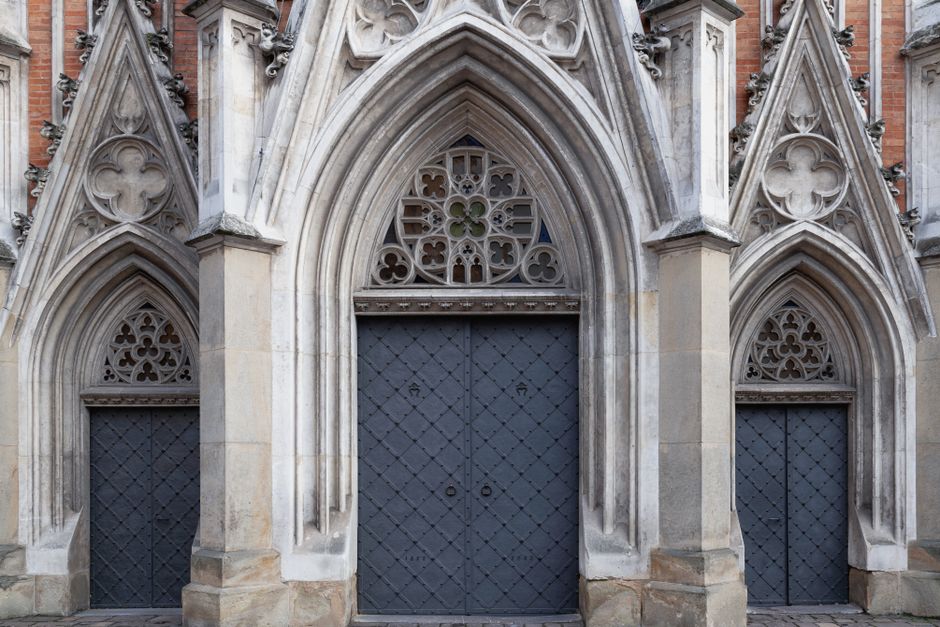
5. The Neo-Gothic Gem of Podgórze
St. Joseph's Church, Podgórze, Krakow, Poland
This stunning neo-Gothic church, often overlooked by tourists, boasts intricate details and a soaring spire that dominates the Podgórze skyline.
While Krakow's Old Town is filled with famous churches, St. Joseph's Church in the Podgórze district offers an equally impressive, though less crowded, experience. Completed in 1909, its elaborate neo-Gothic facade, with its numerous turrets, gargoyles, and a towering spire, is a masterpiece of architectural craftsmanship. Inside, the vibrant stained glass and altars tell stories that resonate with the local community's history and devotion, offering a glimpse into a different side of Krakow's religious heritage.
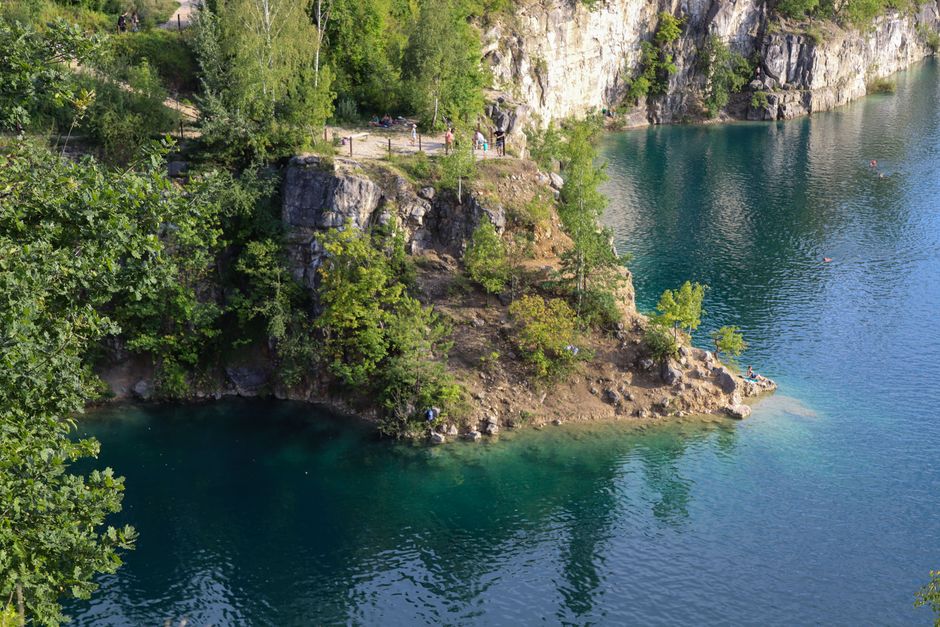
6. Krakow's Underwater Limestone World
Zakrzówek Lagoon, Krakow, Poland
A former limestone quarry transformed into a stunning emerald lagoon, revealing an unexpected geological and recreational wonderland.
South of Krakow's city center lies Zakrzówek Lagoon, a vibrant testament to nature reclaiming an industrial past. Once an active quarry, it was flooded in the 1990s, creating two deep, clear lakes surrounded by dramatic limestone cliffs. Popular for swimming and diving, its underwater landscape includes submerged trees and even remnants of the quarry's past, creating an unusual diving park. It offers a unique blend of geological history and natural beauty, a surprising escape within the city limits.
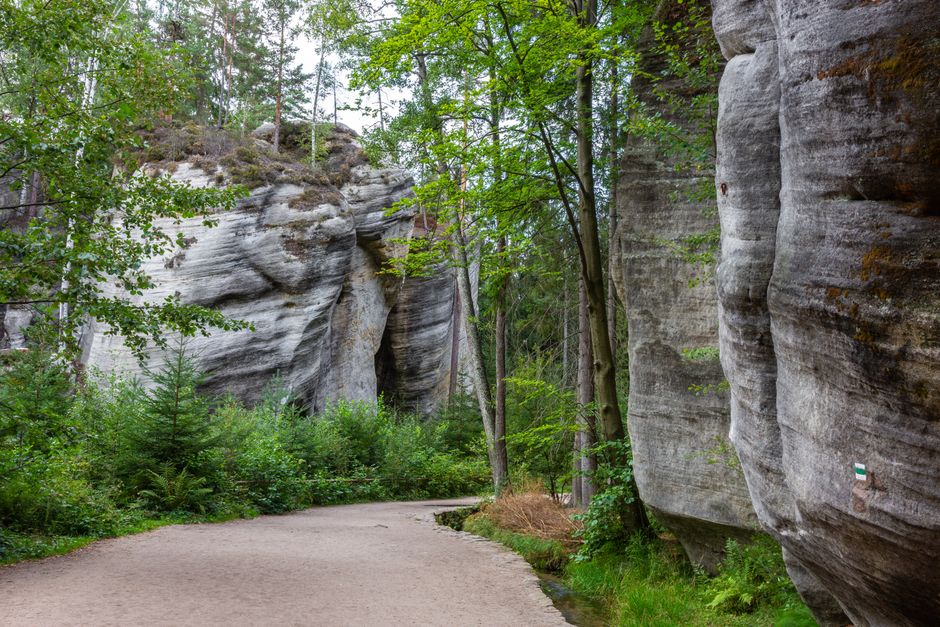
7. The Gate and the Club of Hercules
Ojcowski National Park (Brama Krakowska), Ojców, Poland
Just outside Krakow, this national park harbors dramatic limestone formations, including a natural 'gate' and a solitary 'club' of rock, steeped in local folklore.
A short drive north of Krakow, Ojcowski National Park is a geological marvel, famous for its picturesque valleys, caves, and unique rock formations. Among the most iconic are the 'Krakow Gate' (Brama Krakowska), two towering limestone pillars guarding a narrow passage, and 'Hercules' Club' (Maczuga Herkulesa), a solitary, mushroom-shaped rock column. These formations, sculpted by millennia of erosion, not only showcase stunning natural artistry but also inspire local legends of mythical heroes and ancient powers.
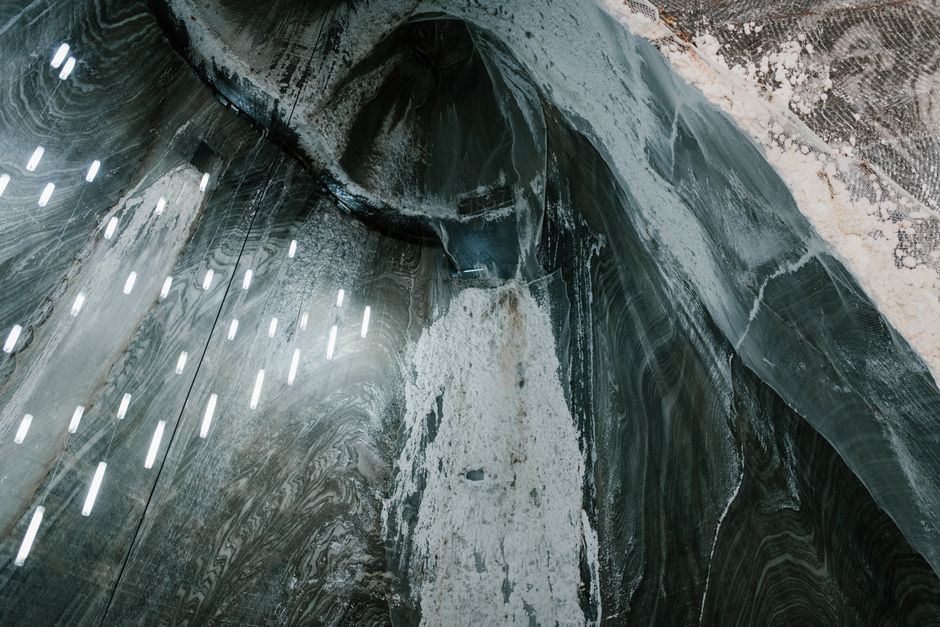
8. The Miner's Secret Barbershop
Wieliczka Salt Mine (Kaplica Fryzjerów), Wieliczka, Poland
Deep within the famous Wieliczka Salt Mine lies a tiny, hidden chapel carved by miners, dedicated to their barber, revealing a unique slice of daily life underground.
While the main tourist route of the Wieliczka Salt Mine is grand, some of its most poignant stories lie in lesser-known chambers. The 'Barbershop Chapel' (Kaplica Fryzjerów) is a small, intimate space carved by miners, not for grand religious ceremonies, but as a tribute to their community barber. This tiny chapel, complete with a salt-carved barber's chair and tools, offers a unique glimpse into the everyday lives, humor, and camaraderie of the men who spent their lives extracting salt, far from the light of day.
Frequently asked questions
How did the Czartoryski Museum in Krakow acquire "Lady with an Ermine," and what happened during its closure?
Leonardo da Vinci's 'Lady with an Ermine' was acquired by Prince Adam Jerzy Czartoryski around 1800, intended as a gift for his mother, Princess Izabela Czartoryska. The painting has endured numerous perils, including being looted by Nazis during WWII and later recovered. The Czartoryski Museum closed for extensive renovation in 2010, during which the painting was temporarily displayed at Wawel Castle and then at the National Museum in Krakow. The museum, along with the entire Czartoryski collection, was purchased by the Polish state in 2016, and the painting returned to its fully renovated home in 2019, where it now stands as a testament to its dramatic past.
Are these lesser-known spots easily accessible from Krakow city center?
Most of these locations are within a reasonable distance from Krakow city center. Some, like Krakus Mound and St. Joseph's Church, are within the Podgórze district and can be reached by public transport or a longer walk. Others, such as Tyniec Abbey and Ojcowski National Park, are best accessed by bus or car for a short day trip.
What is the best time of year to visit Krakow and these sites?
Spring (April-May) and early autumn (September-October) offer pleasant weather for exploring, with fewer crowds than the peak summer months. Winter can be magical, especially around Christmas, but some outdoor sites might be less accessible or enjoyable due to colder temperatures and snow.
How can I discover more hidden stories like these when I travel?
Many places hold layers of history, geology, and culture waiting to be uncovered. The AllTours.ai app helps you do just that: simply point your phone camera at any landscape, landmark, or even a local curiosity, and the app will narrate its fascinating story in your preferred language, revealing details you might otherwise miss.
Self-guided audio tours
Walk these places stop by stop — free five-stop story tours you can take at your own pace:
Photography via Pexels. AllTours.ai is an AI audio tour guide — point your camera at any landscape and hear its story.