July 6, 2026 · 4 min read
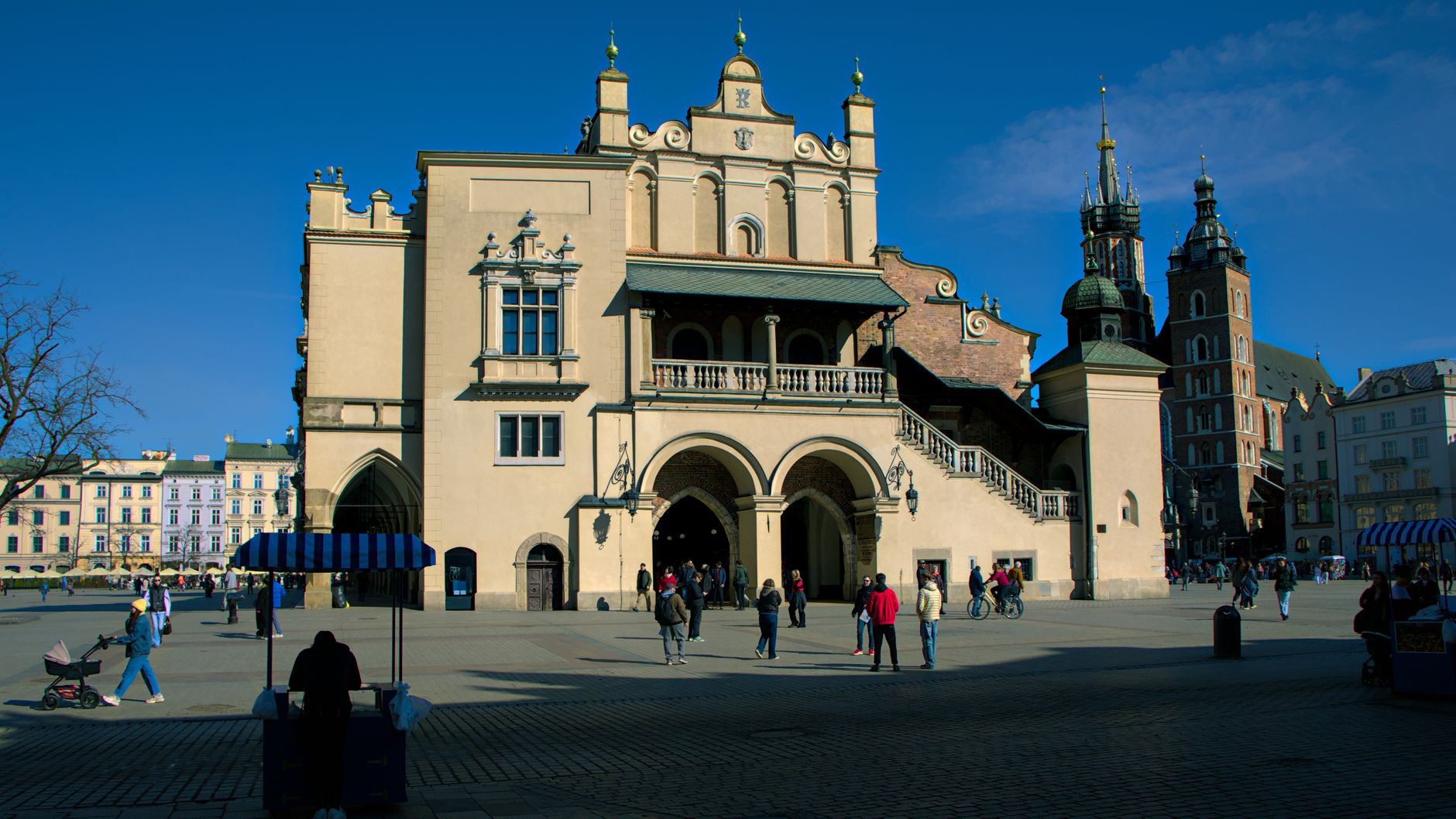
Leonardo da Vinci's 'Lady with an Ermine' is one of the world's most captivating portraits, yet its journey to its current home in Krakow is as compelling as the painting itself. From aristocratic collections to daring wartime escapes, this masterpiece has a history of resilience. But how exactly did it land in the Czartoryski Museum, and what became of the museum when it closed its doors for a decade of renovations in 2010?
Beyond the well-trodden paths of Krakow, Poland is dotted with places that tell similar stories of preservation, hidden treasures, and surprising survival. These are the unsung corners where history, art, and human ingenuity converge, each with a unique narrative that echoes the 'Lady with an Ermine's' remarkable odyssey.
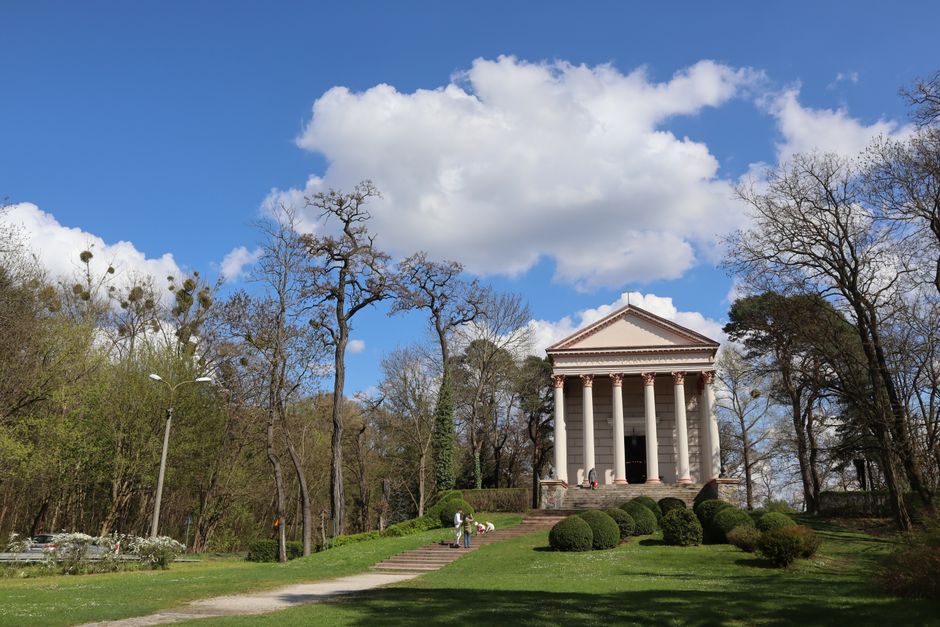
1. The Cradle of a Collection: Sibyl's Temple
Puławy, Poland
This unassuming classical temple was the very first public museum in Poland, founded to safeguard national treasures.
In 1801, Princess Izabela Czartoryska established the Temple of the Sibyl on her estate in Puławy, conceived as a 'Temple of Memory.' Her goal was to preserve Polish cultural heritage during a time of national partition. This is where the Czartoryski collection, including many items that would later grace the Krakow museum, first found a home, acting as a beacon of national identity.
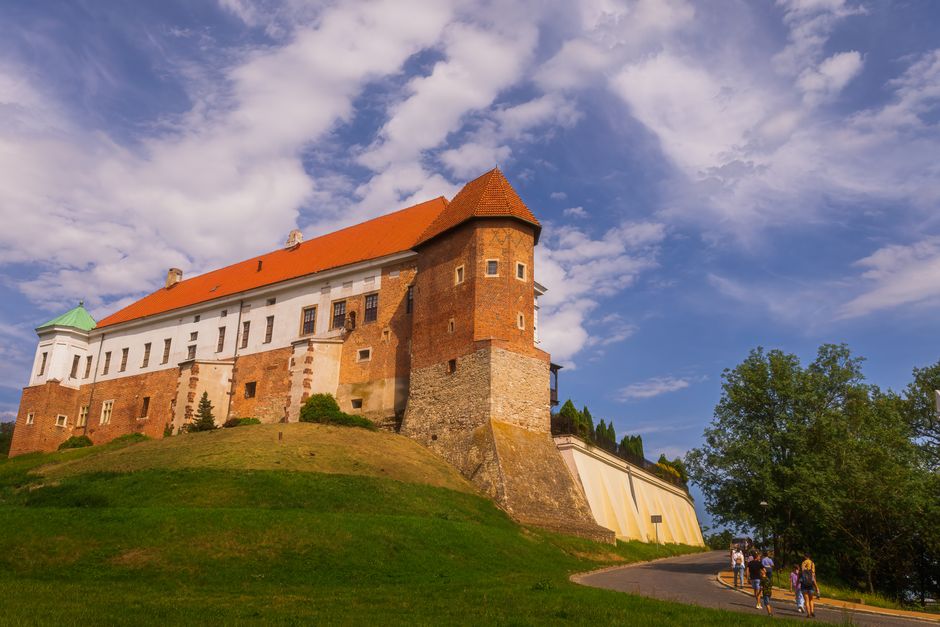
2. Underground Labyrinths of Sandomierz
Sandomierz, Poland
Beneath this charming medieval town lies a vast network of cellars, once used to hide valuables from invaders.
The Underground Tourist Route in Sandomierz winds through ancient sandstone cellars and tunnels, some dating back to the 13th century. Merchants used these cool, dry spaces to store goods, but during countless invasions and wars, they became crucial hiding places for families and their most precious possessions, echoing the need to conceal masterpieces like 'Lady with an Ermine.'
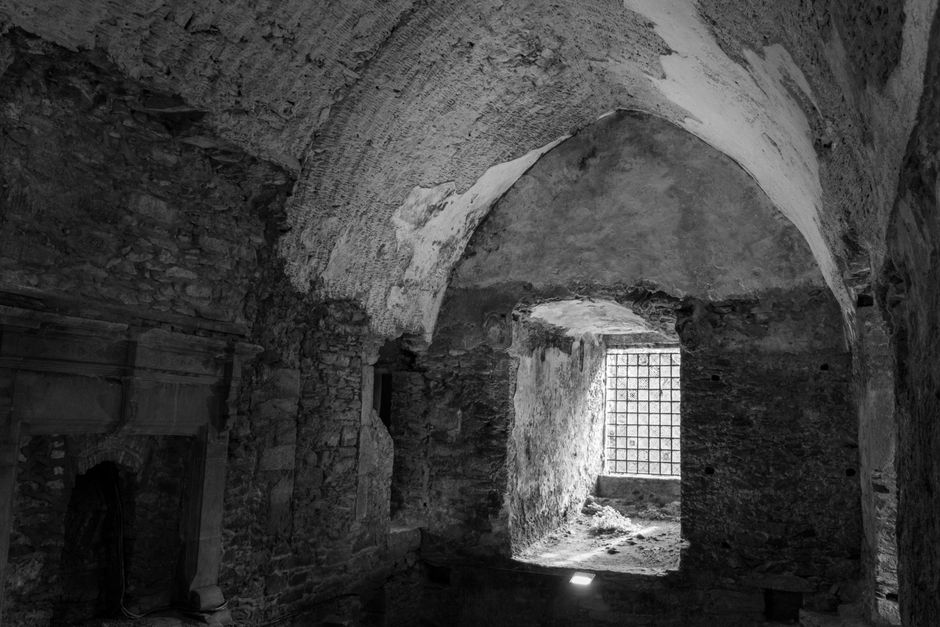
3. Łańcut Castle's Wartime Bargain
Łańcut, Poland
This opulent castle, full of priceless art, was saved from Soviet destruction by a daring negotiation during WWII.
As the Red Army advanced in 1944, the last owner of Łańcut Castle, Alfred Potocki, made a remarkable agreement. He allowed Soviet officers to stay in the castle, providing them with luxury and hospitality, in exchange for protecting its extensive art collection from looting and destruction. This bold move ensured the preservation of one of Poland's most magnificent aristocratic residences and its treasures.
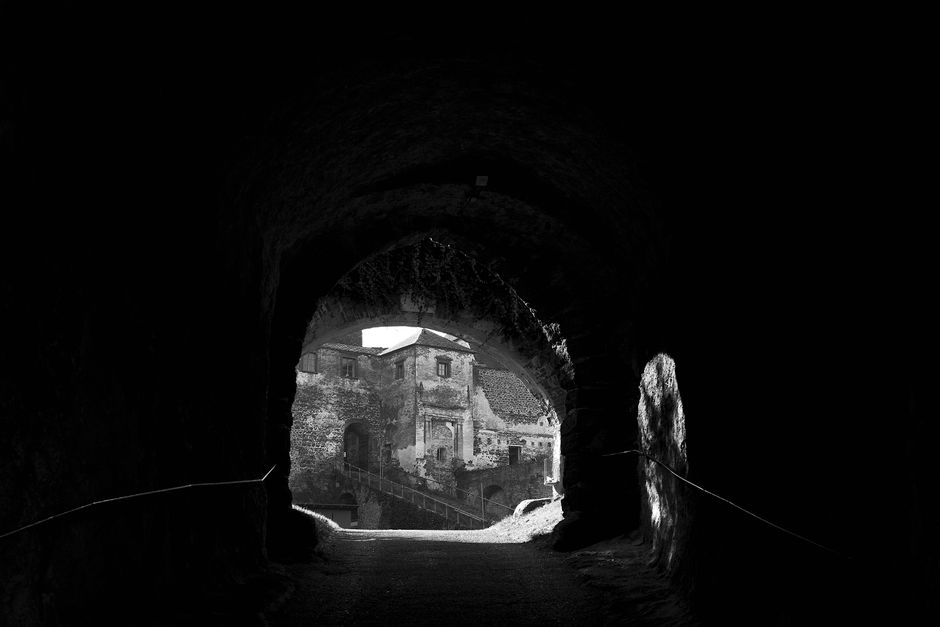
4. Książ Castle's Enigmatic Tunnels
Wałbrzych, Poland
Beneath this fairytale castle, the Nazis built a colossal secret complex, rumored to hide looted treasures.
During World War II, the Organization Todt began constructing an extensive underground network beneath Książ Castle, intended as a secret headquarters for Hitler. While its exact purpose and contents remain shrouded in mystery, persistent legends suggest these tunnels were also used to store looted art, gold, and other valuables, a chilling echo of the 'Lady with an Ermine's' own wartime concealment.
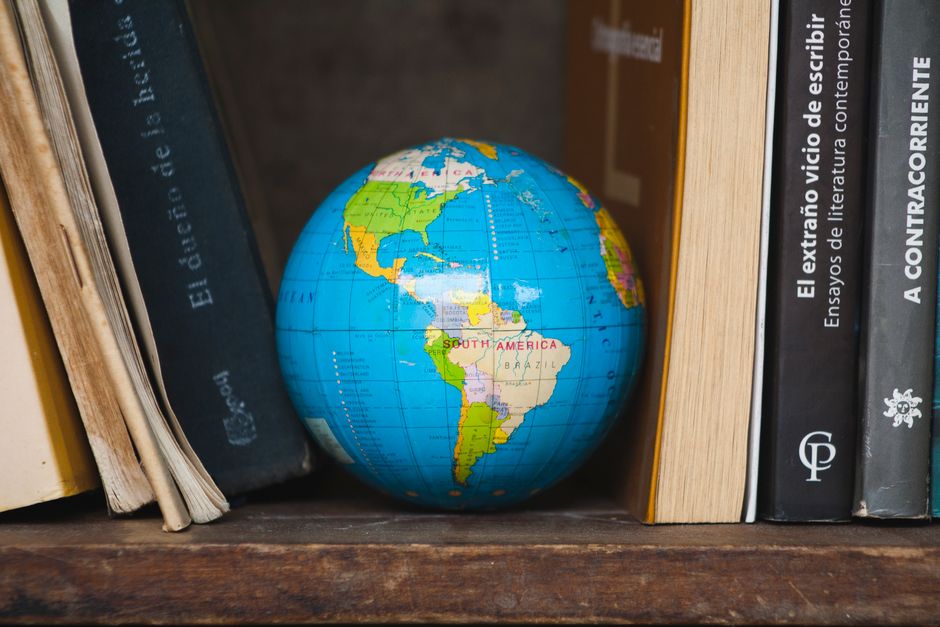
5. The Jagiellonian Globe's Hidden Journey
Collegium Maius, Krakow, Poland
Within Krakow's oldest university building lies a globe that depicted America before Columbus's death, often hidden from invaders.
The Collegium Maius, the oldest building of the Jagiellonian University, houses the priceless Jagiellonian Globe, created around 1510. It is one of the first globes to show the American continent before its 'official' discovery was widely known. Throughout centuries of conflict, this incredibly rare artifact, along with other university treasures, was meticulously hidden to protect it from destruction or theft, much like masterpieces in private collections.
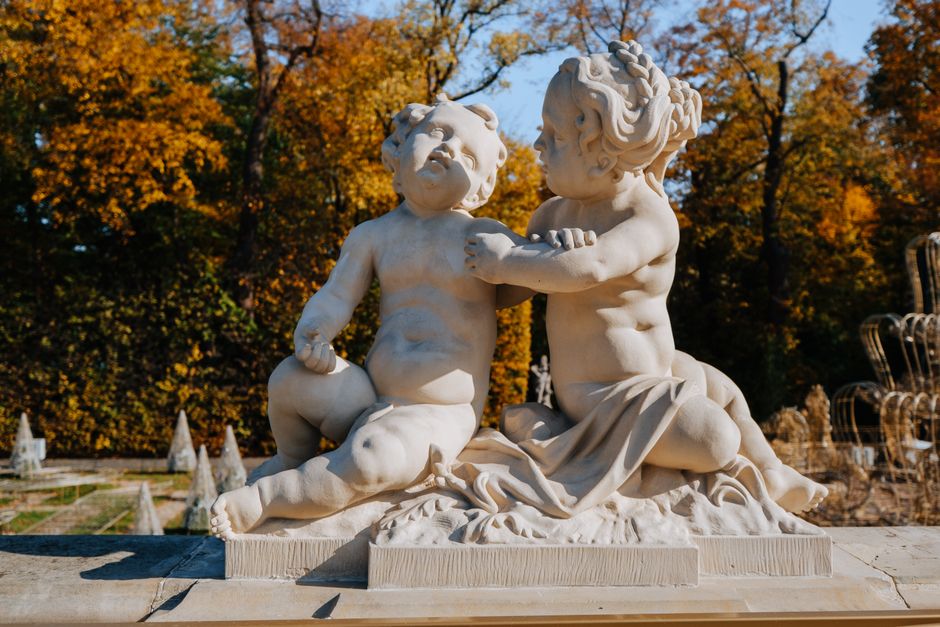
6. Wilanów Palace's Vigilant Protectors
Warsaw, Poland
This Baroque royal residence, unlike most of Warsaw, largely survived WWII intact thanks to the devotion of its staff.
Wilanów Palace, the summer residence of King John III Sobieski, stands as one of Warsaw's few historic buildings to escape complete devastation during World War II. Its survival is largely attributed to the extraordinary efforts of its museum staff and local residents, who painstakingly packed away and hid its vast collections, including furniture, paintings, and sculptures, ensuring their return after the war. This mirrors the meticulous care taken to protect individual works like 'Lady with an Ermine.'
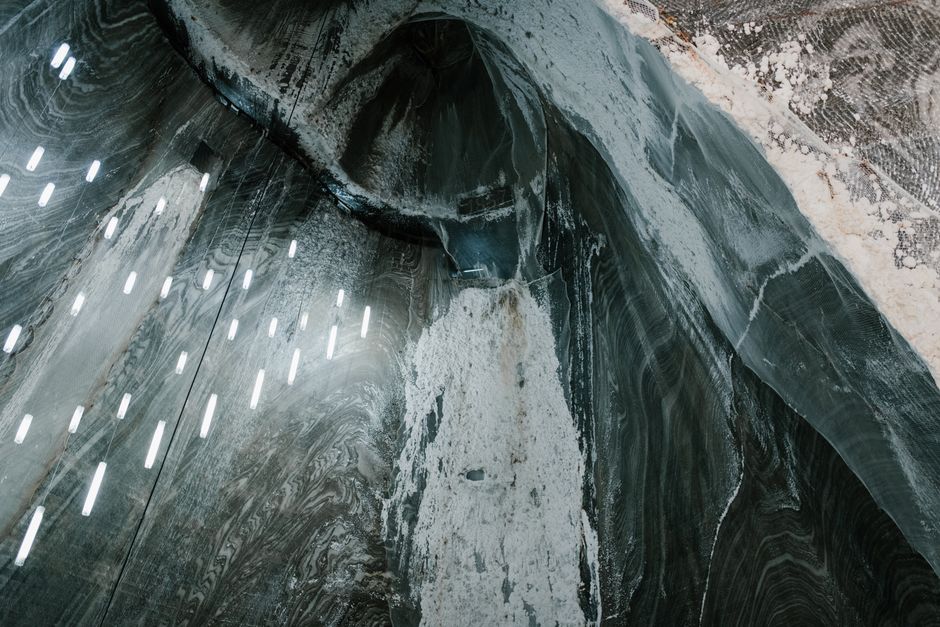
7. The Salt Cathedral's Enduring Art
Wieliczka Salt Mine, Poland
Deep underground, a breathtaking chapel carved entirely from salt has preserved its unique artistry for centuries.
While famous, the Chapel of St. Kinga within the Wieliczka Salt Mine offers a unique perspective on art preservation. Carved by miners over decades, every detail — from altarpieces to chandeliers — is made of salt. Its subterranean location naturally protected it from the ravages of war and time, allowing its intricate, ephemeral beauty to endure for hundreds of years, a testament to art's resilience in the most unexpected 'vaults.'
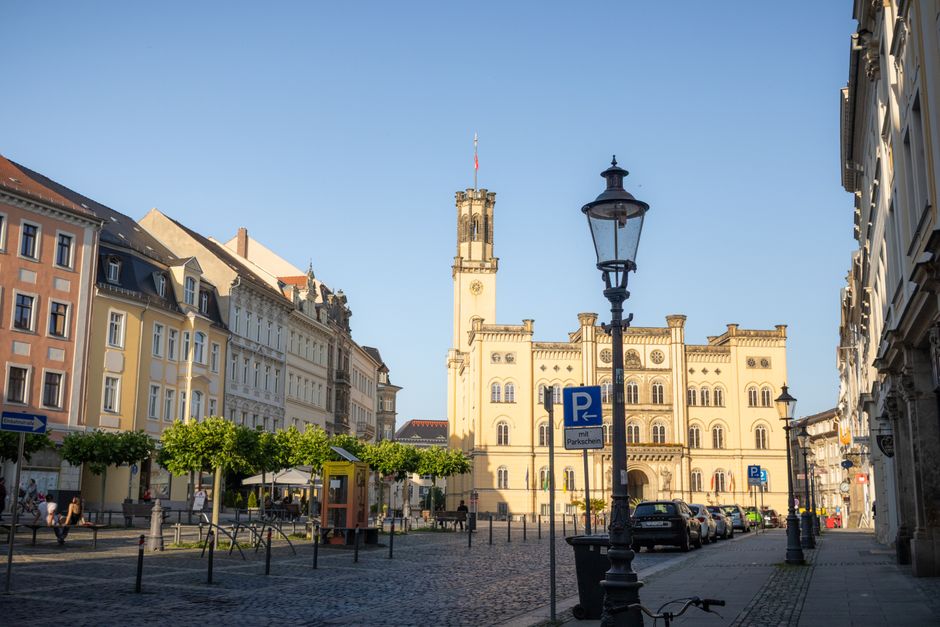
8. Zamość's Renaissance Resilience
Zamość, Poland
Known as the 'Pearl of the Renaissance,' this entire city was designed as an impregnable fortress, preserving its unique architecture.
Zamość is a perfectly preserved example of a late 16th-century Renaissance town, designed by Italian architect Bernardo Morando. Its sophisticated fortifications, including an arsenal and bastions, allowed it to withstand numerous sieges throughout its history, notably during the Deluge. This strategic design protected not just its inhabitants, but the very fabric of its unique, 'ideal city' architecture, showcasing how entire urban landscapes can be preserved against the odds.
Frequently asked questions
Where is the Czartoryski Museum located and what is its most famous painting?
The Czartoryski Museum is located in Krakow, Poland, within the historic Czartoryski Palace. Its most famous and invaluable possession is Leonardo da Vinci's 'Lady with an Ermine,' one of only four female portraits painted by the master.
How did 'Lady with an Ermine' end up in Poland?
The painting was acquired by Prince Adam Jerzy Czartoryski in Italy around 1800 for his mother, Princess Izabela Czartoryska, who founded the family's art collection. It has remained with the Czartoryski family collection, enduring numerous historical upheavals, until its permanent placement in the museum.
What happened when the Czartoryski Museum closed in 2010?
The Czartoryski Museum closed in 2010 for extensive renovations and a complex transfer of ownership from the Czartoryski Princes Foundation to the Polish State. During this decade-long closure, 'Lady with an Ermine' was temporarily exhibited at the Wawel Royal Castle and then the National Museum in Krakow, before returning to the newly reopened Czartoryski Museum in 2019.
How can AllTours.ai help me discover more about these places?
AllTours.ai is an AI audio tour guide app designed to enrich your travels. Simply point your phone camera at any landmark, landscape, or even a subtle architectural detail, and the app will instantly narrate its history, geology, and cultural significance in your preferred language, revealing the stories behind the sights.
Self-guided audio tours
Walk these places stop by stop — free five-stop story tours you can take at your own pace:
Photography via Pexels. AllTours.ai is an AI audio tour guide — point your camera at any landscape and hear its story.