July 18, 2026 · 4 min read
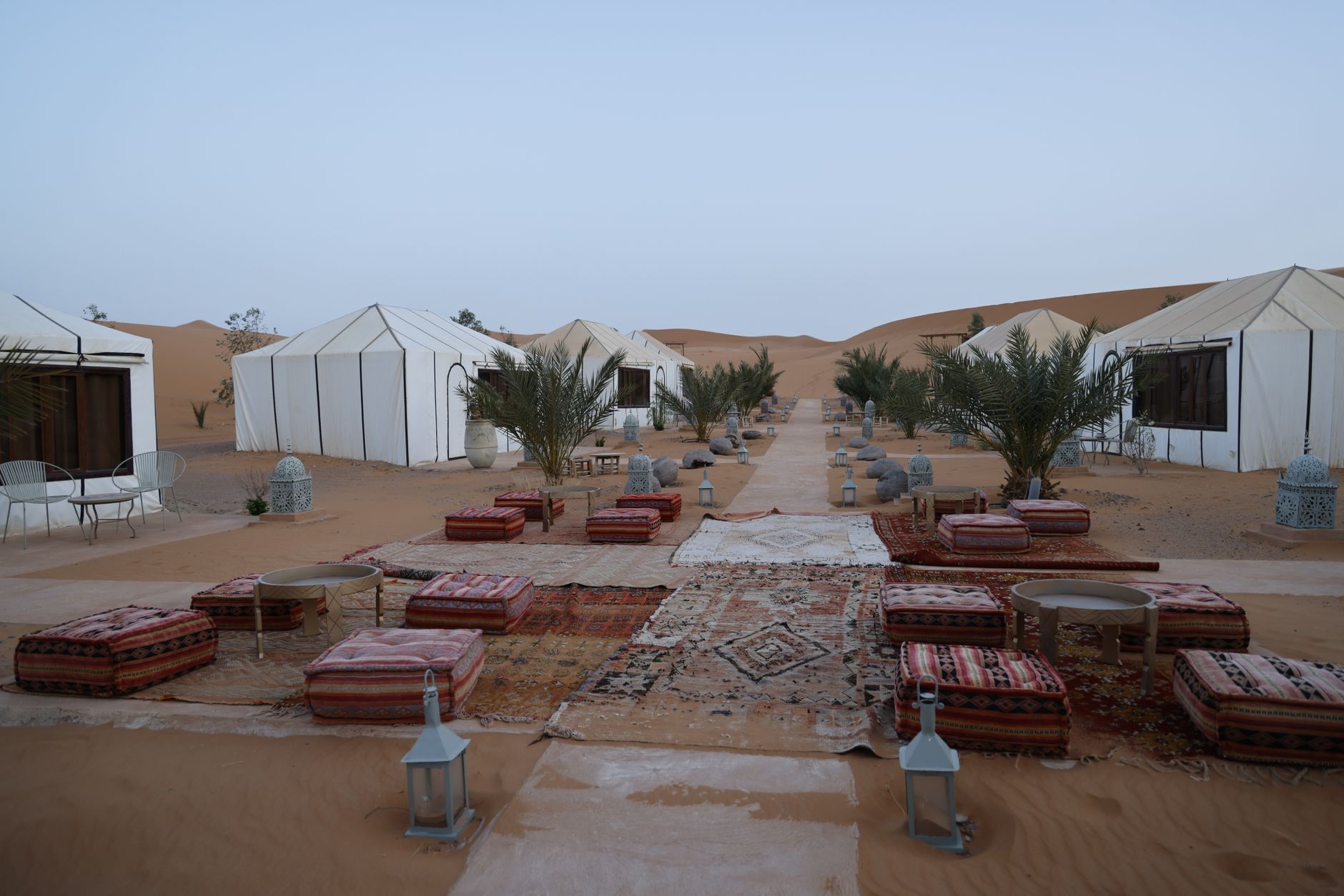
The desert is more than just sand and sun; it's a living archive of human ingenuity, resilience, and deep connection to the land. For centuries, Bedouin traditions have been the bedrock of survival and community in these harsh yet beautiful environments. Their profound understanding of the desert's rhythms, resources, and hidden pathways offers invaluable lessons for modern exploration.
When we design tours for international visitors, we don't just point to landmarks; we aim to weave in the timeless wisdom of Bedouin life. This means seeking out places where their influence is palpable, often in lesser-known spots that tell powerful stories of adaptation, sustainability, and cultural heritage, far beyond the typical tourist trails.
1. The Monastic Protectors
St. Catherine's Monastery, Sinai, Egypt
For centuries, a Bedouin tribe has held a unique covenant to protect one of Christianity's holiest sites.
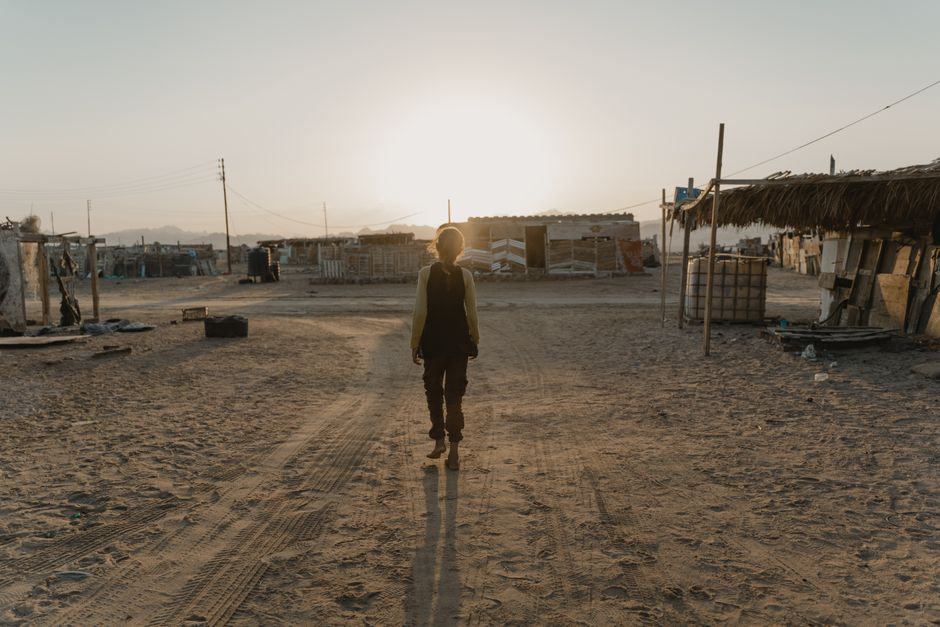
The Gabalaya Bedouin, descendants of Byzantine workers, have served as guardians of St. Catherine's Monastery since the 6th century. Their deep knowledge of the harsh Sinai desert, crucial for guiding pilgrims and ensuring security, exemplifies how traditional desert survival skills translate into unparalleled local expertise. This historical bond fosters profound respect for cultural heritage and sustainable interaction with fragile environments, a core lesson for modern tourism.
2. Desert's Ancient Library
Jabal Ikmah, AlUla, Saudi Arabia
Thousands of inscriptions carved into rock faces reveal millennia of desert communication and trade.
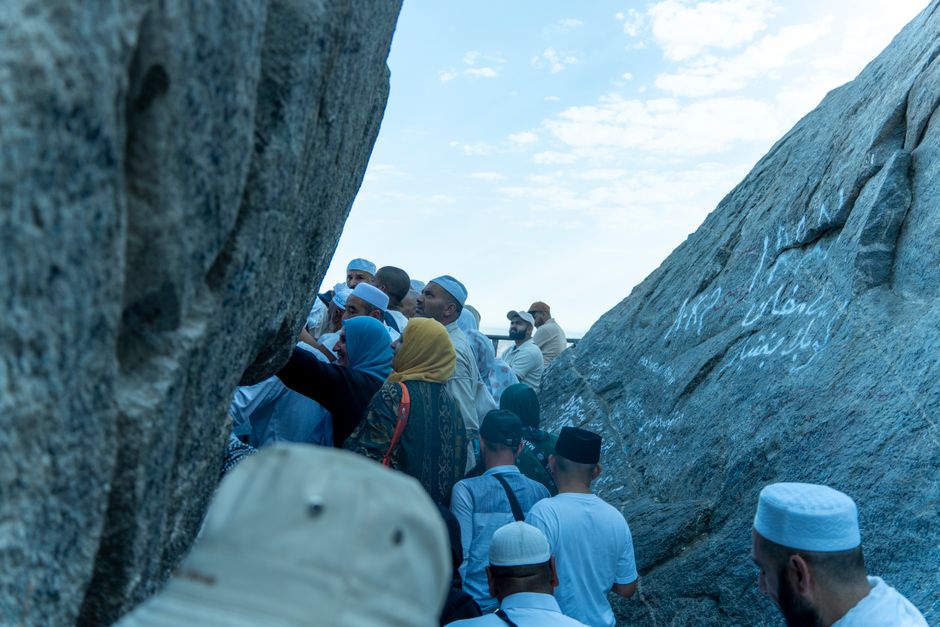
Jabal Ikmah is often called an "open-air library," featuring one of the largest concentrations of ancient rock inscriptions in Saudi Arabia. Dating back thousands of years, these writings – in various scripts like Dadanitic and Lihyanitic – record offerings, laws, and everyday life from the desert communities who once traversed these routes. Modern tours drawing from this Bedouin-like tradition emphasize slow exploration and the profound human history etched into the landscape, far beyond fleeting landmarks.
3. Valley of Ancient Whales
Wadi Al-Hitan, Fayoum, Egypt
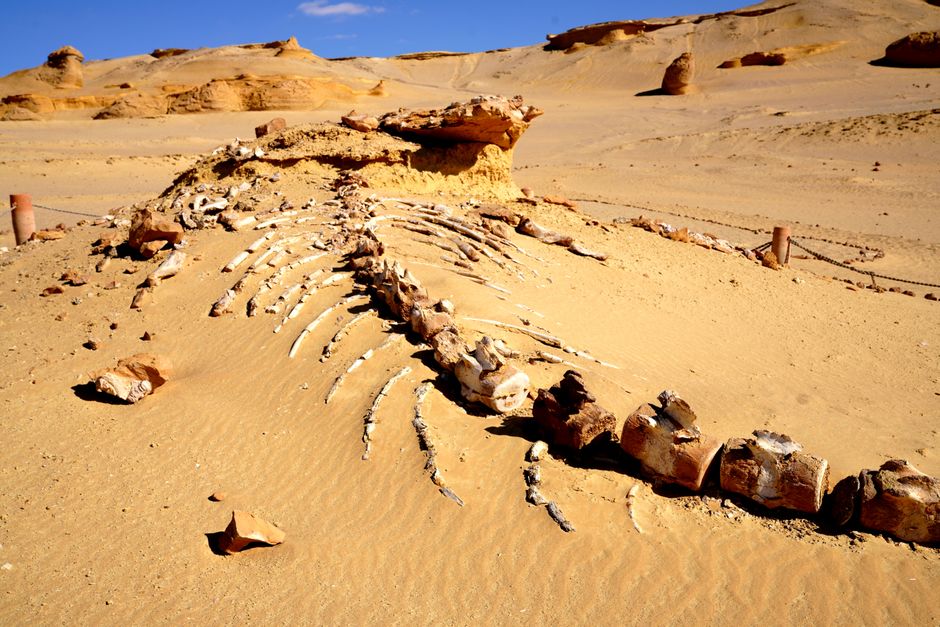
Deep in the Egyptian desert lies a surreal valley where fossilized whales emerge from the sand.
Wadi Al-Hitan, a UNESCO World Heritage site, is a testament to Earth's dramatic geological shifts, revealing complete skeletons of archaeoceti – extinct whales that once swam in an ancient ocean that covered this area. For Bedouin, such landscapes are places of profound wonder and often form the basis of oral histories and myths about the desert's mysteries. Modern tours here are designed to encourage a similar sense of discovery and respect for natural history, inviting visitors to observe and ponder without disturbing.
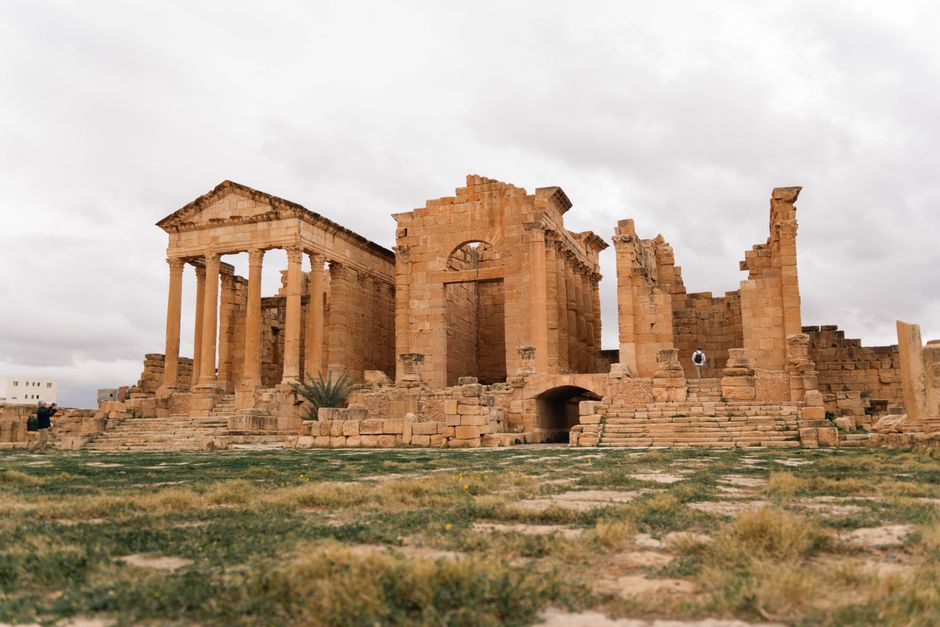
4. Nabataean Desert Farmers
Shivta National Park, Negev Desert, Israel
Discover how an ancient city thrived in the desert using sophisticated water-harvesting techniques.
Shivta, a remarkably preserved Nabataean city, showcases an astonishing mastery of desert agriculture and water management. Its inhabitants developed intricate systems of dams, cisterns, and terraces to capture and channel precious rainfall, transforming arid land into fertile fields. This ingenuity mirrors Bedouin resourcefulness, demonstrating how deep ecological knowledge enables sustainable living in challenging environments. Modern tours highlight these ancient lessons, emphasizing adaptation and respectful interaction with finite desert resources.
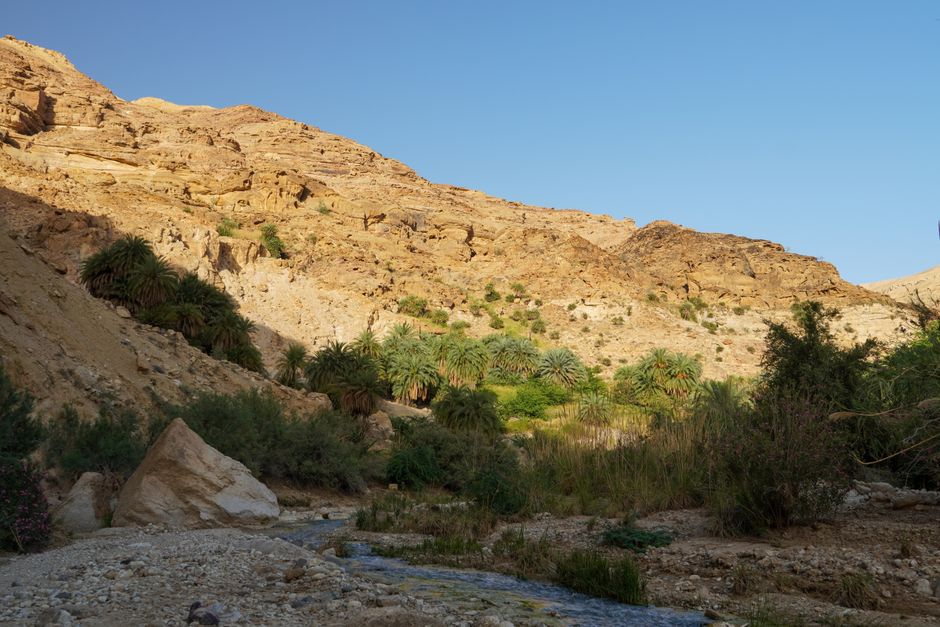
5. The Enduring Oasis Heart
Wadi Bani Khalid, Sharqiya Sands, Oman
A permanent, year-round oasis offers a vital lifeline and a glimpse into sustainable desert living.
Unlike seasonal wadis, Wadi Bani Khalid boasts perennial water pools and lush date palms, making it a critical hub for Bedouin tribes in Oman's Sharqiya Sands for centuries. This oasis isn't just a water source; it's a social and economic center, fostering community and demonstrating how traditional Bedouin life is intricately linked to understanding and preserving these precious resources. Tours to such spots are crafted to impart this understanding, focusing on the delicate balance between human activity and the desert's resilience.
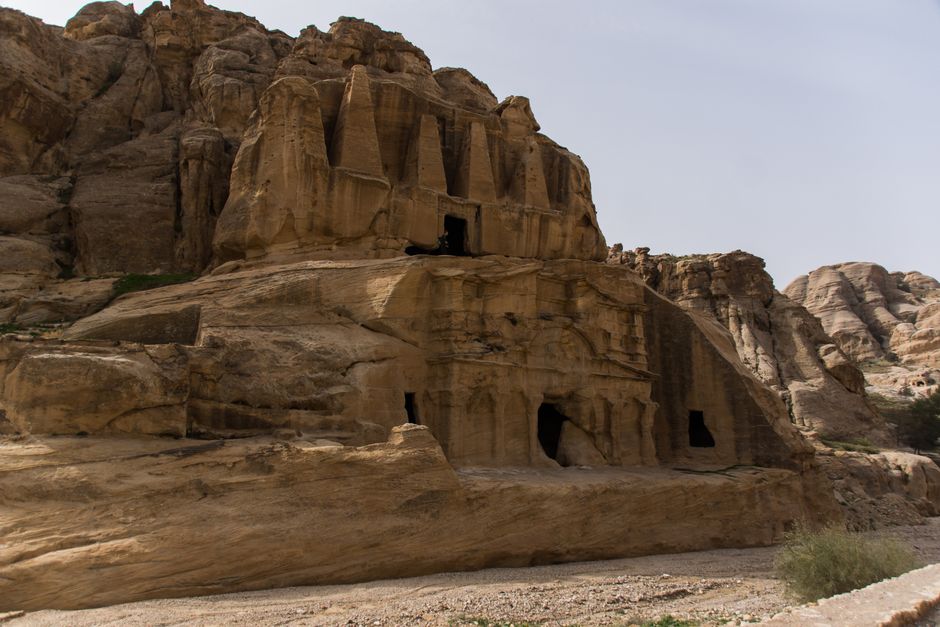
6. Ubar, The Lost City of Sands
Rub' al Khali (Empty Quarter), Oman
Explore the legend of an ancient city, once known for its frankincense trade, swallowed by the unforgiving desert.
The legendary "Lost City" of Ubar, also known as Wabar, was an important trading post for frankincense, its existence long preserved in Bedouin oral traditions and ancient texts as "the Atlantis of the Sands." Archaeological findings in the 1990s confirmed its location, buried beneath shifting dunes. This story profoundly influences modern desert tours by teaching humility before nature's power and appreciating the ephemeral nature of human endeavors, a core Bedouin perspective on the vast and timeless desert.
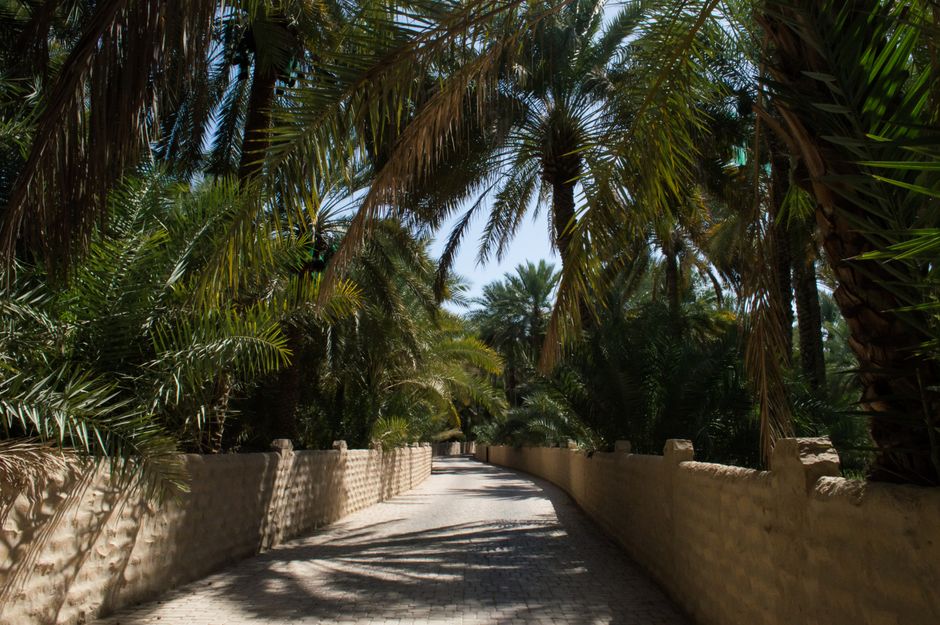
7. Hidden Springs of Ain Khudra
Ain Khudra Oasis, Sinai, Egypt
Discover a secluded oasis, a verdant haven hidden among dramatic sandstone cliffs, offering ancient respite.
Ain Khudra, meaning "Green Spring," is a breathtaking oasis tucked away in a narrow canyon in the Sinai desert, known for its vibrant date palm groves and unique rock formations sculpted by wind and water. For Bedouin, such hidden springs were essential waypoints on ancient caravan routes, providing not just water but also a place for rest and community. Modern tours inspired by this tradition focus on slow travel, appreciating the subtle beauty of the desert, and understanding the vital role these natural sanctuaries play in desert ecosystems.
Frequently asked questions
What is the most important lesson from Bedouin traditions for desert visitors?
The most crucial lesson is respect for the desert environment and its resources. Bedouin traditions emphasize sustainability, resourcefulness, and a deep understanding of the land, encouraging visitors to tread lightly and appreciate the desert's delicate balance.
How do Bedouin survival skills influence safety in modern desert tours?
Bedouin survival skills, passed down through generations, are foundational for modern desert safety. This includes expert navigation, understanding water sources, interpreting weather patterns, and knowing local flora and fauna, all of which are integrated into responsible tour planning to ensure visitor well-being.
Are there specific cultural courtesies visitors should observe when interacting with Bedouin communities?
Yes, key courtesies include dressing modestly, asking permission before taking photos, accepting hospitality (like tea) if offered, and showing respect for their customs and privacy. Engaging with genuine curiosity and an open mind is always appreciated.
How can AllTours.ai help me discover these lesser-known desert stories?
AllTours.ai brings these fascinating stories to life. Simply point your phone camera at a landmark or landscape, and the app will narrate its rich history, geology, and culture in your language, revealing the hidden narratives influenced by Bedouin traditions and beyond.
Photography via Pexels. AllTours.ai is an AI audio tour guide — point your camera at any landscape and hear its story.