July 19, 2026 · 4 min read
The desert holds stories etched in sand and stone, whispered through generations. For centuries, Bedouin communities have thrived in these vast, often unforgiving landscapes, developing an intimate knowledge of their environment, a profound respect for resources, and a unique way of life. This deep heritage offers invaluable lessons for anyone seeking to explore the desert authentically.
At AllTours.ai, our approach to crafting experiences for international visitors is deeply influenced by these ancient traditions. It's about moving beyond superficial sights to uncover the genuine spirit of a place. We seek out the lesser-known, the truly surprising, and the deeply rooted stories that echo Bedouin values of sustainability, resourcefulness, and connection to the land. Here are some remarkable, often overlooked, desert wonders whose narratives inspire our journey design.
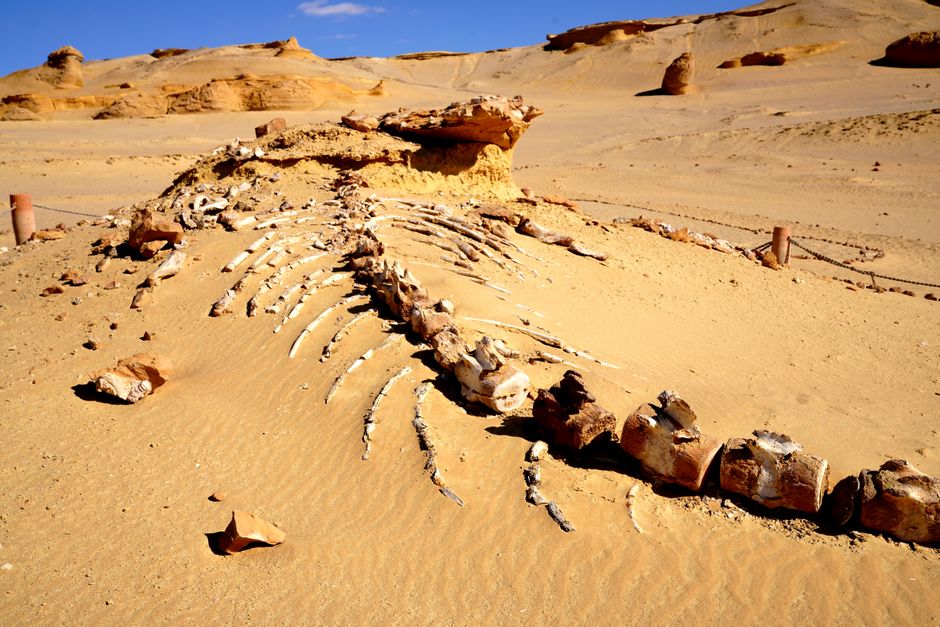
1. The Whale Graveyard in the Sand
Wadi El Hitan, Egypt
This desolate desert valley was once a thriving ancient sea, now home to fossilized whales that walked on land.
Wadi El Hitan, or 'Whale Valley,' is a UNESCO World Heritage site that offers a breathtaking glimpse into Earth's past. Millions of years ago, this area was a shallow sea, and today, the desert floor is littered with the remarkably preserved skeletons of Basilosaurus and Dorudon, ancient whale species that possessed hind legs. This site isn't just a geological marvel; it's a testament to the planet's dramatic transformations and the Bedouin's historical awareness of the land's deep, hidden narratives.
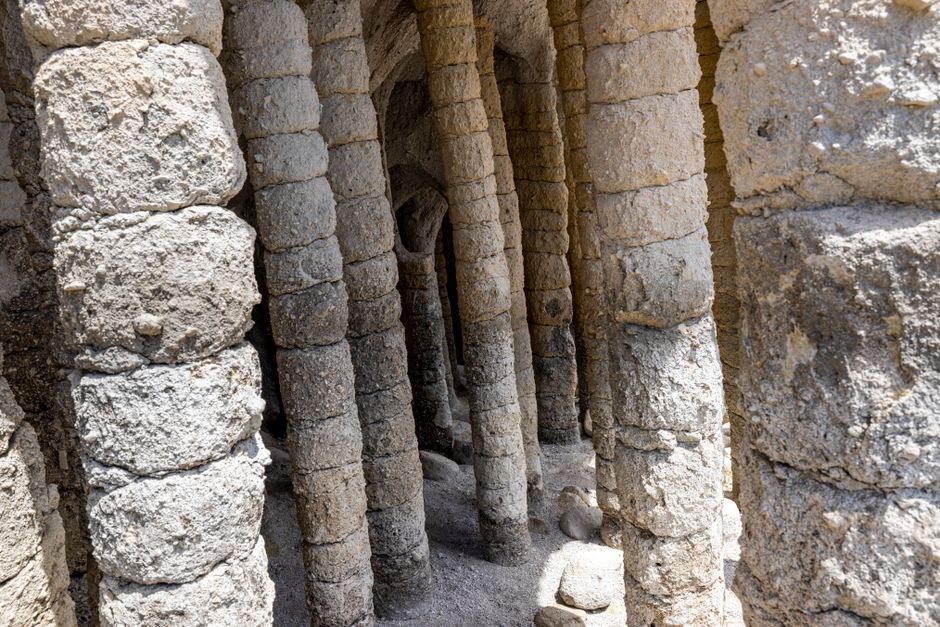
2. Ancient Forts and Prehistoric Hunters
Mleiha Archaeological Centre, UAE
Beneath the shifting sands of Mleiha lie secrets of human habitation dating back to the Stone Age, long before the oil boom.
Mleiha offers a unique journey through time, from Stone Age tools and Paleolithic campsites to pre-Islamic forts and burial mounds. This region reveals that human ingenuity has adapted to the desert for millennia, showcasing sophisticated settlements and trade networks that thrived in harsh conditions. Visiting Mleiha connects travelers to the deep lineage of desert dwellers, highlighting the continuous human story in the Arabian Peninsula, much like the enduring Bedouin connection to their ancestral lands.
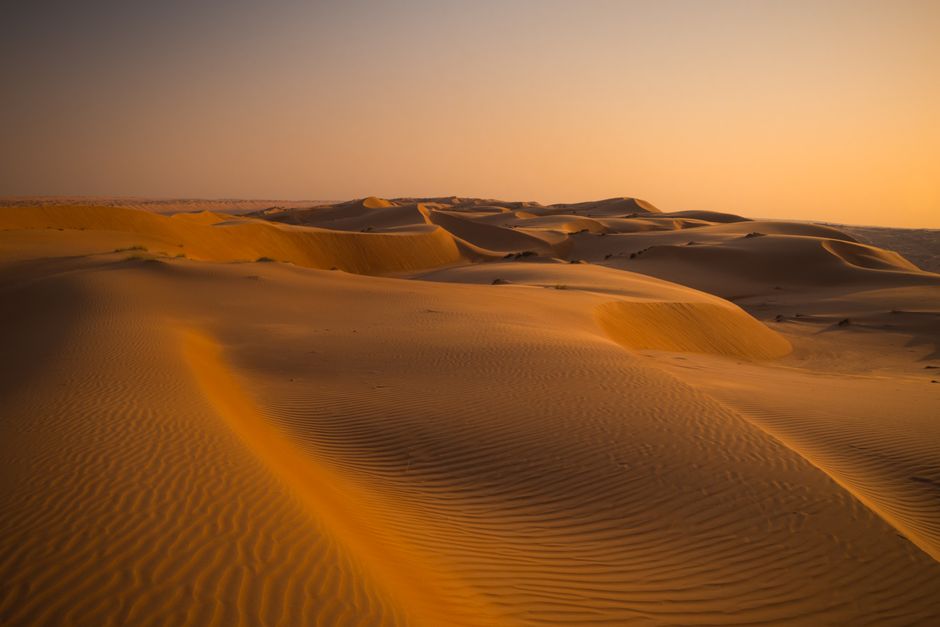
3. The Ecological Oasis of Wahiba Sands
A'Sharqiyah Sands, Oman
Beyond endless dunes, Wahiba Sands is a vibrant ecosystem where specific plant and animal life thrive, sustained by Bedouin wisdom.
Often mistakenly seen as barren, Oman's A'Sharqiyah Sands (Wahiba Sands) is a dynamic desert ecosystem supporting unique flora and fauna, from desert foxes to endemic plant species. The local Bedouin tribes possess an unparalleled understanding of this delicate balance, knowing where to find water, edible plants, and how to navigate without leaving a trace. Exploring this desert reveals that true desert travel is about respecting and understanding its subtle, thriving life, a core Bedouin tradition.
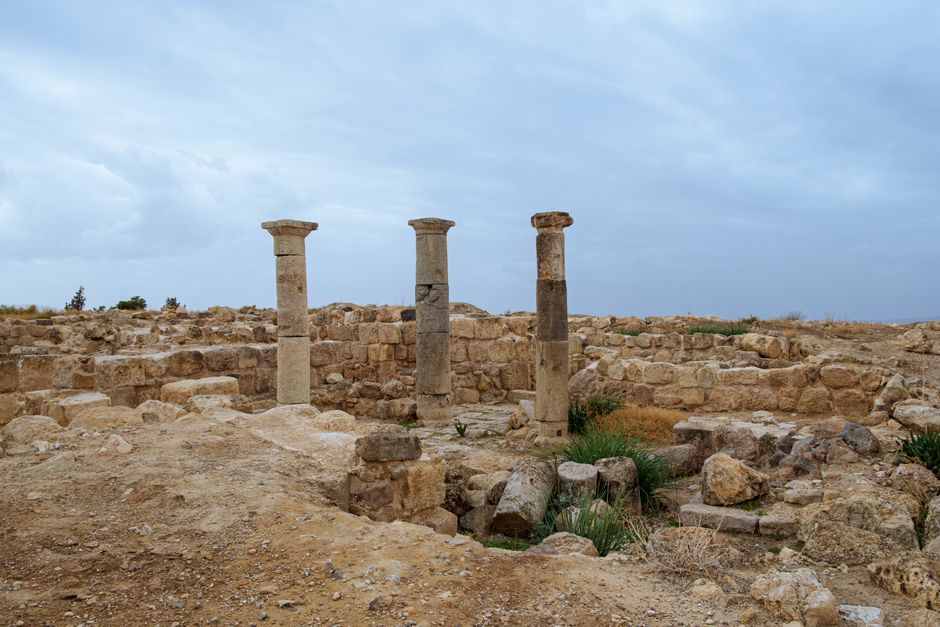
4. The Lost City of Ubar
Shisr, Oman
Once a fabled frankincense trade hub, the 'Lost City of Ubar' lay buried beneath the Empty Quarter's sands for centuries.
Referred to in legend as the 'Atlantis of the Sands,' the ancient city of Ubar (archaeologically identified as Shisr) was a crucial outpost on the frankincense trade route. Its rediscovery in the 1990s confirmed tales of a prosperous settlement that eventually succumbed to the desert, swallowed by a collapsing sinkhole beneath its fortress walls. This site exemplifies the Bedouin's historical knowledge of ancient trade routes and the desert's capacity to both sustain and reclaim civilizations.
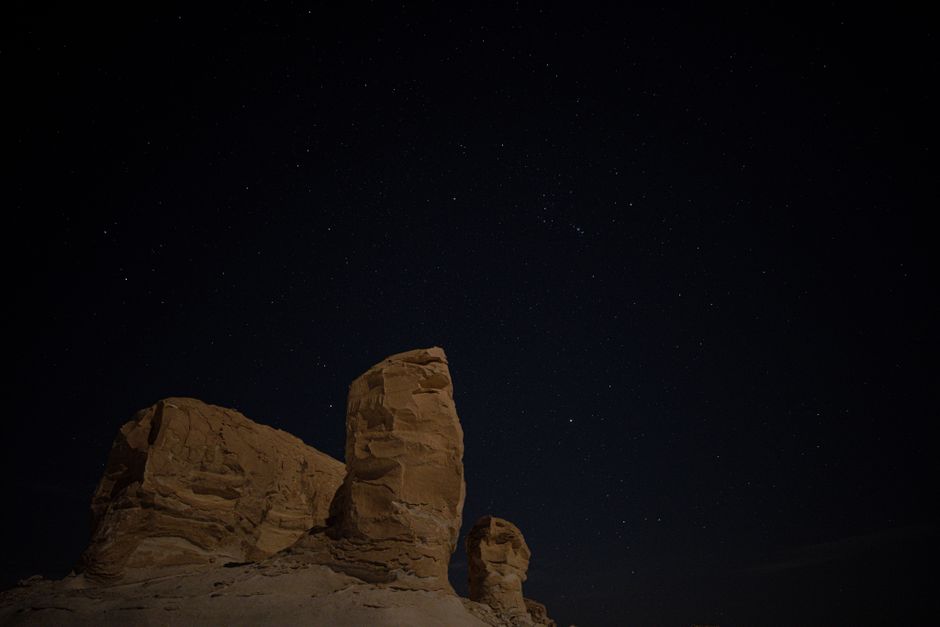
5. Oracle of Amun's Desert Sanctuary
Siwa Oasis, Egypt
Isolated in Egypt's Western Desert, Siwa Oasis harbors a unique culture and the ruins of an ancient oracle consulted by Alexander the Great.
Siwa Oasis is more than just a verdant patch in the desert; it's a living museum of unique Siwan culture, with its own language, customs, and architecture. The ruins of the Temple of the Oracle of Amun, where Alexander the Great sought guidance, underscore its ancient significance. The Siwan people's ability to maintain their distinct identity and sustainable practices in such isolation mirrors the enduring resilience and cultural preservation inherent in many Bedouin traditions.
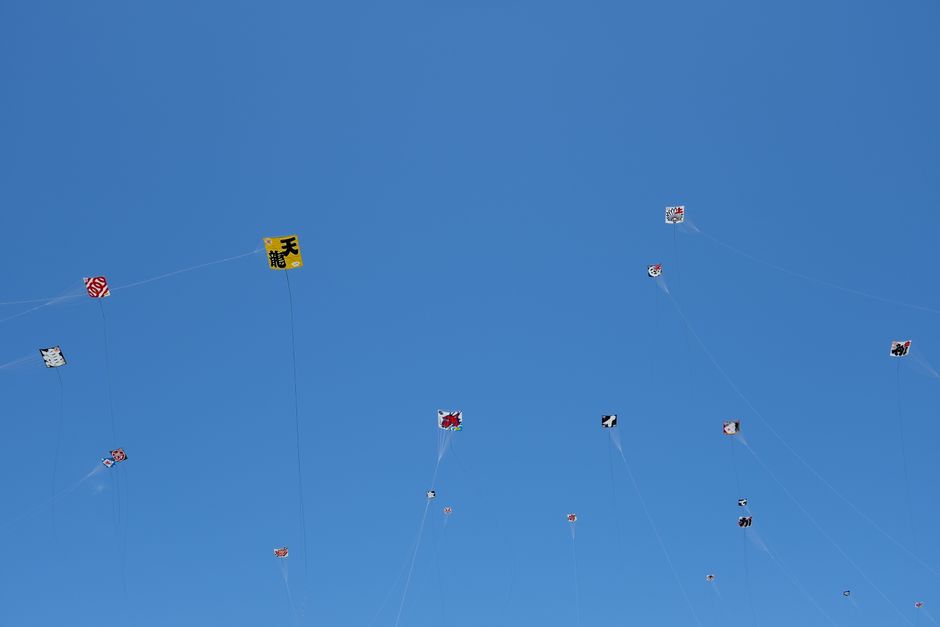
6. Ingenious Ancient Hunting Traps
Desert Kites, Jordan & Saudi Arabia
From above, these vast, stone structures resemble giant kites, revealing an ancient, sophisticated hunting strategy.
Scattered across the deserts of Jordan, Saudi Arabia, and beyond are mysterious, massive stone structures known as 'desert kites.' These V-shaped walls, sometimes kilometers long, were ancient hunting traps designed to funnel vast herds of gazelles and other wildlife into corrals for capture. This incredible feat of engineering, dating back thousands of years, showcases the profound understanding of animal behavior and landscape manipulation by early desert dwellers, a resourcefulness echoed in Bedouin survival skills.
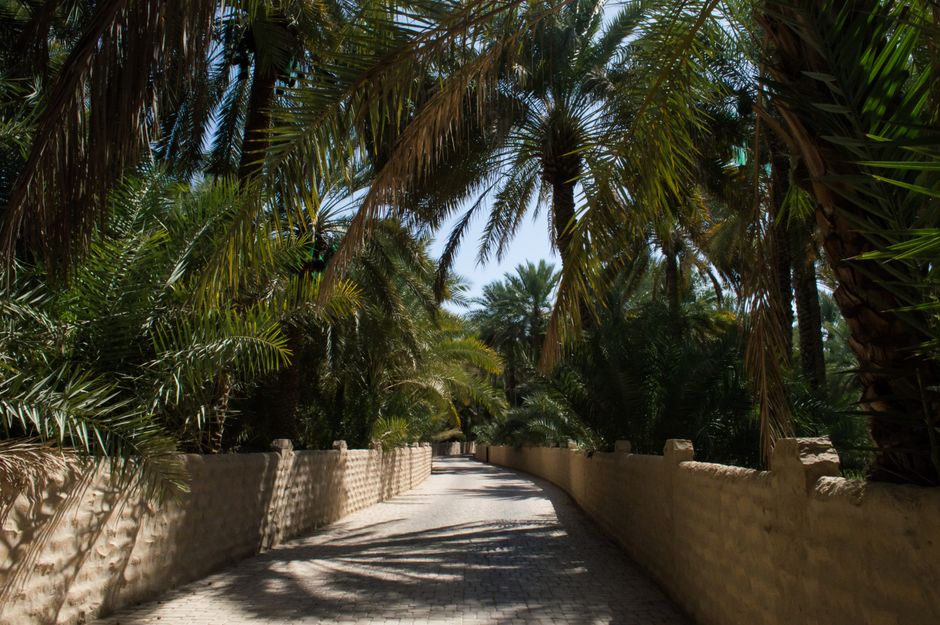
7. The World's Largest Date Palm Oasis
Al-Ahsa Oasis, Saudi Arabia
A UNESCO World Heritage site, Al-Ahsa is a sprawling oasis sustained by ancient water management systems, producing millions of dates.
Al-Ahsa is not just an oasis; it's a testament to centuries of ingenious water management and agricultural practices in the desert. With millions of date palms fed by natural springs and intricate irrigation channels, it's one of the largest and oldest cultivated oases in the world. This site beautifully illustrates how desert communities, inspired by Bedouin principles of resourcefulness and community, have transformed arid lands into thriving agricultural centers, ensuring sustenance for generations.
Frequently asked questions
What makes desert tours influenced by Bedouin traditions unique?
These tours prioritize authenticity, sustainability, and a deep connection to the land and its history. They go beyond typical tourist spots to reveal hidden stories, unique ecosystems, and ancient human ingenuity, fostering a greater understanding and respect for desert cultures.
Are these lesser-known desert locations safe for international visitors?
Safety is always paramount. While these locations are off the main tourist circuit, many are protected archaeological sites or national parks with established visitor centers and guidelines. It's crucial to travel with experienced local guides and adhere to local regulations for a safe and enriching experience.
How can I learn more about Bedouin culture and history before my trip?
Reading books by authors like Wilfred Thesiger, exploring documentaries, or engaging with cultural centers are great starting points. Learning basic phrases in Arabic and understanding local customs will also significantly enhance your experience and interactions with Bedouin communities.
How does AllTours.ai help me explore these unique places?
AllTours.ai brings the stories of these incredible places to life. Simply point your phone camera at a landmark, landscape, or artifact, and our AI-powered audio guide will instantly narrate its history, geology, and culture in your preferred language, providing deep insights beyond what a traditional tour guide could offer.
Photography via Pexels. AllTours.ai is an AI audio tour guide — point your camera at any landscape and hear its story.