July 18, 2026 · 4 min read
The desert, often perceived as barren, holds centuries of wisdom. For Bedouin communities, it has always been home – a landscape understood not just for survival, but for its spiritual depth, hidden resources, and ancient pathways. Their traditions, born from deep respect for the land and an intricate knowledge of its rhythms, offer invaluable lessons for modern exploration.
When designing tours for international visitors, understanding these traditions means moving beyond superficial sights. It means uncovering the desert's less-trodden paths and its more intimate stories, guiding travelers to places where Bedouin knowledge once dictated survival, navigation, and community. These are not just destinations; they are chapters in an enduring dialogue between people and the desert.
1. The Desert's Natural Air Conditioning
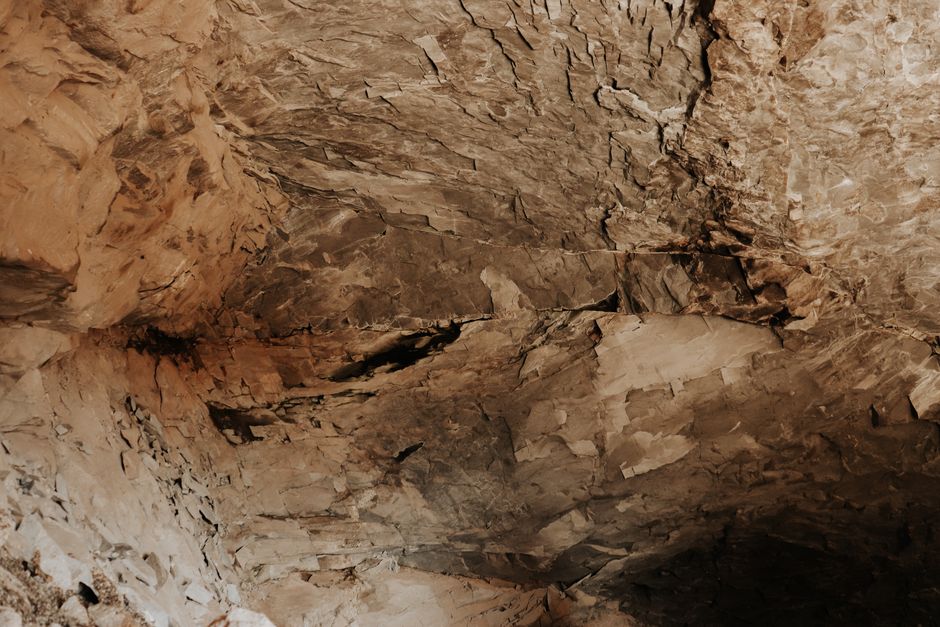
Jabal al-Qarah (Al Hasa Caves), Saudi Arabia
Beneath Saudi Arabia’s arid surface lies a vast, naturally air-conditioned cave system, a historical refuge and water source for Bedouins navigating ancient trade routes.
The Al Hasa Caves, particularly Jabal al-Qarah, are a geological marvel carved by eons of water erosion into limestone. For millennia, these caves offered Bedouin travelers and local communities a consistent microclimate, significantly cooler than the searing desert heat above. They served as vital shelters, storage areas, and collection points for precious rainwater, embodying Bedouin resourcefulness and their deep understanding of the land's hidden blessings.
2. Whispers of Ancient Wayfinders
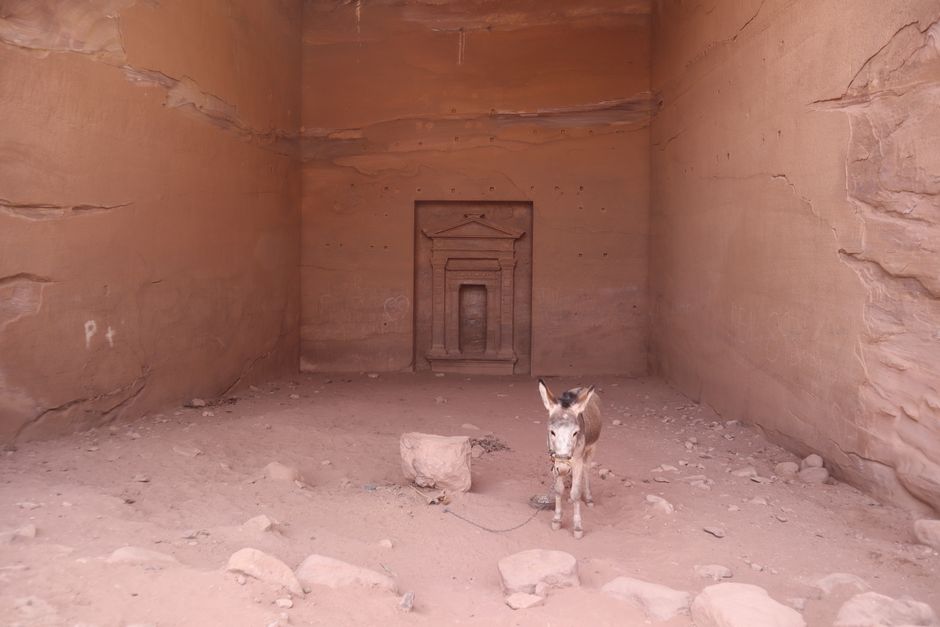
Wadi Rum's Thamudic Petroglyphs, Jordan
Beyond the iconic 'Seven Pillars of Wisdom,' Wadi Rum's lesser-known rock faces reveal thousands of ancient Thamudic and Nabataean petroglyphs, silent narratives of forgotten desert life.
While T.E. Lawrence's exploits dominate many narratives of Wadi Rum, the true, enduring stories are etched into its sandstone cliffs. These ancient petroglyphs, often found far from main tourist routes, depict hunting scenes, tribal symbols, and early scripts, offering a direct link to the desert's earliest inhabitants. Bedouin guides, with their inherited knowledge of the wadi, can often interpret these carvings, revealing ancient migration patterns and the deep cultural tapestry of the region.
3. The Desert's Crystal Compass
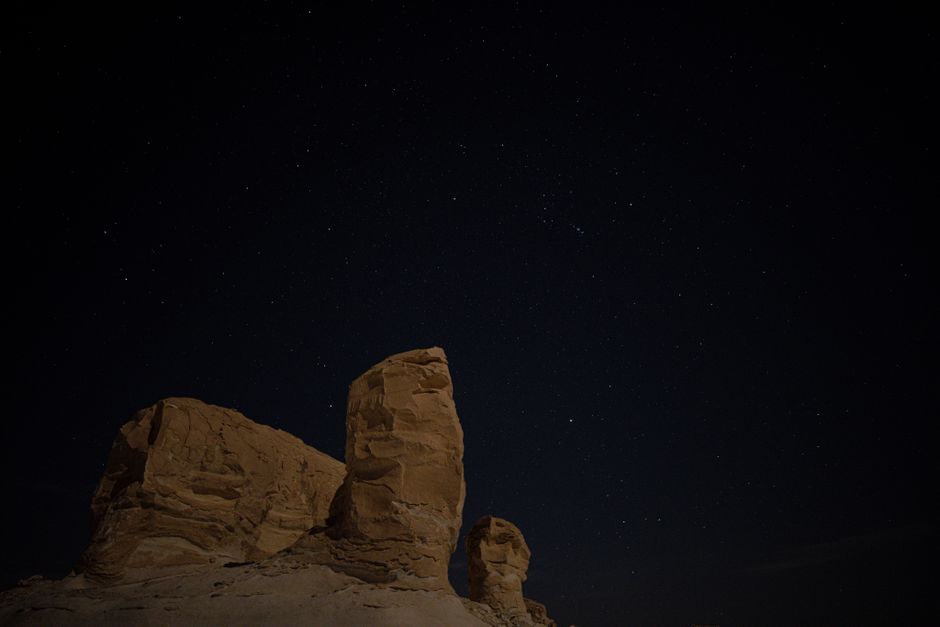
Gebel el-Izaz (Crystal Mountain), White Desert, Egypt
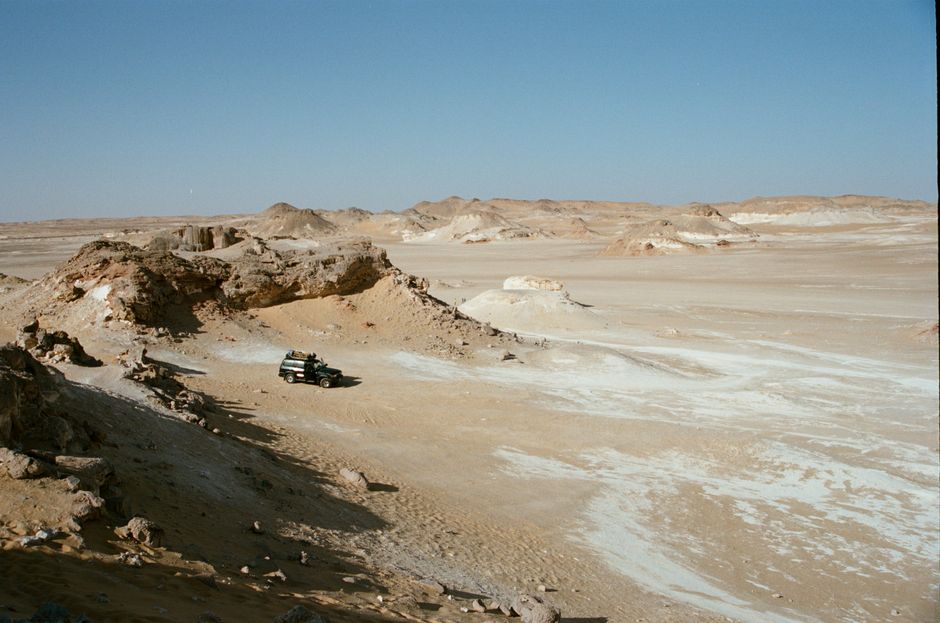
Rising from Egypt's White Desert is the 'Crystal Mountain,' a unique ridge composed entirely of quartz crystals, once a natural landmark and source of tools for Bedouin travelers.
Gebel el-Izaz is not a mountain in the traditional sense, but a striking ridge of solid quartz crystals that glitters under the desert sun. This geological anomaly served as an unmistakable landmark for Bedouin caravans traversing the vast Western Desert. Beyond navigation, the sharp edges of fractured quartz provided raw material for tools, connecting ancient desert dwellers to the very geology around them. It's a testament to how Bedouins utilized every element of their environment.
4. Water's Ingenious Architects
Avdat National Park's Ancient Terraces, Negev Desert, Israel
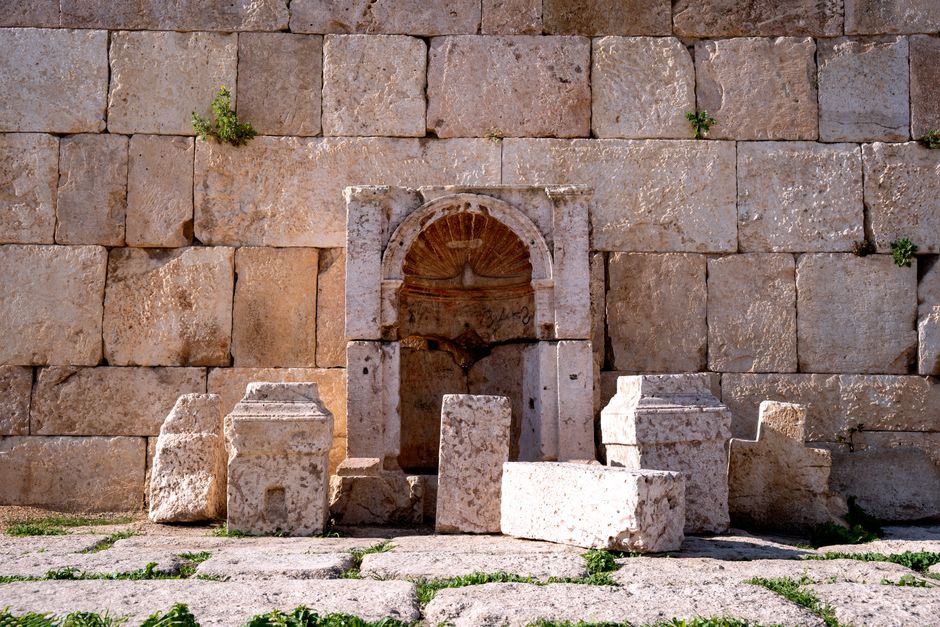
The Nabataean city of Avdat showcases an ingenious system of terraced agriculture and water cisterns, a sustainable desert farming method later adopted and refined by Bedouins.
Avdat, a UNESCO World Heritage site, is a profound example of human ingenuity in extreme arid conditions. The Nabataeans developed sophisticated systems to capture and channel flash floodwaters into terraced fields and underground cisterns, allowing them to cultivate crops in the harsh Negev. This mastery of water management, vital for survival, profoundly influenced subsequent Bedouin communities, who continued to employ similar techniques for their own sustenance and livestock, highlighting a continuity of sustainable desert living.
5. The Desert's Song of the Sands
Liwa Oasis (Rub' al Khali fringes), UAE
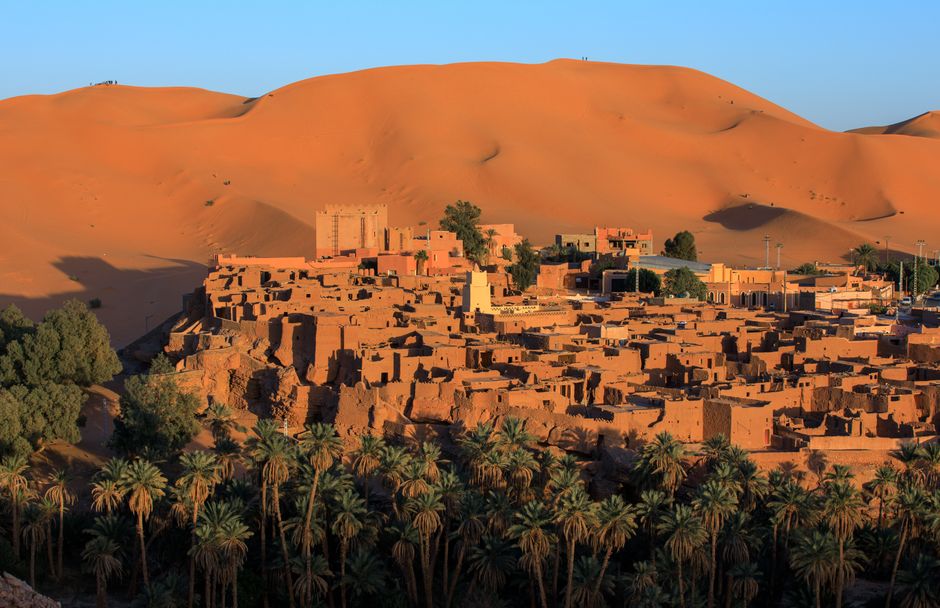
Deep within the fringes of the Empty Quarter, specific dunes around Liwa Oasis 'sing' or hum with a low roar, a mystical acoustic phenomenon revered by generations of Bedouins.
The phenomenon of 'singing dunes' is a rare and captivating experience. Under specific conditions of wind, sand moisture, and dune shape, friction between millions of sand grains produces a deep, resonant hum or roar that can be felt as well as heard. For Bedouins, this was not merely a scientific curiosity but a profound, almost spiritual voice of the desert. Experiencing this natural symphony offers a glimpse into the sensory world that shaped Bedouin perceptions of their environment, far from the bustling modern cities.
6. Guardians of a Forgotten Kingdom
Dadan Lion Tombs, AlUla, Saudi Arabia
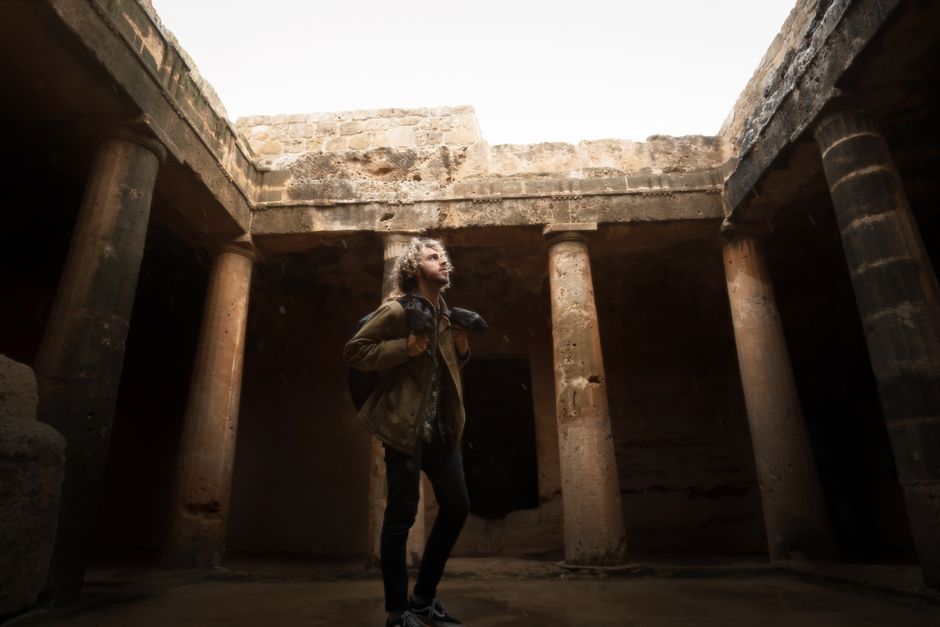
In the ancient oasis of AlUla, predating the more famous Hegra, stand the 'Lion Tombs' of Dadan, monumental rock-cut burial sites from a powerful, little-known kingdom.
While Hegra (Madain Saleh) often takes the spotlight, the earlier Dadan and Lihyan kingdoms of AlUla offer equally compelling stories. The Lion Tombs, carved directly into the cliffs, are unique for their lion sculptures, symbols of power and protection for the deceased kings and elites. These tombs reveal a sophisticated society that thrived in the desert, managing trade routes and water resources. For Bedouins, these ancient sites were not just ruins, but powerful markers on the landscape, imbued with the spirits and histories of those who came before.
7. The Desert's Artistic Soul
Badr Museum, Farafra Oasis, Egypt
In the remote Farafra Oasis, the Badr Museum is a unique art space created by a local Bedouin artist, showcasing desert life through sculptures made from natural materials.
The Badr Museum is the personal creation of Dr. Badr Abdel Moghny, a Bedouin artist who transforms natural desert elements – stones, bones, and discarded wood – into evocative sculptures. His work offers a deeply personal and authentic perspective on Bedouin culture, desert flora and fauna, and the spiritual connection to the land. Visiting this museum provides an intimate, unmediated insight into the artistic expression and worldview shaped by generations of living in the Farafra Oasis, a world away from commercial galleries.
Frequently asked questions
What is a Bedouin?
A Bedouin is a member of a nomadic Arab people historically inhabiting deserts in the Middle East and North Africa. Their traditions often revolve around hospitality, deep knowledge of the desert environment, and a strong sense of community, all essential for survival and flourishing in harsh climates.
How do Bedouin nomadic practices impact desert ecosystems?
Historically, Bedouin nomadic practices were highly sustainable. Moving across vast territories prevented overgrazing in any single area and allowed resources to regenerate, demonstrating a profound respect and understanding of the delicate desert balance. This traditional movement helped maintain ecological health.
Can international visitors experience authentic Bedouin culture today?
Yes, many tours offer opportunities to engage with Bedouin communities, share meals, and learn about their heritage. It's crucial to choose ethical tours that support local communities and respect their traditions, focusing on genuine interaction rather than staged experiences to ensure an authentic and respectful exchange.
How does the AllTours.ai app enhance desert exploration?
AllTours.ai transforms your desert journey by providing on-demand audio narratives. Point your phone camera at a desert landscape, an ancient ruin, or a unique geological formation, and the app instantly narrates its history, geology, and cultural significance in your language, revealing stories often missed by traditional guides.
Photography via Pexels. AllTours.ai is an AI audio tour guide — point your camera at any landscape and hear its story.