September 17, 2026 · 4 min read
The idea of backpacking across several countries for a year or more often conjures images of endless wealth, luxury hotels, and a budget that easily tops $200,000 AUD. Many believe that only the ultra-rich can sustain such an adventure, viewing it as an impossible dream for the average person. But what if that perception is entirely off?
The truth is, long-term travel isn't about deep pockets; it's about smart choices, cultural immersion, and finding incredible value in places far off the well-trodden tourist trails. It's about discovering destinations where every dollar stretches further, revealing authentic histories and vibrant cultures without breaking the bank. Here's how real people afford to see the world, one underrated gem at a time.
1. The Bridge of Resilience
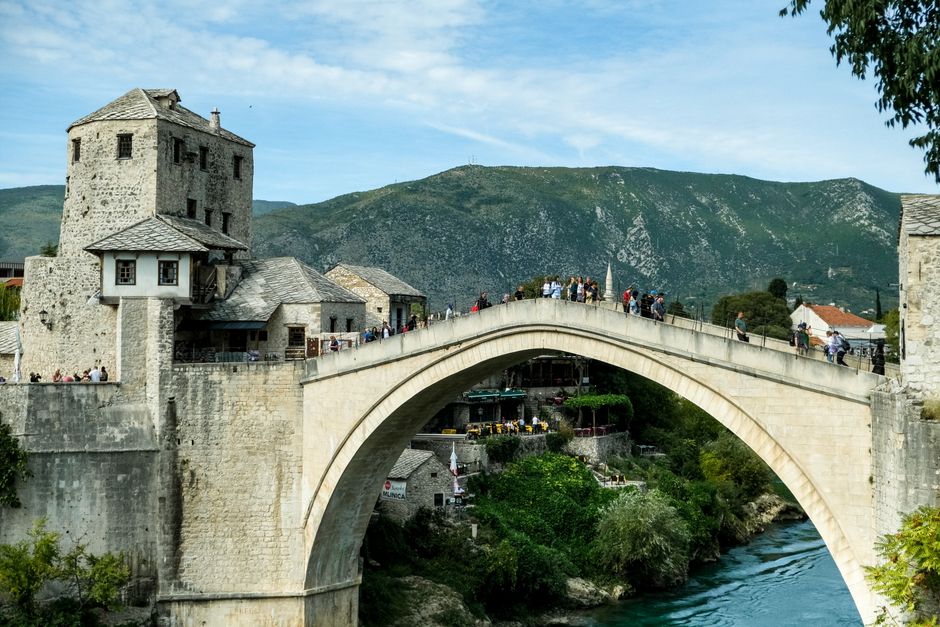
Mostar, Bosnia and Herzegovina
The city's iconic bridge was once a symbol of division, but its painstaking reconstruction became a beacon of hope and unity.
Mostar is defined by Stari Most, the 'Old Bridge,' an elegant Ottoman-era arch spanning the Neretva River. Destroyed during the Bosnian War in 1993, its faithful rebuilding from original stones became a powerful metaphor for the country's healing. Today, local divers continue a centuries-old tradition, leaping from its 24-meter height into the emerald waters below, a thrilling spectacle steeped in history and courage.
2. A Silk Road City Frozen in Time
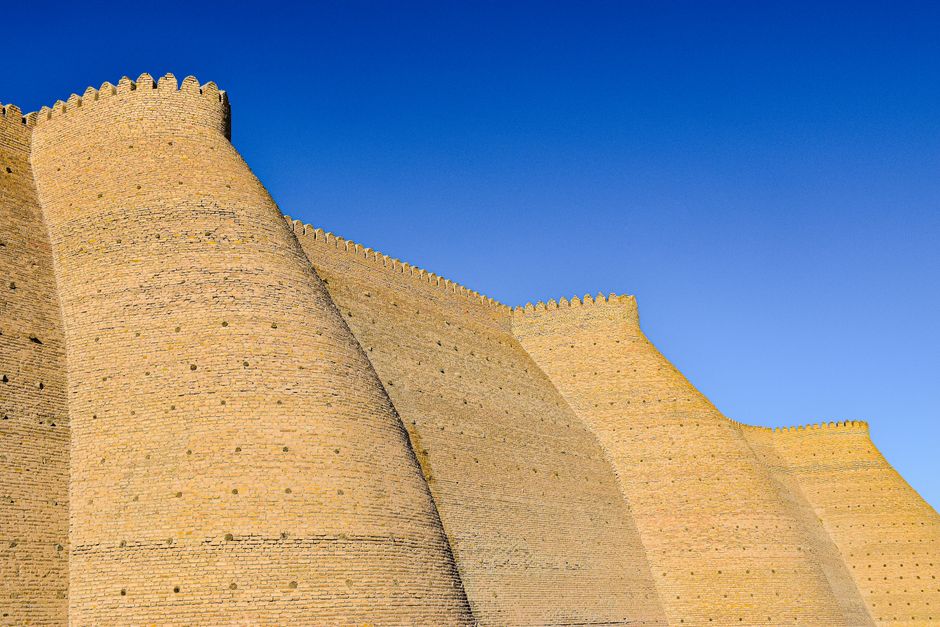
Khiva, Uzbekistan
Step inside this perfectly preserved walled city, and it feels as though the Silk Road caravans just departed yesterday.
Within the towering mud-brick walls of Khiva's Itchan Kala, or inner city, a world of intricate madrasahs, towering minarets, and bustling bazaars awaits. This UNESCO World Heritage site is one of the best-preserved examples of a Central Asian medieval city, a vital stop on the ancient Silk Road. Its narrow alleys and turquoise-tiled architecture tell vivid tales of merchants, scholars, and conquerors from centuries past.
3. Colonial Grandeur Beneath Smoking Volcanoes
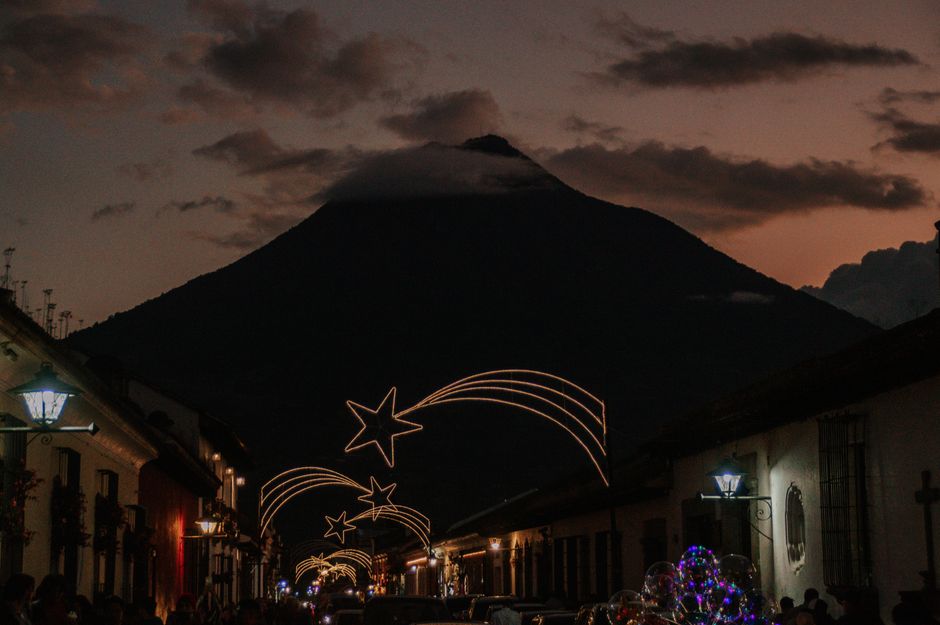
Antigua, Guatemala
This charming colonial city, a UNESCO site, sits directly in the shadow of three often-active volcanoes, creating a dramatic and beautiful backdrop.
Antigua, Guatemala, offers a vivid journey into Latin American history, its cobblestone streets lined with pastel-colored buildings and crumbling church ruins. What makes it truly unique is its setting: nestled in a valley surrounded by the towering Volcán de Agua, Fuego (often seen puffing smoke), and Acatenango. This dramatic geological activity has shaped the city's past, including its relocation after devastating earthquakes.
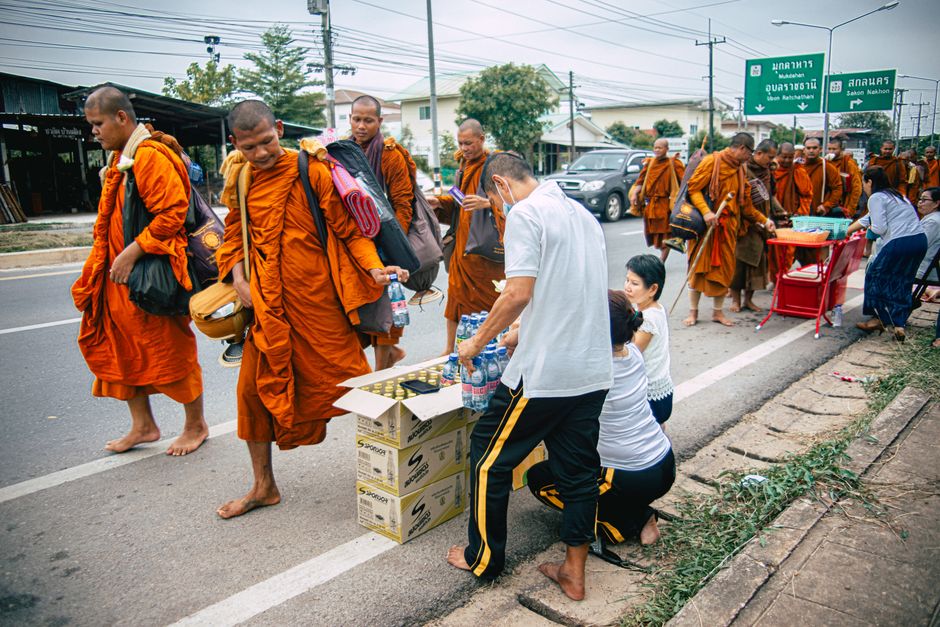
4. The Morning Ritual of Devotion
Luang Prabang, Laos
Every dawn, hundreds of saffron-robed Buddhist monks quietly walk the streets to receive alms from devoted locals and visitors.
Luang Prabang, a UNESCO World Heritage town at the confluence of the Mekong and Nam Khan rivers, embodies spiritual tranquility. Its most captivating ritual is the daily alms giving ceremony (Tak Bat), where residents offer sticky rice and other foods to the passing monks. This ancient tradition, performed in serene silence, offers a profound glimpse into Laotian Buddhist culture and the deep connection between the community and its monasteries.
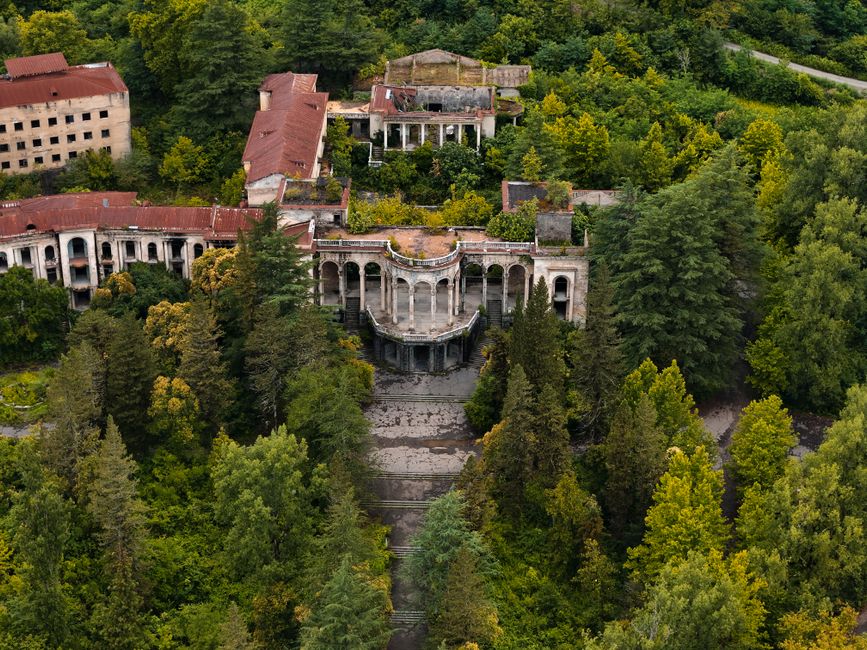
5. Echoes of Soviet Splendor
Tskaltubo, Georgia
Once a glamorous Soviet-era spa resort, this town is now a haunting landscape of abandoned, yet grand, sanatoriums where healing waters still flow.
Tskaltubo was the USSR's premier health retreat, famous for its radon-carbonate mineral waters and palatial sanatoriums built for the Soviet elite, including Stalin himself. After the collapse of the Soviet Union, many of these architectural marvels were abandoned, later housing refugees from Abkhazia. Today, visitors can explore these ornate, decaying structures, a surreal blend of former grandeur and eerie silence, while some facilities continue to offer the traditional therapeutic baths.
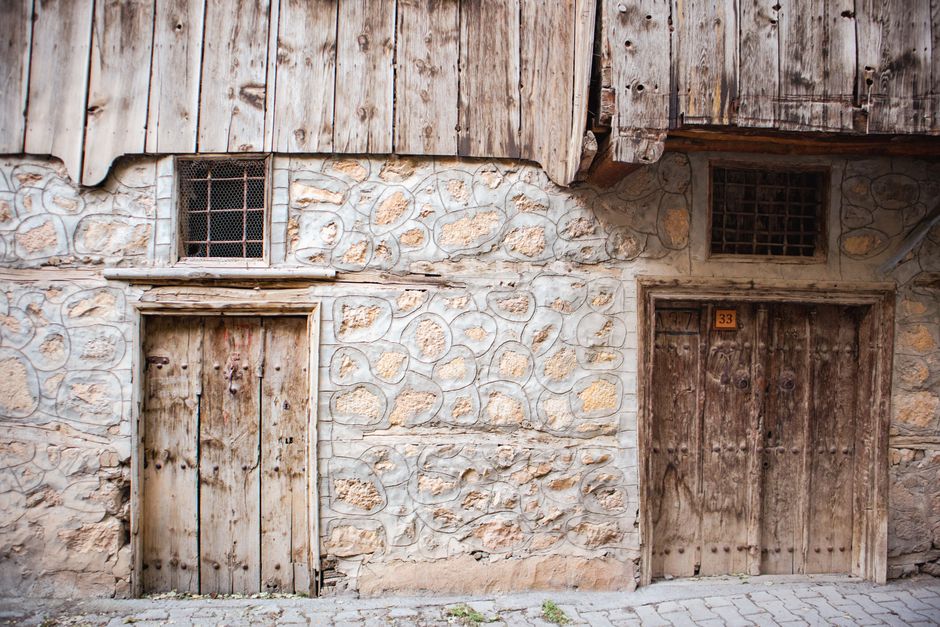
6. The Stone City's Literary Soul
Gjirokastër, Albania
This UNESCO 'City of Stone' with its unique Ottoman architecture is the birthplace of Albania's most acclaimed writer, whose works immortalized its stark beauty.
Gjirokastër, clinging to the side of a mountain, is famed for its distinctive Ottoman-era houses, resembling small fortresses with stone roofs and wooden balconies, earning it the nickname 'City of Stone.' Dominating the skyline is a massive castle with a military museum. It's also the birthplace of Ismail Kadare, whose novels often evoke the city's unique atmosphere and history, cementing its place in Albanian culture and literature.
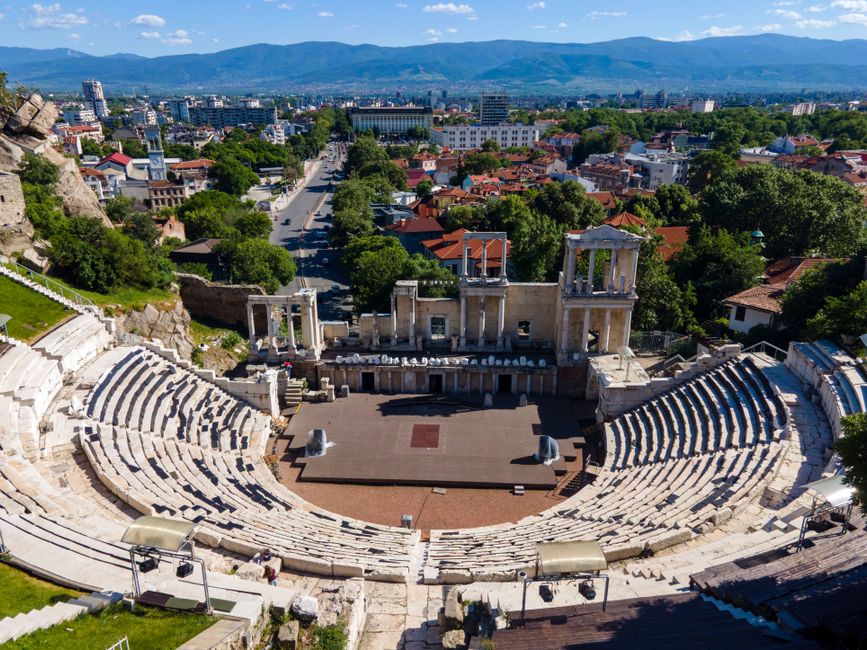
7. Europe's Continuously Inhabited Ancient Heart
Plovdiv, Bulgaria
As one of the oldest continuously inhabited cities in Europe, Plovdiv boasts a Roman amphitheater still used for performances today.
Plovdiv's history spans over 8,000 years, making it a living museum of Thracian, Roman, Ottoman, and Bulgarian cultures. The city's crown jewel is its remarkably preserved Roman Amphitheatre, built in the 2nd century AD, which regularly hosts concerts and plays. Wander through the colorful Old Town, with its unique National Revival-era houses, and you'll encounter layers of history at every turn, from ancient ruins to vibrant artistic districts.
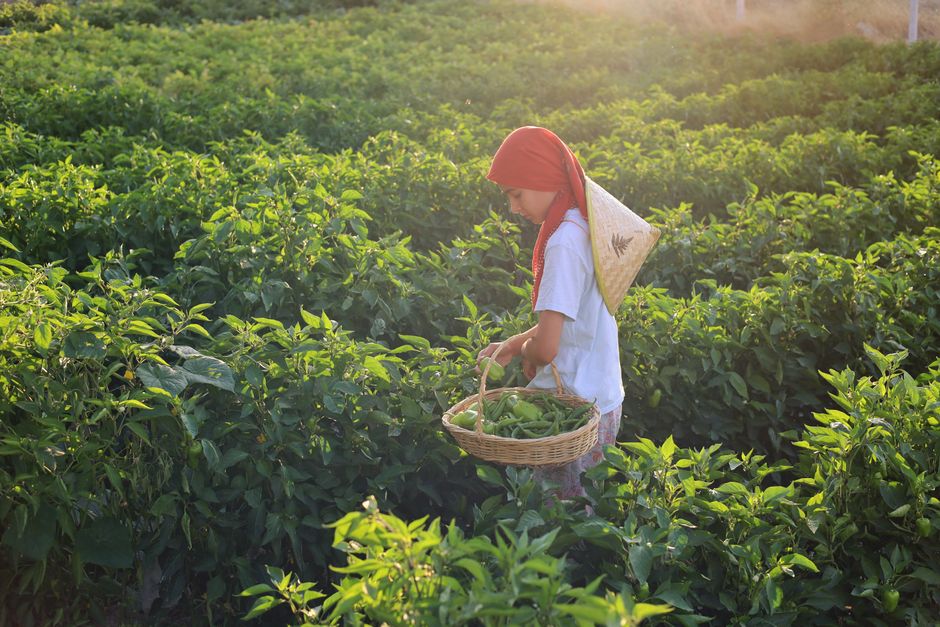
8. The Ghost Mountain and Prized Pepper
Kampot, Cambodia
This tranquil riverside town is famous for its world-renowned pepper and the eerie, abandoned French colonial hill station of Bokor Mountain.
Kampot is a laid-back Cambodian town known globally for its aromatic Kampot pepper, cultivated in surrounding plantations. Beyond its culinary fame, the region offers a haunting historical site: Bokor Hill Station. This abandoned French colonial retreat, including a casino, church, and hotel, sits atop Bokor Mountain, often shrouded in mist, creating a chillingly atmospheric experience that feels lost in time.
Frequently asked questions
How much does long-term backpacking really cost?
The perception of long-term travel being prohibitively expensive is often based on Western European or North American prices. In many parts of Southeast Asia, Eastern Europe, Central America, or the Balkans, a budget of $30-50 USD per day for accommodation, food, and local transport is realistic, especially if you embrace local living and slow travel.
What are the biggest cost-saving tips for long-term travel?
Key strategies include traveling slowly to reduce transport costs and gain monthly accommodation discounts, opting for local guesthouses or hostels over hotels, eating street food or cooking your own meals, and utilizing local public transportation. Avoiding tourist traps and focusing on free activities like hiking or exploring local markets also makes a huge difference.
Is it safe to travel to these lesser-known destinations?
Yes, generally these destinations are as safe, if not safer, than many popular tourist spots, provided you exercise common sense. Research local customs, be aware of your surroundings, and secure your belongings. Engaging with locals and respecting their culture often leads to a warmer, more secure experience.
How does the AllTours.ai app enhance travel in these budget-friendly places?
AllTours.ai is your personal AI audio guide, perfect for exploring these rich, underrated locations. Simply point your phone camera at any landscape or landmark—be it an ancient ruin, a bustling market, or a unique geological formation—and the app instantly narrates its history, geology, and culture in your preferred language, turning every view into a deep, engaging story without the need for expensive guided tours.
Photography via Pexels. AllTours.ai is an AI audio tour guide — point your camera at any landscape and hear its story.