June 25, 2026 · 4 min read
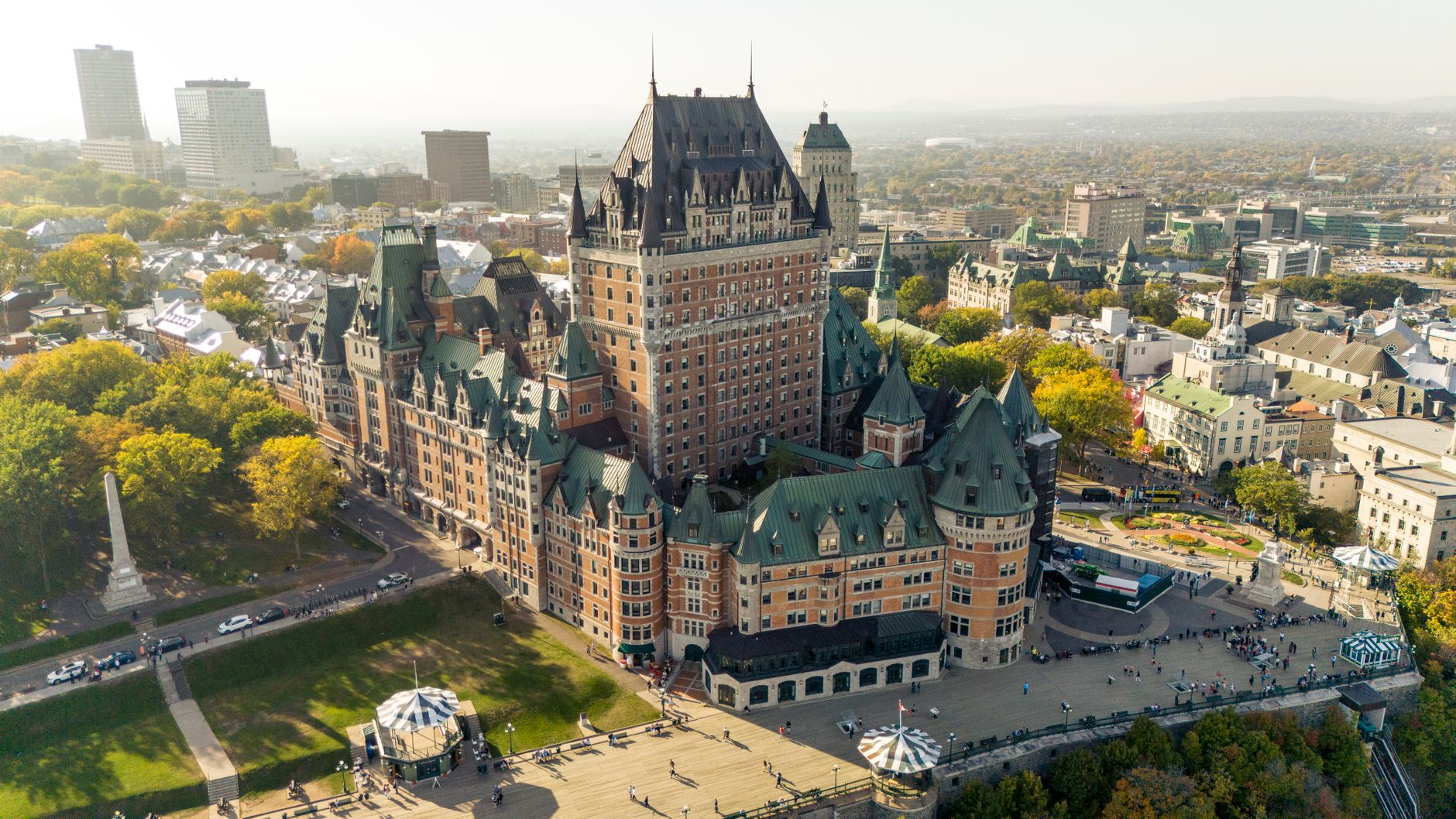
Quebec City casts a spell with its cobblestone streets and European flair, but beyond the postcard-perfect views of the Château Frontenac and bustling Petit Champlain, lies a deeper, more intimate charm. This city’s unique appeal for residents isn't just in its iconic landmarks; it’s woven into the fabric of its less-traveled streets, its surprising geological formations, and the quiet echoes of its diverse past.
To truly understand how Quebec’s architecture and city life contribute to its enduring allure, you need to look beyond the usual tourist routes. We're diving into the underrated spots and the specific, vivid stories they tell—places that reveal the authentic spirit of a city shaped by centuries of history, resilience, and distinct cultural identity.
1. The Street of the Bag's Bottom
Old Quebec, Canada
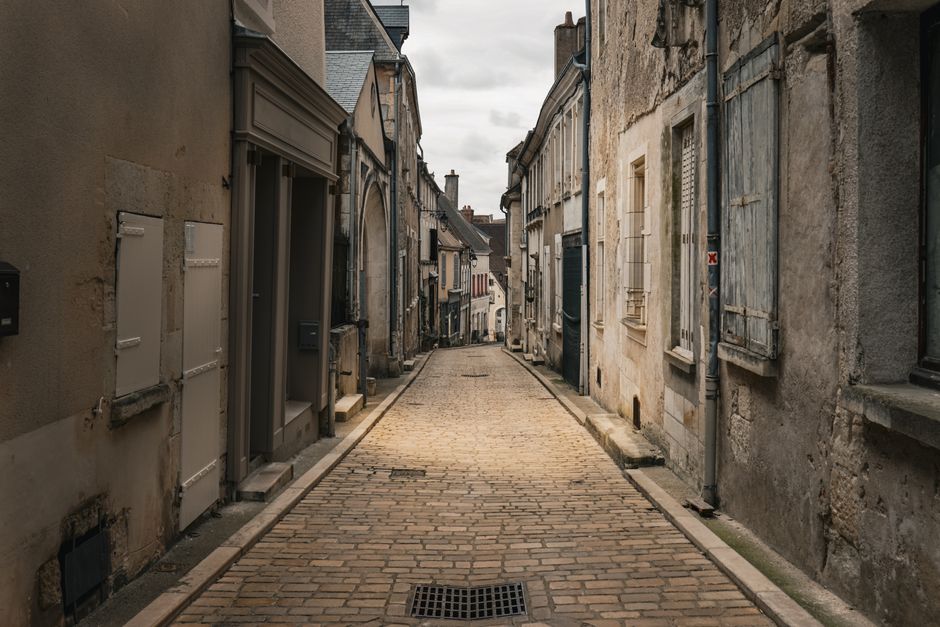
Why would a bustling merchant street in the heart of Old Quebec be named 'Bottom of the Bag'?
Rue du Cul-de-Sac, literally 'Street of the Bag's Bottom,' gets its name from its dead-end configuration, which was practical for horse-drawn carts to turn around after unloading goods in the 17th and 18th centuries. Today, this charming, narrow lane is famed for its whimsical umbrellas strung overhead and its historic fountain, embodying a quiet corner of Quebec's merchant past that continues to thrive with vibrant café life.

2. From Prison Bars to Literary Halls
Old Quebec, Canada
Imagine a 19th-century prison where inmates could read in a library before their sentences.
The Morrin Centre, an unassuming building within the city walls, once served as Quebec City's common jail from 1812 to 1867. Its unique transformation saw it become home to the Literary and Historical Society of Quebec, North America's oldest, after the prison closed. You can still visit original cells and the gallows, starkly contrasting with the elegant Victorian library and lecture hall built within its historic walls, offering a rare glimpse into both incarceration and enlightenment.
3. The Cannonball Foundry's Green Legacy
Old Quebec, Canada
This tranquil urban park once roared with the furnaces of an 18th-century artillery manufacturing complex.
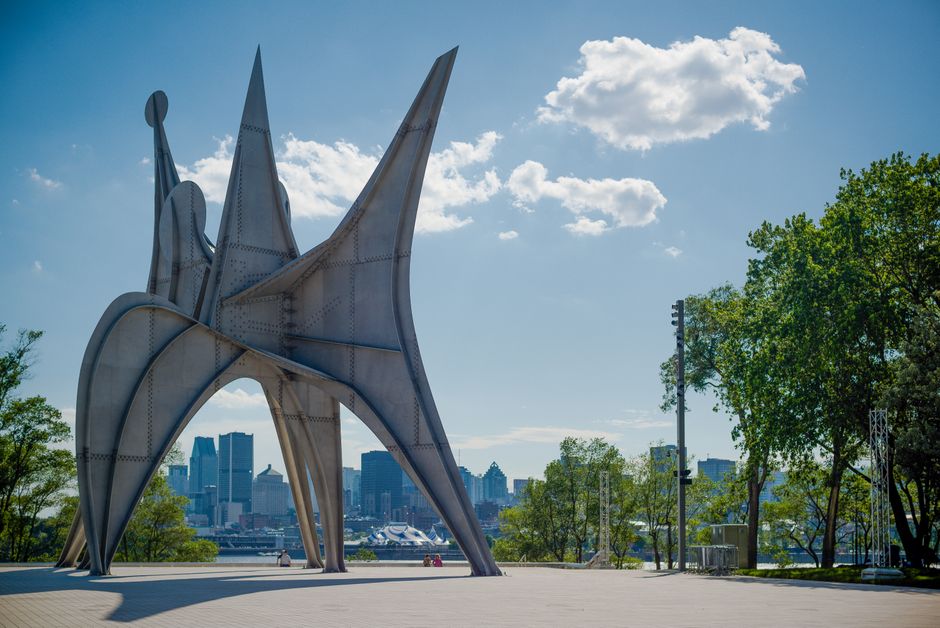
Parc de l'Artillerie, now a peaceful green space, was a vital British military industrial site in the late 18th and 19th centuries, producing cannonballs and other munitions. Remnants of its industrial past, like the foundry ruins and a historic powder magazine, are integrated into the park's landscape. This site beautifully showcases how military necessity shaped Quebec City's early industry and how urban spaces evolve from defense to public enjoyment.
4. A Victorian Estate's Hidden Gardens
Sillery, Quebec, Canada
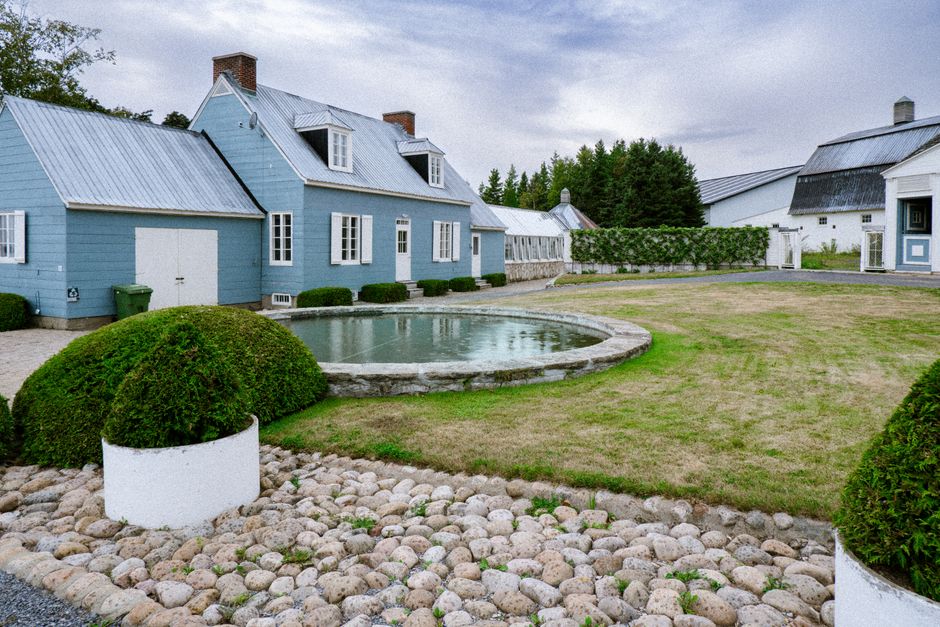
Discover a grand Victorian estate, less known than the city's famous landmarks, boasting meticulously preserved horticultural treasures.
Domaine Cataraqui, located just outside the old city in Sillery, is a magnificent 19th-century estate that offers a serene escape. Its expansive gardens, developed over generations, feature diverse horticultural styles, from formal French parterres to wilder English landscapes. The estate's architecture, including its distinctive belvedere, provides a window into the lives of Quebec City's wealthy elite during the Victorian era, far from the bustling port.
5. Limoilou's Distinctive "Shoe-Box" Homes
Limoilou, Quebec, Canada
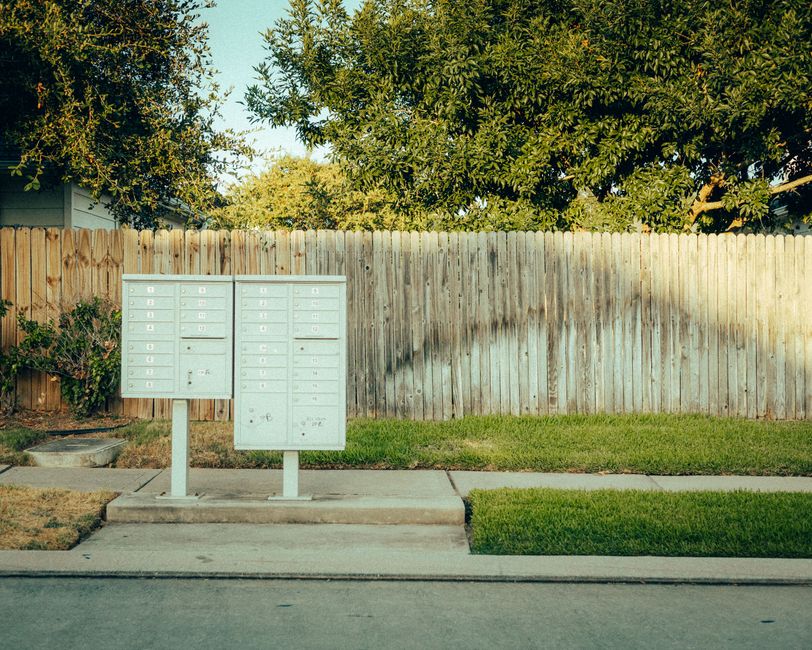
Step beyond the old city walls to find an entire district characterized by unique, narrow "shoe-box" houses with iconic external staircases.
The Limoilou borough, established in the early 20th century, stands in architectural contrast to Old Quebec. Its characteristic 'shoe-box' houses, often featuring distinctive external spiral or straight staircases, were built for the burgeoning working class during the city's industrial expansion. These homes reflect a pragmatic approach to urban living, maximizing space on narrow lots and creating a cohesive, charming streetscape that defines a different facet of Quebec's urban identity.
6. Four Centuries of Healing and Hospitality
Old Quebec, Canada
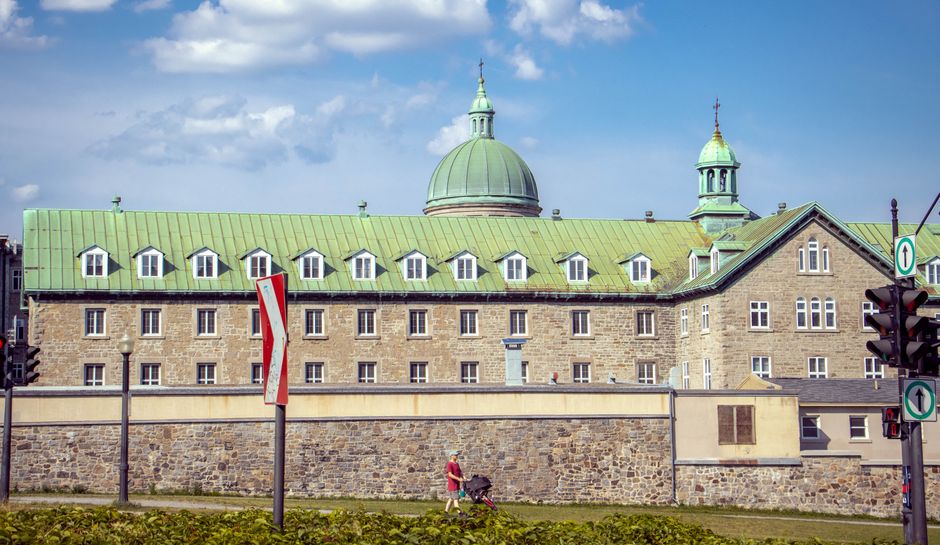
This 17th-century monastery, founded by North America's first hospitalières, now offers a unique blend of heritage and modern wellness.
Le Monastère des Augustines, established in 1639, was the first hospital in North America north of Mexico, founded by the Augustinian Sisters who dedicated their lives to caring for the sick. Today, it operates as a heritage site, museum, and unique wellness hotel, preserving centuries of medical history within its ancient walls. Its tranquil courtyards and preserved artifacts offer a profound connection to Quebec's foundational humanitarian spirit.
7. The Geological Backbone of Quebec
Quebec City, Canada
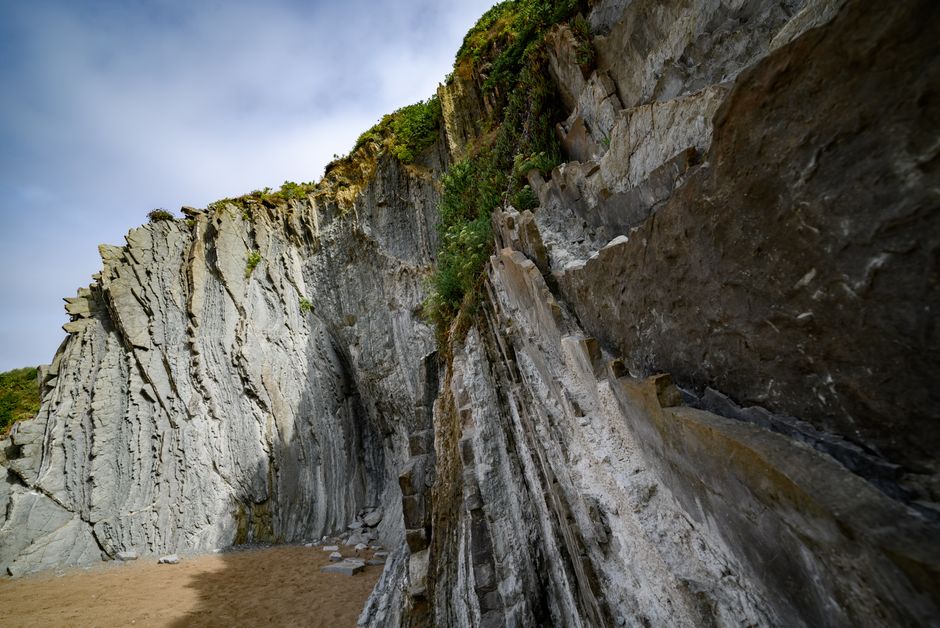
The very cliff face that defines Quebec City’s dramatic silhouette tells a staggering tale of ancient seas, glaciers, and geological forces.
Cap Diamant, the prominent headland upon which Old Quebec is perched, is more than just a scenic backdrop; it's a geological marvel. Formed over millions of years from sedimentary rock laid down in ancient seas and later sculpted by glacial activity, its imposing height provided an invaluable strategic advantage. The cliff's geology dictated the city's defensive capabilities and its unique two-tiered layout, fundamentally shaping Quebec City's architecture and historical development.
8. A Glimpse into Victorian Anglophone Life
Old Quebec, Canada
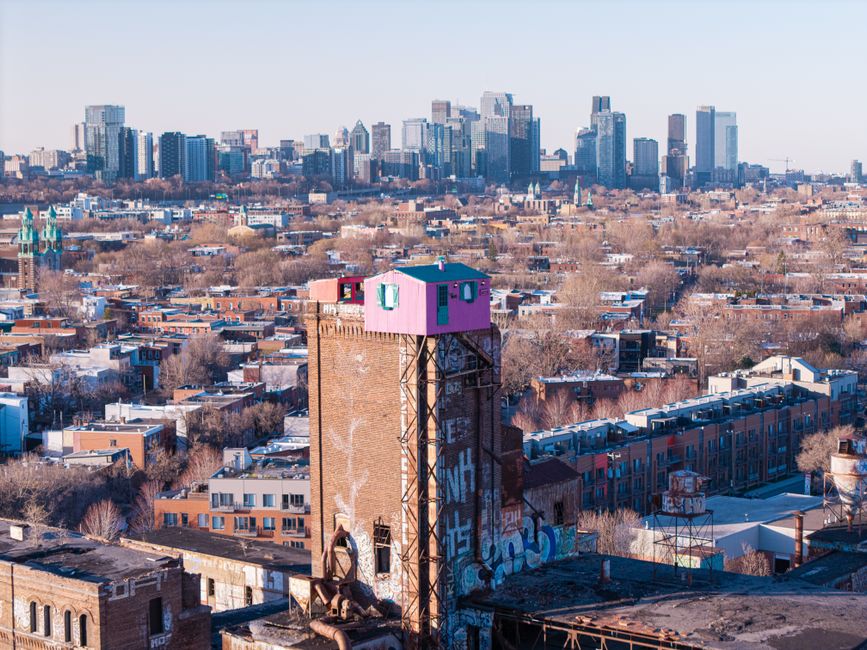
Hidden on a quiet street, this meticulously preserved Victorian house offers a rare, authentic window into the life of Quebec City's affluent Anglophone community.
Maison Henry-Stuart is a beautifully preserved Victorian residence that stands apart from the predominant French colonial architecture. Built in 1849, it showcases the lifestyle and decorative tastes of a prominent English-speaking family who lived in Quebec City during the 19th century. Its period furnishings and architectural details provide a specific, intimate look into a distinct cultural and social facet of the city's complex history, often overlooked by visitors.
Frequently asked questions
What is the best time of year to visit Quebec City to experience its unique charm?
Quebec City is enchanting year-round. Fall offers vibrant foliage, while winter transforms it into a fairytale setting. Spring and summer provide warmer weather for exploring its streets and parks, each season revealing a different facet of its appeal.
Are there many English speakers in Quebec City, especially in these lesser-known areas?
While French is the official language, many people in tourist-oriented areas and even local businesses will speak English. In lesser-known spots, you might encounter more French, but a friendly "Bonjour" and basic phrases go a long way, and locals are generally welcoming.
Is Quebec City easy to navigate on foot, or do I need public transport?
Old Quebec and many of the spots mentioned are very walkable, with cobblestone streets and compact distances. For areas further afield like Limoilou or Sillery, public transport (RTC buses) is efficient, and taxis or ride-sharing services are also available.
How can AllTours.ai help me discover these hidden gems?
AllTours.ai enhances your exploration by narrating the history, geology, and culture of any landmark or landscape you point your camera at. Simply open the app, aim your phone, and hear captivating stories about the architecture, the people, and the very ground beneath your feet, in your preferred language.
Photography via Pexels. AllTours.ai is an AI audio tour guide — point your camera at any landscape and hear its story.