July 4, 2026 · 4 min read
Canada's identity is woven from a complex tapestry of cultures, but none are more foundational than the threads of its French and English heritage. The echoes of colonial conflicts, language disputes, and cultural preservation efforts resonate deeply, shaping everything from street signs to national policy. It's a living history, visible not just in grand monuments, but in quiet towns and forgotten battlefields.
Beyond the well-trodden paths of Quebec City or Ottawa, countless places across the country hold specific, vivid stories of how these historical tensions between French and English speakers continue to shape Canadian culture. These are the spots where the past feels palpably present, offering a deeper understanding of the nation's unique bilingual and bicultural soul.
1. The Border Fort of Shifting Loyalties
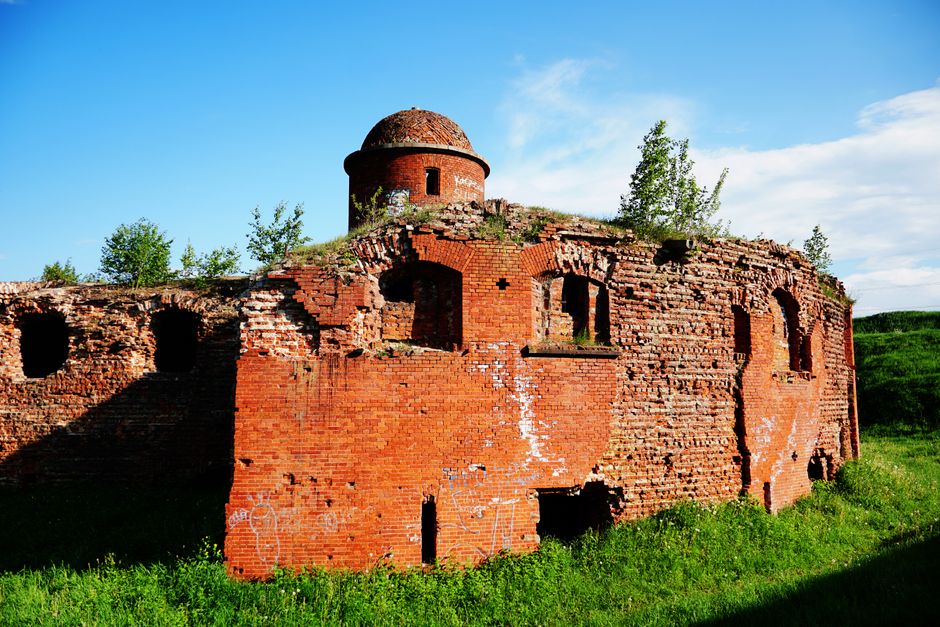
Fort Beauséjour – Fort Cumberland National Historic Site, New Brunswick
This single site changed hands between French and English forces multiple times, becoming a flashpoint for Acadian displacement.
Perched on a ridge overlooking the Tantramar Marshes, this fort was a strategic prize. Originally built by the French as Fort Beauséjour, it was captured by the British in 1755 and renamed Fort Cumberland. Its fall directly preceded the expulsion of the Acadians, a tragic event that scattered an entire French-speaking population. Today, its ruins whisper tales of divided loyalties and the immense human cost of imperial ambitions, marking a stark division that shaped the Maritimes.
2. A Living Snapshot of Acadian Resilience
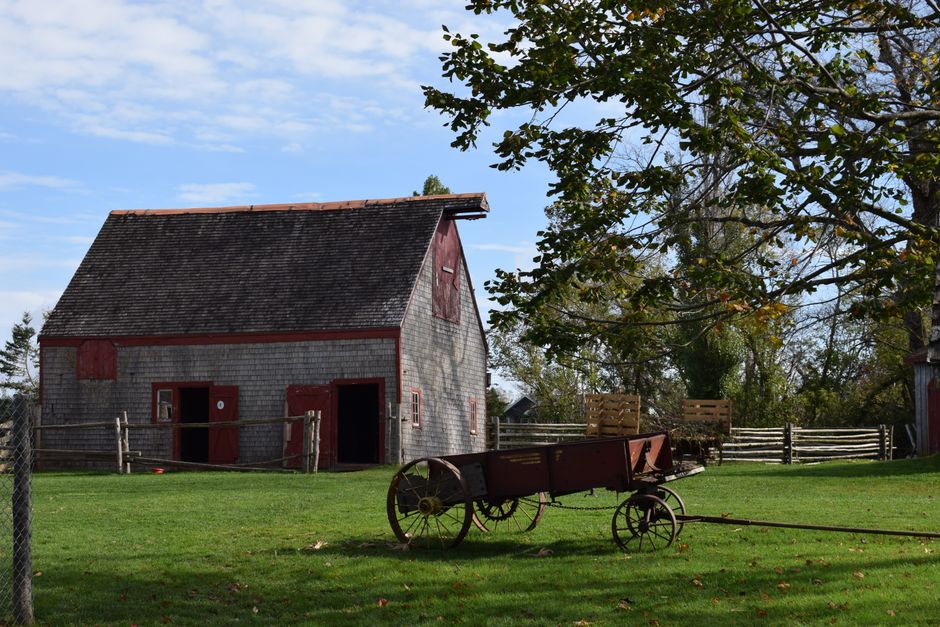
Village Historique Acadien, New Brunswick
After their expulsion, Acadians rebuilt their culture, and this village preserves their unique way of life.
While not a site of direct conflict, the Village Historique Acadien near Caraquet embodies the enduring spirit of Acadian culture, a direct consequence of the historical French-English divide. It's an immersive experience recreating Acadian life from 1770 to 1949, showcasing homes, trades, and traditions. This living museum demonstrates the incredible resilience of a people who, after being uprooted, managed to preserve and re-establish their distinct French-speaking identity against immense odds.
3. The Battlefield of Métis Nationhood
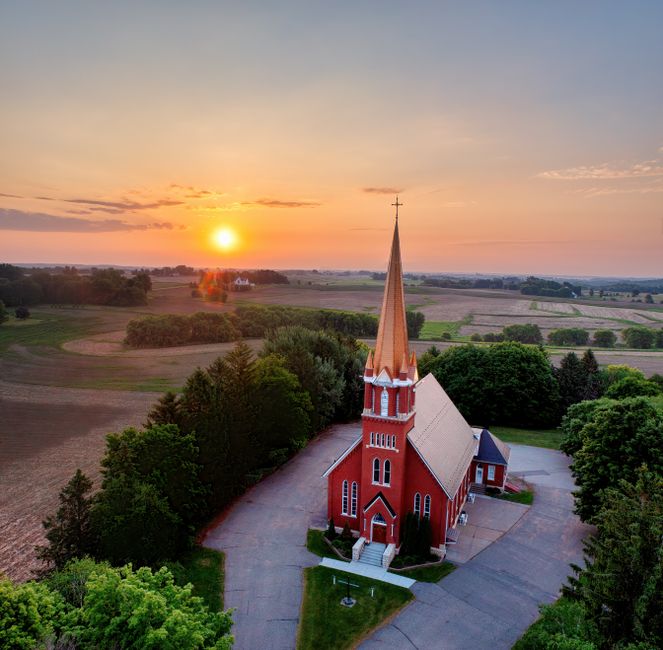
Batoche National Historic Site, Saskatchewan
This quiet prairie churchyard was the epicenter of the 1885 North-West Resistance, where French-speaking Métis fought for their land and rights against an English-dominated government.
Batoche is hallowed ground for the Métis people, a distinct culture born from French-Indigenous unions. It was here, along the South Saskatchewan River, that Louis Riel led his people in their final stand against Canadian government forces. The battle at Batoche was a desperate fight for self-determination against encroaching English-speaking settlement and a government that disregarded Métis land claims, deeply embedding the struggle for French-Indigenous rights within the fabric of Western Canada.
4. Winnipeg's Francophone Heartbeat
St. Boniface, Winnipeg, Manitoba
Across the Red River from downtown Winnipeg lies a vibrant French-speaking community, a testament to enduring cultural identity in the prairies.
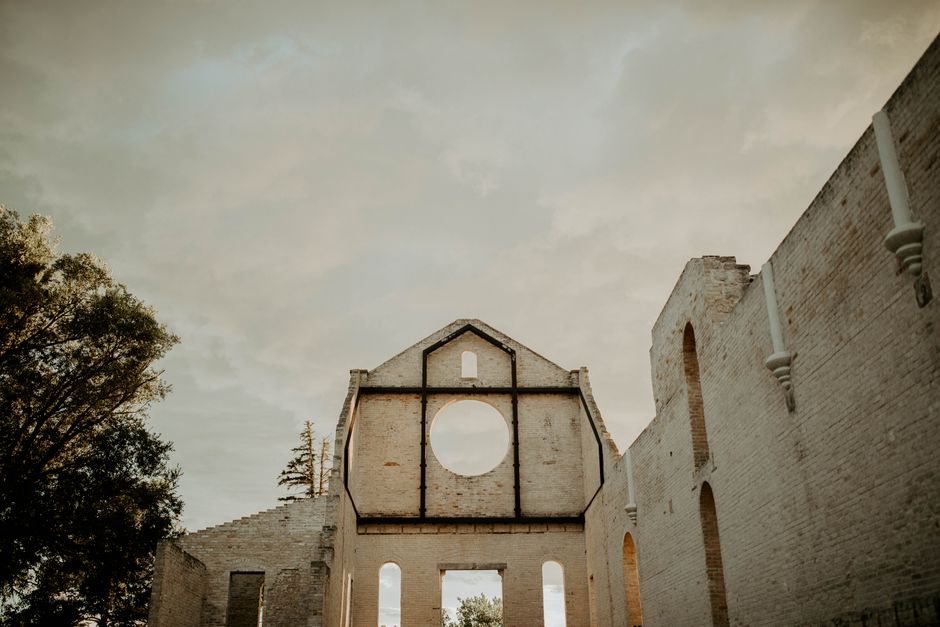
St. Boniface stands as the largest French-speaking community in Western Canada, a remarkable cultural enclave. Its grand cathedral basilica, the tomb of Louis Riel, and French street names proudly declare its heritage. This district thrives as a hub of Francophone culture, education, and commerce, demonstrating how French-Canadian identity rooted itself far beyond Quebec, often in direct contrast to the surrounding Anglophone majority, shaping the bilingual character of prairie cities.
5. The Loyalist Outpost of Upper Canada
Prescott, Ontario
This small town on the St. Lawrence River was the site of a pivotal battle where Anglophone settlers solidified their identity against American incursions.
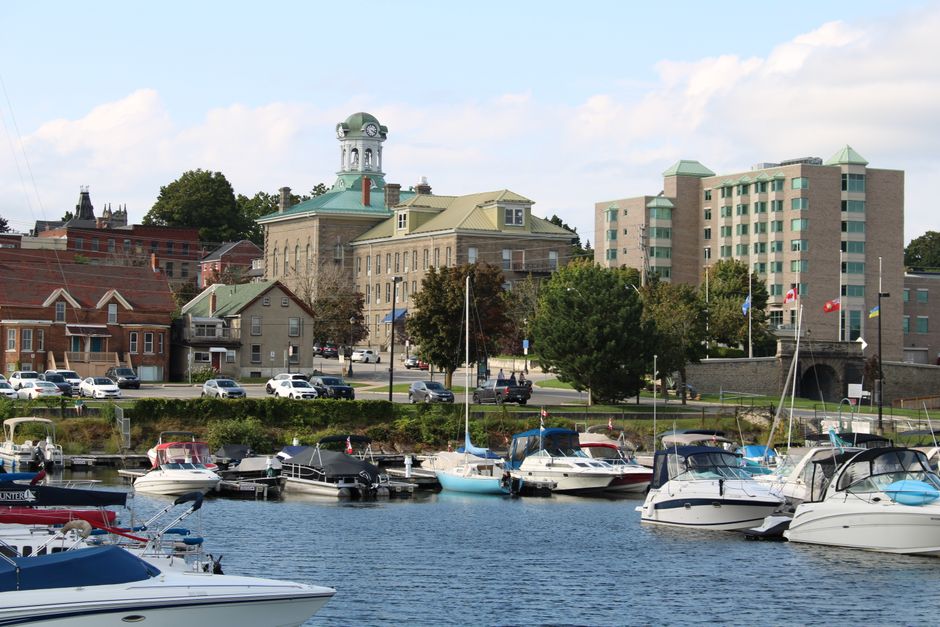
Prescott's history is deeply tied to the Loyalist influx after the American Revolution, English-speaking refugees who shaped Upper Canada as a distinct Anglophone entity. The town played a crucial role in the Battle of the Windmill in 1838, where local militia and British regulars repelled an invasion by American 'Patriots' and Canadian rebels. This victory reinforced the Anglophone-Canadian identity, creating a bulwark against American influence and further distinguishing Upper Canada from its French-speaking neighbour to the east.
6. The Cradle of Quebecois Culture
Île d'Orléans, Quebec
This large island near Quebec City is where many of Quebec's oldest French-Canadian families originated, preserving a distinct cultural lineage.
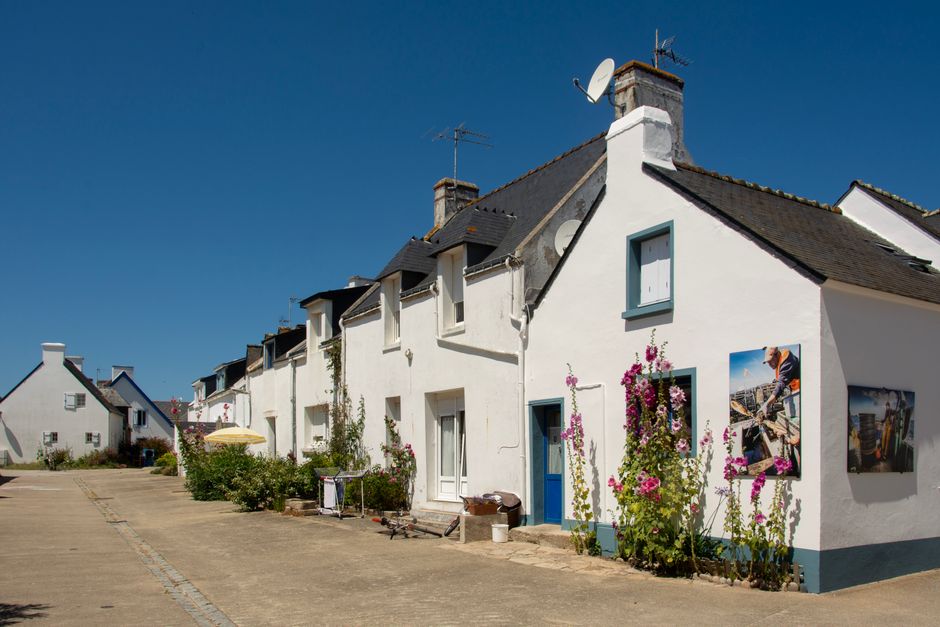
Just a short drive from Quebec City, Île d'Orléans feels like a journey back in time. It was one of the first settled areas in New France, and its fertile lands nurtured generations of French-Canadian families. Today, its picturesque villages, historic churches, and family farms stand as a living testament to the endurance of Quebecois culture. The island quietly asserts a powerful narrative of cultural preservation, a continuous thread of French identity maintained despite centuries of British rule and the surrounding Anglophone world.
7. Where French Fishing Rights Lingered
Port au Choix National Historic Site, Newfoundland and Labrador
Beyond its ancient Indigenous heritage, this remote site highlights centuries of French fishing rights that created unique tensions with British settlers.
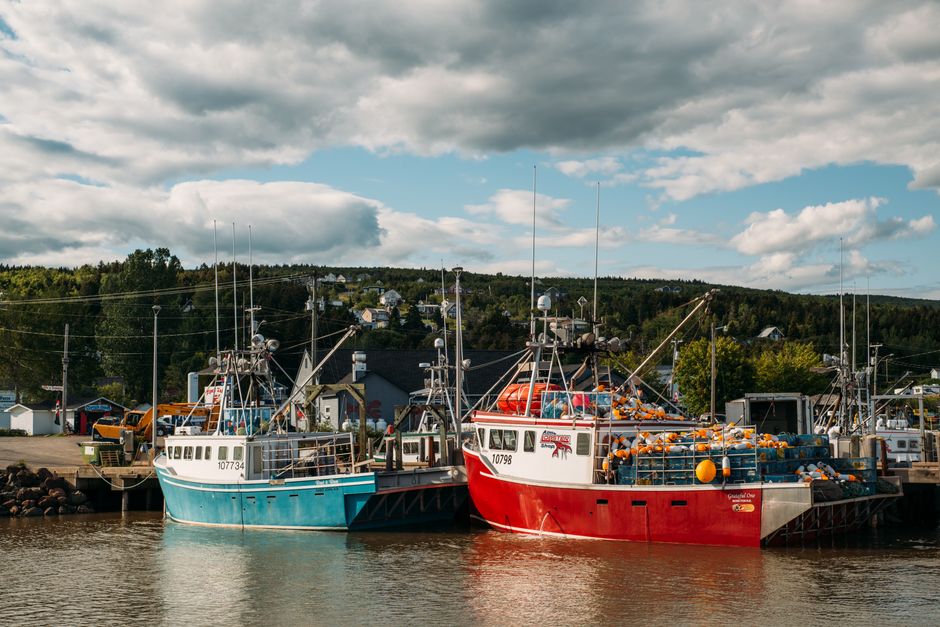
While renowned for its ancient Indigenous archaeological sites, Port au Choix also carries a lesser-known story of French-English tensions. For centuries, the 'French Shore' — a strip of Newfoundland's coast — granted French fishermen seasonal rights that often conflicted with permanent British settlement. This unique legal situation, only fully resolved in the early 20th century, shaped the isolated communities and their distinct identity. It's a nuanced example of how colonial agreements created lasting cultural and economic divisions.
Frequently asked questions
What are the main historical events that shaped French-English tensions in Canada?
Key events include the Battle of the Plains of Abraham, the Quebec Act, the Rebellions of 1837-38, and the Métis Resistance. These moments, alongside ongoing language debates and cultural preservation efforts, continually redefine the relationship between French and English speakers.
How does bilingualism reflect these historical tensions today?
Official bilingualism in Canada is a direct outcome of efforts to reconcile and respect both founding cultures. While providing services in both languages, it also sparks ongoing debates about language rights, funding, and the place of each language in public life, especially outside Quebec.
Are there still active disputes between French and English communities?
While overt conflicts are rare, discussions around language rights, education, and cultural identity persist. These often manifest in political debates, court challenges regarding minority language services, or local cultural initiatives, reflecting the ongoing evolution of Canada's bicultural identity.
How can the AllTours.ai app help me explore these places?
The AllTours.ai app brings the rich history of these sites to life. Simply point your phone camera at a landmark or landscape, and the app uses AI to narrate its history, geology, and culture in your preferred language, offering a personalized and immersive tour experience.
Photography via Pexels. AllTours.ai is an AI audio tour guide — point your camera at any landscape and hear its story.